








I. Principle of Water Level Measurement
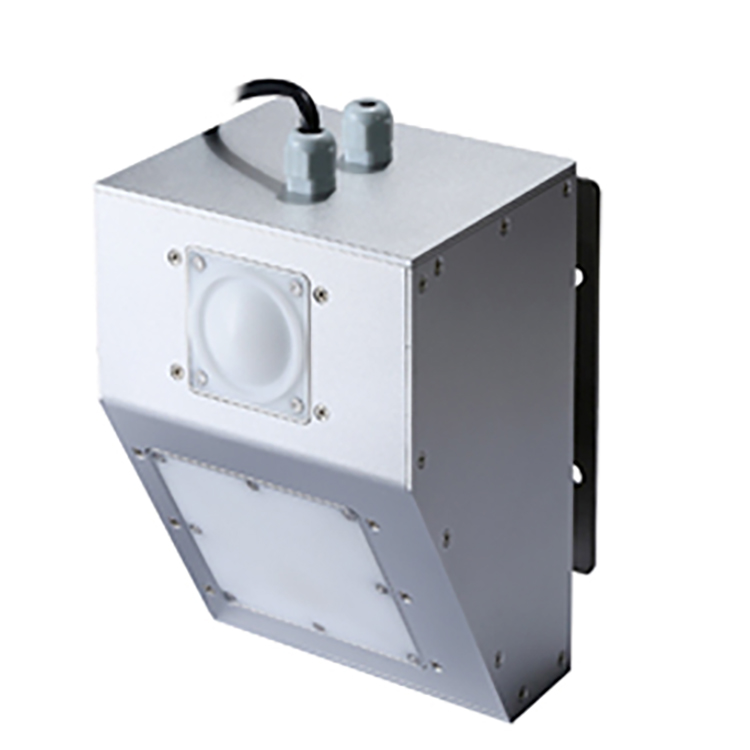
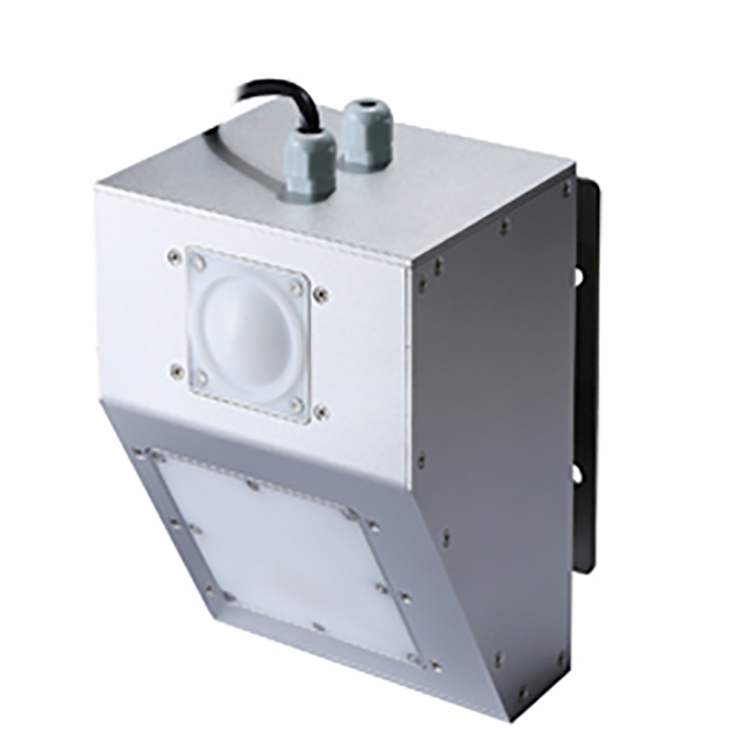
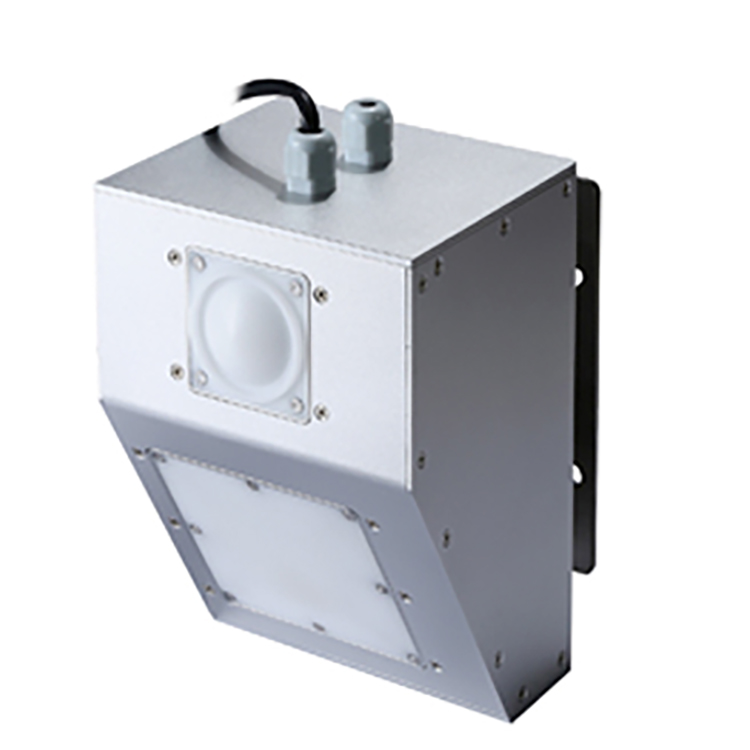
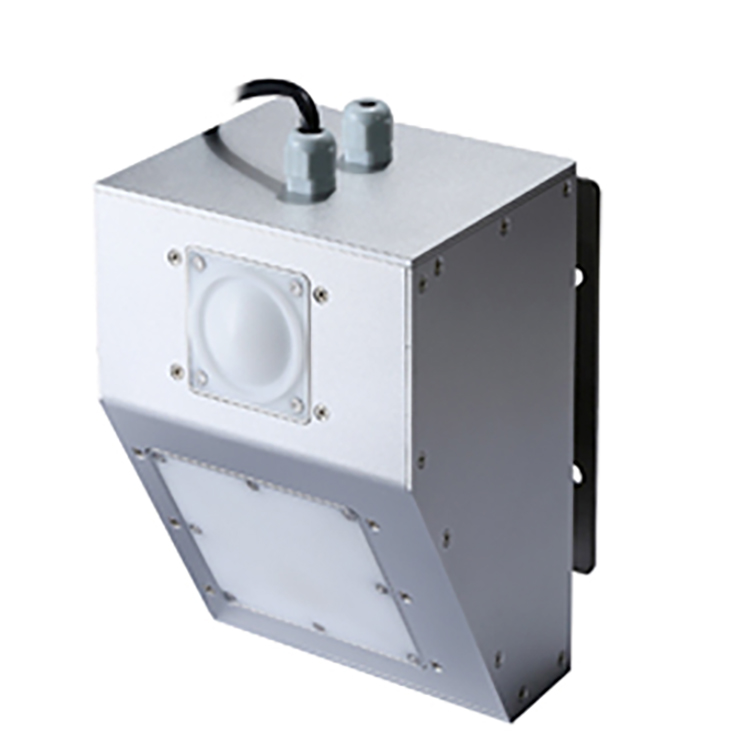
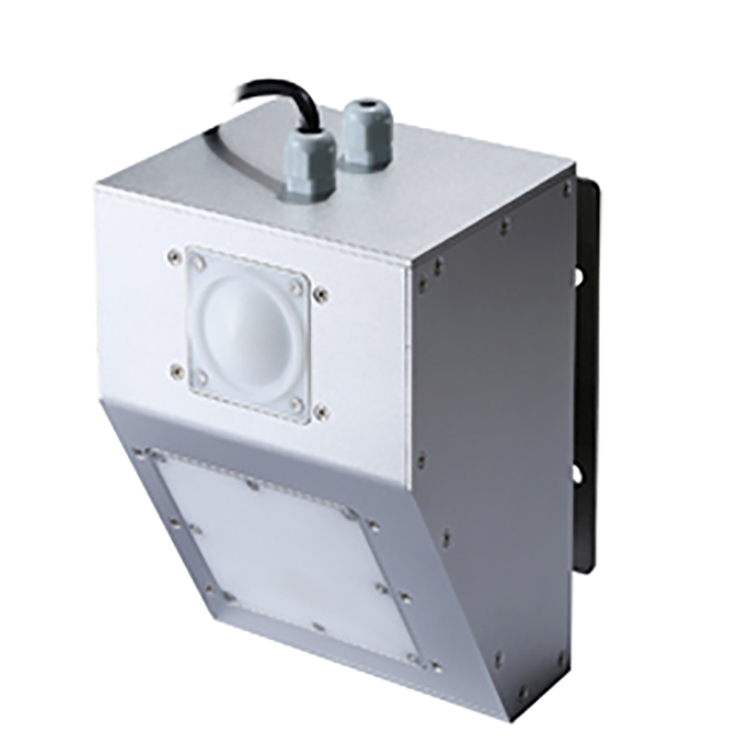
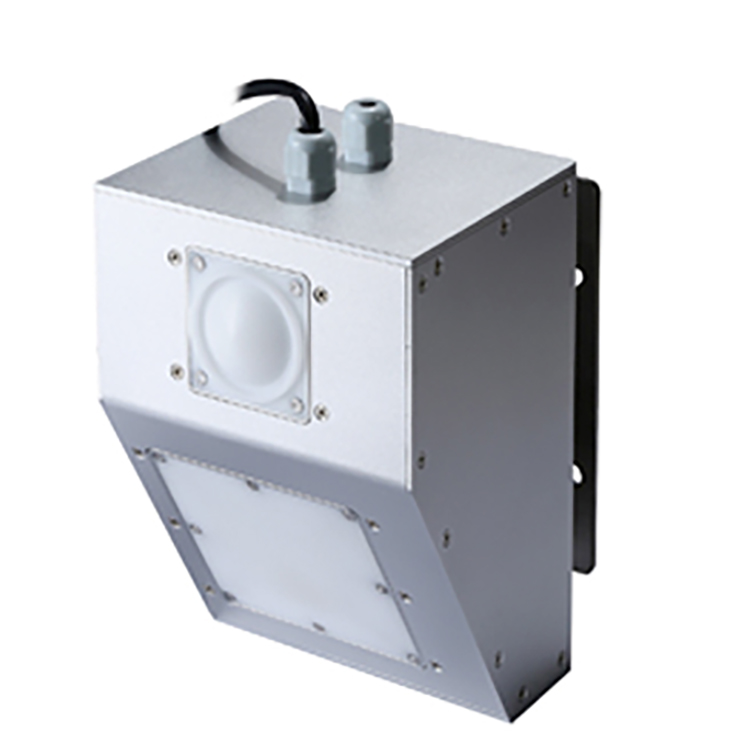
The radar water level sensor emits continuous microwave signals. These signals propagate through space at the speed of light and, upon encountering the surface of the substance being measured, part of their energy is reflected back and received by the same antenna. The time interval between the transmitted and received waves is proportional to the distance from the antenna to the surface of the measured medium. As electromagnetic waves travel at the speed of light, the time interval between the transmitted and received waves is very small. The radar water level gauge employs a special FMCW modulation and demodulation technique to accurately identify the frequency difference between the transmitted and received waves, thereby further calculating the distance from the antenna to the surface of the measured water.
Section II: Flow Measurement Principle
Cross-sectional flow is the flow over a certain period of time = average velocity * cross-sectional area of water flow * bank coefficient; average velocity can be obtained through a radar velocity probe; water depth can be obtained through a radar water level probe. In open channels of irrigation areas, common cross-sectional shapes of open channels include rectangular and trapezoidal; commonly used slopes for main and branch channels are dry and longitudinal slopes; two commonly used roughness coefficients are concrete-lined and masonry-lined channel walls. For these common open channels, the bottom slope and roughness are determined, and the velocity distribution across the cross-section has a strong symmetry. Additionally, the upstream and downstream straight sections of the irrigation area cross-section are long, and the cross-section is symmetrically arranged on both sides, displaying good symmetry in the velocity distribution. Modifications are made to the velocity field distribution based on the cross-sectional shape, bottom (longitudinal) slope, and roughness. Currently, the commonly used turbulent mathematical model is the RNG (Reynolds Stress Model) k-ε model, which offers high calculation accuracy, good numerical stability, and moderate computational volume.