









I. Product Principle
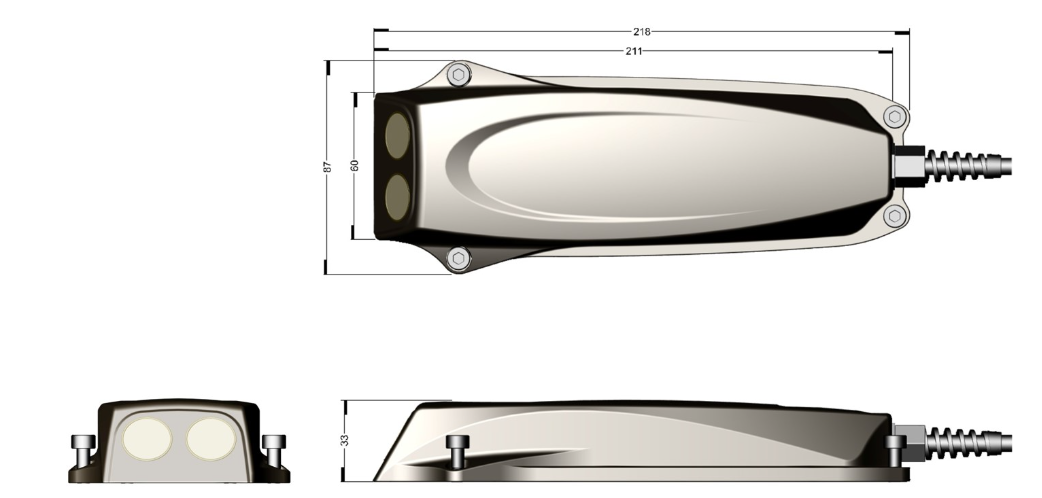
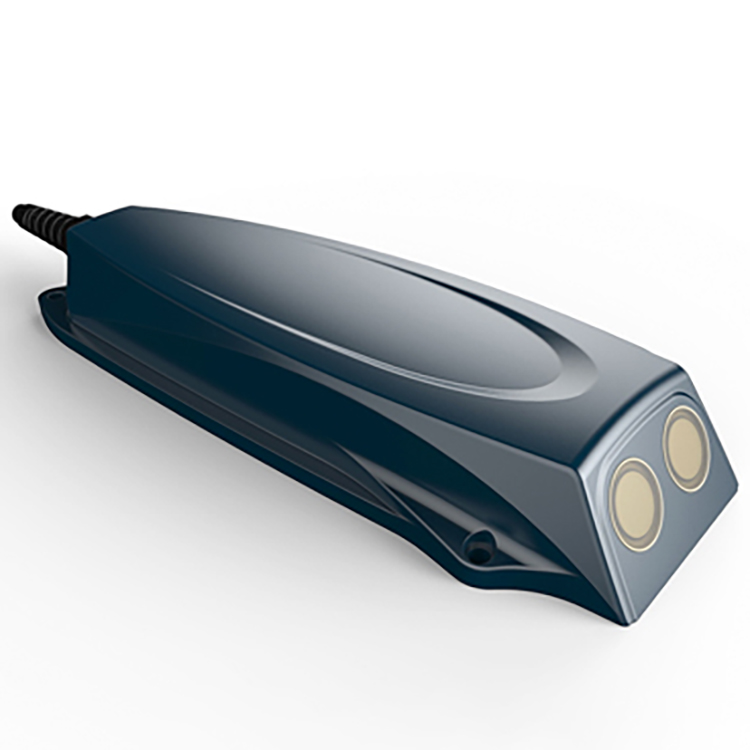
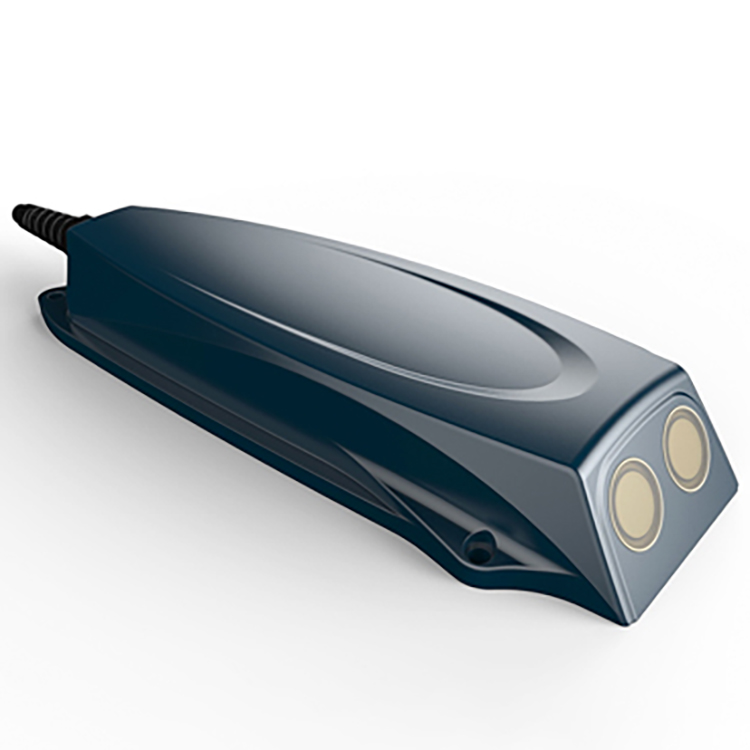
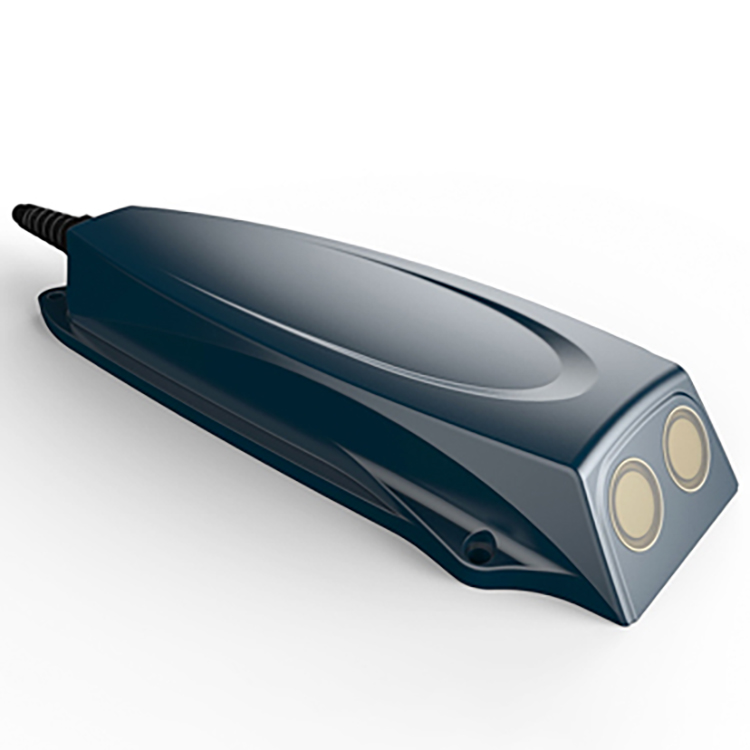
The product features three functions: measuring average flow rate, water depth, and water temperature, as well as displaying cross-sectional flow rate.
The water temperature measurement is conducted using a temperature probe, which does not come into contact with the water. It is tightly adhered to the top of the instrument's outer packaging material. It needs to be placed at the bottom of the water for a certain period of time before it reflects the actual water temperature. The purpose of measuring the water temperature is to correct the speed of ultrasonic waves in the water and to adjust the water level values measured by the pressure sensor.
Depth measurement utilizes imported high-precision pressure sensors, positioned at the bottom of the instrument, with the probe's sensing area in direct contact with the water.
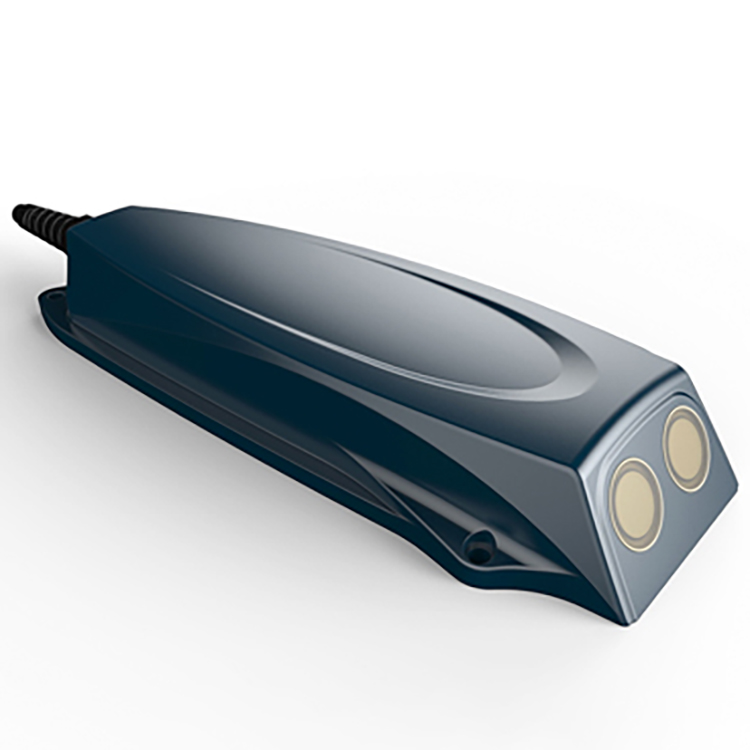
Flow rate measurement is obtained by emitting and receiving ultrasonic signals through an ultrasonic probe (transducer) and performing corresponding calculations and processing.
By measuring the average flow rate, water level, and cross-sectional dimensions, the cross-sectional flow rate can be calculated.
Average Flow Rate Measurement:Flow rate measurement is achieved by emitting and receiving ultrasonic signals through an ultrasonic probe (transducer) and performing corresponding calculations.Transducer 1 emits ultrasonic signals at frequency f1, which are directed at a specific angle from underwater towards the water surface. Upon encountering suspended particles or bubbles in the water, the frequency shifts and reflects back to Transducer 2 at a frequency of f2, which is the Doppler effect. The difference between f2 and f1 is the Doppler frequency shift, fd. Assuming the fluid velocity is v and the speed of sound in ultrasound is c, the Doppler frequency shift fd is proportional to the fluid velocity v. There will be a large number of impurities, particles, and bubbles in the water. Each reflected particle corresponds to a Doppler frequency shift fd, and its velocity can be calculated through conversion. The average velocity of these numerous particles is also the average fluid velocity.