








Product Description
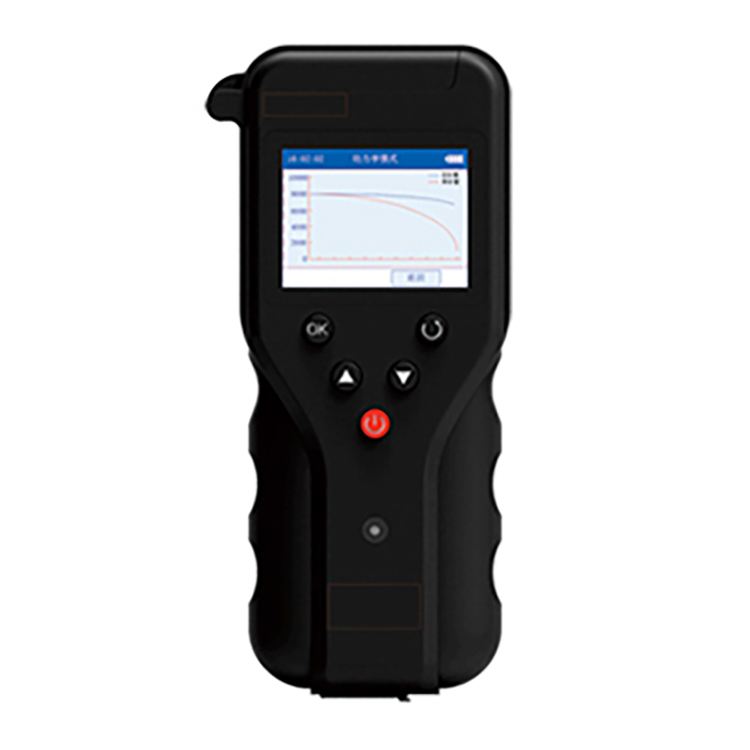
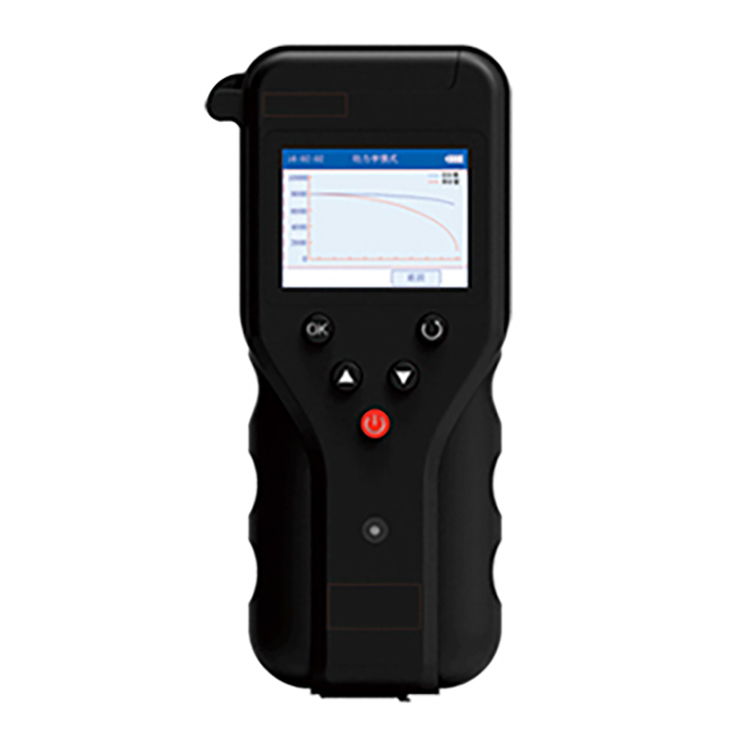
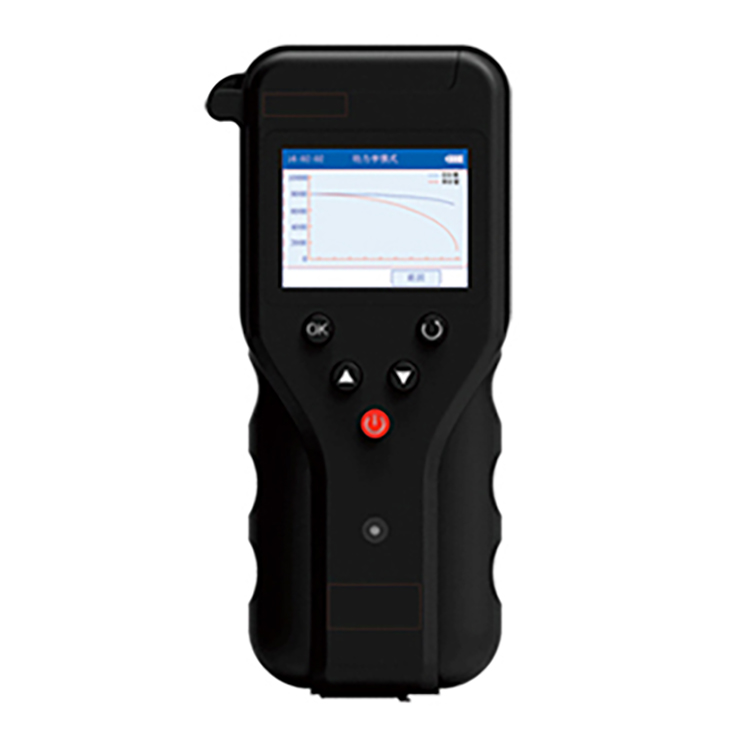
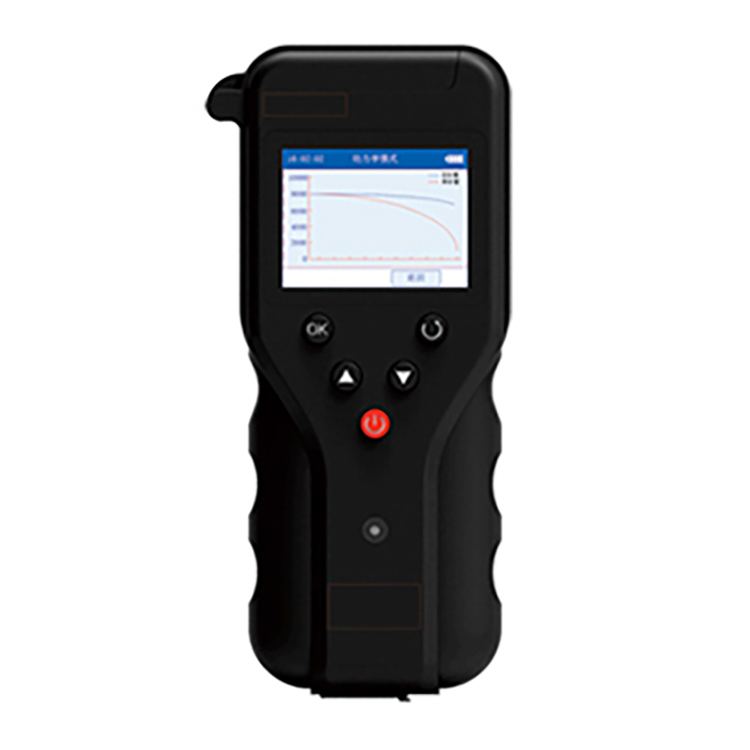
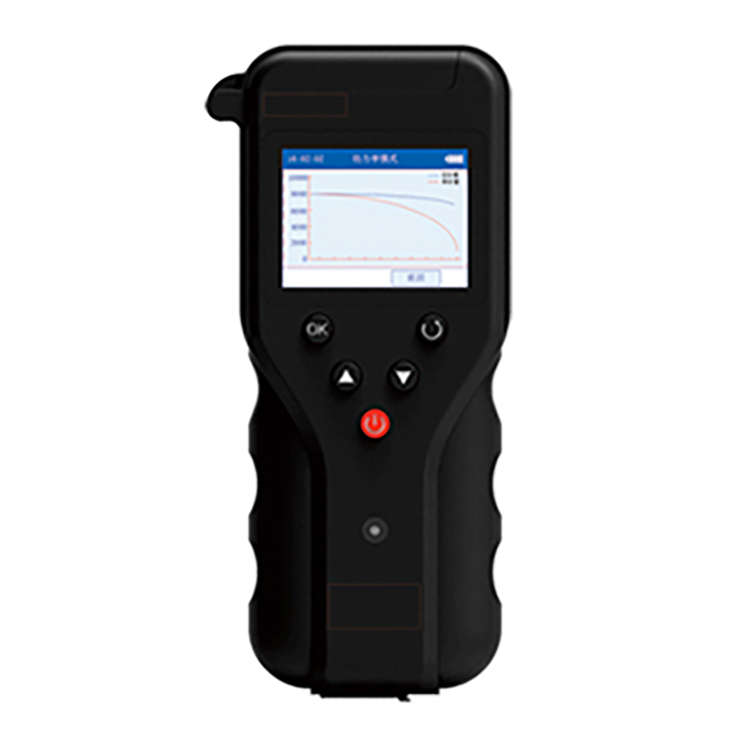
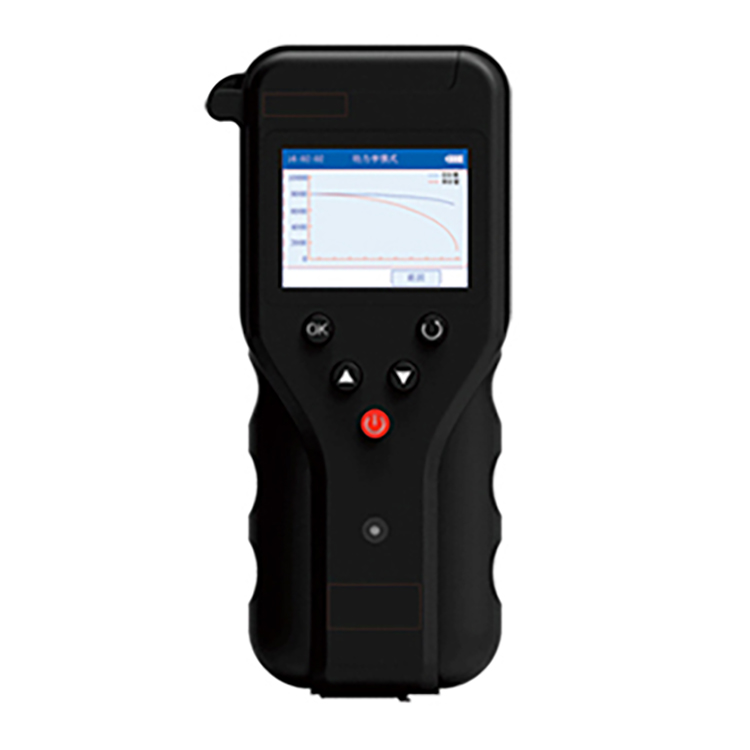
The HY-JC06 Water Toxicity Tester utilizes luminescence detection and adheres to the EU standard ISO-11348-3. It emits a blue-green fluorescence at 450-490nm during normal metabolism. Upon encountering external toxic substances, it affects the luminescence metabolism, thereby reducing the intensity of luminescence. The degree of inhibition of luminescence correlates with the toxicity of the external substances. This method provides a biological basis for the detection and evaluation of environmental quality. The tester can quickly assess water pollution on-site, effectively complementing conventional physical and chemical scientific instruments. The portable HY-JC06 Water Toxicity Tester employs dual-pathway comparative detection technology, enabling kinetic detection of the entire toxicity inhibition process during testing. This allows for a clear understanding of the toxicity contact reaction process, addressing the limitation of a single measurement in evaluating the size of toxicity.
Key Features:
Dual-optical path comparison detection technology, capable of detecting the kinetic process of toxicity inhibition
Supports long-duration continuous monitoring in the field, with a standby time exceeding 10 hours
Compact and lightweight, handheld operation
User-friendly interface, easy to operate
Strain quality is reliable and performance is stable.
Rapid technical support
Functional Performance:
Fast, completes testing in just 5 minutes
Reproducibility (CV value less than 5%)
One test can qualitatively determine the overall toxicity level of the water sample being tested.
Wide detection range, capable of detecting heavy metal ions, organic and inorganic toxic substances, etc., with a simple method and no need for biological professionals.
Toxic Response Materials: Heavy metals, disinfectants, industrial chemicals, etc.
Application Fields:
Various environmental monitoring departments and disease prevention and control centers serve as emergency monitoring projects.
Rapid on-site source identification and testing for pollution.
In-water quality testing for incoming and outgoing water, process water, surface water, and leachate toxicity; as well as educational demonstrations and scientific research.