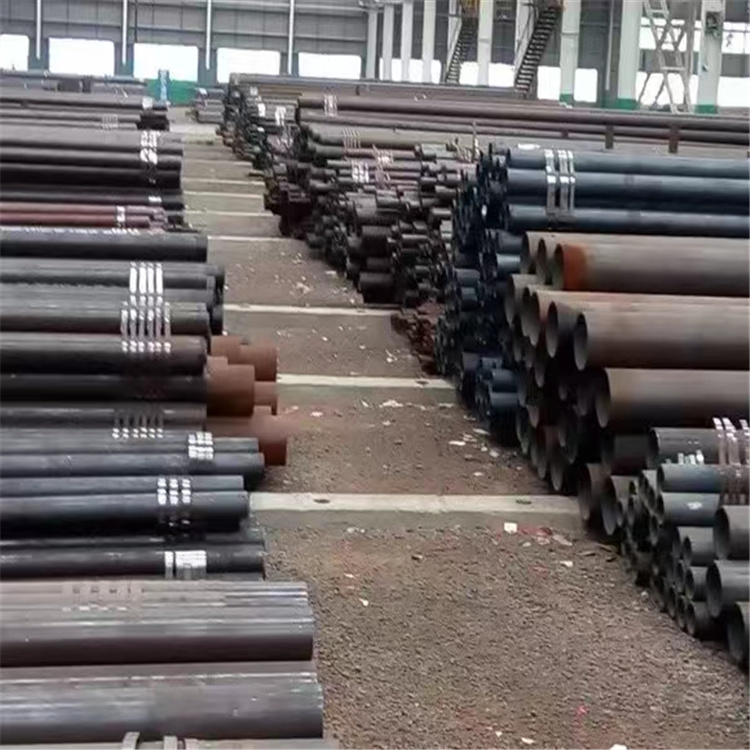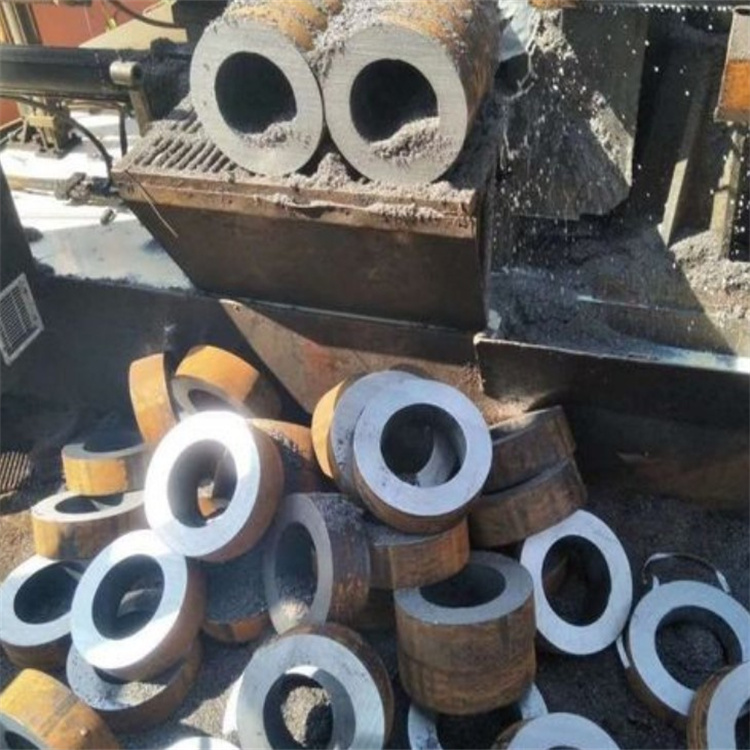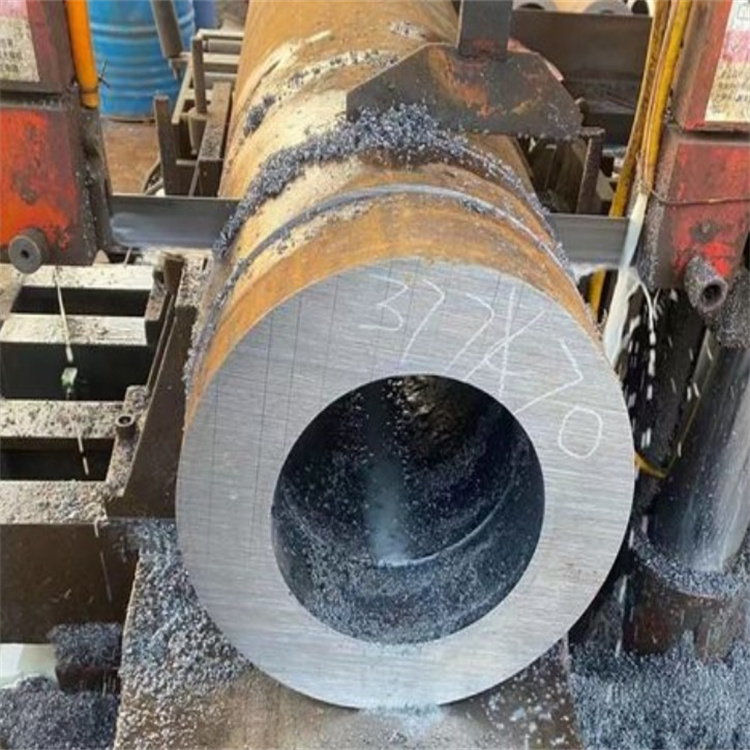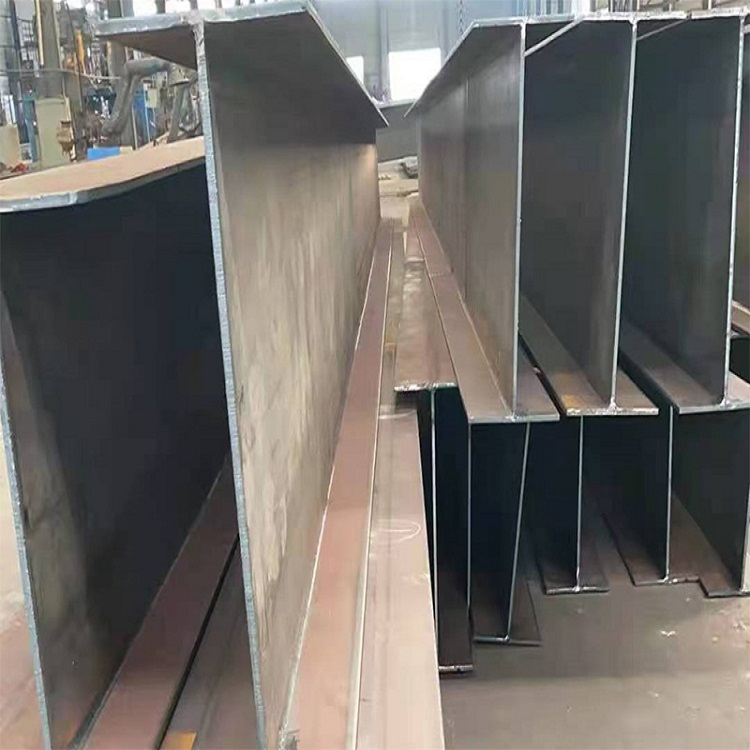













Seamless steel tube production processes are quite diverse, generally following corresponding steps for processing and production:
Main Production Processes (△Main Inspection Processes) of Hot-Rolled Seamless Steel Pipes
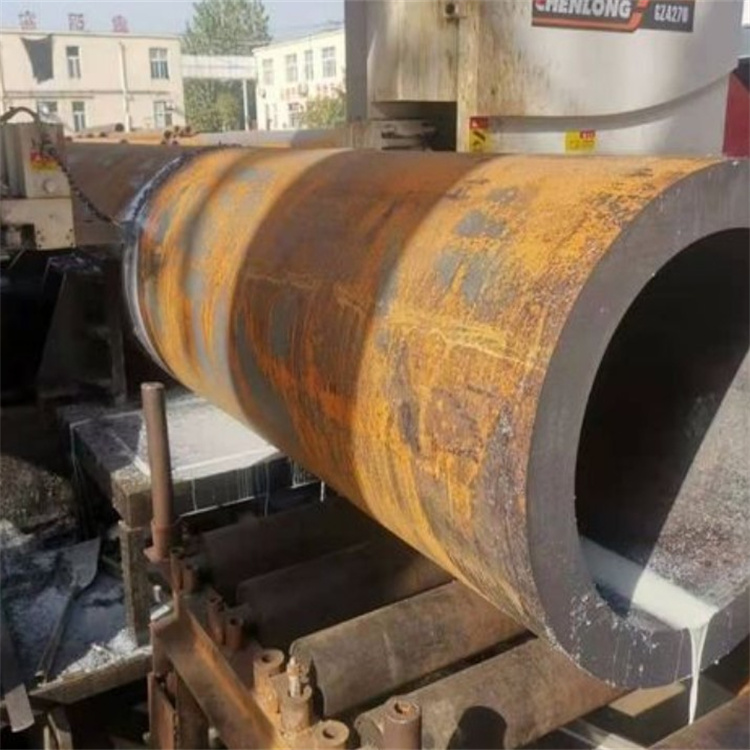
Billet preparation and inspection △ → Billet heating → Piercing → Rolling → Steel pipe reheating → Size (reduce) setting → Heat treatment △ → Finished pipe straightening → Finishing → Inspection △ (Non-destructive,理化,台检) → Storage
Main production processes of cold rolling (drawing) seamless steel tubes:
Billet Preparation → Pickling and Lubrication → Cold Rolling (Drawing) → Heat Treatment → Straightening → Finishing → Inspection
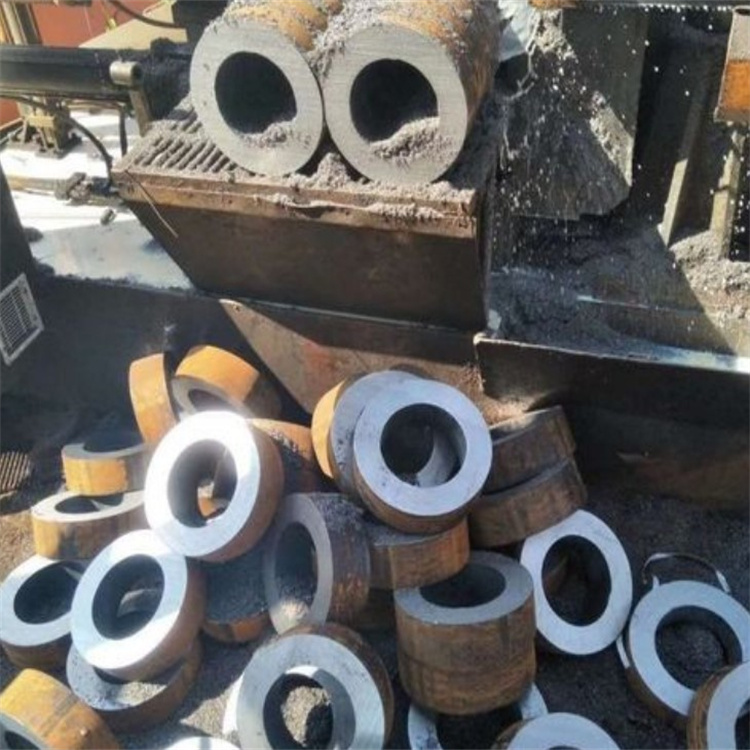
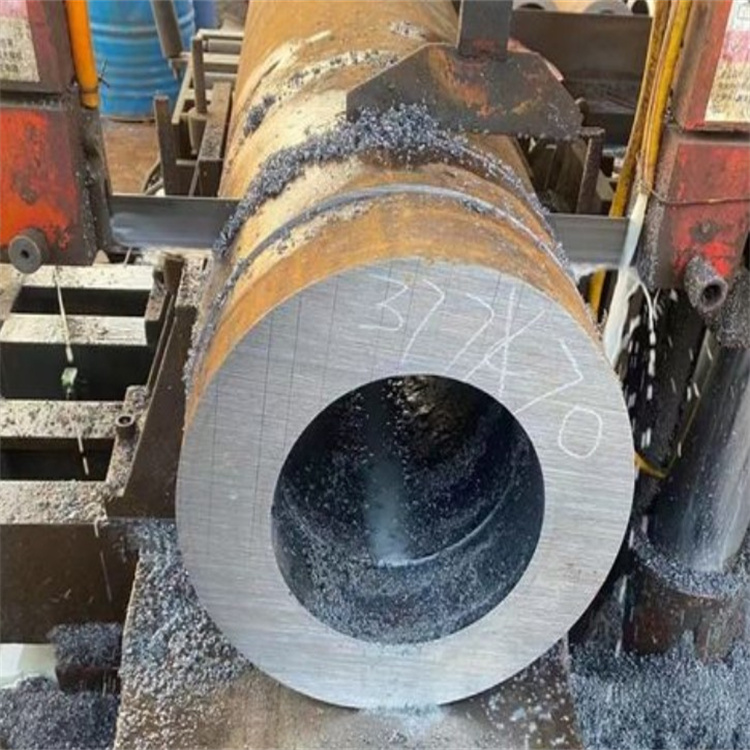
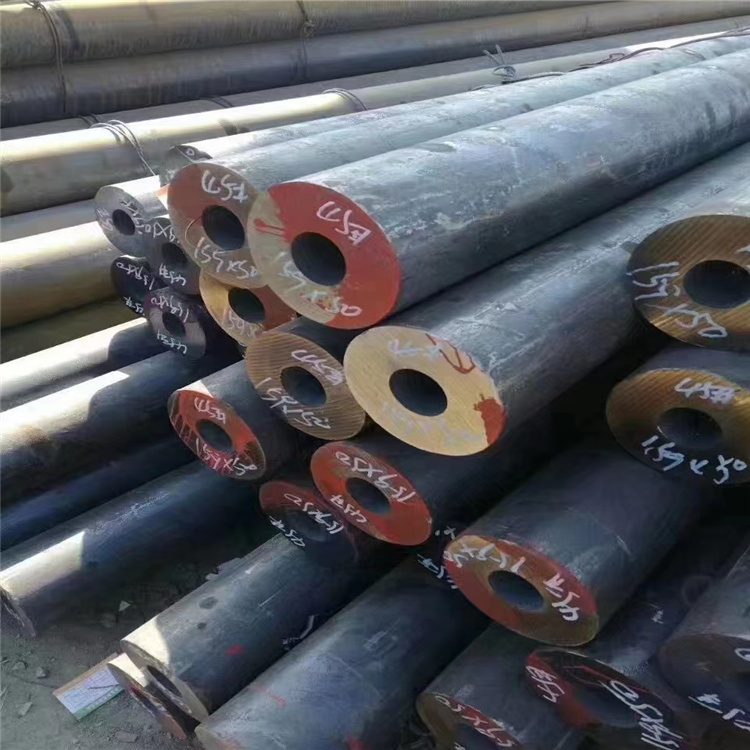
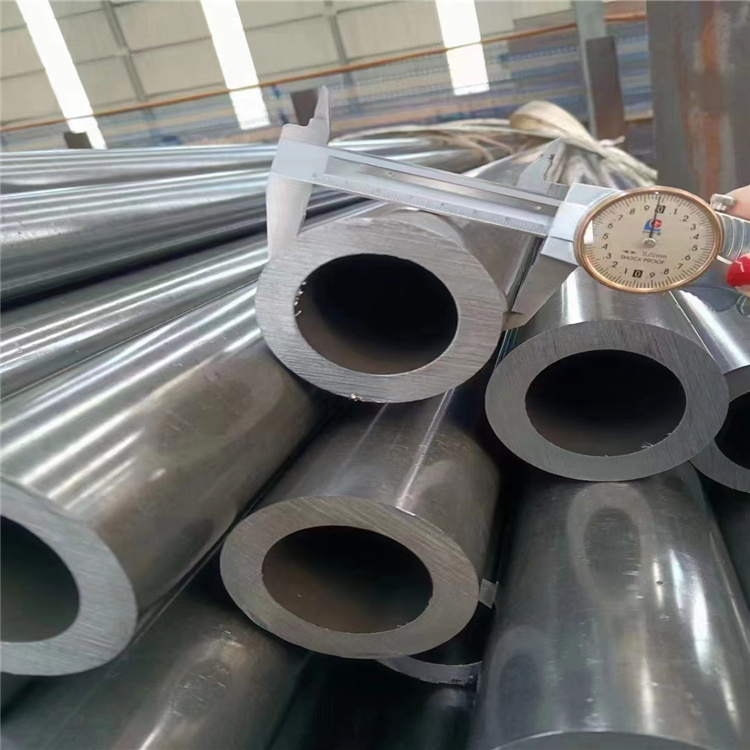
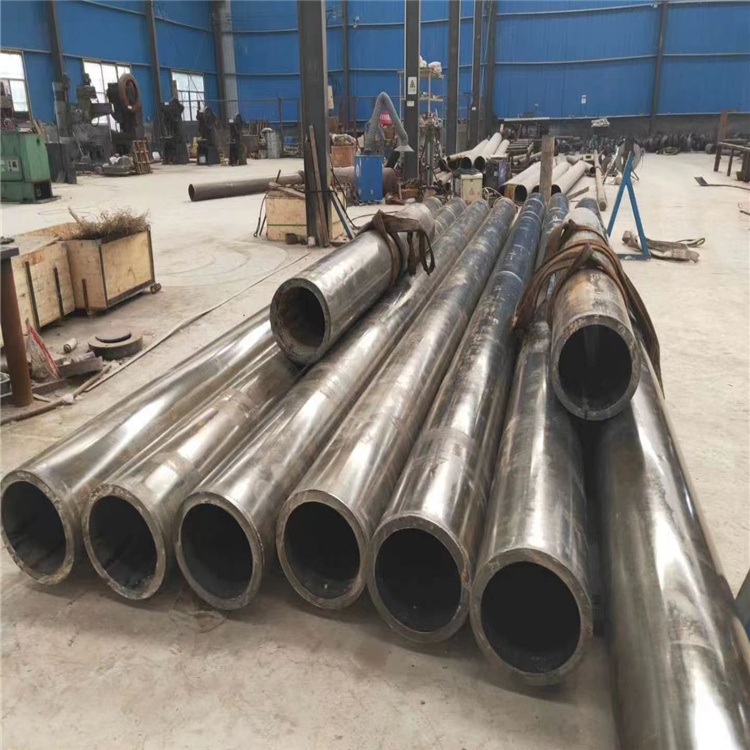
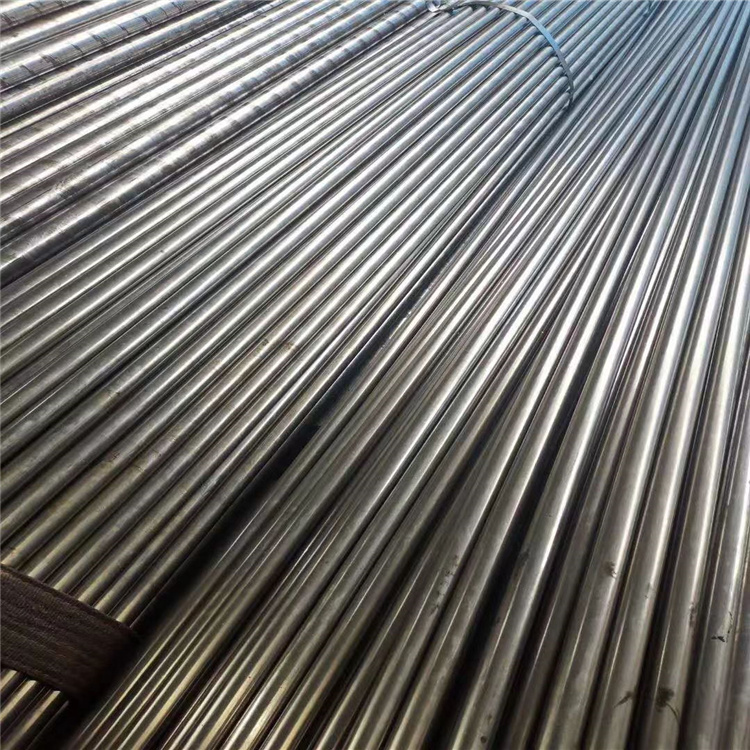
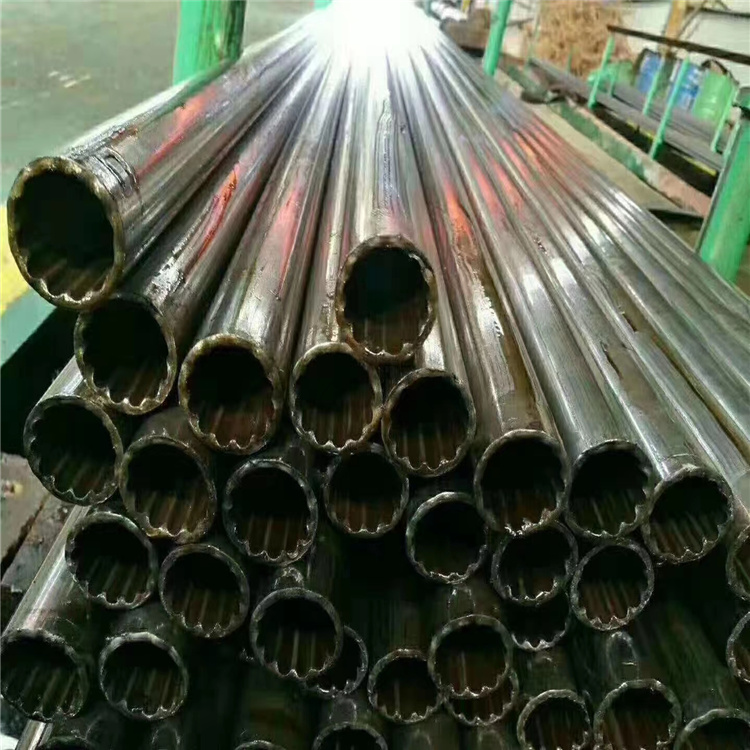
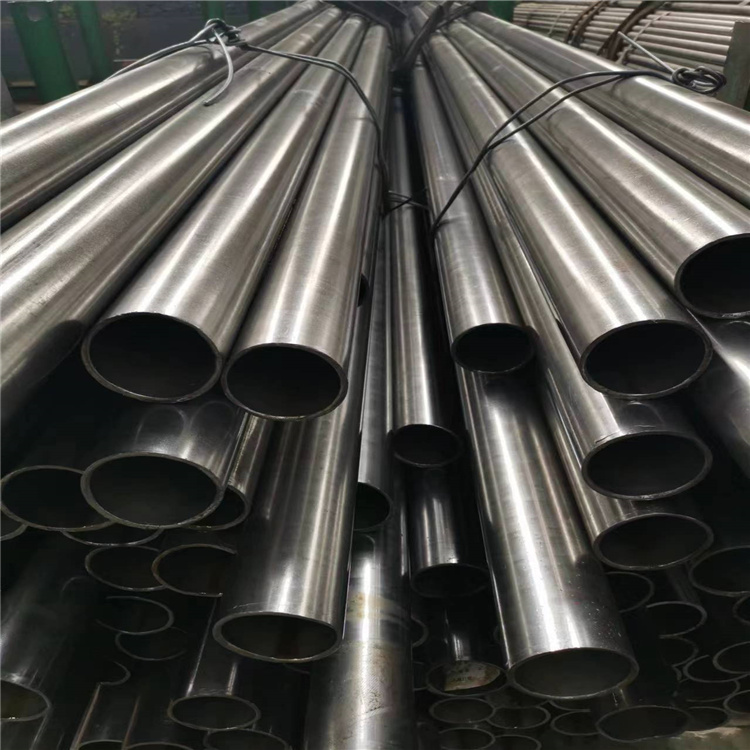
The production process of general seamless steel pipes can be divided into cold drawing and hot rolling. The production process of cold-rolled seamless steel pipes is generally more complex than hot-rolled pipes. The billet must first undergo three-roller continuous rolling, followed by sizing tests after extrusion. If there are no corresponding surface cracks, the round tube is then cut by a cutting machine into blanks about one meter in length. Next, it enters the annealing process, where acid washing is performed using acidic liquids. During acid washing, attention must be paid to the surface for any excessive bubbling. Excessive bubbling indicates that the quality of the steel pipe does not meet the corresponding standards. Aesthetically, cold-rolled seamless steel pipes are shorter than hot-rolled pipes, and their wall thickness is generally thinner than that of hot-rolled pipes. However, they appear brighter on the surface, have less roughness, and fewer burrs in the diameter.