
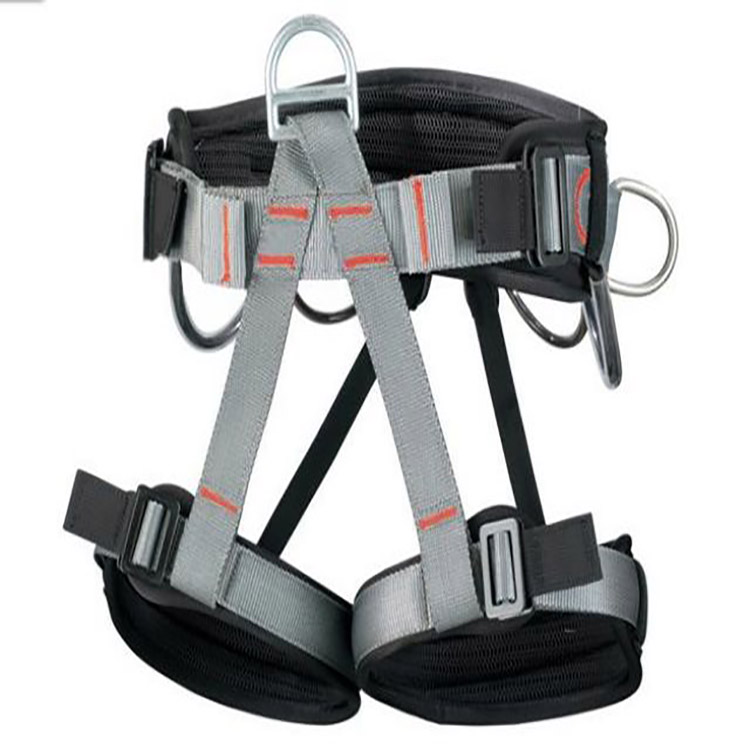

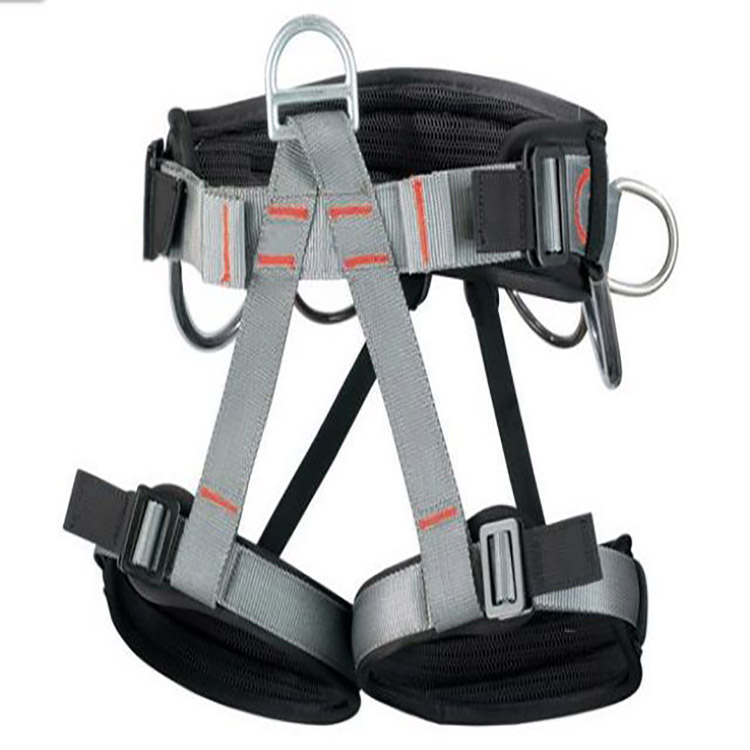

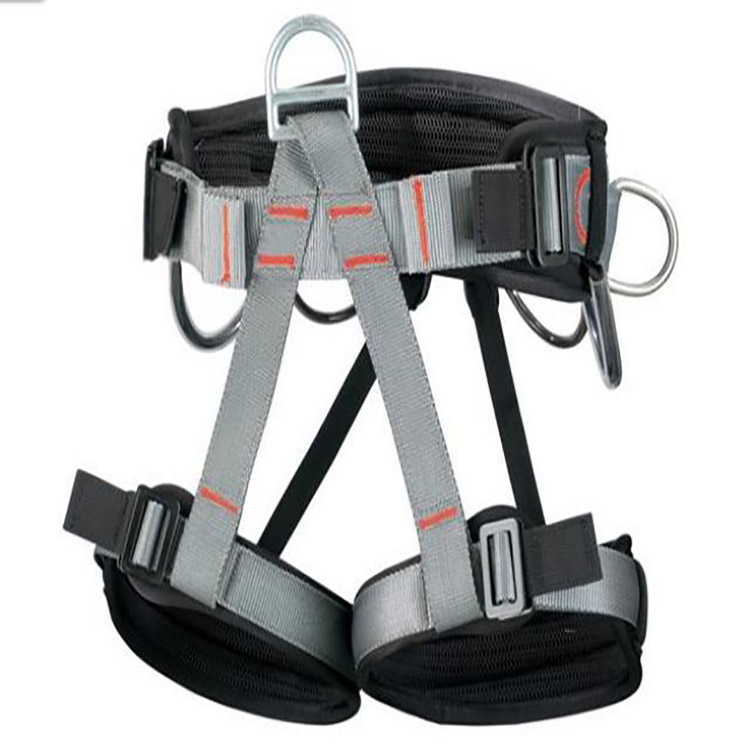










One of the main equipment for rock climbing.
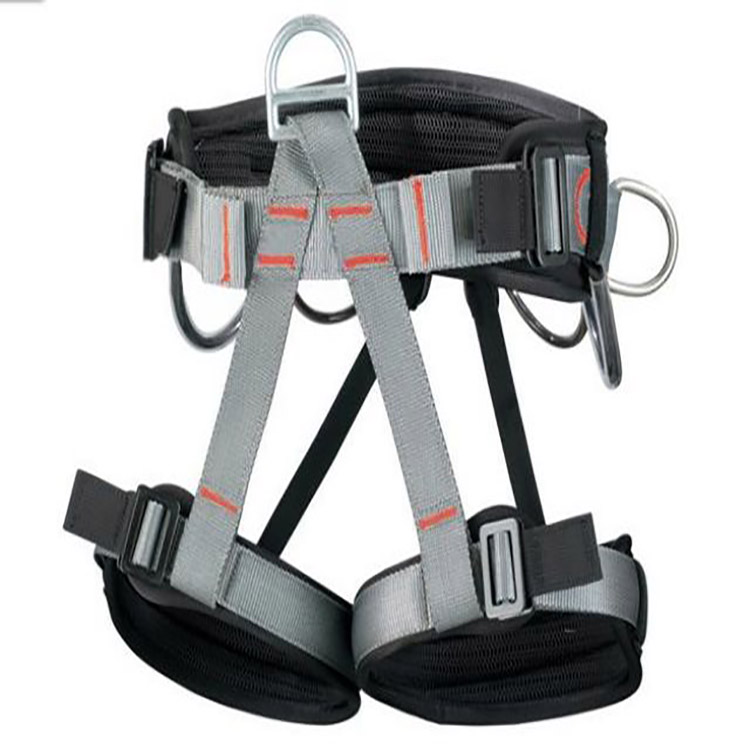
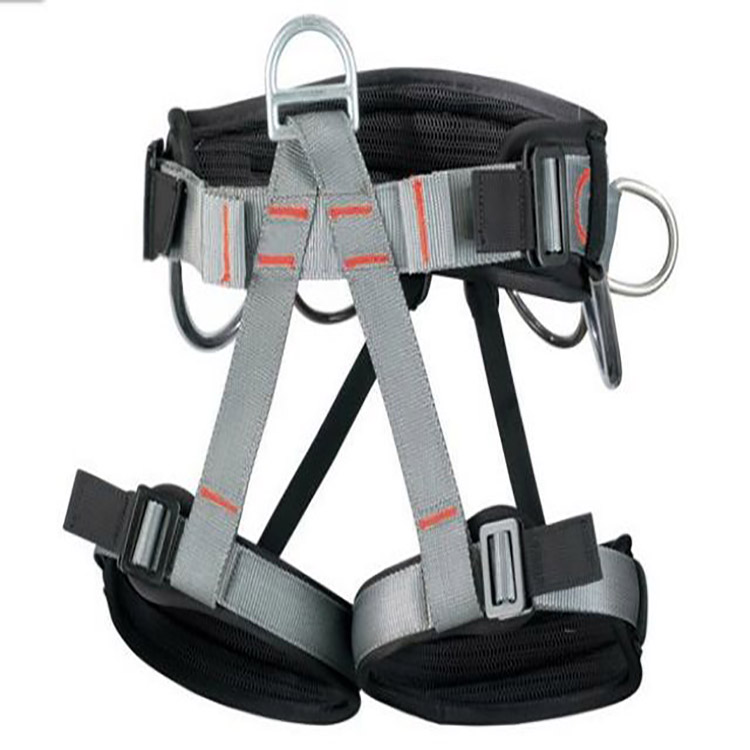
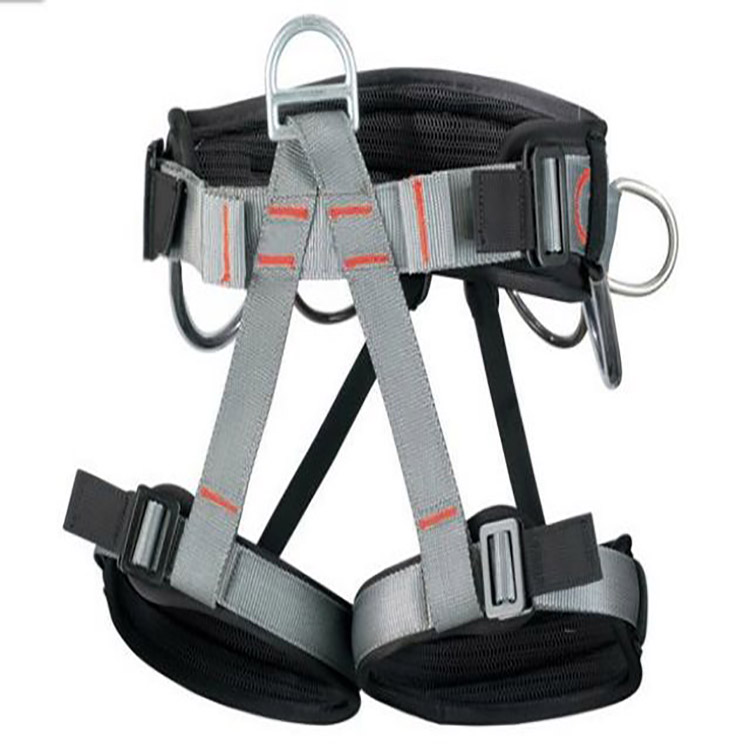
Rock climbing harnesses provide climbers and belayers (protectors) with a comfortable and secure attachment gear that distributes the impact force of a fall between the waist and legs, preventing it from concentrating solely on the waist and causing injury. The harness typically includes a waist belt, leg loops, and an additional connection system at the front, with the waist belt being the primary force-bearing part.
Seat belts are generally categorized into seat belts, chest belts, and full-body belts, etc.
The leg loops of the seated safety belt can be adjusted to fit comfortably around the pelvis, distributing the impact force of a climber's fall across the entire pelvic area, making it feel like a comfortable seat during rappelling.
A chest harness allows the faller to maintain an upright body position, but it also transmits some of the fall's force to the chest, where it's more susceptible to injury than the pelvis. Therefore, climbers typically rarely use a chest harness.
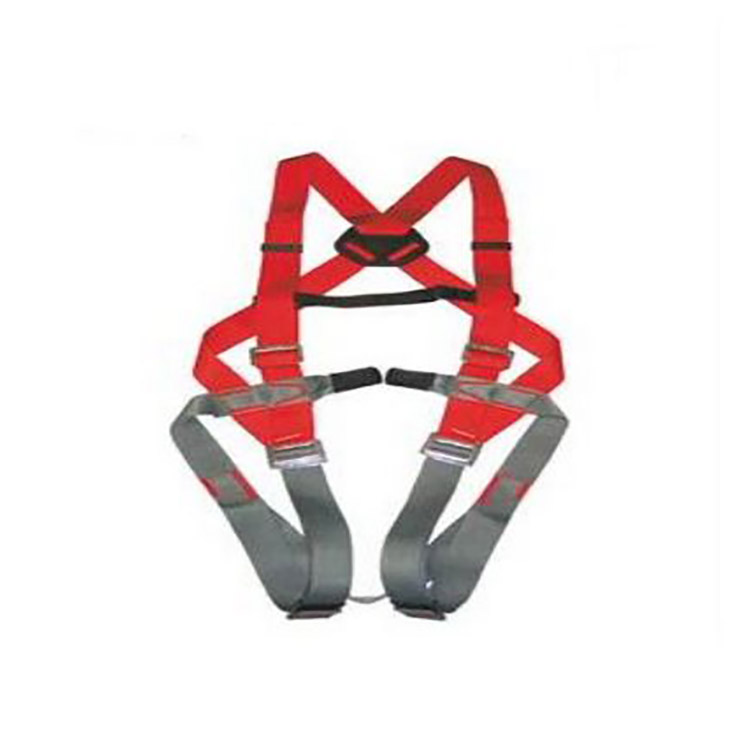
A full-body harness includes chest and seat straps, with the connection points of the rope higher up, reducing the likelihood of the body tilting backward during a fall. It also disperses the impact force of a fall over the trunk, making it less likely to cause lower back injuries. Generally, adult rock climbers use seat harnesses, but for children, whose buttocks are not fully developed, a full-body harness is mandatory.