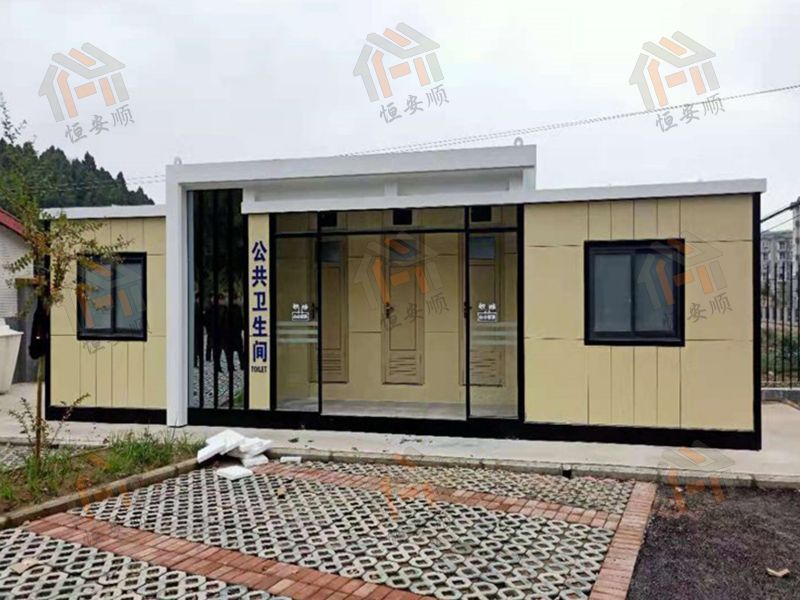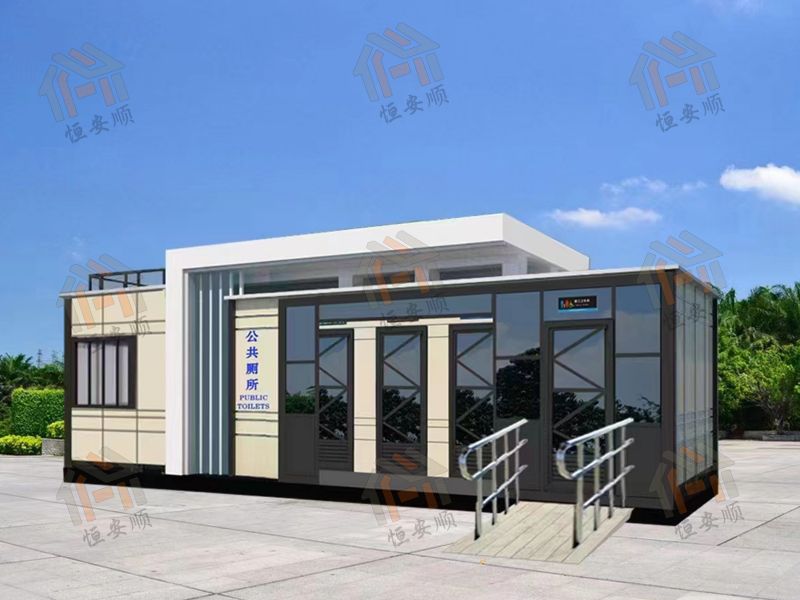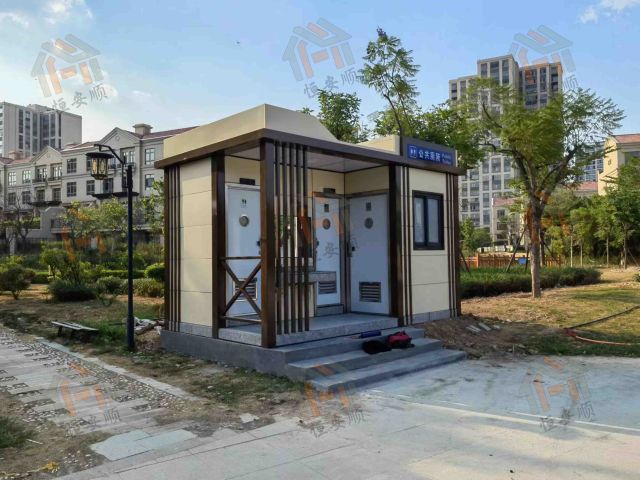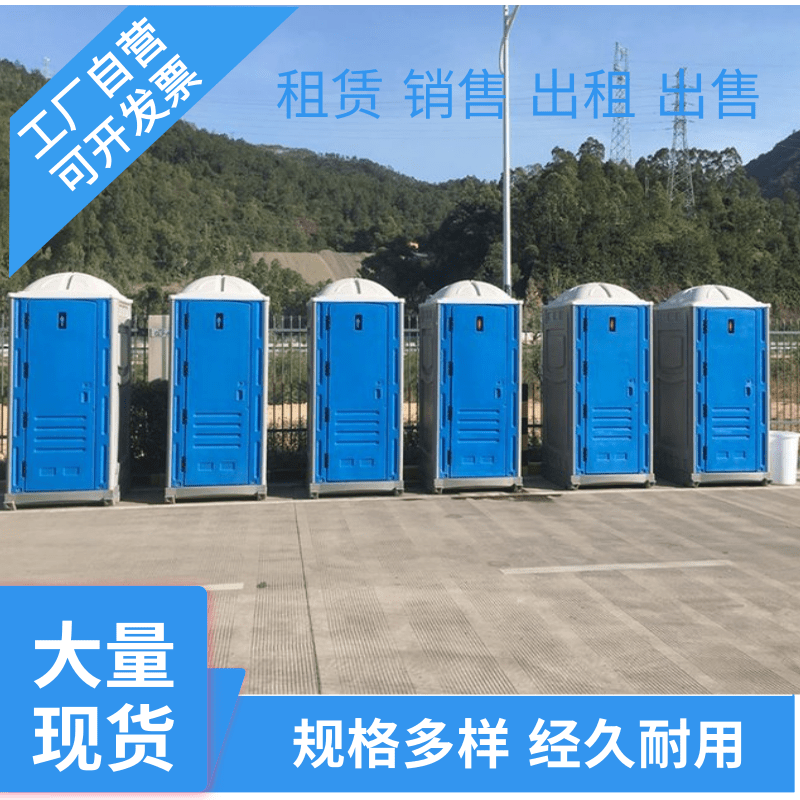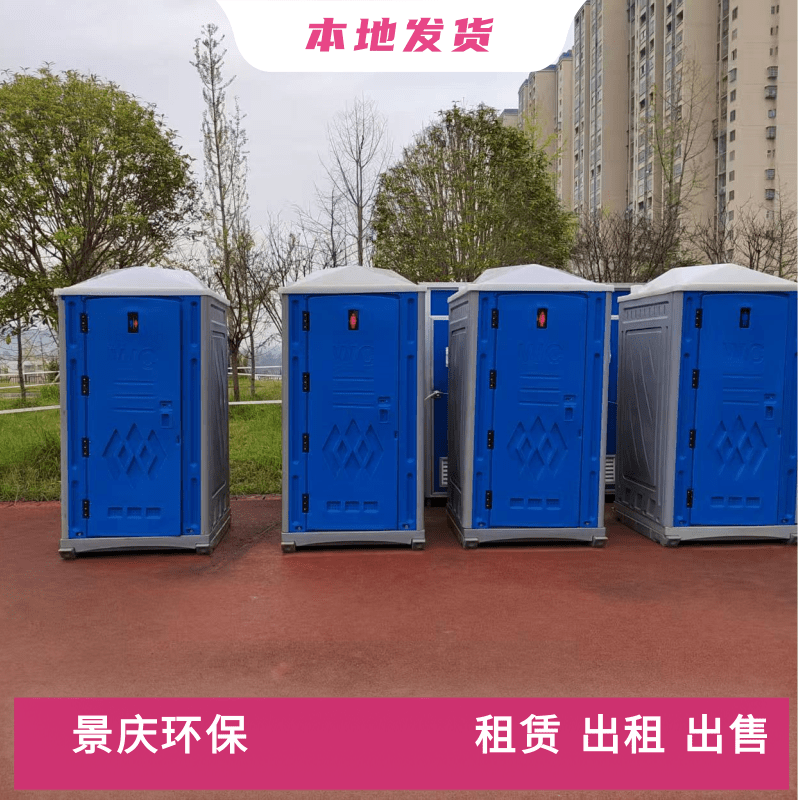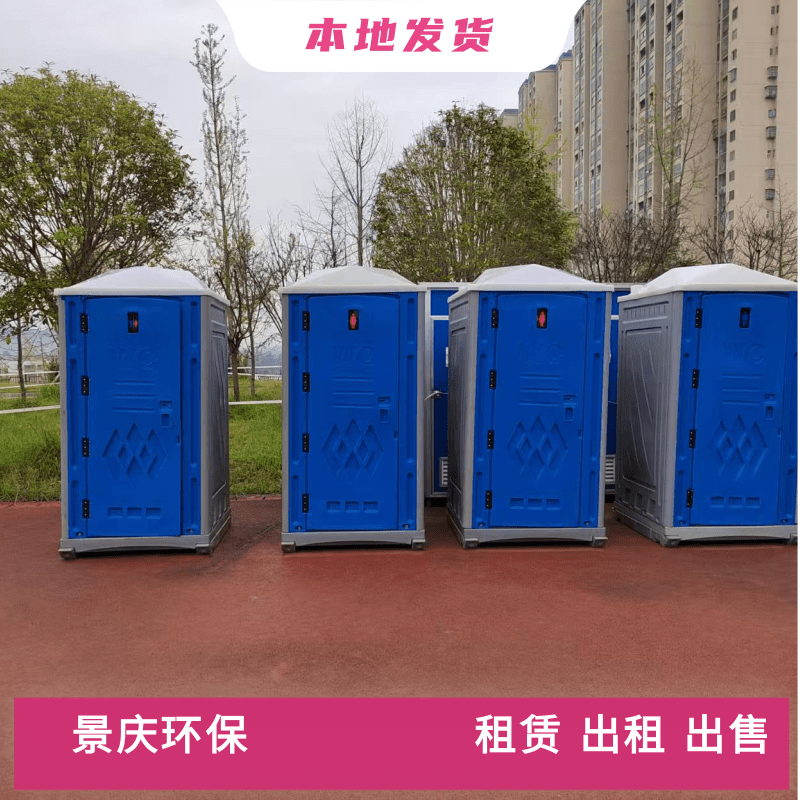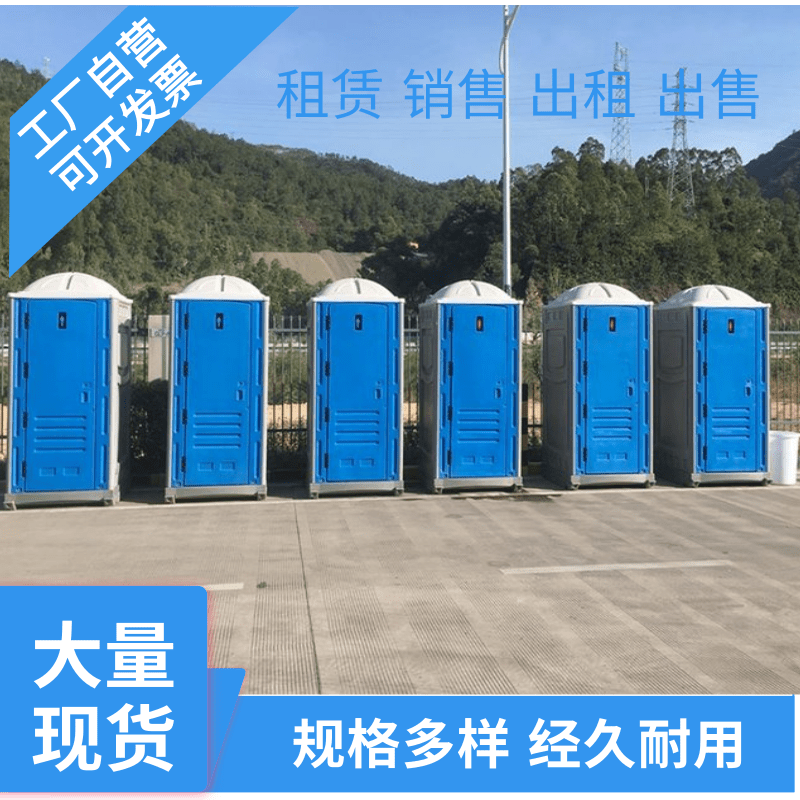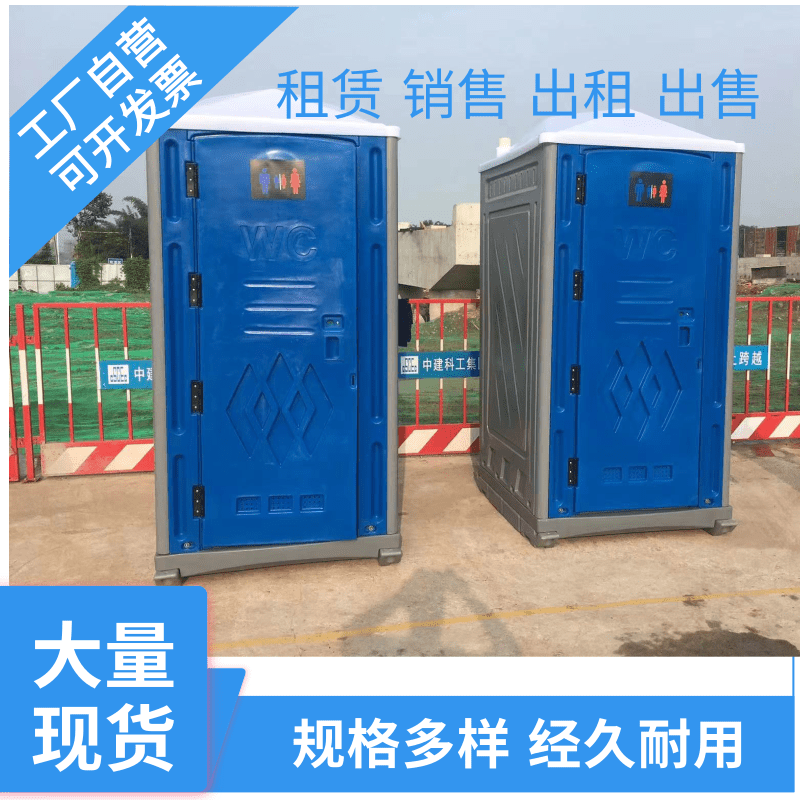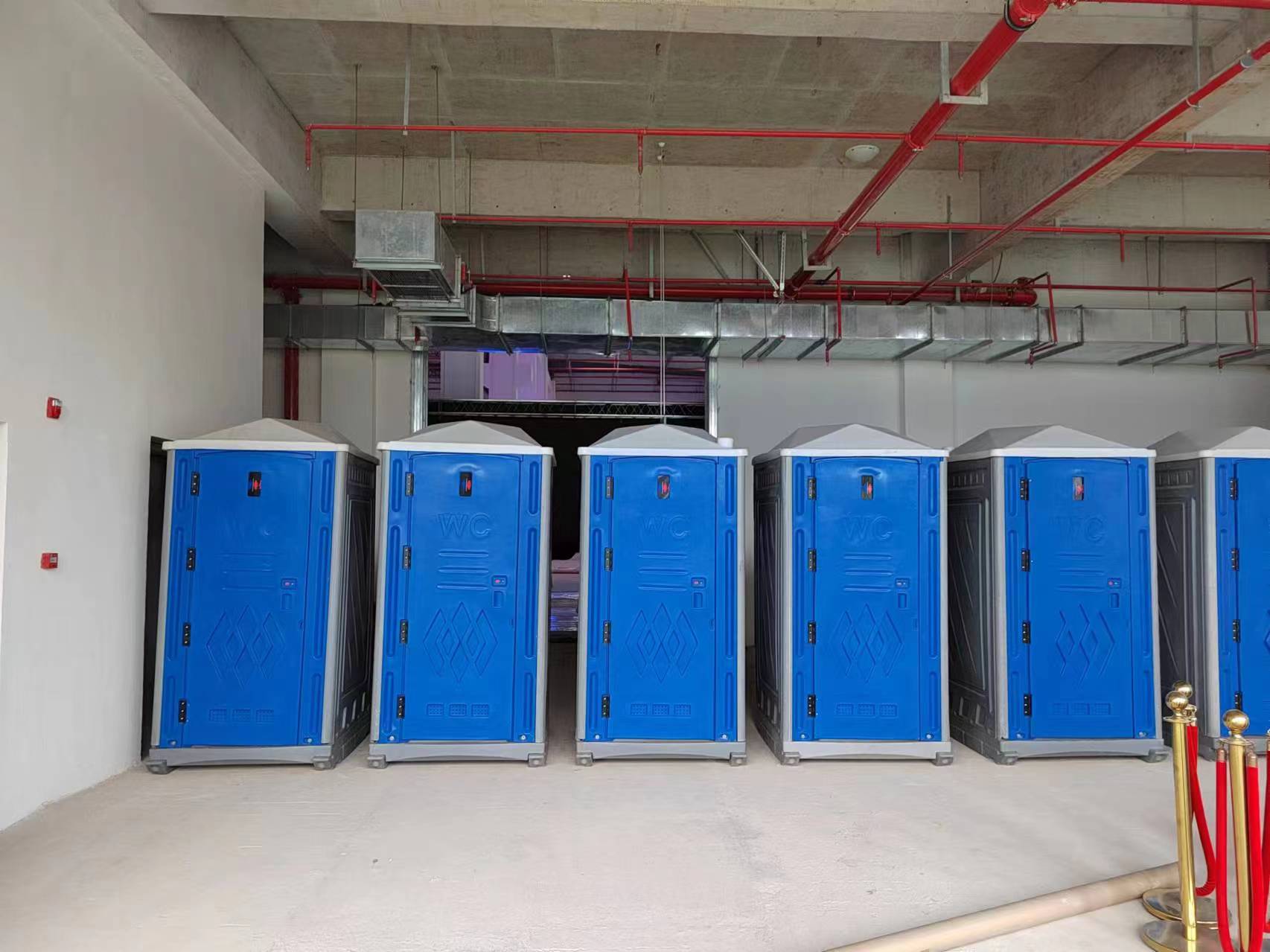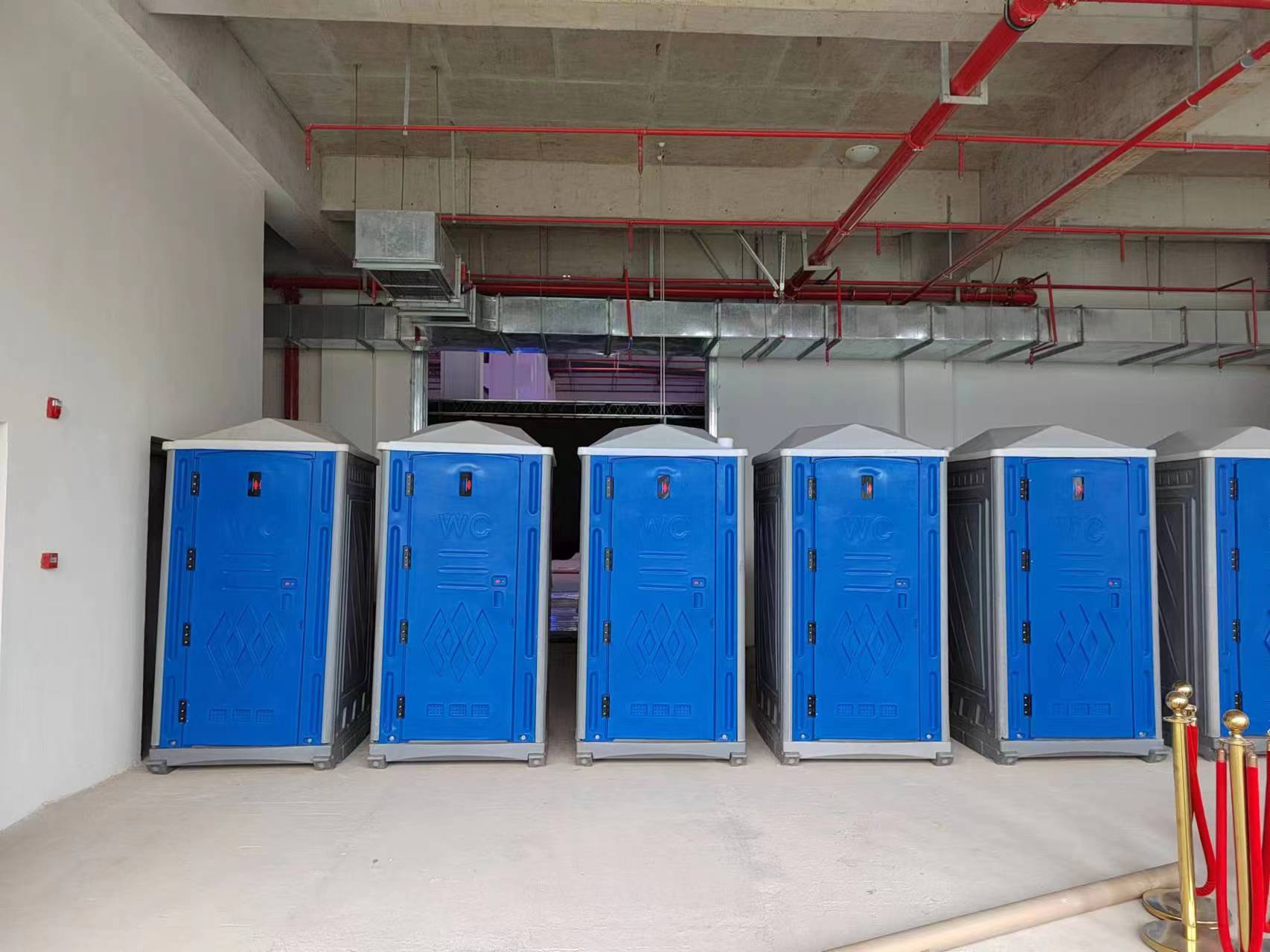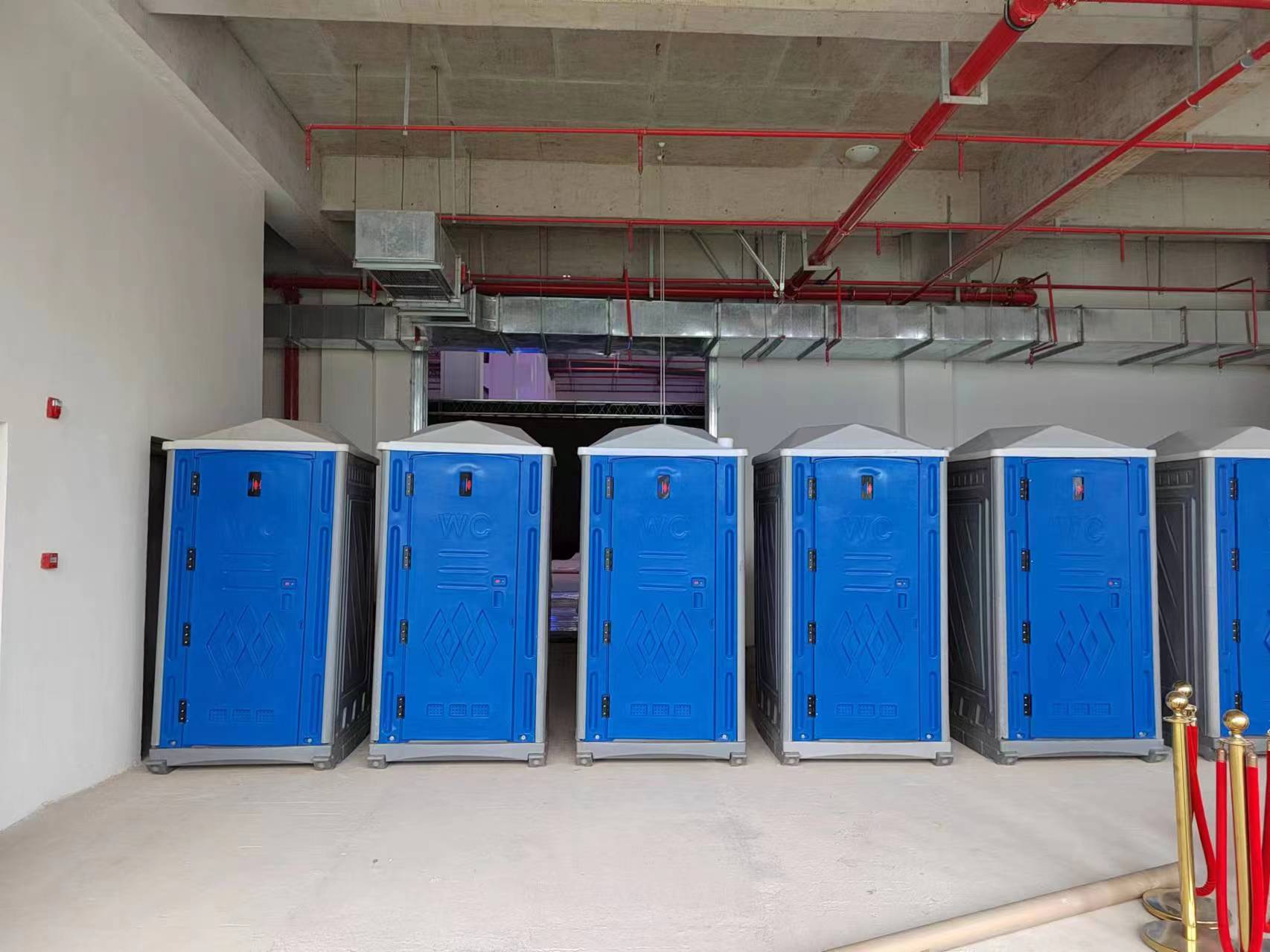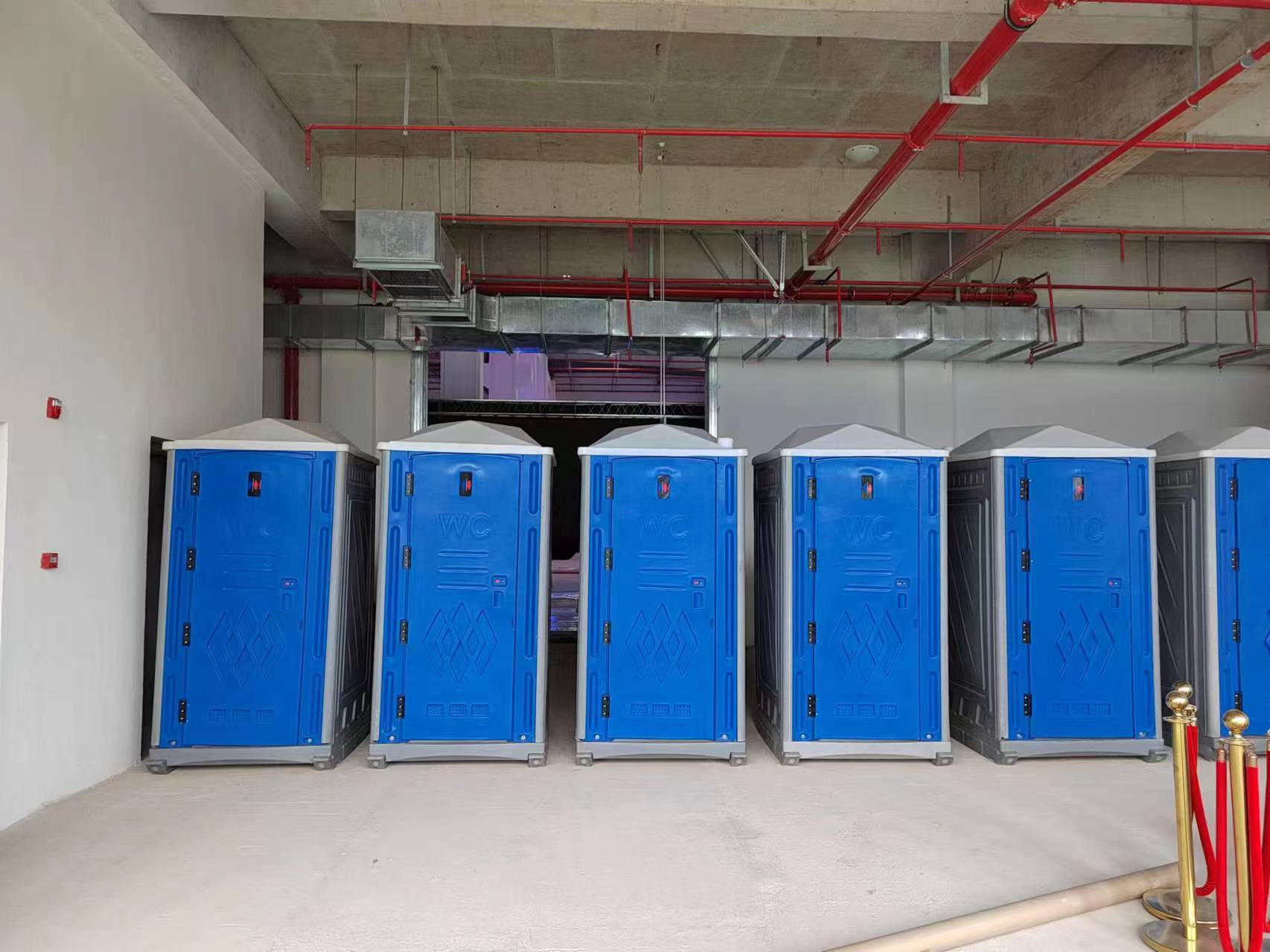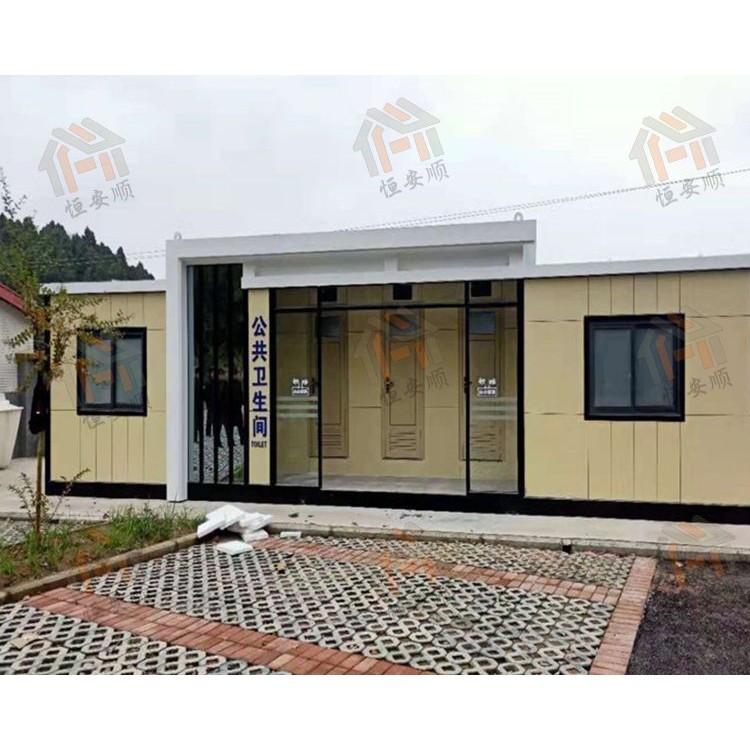

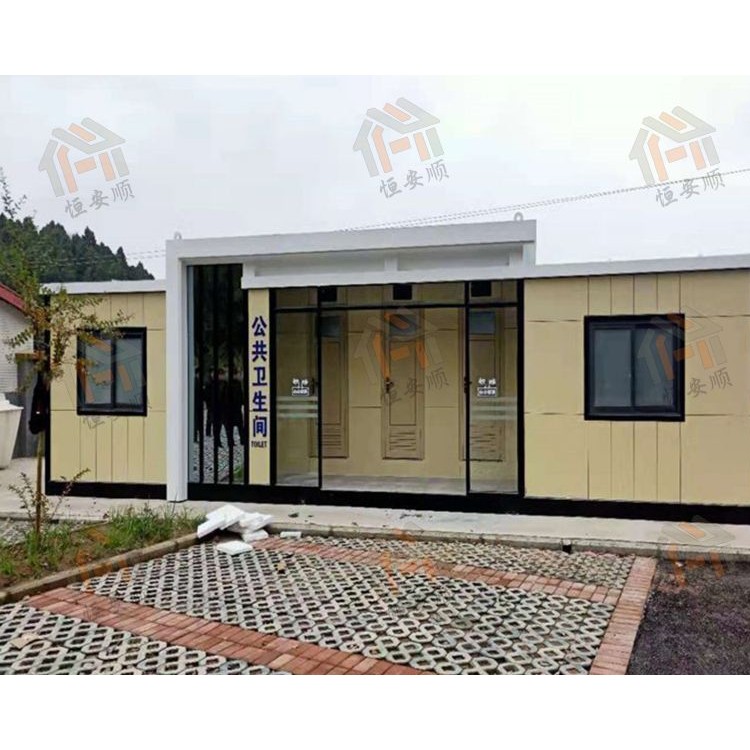
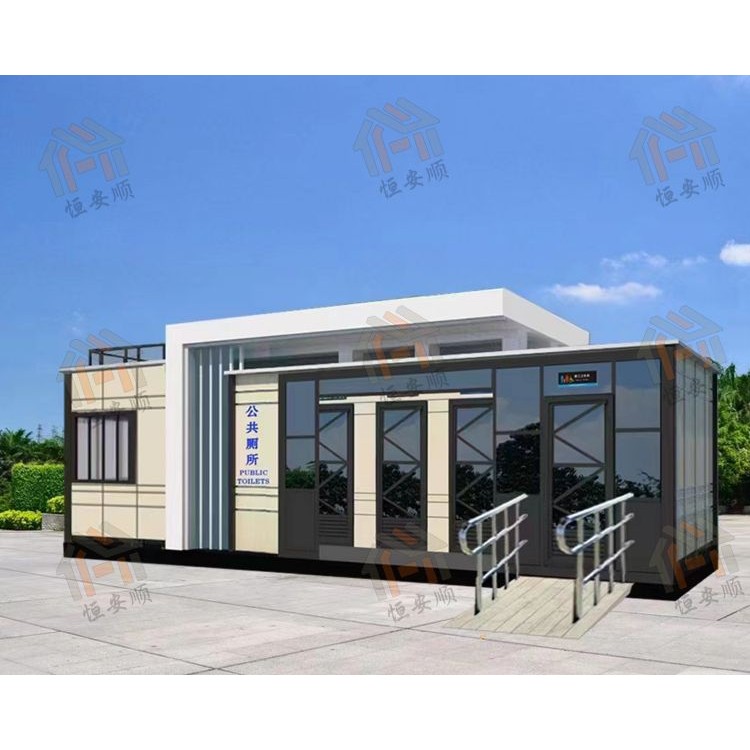


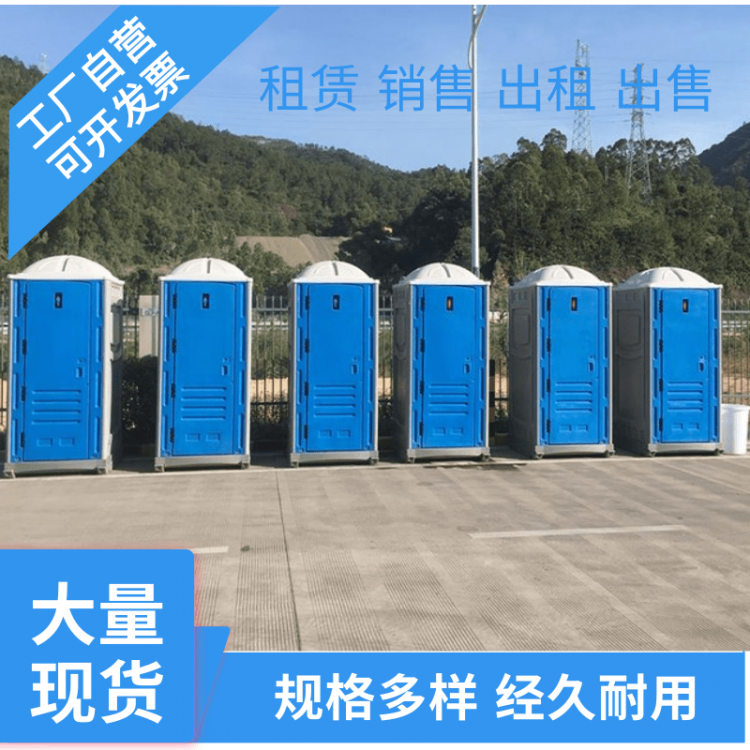
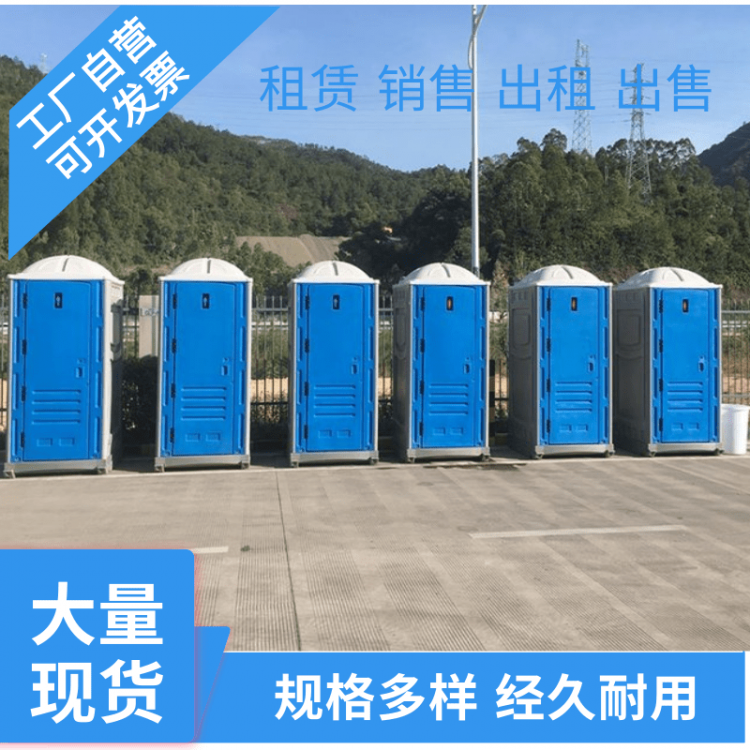
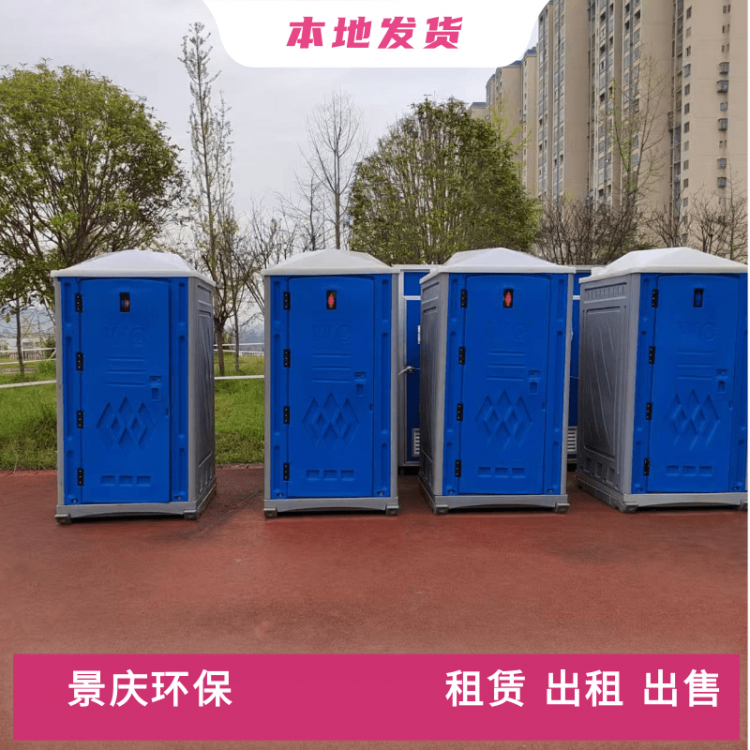





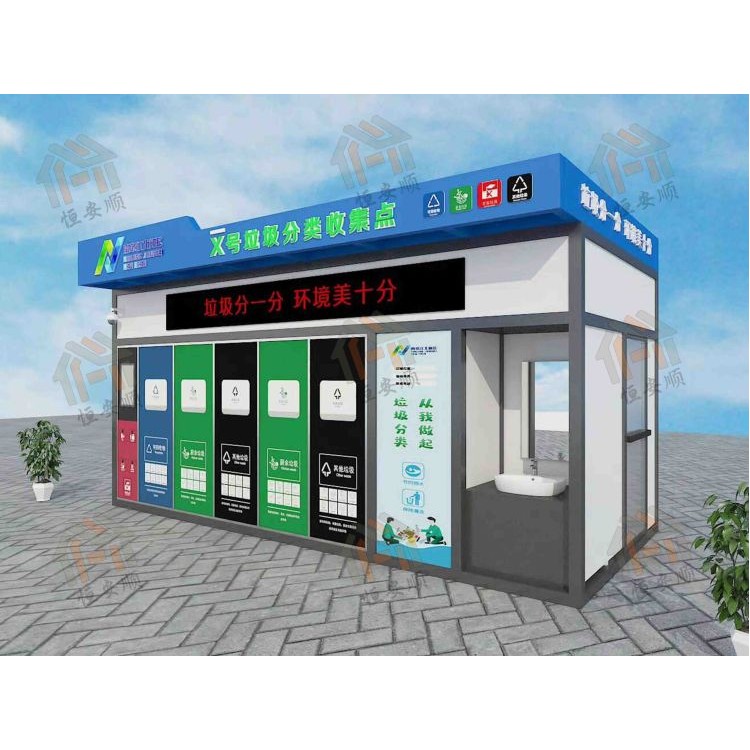

Portable toilets are used in first-tier cities and counties. They solve a major issue in toilets, but users have raised a concern, which is a comfort issue. Portable toilets are hotter in summer and colder in winter, so addressing comfort is a big challenge. "How to enhance the comfort of portable toilets." Portable toilets now use insulation panels, which function to isolate external temperatures. For instance, in summer, you can enjoy a more comfortable temperature. Without insulation panels, the indoor temperature will be higher than the outdoor one, greatly affecting comfort. The same applies in winter. The insulation effect can determine the user experience of portable toilets. "Sanitation of portable toilets must be taken seriously. If the sanitation conditions are better, the effectiveness of using them is entirely different. If it's dirty in the portable bathroom and smells terrible, there's no sense of comfort. Generally, portable toilets are managed by specialized personnel."
Many aspects are commendable. "The placement of mobile toilets should be chosen in unobstructed areas such as green belts and large intersections." The fifth "toilet" revolution of the information age has permeated both urban and rural areas. The design trend of public toilets in cities should be more people-oriented. Quantitative, qualitative, intelligent, and computerized efforts are made to bridge the gap that affects people's quality of life, promoting appropriate management of urban public toilets and the construction of a harmonious urban living environment. "The 21st century is the age of information. Information technology is widely applied in several fields, leading to significant changes in behavior and concepts. How to utilize information technology as a key concept in the design and implementation of public toilets to make people more comfortable and at ease is the direction of our design." Humanized design is getting better and better. "Public restrooms are public spaces for people of all ages. Their design should consider the needs and habits of people of all ages, striving to create a comfortable and people-oriented bathroom space."
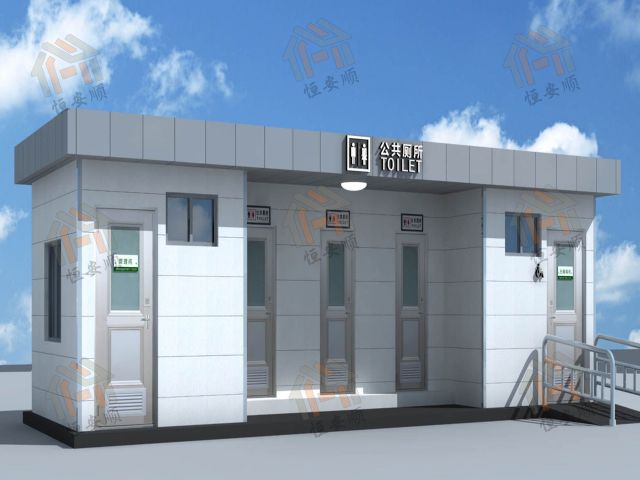
"(1) Highlight the trend of the third restroom. The third bathroom differs from the male and female restrooms. It is a public restroom space located in a public area, distinct from the male and female restrooms. It is designed to assist young people and individuals with disabilities in the restroom. Suitable for fathers and daughters. Lesbian, gay, bisexual, and transgender services, as the restroom is used for care during use, brings inconvenience. The 'Urban Public Toilets Design Standard' CJJ14-2016 stipulates that a third restroom must be installed in the office area, in a quantity, fixed public restroom, and with active passenger facilities. The third restroom is a humanized space in public restrooms. The usable area should not be less than 6.5 square meters. There must be toilets and basins without handrails, child and adult-sized toilets, children's bathroom activity tables, children's safety seats, and other facilities for the disabled. When designing, whether it is a Type II or III public restroom, it is necessary to establish and improve the third restroom."
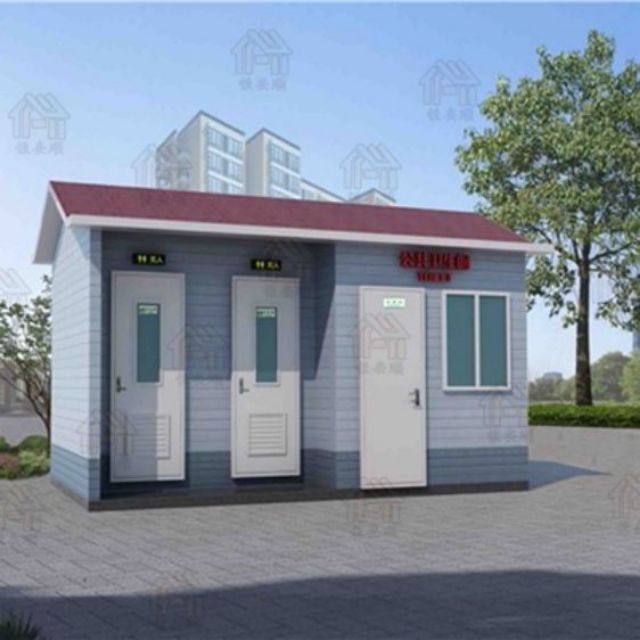
"[09A8B in CJJ14-2016, the ratio of women's to men's restroom seats is increased to 2:1 in busy traffic areas. The design of new public restrooms should pay attention to the larger area occupied by women's restrooms, which is about twice the size of men's restrooms. The floor area of most men's and women's restrooms differs little, or men's restrooms are generally larger. The number of women's toilet seats should be as close as possible to the standard configuration requirements. If provinces and cities strictly implement the ratio of men's to women's restrooms according to the standards, it will help to avoid and alleviate the phenomenon of long queues in women's restrooms. "The toilets in Hangzhou Qiantang New Town have increased the number of women's restroom seats by adding two doors. The 8 toilet seats in the center of the women's restroom are located between the two doors. When the flow in the women's restroom is low, the 8 toilets are part of the men's restroom. When the women's restroom appears in the queue, the men's restroom closes, and the 8 toilets belong to the restroom, which can alleviate the phenomenon of long lines in the women's restroom. (3) Non-gender-specific areas and unisex bathrooms. "The public space design does not add gender-specific areas."