
















Product Introduction
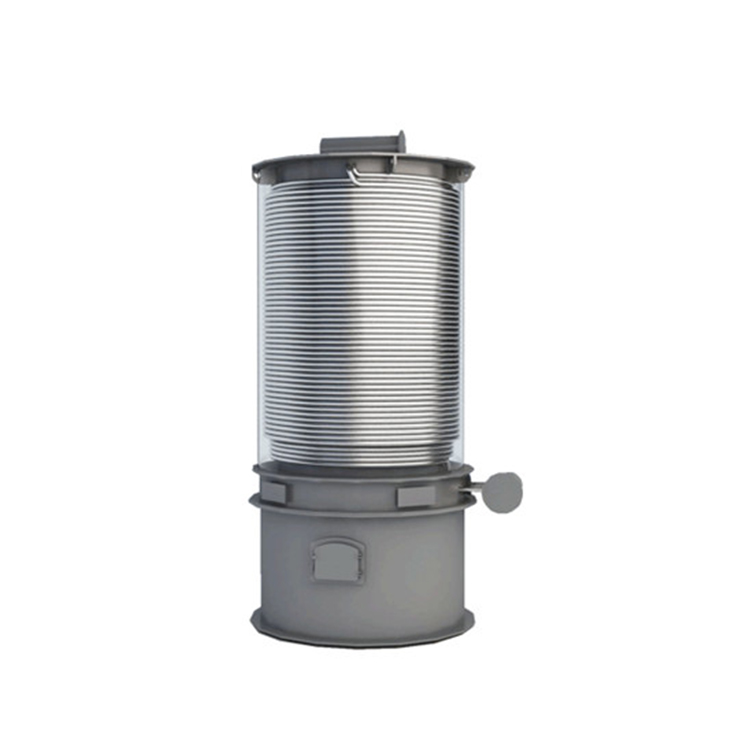
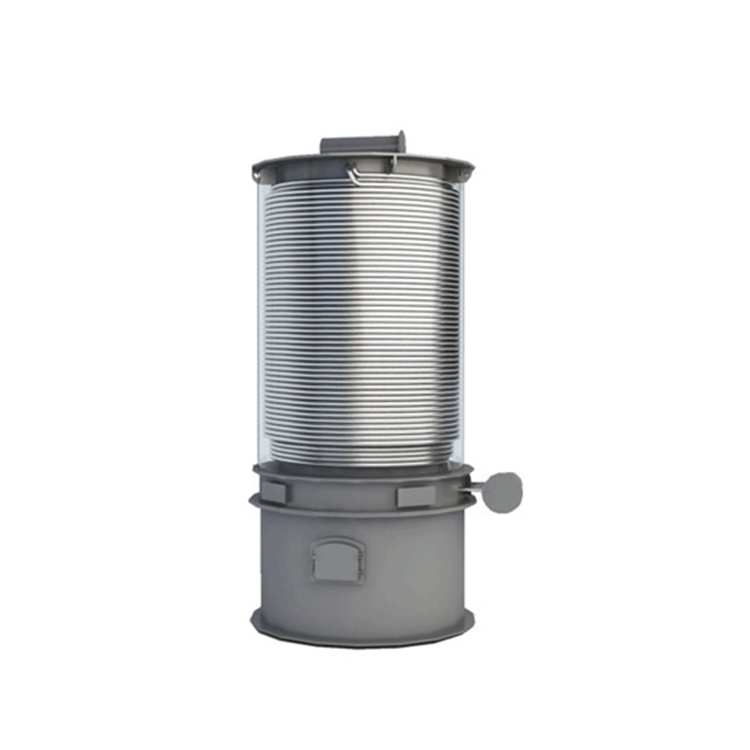
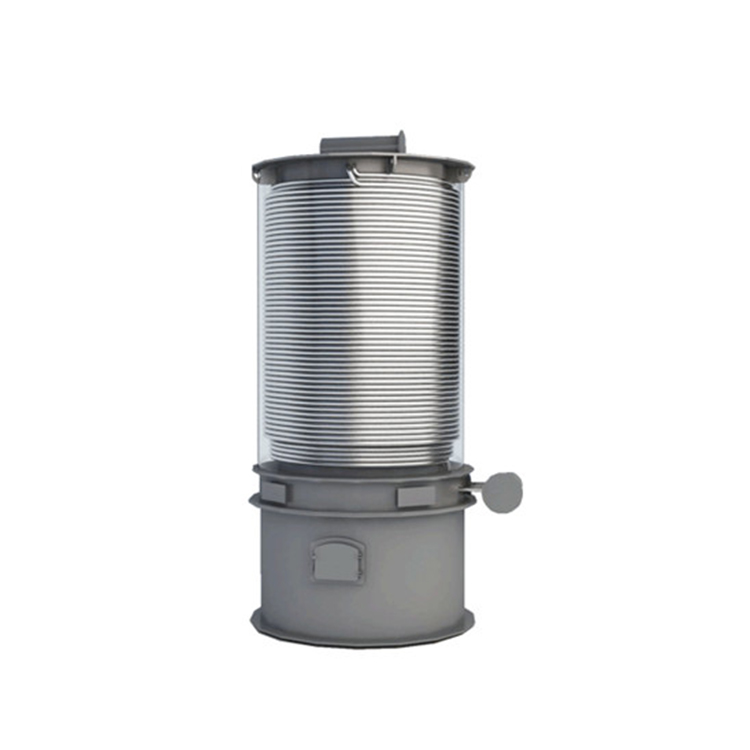
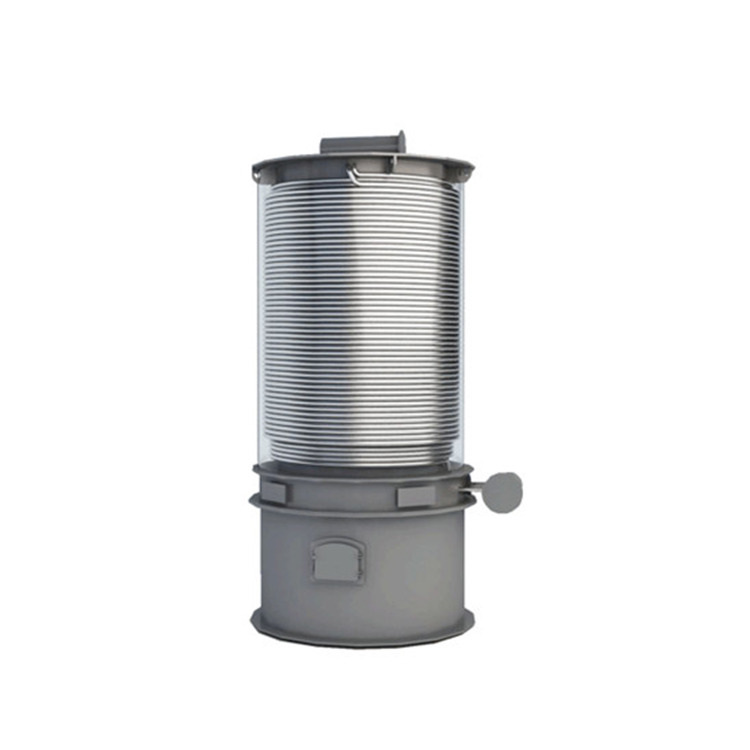
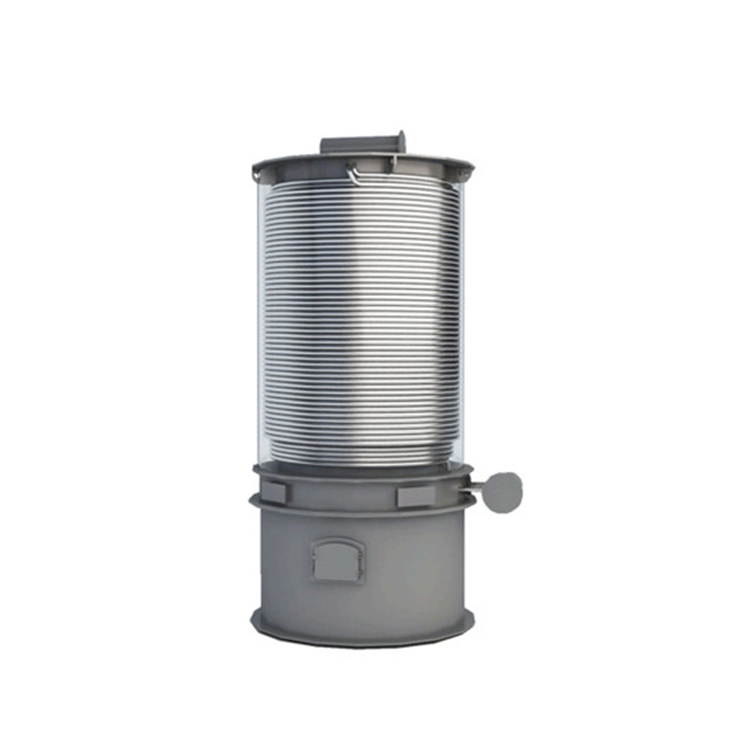
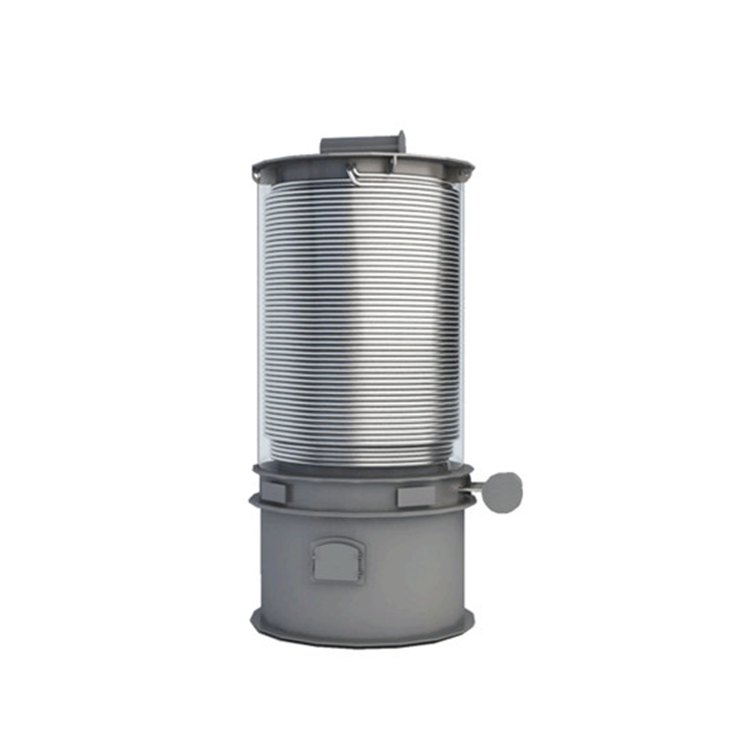
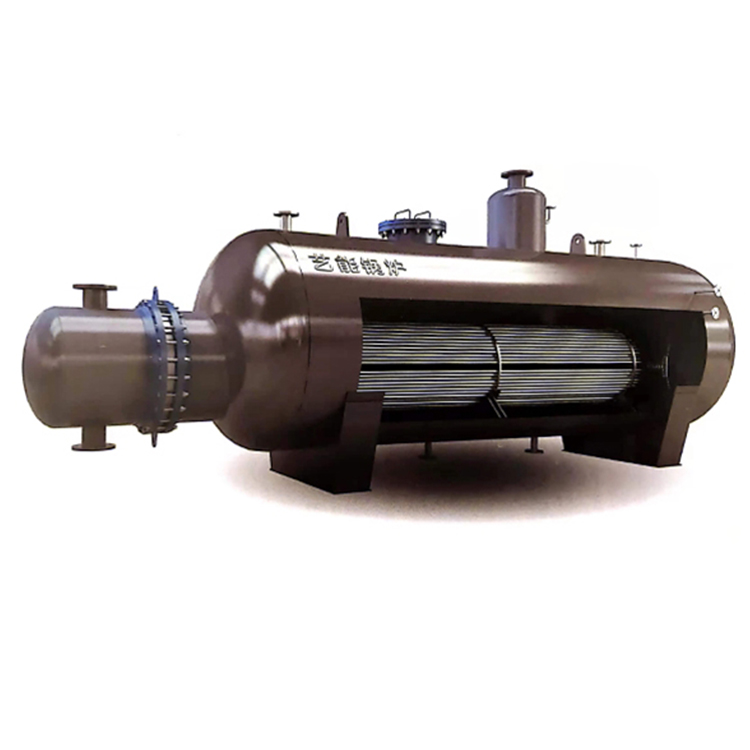
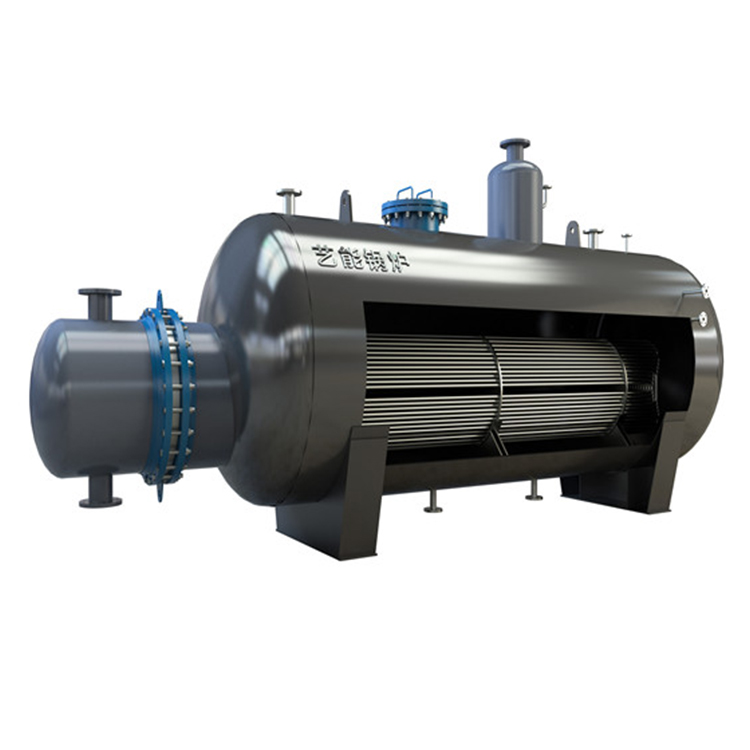
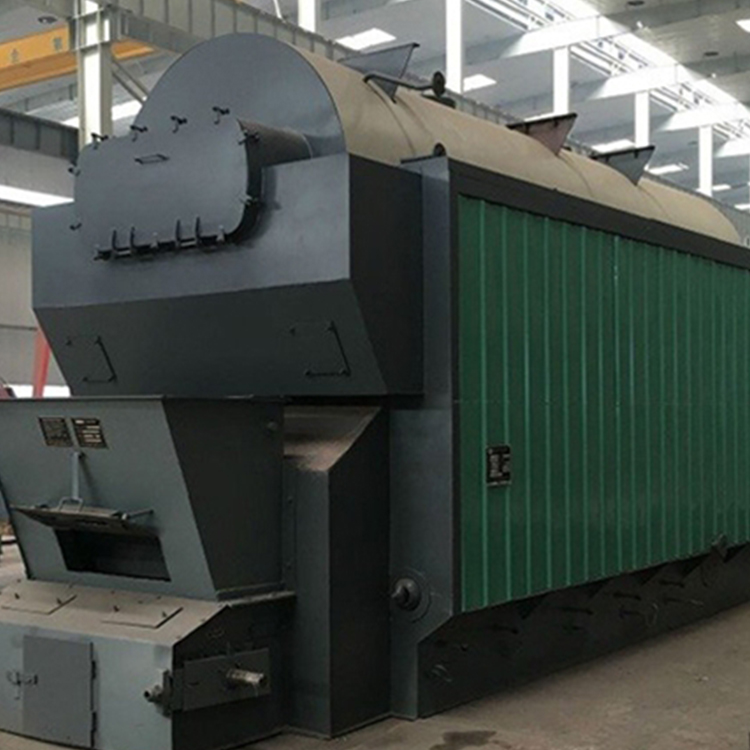
The YLL (YGL) series organic heat carrier boilers are assembled forced-circulation vertical biomass burners for rice husk, sugarcane bagasse, furfural residue, waste wood, sanding powder, and thermal oil. The boiler body features a compact heating surface structure, consisting of inner and outer densely packed disk tubes. The inner tubes act as radiant heating surfaces, while the outer tubes, along with the outer surface of the inner tubes, form the convective heating surface. The boiler is composed of an upper body and a lower combustion chamber, assembled on-site. After the fuel is fully combusted in the combustion chamber, it absorbs most of the heat by the radiant heating surface. The high-temperature flue gas then enters the convective heating surface for heat exchange. After leaving the boiler, it heats the air required for combustion in the air preheater. The flue gas is then sent to the chimney and released into the atmosphere by the induced draft fan after passing through a dust collector.
Easy to install; simply align the upper body with the lower combustion chamber, and the installation period is short.
The heating surface utilizes closely packed circular tubes, ensuring ample arrangement to reduce the surface heat load of the pipes, making the use of heat transfer oil safer.
Medium flow is rationalized; thermal oil flows from low (inlet) to high (outlet), making it difficult for the generated gases to linger in the furnace during operation, facilitating their easy expulsion from the system.
Fuel undergoes adiabatic combustion within the combustion chamber, making it easier to ignite and burn more completely, thereby enhancing the boiler's thermal efficiency.
Boilers are equipped with densely packed tube bundles on the top, which offer better protection for the boiler crown and prevent the crown from being burnt.
Structural Features
1. Utilizing Yine's patented technology, we've added a furnace top pipe, which further absorbs the excess heat of flue gas and protects the boiler's top, thereby enhancing the lifespan of the boiler.
2. Achieve fully automatic material feeding; with the addition of variable frequency control technology, the number of furnace operators can be reduced to one.
3. Mechanical forced combustion, specifically designed arch for wood industry, ensures complete combustion, smoke and dust removal, with excellent environmental protection effects.
4. Handles waste materials from the wood industry production (such as bark, sawdust, sanding dust, etc.) while also providing the required heat (hot oil or hot gas).
5. It can be paired with a steam generator for steam output use.
Electrical Control
1. Utilizing automation controllers such as Siemens and other international leading brands as the core control system
2. Utilizing peripheral components from international leading brands to achieve high-quality automated control systems.
3. Exported Thermal Oil Temperature Display: The temperature can be displayed on-site and remotely transmitted to the control cabinet for仪表 display. Users can set the temperature value and it can be interlocked with the induced draft fan to achieve automatic operation adjustment and high-temperature alarm.
4. Imported thermal oil temperature display: Can be displayed on-site and remotely transmitted to the control cabinet for instrument display.
5. Export Pressure Display for Thermal Conductive Oil: The pressure can be locally displayed and remotely transmitted to the control cabinet for仪表display, and overpressure alarms can be implemented.
6. Thermal Conductive Oil Import Pressure Display: Available for on-site display and remote transmission to the control cabinet for meter display.
7. Expansion Tank Liquid Level Control: Achieves low liquid level alarm in the expansion tank, promptly reminding the boiler operator to inject oil into the system to ensure the safe and reliable operation of the boiler system.
8. The control module boasts robust expandability, allowing for easy implementation of various deep applications such as group control and remote control, tailored to customer needs.
Process Standards
The boiler is designed, manufactured, assembled, tested, and accepted in strict accordance with national and industry standards, including but not limited to the following: GB/T16507 "Water-tube Boilers," TSG G0001 "Regulations for Safe Design Supervision of Boilers," GB/T17410 "Organic Heat Carrier Boilers," and GB50273 "Code for Construction and Acceptance of Boiler Installation Projects."
2. The main steel used for boilers is 20 GB/T3087, ensuring the safety and reliability of the boiler.
3. Welding materials are selected according to NB/T47018, with the boiler tubes焊接 using argon gas shielded full penetration welding. The welds are inspected via X-ray testing and examination as per NB/T47013 "Non-destructive Testing of Pressure Equipment." After the complete assembly of the boiler, all piping sections undergo hydrostatic testing to ensure each boiler meets the required welding quality standards.
The boiler employs a wet-back reciprocating two-pass structure, featuring a top header pipe at the boiler's top, effectively preventing direct flame radiation to the rear wall. Meanwhile, under the premise of a compact structure, it increases the radiant heating surface area, enhancing the boiler's thermal efficiency.
2. Operates with a slight positive pressure, effectively enhancing the combustion intensity within the furnace, resulting in a smaller volume for boilers of the same capacity. At the same time, it eliminates air leakage in the furnace and flue of the boiler, thereby improving the boiler's thermal efficiency.
3. Utilizing advanced EDA technology, we meticulously calculate the furnace structure dimensions and flue gas flow rates, optimally utilize flame and flue gas heat exchange, ensuring reliable boiler operation and adequate cooling, thereby enhancing the boiler's thermal efficiency.
4. Employing high-efficiency condensation technology, the exhaust gas temperature is effectively reduced, enhancing the boiler's thermal efficiency.
5. Featuring rational structural design and excellent fire-resistant and thermal insulation materials, significantly reduces the exterior body temperature of the furnace, keeping it below 50 degrees Celsius (exceeding national standards), thereby reducing heat loss and enhancing the boiler's thermal efficiency.
6. Features a new design that reduces harmful emissions during fuel combustion, meeting national environmental protection standards, particularly in lowering nitrogen oxide emissions, in compliance with the country's low nitrogen oxide emission standards.
7. Utilizing imported burners from multiple internationally renowned brands, suitable for various application scenarios, ensuring both quality and safety.