
















Product Description
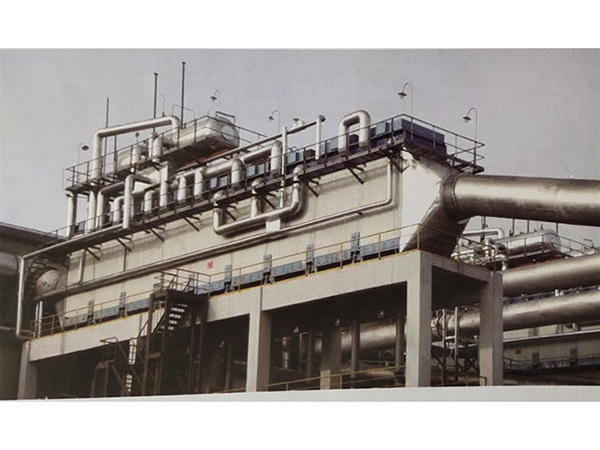
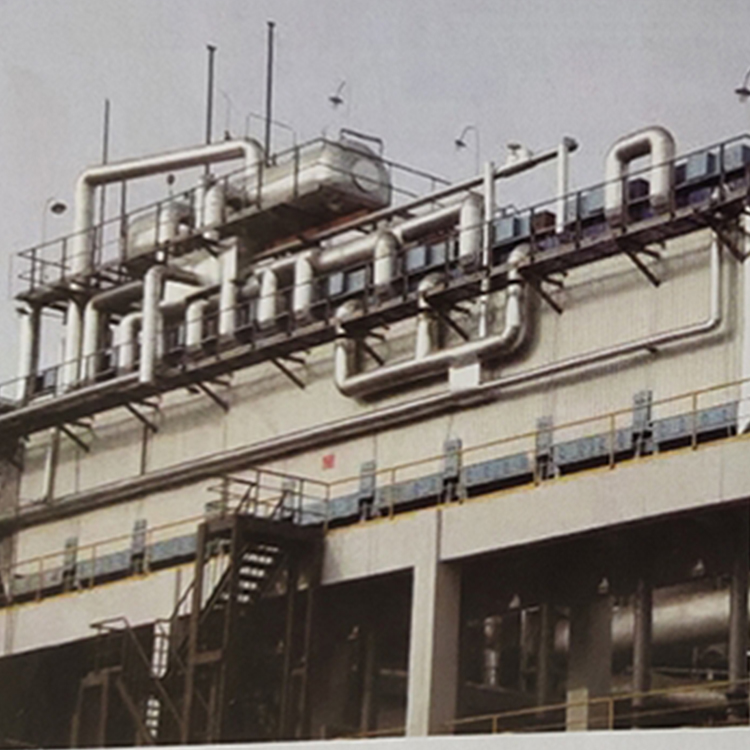
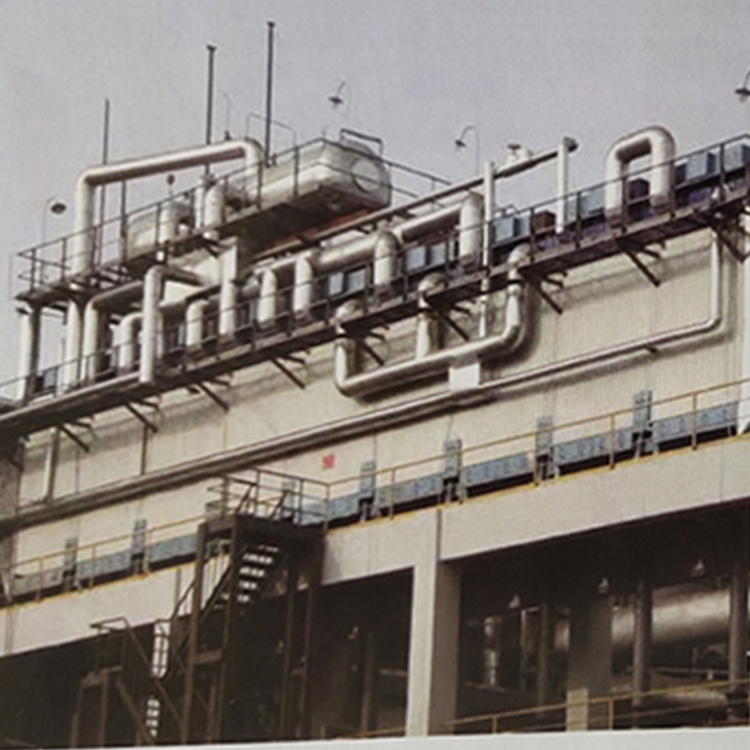
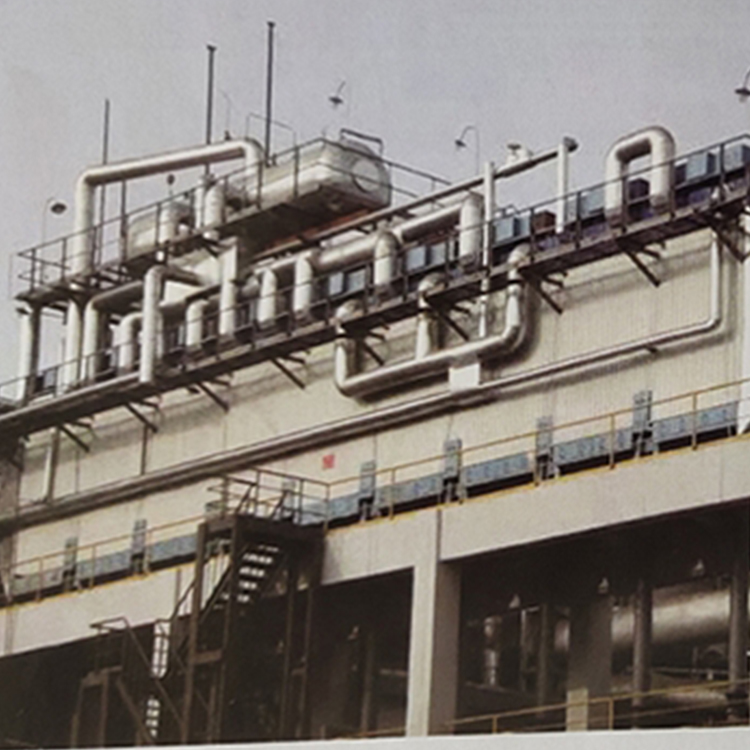
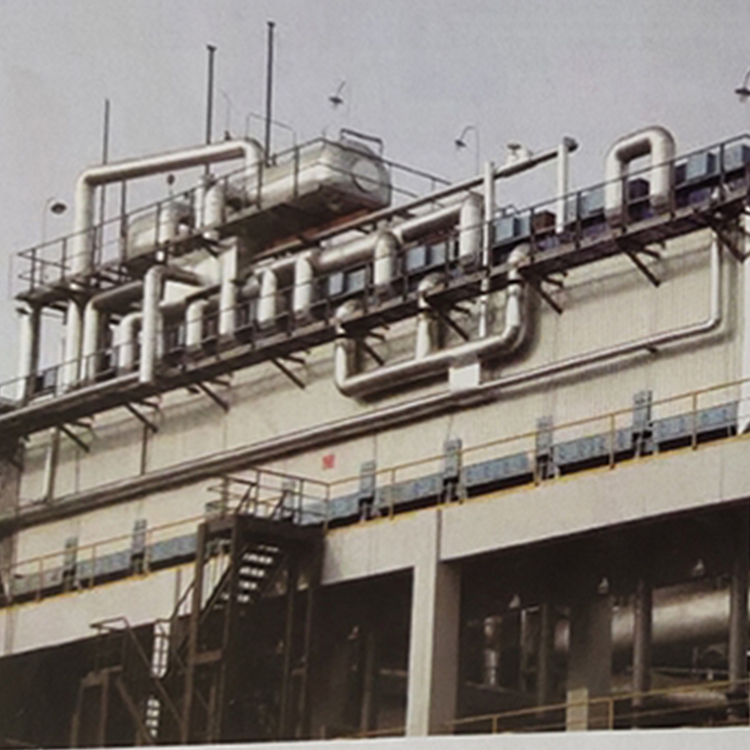
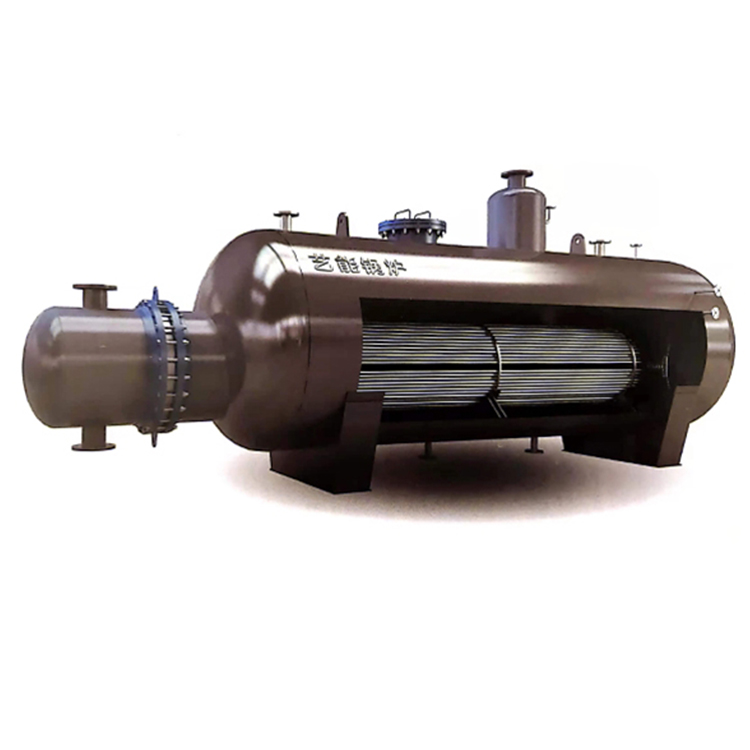
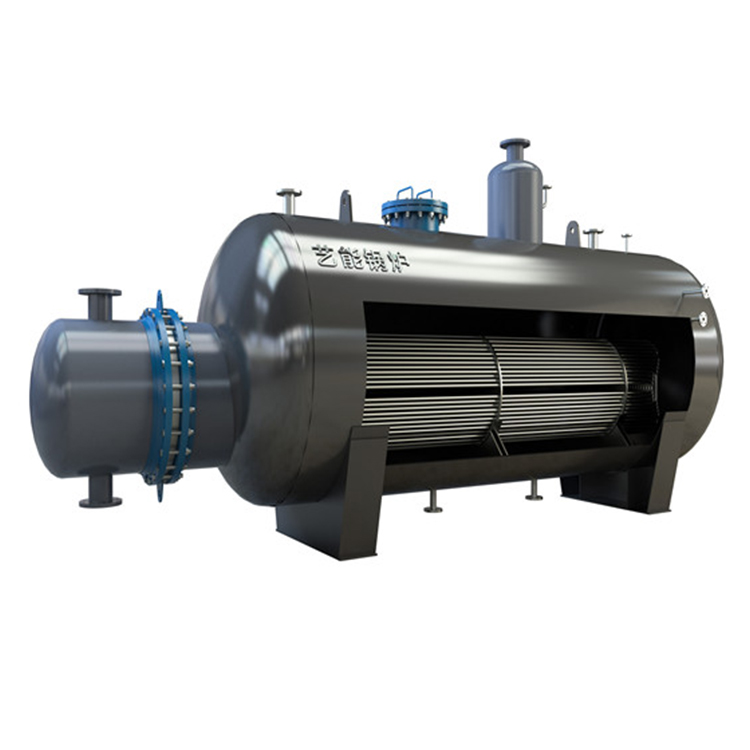
During the metal smelting production process, the energy consumption of the sintering stage accounts for about 10% of the total energy consumption, ranking second only to the ironmaking stage. Approximately 50% of the total energy consumption in the sintering stage is emitted into the atmosphere in the form of sensible heat from sintering gas and exhaust from coolers. The recovery of waste heat from sintering coolers is achieved by utilizing a waste heat boiler that heats up the exhaust gas from the sintering machine tail fan and sintering cooler inter-stage to recover low-grade waste heat resources. This is combined with low-temperature waste heat power generation technology, using the superheated steam from the waste heat boiler to drive a low-parameter steam turbine power generation unit for electricity generation. This integrated energy-saving technology successfully resolves issues such as easy ash accumulation, wear, and air leakage in waste heat boilers. Additionally, this series of boilers is adaptable to exhaust gas temperatures and dust.
This type of waste heat boiler can reduce energy consumption in the sintering process, minimize resource waste, and effectively lower the production costs for the enterprise.
Product Features
1. Anti-caking and anti-blocking, with the collection box located externally of the flue, reducing the accumulation of ash structure, and increasing the spacing between the heated surface pipes and the pipe wall.
2. In the areas of the boiler's heat-absorbing surface prone to wear, anti-wear structures are employed to alleviate localized wear.
3. Modular structure; heating surface and outer frame form a tube box, assembled and shipped as a whole for easy on-site installation.
4. Cool sintering in an airtight chamber, which boasts excellent gas tightness, resulting in a wind leakage rate nearly approaching zero.
5. The hot exhaust temperature is stable, with the outlet of the cooler maintaining a high level of 450-550°C for hot exhaust.
6. For use with advanced detection equipment, it provides feedback regulation of hot exhaust gas flow to reduce fluctuations in the temperature of the hot exhaust gas.