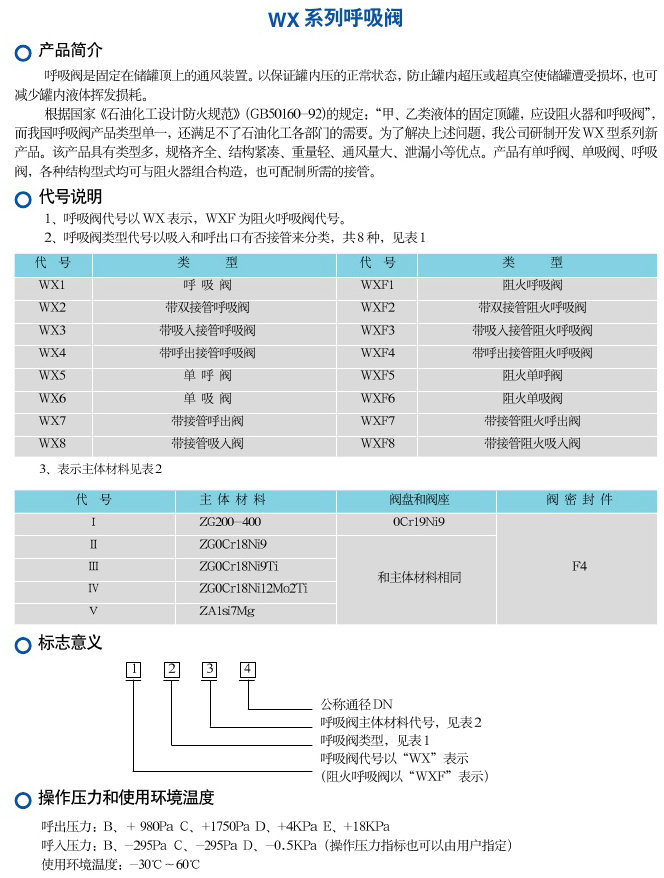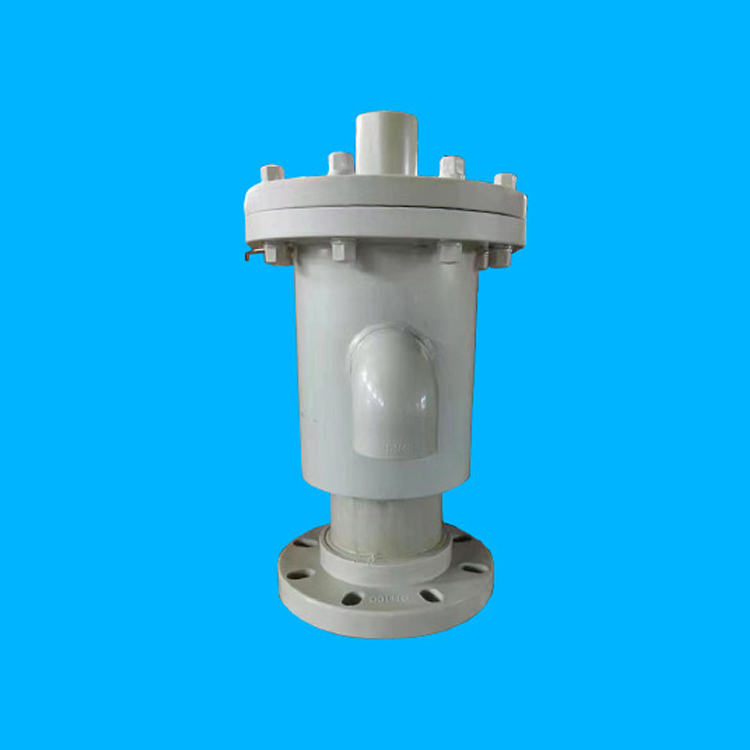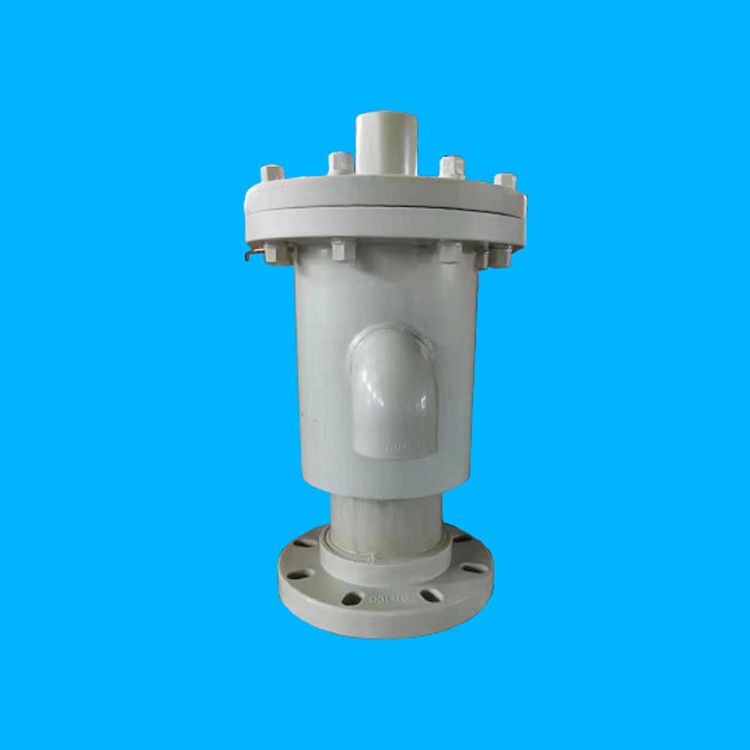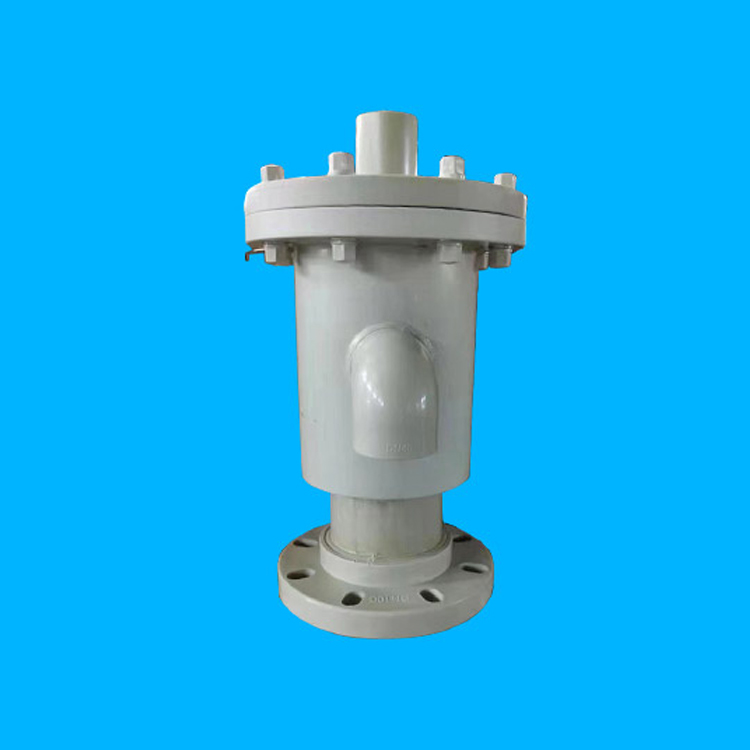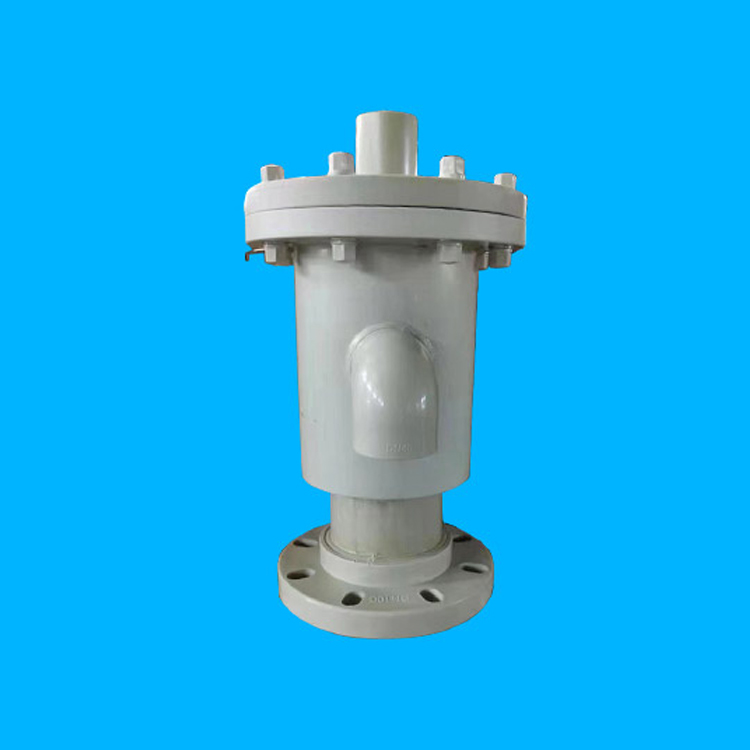

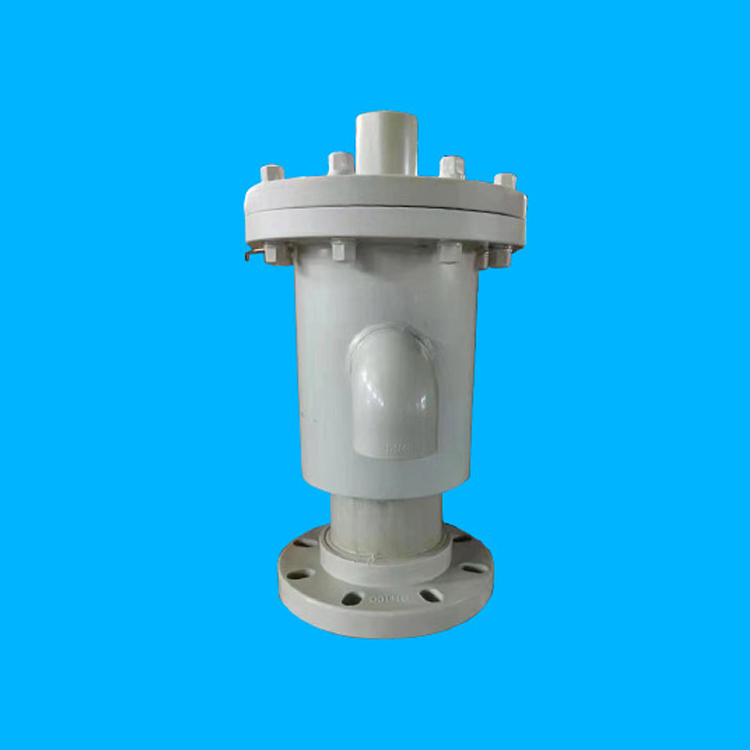
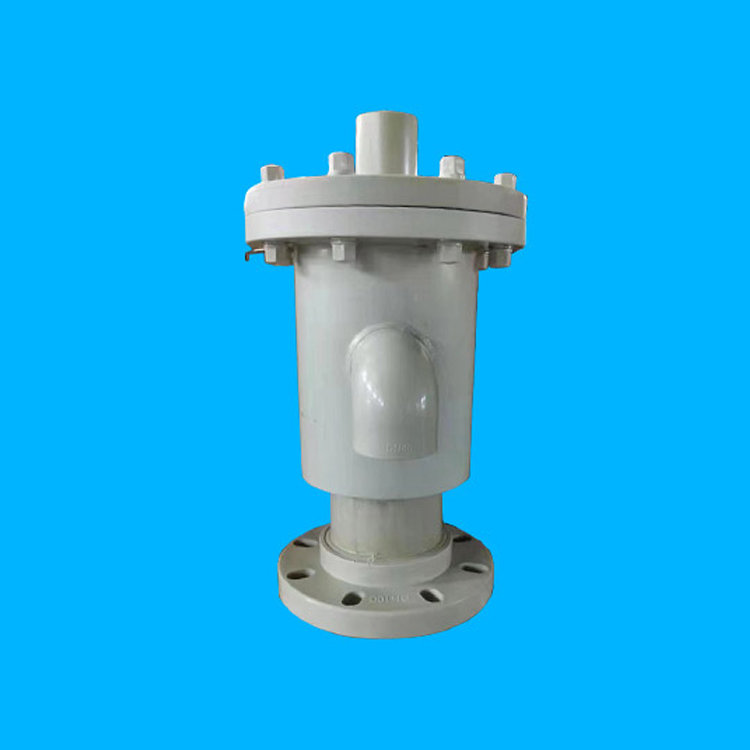
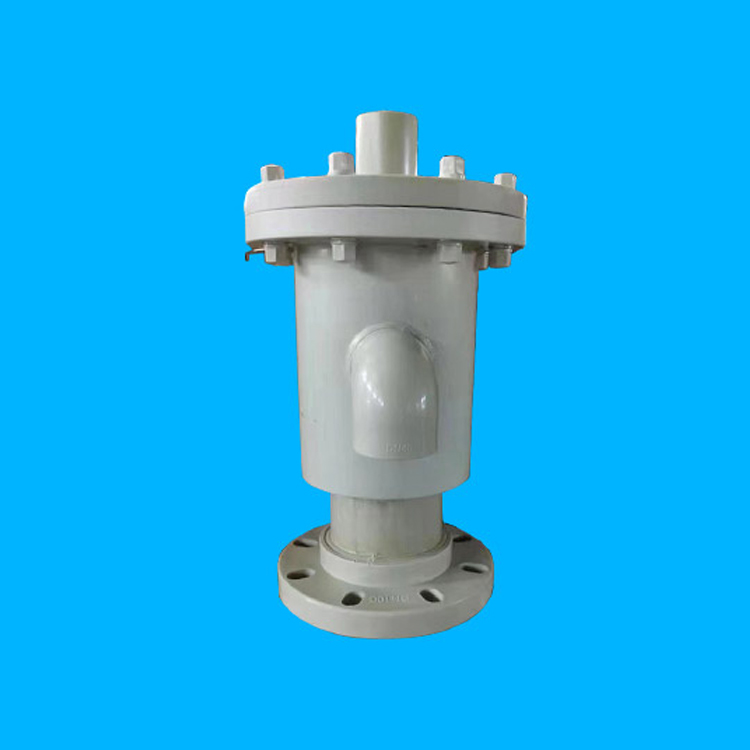









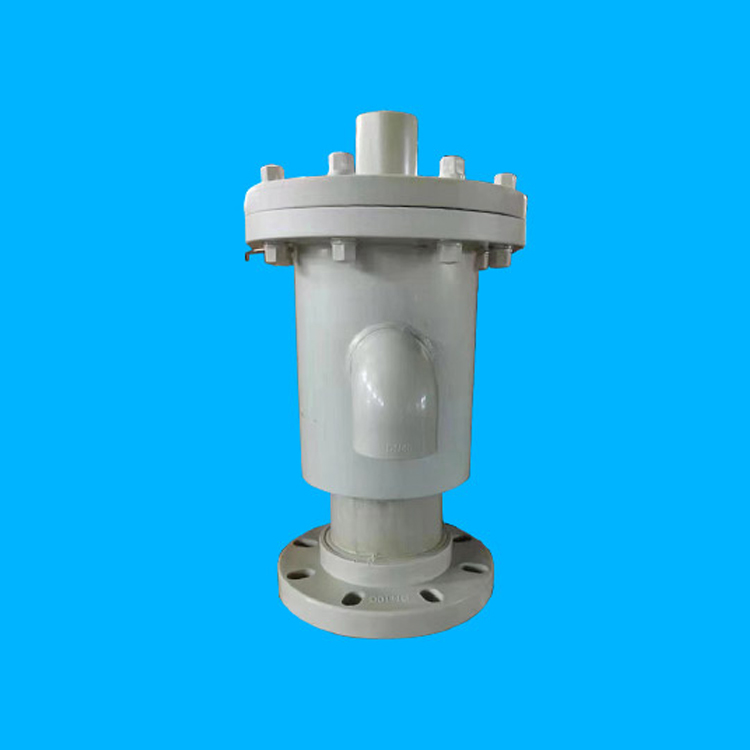
Section 1: PP Breathing Valve and Polypropylene Breathing Valve Parameters and Functions
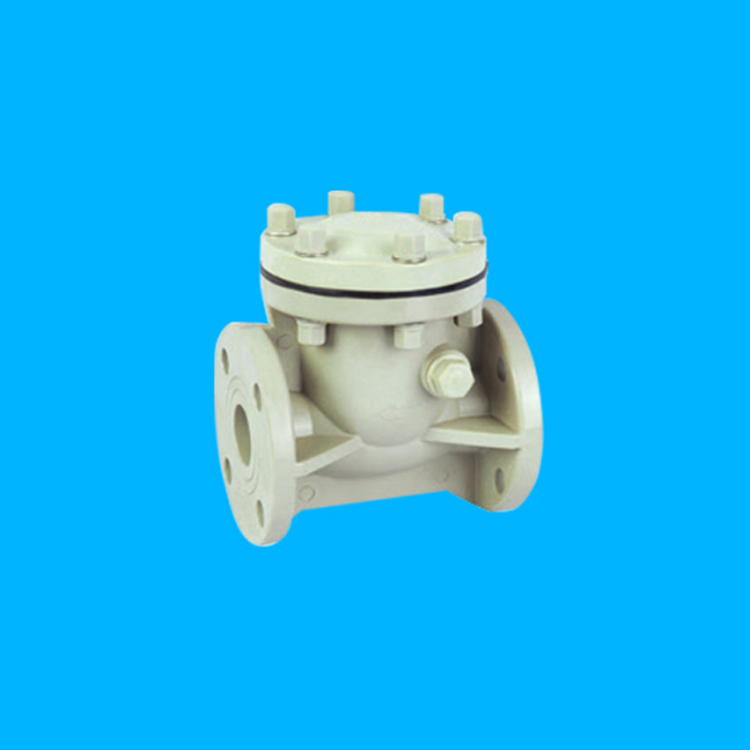
PP breathing valves are primarily used in atmospheric and low-pressure storage tanks containing volatile chemicals that are not permitted to leak (such as HCl/HNO3 tanks), fixed at the top of the tank as a ventilation device to maintain normal internal pressure, preventing damage due to positive or negative pressure buildup, and also to reduce the evaporation loss of the liquid inside.
Suitable for various materials such as oil, chemicals, energy, special liquids, or gases.
Section 2: Operating Pressure and Environmental Temperature for PP Breathing Valves
a、-295pa (-30mmh2o)/+355pa (+36mmh2o )
b、-295pa (-30mmh2o)/+980pa (+100mmh2o )
c、-295pa (-30mmh2o)/+1750pa (+180mmh2o )
d. -295 Pa (-30 mmH2O) / +9800 Pa (+10,000 mmH2O) (operational pressure can also be specified by the user)
Operating Temperature: -30℃ to 60℃; Working Medium: gasoline, kerosene, diesel, aromatic hydrocarbons, sulfur, air, or other petrochemical materials; fire-retardant category selection is made using "hgj21-89", with the grade of iia or iib determined by the user.
Section 3: Advantages and Application Range of Plastic Breathing Valves
Plastic breathing valves offer advantages such as corrosion resistance, high-temperature tolerance, lightweight, non-toxicity, non-pollution, high mechanical strength, no leakage, sensitive operation, easy replacement of parts, and low price. They are widely applicable in industries such as oil, chemical, chlorine alkali, smelting, and electroplating.
4. Operation Principle and Basic Structure Diagram of Plastic Breathing Valve
The plastic breathing valve operates by using a spring-limited valve plate, which determines whether to inhale or exhale based on positive or negative pressure. The breathing valve should have both functions of releasing positive and negative pressure. Specifically: when the container is under positive pressure, the breathing valve opens to exhale gas and release the positive pressure; when the container is under negative pressure, the flame arrester breathing valve opens to inhale gas and release the negative pressure. This ensures that the pressure remains within a certain range, guaranteeing the safety of the container.