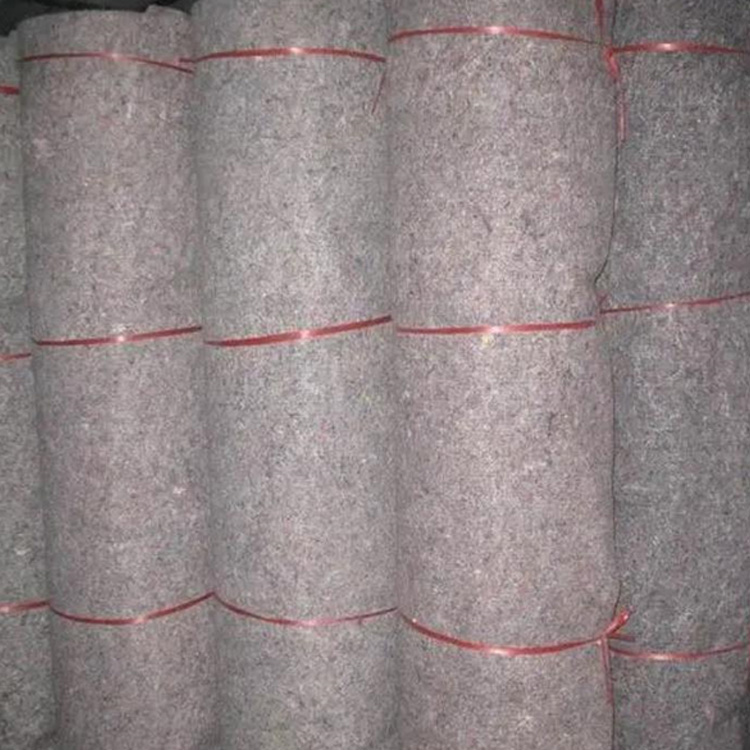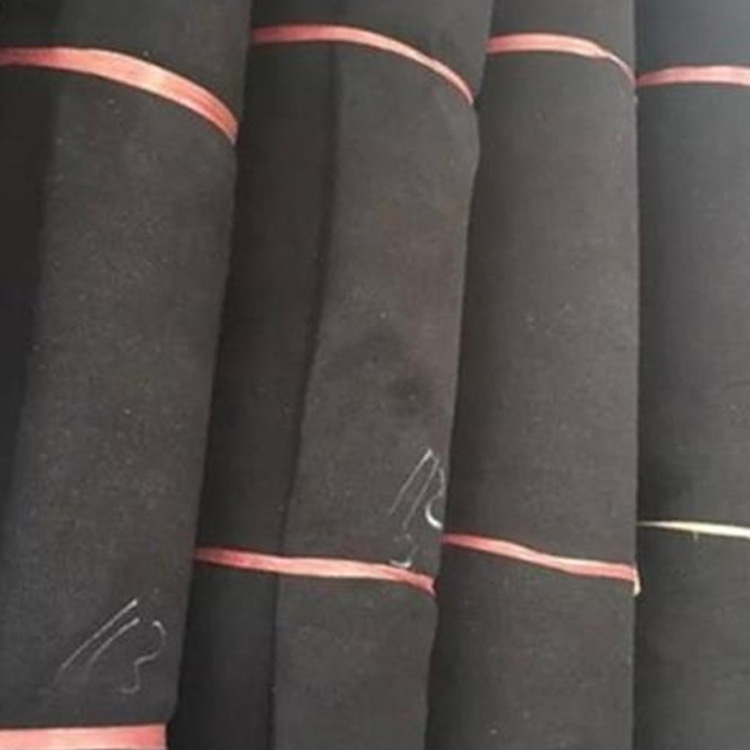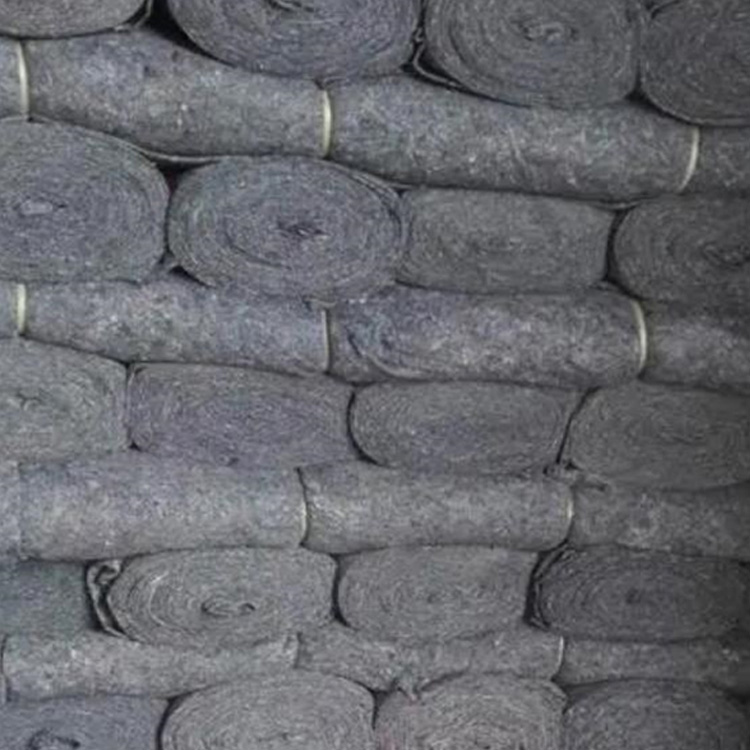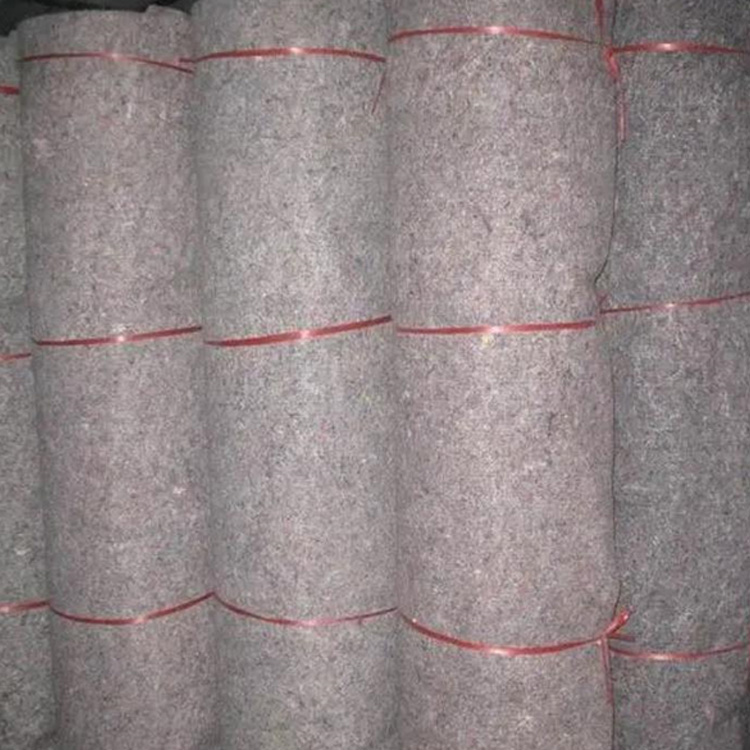

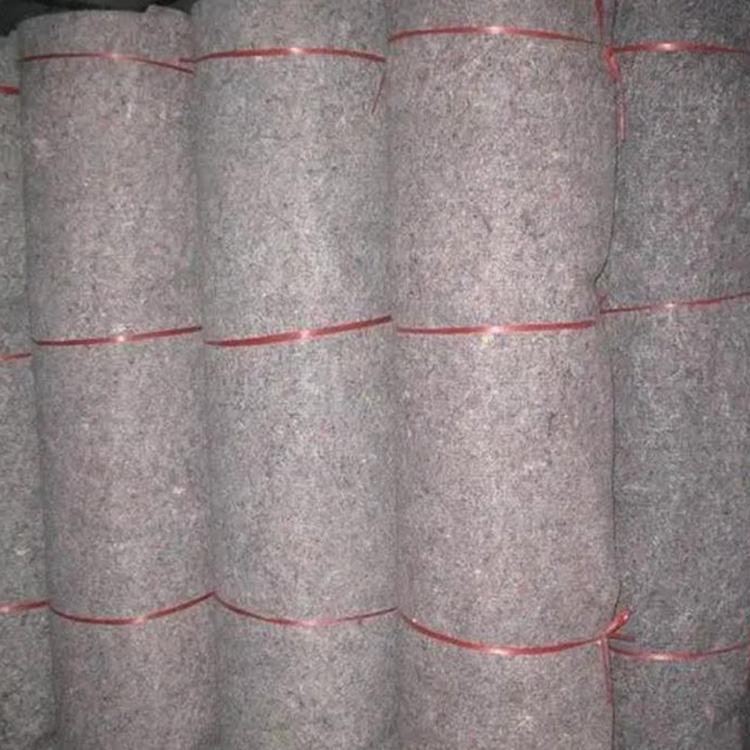
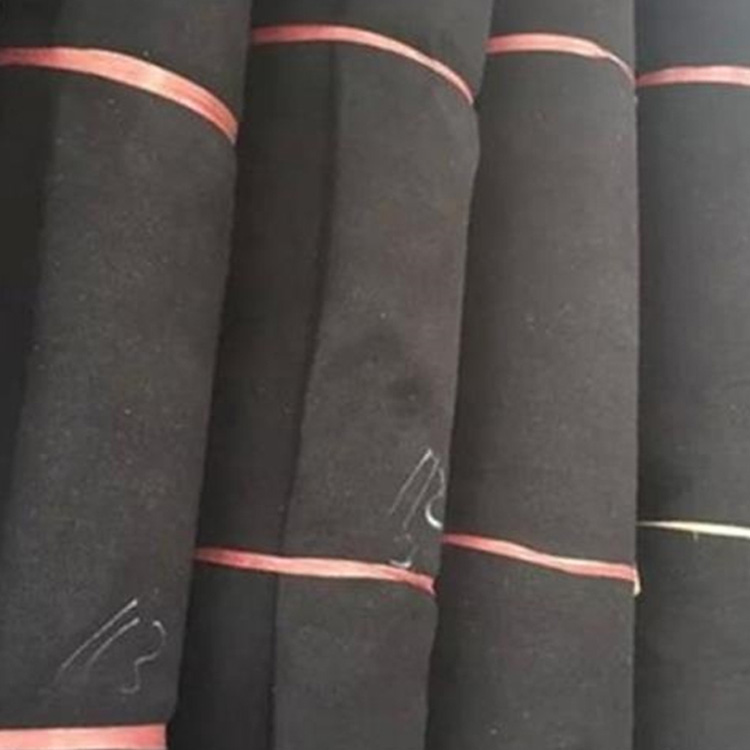
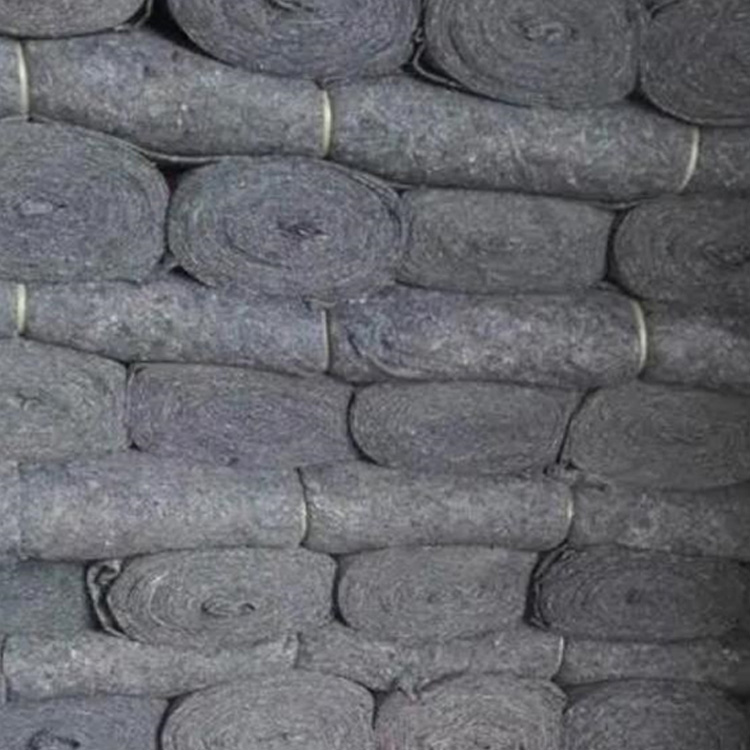








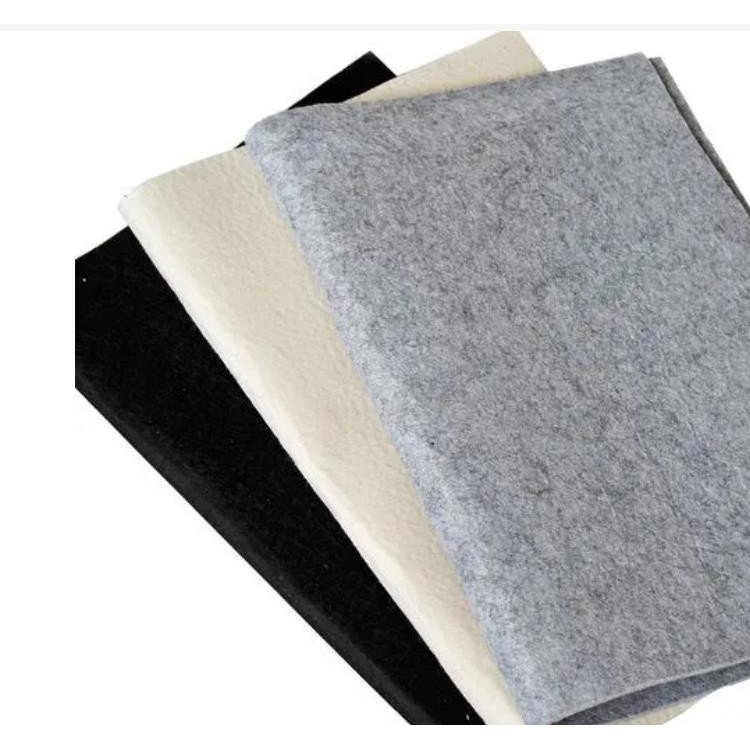
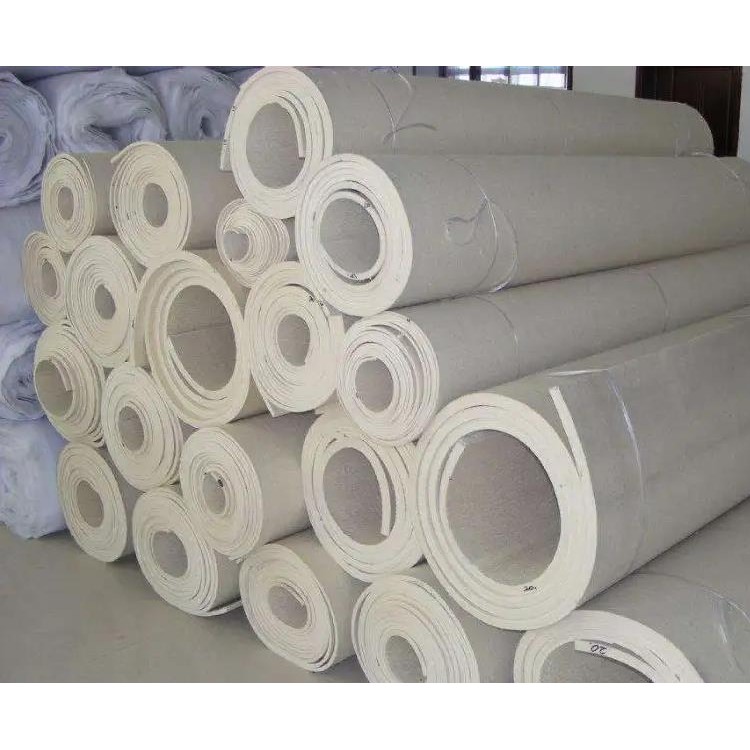
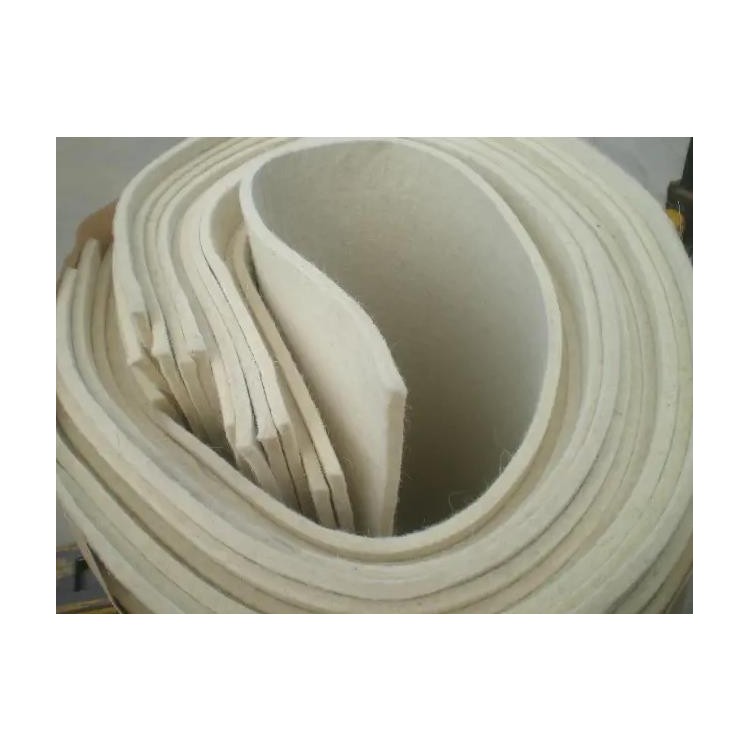

Insulating FleeceSurvival rates are reduced. To improve plant survival rates, materials like straw ropes and plastic films were traditionally wrapped around the tree trunks to achieve insulation, moisture retention, and shading. However, wrapping with straw ropes is inefficient and unattractive, and may also carry pathogens and pests, affecting the healthy growth of plants. Plastic films are non-permeable, hindering the normal respiration of plants.
Insulating FeltMore importantly, traditional wrapping materials cannot effectively protect plants from seasonal changes. In the hot summer, the surface of plants needs to be cooled, moisturized, and sun-protected, whereas in the cold winter, the opposite is required—warming the surface and maintaining low humidity. These are attributes that grass ropes and plastic films cannot both provide. Therefore, their assistance to plants is often limited, and they require multiple operations. In winter, trees need to be wrapped, and in spring, the wraps must be promptly removed, resulting in poor effectiveness and labor-intensive work.
Insulating FleeceTherefore, we have every reason to believe that the emergence of plant bandages heralds the impending retirement of coarse wrapping materials like straw ropes from the historical stage.
In northern regions of our country, the climate is dry with low temperatures, with the winter season lasting over three months. Traditional tree protection methods involve a multi-step process of laying straw mats at the bottom and covering them with film on top. These methods are labor-intensive, time-consuming, and the materials used are prone to tearing and ripping. They have weak wind and drought resistance, poor environmental aesthetics, short lifespan, significant resource waste, and high costs, making it difficult to achieve ideal survival rates for newly planted trees.