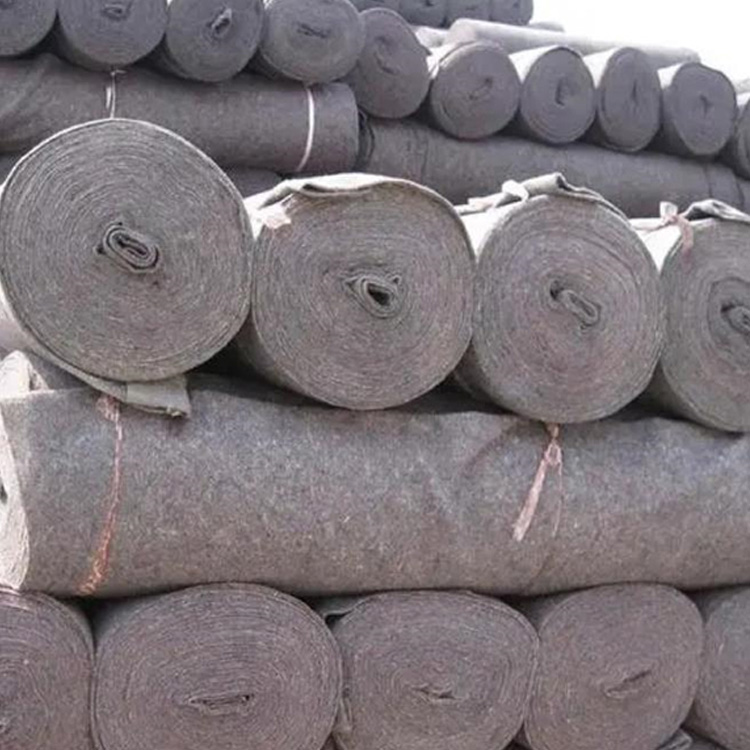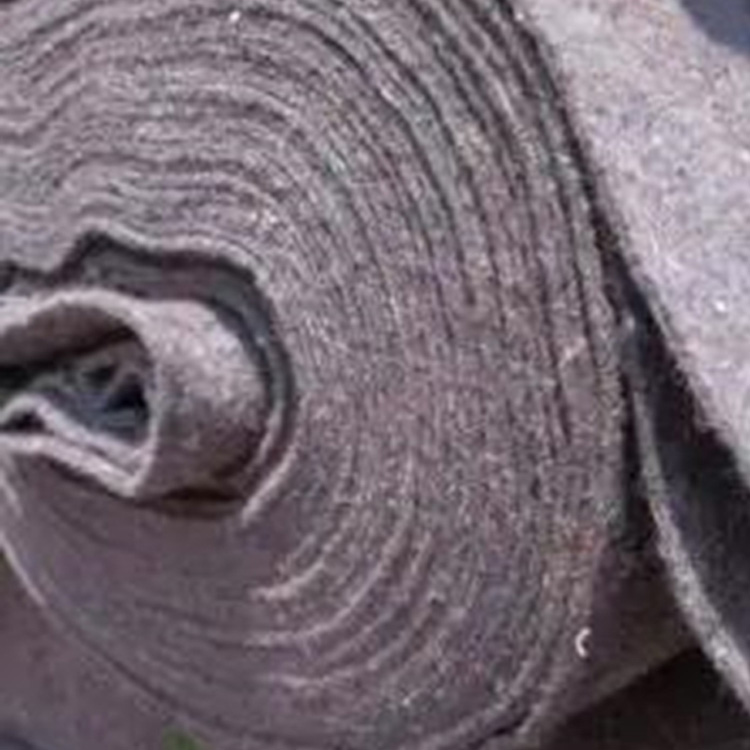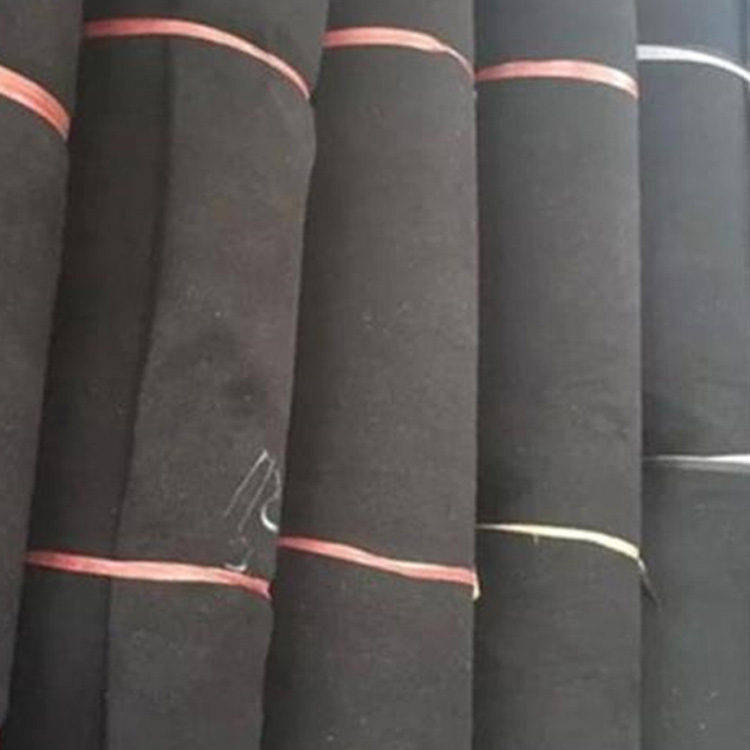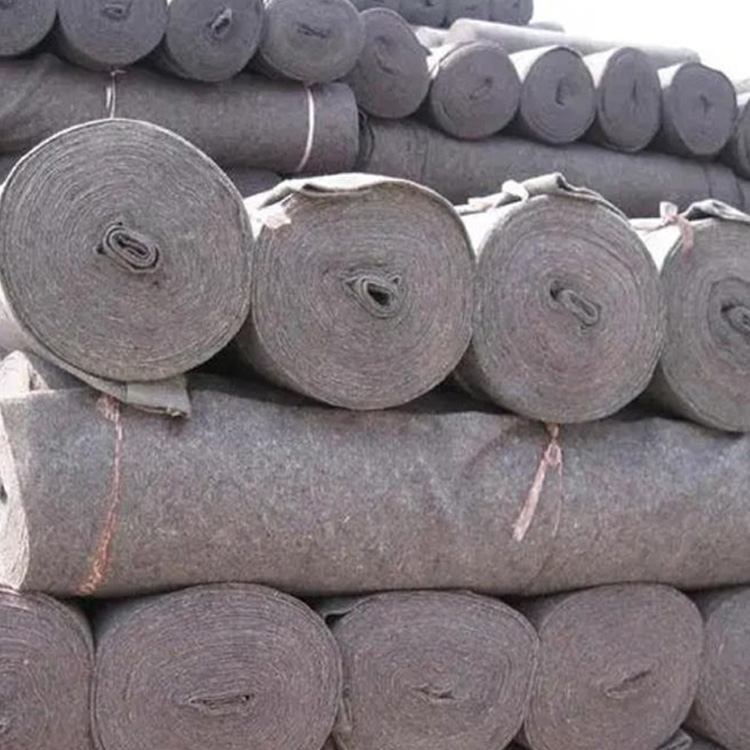

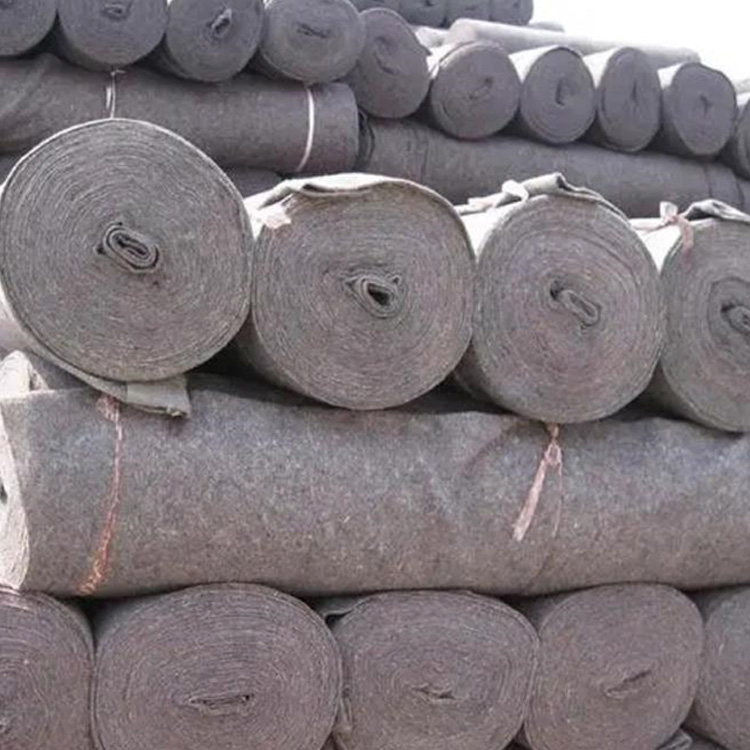
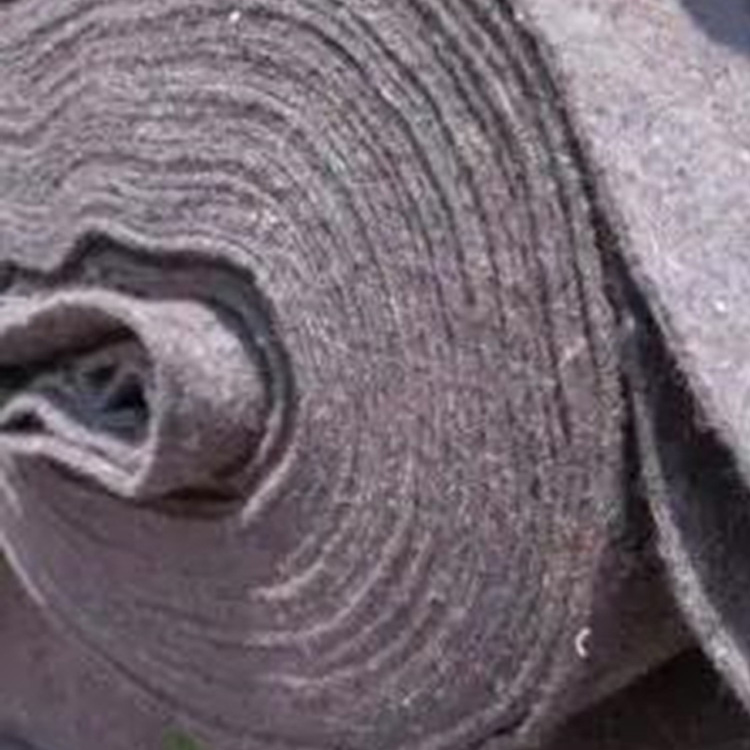
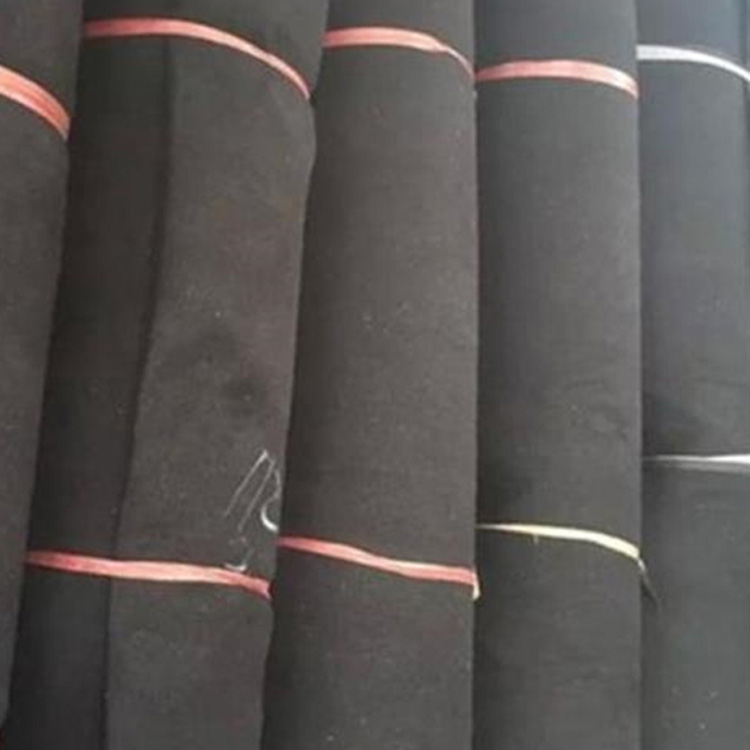








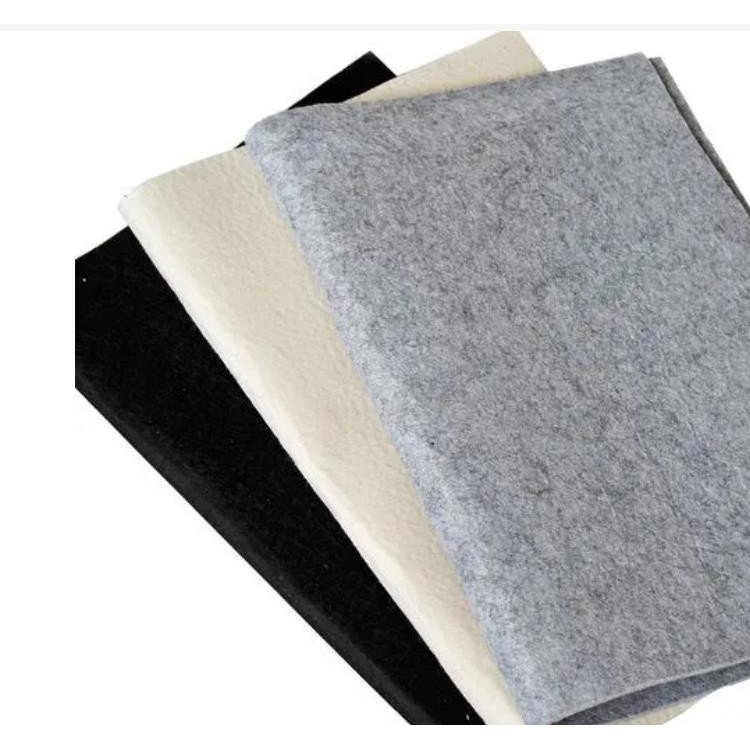
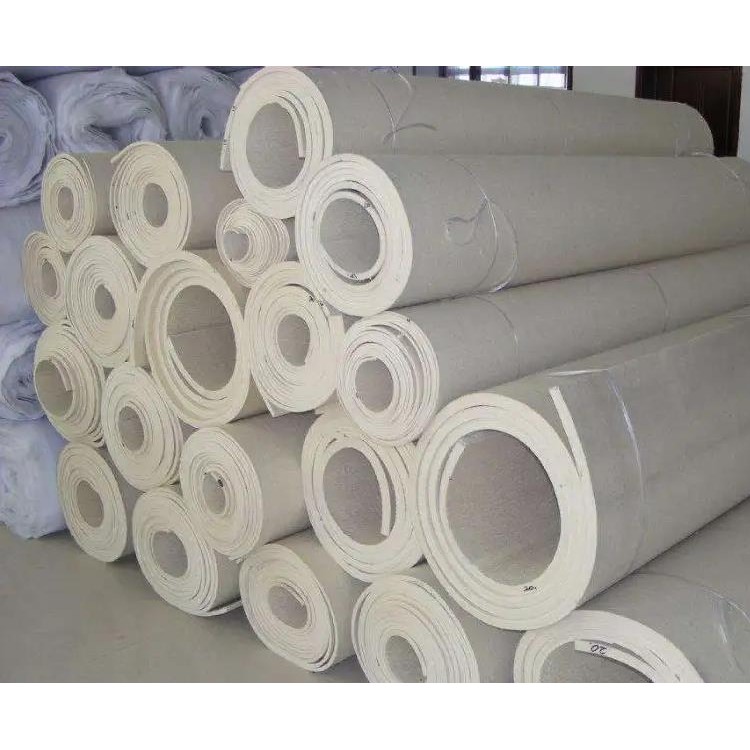
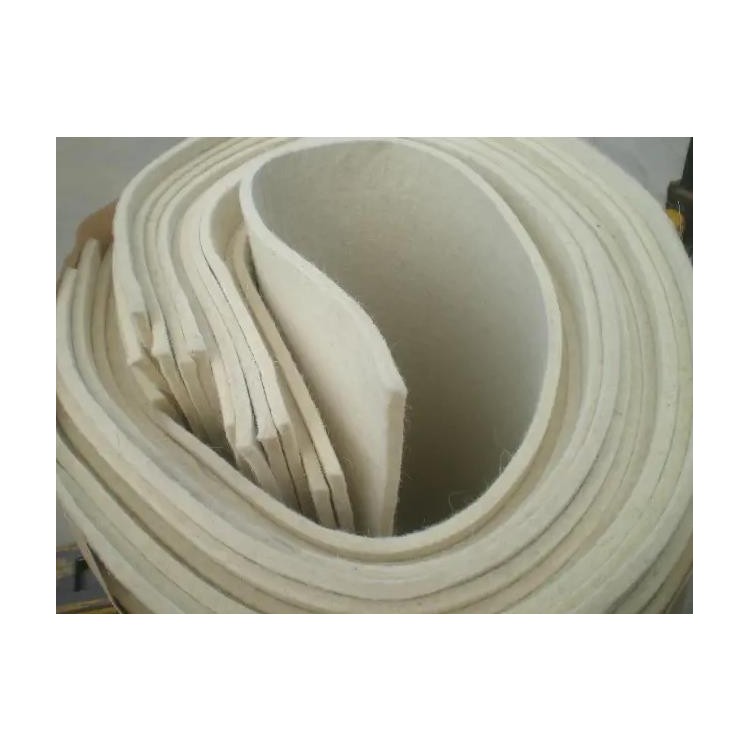

Insulating felt is an energy-saving production facility, known for its low construction costs and excellent insulation properties, making it a popular choice among many agricultural producers for their production needs.
The ideal thermal blanket should possess features such as insulation, light transmission, moisture resistance, ease of storage and unfolding, and a long service life. With the rapid development of greenhouse cultivation, thermal blankets are increasingly accepted by farmers. What should we pay attention to in daily application?
One, the greenhouse temperature must be maintained; if the greenhouse temperature drops below 6 degrees Celsius, a heater should be used to warm it up.
To effectively reduce humidity in the greenhouse, during the sudden cold winter weather, the growth rate of plants is typically slow, and root activity is relatively low. Therefore, the water requirement for plants is minimal. Farmers should avoid watering as much as possible, and if watering is necessary, it should be done under the film. Do not flood the plants, and when applying fertilizer, use quick-dissolving fertilizer with a low concentration.
Then, it is necessary to enhance effective lighting. Farmers should frequently clean the greenhouse film to improve its light transmission rate. Additionally, adjustments should be made to the plants based on their production status, removing diseased and old leaves to enhance ventilation and light transmission among the plants. Pay attention to opening the greenhouse insulation cover on cloudy days without snow, as vegetable cultivation in greenhouses also requires more diffused light. If possible, adding light bulbs can increase the plants' exposure to light and also raise the temperature inside the greenhouse.