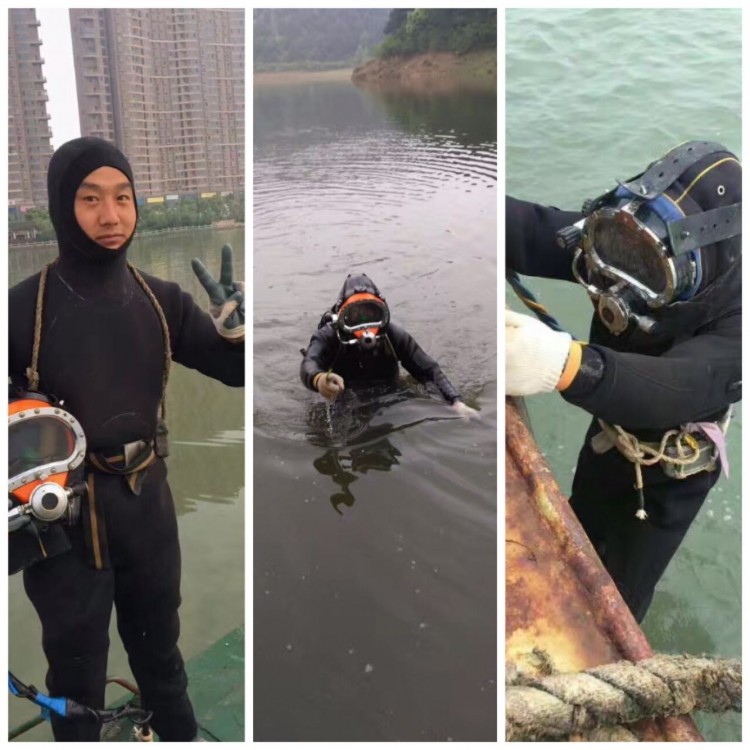










(2) Underwater welding equipment and power sources should have good insulation and waterproof properties, with an insulation resistance value not less than 1MΩ, and should possess resistance to salt spray corrosion, atmospheric corrosion, and anti-seawater corrosion.
(3) Control panels in direct contact with diving welders must use an isolation transformer and have overload protection. Welding machines must be grounded, and the grounding wire ends must be polished to prevent corrosion.
(4) Underwater wet welding and cutting require the installation of an automatic switch box for welding in the electrical circuit; for underwater dry welding or local dry welding, an accident alarm system and power cutoff system should be installed in the electrical control system.
(5) During welding or cutting, it is often necessary to change welding rods. When changing welding rods underwater, it is mandatory to first send a disconnection signal to confirm that the circuit has been cut off before removing the rod end and replacing it with a new one. Otherwise, it is easy to cause electric shock accidents and pose a danger.
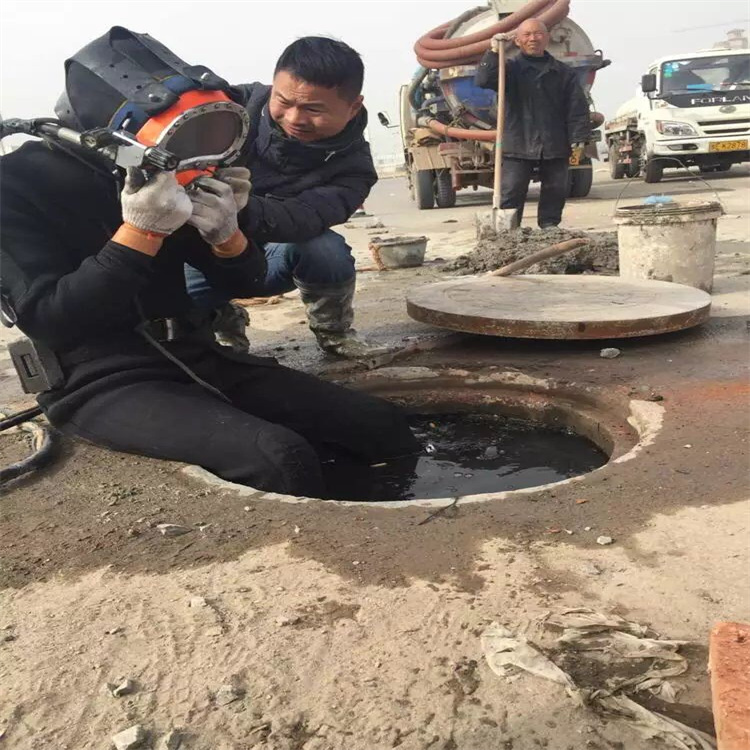
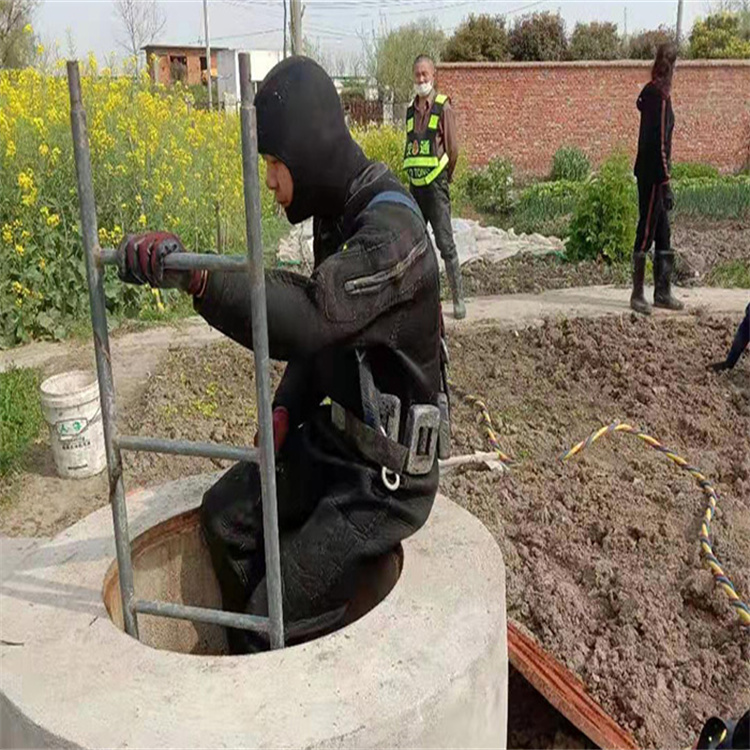
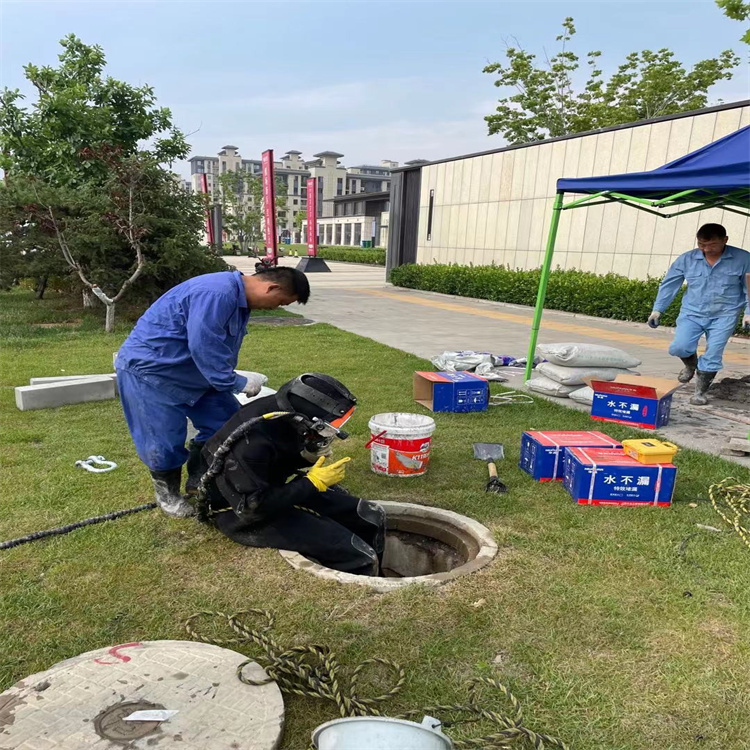
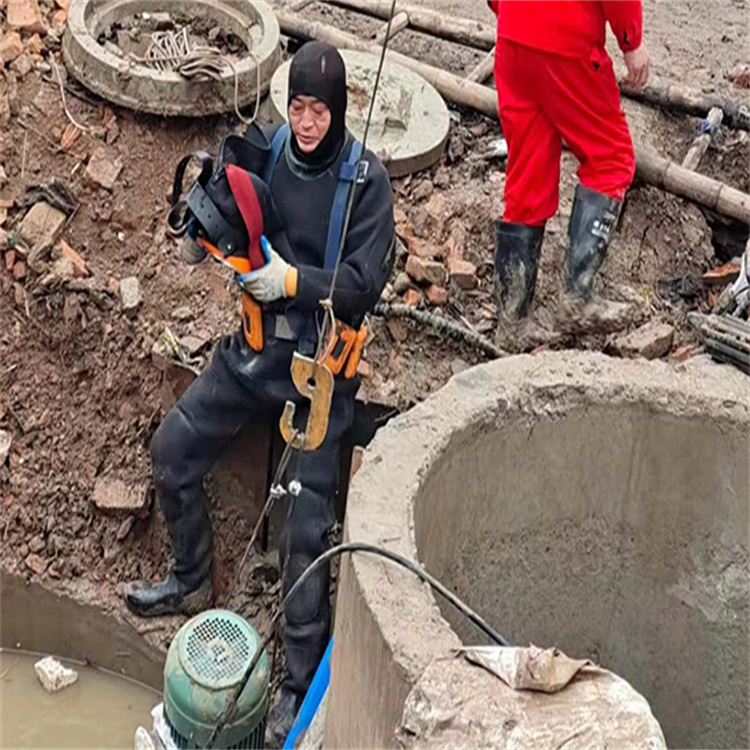
6) Electrodes must be thoroughly insulated and waterproof to ensure electrical contact occurs only at the point where an arc is formed.
(7) During underwater welding, divers should never face away from the ground return point, as this places them between the work site and the return point. This not only increases the risk of electric shock accidents but also leads to electrolytic corrosion of the metal parts of the diving equipment. It is important to note that you should not place your hands on the workpiece to be welded or cut, and also avoid touching the helmet with the welding rod or electrode handle to avoid electric shocks.
(8) Divers must wear protective suits and gloves when operating.
5. Preventive Measures against Object Impact
(1) When performing underwater welding and cutting operations, it is crucial to understand if there is a risk of collapse for the components being welded or cut. Especially when conducting spot welding for assembly, it is mandatory to verify that the spot welding is secure and there is no risk of collapse before notifying the crew on the surface to release the hoisting ropes. For welding temporary lifting ears and pulling plates, the same material as the structure being welded should be used, and the same process should be applied to ensure the quality of the welding.
(2) During underwater cutting, when the workpiece or structure to be cut is about to be severed, especially during underwater upward or reverse-hand cutting operations, the diver-cutter should allow sufficient clearance for himself and notify nearby divers to avoid collision before cutting through.
(3) Divers must remain vigilant at all times to avoid being injured by falling or collapsing welding and cutting components, or damaging diving equipment and air supply lines.