








With the advancement of marine, river, and lake scientific endeavors, the scale of underwater engineering has expanded significantly. Underwater camera surveillance has become the eyes of water area development, and its application is increasingly widespread.
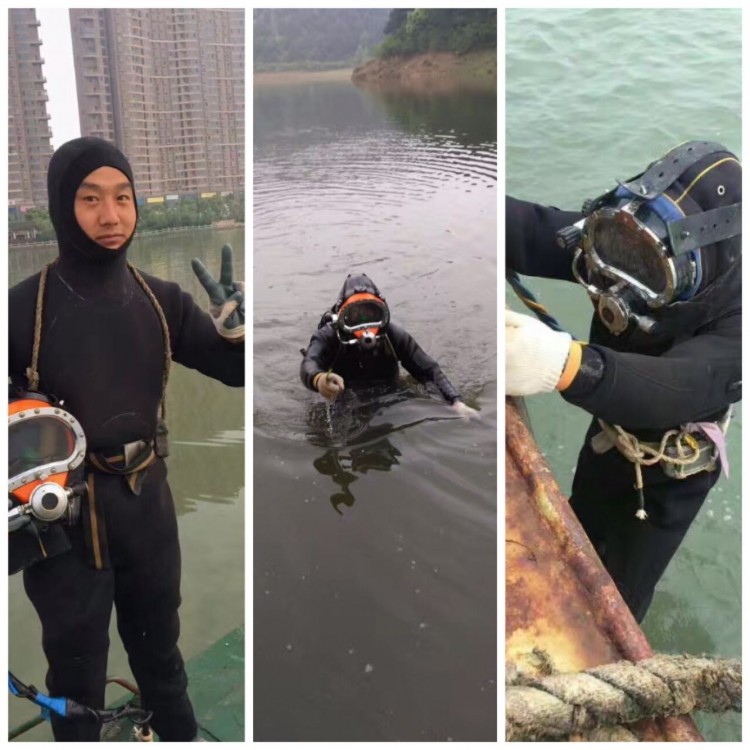
With advancements in ultrasonic technology, it was quite common in the past to conduct surveys and observations in water using sonar and similar methods, but these were indirect methods. Direct observations could be made using divers, diving survey ships, and underwater photography, among other techniques. However, these methods have the drawback of requiring diver training and are limited to depths of only 50 meters, thus being costly, uneconomical, and not able to provide immediate real-time feedback. Consequently, underwater camera surveillance has been developed, which excels in terms of safety, timeliness, and cost-effectiveness. Moreover, it can be used in conjunction with video recorders and underwater cameras to achieve even better results.
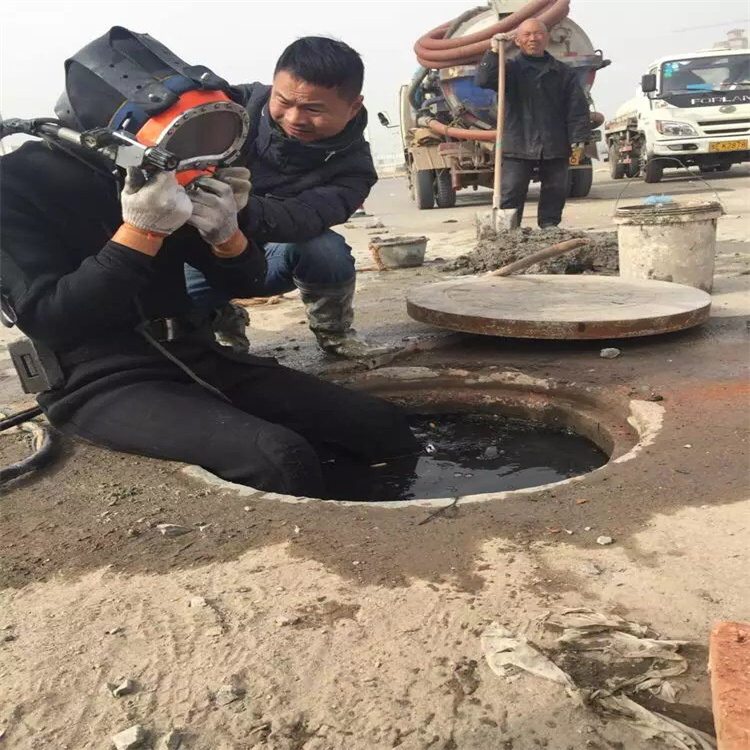
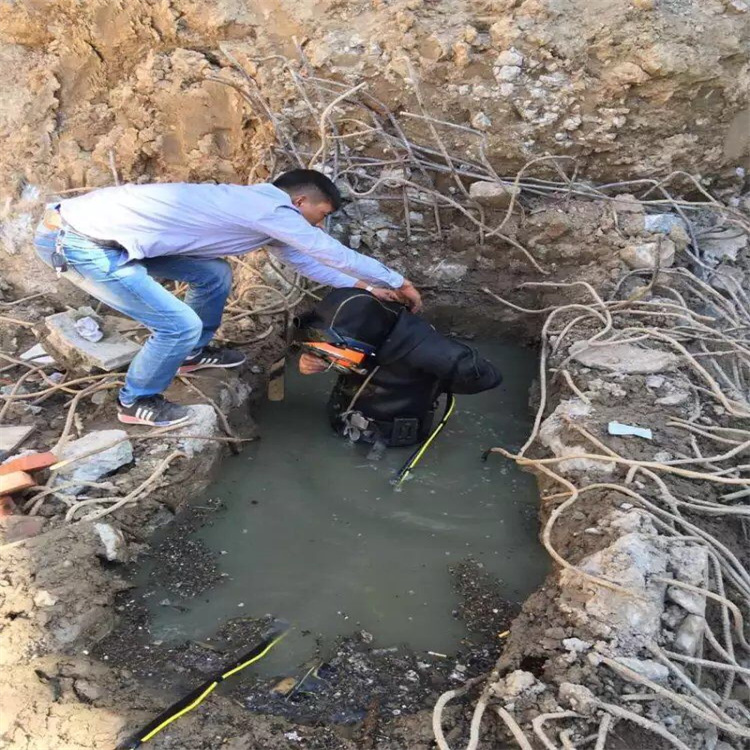
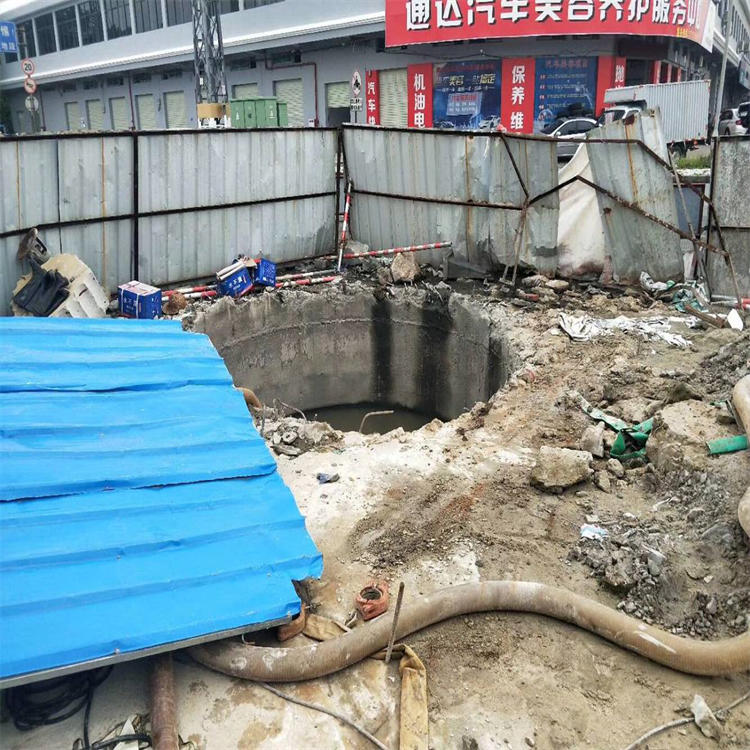
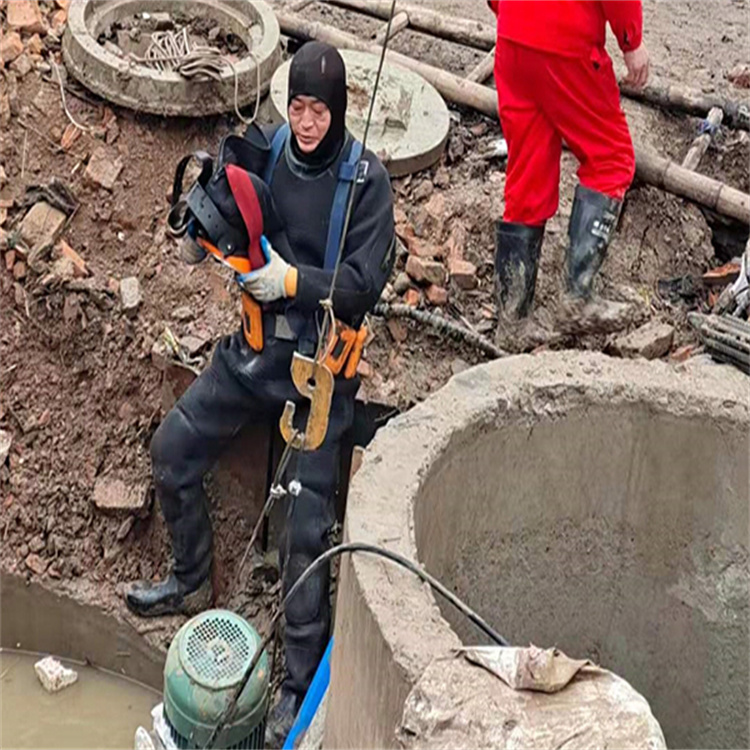
In recent years, with the advancement of photoelectric technology and the continuous emergence of various new camera components, low-light and radiation-resistant underwater cameras are being widely used in harsh environments. Special optical systems such as infrared, zoom, wide-angle, rotating, and tilting lenses also enhance the monitoring performance of underwater cameras and expand their practical application range.
The advancement of underwater camera monitoring technology primarily involves the development of underwater camera vehicles (autonomous underwater cameras), miniaturization of underwater cameras, and the research and development of laser TVs, ultrasonic TVs, and radiation-resistant TVs. As the marine and other aquatic industries continue to evolve, underwater camera monitoring systems will increasingly become an indispensable essential tool.