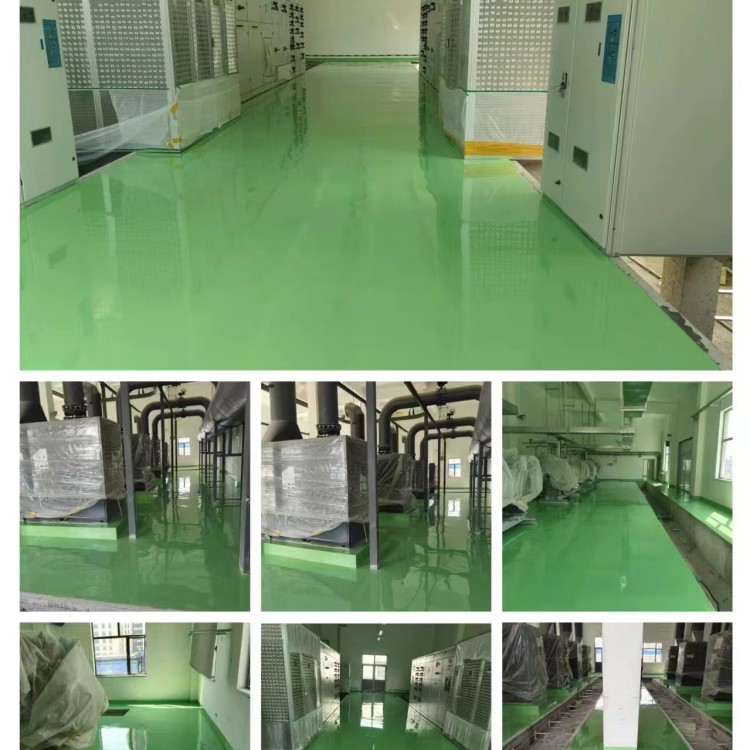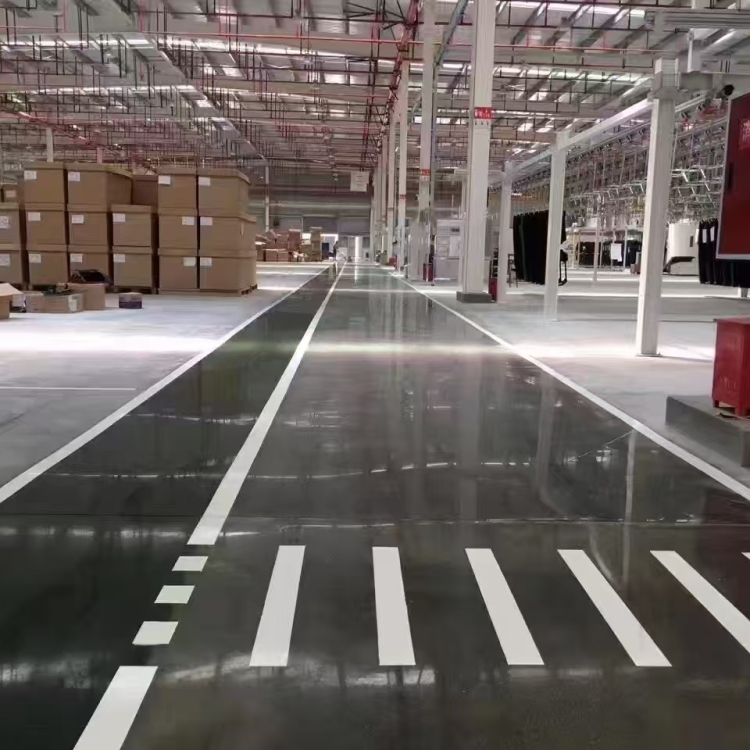


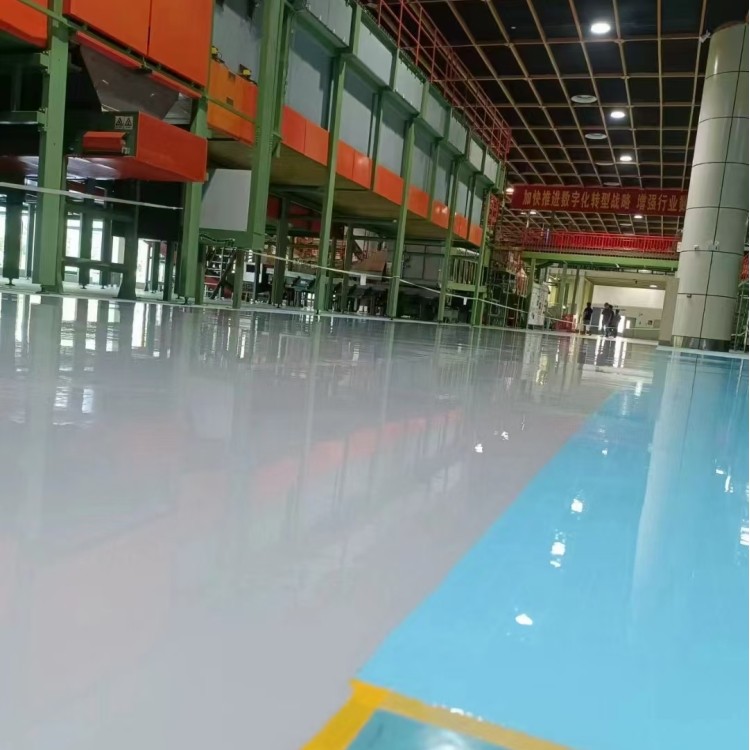







The company offers tailored solutions for clients' diverse needs, proposing optimal material usage plans, providing construction teams, meticulously preparing for high-quality construction, and ensuring post-construction maintenance. Branches and offices are established in Tangshan, Shanghai, Tianjin, Nanjing, Xi'an, Shenyang, and other locations. Over the years, the company has ventured into various industries such as civil construction, hydropower and water conservancy, municipal infrastructure, bridges, subway tunnels, coal mines, power and chemical industries, aerospace, and nuclear industry, particularly excelling in advanced domestic levels in high-pressure chemical grouting, leakage in tunnels and mines, and leakage in metal roofs. For many years, the company has participated in dozens of key projects at both the provincial and national levels.
Dear User, No matter what your needs may be, simply call our 24-hour contact number:
Manager Shen == Leak Sealing Company, relevant persons have visited --- All you need to do is make a call; the rest is handled by us.
Service Process: 1. Conduct on-site inspection to understand leakage conditions, prepare construction plans and budget quotes.

2. Post-contract signing, meticulously prepare for construction and ensure the completion of the construction task meets quality and quantity standards.
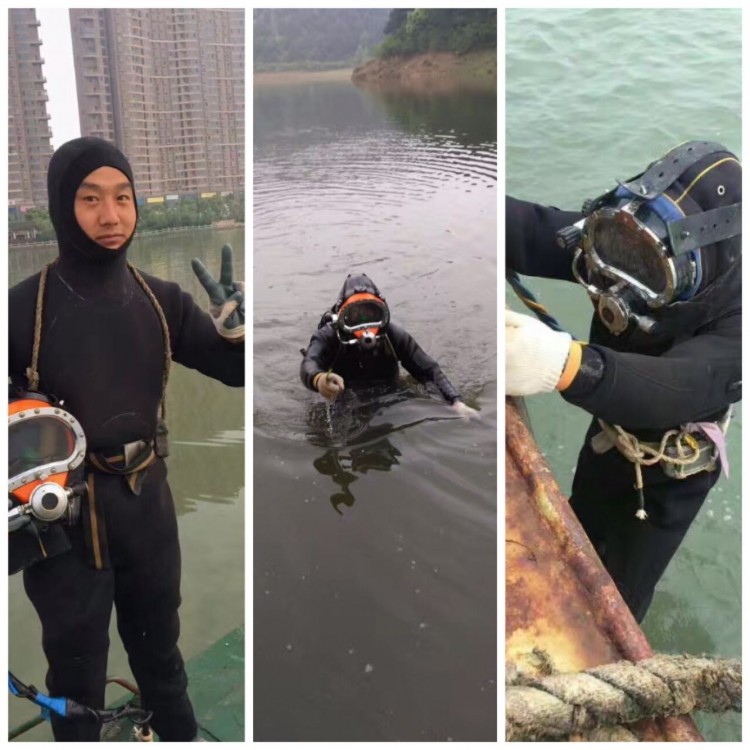
Leak sealing construction teams, unique underwater technology, high-quality construction services, and reasonable construction cost provide you with a range of leak sealing projects, including waterproofing and underwater structure construction for basements, tunnels, pipelines, elevator shafts, reservoirs, and more.
The company, after understanding the cause of the leakage, has formulated a treatment plan based on the "Code for Waterproofing Technology of Underground Engineering" (GB50108-2008), adhering to the principle of "combining prevention, drainage, interception, and blocking; a balance of rigidity and flexibility; adapting to local conditions, and comprehensive management." The plan focuses on "prevention as the main approach, with blocking as a supplement, and comprehensive management." After completing the initial preparations and grouting the outer wall of the pool to address the leakage, it is determined, based on the actual on-site conditions, whether to apply a waterproof coating on the interior facing surface of the pool wall.
Underground foundation construction, subway projects, civil air defense projects, bank vaults, pool floor slabs, etc., concrete structure leakage and water seepage plugging construction.
Mine passages, shafts, caisson, dam surfaces, roof surfaces, tunnels, recirculating water channels, box culverts, water intake and drainage engineering leakage and water blocking repairs.
Coal mine coal conveying system, wire conduit, sleeve, coal conveying bridge, drilling, oil well casing, tailings pond tunnel concrete cracks waterstop leakage prevention.
Cable trench excavation, cable tunneling, cable manholes, elevator shafts, siphon wells, valve wells, foundation pit leakage prevention, water-blocking construction with water presence.
Basement, underground parking, parking lots, underground tunnels, heating pipelines, foundation pits, shafts, and other types of underground engineering leakage and leak repair emergency construction.
Concrete structures, cooling towers, water-cooling towers, chimney ash platforms, circulating pump houses, pipeline, sewage treatment pond leakage repair and maintenance.
Highway tunnel, submarine tunnel, river-crossing tunnel, artificial lake, water conveyance tunnel, and ground tunnel engineering large-volume concrete crack sealing and leakage prevention.
Dock cofferdams, lock gate projects, pumping stations, hydroelectric power stations, reservoirs, concrete dam crack grouting for seepage prevention and reinforcement.

Firstly, conduct a thorough search and treatment of significant defects such as leakage holes and loose areas. This step is crucial for the entire sealing process and must be done meticulously, carefully, and without hesitation. Only after this can the second step of sealing treatment be carried out. The effectiveness of sealing is closely related to the material, which provides the basic conditions and serves as a guarantee for sealing technology. High-performance, high-quality materials must ultimately reflect in the application of sealing technology. Regardless of the material, it must be compatible and suitable for the sealing technology operation. Therefore, the materials selected for waterproofing and sealing in this project are: specially formulated and produced quick-setting, expansive sealing-type high polymer materials for sealing repairs.
One, based on our company's years of construction experience and technology, the main reasons for leakage in water pools and sewage pools are as follows:
1. Prolonged leakage in the pool has caused the soil layer at the bottom and around the pool to remain submerged for an extended period, resulting in the soil softening and its strength decreasing. This has led to deformation of the pool channel, ultimately causing further leakage.
2. Settlement of soil and other structures at the bottom of the pool leads to hollowing and other phenomena, causing the rigid pool channel and surface to deform under stress. This results in leakage cracks and points in the pool, destroying the original waterproofing system and causing leaks. This is the primary cause.
3. The recurrence of cracking in previously sealed cracks is another reason. Jiangsu Hua Hang Leak Sealing Process:
1. The planning and arrangement of grouting holes include two methods: running through the seam and oblique holes.
Select based on actual conditions and requirements; use both when necessary.
2. Features of Material Function DH-814Ⅱ Polyurethane Quick Leak Sealer: It reacts immediately upon contact with water due to the participation of water in the reaction, ensuring the slurry is not diluted or washed away by water, which is an advantage not possessed by other grouting materials; under pressure, the slurry is injected into concrete cracks and simultaneously penetrates around the cracks. Upon contact with water, it reacts again, foams and expands, creating secondary penetration, continuously seeping into the concrete gaps, ultimately forming a network structure. This results in a low-density, water-containing elastic body with excellent deformation resistance and water-tightness.
3. Prior to implementing a repair plan and sealing leaks, it is necessary to conduct a site survey to understand the quality of concrete construction, analyze the causes of water leakage, identify the locations and dimensions of cracks (width, length, depth, and penetration), and learn about leakage conditions during both rainy and dry seasons. Measure the flow rate and velocity of water leakage, etc. After thorough investigation, accurately formulate a repair plan and complete all preparatory work.
(1) Grouting hole planning: The orientation of the grouting holes should intersect with the leaky cracks and pores, and be located at areas with high leakage volume.
(2) Buhong Principle: The position and quantity of grouting holes should be reasonably arranged according to different leakage conditions. The purpose is to drain the leakage. Holes should be placed at concentrated leakage points. If the cracks are large and the water flow is high, the distance between the holes should be larger; if the cracks are small, the distance between the holes should be smaller.
4. For hole punching under visible construction conditions, both manual and mechanical methods are typically used, often a combination of both.
5. Inspect the working condition of the grouting equipment and piping, and assess the strength of the solidified nozzle.
Clear cracks, further select optimal grouting parameters (such as gel time, grouting pressure, and slurry volume, etc.).
6. After the grouting is completed under a relatively stable pressure, continue for another 1-2 minutes to finish the grouting, then disconnect the pipeline for cleaning preparation.
7. Grouting - Grouting is the core step in the chemical grouting process, which should be conducted only after all preparatory work is completed. Prior to grouting, it is necessary to organize a well-prepared division of labor, assign fixed positions, and particularly require skilled personnel with specialized training to carry out the operations.
Grouting is a new chemical grouting leakage prevention technology that utilizes two-component grouting. The three raw materials, weighed in proportion, are mixed with water to form the A liquid, and the solid sulfur, also weighed in proportion, is mixed with water to form the B liquid. Upon mixing the two liquids, a polymerization reaction occurs, with initial setting in 30 seconds and complete reaction in 2-3 minutes, forming a gel. The grouting is injected into the structural layer in a water-soluble form, featuring low viscosity and good permeability, capable of infiltrating cracks smaller than 0.1mm. The slurry can coagulate under damp, fast-flowing, and abundant water conditions. The gel exhibits excellent impermeability, water swelling, and resistance to erosion. The compressive strength of the gel is 0.01-0.06MPa, and the tensile strength is 0.02-0.04MPa.
b. Grouting method is mainly used for situations with large water leakage, scattered water flow, and unfavorable for sealing cracks and individual water outlets. The sealing position is determined based on the crack condition. Internal grouting is performed to seal water flow paths and cracks, or to concentrate water flow for easier sealing. For concentrated water outlets with leakage exceeding 150mL/min, the water diversion grouting method is used to stop the water. First, drill holes at the water outlets, with the hole depth not穿透 the structural layer and not less than 20cm to avoid excessive grout expansion during the process and to clear intricate cracks around the outlets for pressure relief. Then, clean the gravel and debris from the hole, insert a 25mm diameter plastic hose into the water diversion hole using quick-setting gel, and then finish the opening with mortar.
Hua Hang Waterproofing and Leak Sealing Engineering Co., Ltd. has been committed to the research and development of new waterproofing and leak sealing materials and technologies since its establishment. It boasts a high-level material research institute, a construction equipment development center, modern production facilities, and equipment, and has developed a series of new special-purpose materials, forming its unique construction techniques. The company has a high-quality team of engineering and technical personnel, production and construction management staff, and advanced construction equipment. It holds multiple national inventions and has passed the ISO9001:2000 management system certification. The company's engineering achievements are spread throughout the country.