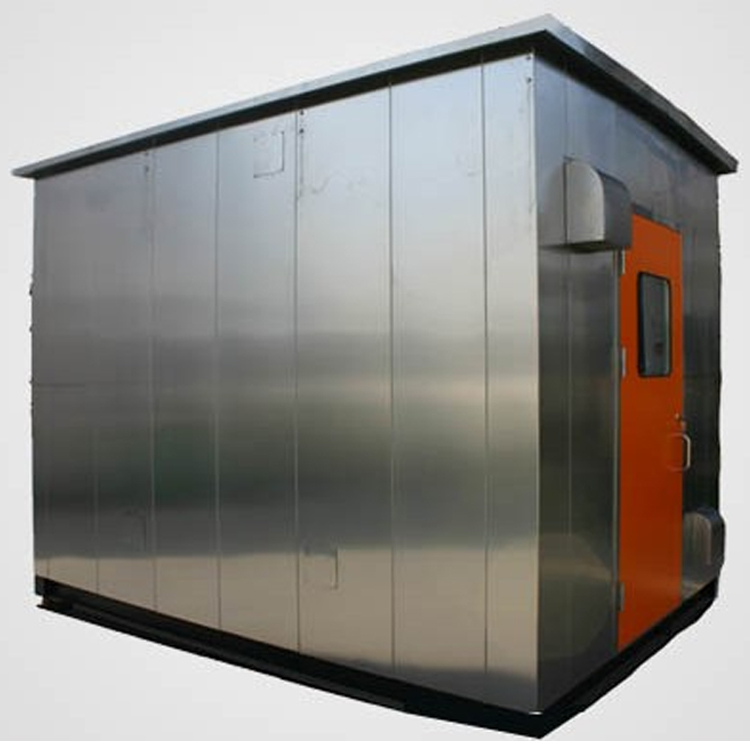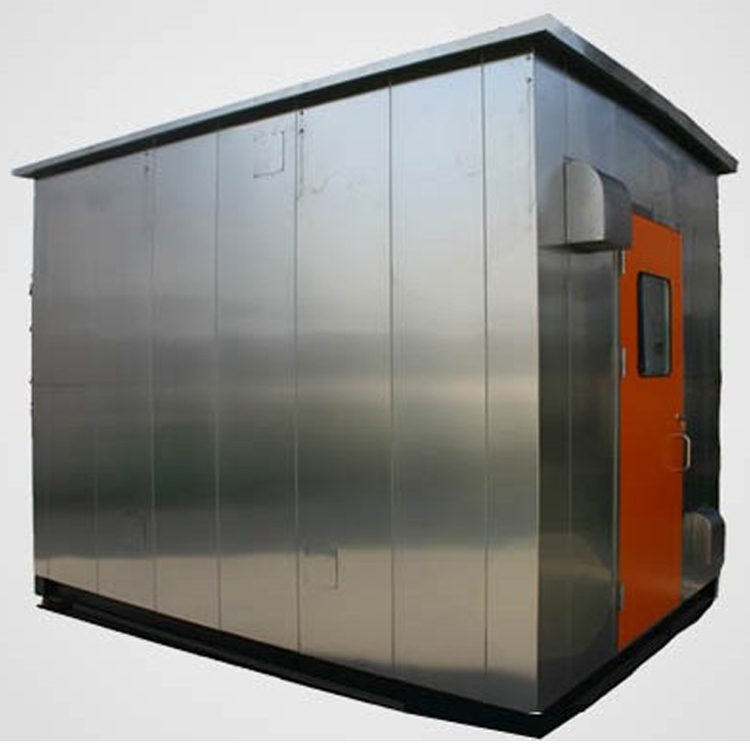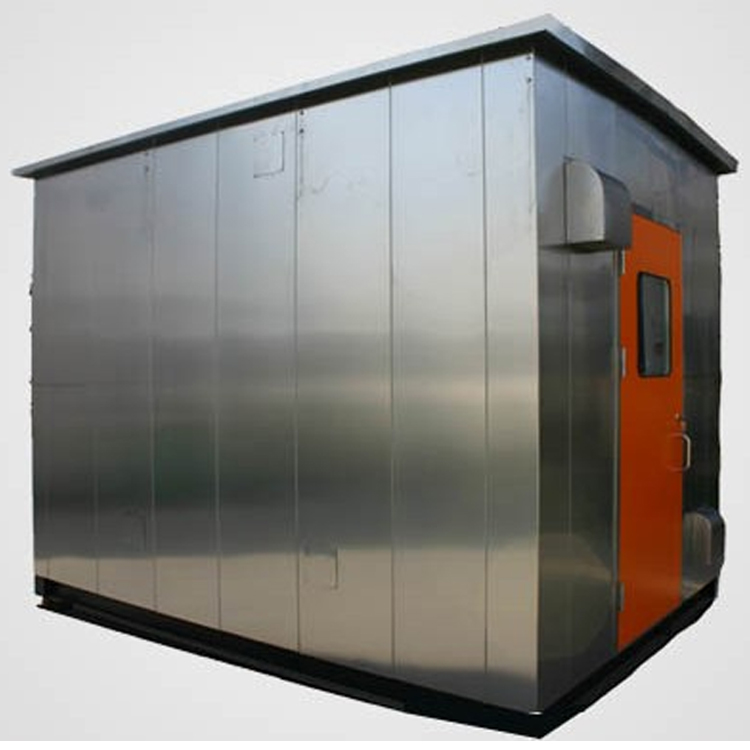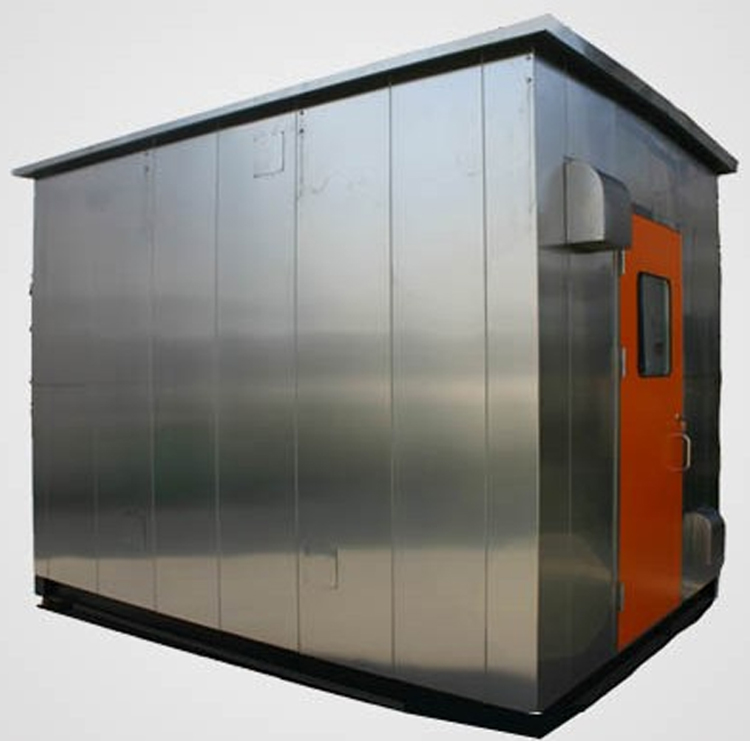

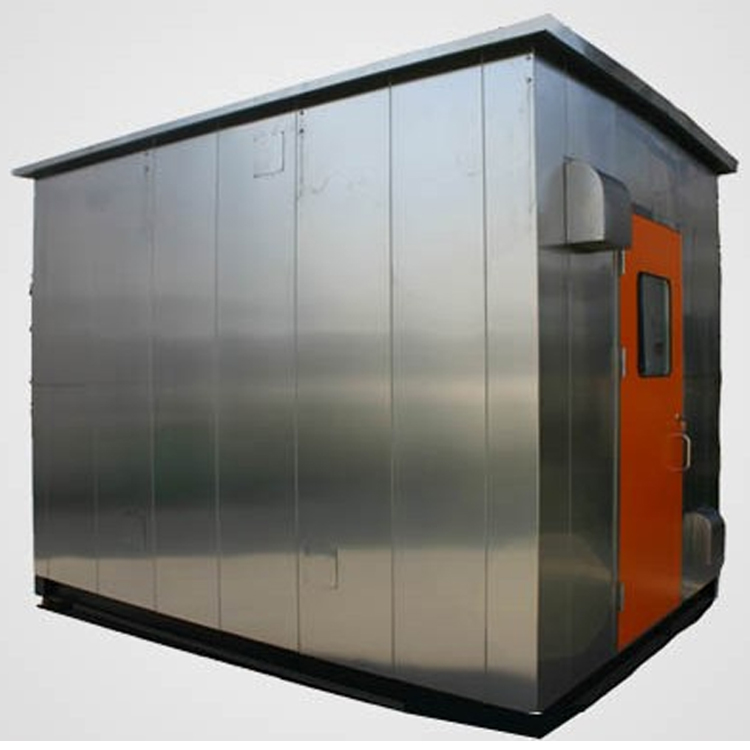
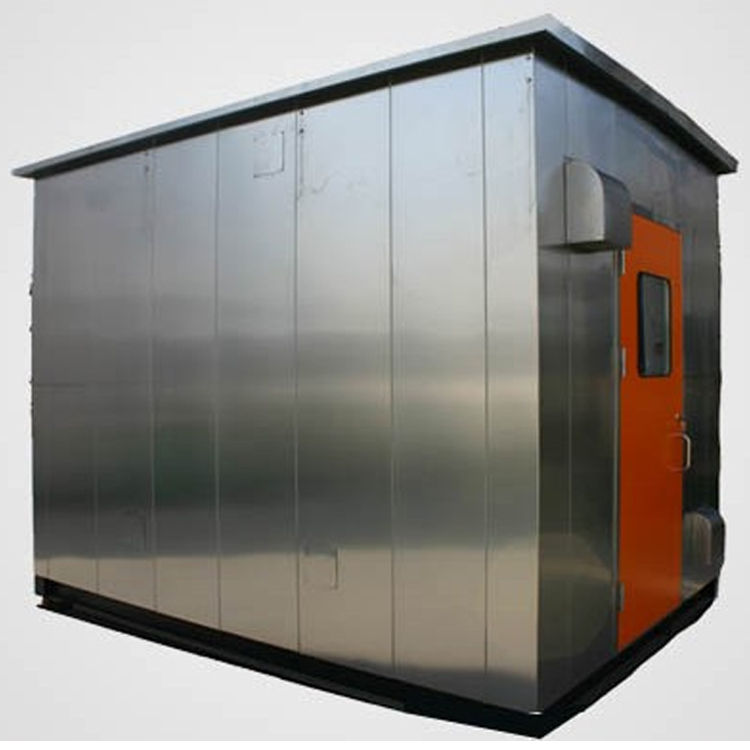
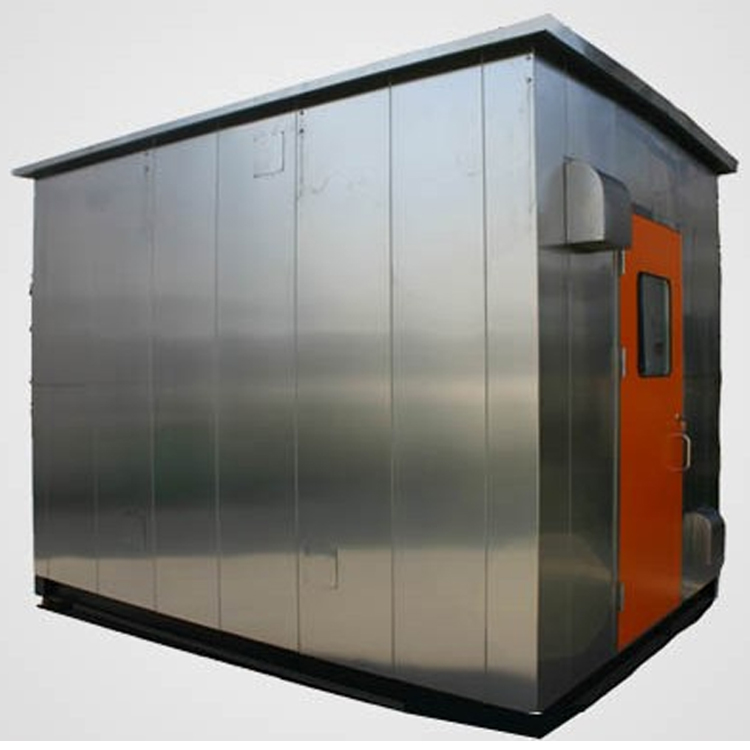


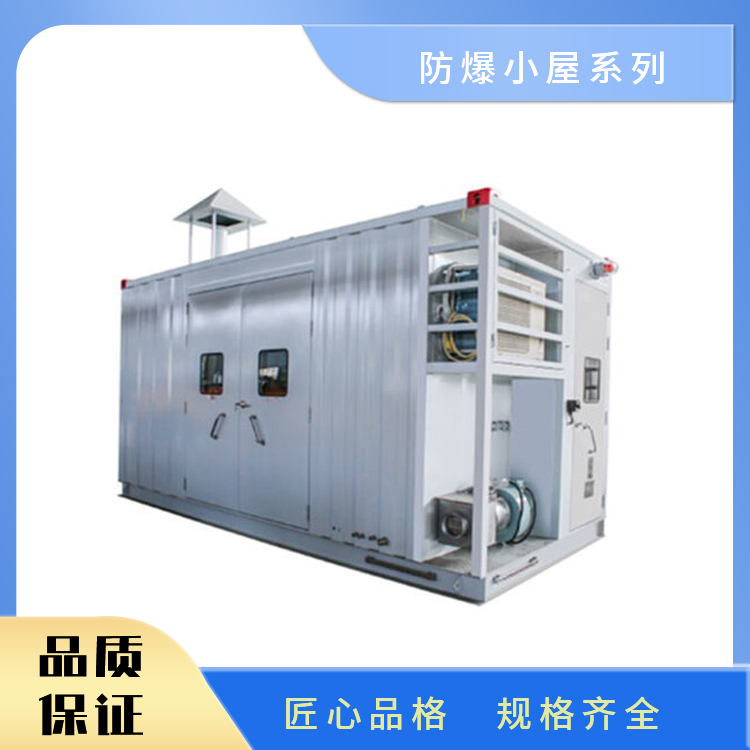
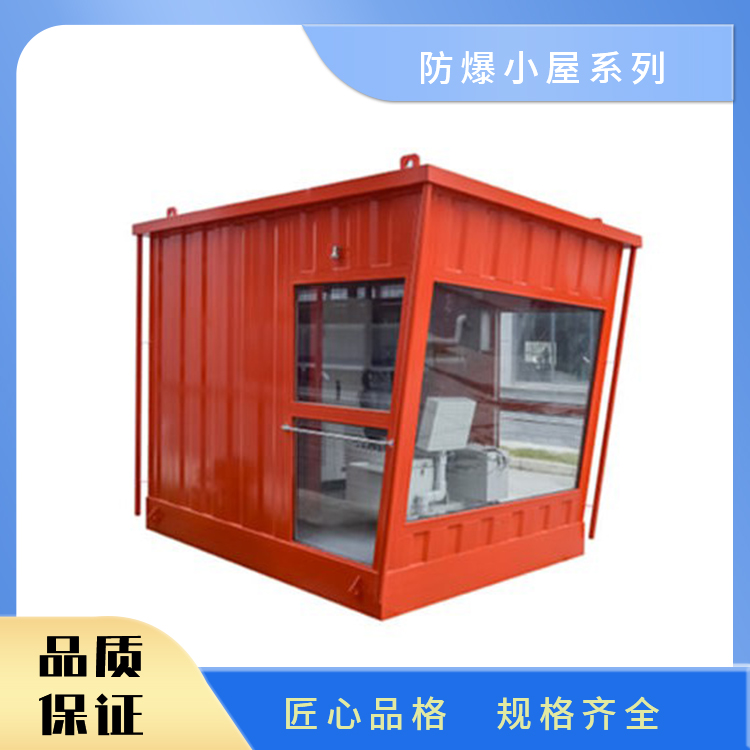
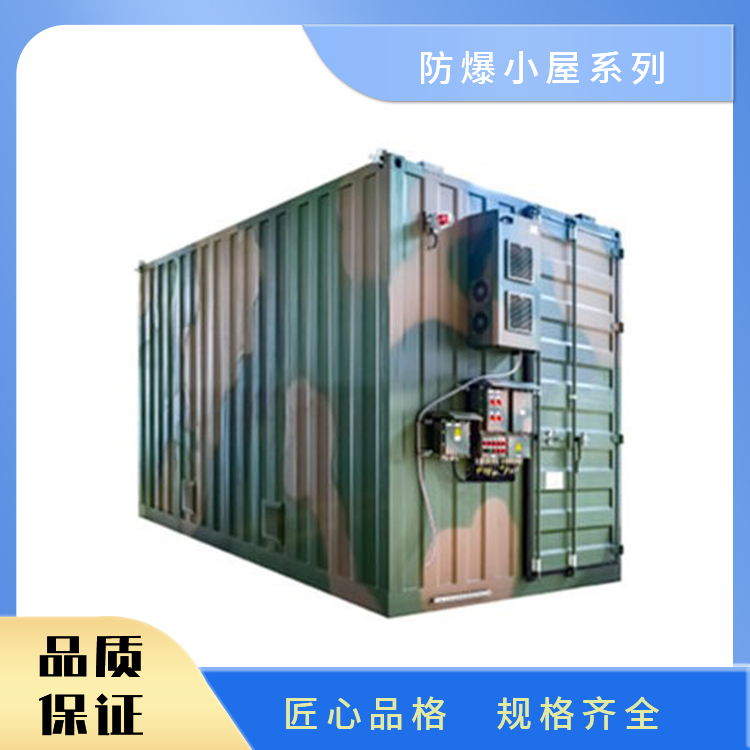
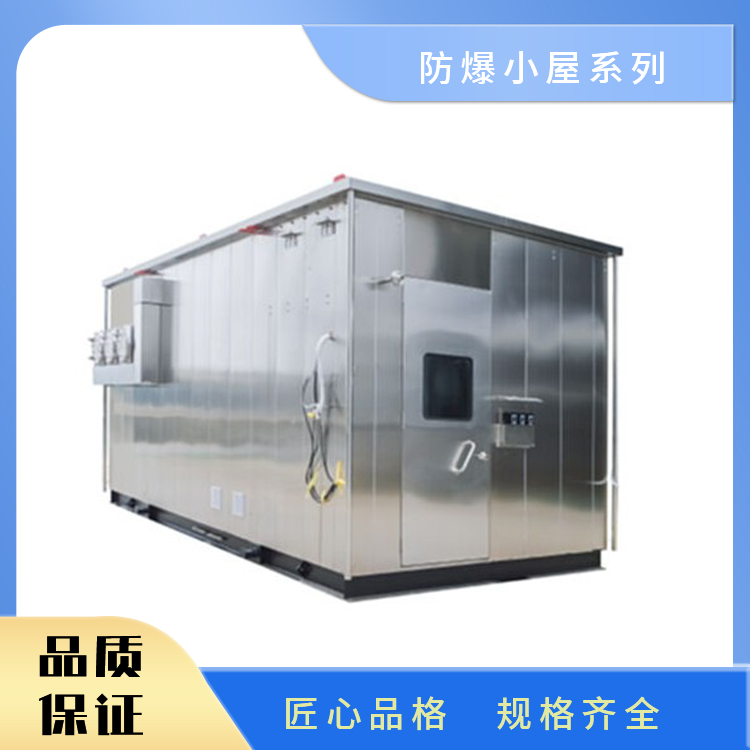
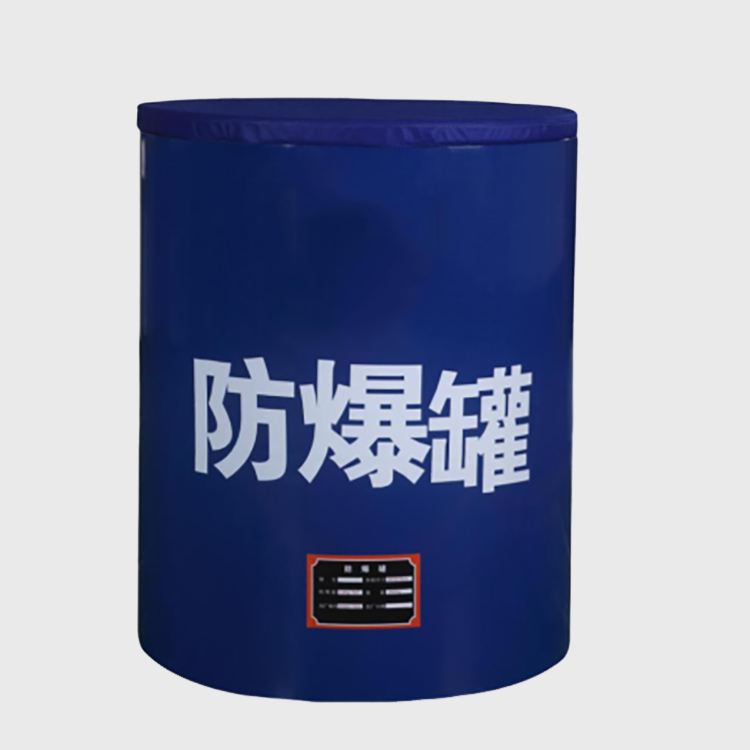







Explosion-proof Analytical Cabin -- Application Environment for Explosion-proof Analytical Cabin
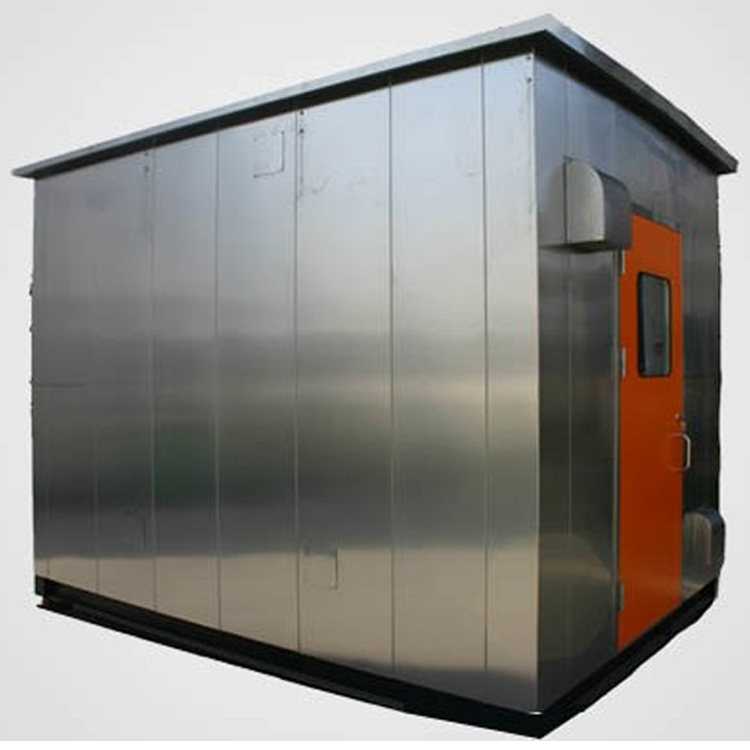
Explosion-proof analytical booths are used in refining, chemical, metallurgical, and light industries for production, providing on-site installation space and protection for various online process gas analyzers and online water quality analyzers.
Section II: Explosion-proof Analysis Cabin Product Categories and Structural Features
1. Explosion-proof analysis booth classification:
Explosion-proof Analytical Cabin: All electrical equipment installed in the cabin, such as distribution equipment, lighting, ventilation, and analyzers, are independent explosion-proof components that have obtained explosion-proof certification, making them standalone explosion-proof products.
Positive Pressure Ventilation Explosion-Proof Analytical Cabin: Non-explosion-proof analyzers and various instrument cabinets can be installed inside. Only after the explosion-proof positive pressure system is operational and the cabin achieves positive pressure can the non-explosion-proof sections be powered on.
2. Cottage structure:
The cabin is constructed with a frame structure, using steel beams for the frame, with both interior and exterior wall panels. The panel material can be stainless steel or carbon steel powder-coated, with the steel thickness customizable according to customer requirements.
b. The inner and outer walls of the cabin are filled with flame-retardant insulation material (thickness determined by the wall thickness).
c. Cabin floor is made of 4mm thick anti-slip flooring, with static-dissipative treatment and wear-resistant durability.
d. Roofs can be customized as flat, gable, or single-slope, capable of supporting 500 Kg/m² load, and can include lifting rings for crane use.
e. The cabin safety door is equipped with explosion-proof glass windows, a door closer, and an escape lock, allowing for quick opening and flexible operation. Additional doors (buffer room) can also be added upon customer request.
f. The cabin has overall performance of airtightness, waterproofing, dustproofing, heat insulation, and shell protection, all rated IP65.
g. The exterior configuration of the cabin can be determined according to the customer's requirements; see the configuration selection table for details.
3. Cottage Features:
The explosion-proof analytical cabin primarily facilitates on-site centralized control, dispatching commands, process analysis, and instrument monitoring with explosion-proof treatment. It boasts an unparalleled superiority in specific explosion-proof structures that cannot be compared with others.
Section 3: Indoor Security Systems
1. Combustible Gas Detector: Select products with an integrated detection probe and transmitter body, featuring on-site alarm and remote transmission contact output.
2. Toxic Gas Detectors: A toxic gas alarm must be installed when the sample or surrounding environment contains toxic components, and it should be similar to the flammable gas alarm.
3. Micro Differential Pressure Transmitters: The analysis cabin is equipped with a varying number of micro differential pressure transmitters based on the internal volume to monitor the positive pressure inside the cabin. The data is fed back to the explosion-proof positive pressure control system. When the positive pressure inside the cabin drops to the specified level, the power supply to non-explosion-proof electrical equipment within the cabin is automatically cut off, ensuring the cabin's safety and reliability.
4. Explosion-proof Audio-Visual Alarm Devices: Equipped with rotating flashing and sound, mounted in a prominent outdoor location for easy observation of fault causes.
5. Smoke and Temperature Detector: Capable of promptly detecting high temperatures and smoke inside the room and remotely transmitting danger signals to the control room.
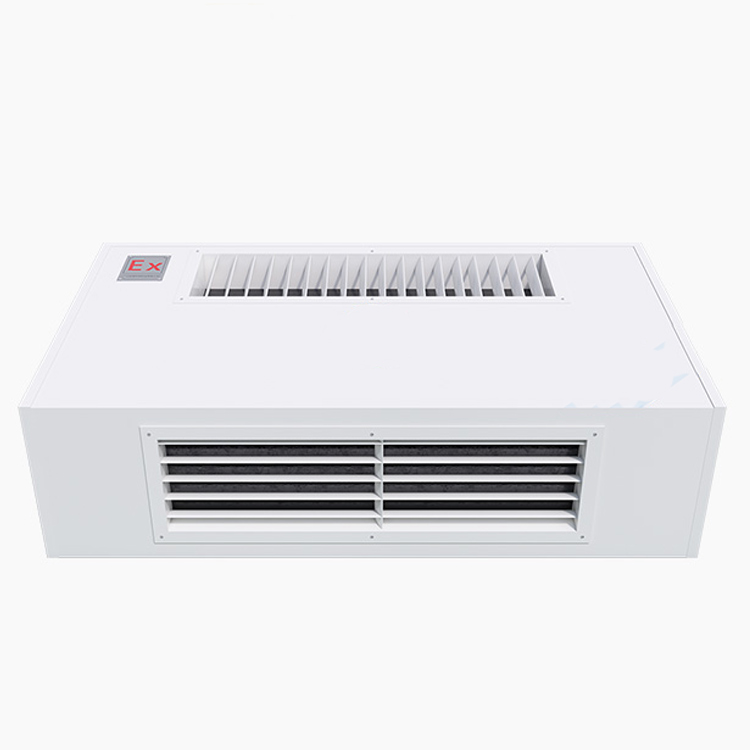
6. Indoor explosion-proof air conditioner: Adjustable indoor temperature with constant temperature and humidity control functions.
7. Lighting System: Equipped with explosion-proof ceiling fluorescent lamps, featuring both normal and emergency lighting functions.
8. Ventilation System: Utilize instrument air or on-site safe air to supply the room with a safe and reliable gas source through an air exchange filtering device.
Section 4: Selection of Configuration for Explosion-Proof Analysis Cabin
Explosion-proof Air Conditioner
Explosion-proof electric oil-filled radiator
Explosion-proof fluorescent lamp
Explosion-proof ceiling light
Explosion-proof fan
Explosion-proof junction box
Explosion-proof distribution box
Flammable Gas Detector
Toxic gas detector
Thermosensitive detector
Smoke Detector