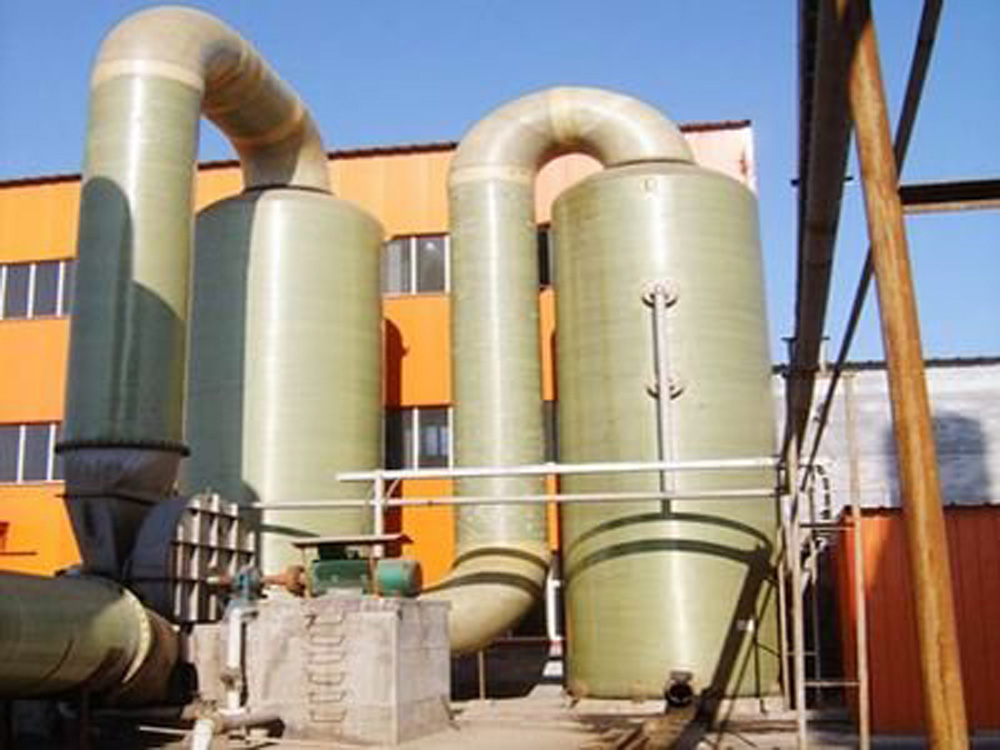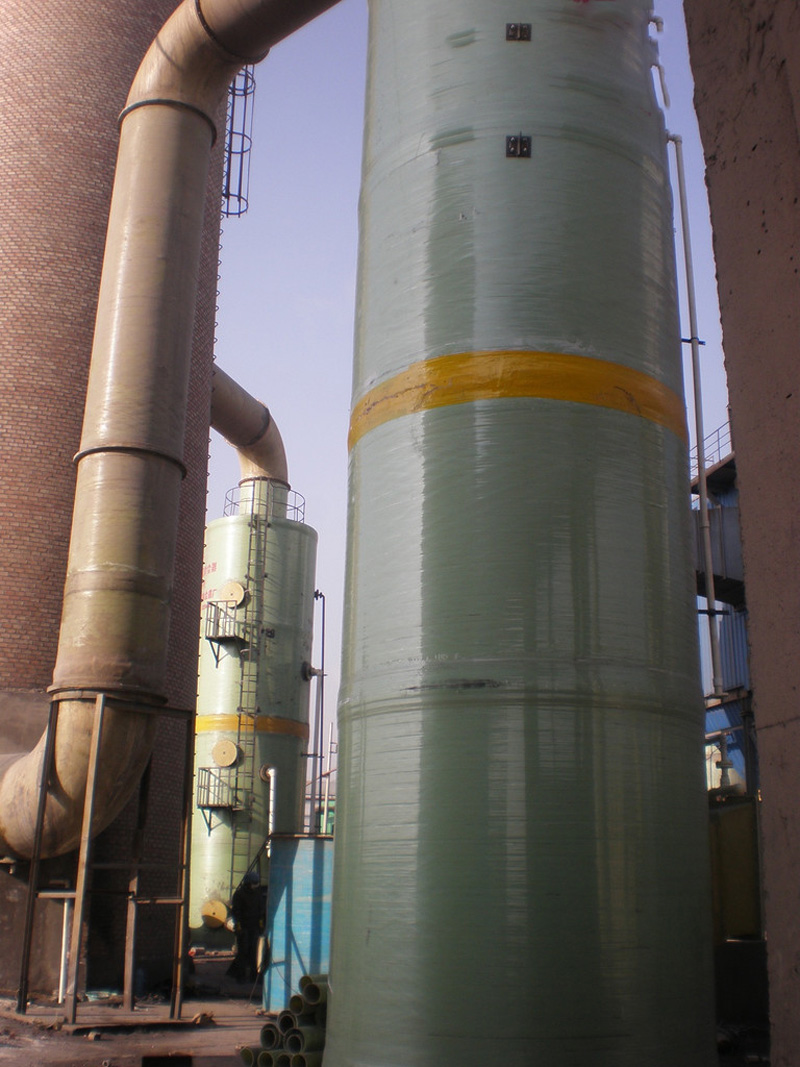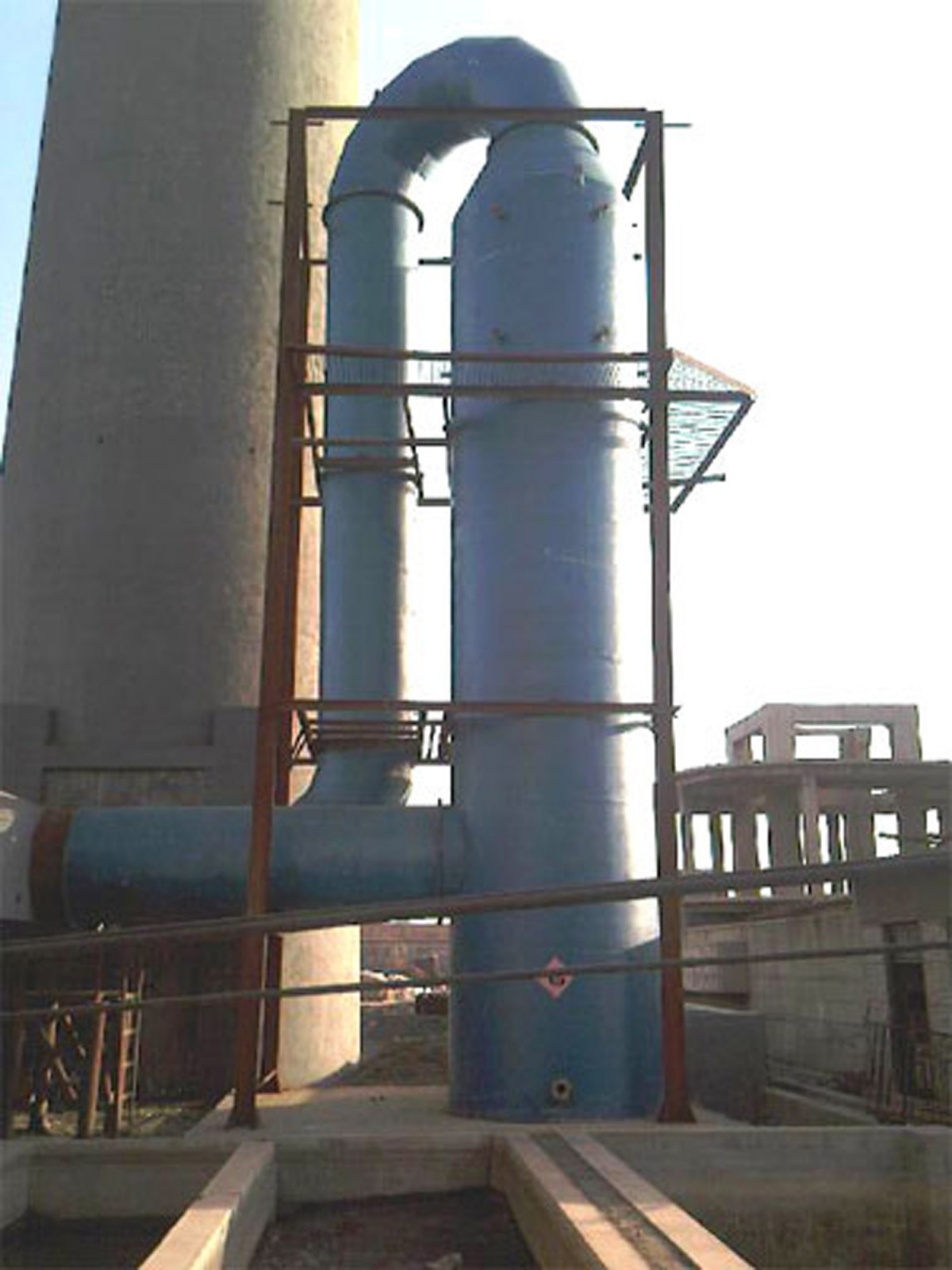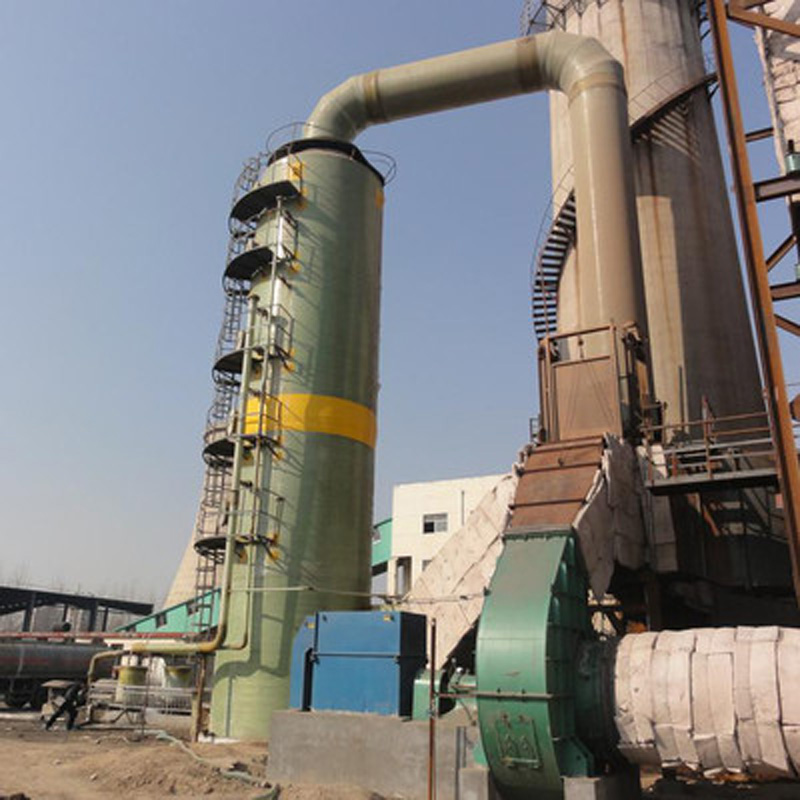

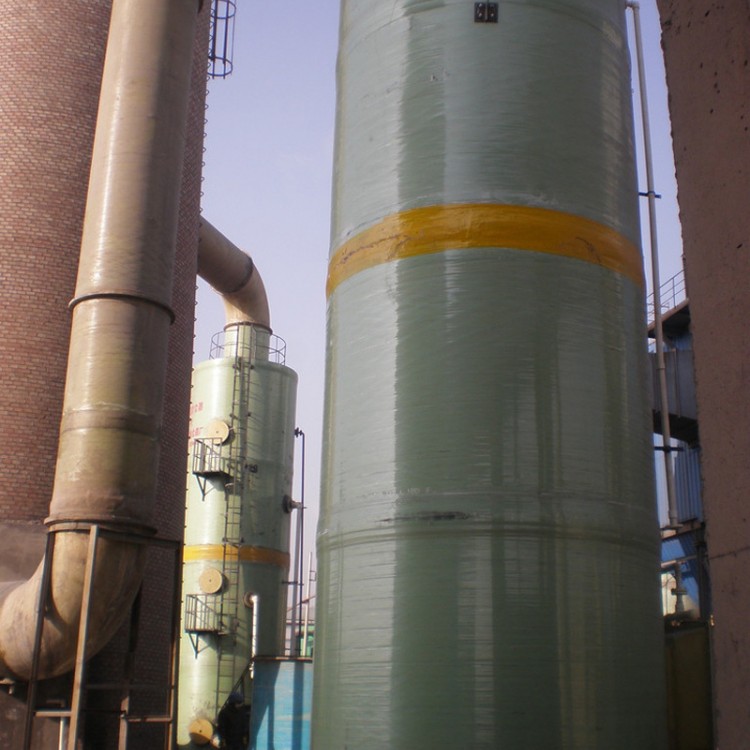

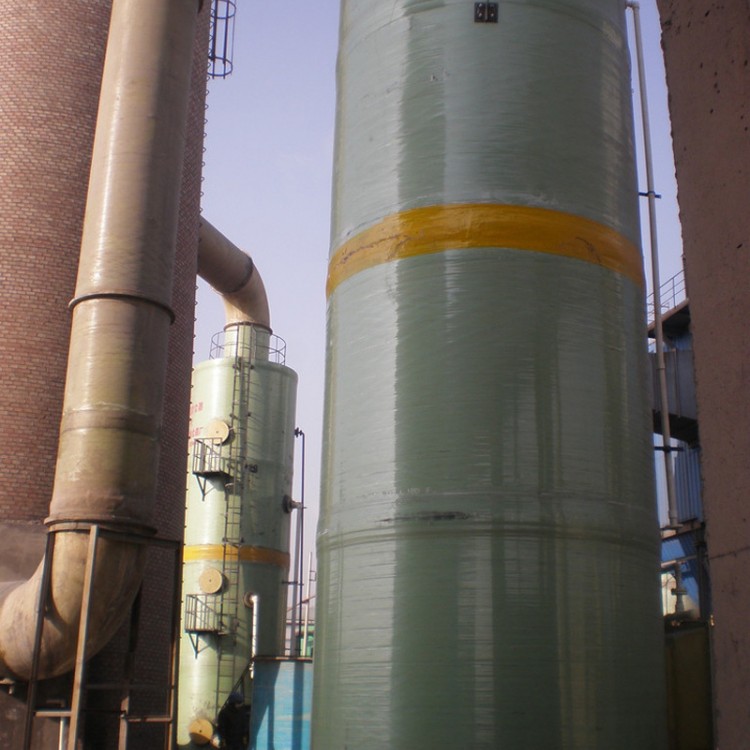

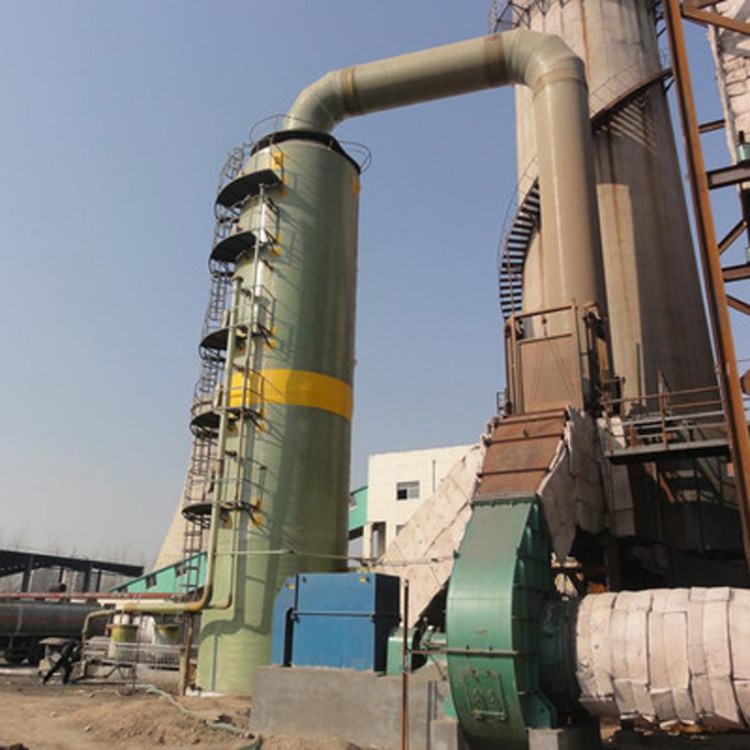







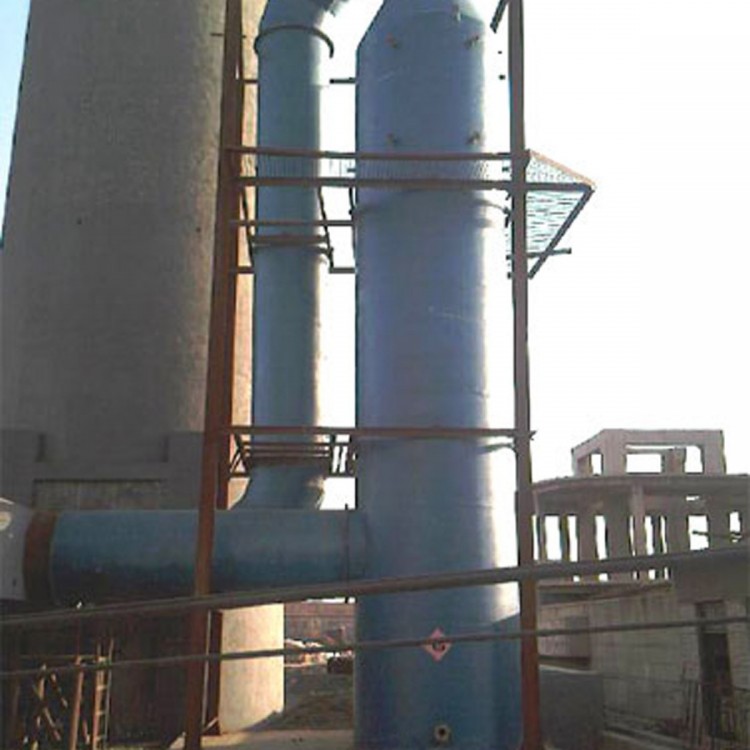
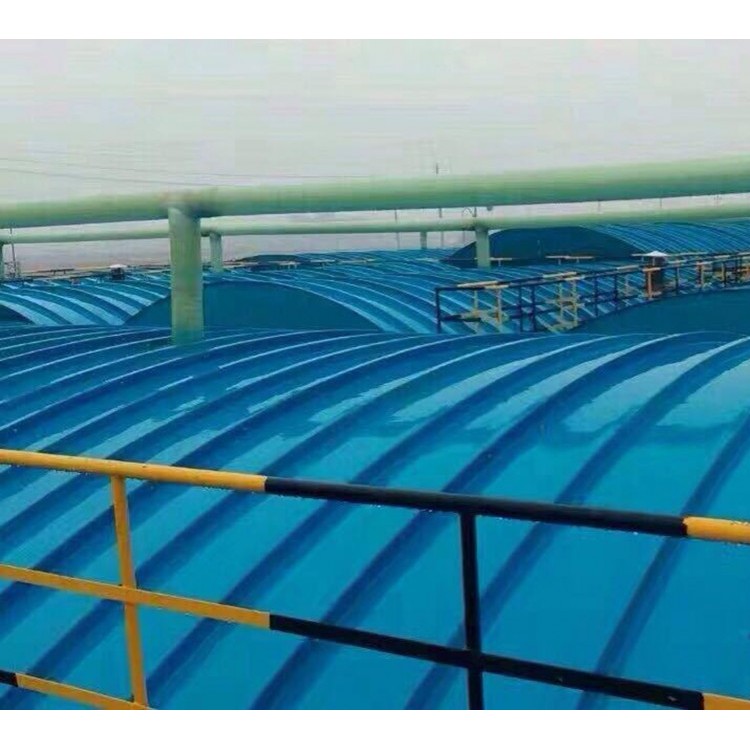
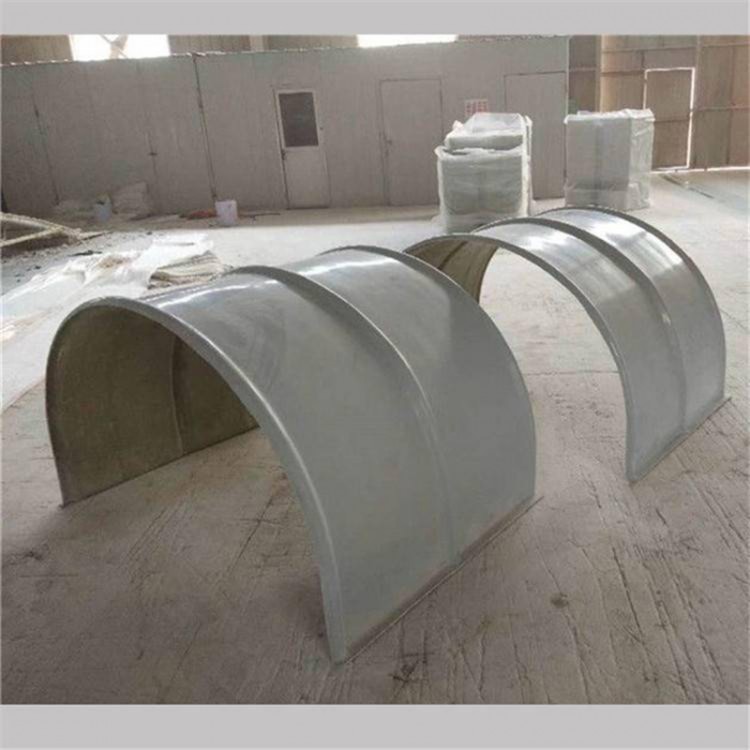
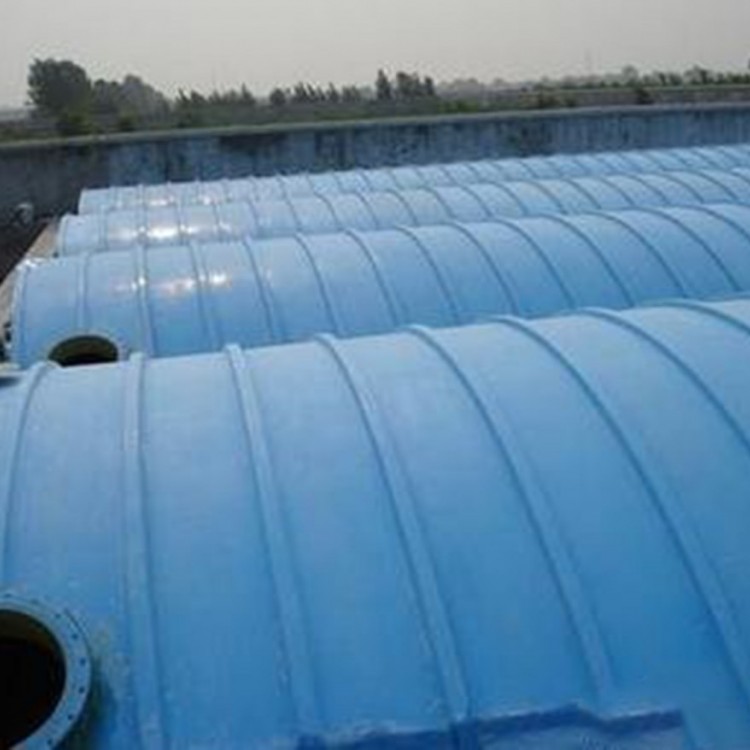
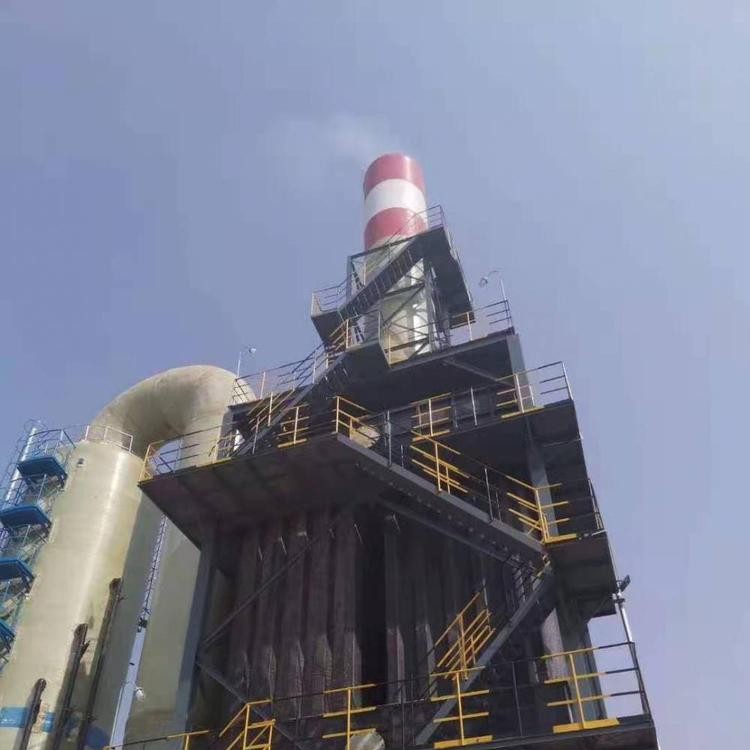

Fiberglass desulfurization towers feature high efficiency, excellent corrosion resistance, high strength, low noise, energy-saving, compact size, easy assembly and maintenance, lightweight durability, and attractive appearance. They have strong adaptability to fluctuations in SO2 concentration in flue gas, with different desulfurization processes suitable for varying sulfur content in coal. Desulfurizing agents can be selected in various forms such as lime, alkali, and magnesium oxide, all achieving excellent desulfurization results. They are manufactured in sections using polyethylene materials. The exterior surface of the tower is coated with water-resistant and aging-resistant resin to provide an aging-resistant layer. The number of layers is laid according to large-scale and technical standards, ensuring reliable tower strength.
A desulfurization tower is a tower-type equipment used for desulfurization treatment of industrial waste gases. The application of desulfurization towers constructed with granite is widespread, utilizing the water film desulfurization and dust removal principle, also known as granite water film desulfurization and dust removal unit, or marble water film desulfurization and dust removal unit.
Advantages include ease of maintenance and the ability to achieve both dust removal and desulfurization (denitrification) through the use of different dust removal agents. With the development of glass fiber reinforced plastic (FRP) technology, desulfurization towers are increasingly being made from FRP. Compared to granite desulfurization towers, FRP towers are cost-effective, easy to process, corrosion and rust-resistant, and lightweight, making them a trend for future desulfurization tower development. Additionally, 316L stainless steel boasts three major advantages: corrosion resistance, high-temperature resistance, and wear resistance, which is also an important trend in desulfurization tower development. After years of improvement, various types of desulfurization towers have emerged, such as Venturi-type, cyclone plate-type, cyclone column-type, float ball-type, and sieve plate-type, with each having its own advantages and disadvantages. Companies can choose different types based on their specific needs.