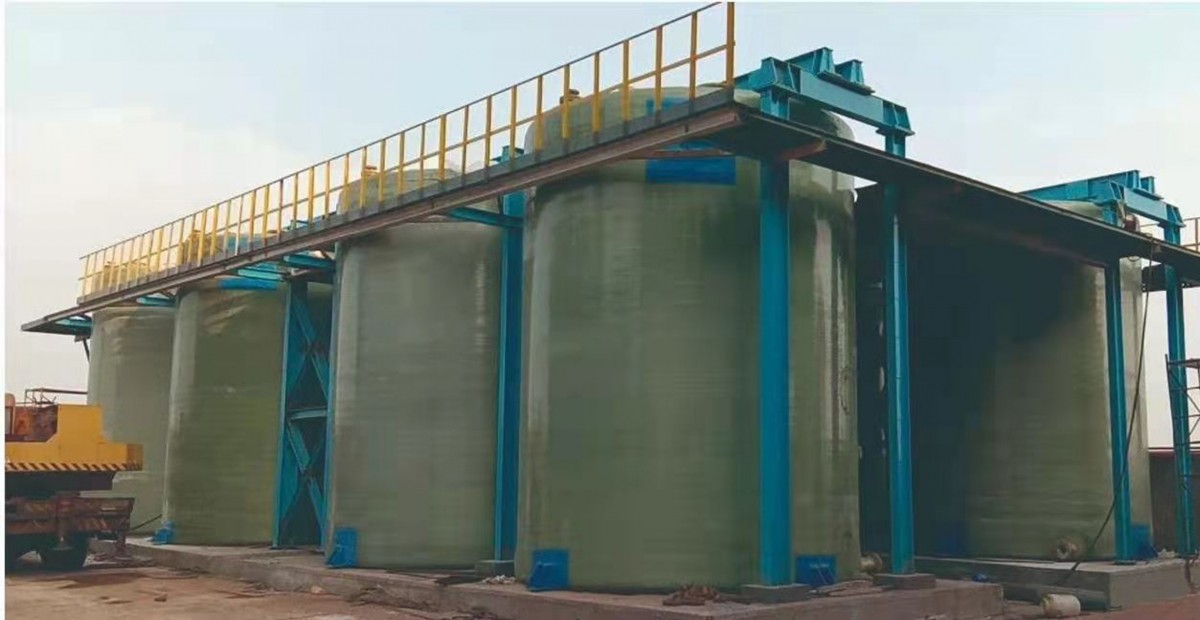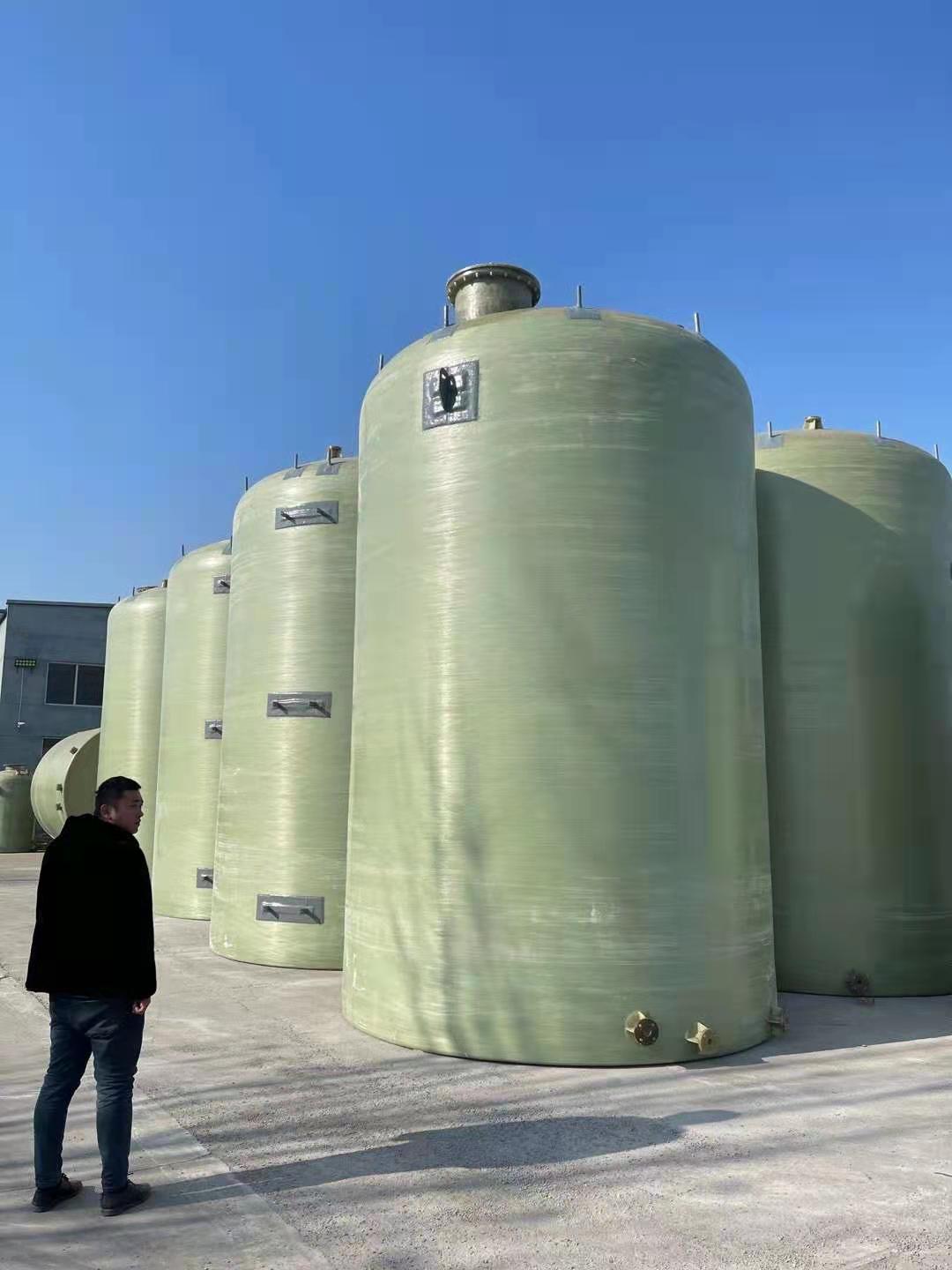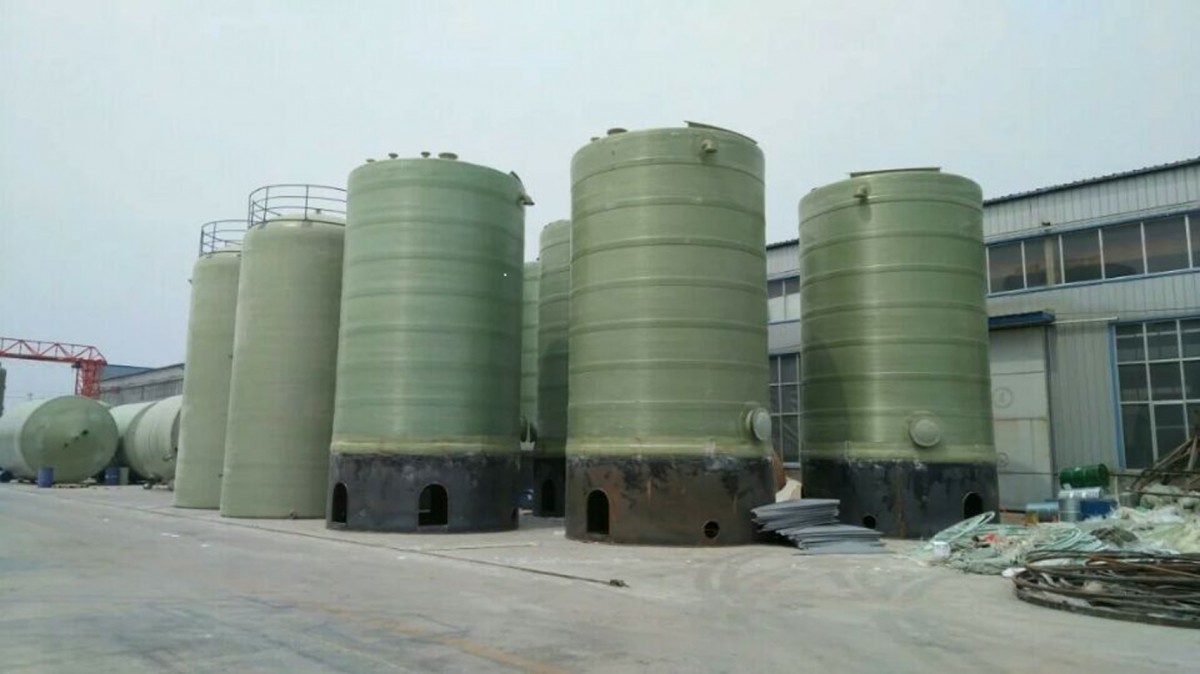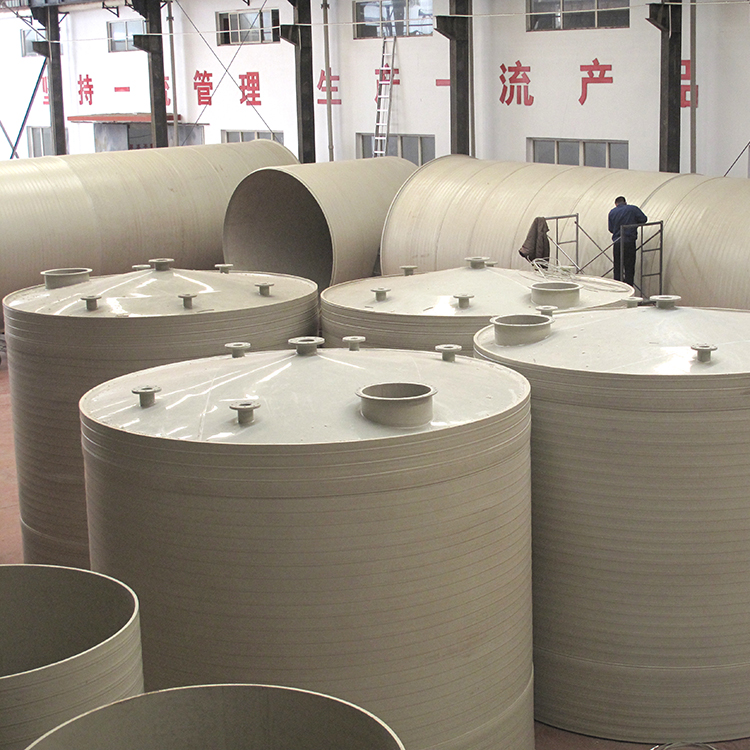

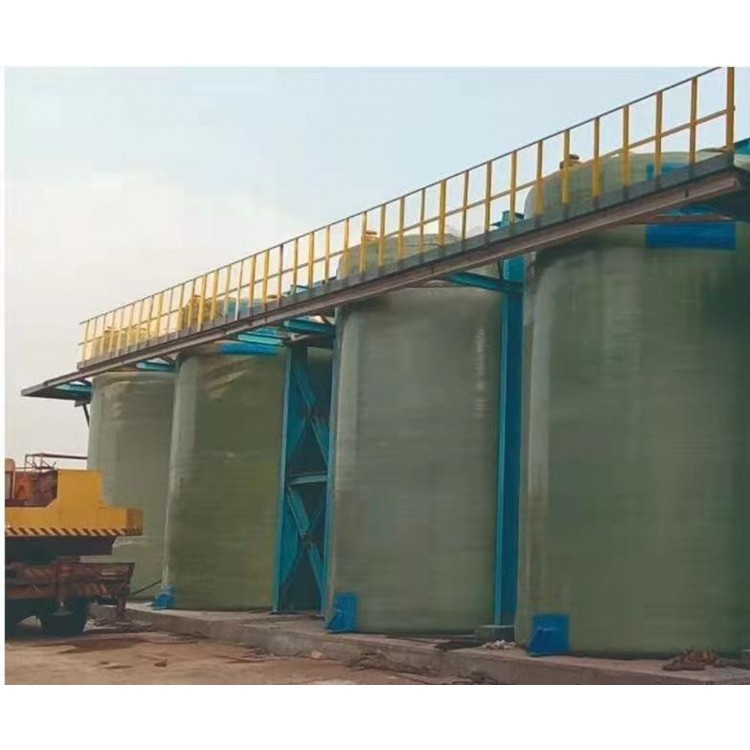

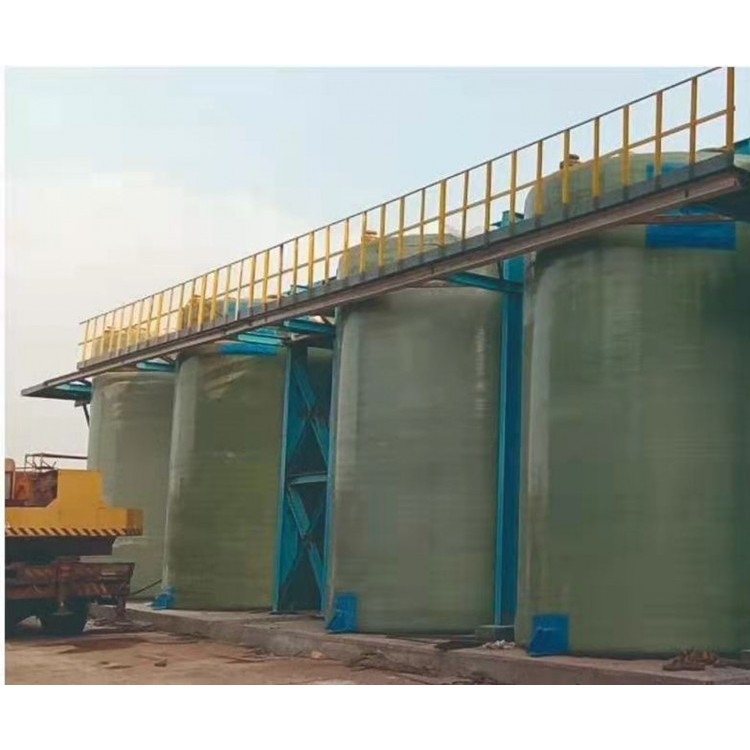
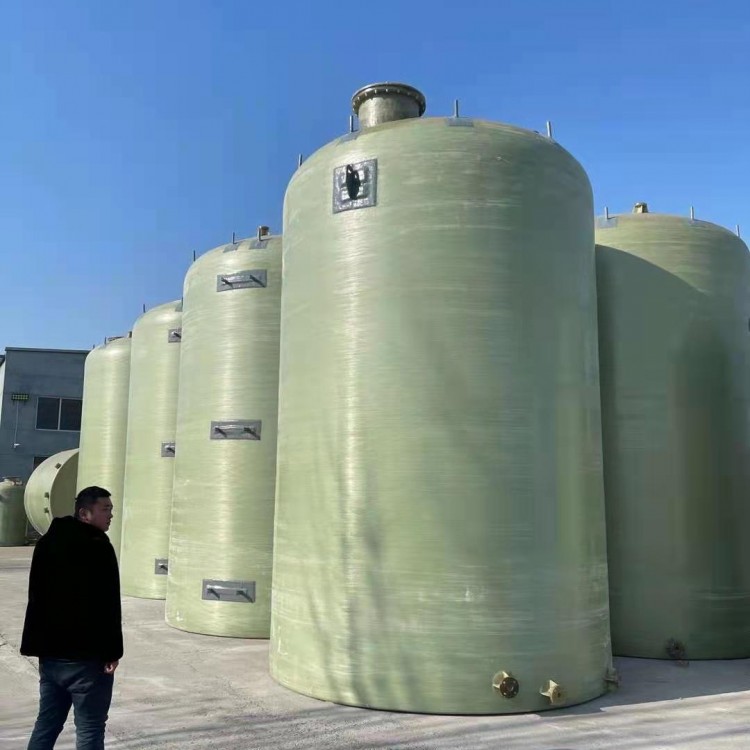
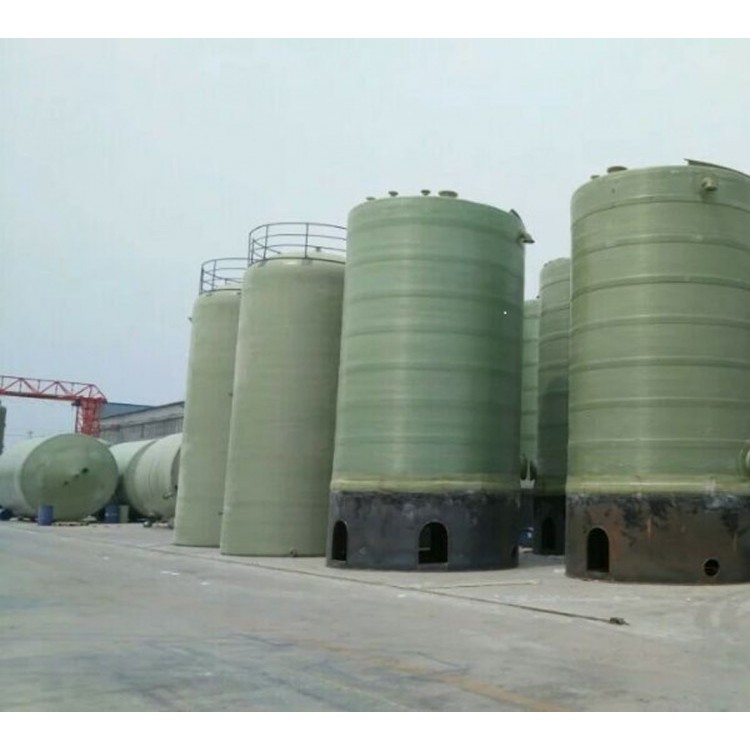


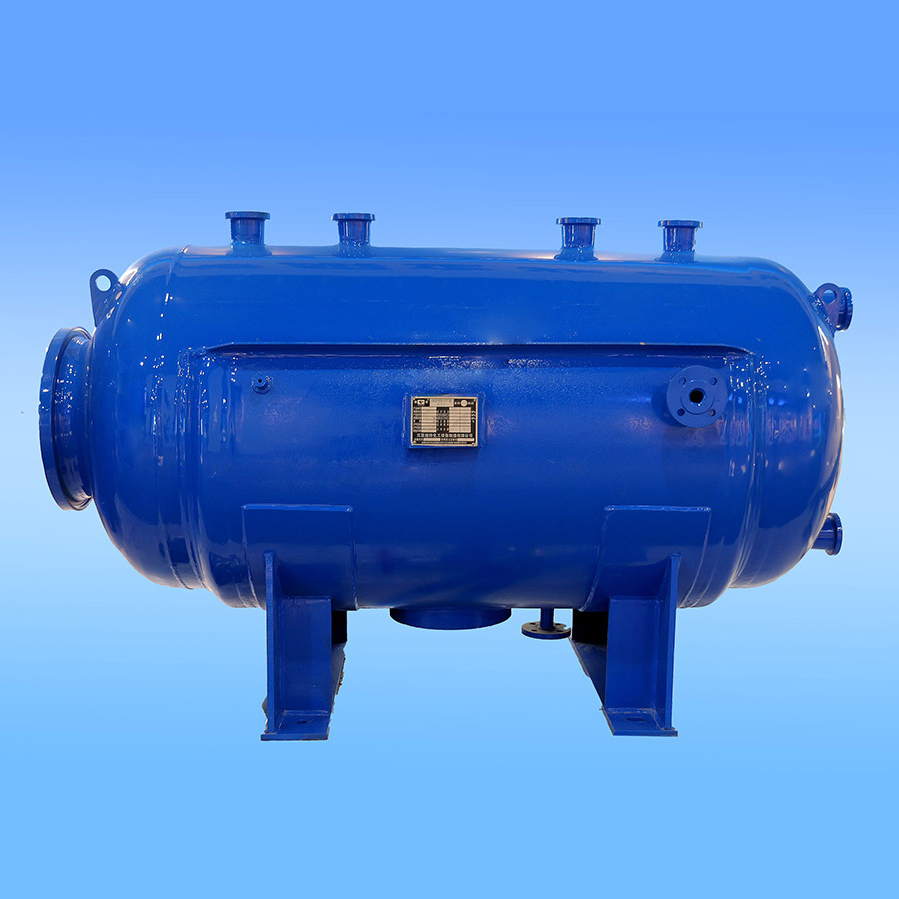
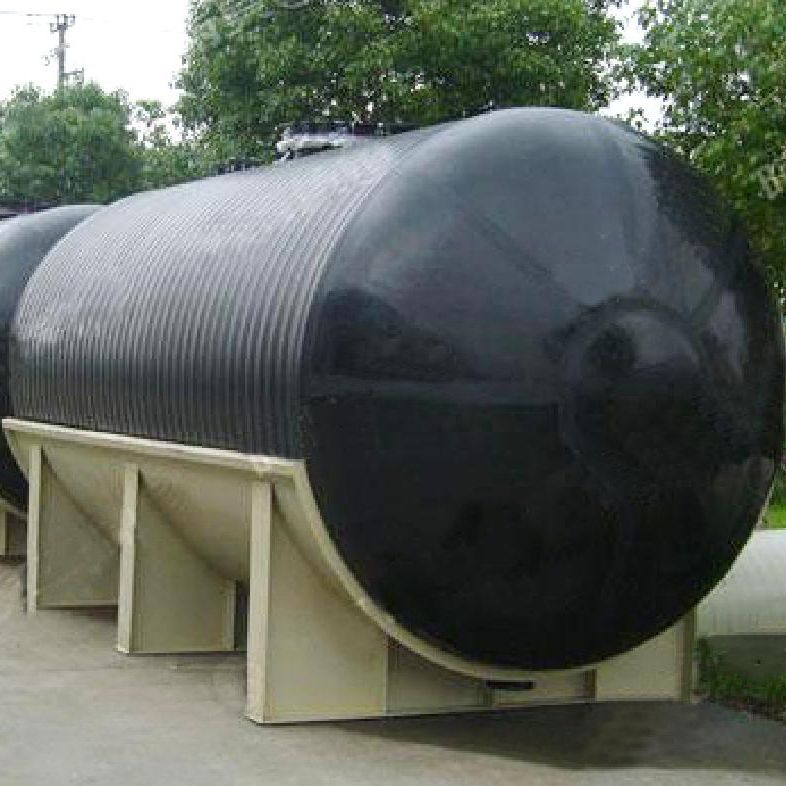
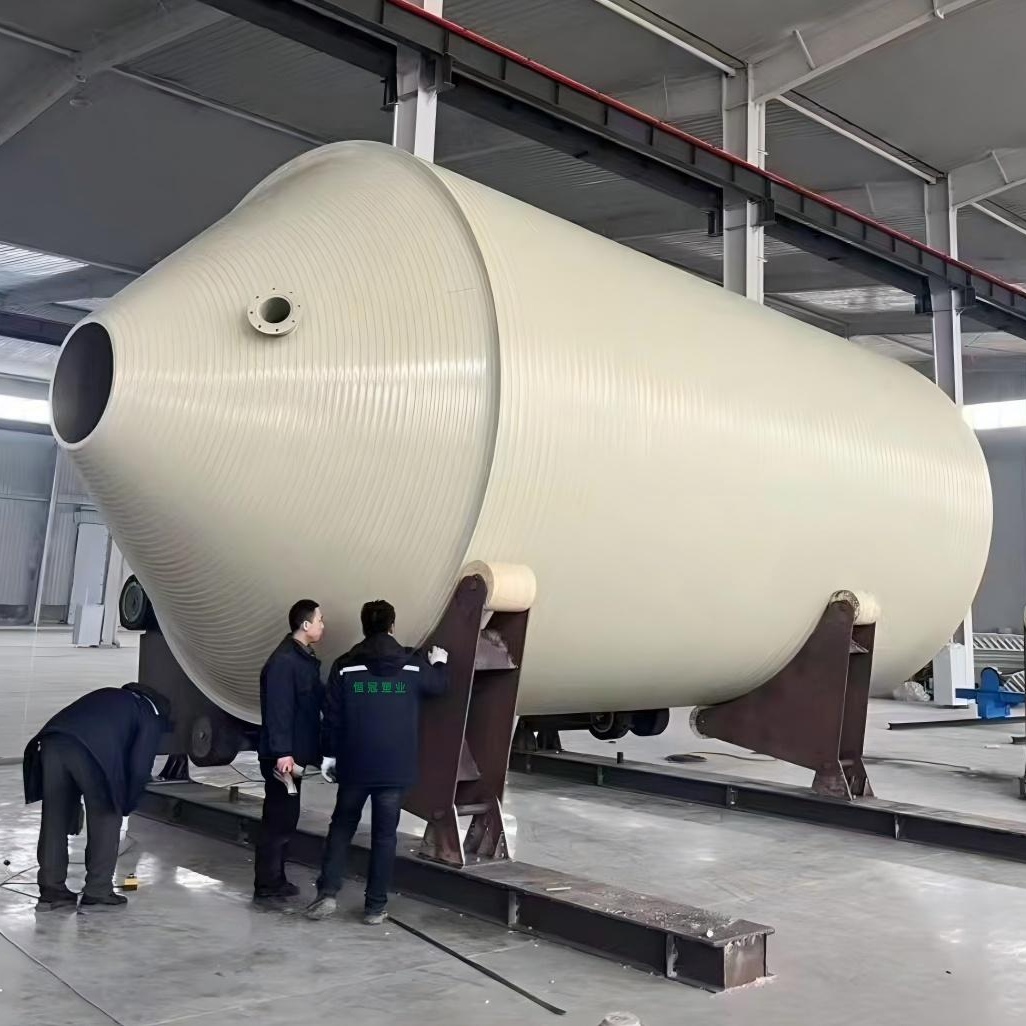
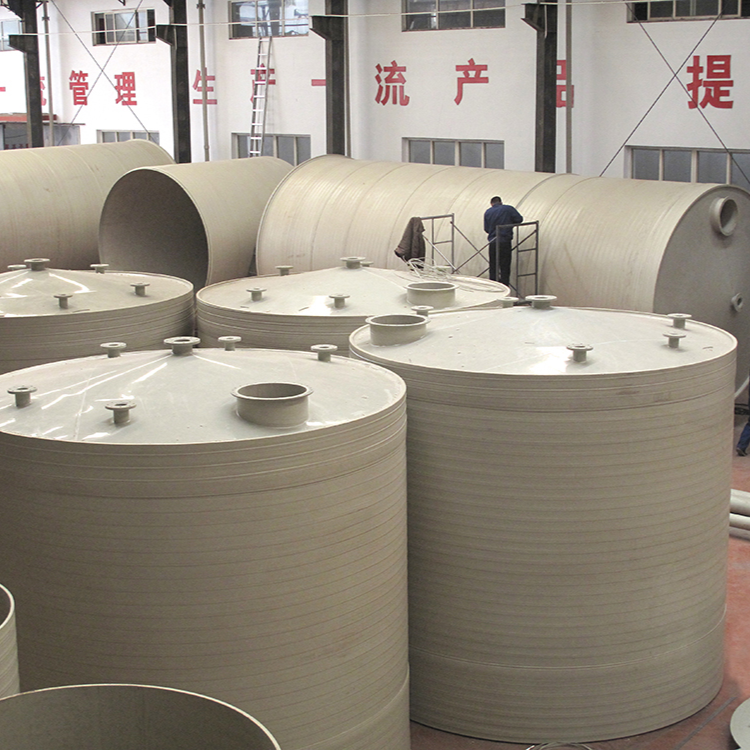





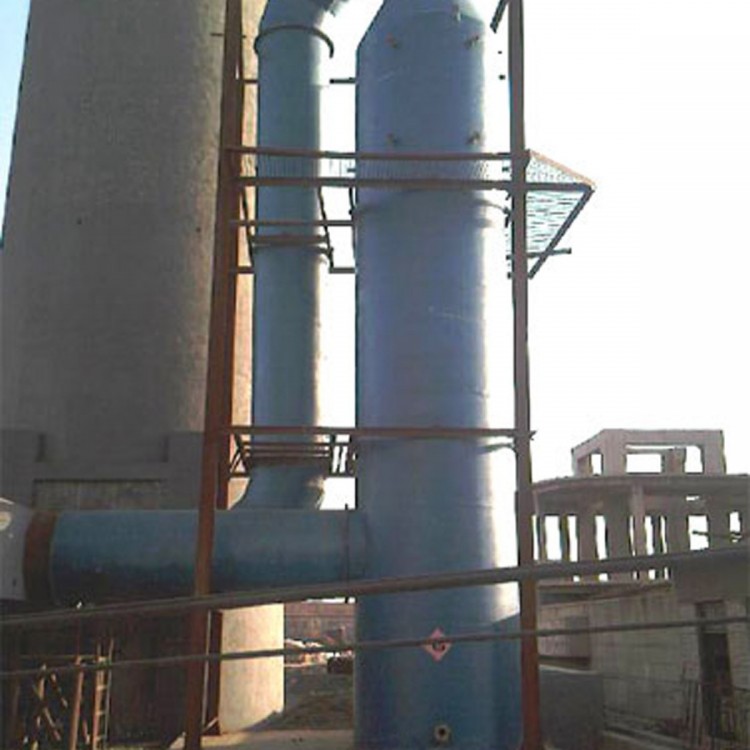
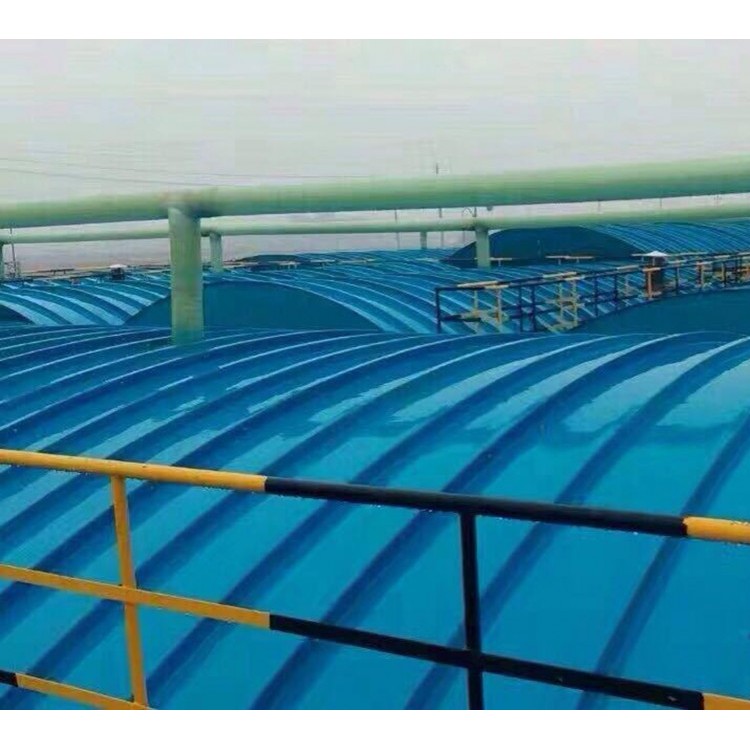
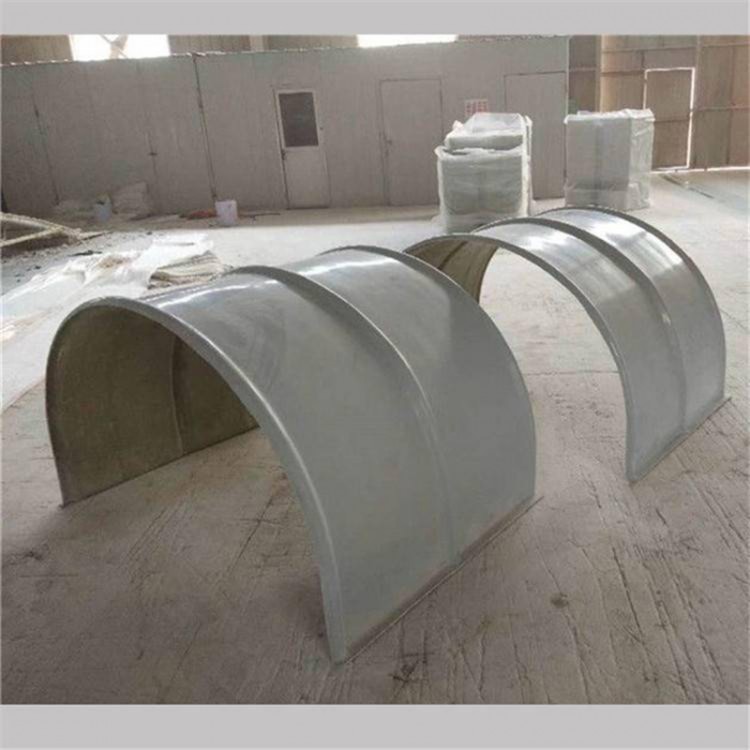
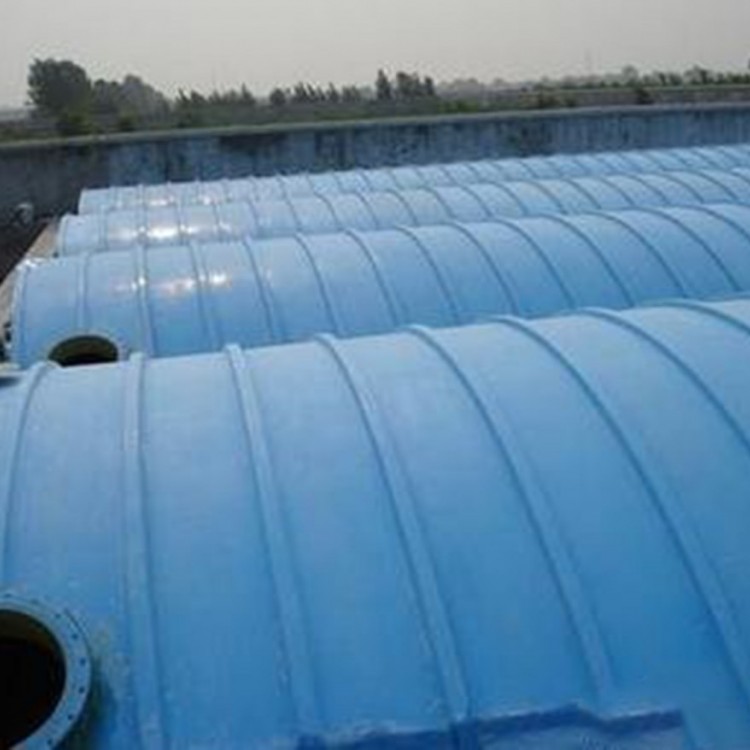
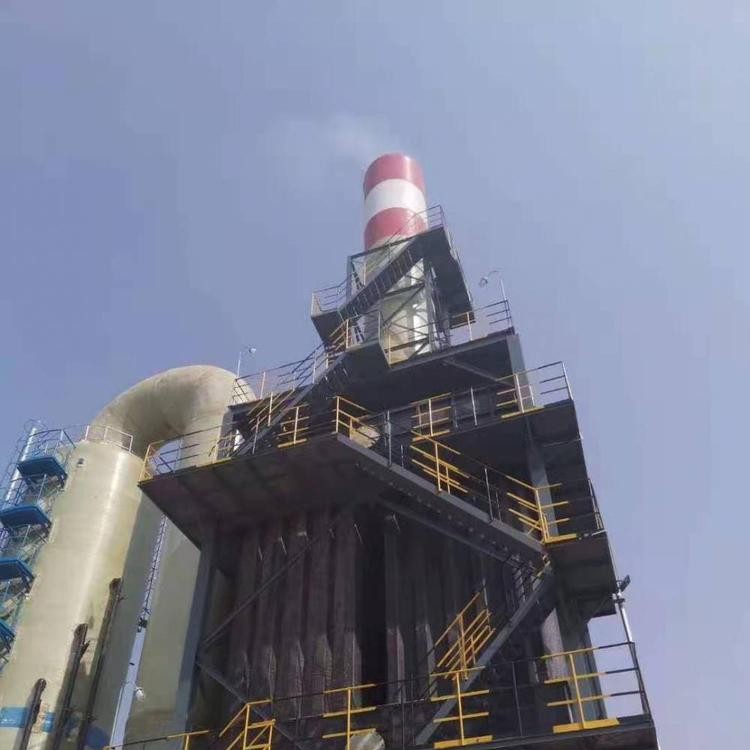

Fiberglass storage tanks are a type of fiberglass product, primarily made by wrapping a new composite material around a mold using glass fibers as the reinforcing agent and resin as the binder, all controlled by a microcomputer. These tanks offer corrosion resistance, high strength, lightweight, and long service life. Due to their flexible designability and strong processability, they can be adapted for various industries such as chemicals, environmental protection, food, and more, gradually replacing most of the market share of carbon steel and stainless steel.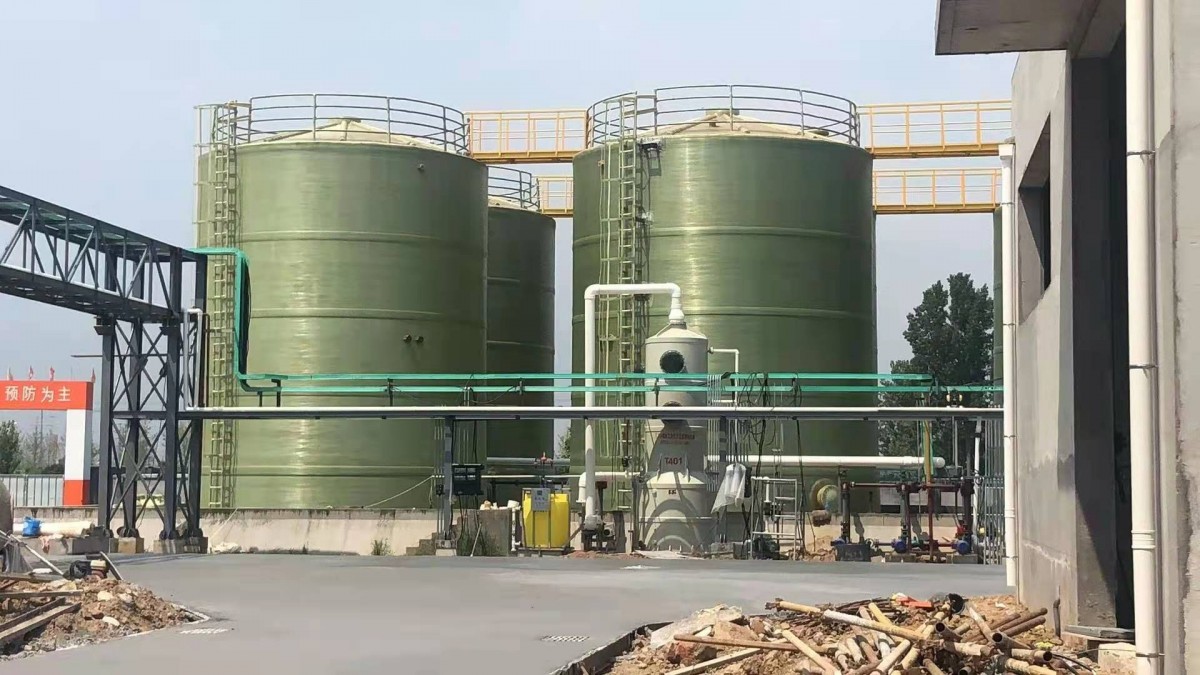
Category:
Fiberglass storage tanks are available in various types, including vertical tanks, horizontal tanks, fiberglass tanks, chemical storage tanks, corrosion-resistant tanks, hydrochloric acid tanks, sulfuric acid tanks, food-grade tanks, fermentation tanks, transport storage tanks, storage containers, glue tanks, chemical tanks, pressure tanks, soy sauce tanks, nitric acid tanks, and more.
Composition:
Select epoxy furan resin, modified or polyester resin, or phenolic resin as the binder based on the medium used (storage or transportation). It consists of a corrosion-resistant lining with high resin content, a leakage prevention layer, a fiber-wrapped reinforcing layer, and an outer protective layer.
Fiberglass Storage Tank Characteristics
(1) Lightweight and high-strength
The relative density ranges between 1.5~2.0, only 1/4~1/5 of carbon steel, yet its tensile strength is nearly equal to, and even exceeds, carbon steel, with a specific strength that can rival high-grade alloy steel. Consequently, it is effective in applications requiring weight reduction, such as in aviation, rockets, spacecraft, high-pressure vessels, and other products that necessitate lighter loads. Certain types of epoxy FRP can achieve tensile, flexural, and compressive strengths above 400 MPa.
(2) Excellent corrosion resistance
FRP is an excellent corrosion-resistant material with considerable resistance to atmospheric conditions, water, and various concentrations of acids, alkalis, salts, as well as numerous oils and solvents. It has been applied in all aspects of chemical corrosion prevention and is gradually replacing carbon steel, stainless steel, wood, non-ferrous metals, and other materials.
(3) Excellent electrical properties
It is an excellent insulating material, used for manufacturing insulators. It maintains good dielectric properties even under high-frequency conditions. It has good microwave permeability and is widely used in radar antenna covers.
(4) Excellent thermal performance
FRP has a low thermal conductivity, ranging from 1.25 to 1.67 kJ/(m·h·K) at room temperature, which is only 1/100 to 1/1000 of that of metals, making it an excellent insulating material. Under instantaneous ultra-high temperatures, it is an ideal thermal protection and ablation-resistant material, capable of protecting spacecraft from the erosion of high-speed气流 at temperatures above 2000°C.
(5) Good designability
① Can be flexibly designed to meet various structural requirements, ensuring the product maintains excellent integrity.
② Materials can be fully selected to meet product performance, such as: corrosion-resistant, capable of withstanding instantaneous high temperatures, with particularly high strength in a certain direction, good dielectric properties, etc.
(6) Excellent craftsmanship
① We can flexibly choose the molding process based on the product's shape, technical requirements, application, and quantity.
② Simple in process, capable of one-time molding, with significant economic benefits, especially for products with complex shapes, difficult to form, and in small quantities, its process superiority is even more pronounced.
Due to the high design flexibility of fiberglass storage tanks and their excellent structural performance, the physical and chemical properties of the tank can be altered by changing the resin system or reinforcing materials for high-speed fiberglass storage tanks and non-standard equipment to meet the needs of different media and working conditions. By adjusting the structural layer thickness, winding angle, and wall thickness structure and design, the load-bearing capacity of the tank can be modified to produce fiberglass storage tanks and non-standard equipment with different pressure ratings or specific performance characteristics, which is unmatched by isotropic metal materials.