








Selecting a submersible mixer is a complex task, with the correctness of the selection directly affecting the normal operation of the equipment. The principle for selection is to ensure the mixer performs its stirring function fully within the appropriate volume, typically determined by flow rate.

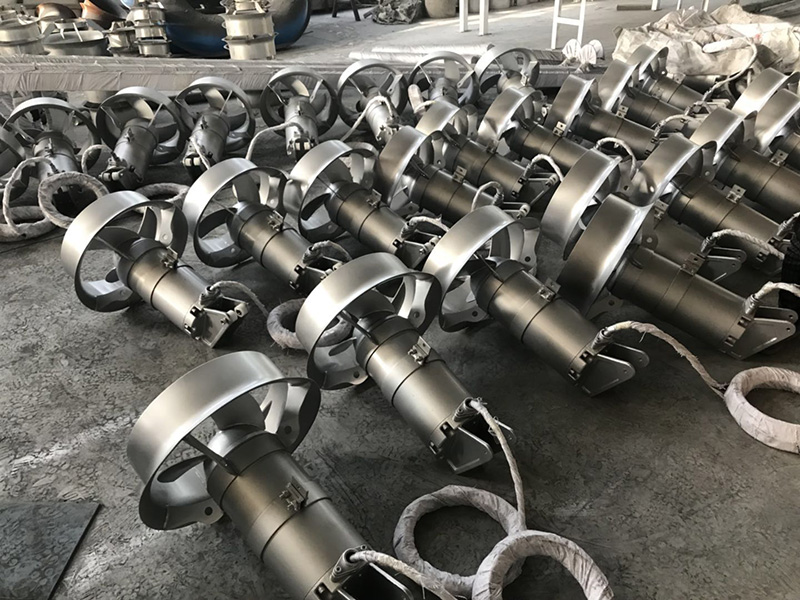
Application:
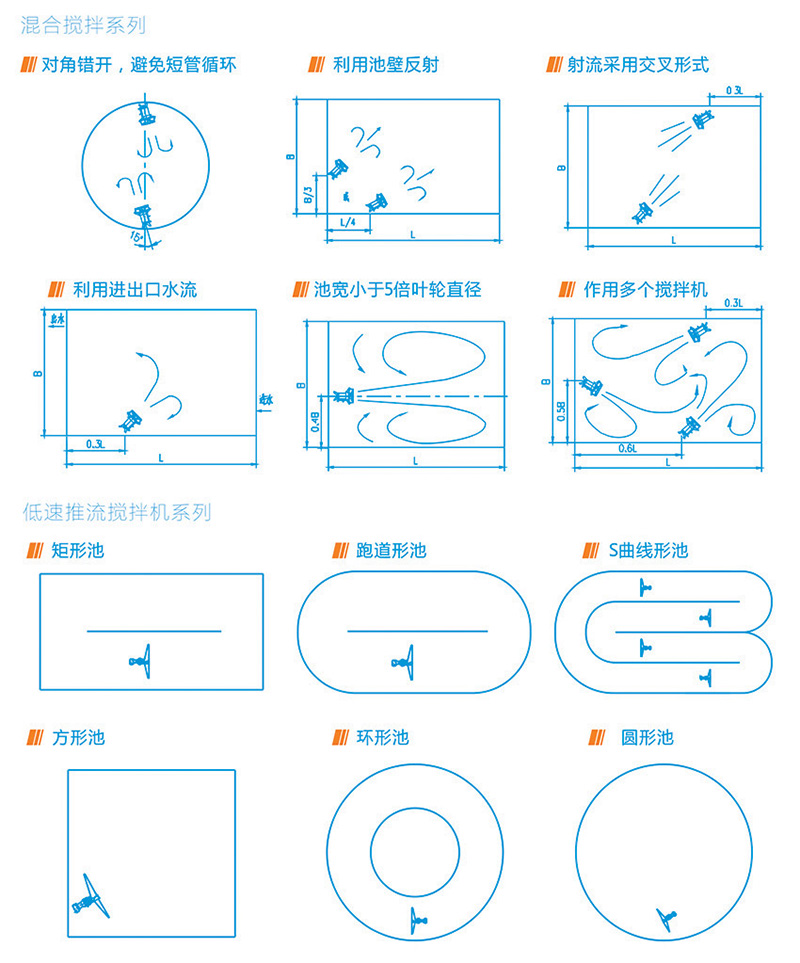
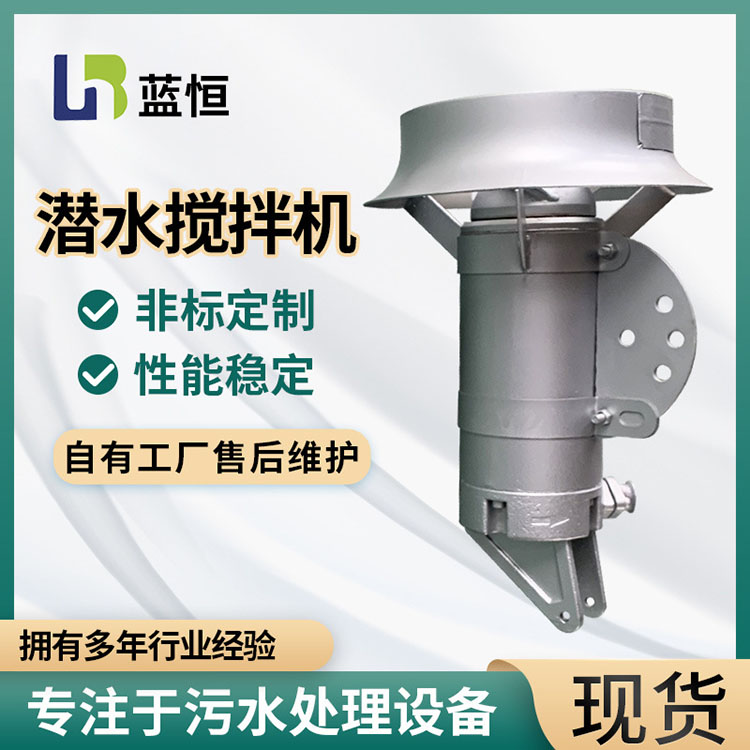
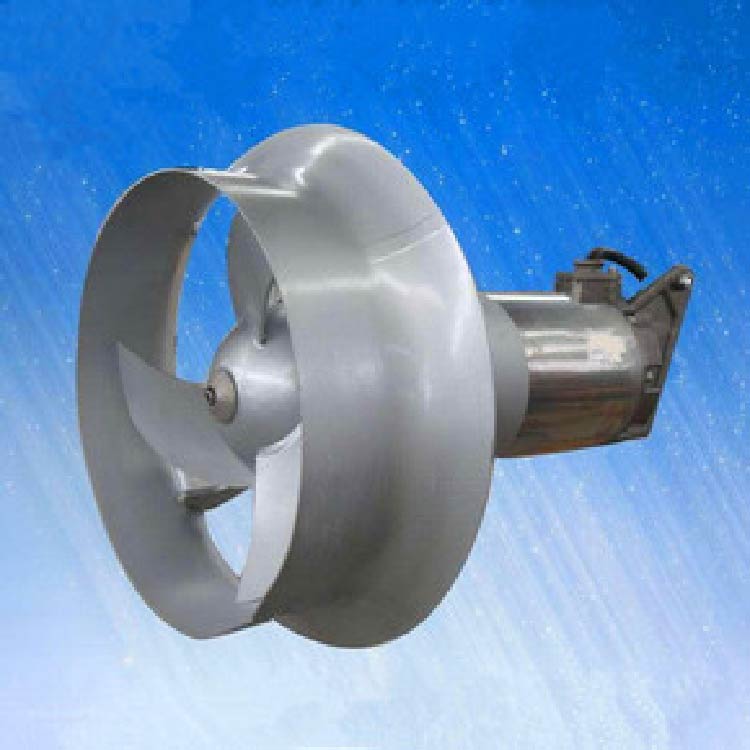
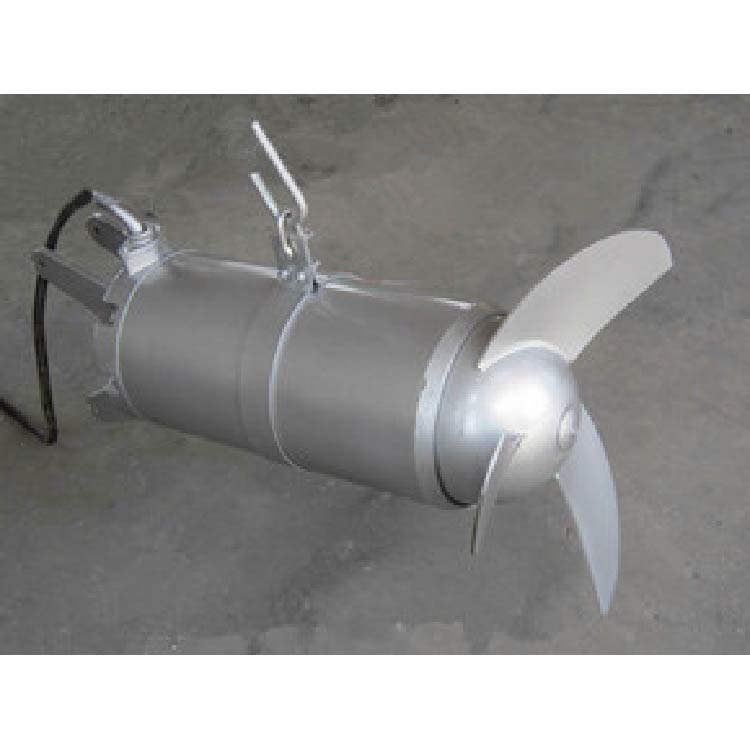
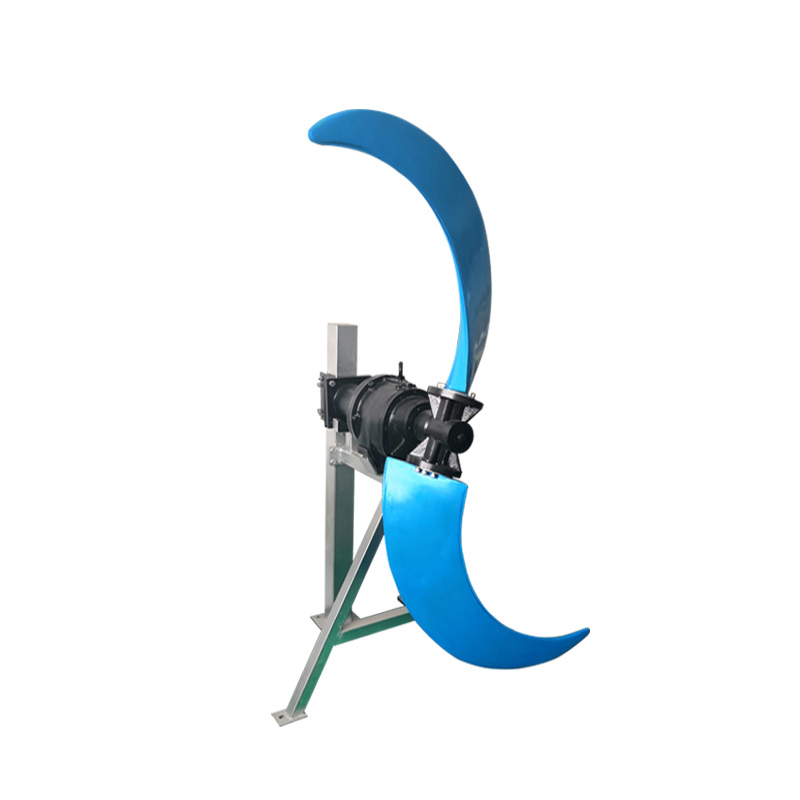
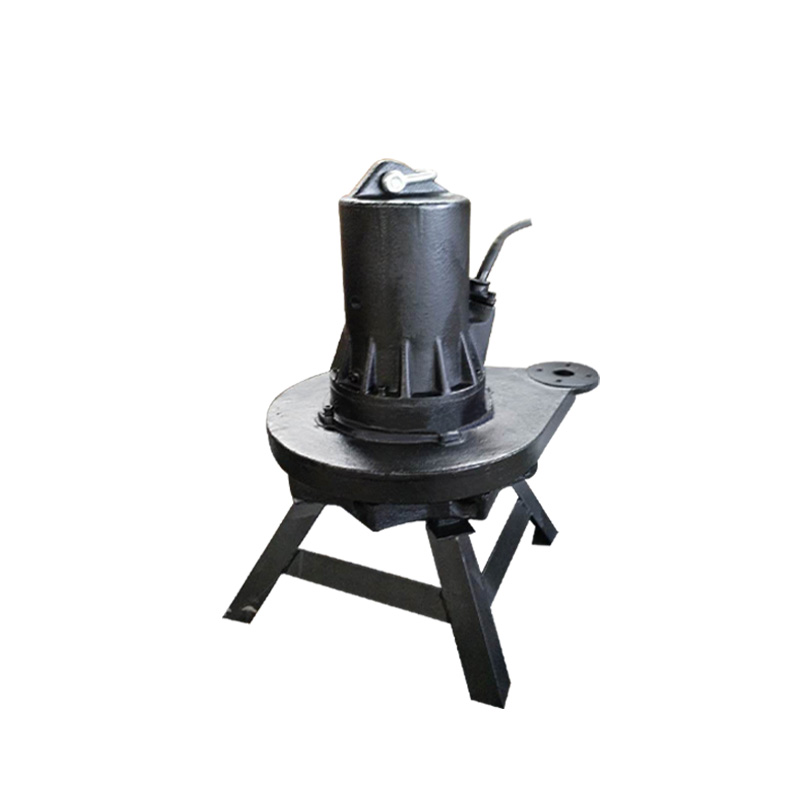
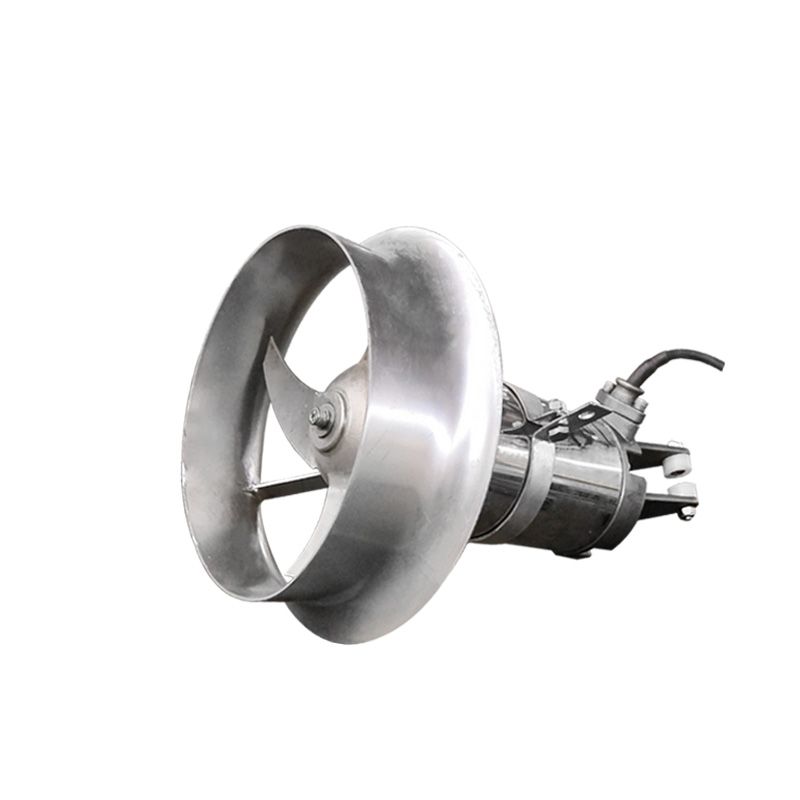
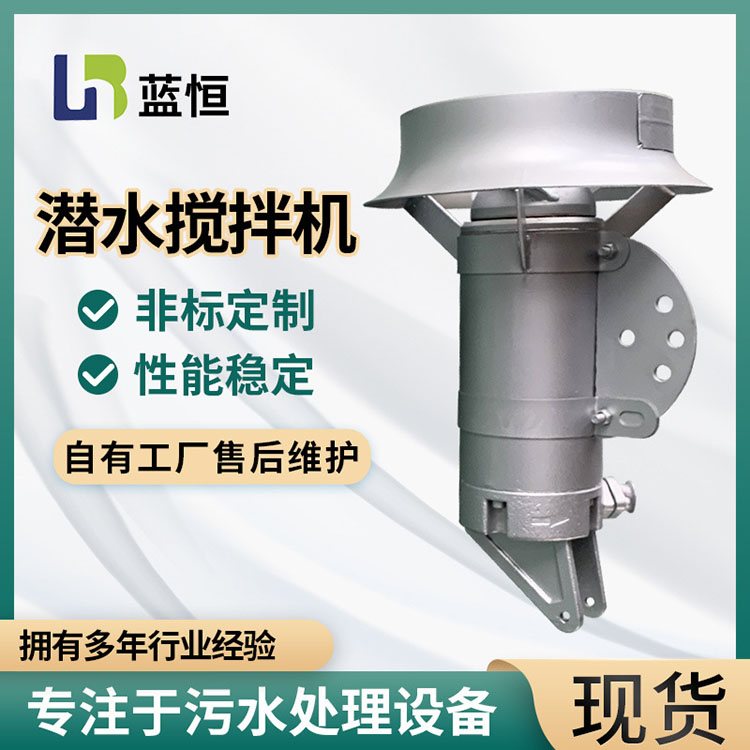
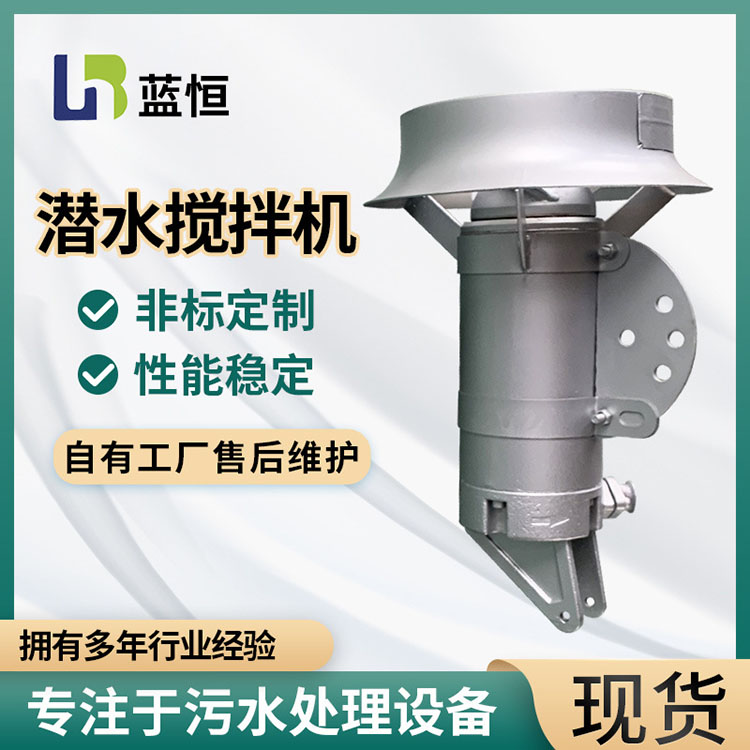
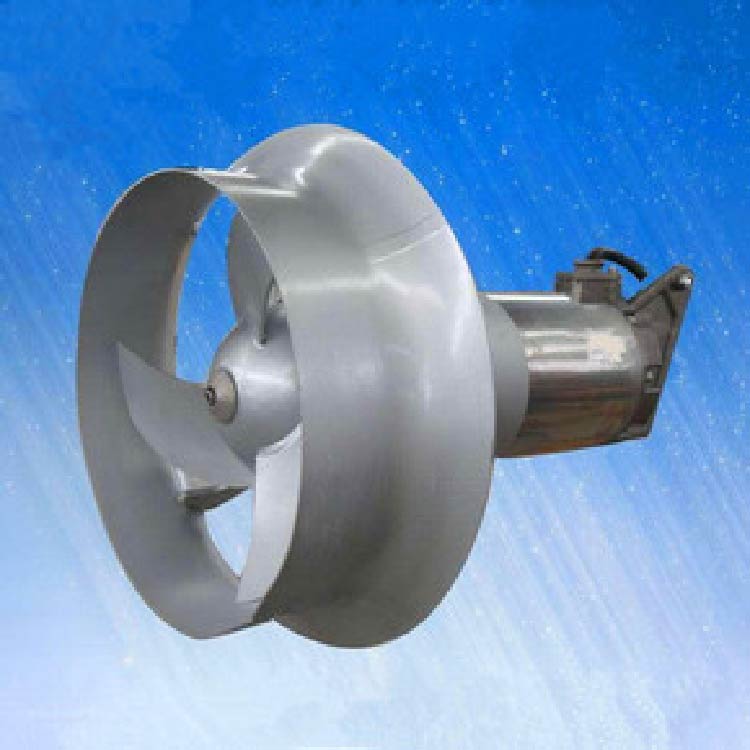
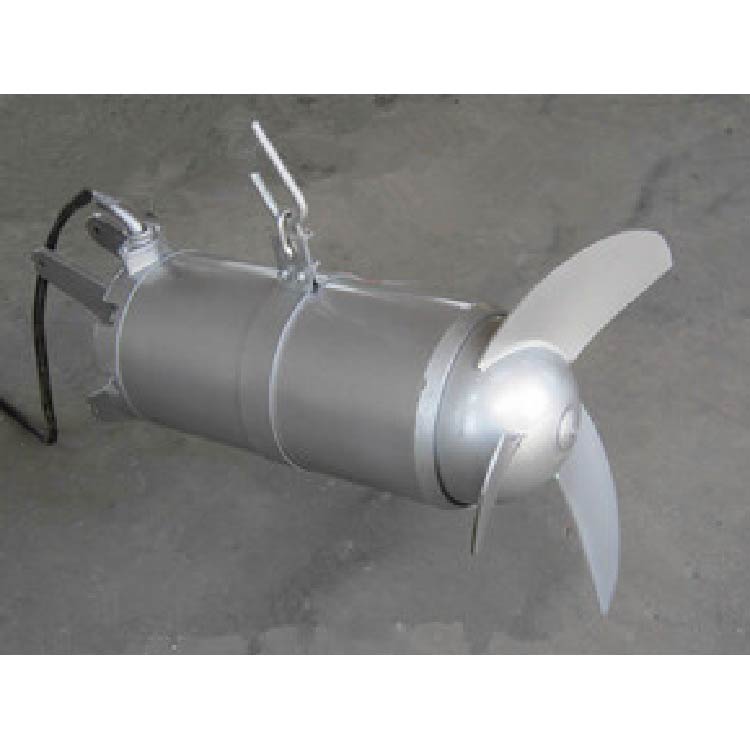
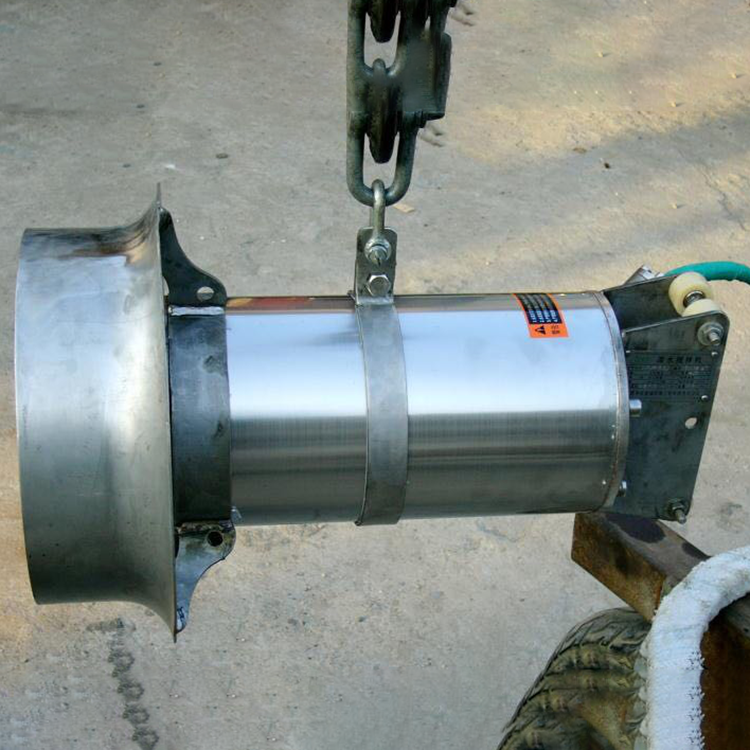
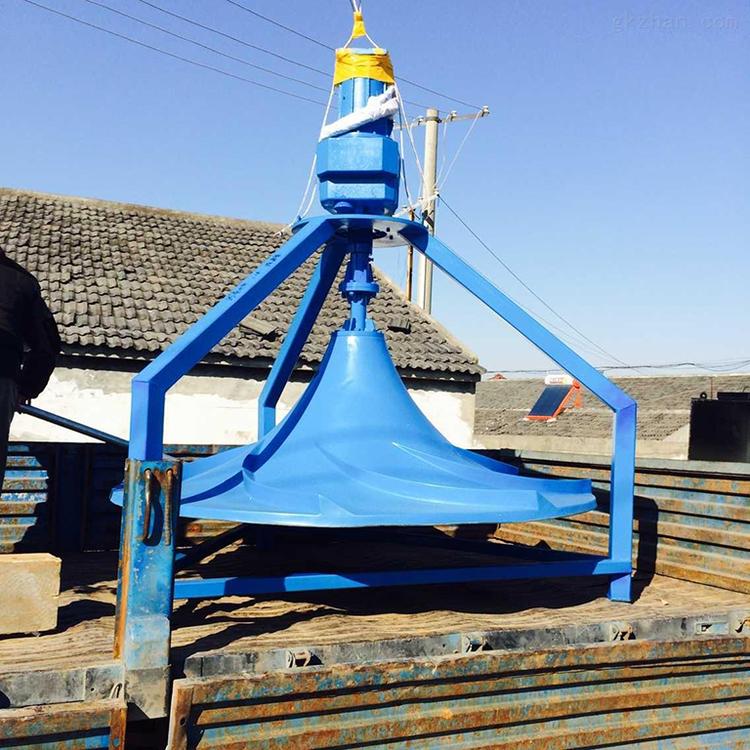
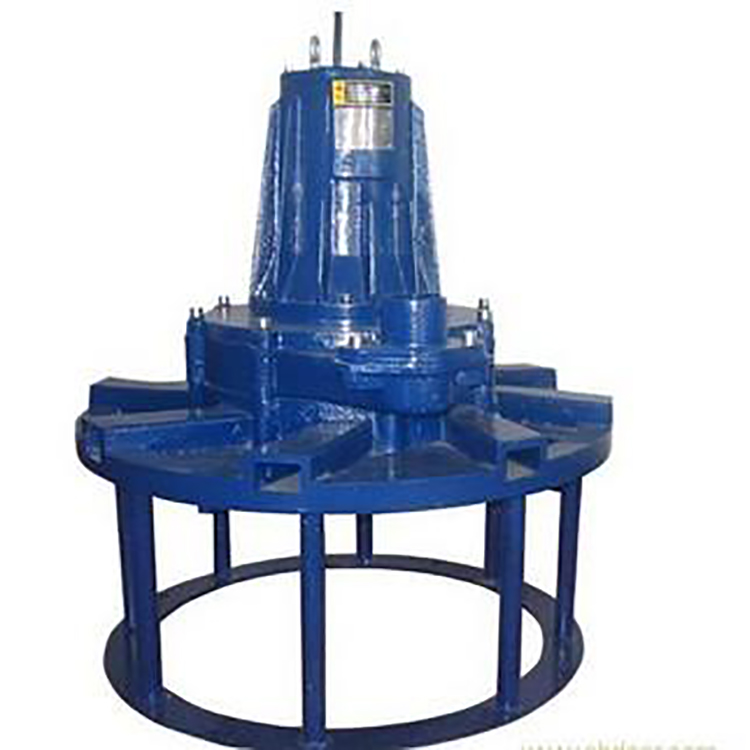
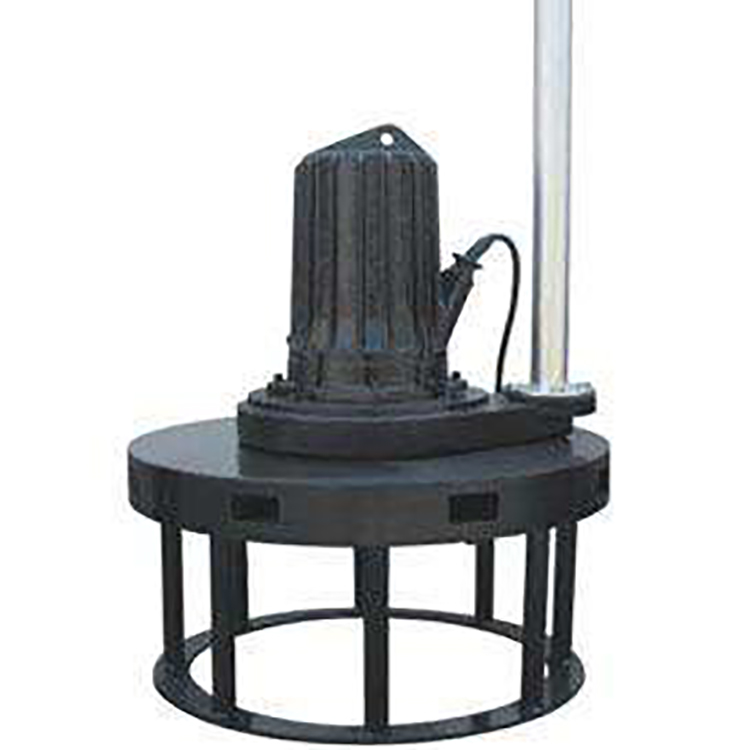
QJB TypeDiving AgitatorIt can be divided into two major series: mixed agitation and low-speed plug flow.
The Mixed Series Mixers are suitable for wastewater treatment plants and industrial processes where mixing of suspensions is required.
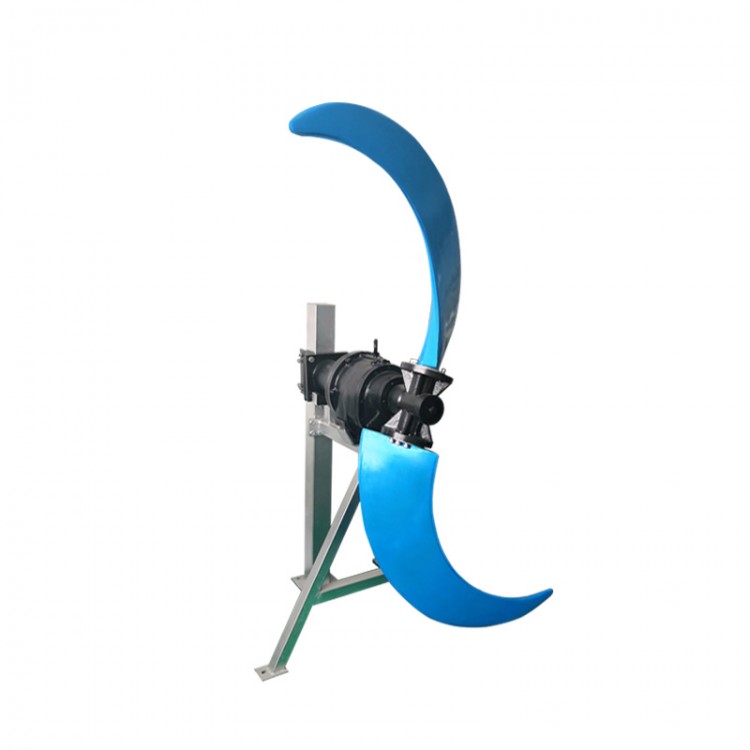
Low-speed flow-through mixers are suitable for industrial and urban wastewater treatment plant aeration basins, generating a powerful water flow with low tangential velocity, which can be used to create water currents for circulation and stages such as nitrification, denitrification, and phosphorus removal.
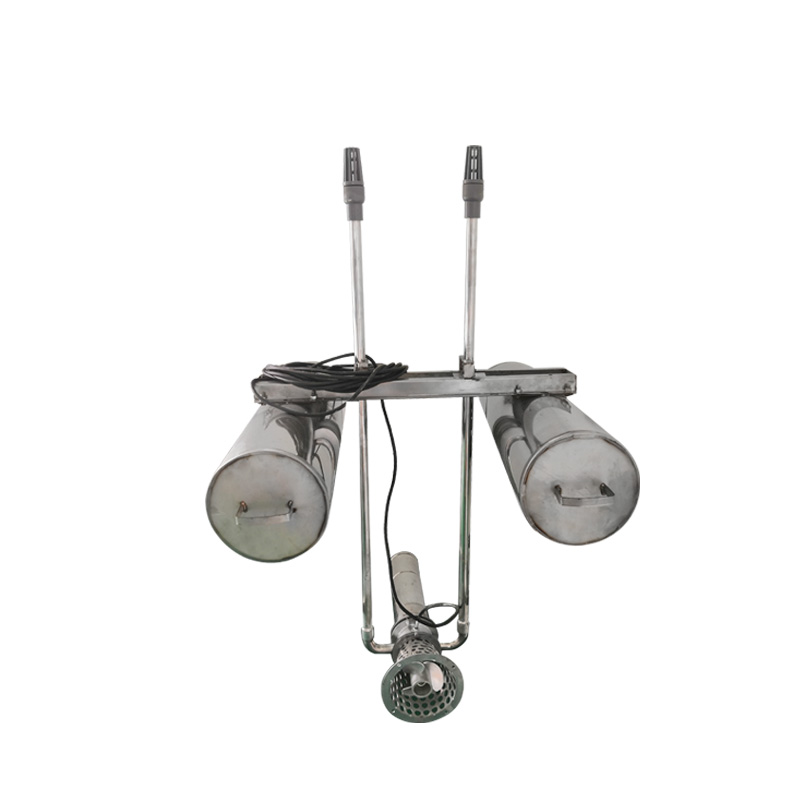
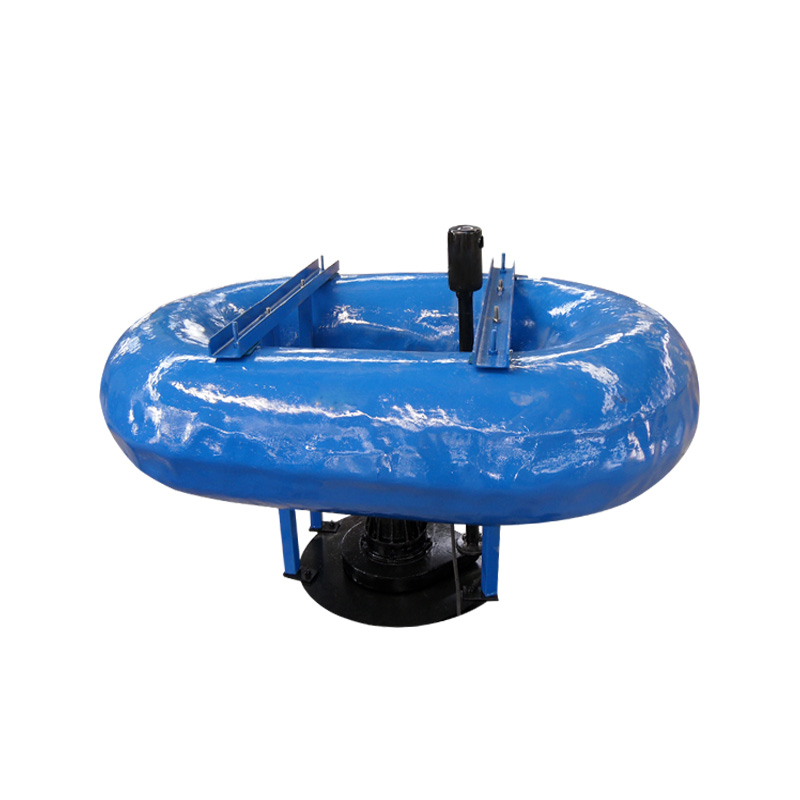
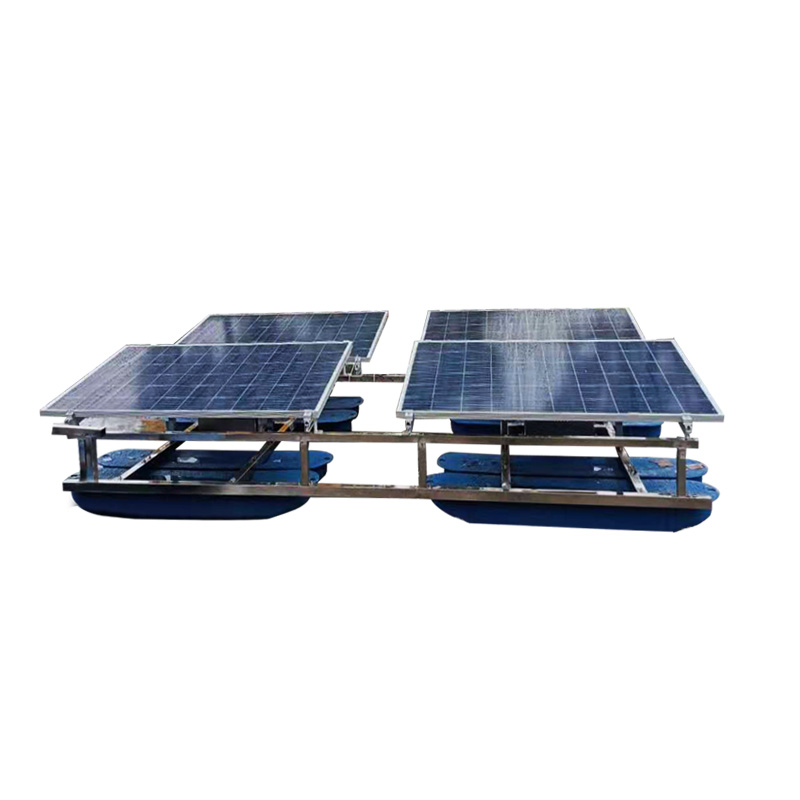
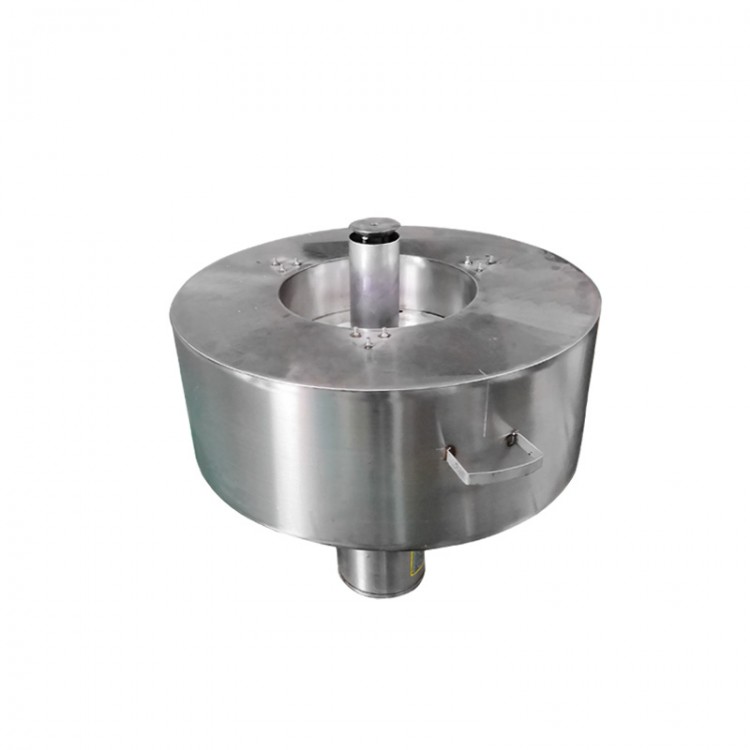
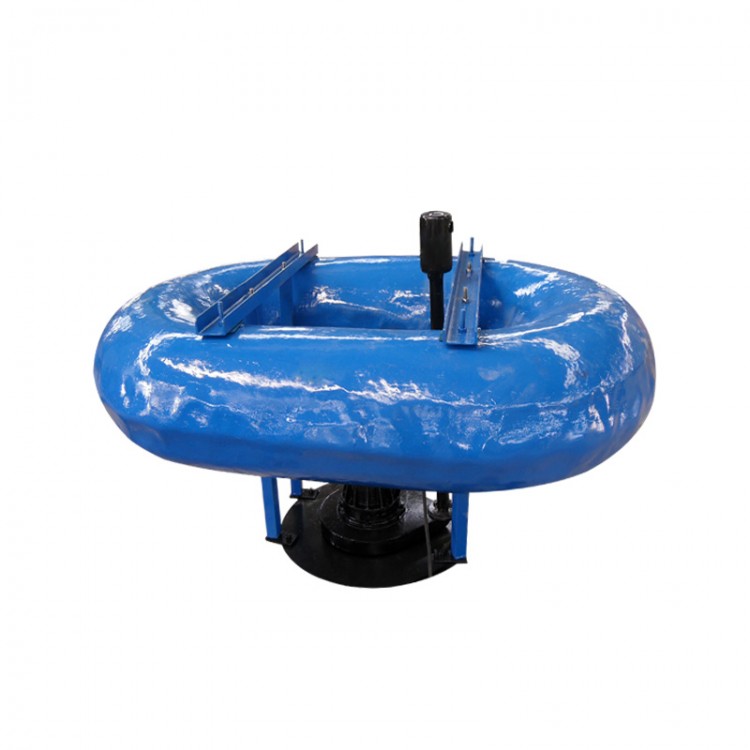
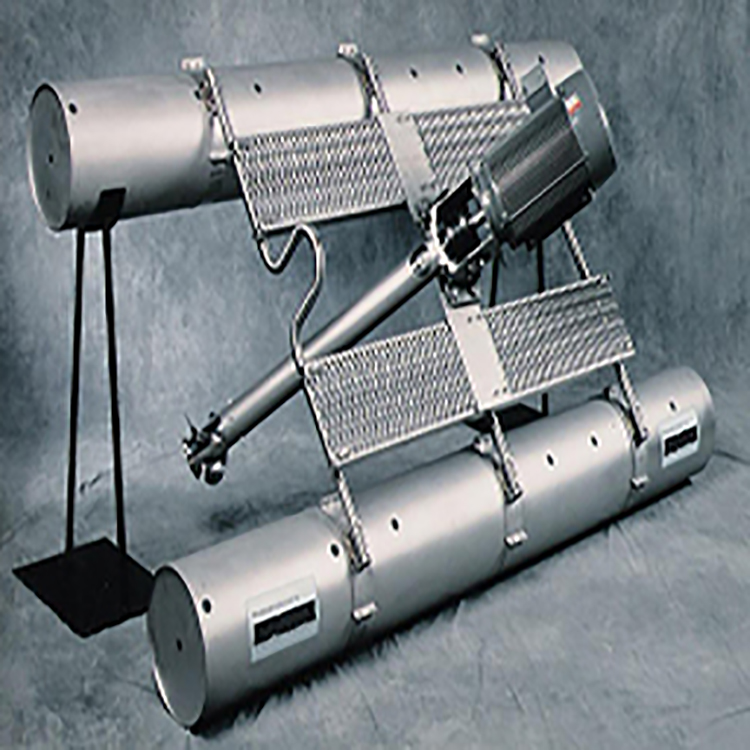
FQJB Type Buoyant FloatDiving Agitator
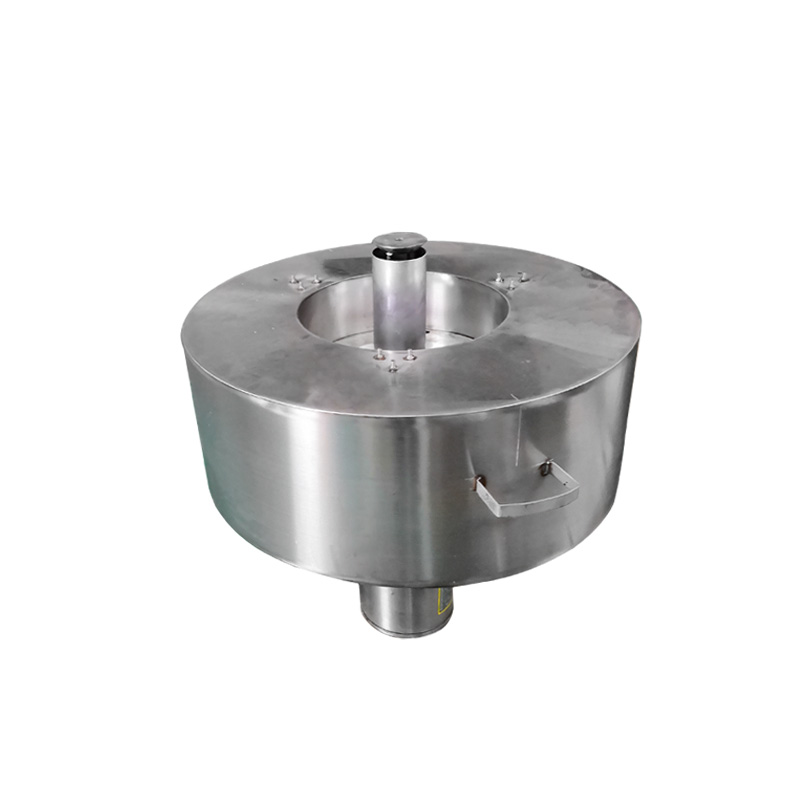
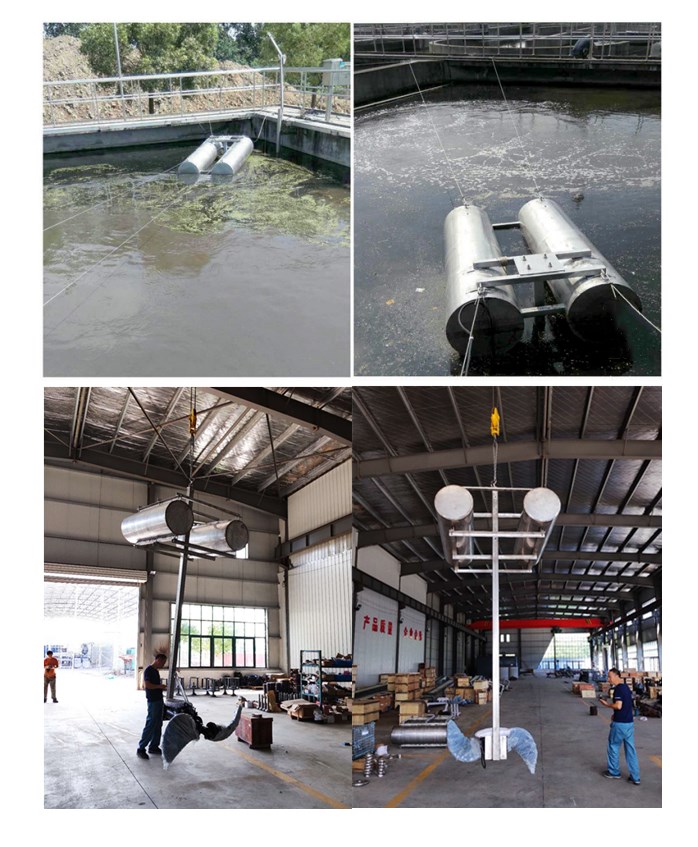
The FQJB-type submerged propeller mixer is a modified version of the standard submerged propeller mixer, enhanced with a stainless steel buoyant float. The specific model selection follows the QJB-type submerged propeller mixer standards.
Application Range:
The mixer should be able to operate continuously under the following conditions:
1. Medium temperature not exceeding 40°C.
2. Medium pH level between 5~9.
3. Liquid density does not exceed 1150 kg/m³.
4. Long-term diving operation, with a diving depth generally not exceeding 20 meters.
Key Points to Note:
Submersible mixers must be fully submerged in water during operation; they cannot be used in environments with flammable, explosive, or highly corrosive liquids. Steel expansion bolts must be securely fastened according to specifications, and the cables must be tightly and securely anchored after installation.
The propellers of our diving propellers are all made of polyurethane material, equipped with a bevel gear box reducer.
Performance Features:
1. Compact structure, easy operation and maintenance, convenient installation and inspection, and long service life.
2. The impeller features a rational hydraulic design structure, with backward-tilted blades that have self-cleaning capabilities, preventing debris entanglement and blockage.
3. When used in conjunction with an aeration system, it significantly reduces energy consumption, improves oxygenation levels, and effectively prevents sedimentation.
4. Motor winding insulation level: F class, protection level: IP68, equipped with NSK/SKF bearings. The motor can be optionally fitted with a condensation prevention device. The motor utilizes an over-temperature protection system for enhanced reliability.
5. Two mechanical seals; the seals are made of silicon carbide and feature fluoroelastomer rubber.
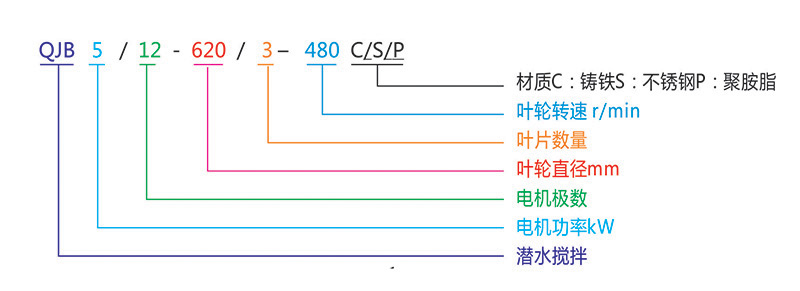
Model Representation Method:
Performance Parameters of Submersible Agitator:
The mixer operates at a rated voltage of 380V, frequency of 50Hz, with a F-grade winding insulation and IP68 protection rating, under working mode I.

Installation Method and Dimensions
Diving mixerMultiple installation options are available. Here, we offer a more universal method for selection, with dimensions listed in the table below. Our company can also provide special designs according to customer requirements.
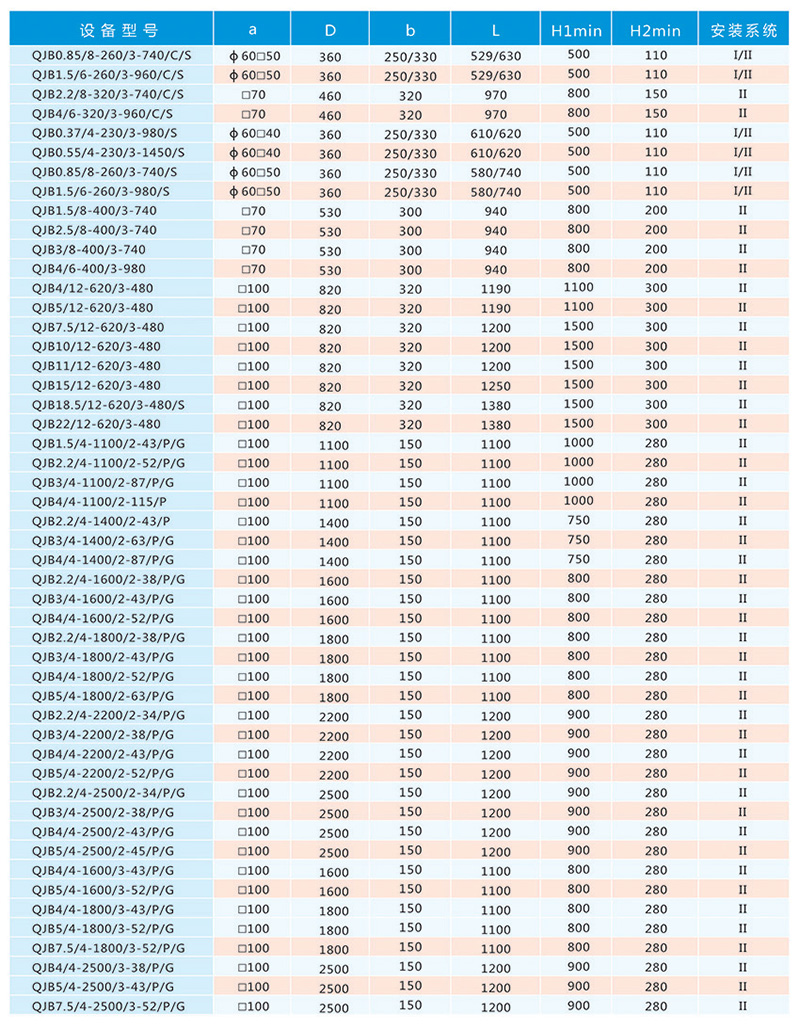
Submersible mixer, submersible flow inducer dimensions
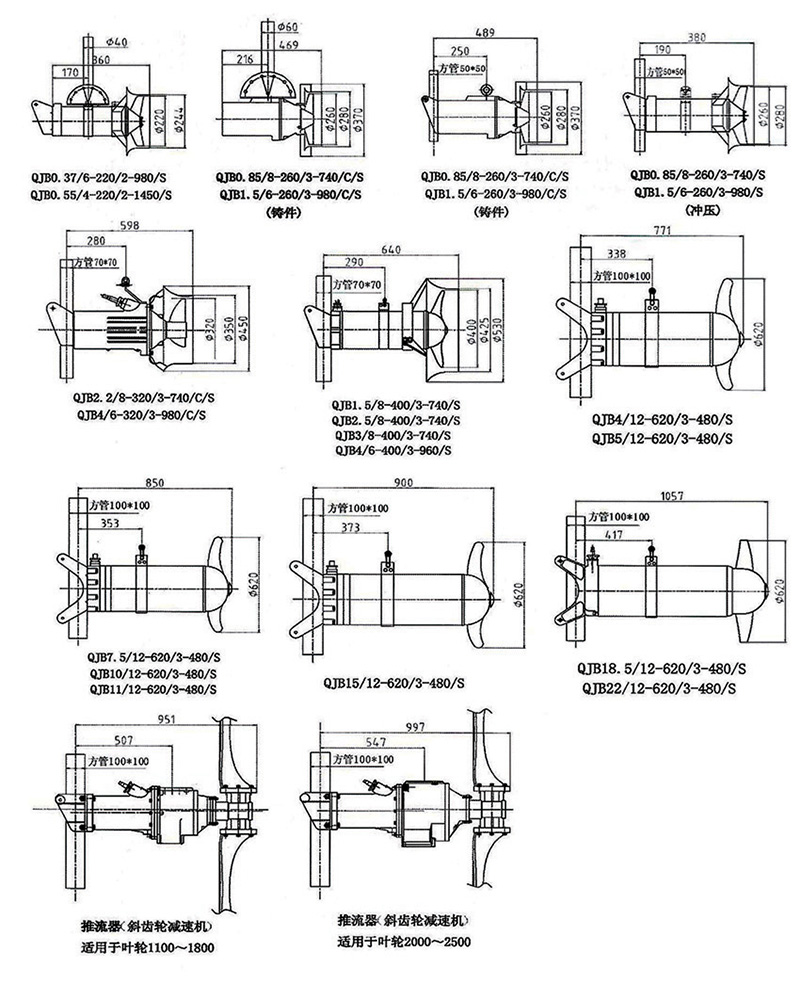
Installation System & Dimensions
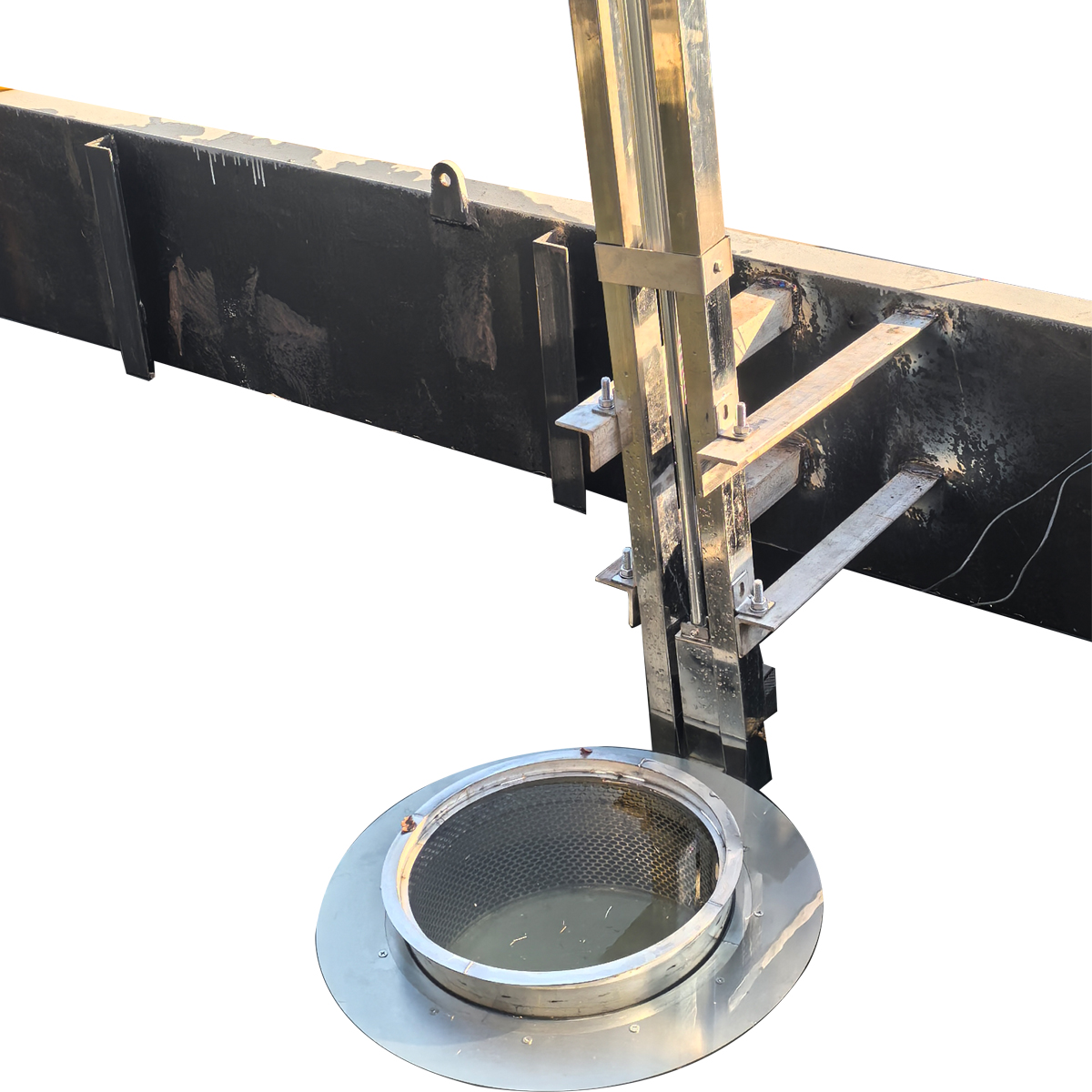
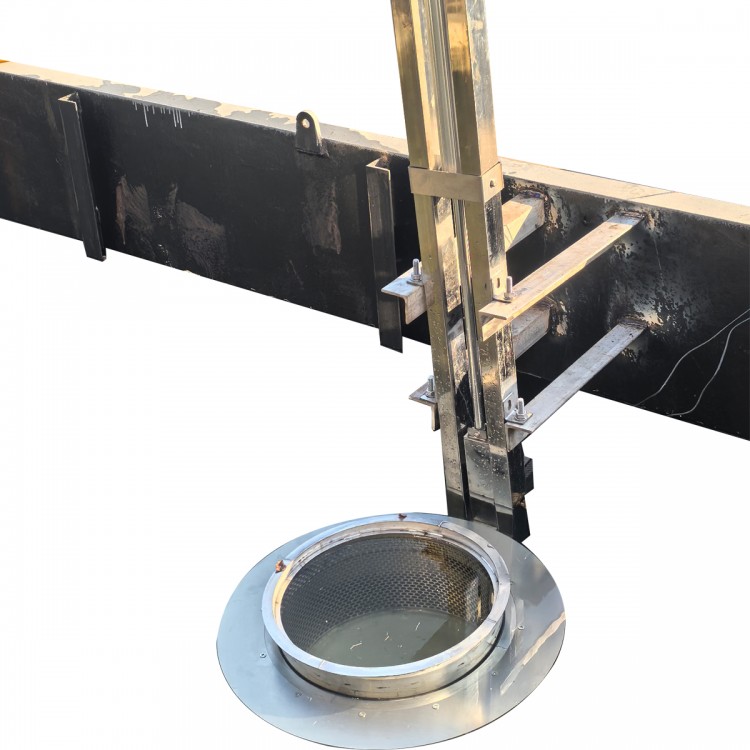
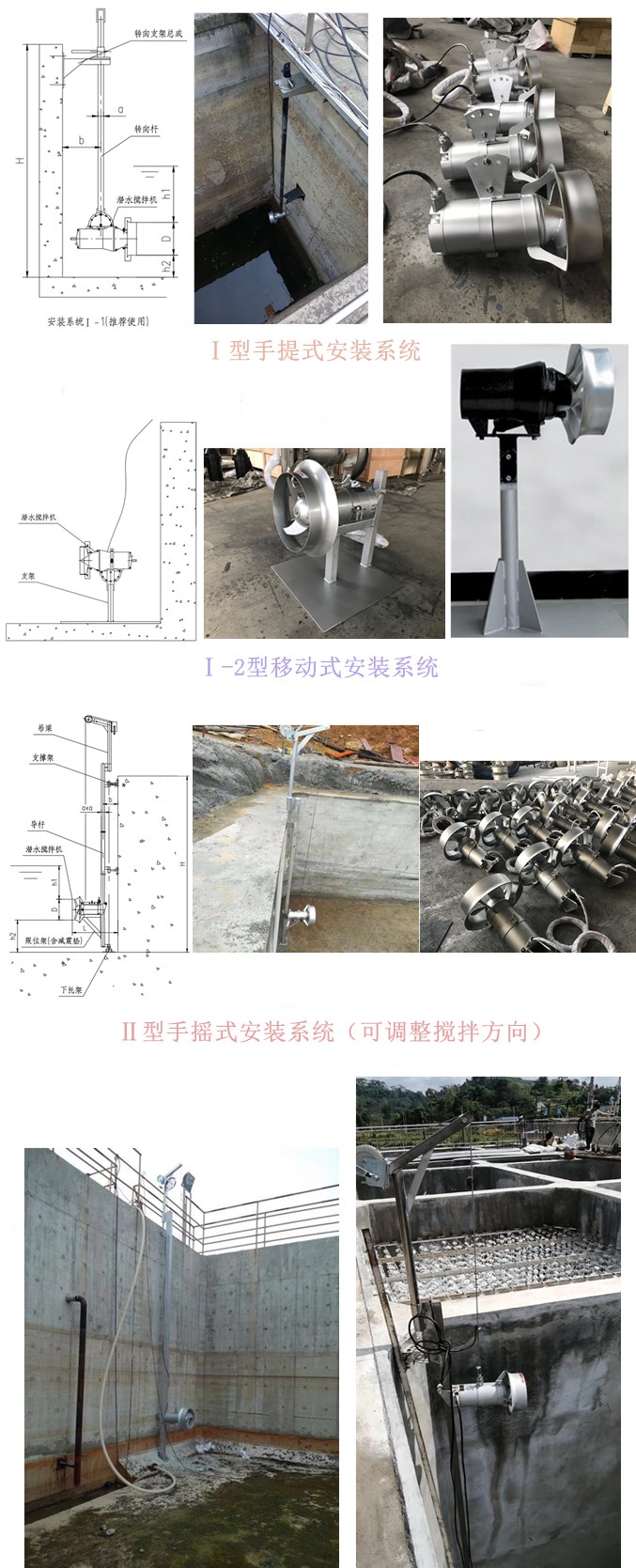
Submersible mixers can be installed in various ways. Below are some of the more common methods, with others also available. These installations allow for quick assembly and disassembly of the submersible mixers without draining the pond's wastewater, ensuring both speed and safety.

FQJB Type Buoyant Submerged Mixing Pump Installation Site
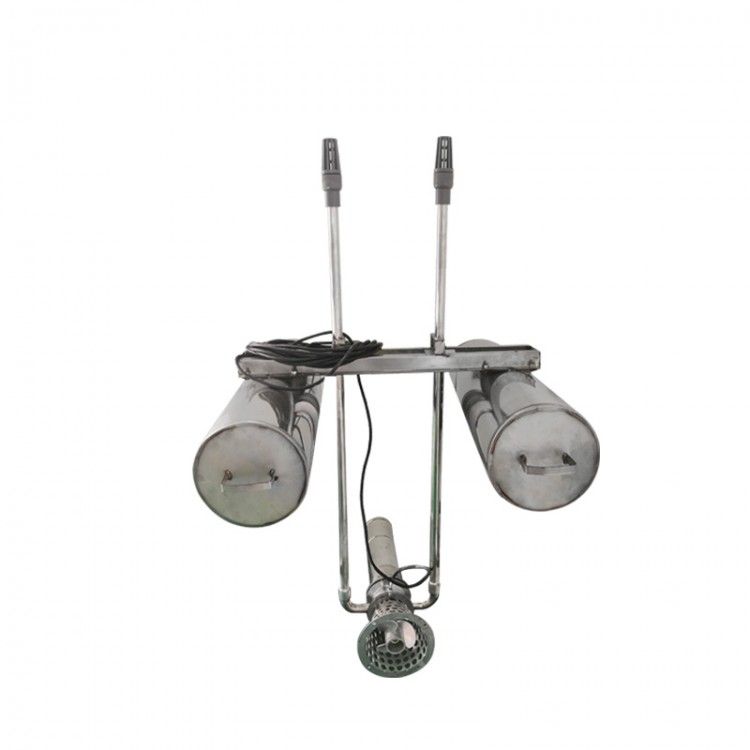
Submersible mixers can also be installed with buoyant floats. The FQJB type buoyant submersible mixer is a modified version of the standard submersible mixer, featuring a stainless steel buoyant float. It is primarily suitable for locations with uneven or unstable pool bottoms, where bridge structures are not feasible. It is specifically designed for wastewater treatment plants, without discharging treated wastewater into rivers or waterways.
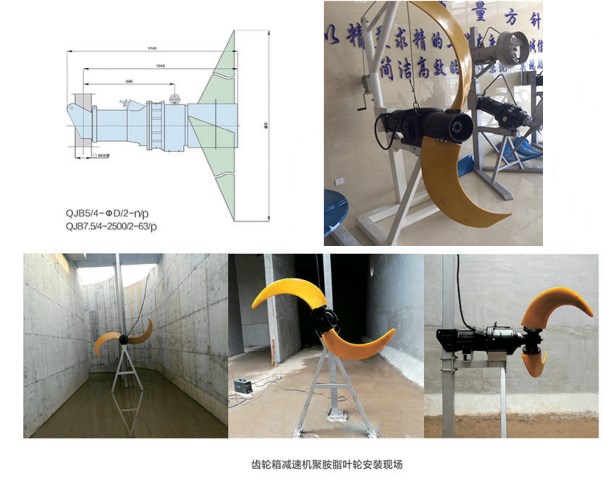
Selection Considerations:
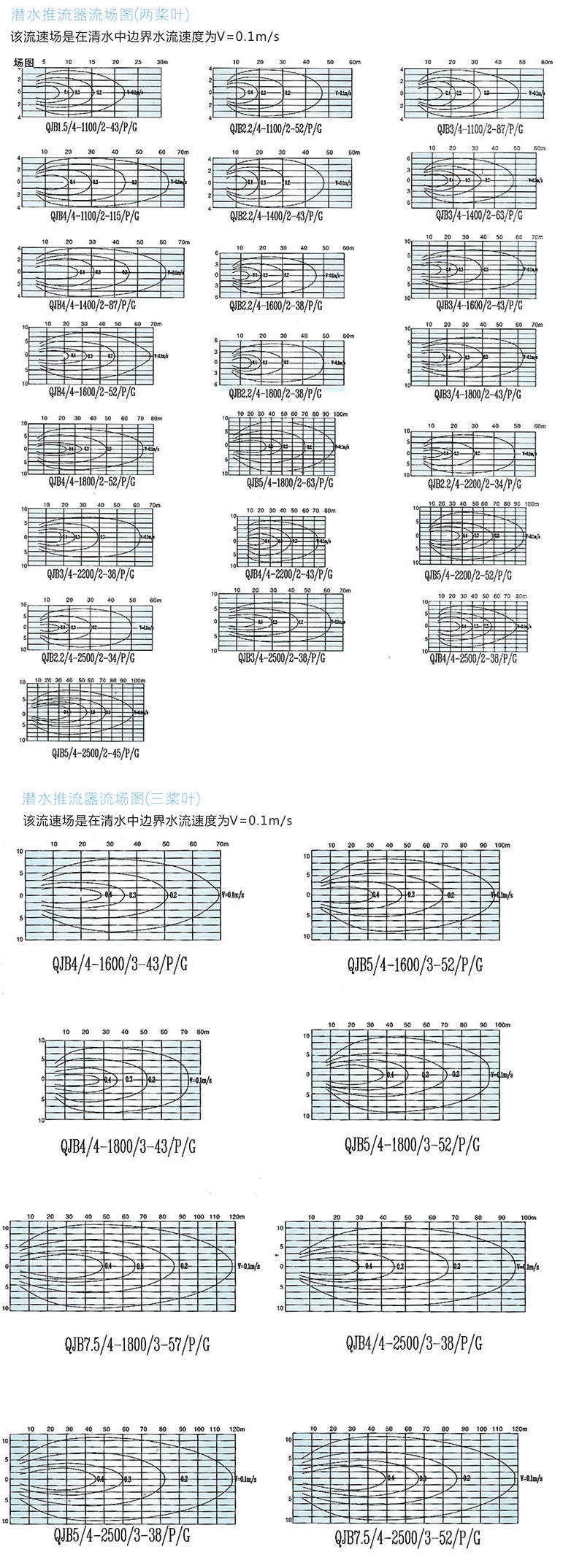
Selecting a submersible mixer is a complex task, as the correctness of the selection directly affects the normal operation of the equipment. The principle of selection is to ensure that the mixer operates effectively within the appropriate volume, typically determined by flow rate. According to the varying process requirements of wastewater treatment plants, the mixer flow rate should be maintained between 0.15~0.3 m/s. A flow rate below 0.15 m/s fails to achieve proper push flow mixing, while a rate above 0.3 m/s can impair the process efficiency and result in waste. Therefore, prior to selection, it's essential to first determine the application site of the submersible mixer, such as: sewage pond, sludge pond, or biochemical pond. Next, consider the medium parameters, including suspended solids content, viscosity, temperature, and pH value. Also, take into account the pool shape and water depth.
The required matching power for a mixer is determined by the volume size, the density of the mixing liquid, and the mixing depth. A single mixer or multiple mixers are used based on the specific circumstances.
Mixed Stirring Type:
1. Determine the sludge correction factor for the medium to be mixed based on Figure B1 or Table B1.
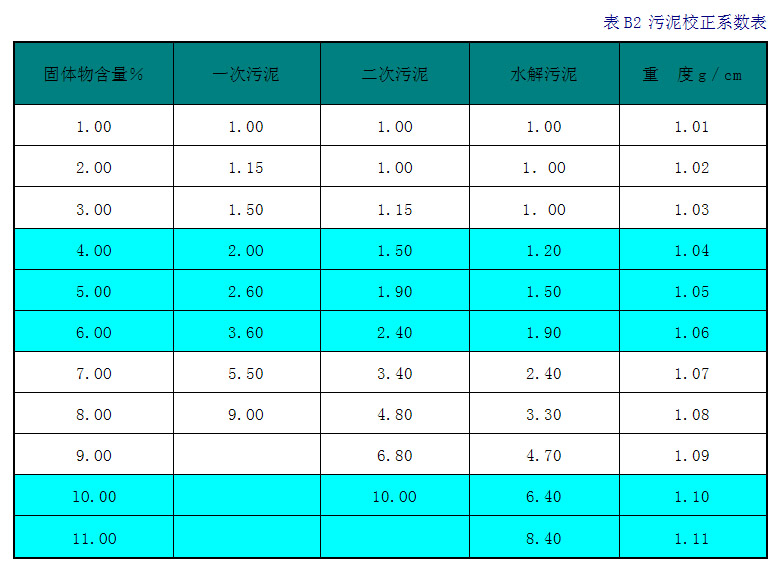
2. Determine the tank type correction coefficient for the mixing tank based on Figure B2 or Table B2.
3. Multiply the power consumption of 5 w per cubic meter of clear water by the sludge correction factor, then by the pond type correction factor to obtain the actual power consumption required per cubic meter of the to-be-mixed slurry. Multiply this by the volume of the slurry to be mixed, resulting in the total power required for mixing the entire pond's slurry.
Low-speed Turbulent Flow Type:
1. Determine the tank type correction coefficient for the mixing tank based on Figure B1 or Table B1.
2. Determine the sludge correction factor for the medium to be mixed based on Figure B2 or Table B2.
3. Determine the work consumed per unit flow based on the initial flow velocity y of the mixing medium, as indicated in Figure B3.
4. Calculate the flow rate of the agitator by multiplying the initial flow velocity of the stirring medium (y) by the cross-sectional area formed by the impeller's rotation.
5. Multiply the flow rate of the mixer by the power consumption per unit flow, then by the sludge correction factor and the pond type correction factor to obtain the total power required for the entire pond medium.

Operating Conditions:
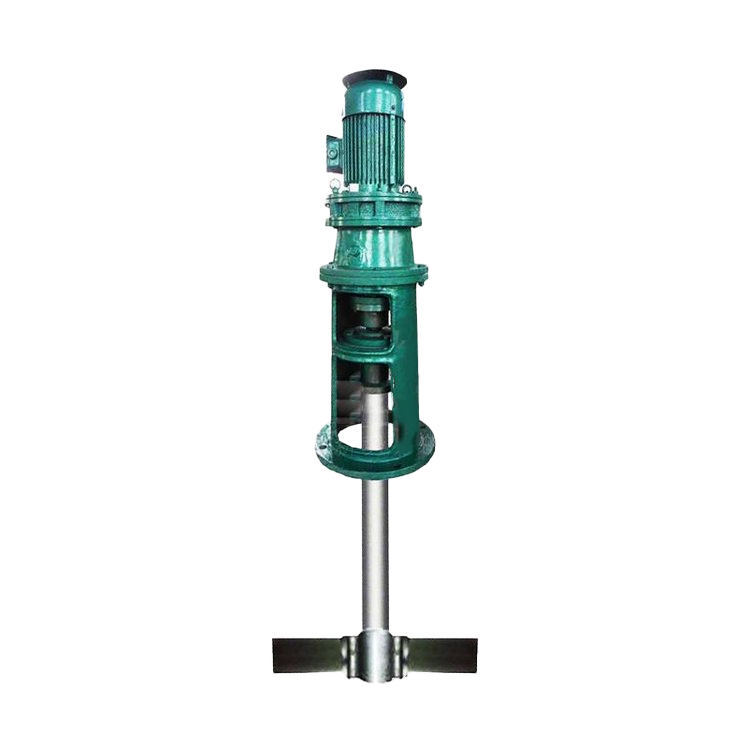
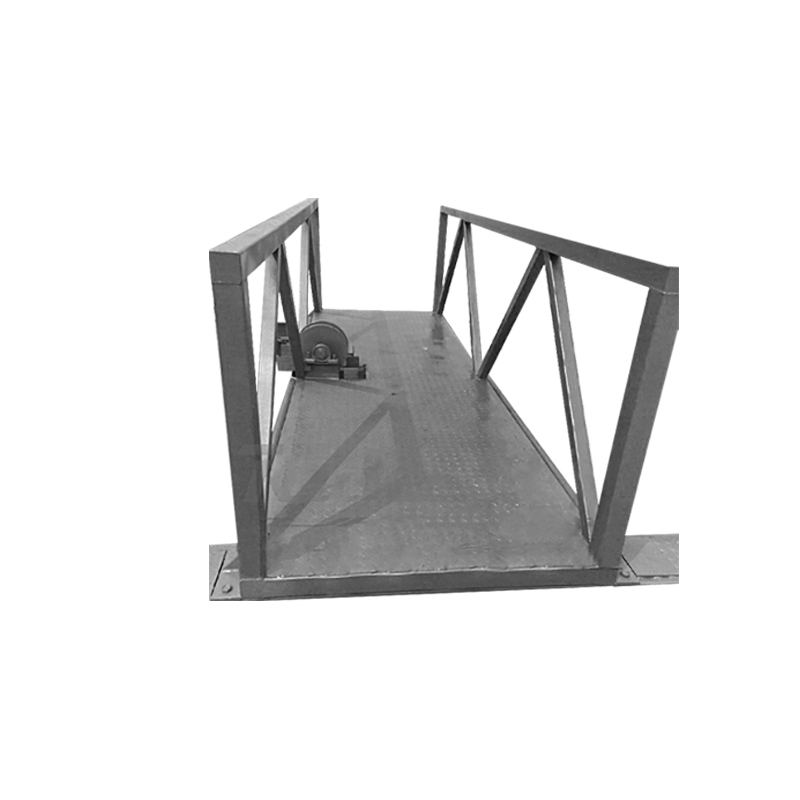
Compared to traditional vertical mixers, the service range of vertical mixers is limited. For pools with large water volume and a high width-to-length ratio, multiple vertical mixers are required to achieve proper mixing. However, the QJB type submersible mixer typically requires only 1-2 units to achieve the desired mixing effect. For outdoor large pools, vertical mixers need to be mounted on a bridge structure, whereas submersible mixers do not.
The QJB type submersible mixer excels in its ability to generate various flow directions. Different installation positions of the mixer yield multiple flow patterns, thereby creating better flow effects in the pool and eliminating dead spots. The required配套 power for the submersible mixer is determined based on the pool volume, medium density, viscosity, and depth of the mixing medium. Depending on the specific situation, select one or more mixers.
To ensure energy-saving operation of the submersible mixer in different pool types, refer to the following typical installation patterns.