








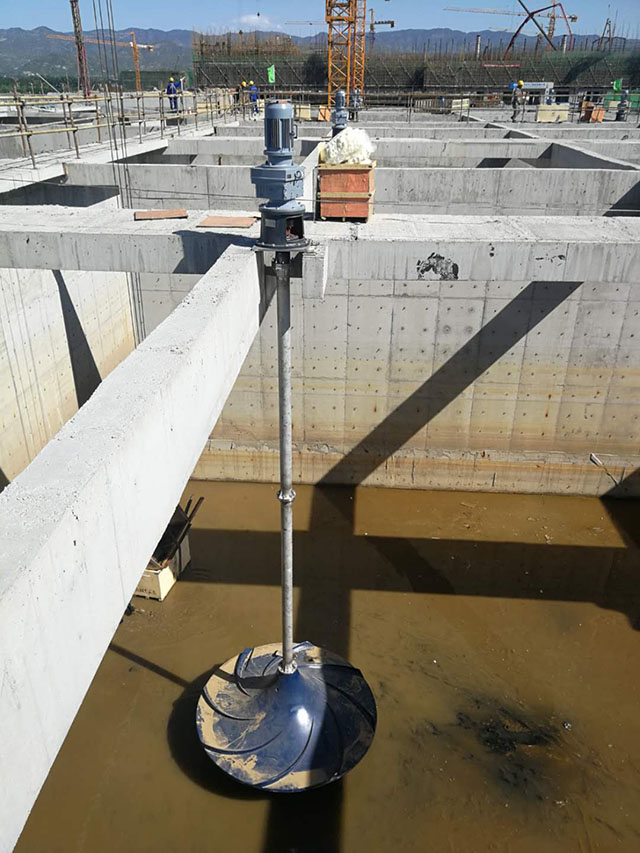
Product Description
Commonly referred to as equipment.
Common Names: Double-Curved Blender, Vertical Blender, Multi-Surface Blender, Hypocycloid Blender, Dry Double-Curved Blender, Submersible Double-Curved Blender, Double-Curved Double-Layer Blender, Electric Blender, GSJ Double-Curved Blender, Double-Curved Impeller Blender, Vertical Turbine Blender, Vertical Shaft Blender, Wall-Penetrating Side-Installed Blender, Vertical Blender, Compulsory Blender, Horizontal Blender, Handheld Blender, Dry Powder Mortar Blender, Cement Blender, Vertical Mixing Blender, Roller Mill Blender, Drum Blender, Mobile Blender, Frame Blender, Drop Blender, Desk Blender, Spiral Blender, Sewage Treatment Blender, Waste Water Blender, Water Treatment Blender, Jiangsu Blender, Mechanical Blender, Blender Manufacturer, Double-Leaf Double-Curved, Single-Leaf Double-Curved, Quasi-Hypocycloid Gear, Rotating Double-Curved, Rotating Single-Leaf Double-Curved.
Product Introduction
Foreword:
In chemical, papermaking, and various other water treatment processes, water body agitation and mixing is one of the key process steps. Traditional mixing equipment is commonly divided into two types: vertical propeller and horizontal (submerged) types. Due to the installation method and blade shape determining the mixing pattern, they are not ideal in terms of energy consumption and mixing efficiency. This not only unnecessarily increases the operation costs of wastewater treatment plants but also directly affects the processing effectiveness of the technology. Addressing these issues, after years of testing and leveraging the design experience of our peers, the new curved blade mixer has been applied in multiple wastewater treatment plants for many years, achieving favorable results.
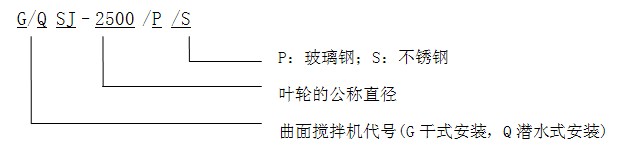
Model Representation Method:
Application Scope:
The G/QSJ series curved blade mixers are one of our mixers. They are widely used in industries such as environmental protection, chemicals, energy, and light industry, where liquid mixing with solid-liquid, gas, or a combination of both is required. They are particularly suitable for coagulation tanks, regulating tanks, anaerobic tanks, nitrification, and denitrification tanks in wastewater treatment processes.
Operating Principle:
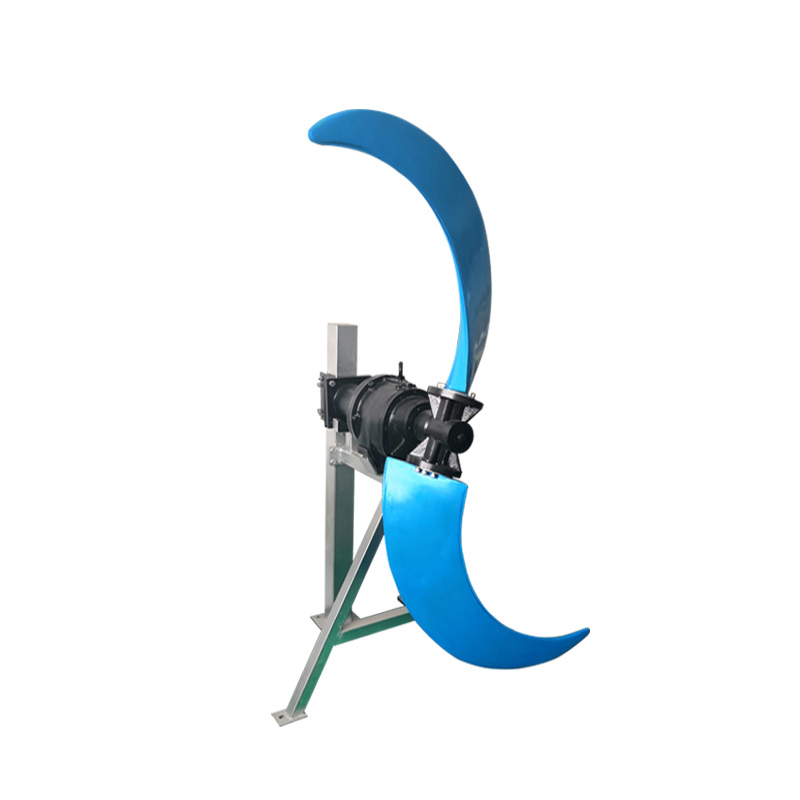
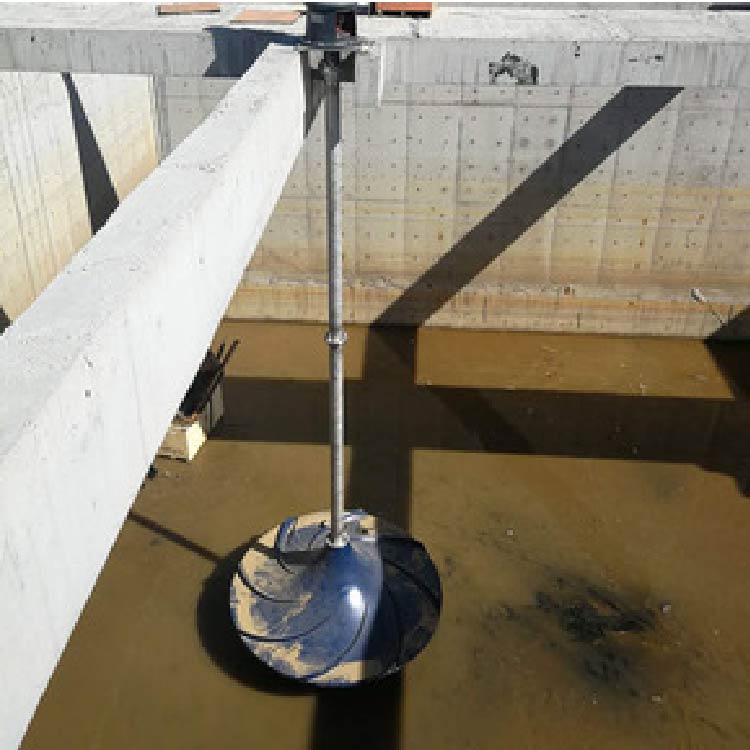
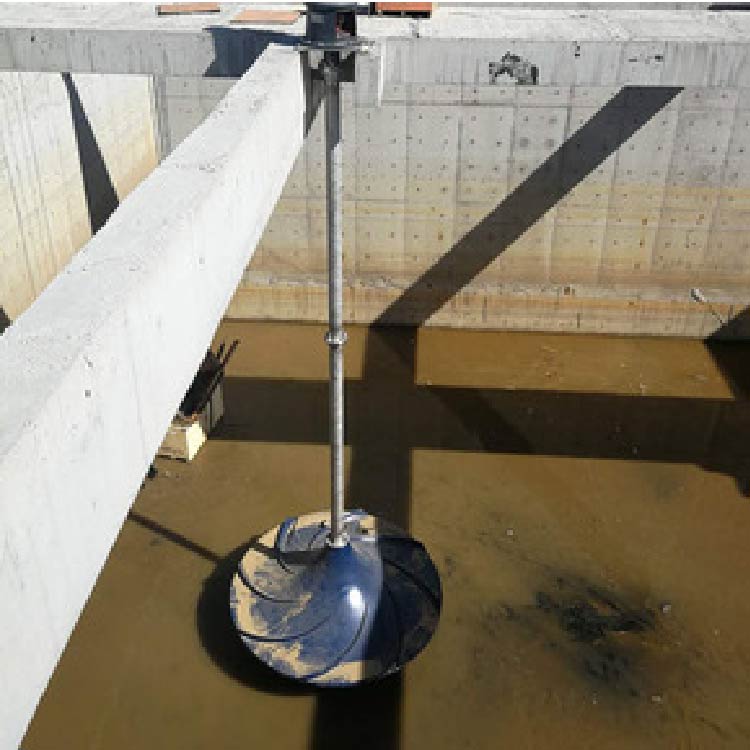
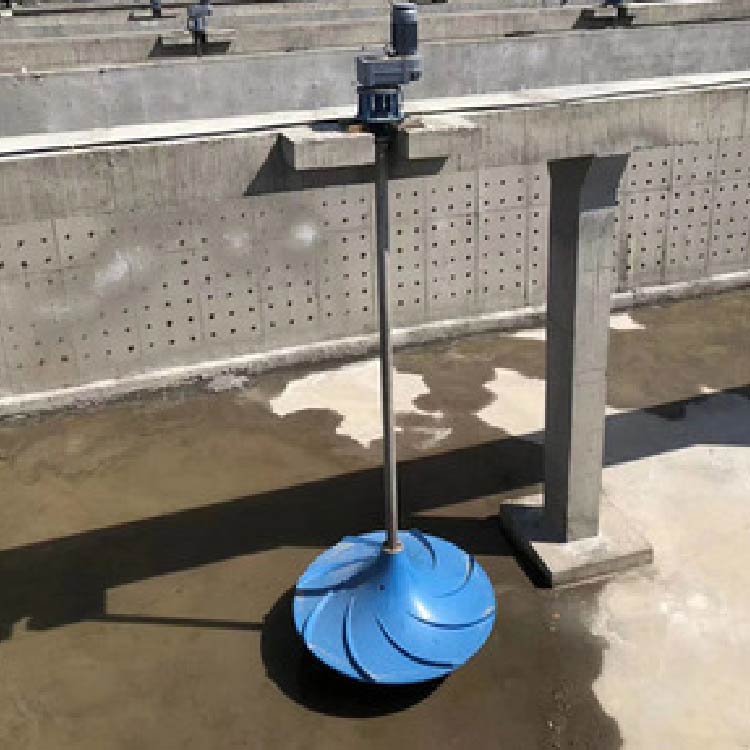
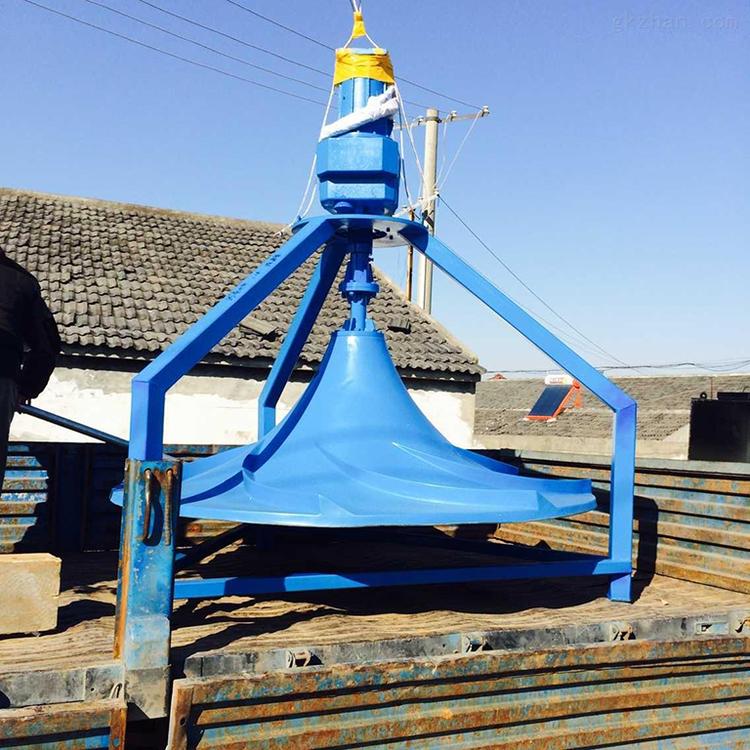
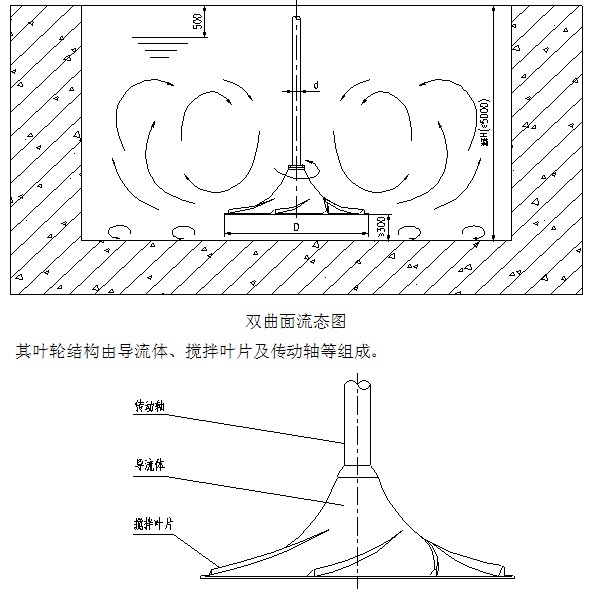
The G/QSJ series curved impeller mixers feature a double hyperbola blade body surface, formed by the rotation of the hyperbola generatrix around the impeller's axis, creating a double曲面 structure. This design optimizes the impeller structure, combining fluid properties with mechanical motion to a great extent. The equation of the hyperbola is xy=b, and the curved surface is formed by rotating the curve along the y-axis. To accommodate water flow, the design incorporates water entry at the impeller's center, reducing water turbulence and ensuring uniform pressure on the impeller surface, thereby maintaining the balance of the entire unit during motion. There are eight guide vanes evenly distributed on the involute double arc surface. They utilize the potential energy obtained from the additional water supplied by the liquid's own weight pressure and the centrifugal force generated by the impeller's rotation to form kinetic energy. Under the influence of gravity, the liquid moves tangentially along the impeller's circumference through the double曲面 structure. Due to the reflection from the pool wall, it creates a circulating water flow from top to bottom, thus achieving cross water flow in both the axial (y) and radial (x) directions (as shown in the double曲面 flow diagram).
Due to the structural characteristics of the impeller in the G/QSJ series of curved mixing machines and their unique proximity to the pool bottom, their working position ensures a direct anti-settling effect on suspended particles. This results in ideal mixing during operation, effectively eliminating dead spots. A larger specific surface area allows for a wider exchange of water bodies.
Structure Overview:
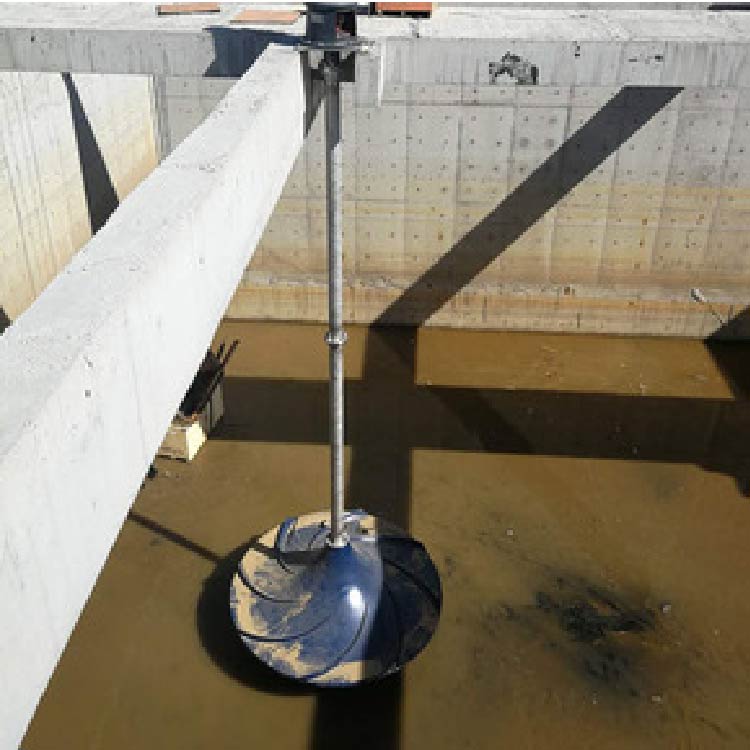
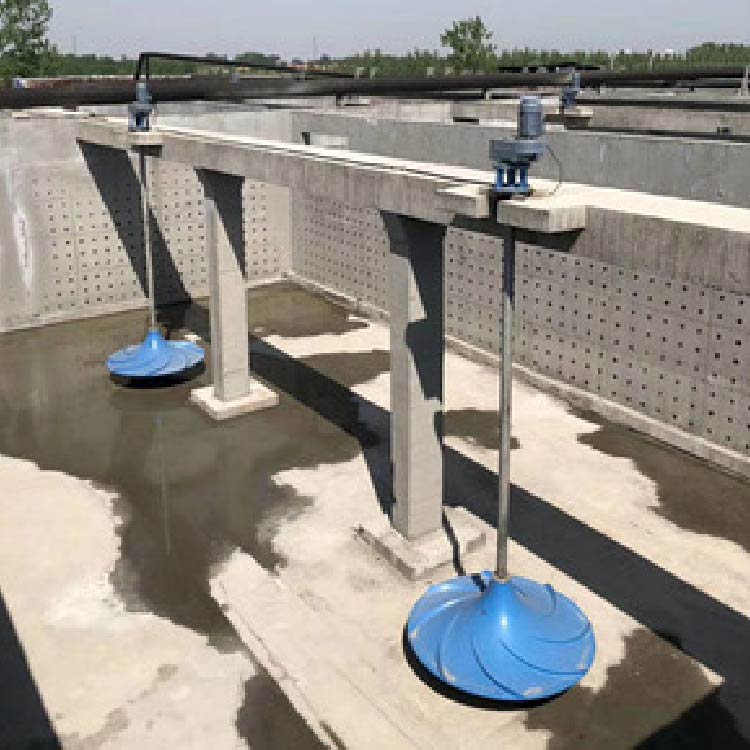
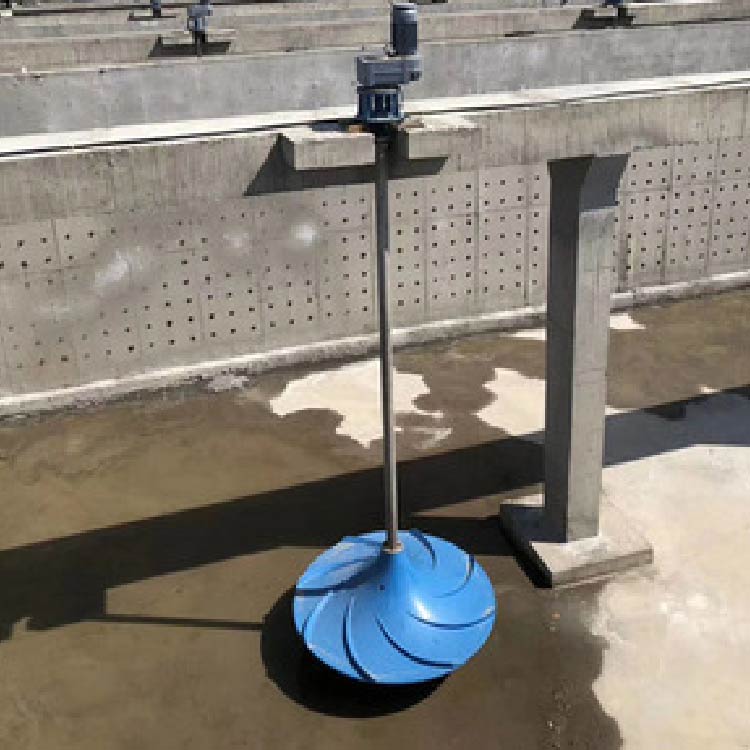
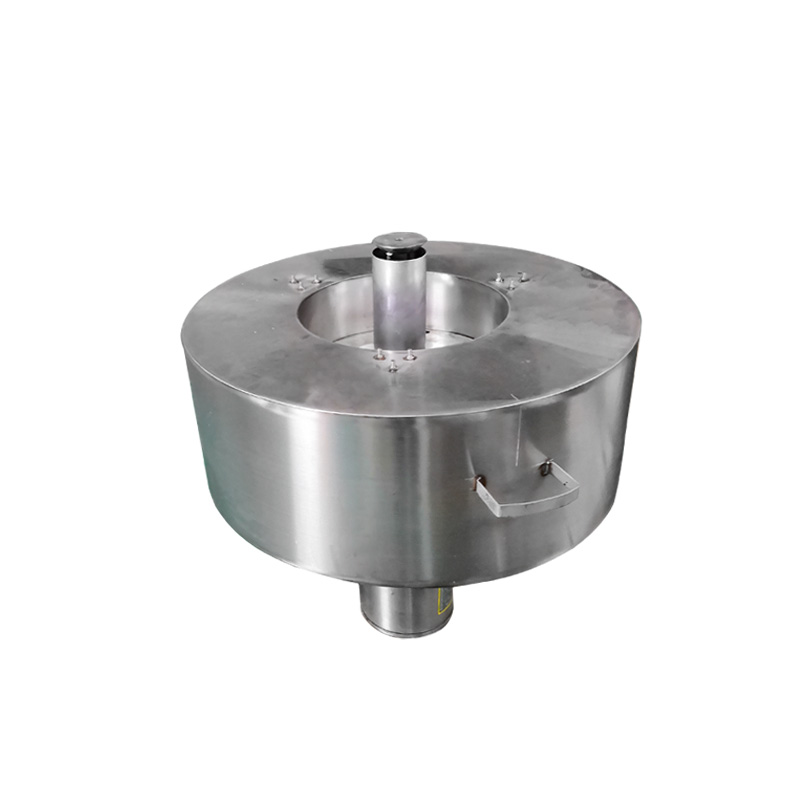
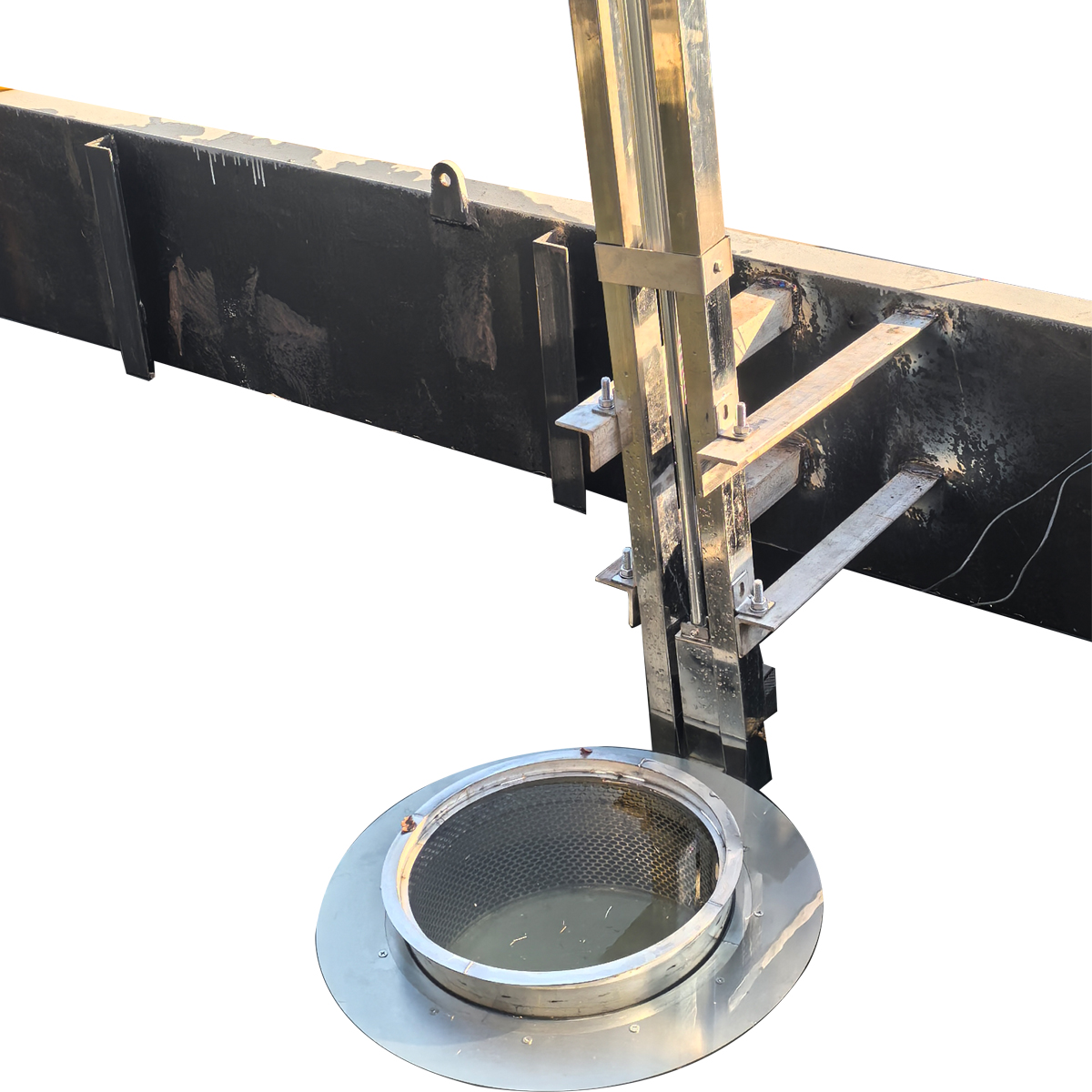
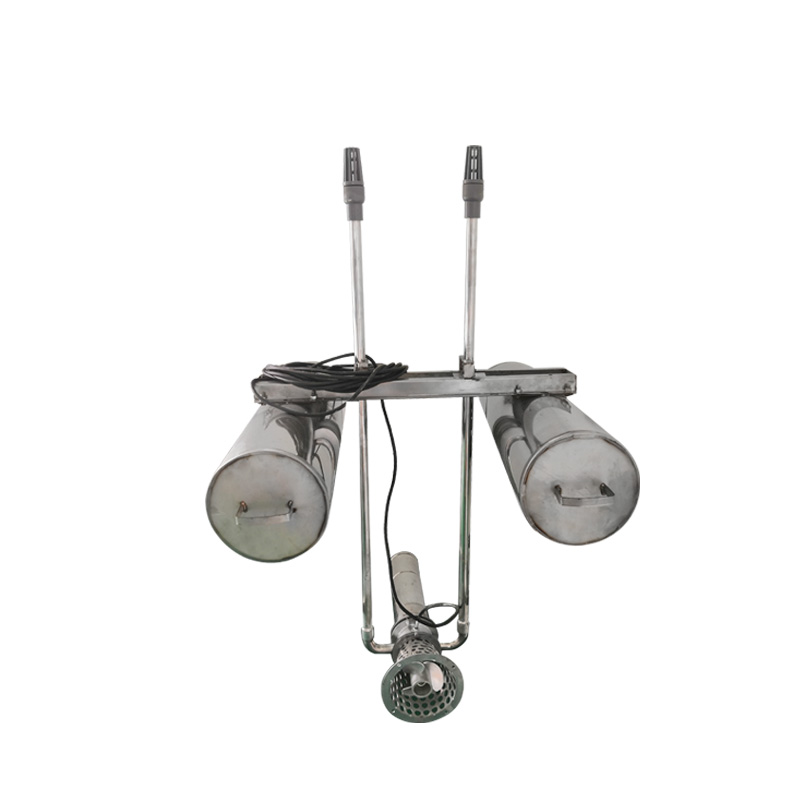
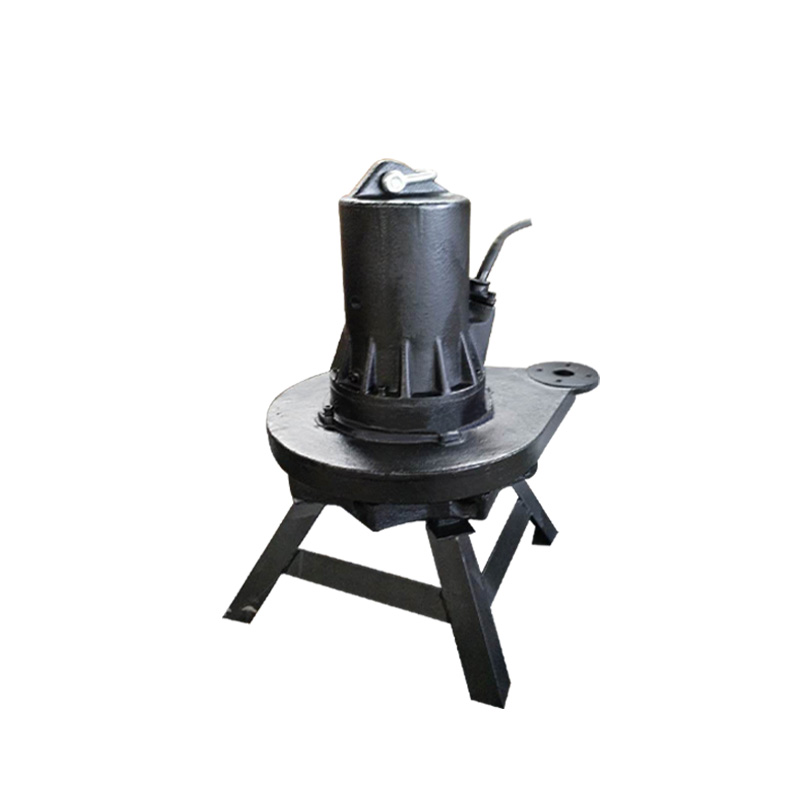
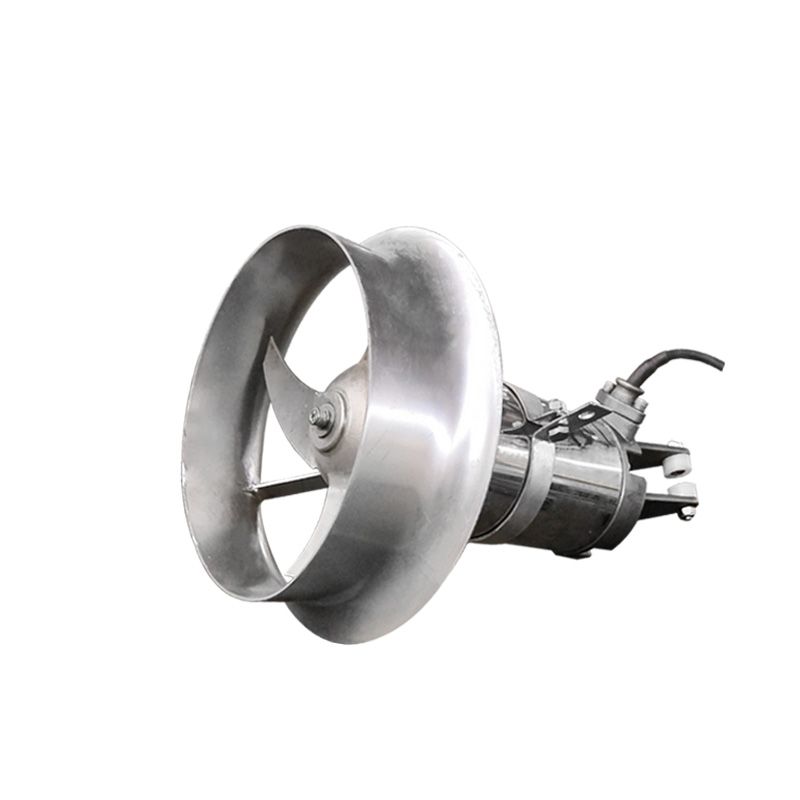
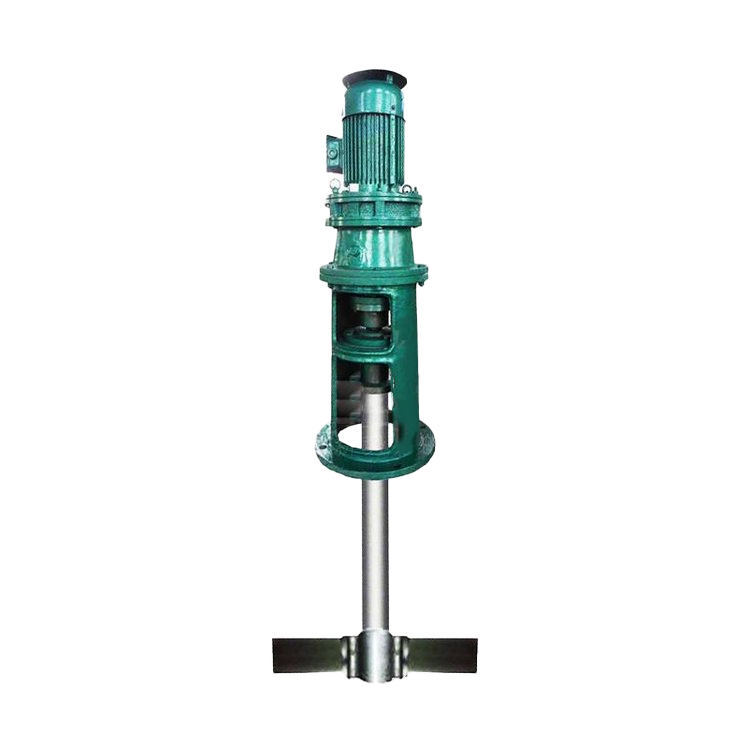
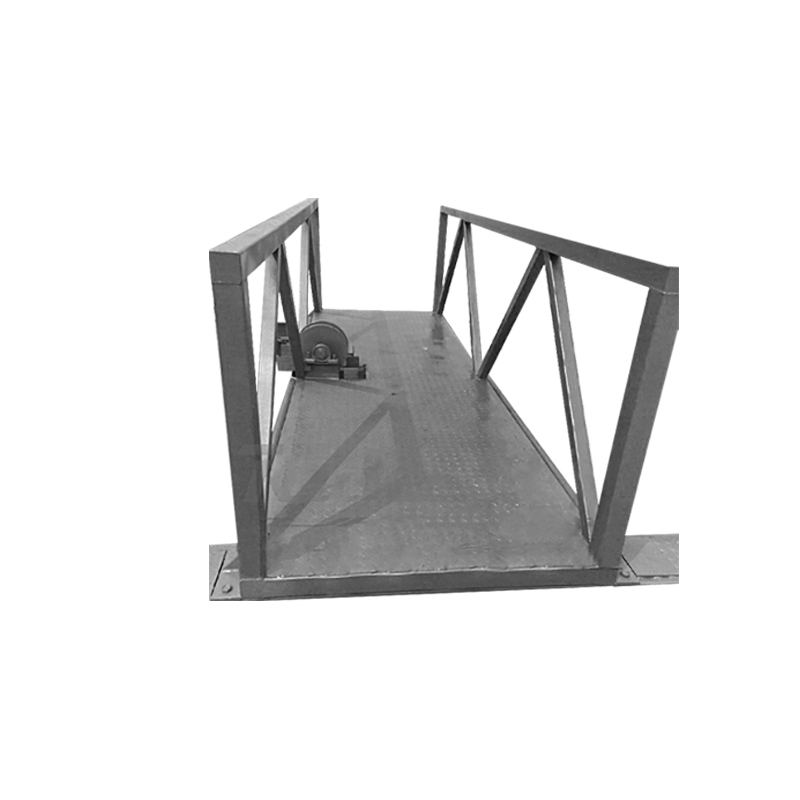
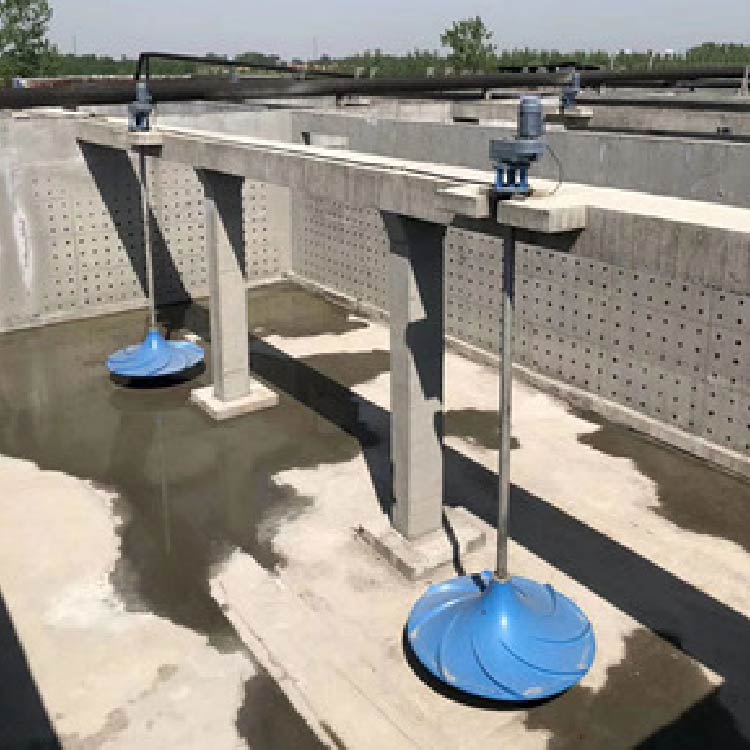
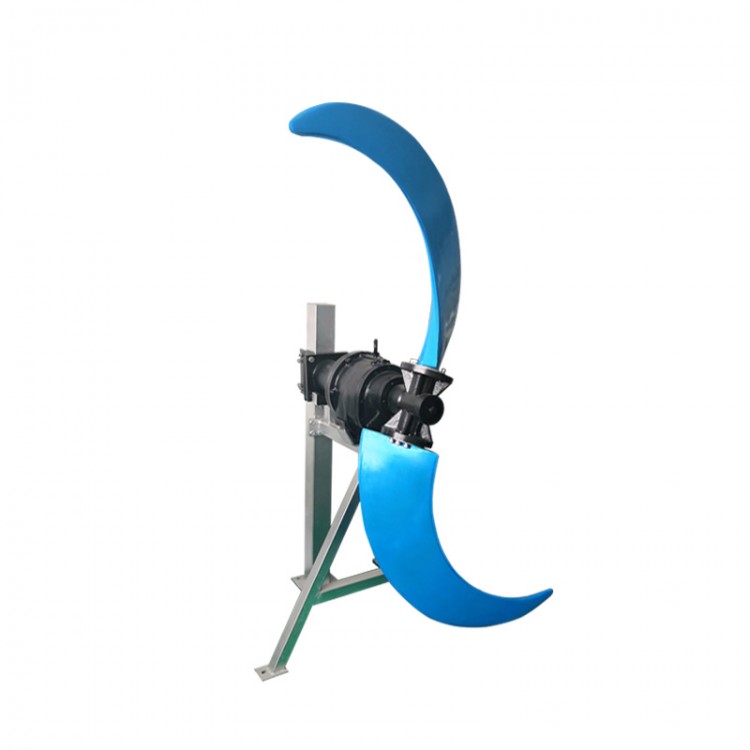
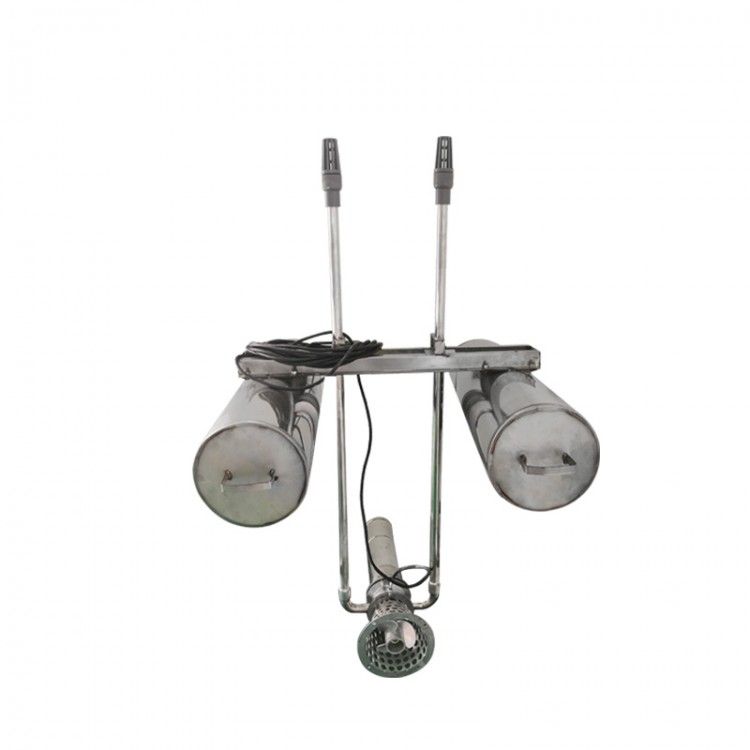
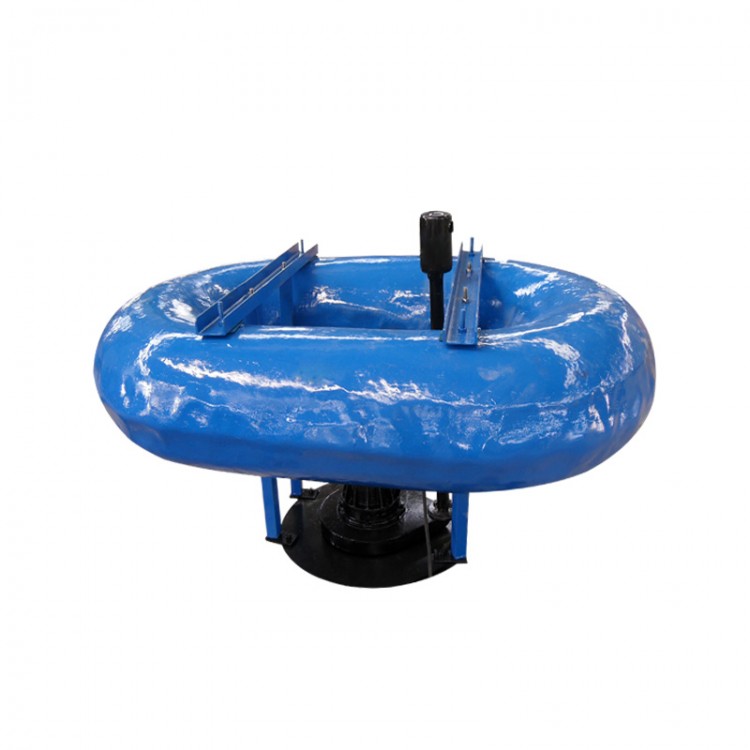
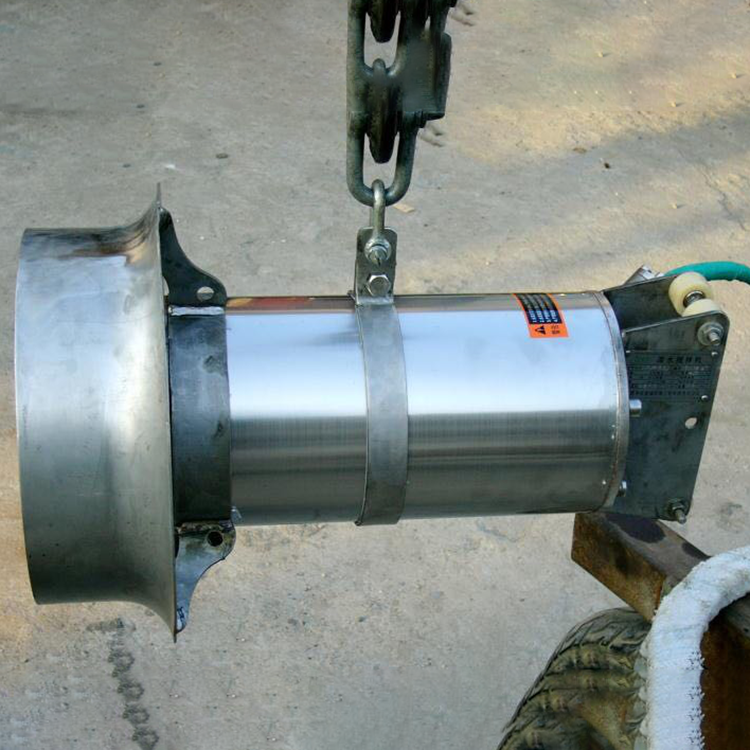
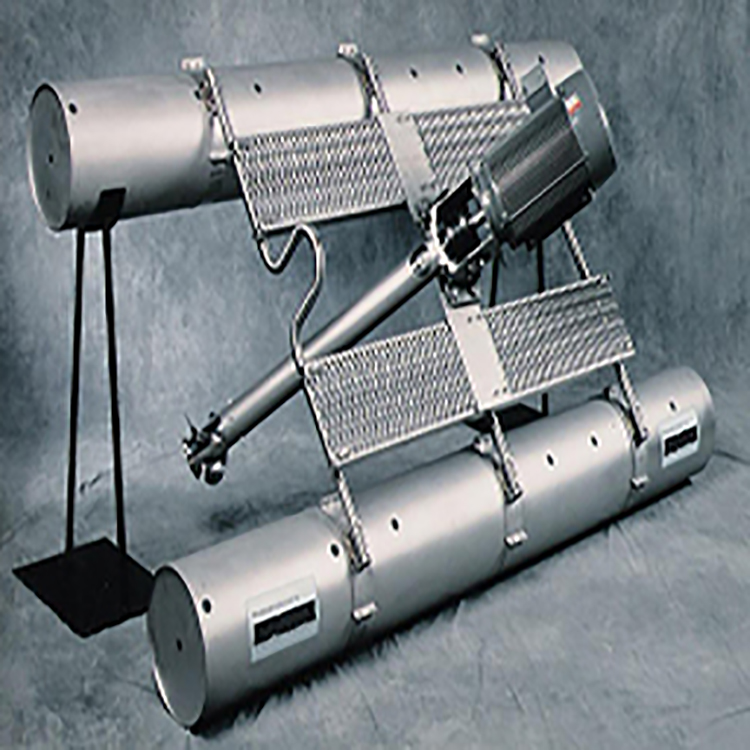
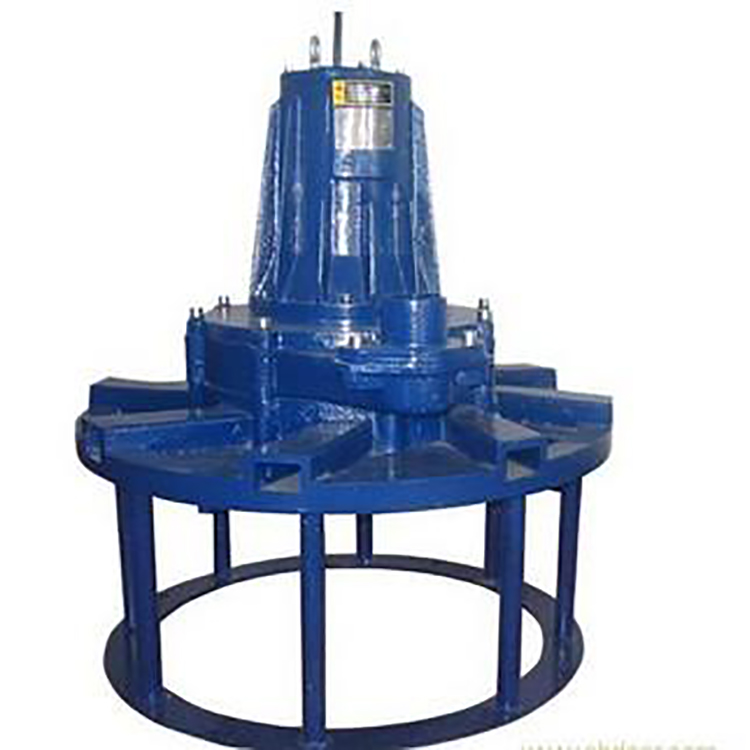
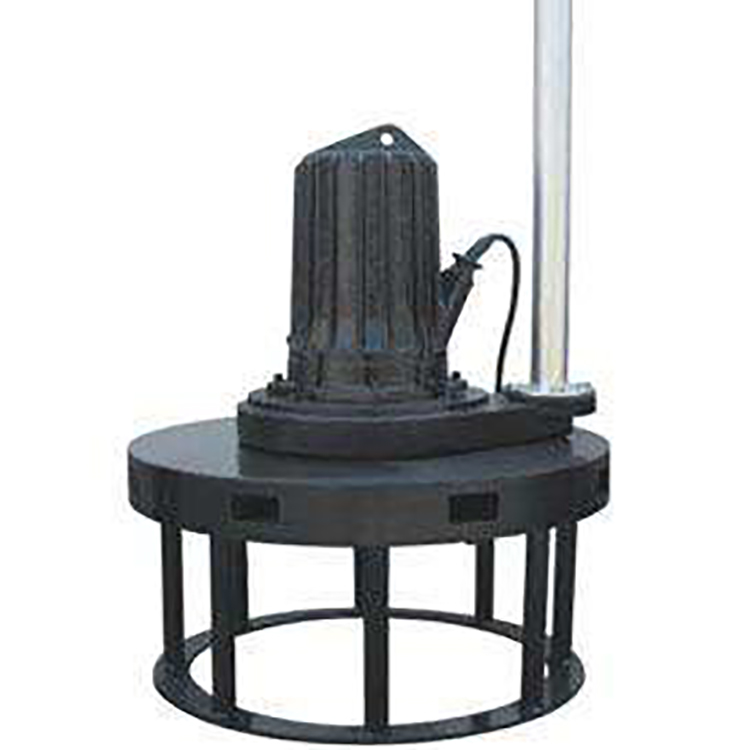
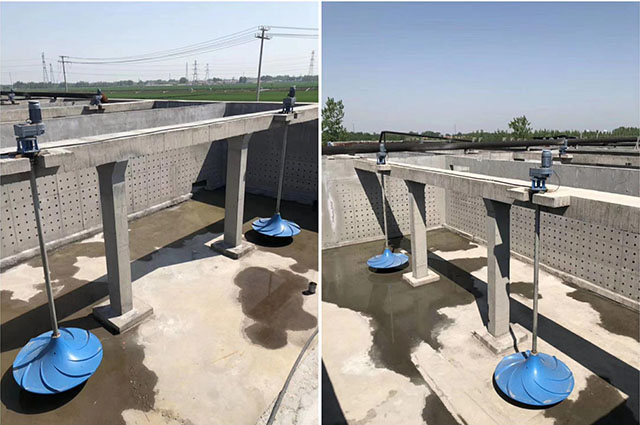
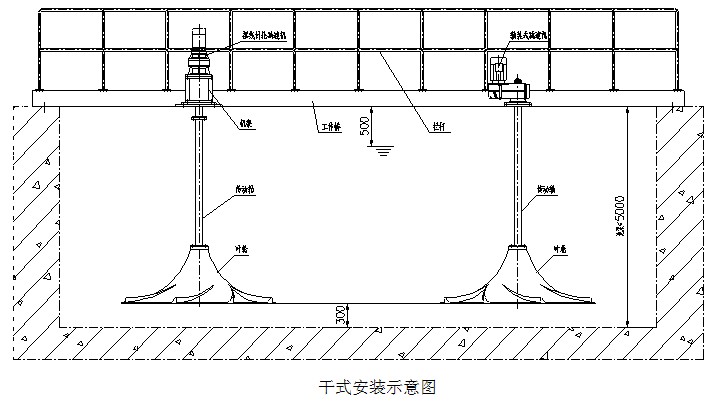
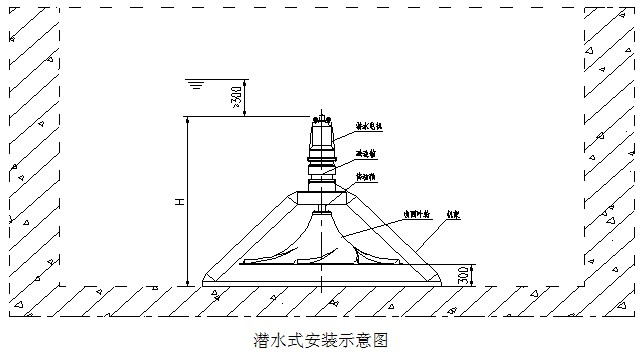
The G/QSJ series of curved blade mixers consist of a driving unit, a double curved impeller, and installation accessories. To meet the diverse operational conditions of users, the installation is available in two types: dry (also known as vertical shaft) and submersible. Dry installation involves fixing the driving unit to a work bridge and transmitting kinetic energy to the impeller components in the medium via a drive shaft. This type is suitable for high solid content, high water temperature, and abrasive liquids. Thanks to the automatic alignment feature of the impeller, the operation is relatively smooth with the reducer noise less than 60 decibels. Submersible installation eliminates the need for bridge structures, using submersible power and positioning with the equipment's own weight, making it flexible and convenient. It is ideal for deep water bodies with stable water quality, no abrasiveness, water temperature not exceeding 40°C, and pH value between 6 and 9. Its features include noiselessness and no visual obstructions.
Job Characteristics:
The G/QSJ series of curved blade mixers, as a mixing equipment, is suitable for blending and mixing various low-viscosity liquids, as well as for solid-liquid and gas-liquid mixtures; it is not only applicable to circular and square pools but is also commonly used for unit arrangement in rectangular water pools.
In our country's existing wastewater treatment processes, the paddle mixer primarily overcomes the issue of dead spots commonly found in traditional propeller mixers and the poor water-aeration mixing effect in aeration processes, leveraging its advantage of even mixing. Its main features are as follows:
(1) Suitable for mixing liquids, solids, and gases; it can replace existing mixing equipment, achieving three-dimensional spiral mixing for more even and efficient blending.
(2) Larger specific surface area impeller, lower power requirement, higher recirculating water flow, and lower energy consumption; saves up to 30%-50% energy compared to traditional mixing methods.
(3) The complete machine has a compact structure, reliable operation, and easy installation and maintenance.
(4) The impeller is made of reinforced fiber or steel materials, capable of accommodating various operating conditions and boasting a long service life.
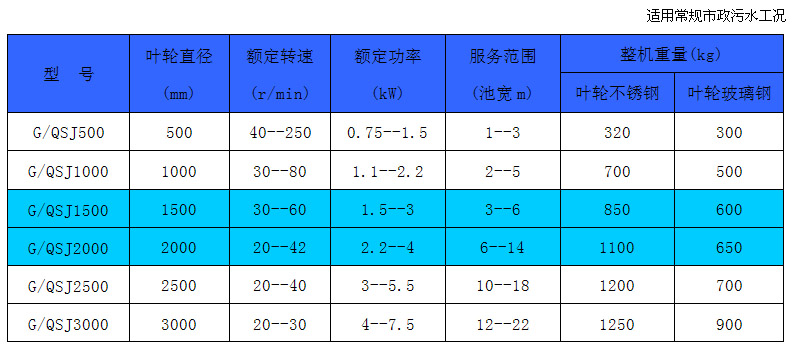
Performance Parameters:
Selection and Application:
The G/QSJ series curved impeller mixers have identical selection options; the only difference is the installation method. Like the selection for other types of mixers, the selection of curved impeller mixers is related to parameters such as the type of pool, volume, liquid depth, medium concentration, temperature, and pH level.
The selection of a curved mixer primarily depends on the effective service area of each unit, and in accordance with the principle that the ratio of pool length to width does not exceed twice, rectangular pools can be divided into several equal working units, thereby determining the number of mixers required.
For depths exceeding 5 meters or concentrations beyond the specified limit, consider increasing the power or the working speed of the agitator during selection to ensure effective mixing in large-volume and high-concentration mediums.
Under normal operating conditions, it is recommended to prioritize dry installation. For noise or visual requirements, submersible installation is suggested. Our company can assist customers in selecting the appropriate model for special environments.
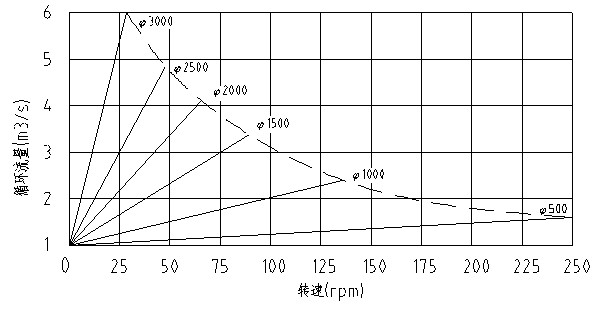
RPM and flow rate curve:
Installation:
The installation of the curved mixer is divided into dry installation and wet installation, both of which are very simple regardless of the form.
The wet installation mixer can be directly lifted into position using a crane or hoist, relying on its own weight for positioning, and the cables are secured. See the wet installation illustration.
The dry-mounted mixer first secures the reducer frame to the work bridge, followed by the installation of the drive shaft, impeller components, and the cable fixation, as shown in the dry installation diagram.
Cautionary Notes:
1. Prior to installation, a qualified electrician must inspect the motor and electrical equipment, and confirm the direction of rotation. The working distance of the impeller from the bottom of the pool should be ≤300mm, and the pool bottom should be flat, sturdy, with no construction debris inside.
2. When restarting a device that has been idle for an extended period, prevent sediment buildup that could lead to impeller blockage and motor damage.
3. Consider the impeller's inlet and outlet dimensions within a closed pond.
4. Regardless of the installation method, ensure the underwater cable is securely fastened to prevent wear.
5. Please read the product installation and usage manual carefully before use.