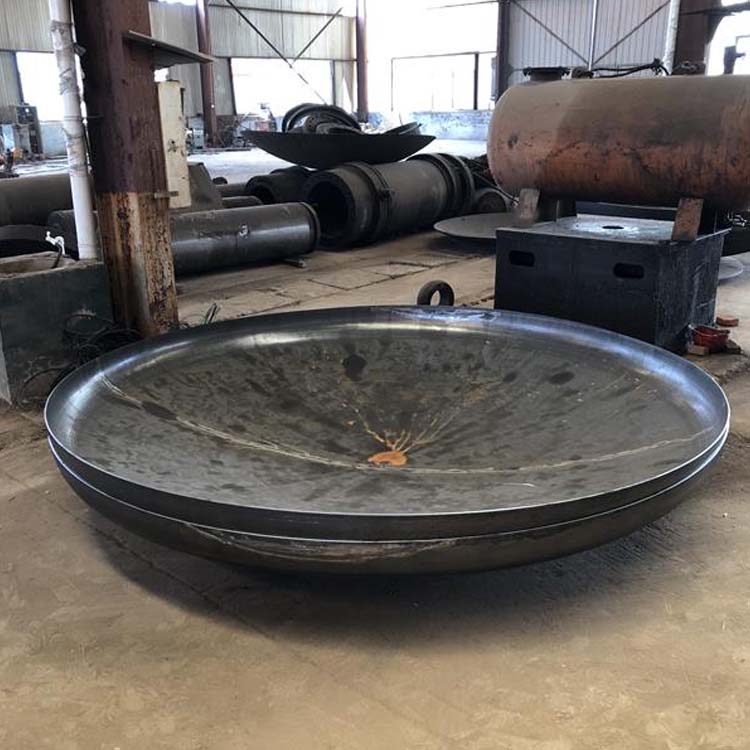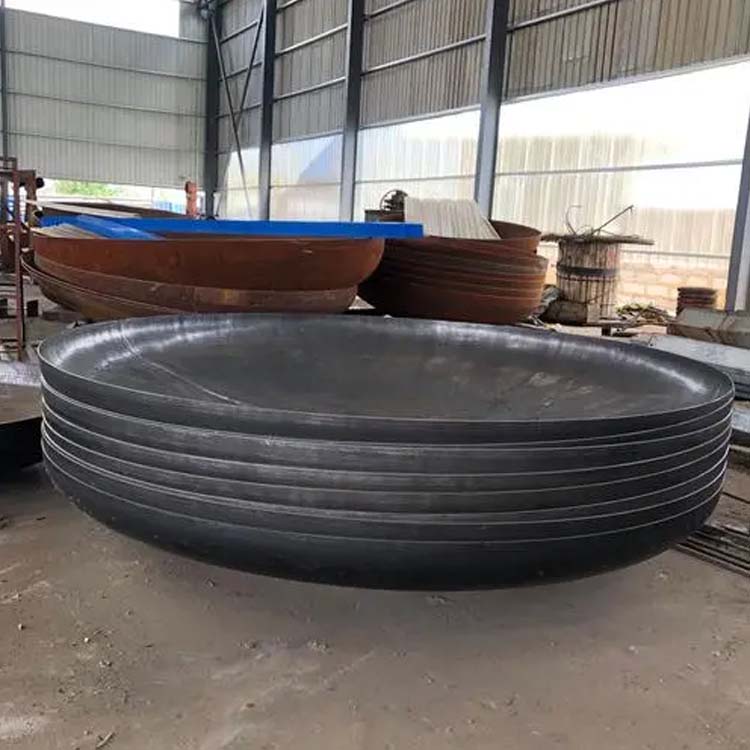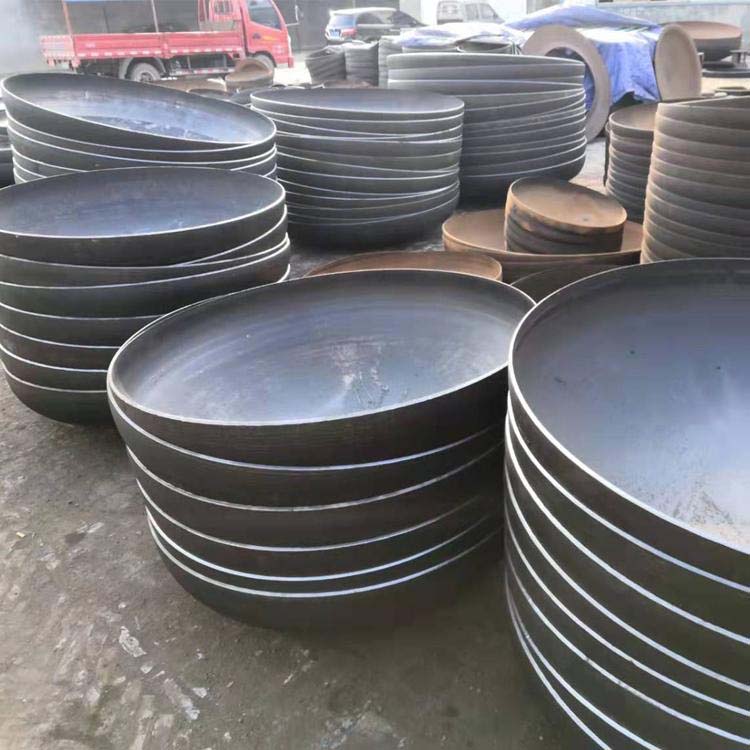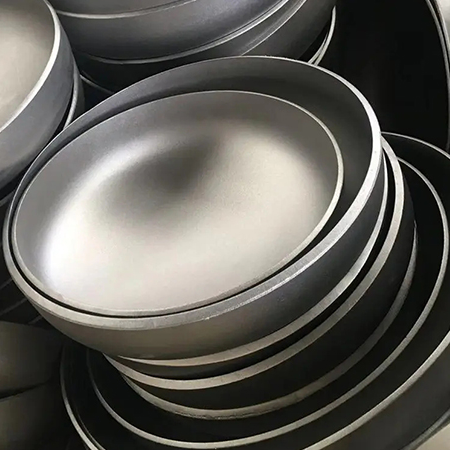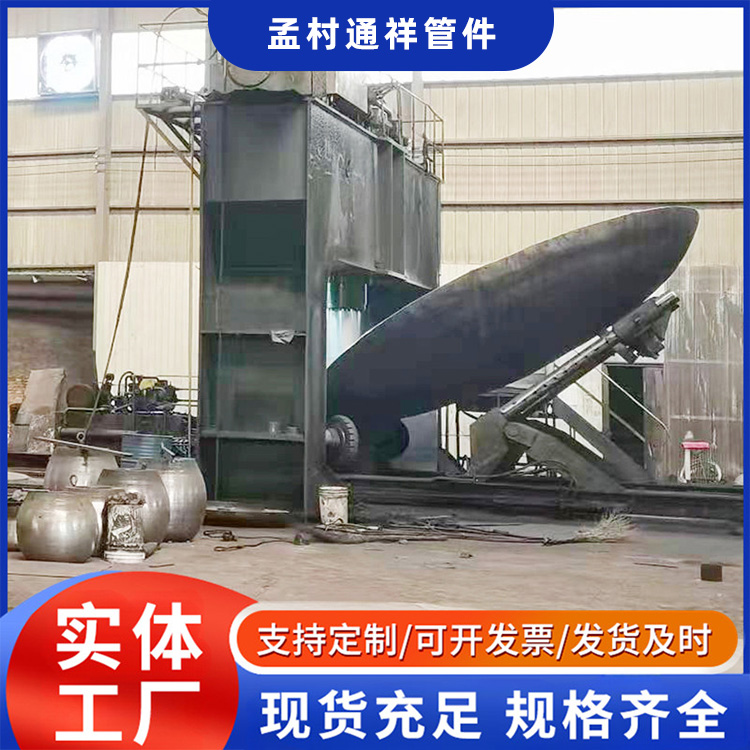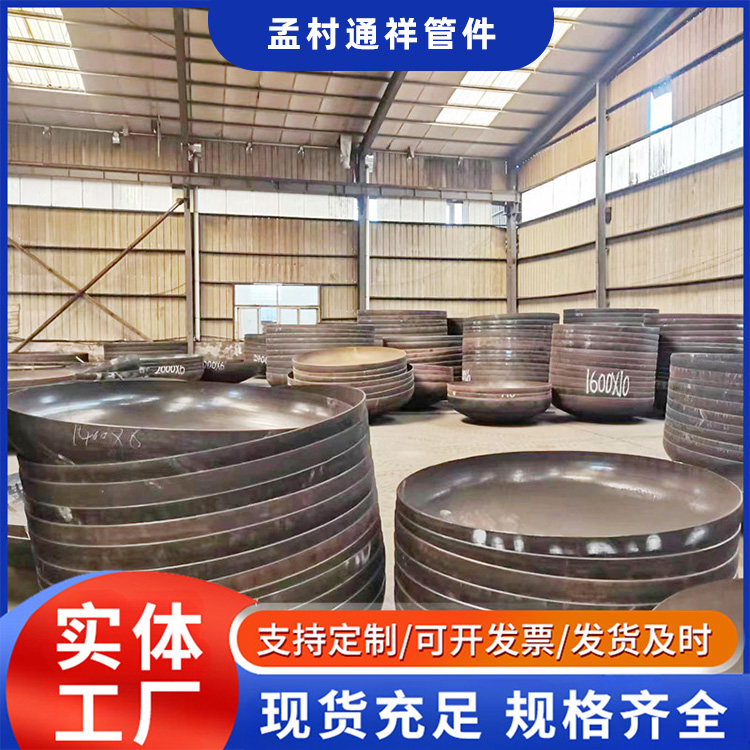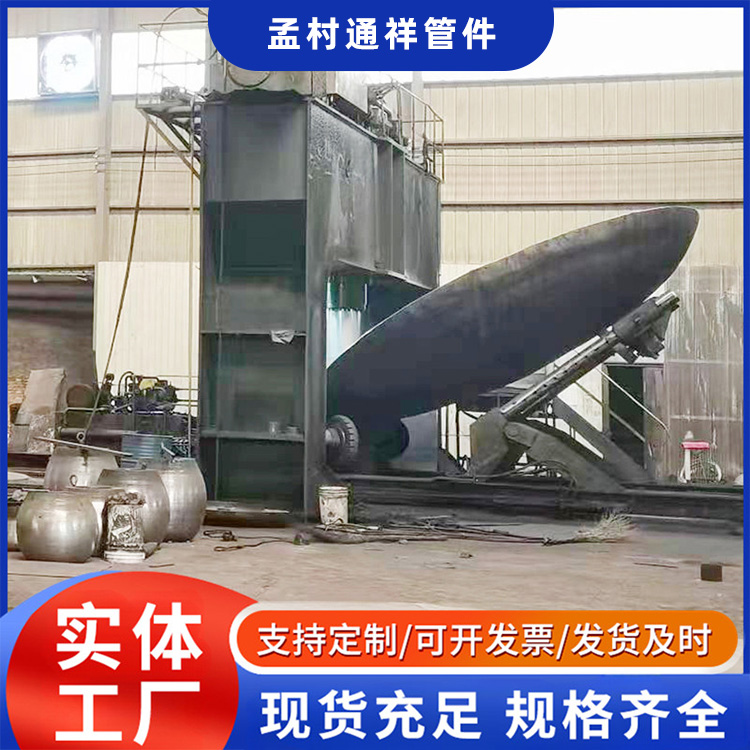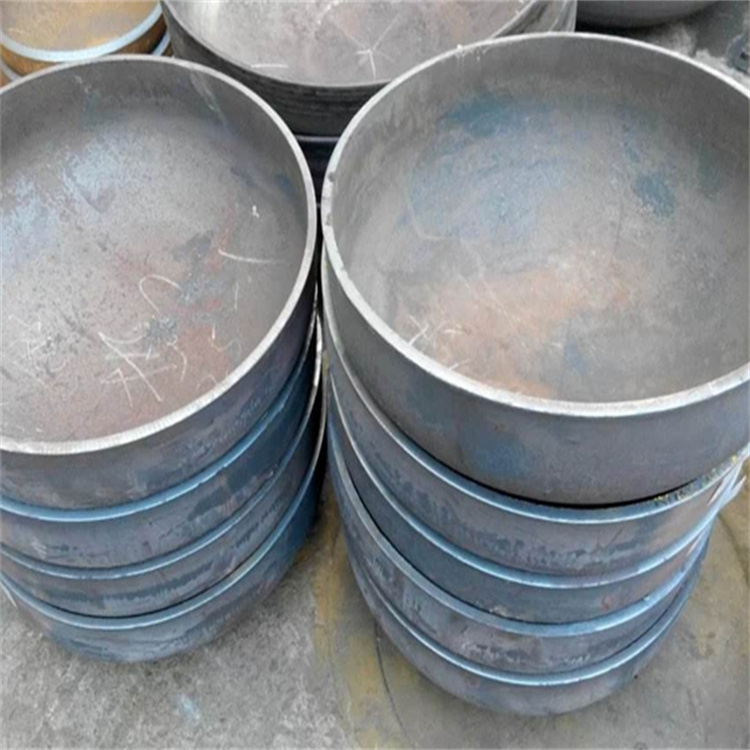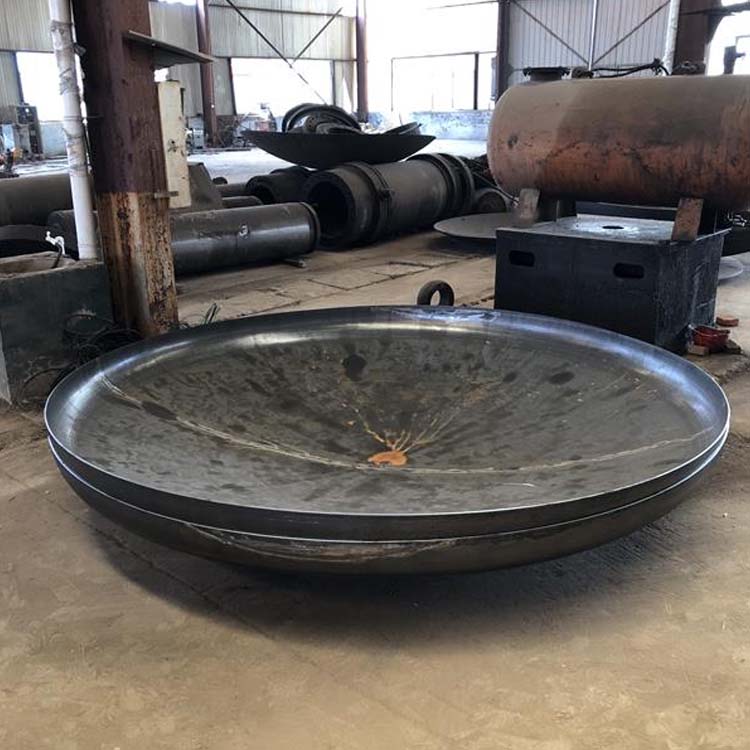

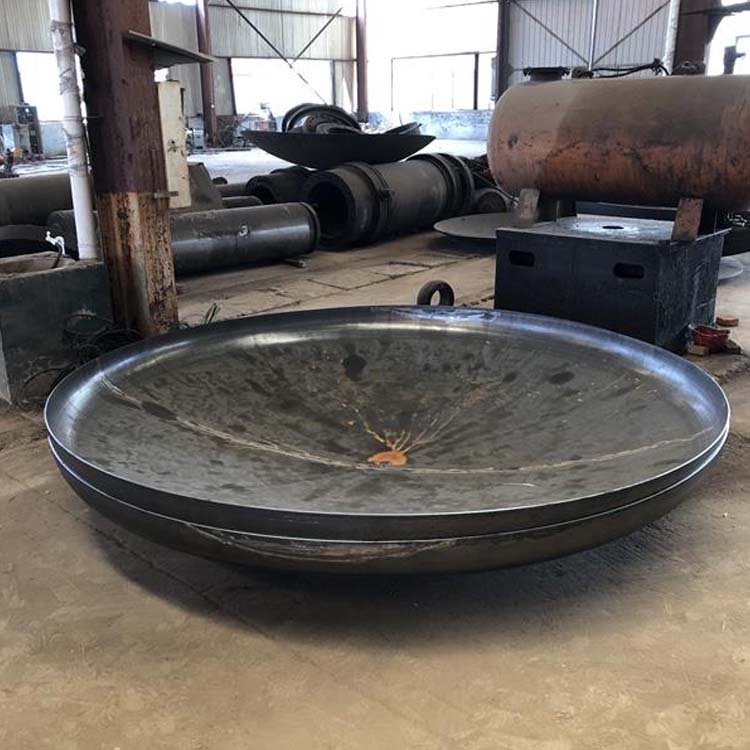
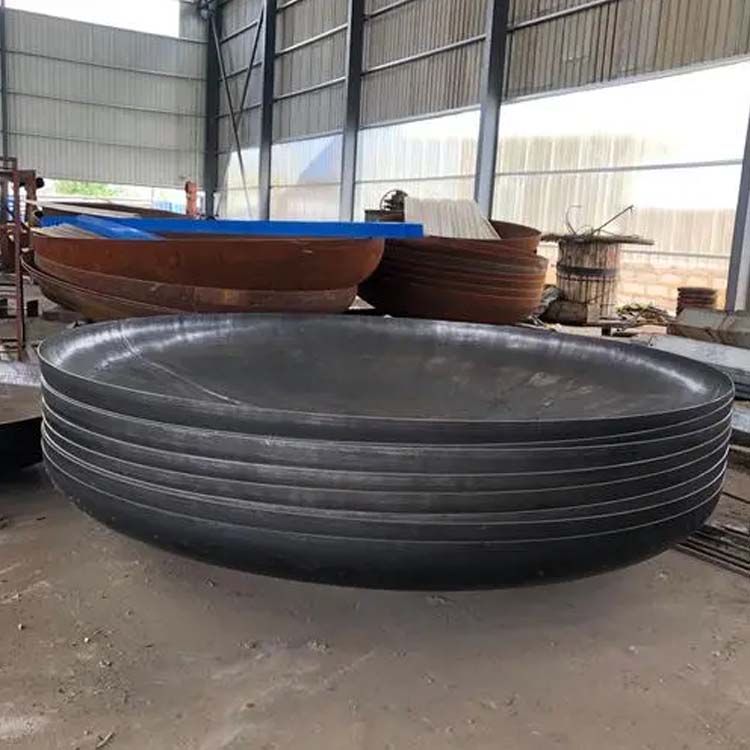
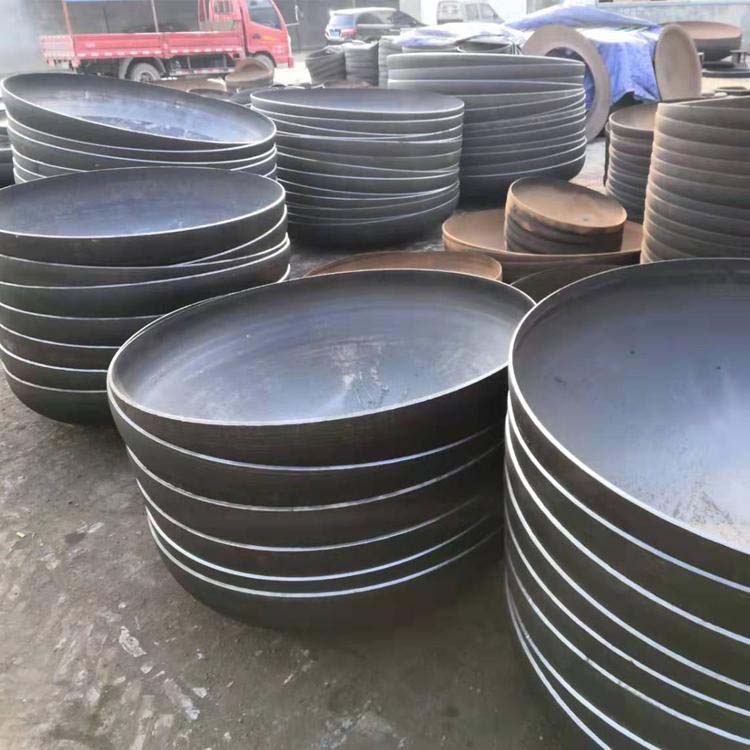


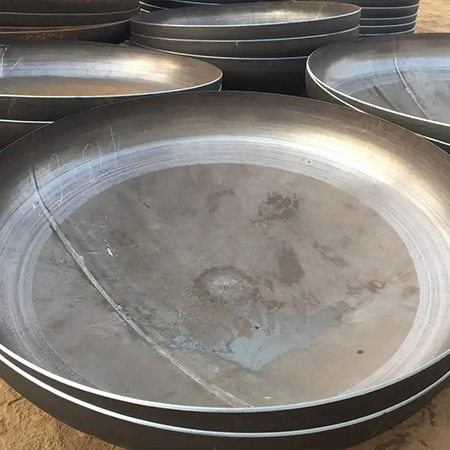
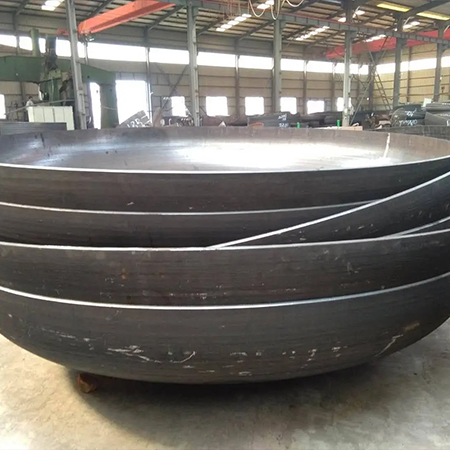
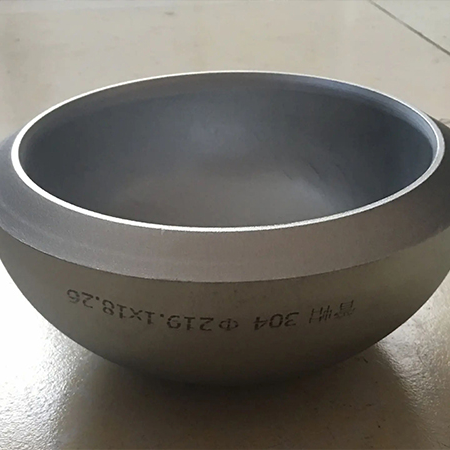
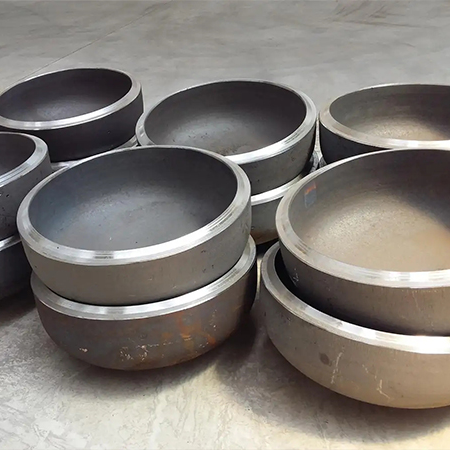
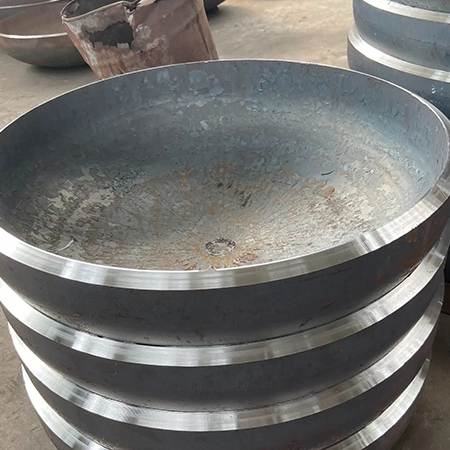





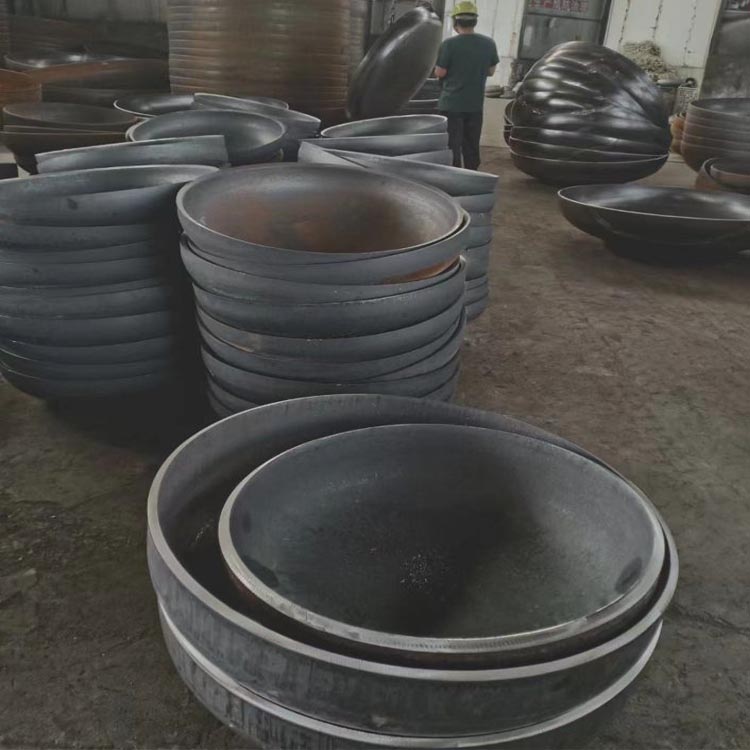
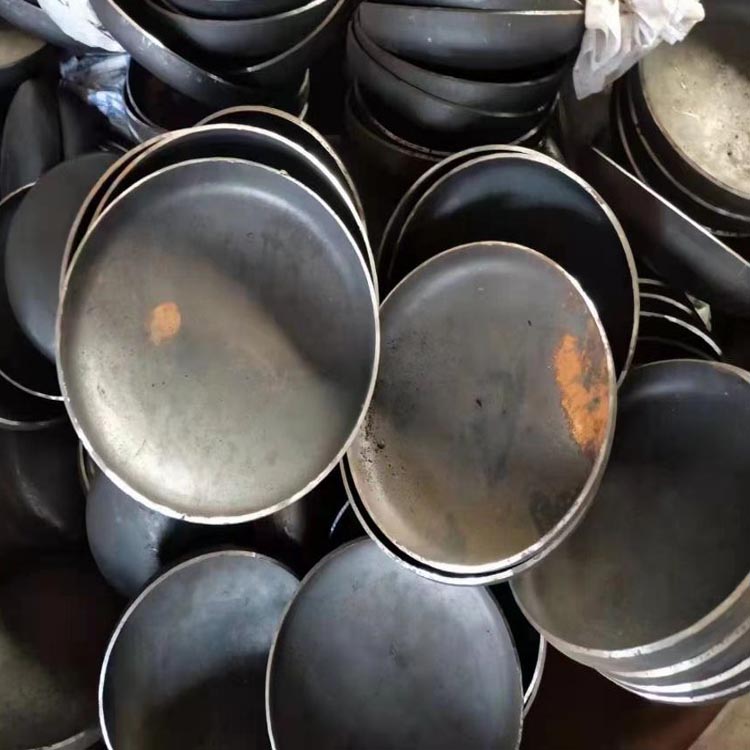
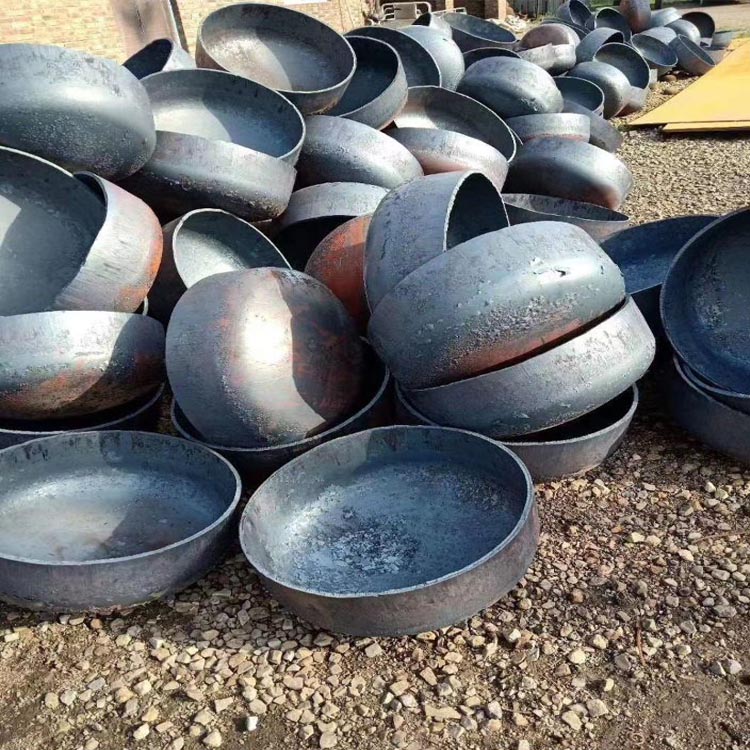


Dished heads, also known as beveled spherical heads, are composed of a spherical surface, a straight cylindrical section of a certain height, and a transition section connecting these two parts, where the radius of curvature is significantly smaller than the spherical radius. Dished heads form a continuous curved surface, and at the junction of the three parts, there is a sudden change in the radius of curvature of the meridians, resulting in bending stress due to the curvature change. The combined effect of bending and tensile stresses makes this part's stress stand out compared to others. Compared to elliptical heads, the stress distribution is not as even, but they are easier to process, making them less ideal for engineering applications. However, when it is difficult to process the molds for elliptical heads, dished heads are used as a substitute.