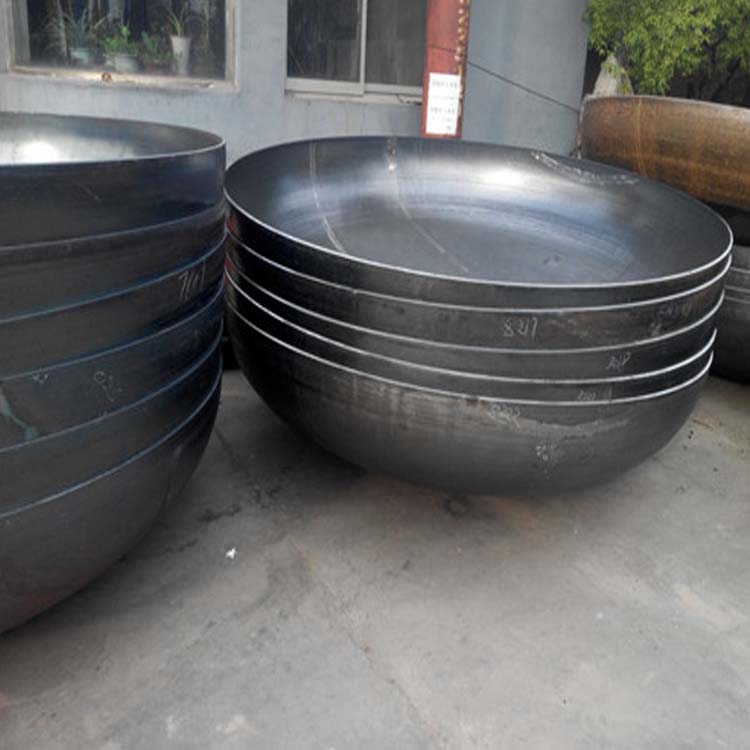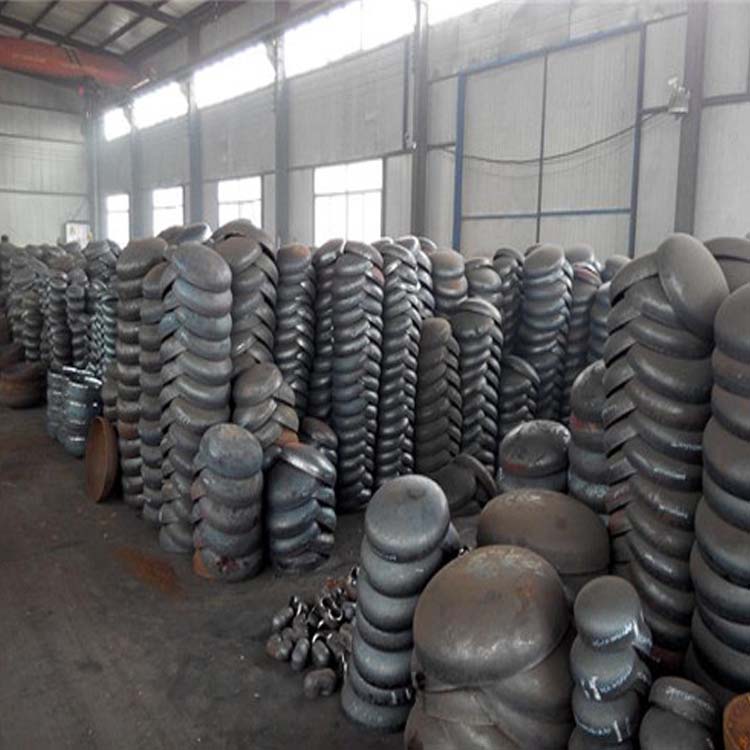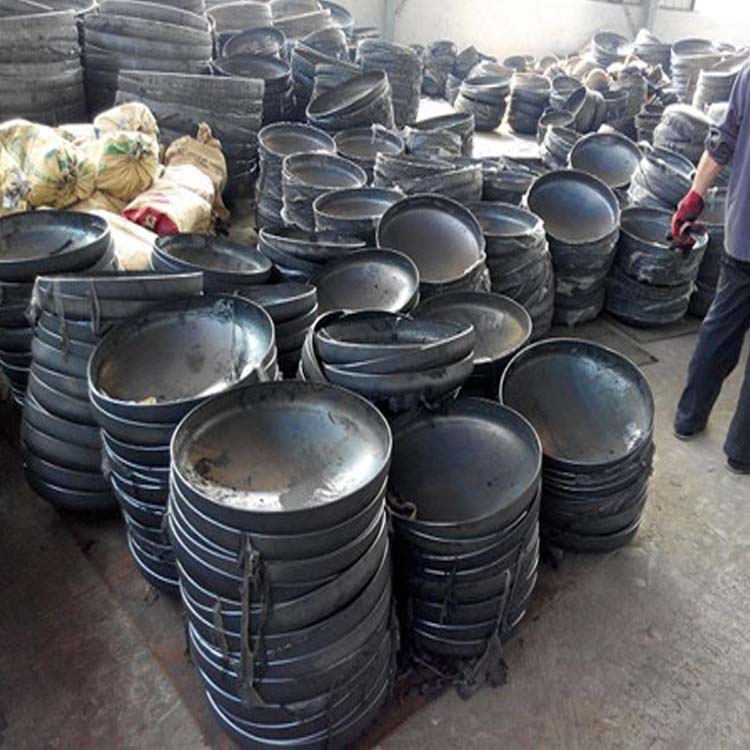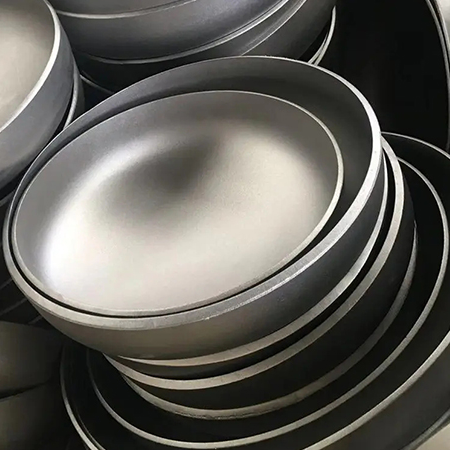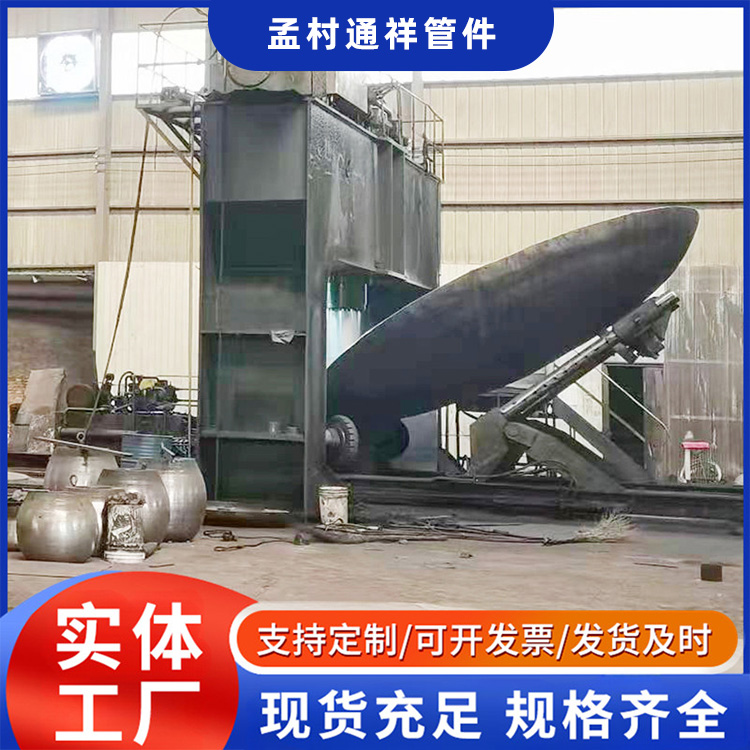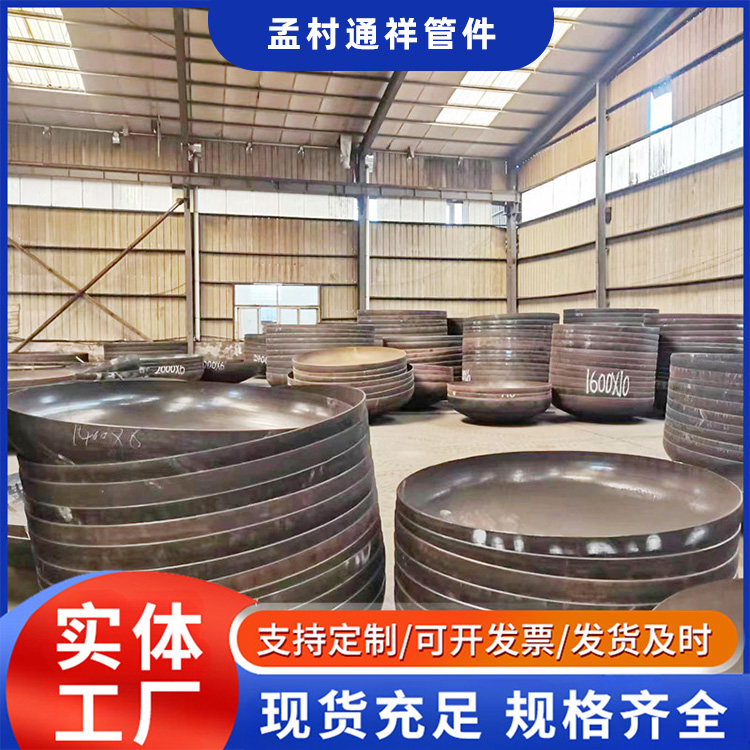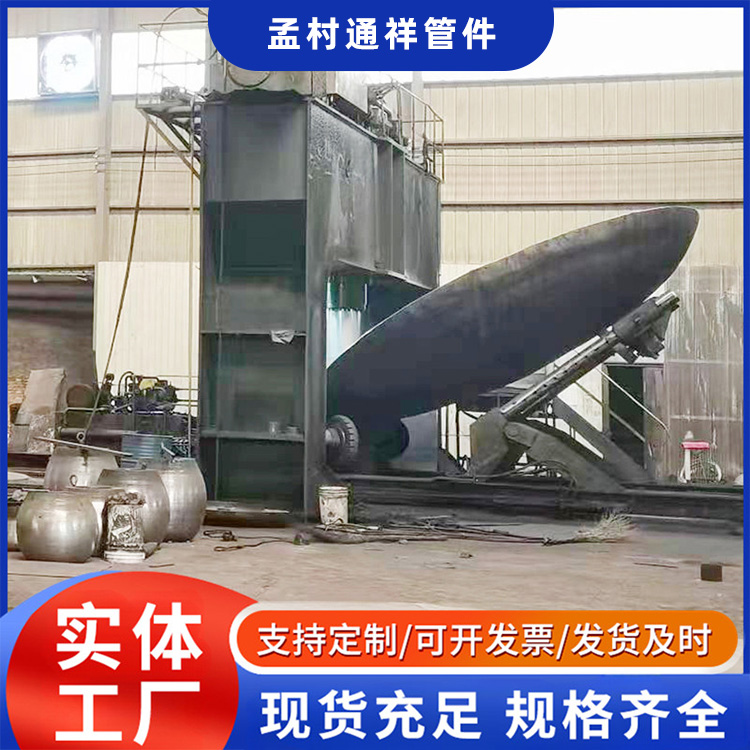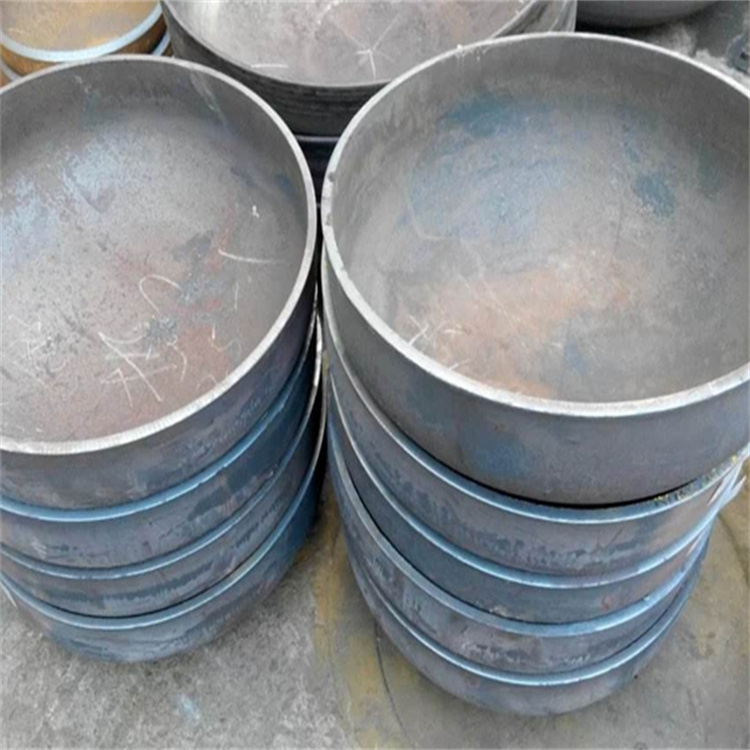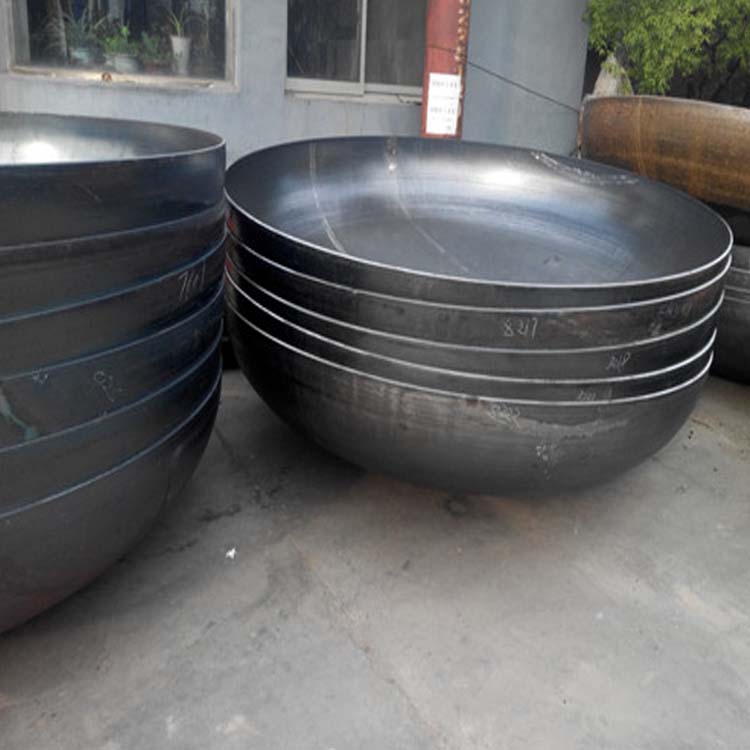
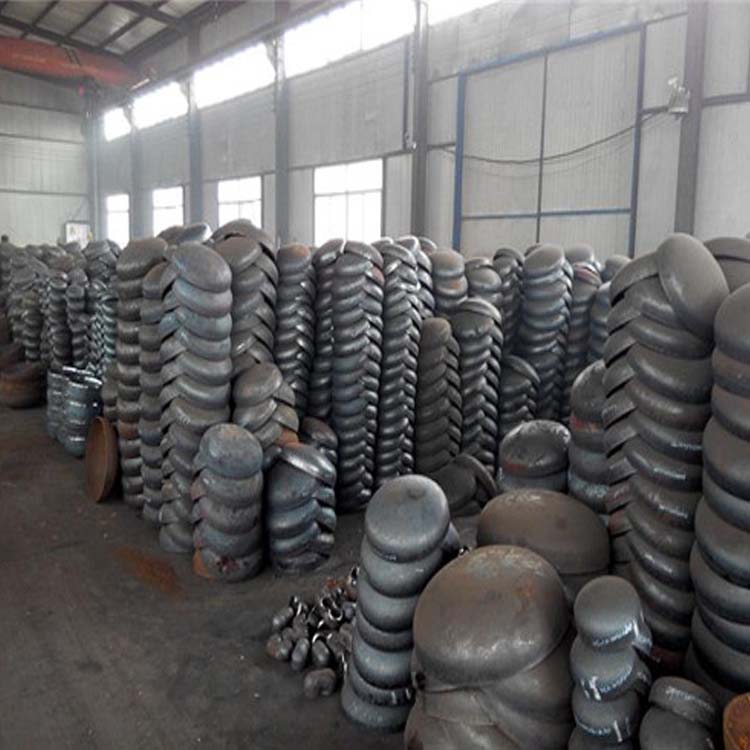
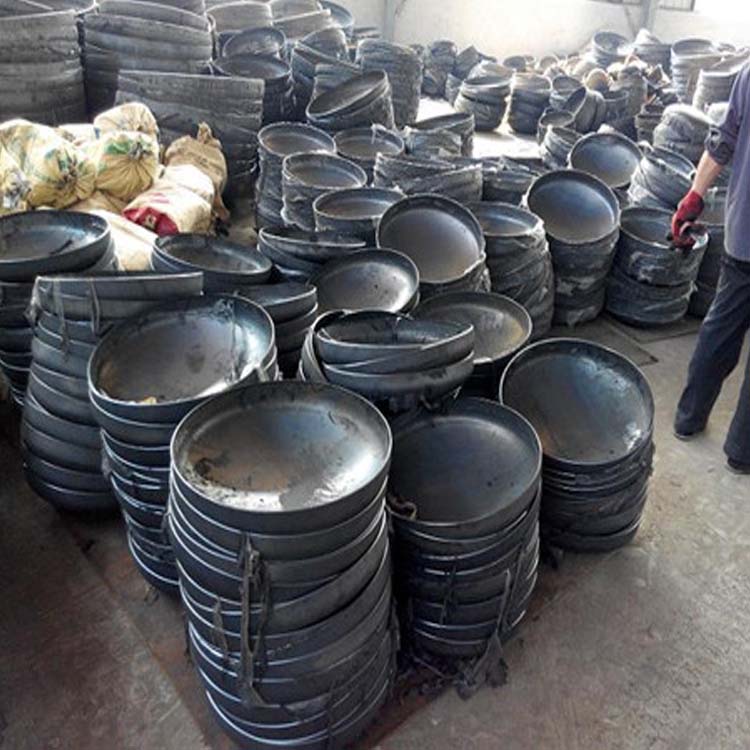


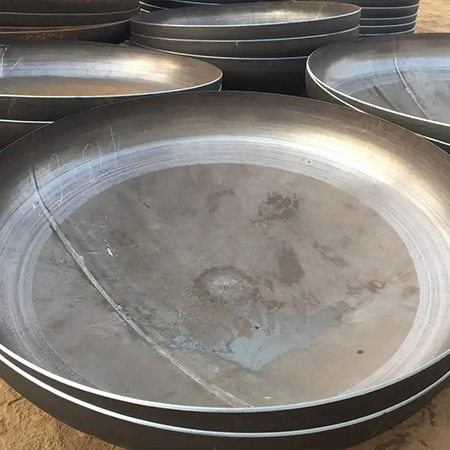
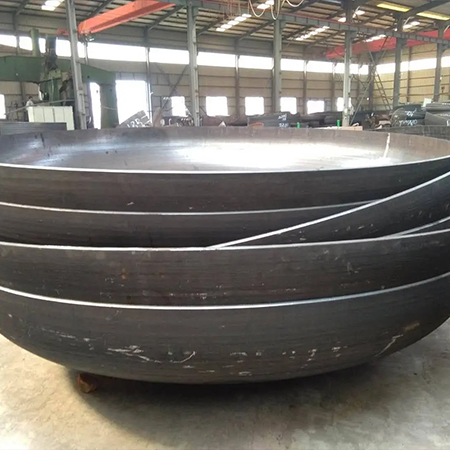
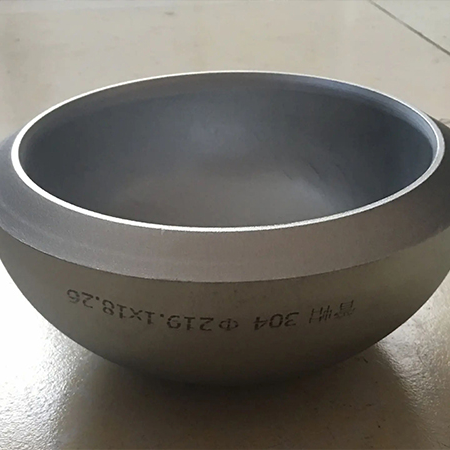
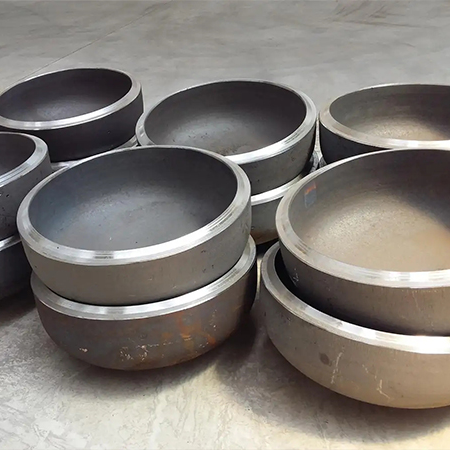
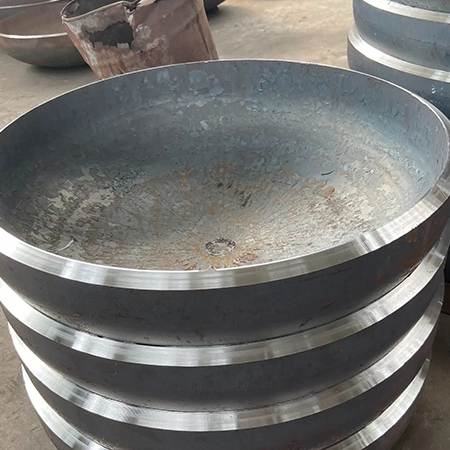





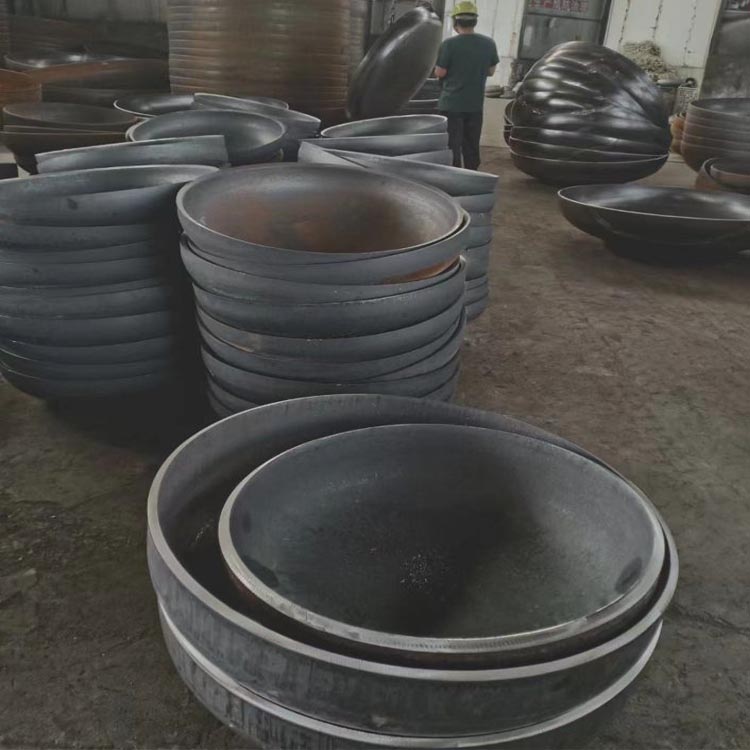
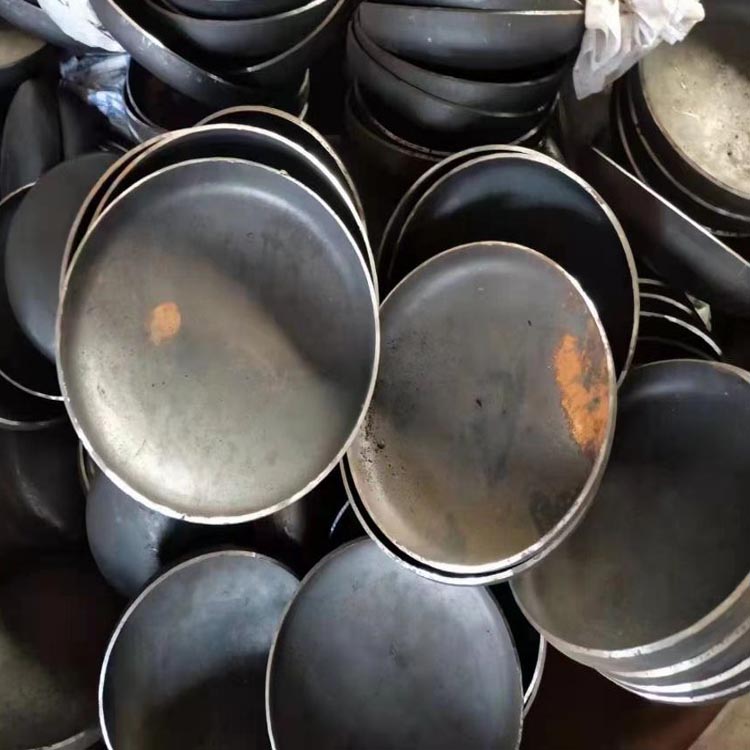
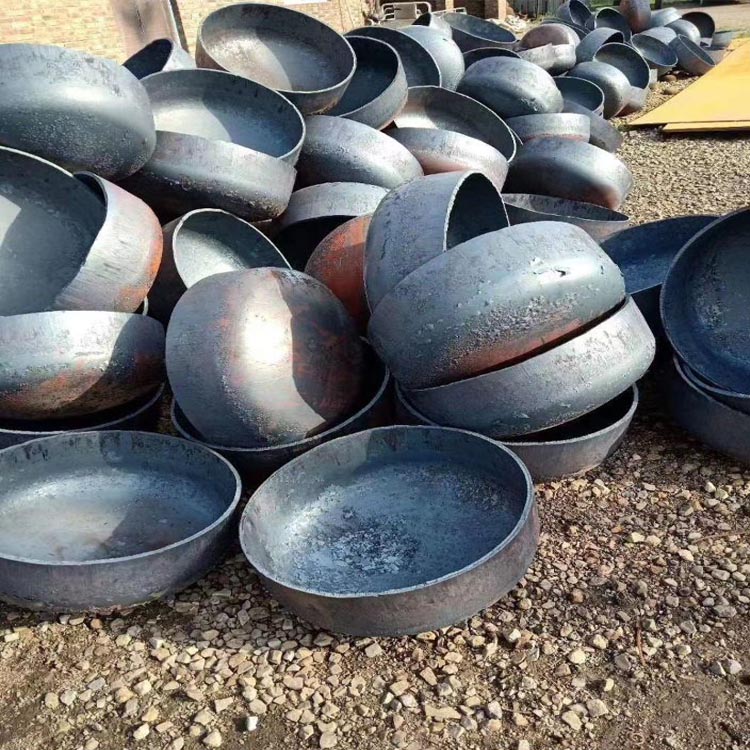


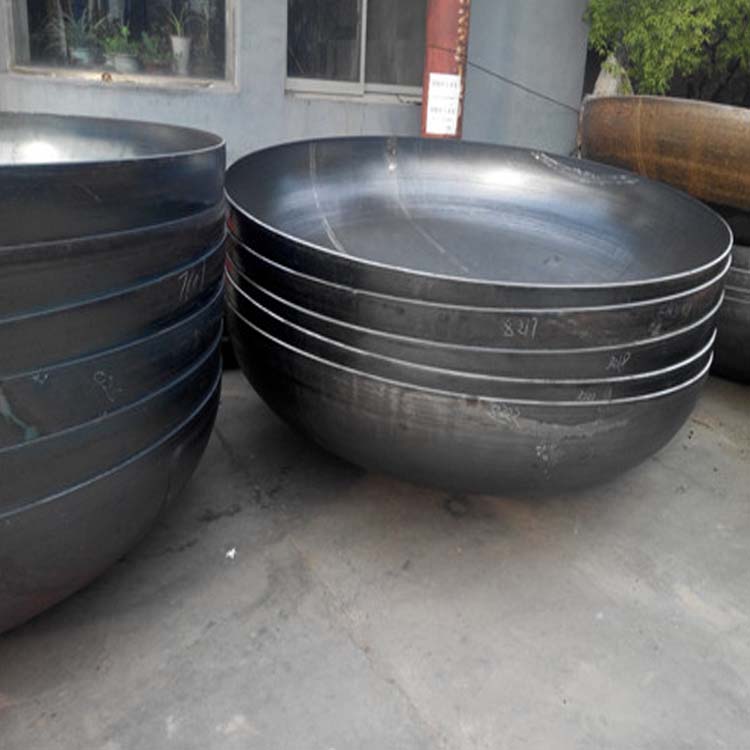
National standard heads or caps are divided into convex heads, conical heads (used only for certain special-purpose containers), and flat heads (used as manhole and handhole covers in pressure vessels).
In pressure vessels, spherical end caps have better stress distribution compared to other types of end caps. They require less thickness for the same diameter and pressure, saving material, and are therefore commonly used in vessels with higher pressure. At the same time, in all forms of end cap connections to the cylindrical body, the thickness of the spherical end cap is significantly different from that of the cylinder. The connection structure between them not only affects the manufacturing of the equipment but is also a crucial factor in the operation of the vessel.
National standard heads are a component of containers (as shown in the figure above) and can be classified into several types according to their geometric shapes, such as spherical, elliptical, dish-shaped, hemispherical, conical shell, and flat covers. Among them, spherical, elliptical, dish-shaped, and hemispherical heads are collectively referred to as convex heads. In terms of welding, they are divided into fusion-welded heads and socket-welded heads. They are used in various types of equipment like storage tanks, heat exchangers, towers, reactors, boilers, and separating equipment. Materials include carbon steel (A3, 20#, Q235), stainless steel, alloy steel, aluminum, titanium, copper, nickel, and nickel alloys.