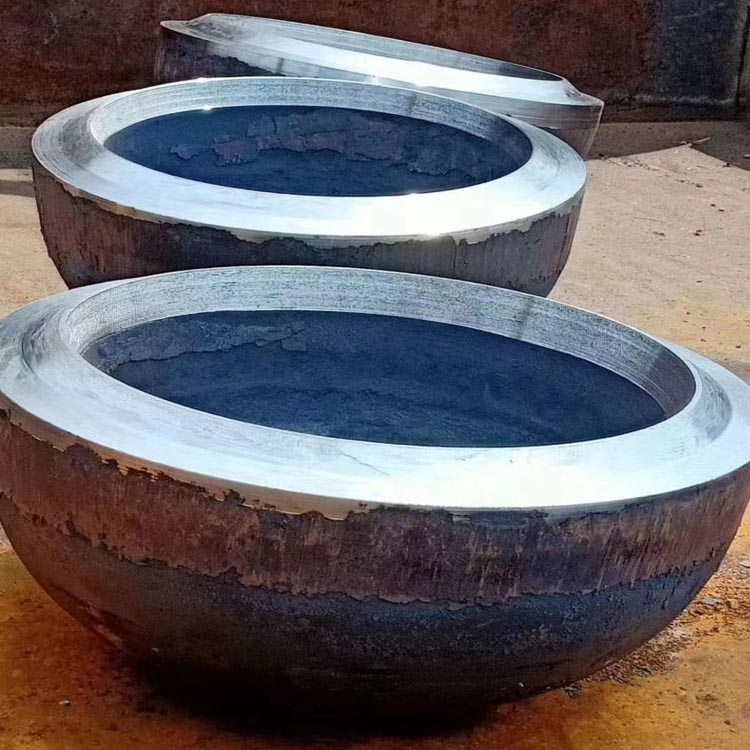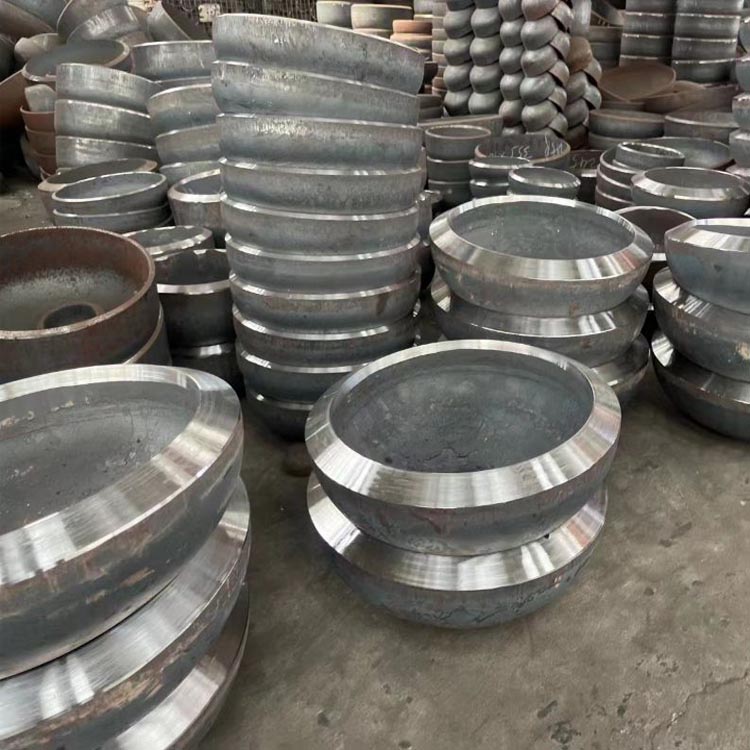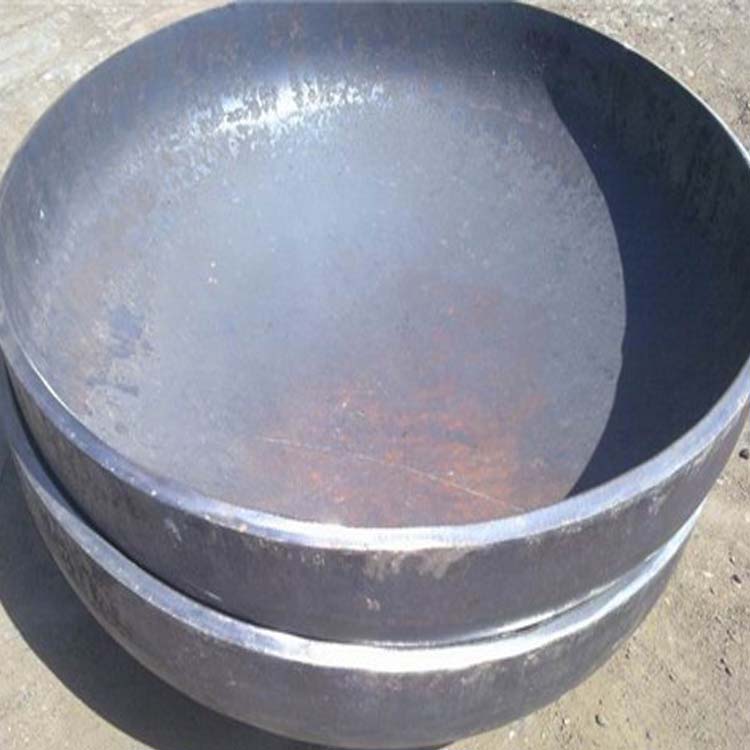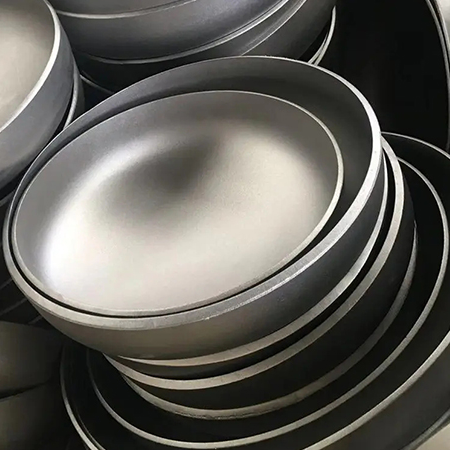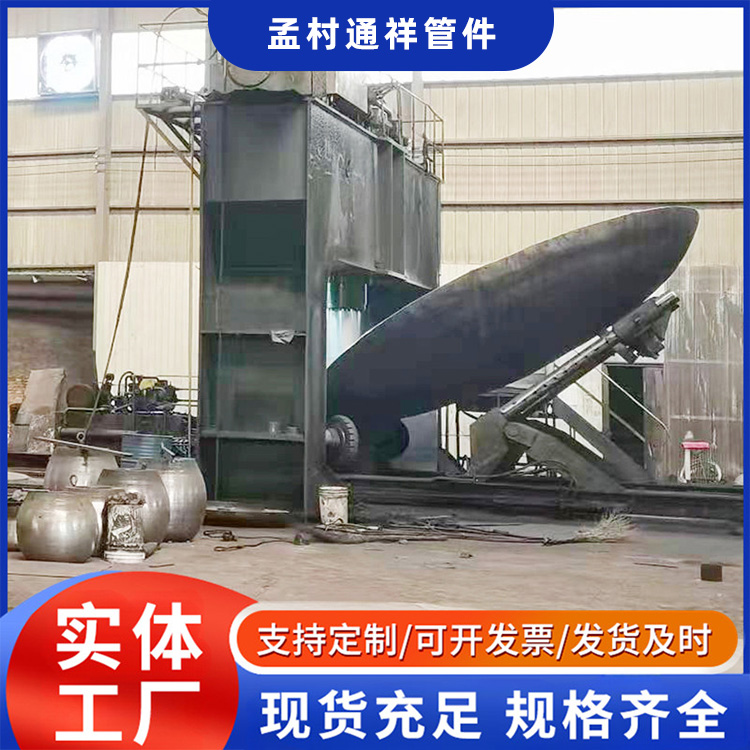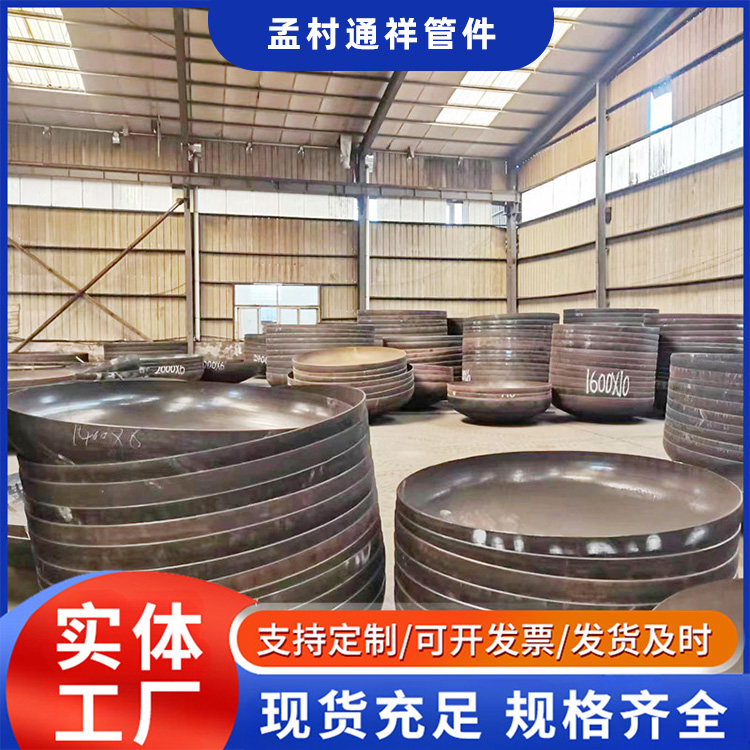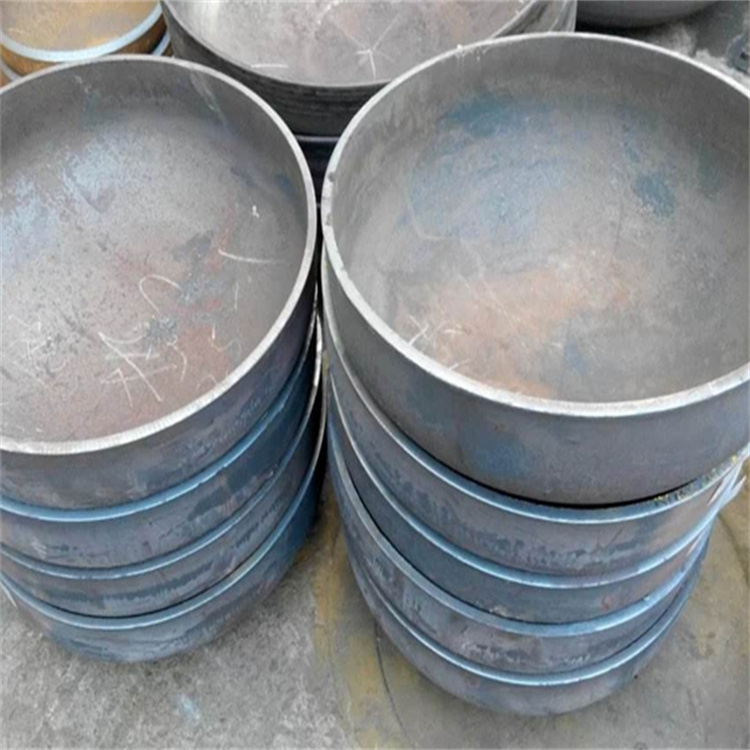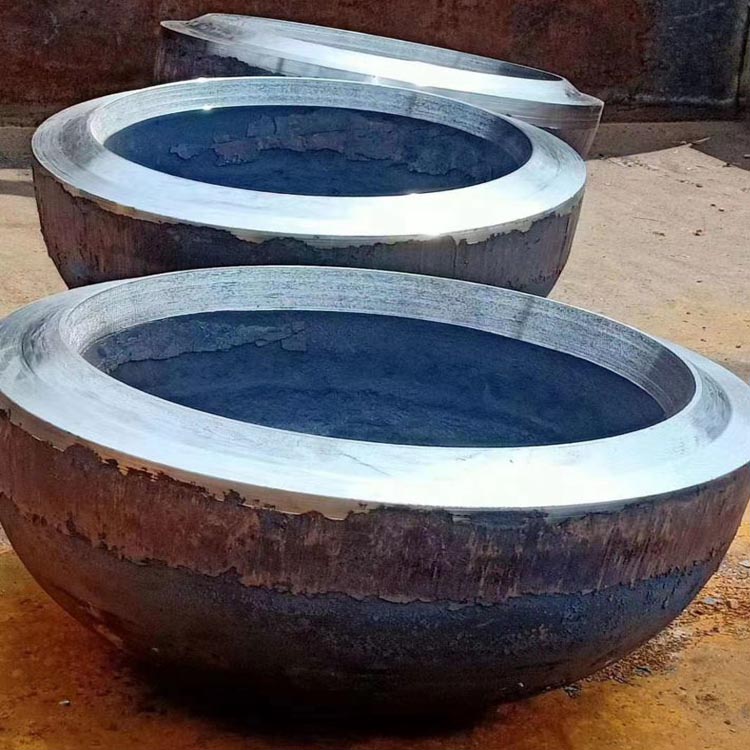


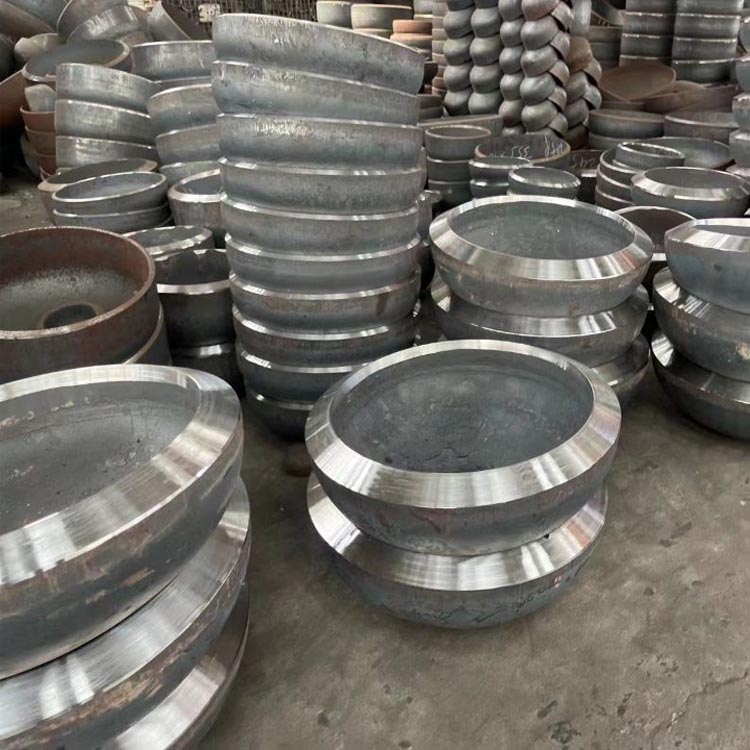
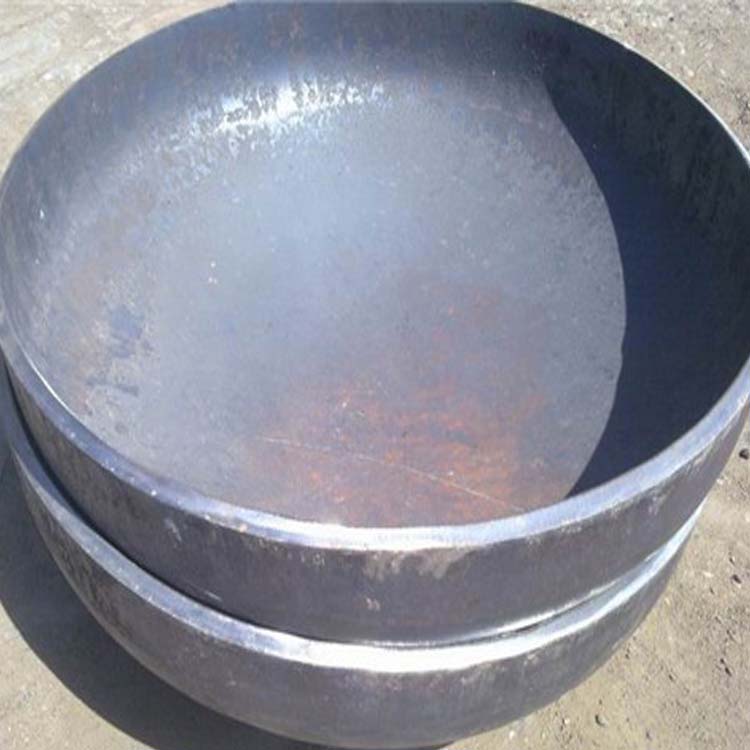


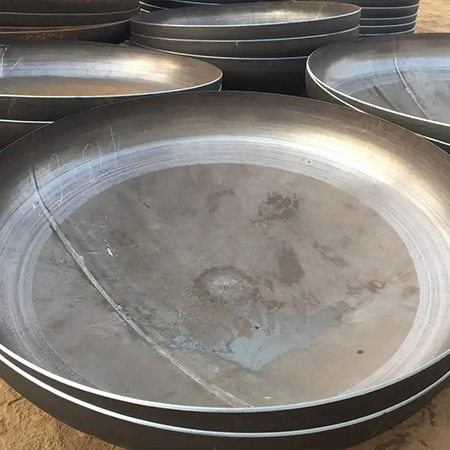
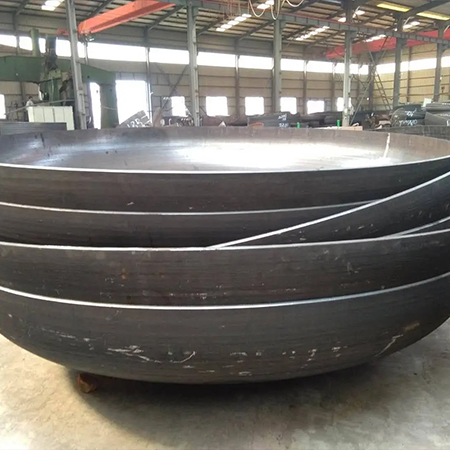
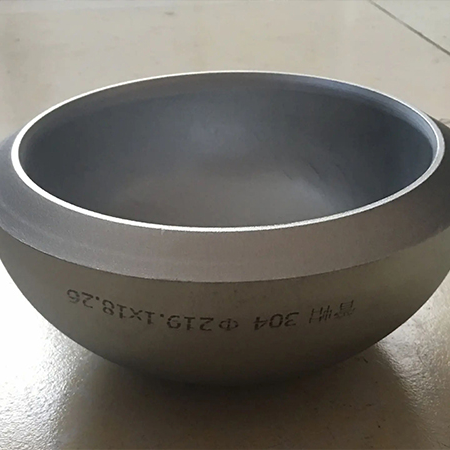
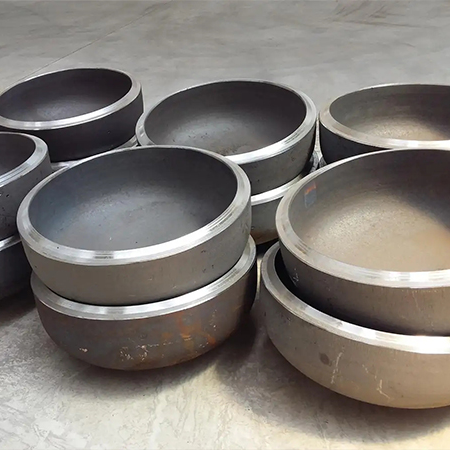
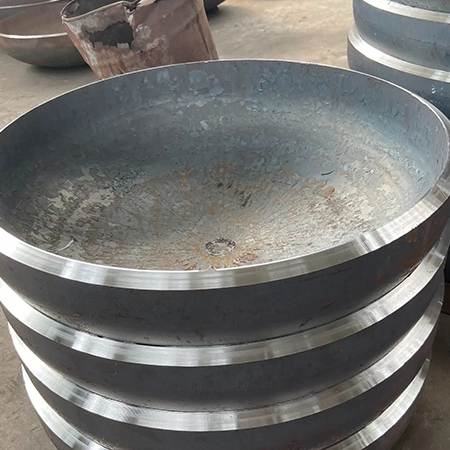





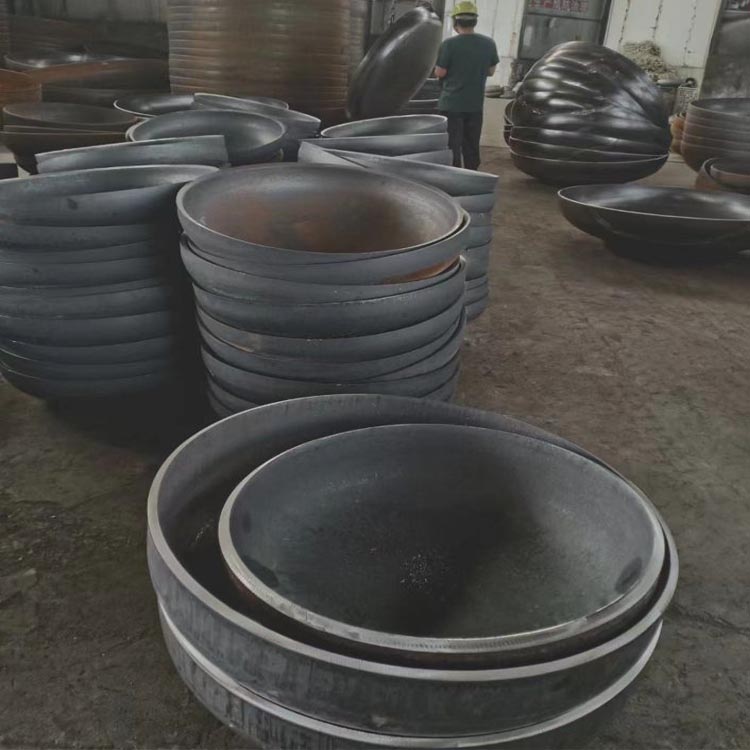
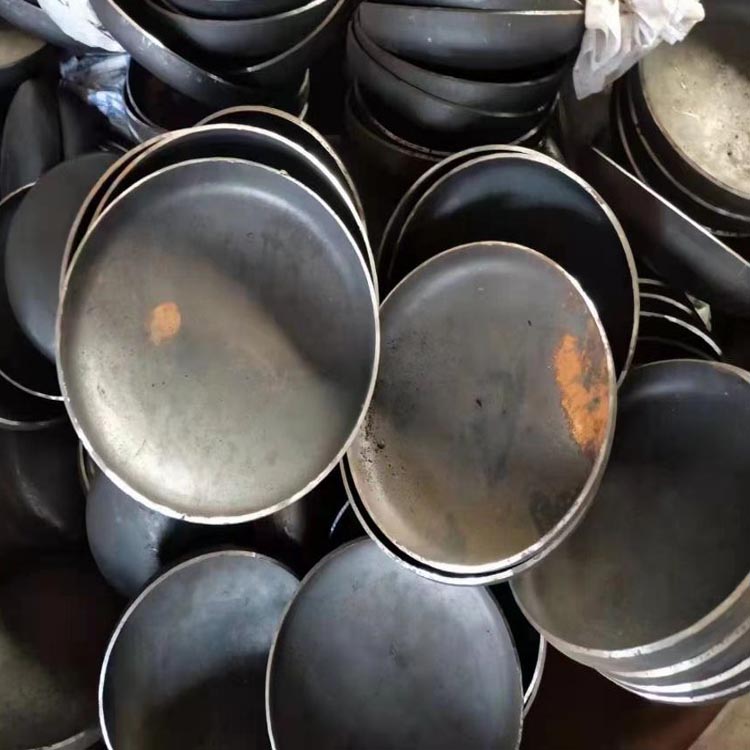
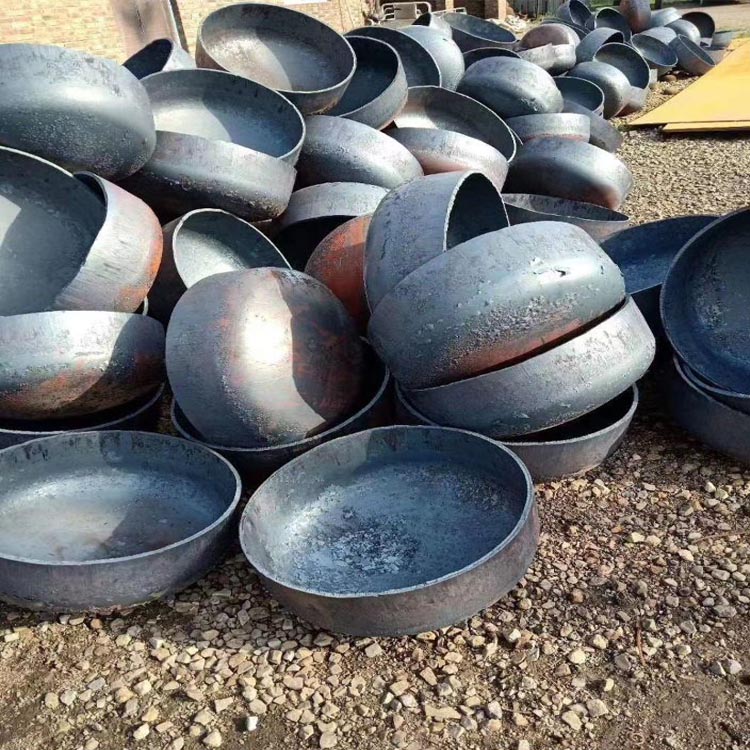


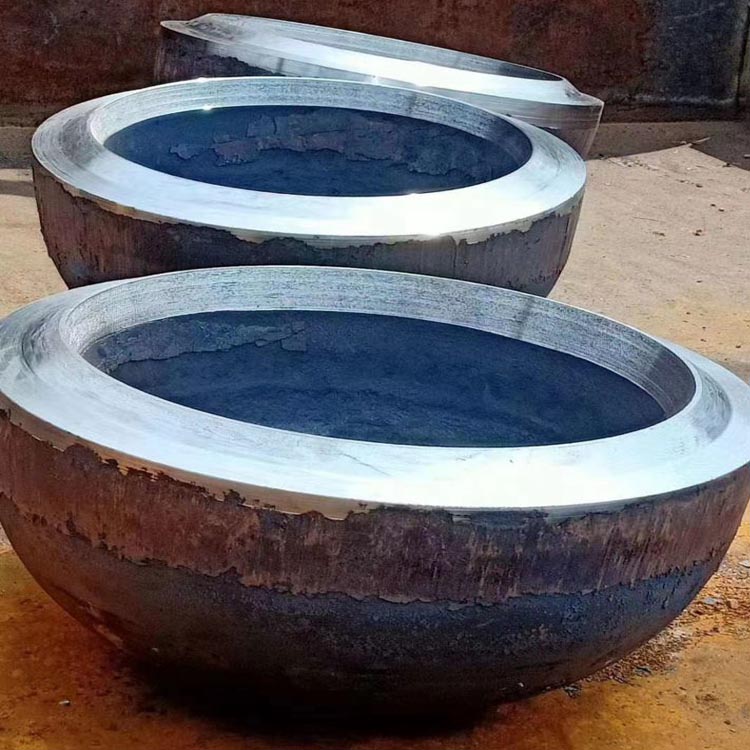
A thick-walled flange is a product used to seal stainless steel pipelines. It is a type of product that is used to close off the end of a pipeline or to create a container by welding two flanges onto the ends of a circular pipe. Similar products include blind plates, pipe caps, and plugs, etc.
Elliptical heads are used for medium and low-pressure vessels due to their good comprehensive properties. The heads apply external force to the metal billet (excluding sheets) to induce plastic deformation, change dimensions, and shape, for the forming of mechanical parts, workpieces, tools, or blanks. When the temperature exceeds 300-400℃ (the blue brittleness region of steel) and reaches 700-800℃, the resistance to deformation will sharply decrease. Depending on forging performed at different temperature regions, and considering the varying quality and forging process requirements of the forgings, they can be categorized into three forming temperature zones: cold forging, warm forging, and hot forging. Originally, there were no strict boundaries for this temperature zone division. Generally, forging within the recrystallization temperature region is called hot forging, while forging without heating at room temperature is referred to as cold forging. During low-temperature forging, the size change of the forging is minimal. Stainless steel heads forged below 700℃ have less scale formation and no decarburization on the surface.