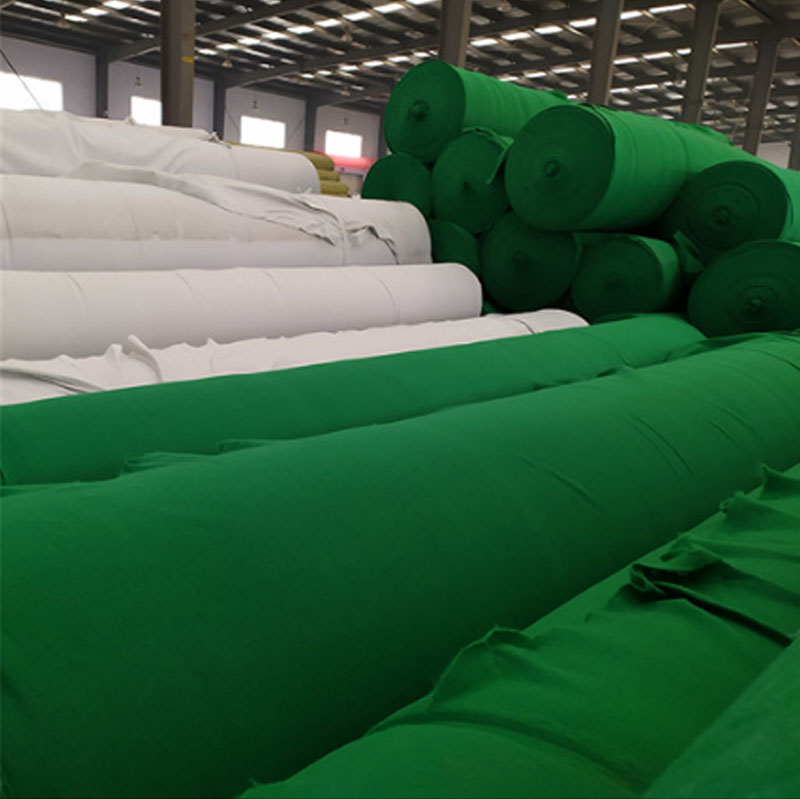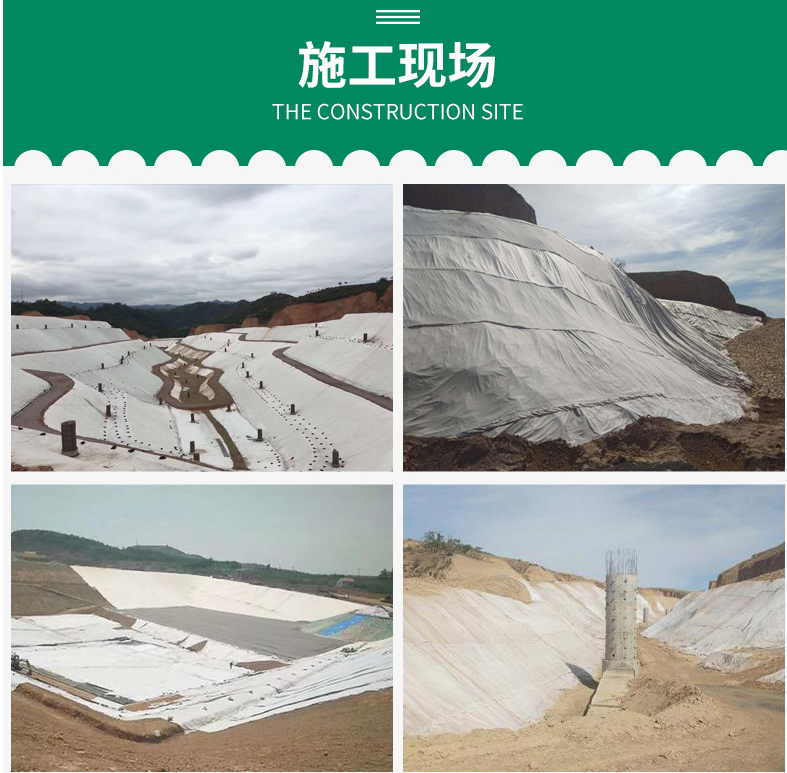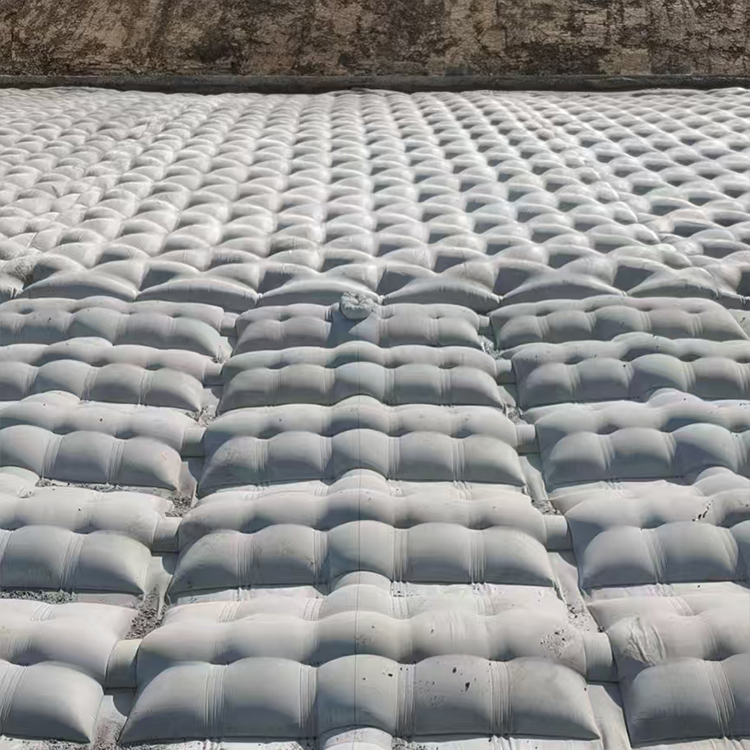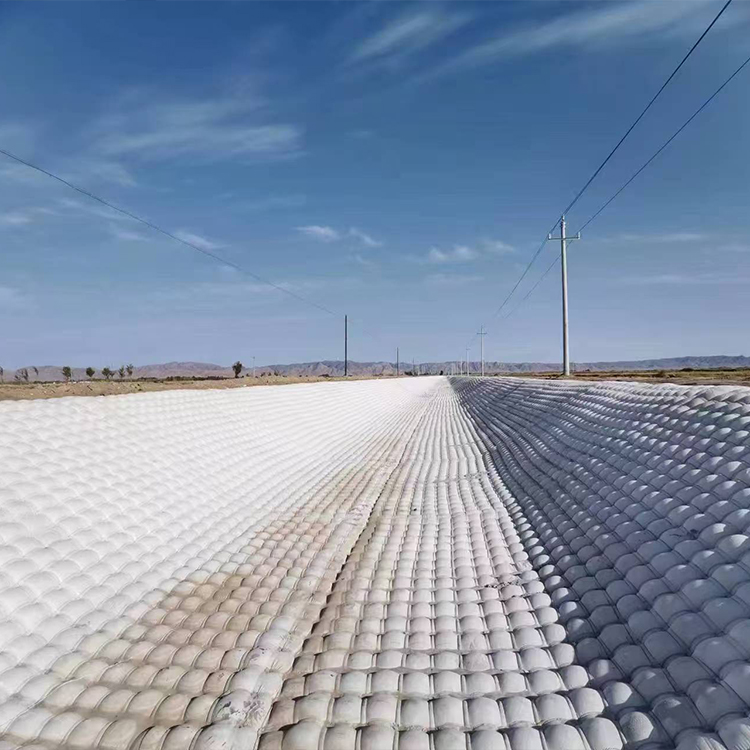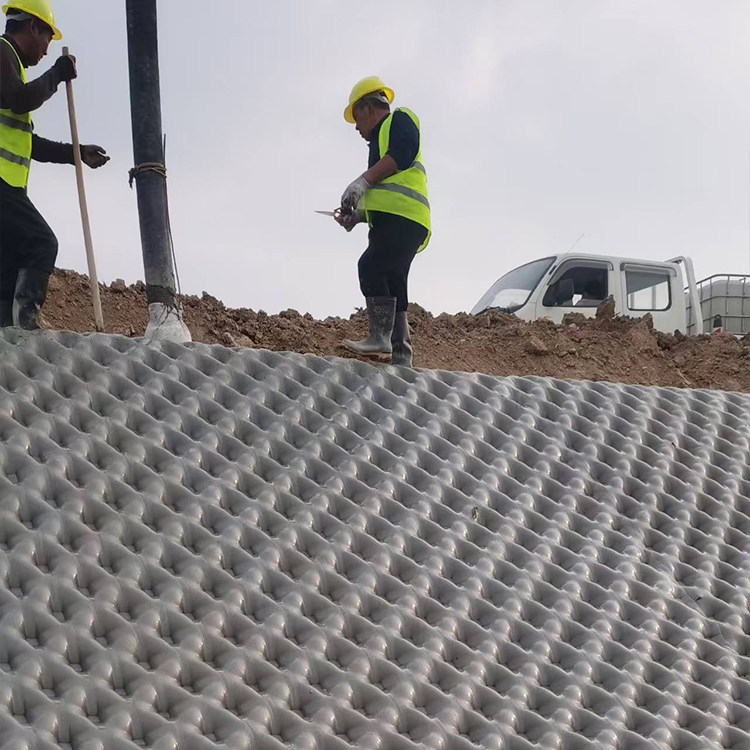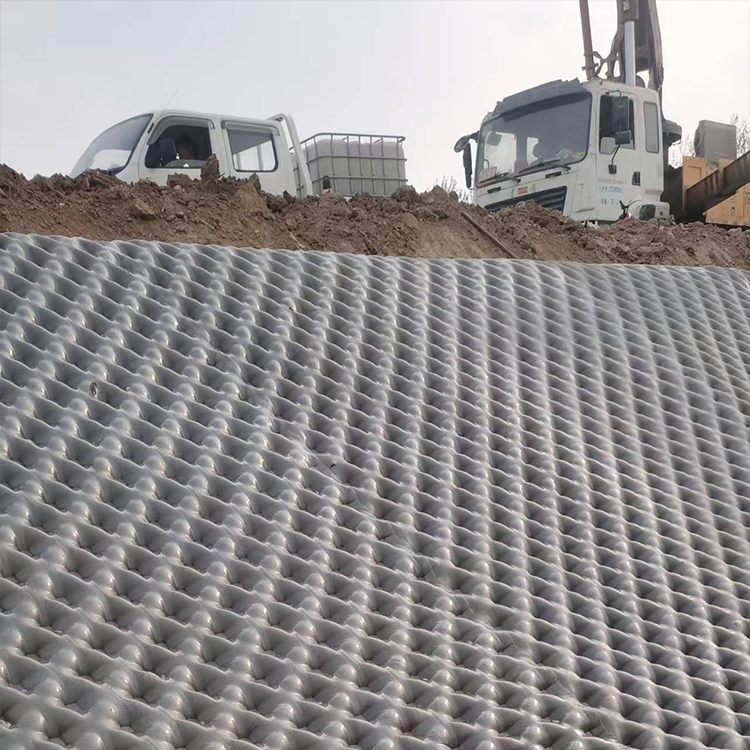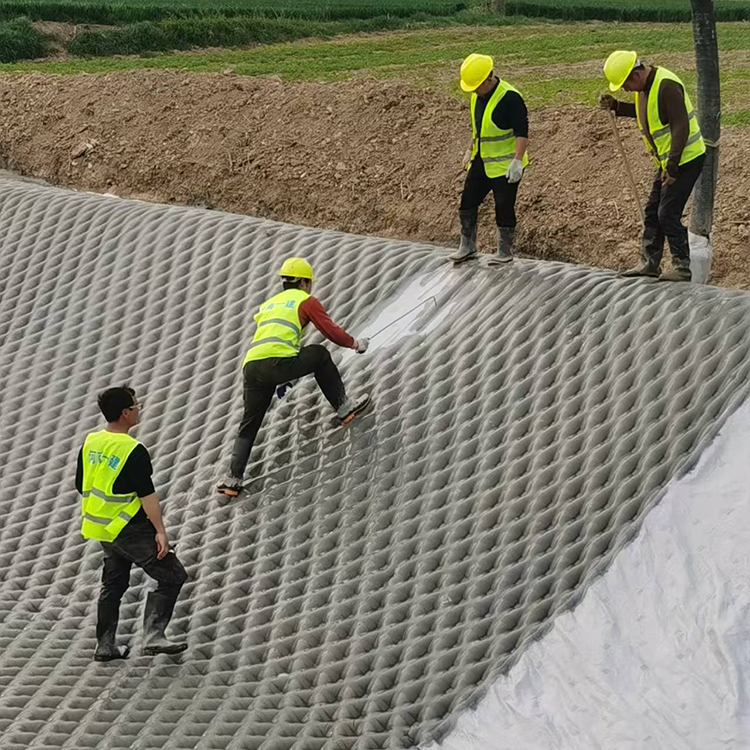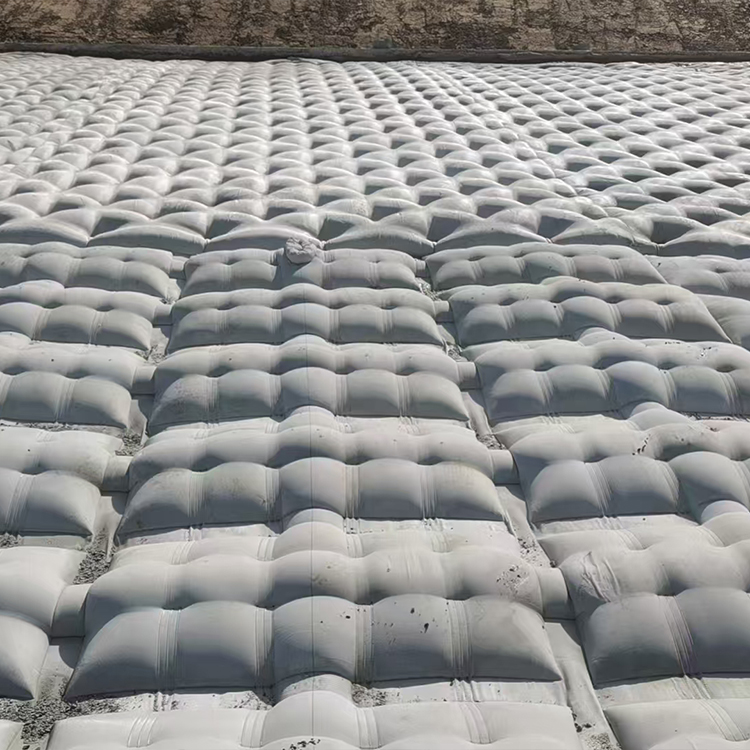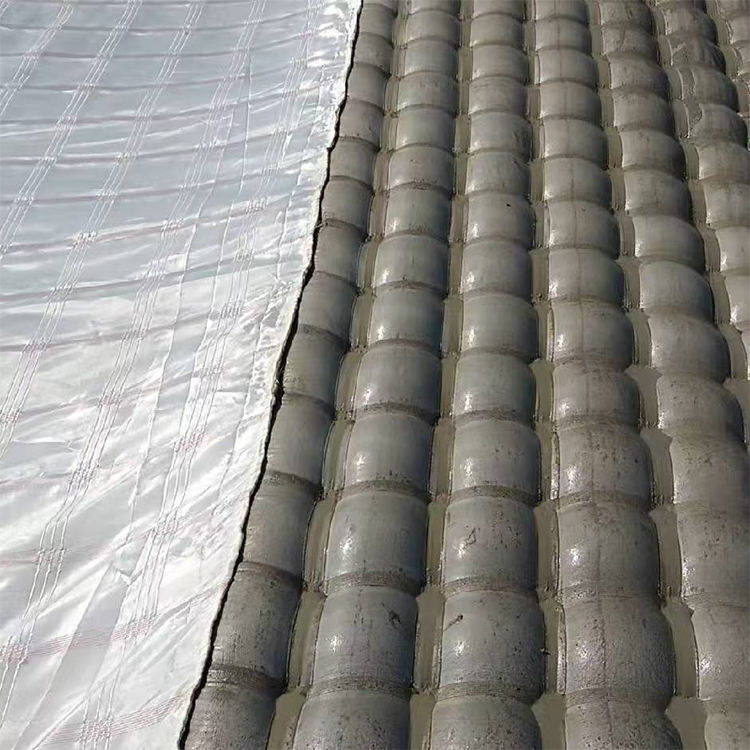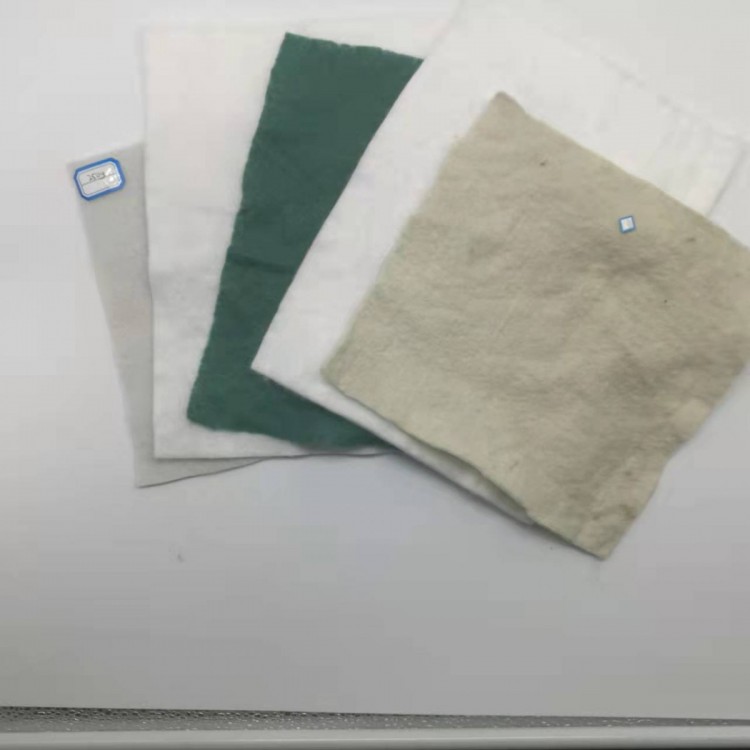

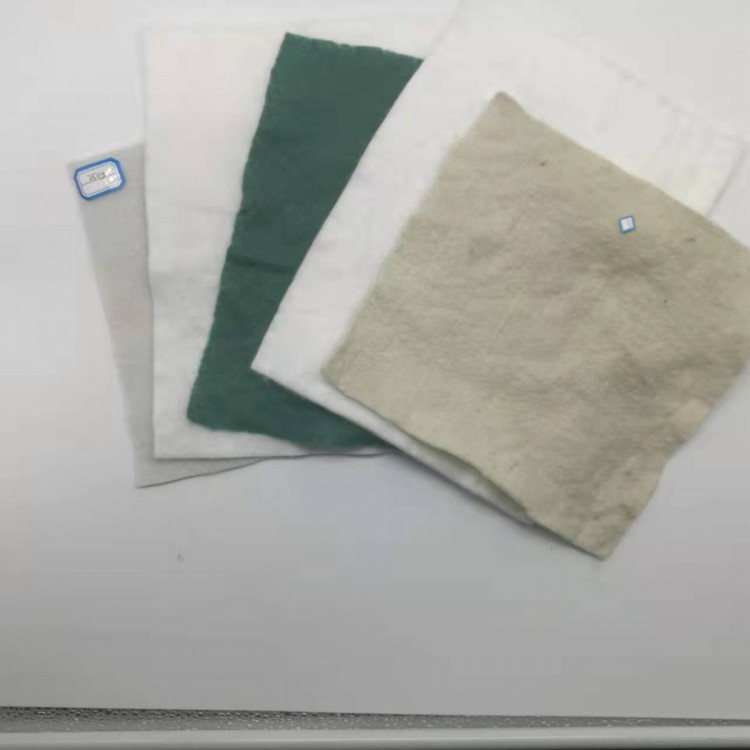
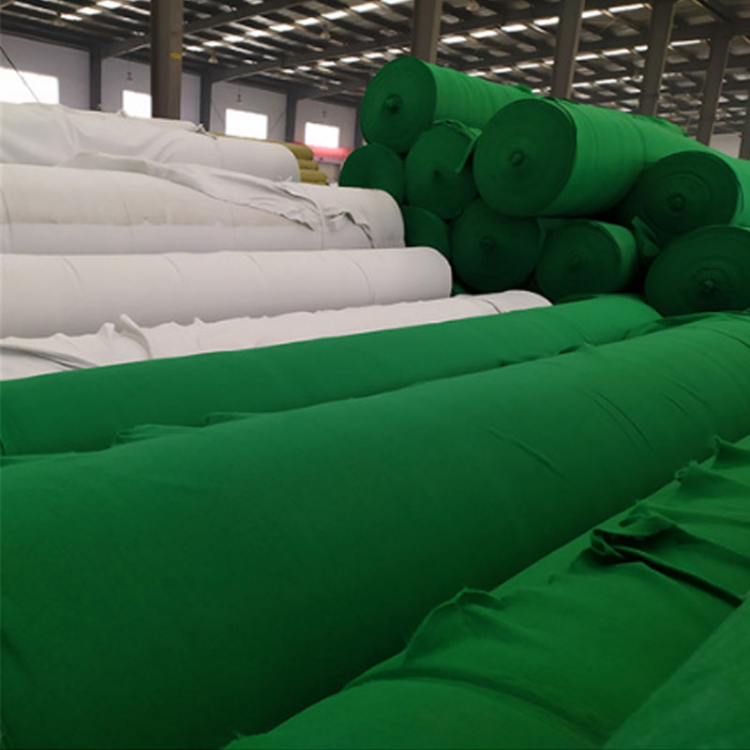
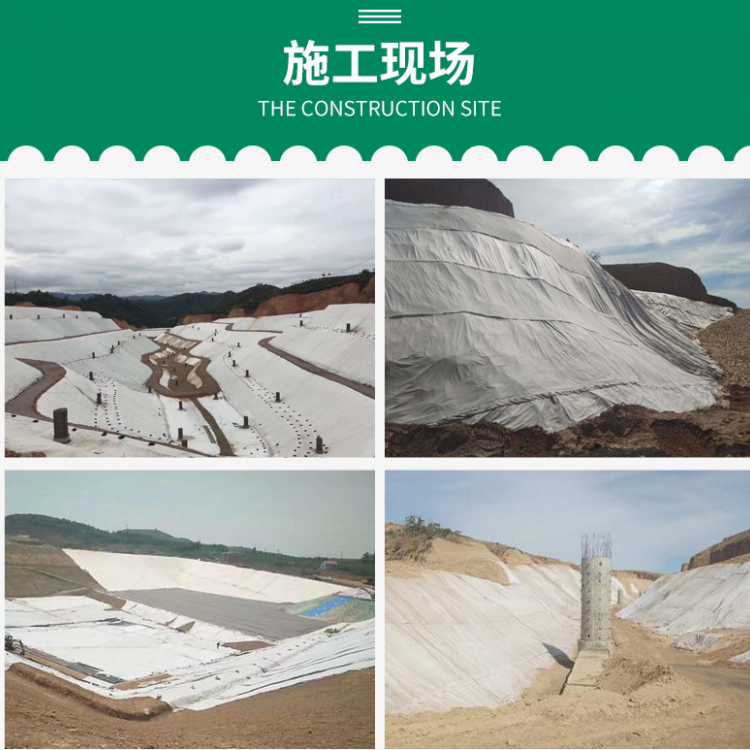


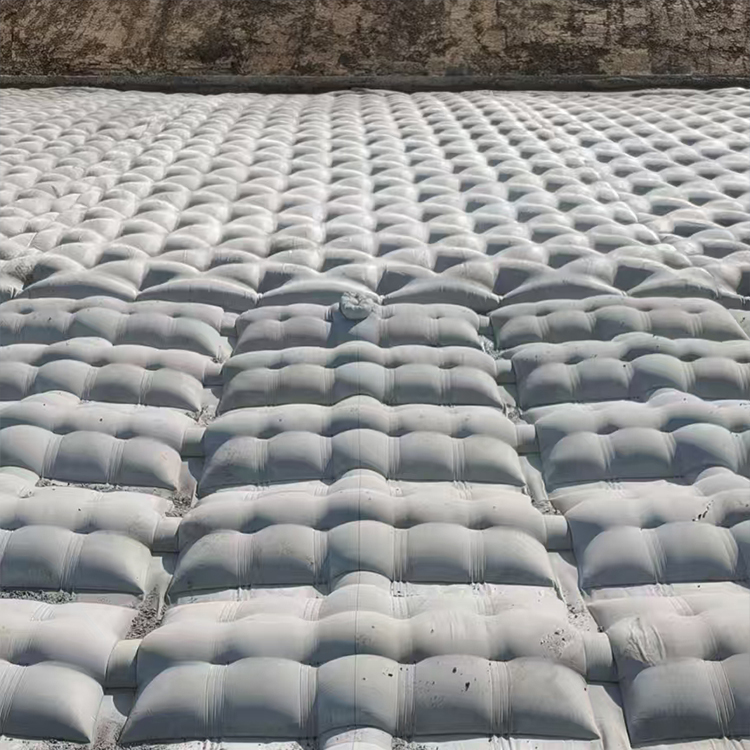
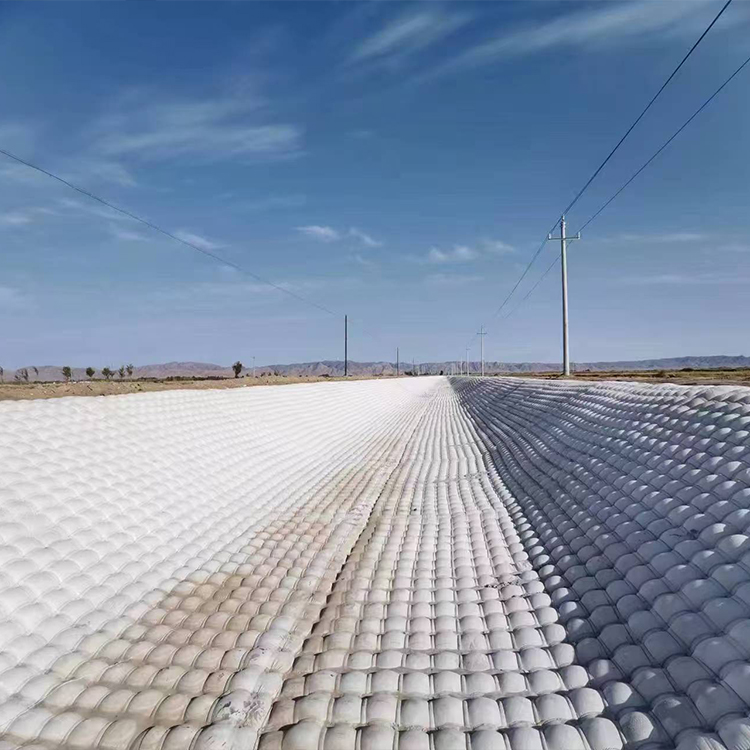
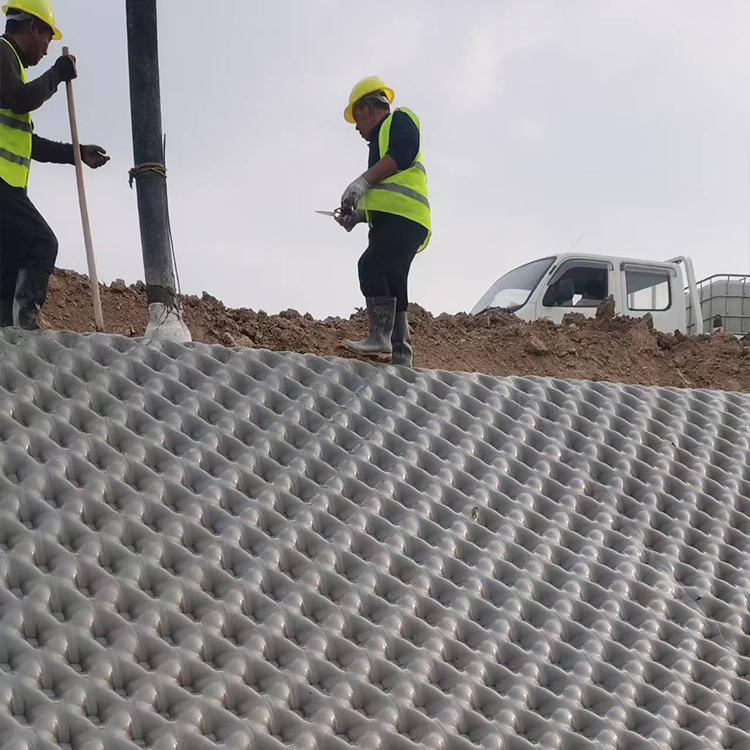





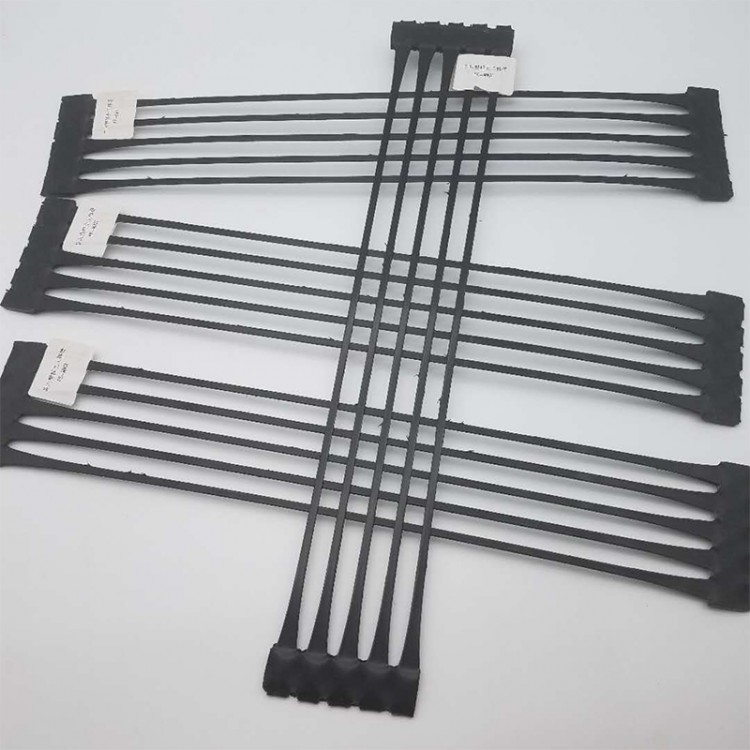
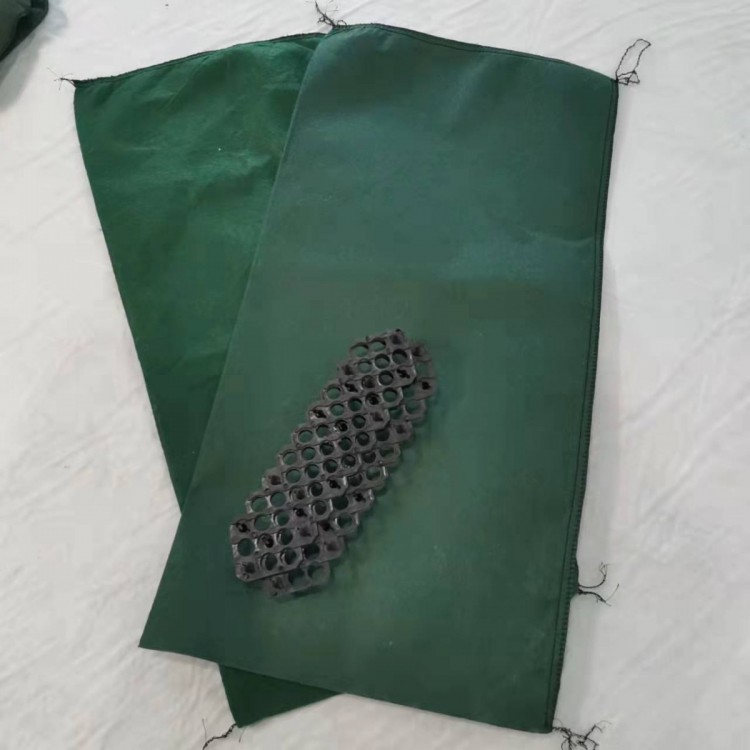
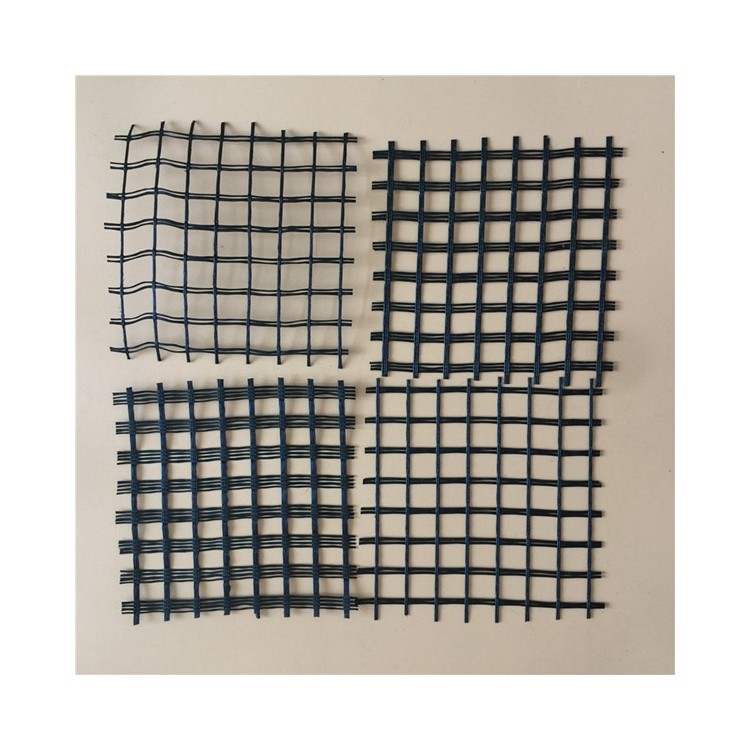
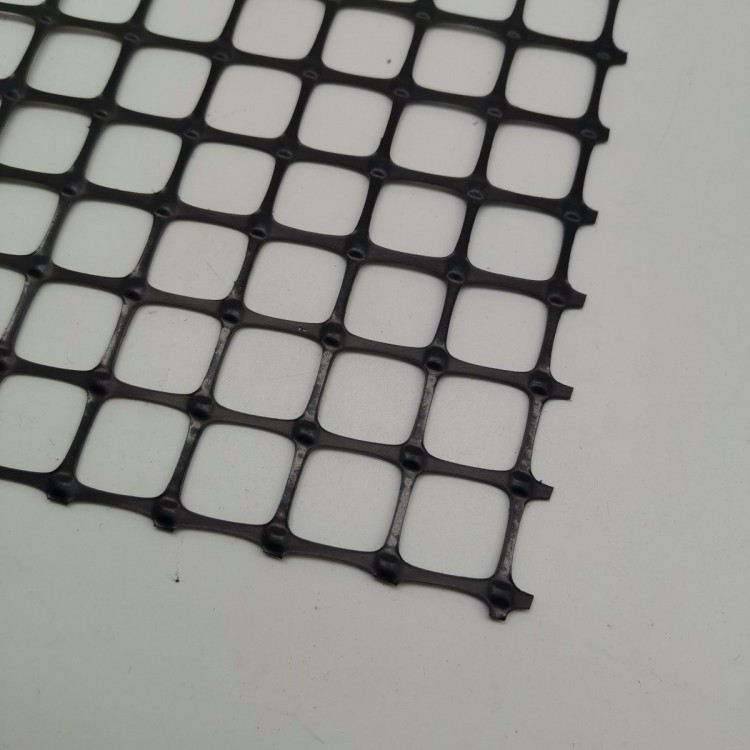
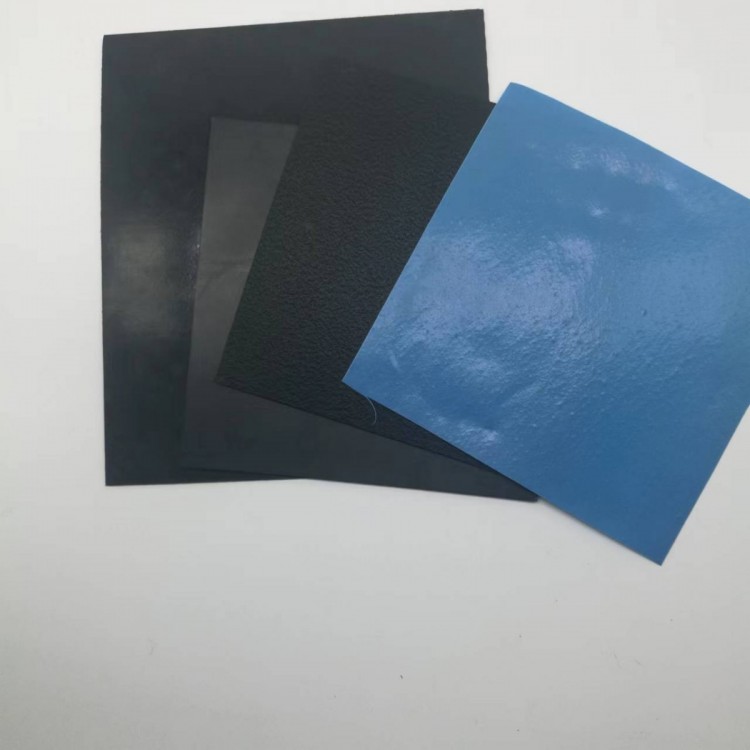

Geotextiles, also known as geotextile fabrics, are permeable synthetic fiber materials made through needle-punching or weaving. They are a type of new material geosynthetic, coming in fabric form. Geotextiles offer filtration, drainage, isolation, reinforcement, and protective functions, characterized by their light weight, high tensile strength, good permeability, resistance to high temperatures, freezing, aging, and corrosion. Geotextiles are categorized into woven geotextiles, non-woven filament geotextiles, waterproof geotextiles, and composite geotextiles, among others.
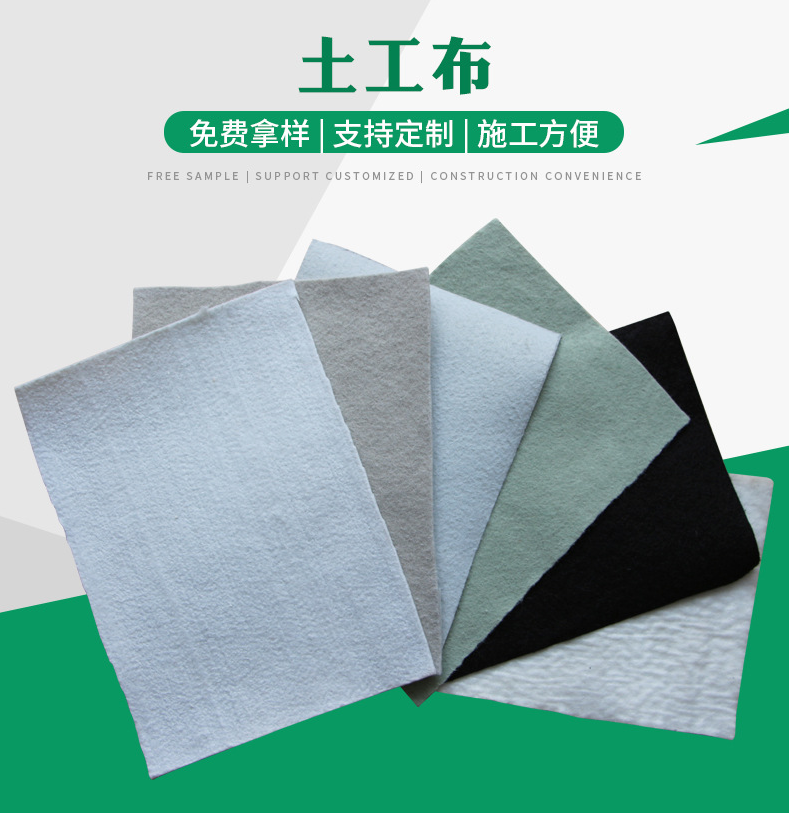
Features
1. High strength retention; maintains ample strength and elongation in both dry and wet conditions due to the use of plastic fibers.
2. Corrosion-resistant, able to withstand corrosion for a long time in soils and water of varying acidity and alkalinity.
3. Excellent water permeability; with gaps between fibers, it offers good water permeability.
4. Excellent antimicrobial properties; resistant to damage from microorganisms and pests.
5. Easy to install due to its light and flexible material, making transportation, laying, and construction convenient.
6. Comprehensive Specifications: Width up to 9 meters. Currently one of the widest products in the domestic market, unit area weight: 100-1000g/㎡
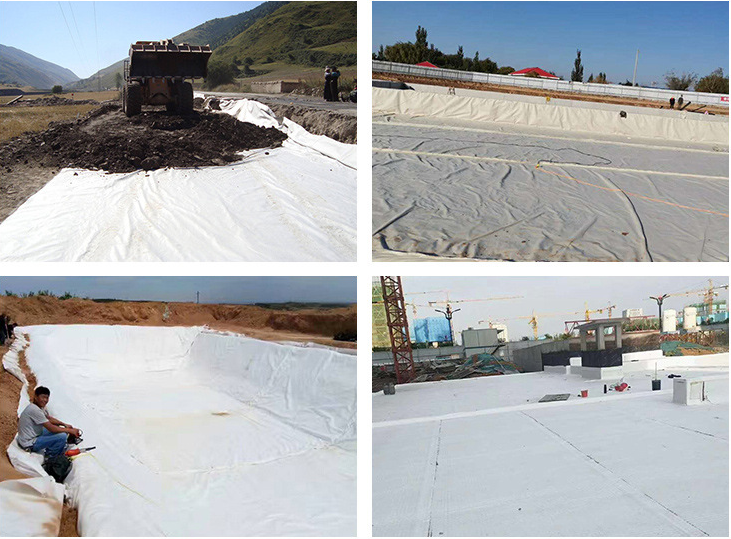
Polyester Long Fiber Geotextile Applications:
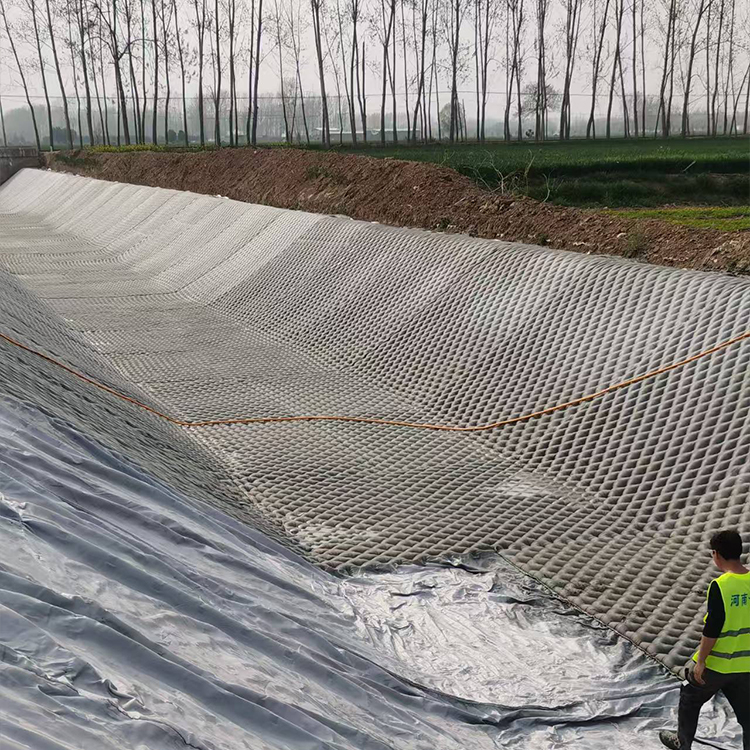
Filtering for hydraulic engineering embankments and slopes, channel isolation and seepage prevention.
Road, rail, and airport runway foundation isolation, anti-seepage, drainage, soil slopes, retaining walls, and pavement reinforcement and drainage.
Port engineering's soft soil treatment, beach revetments, harbor wharfs and breakwater reinforcement, drainage.
Storage, transportation, and handling of geotextile laying techniques