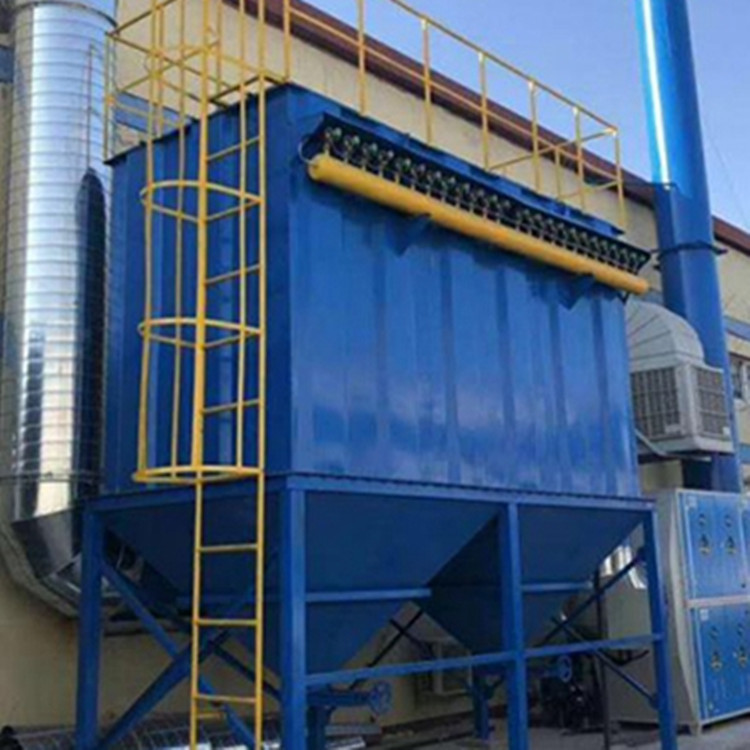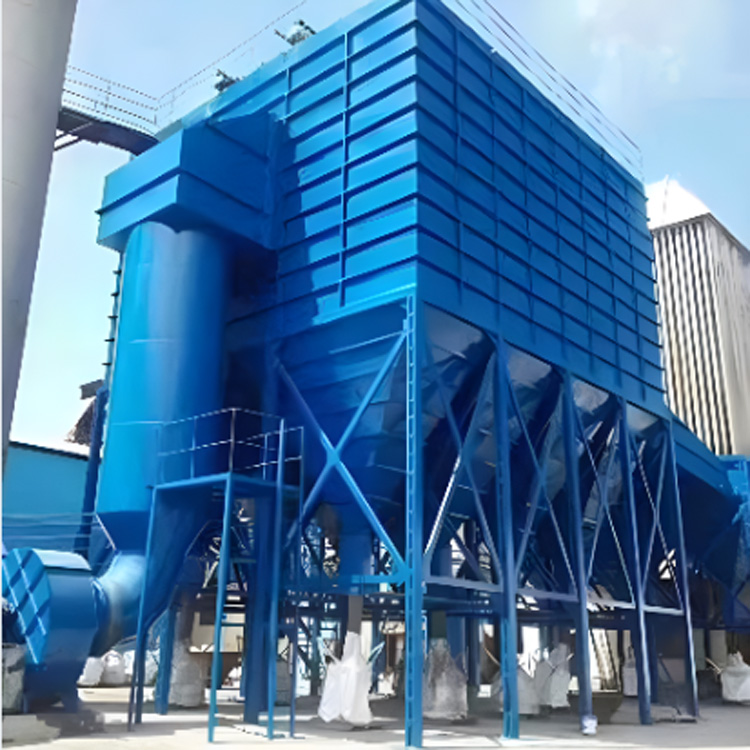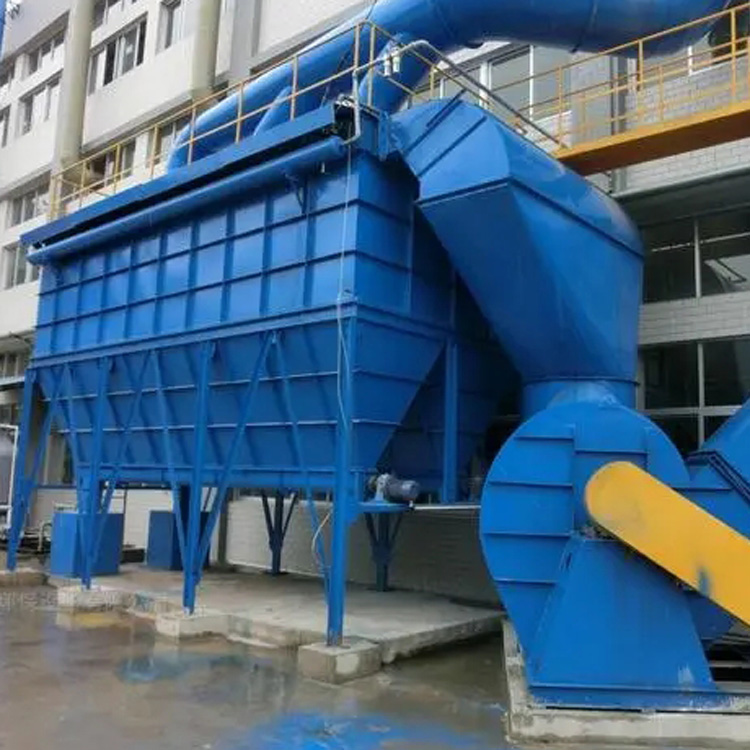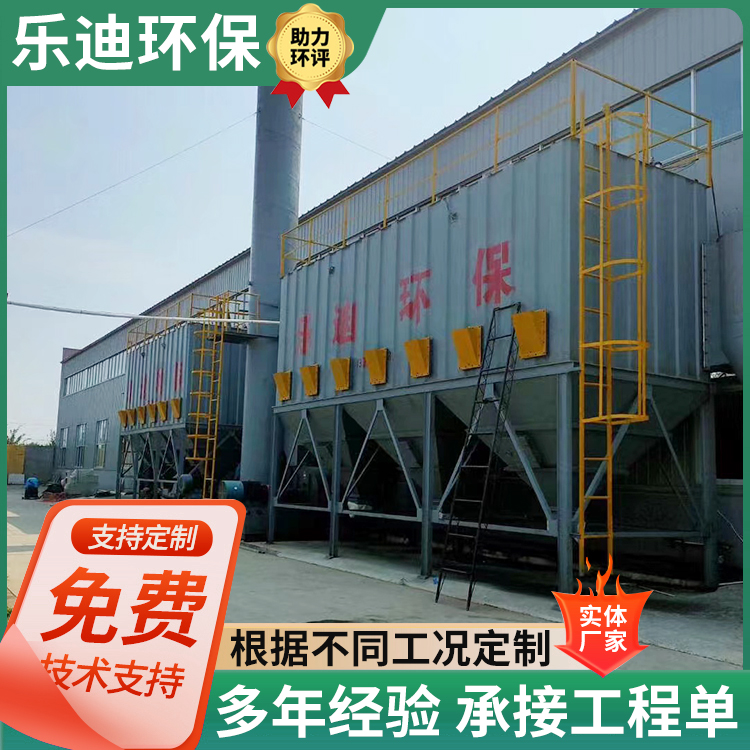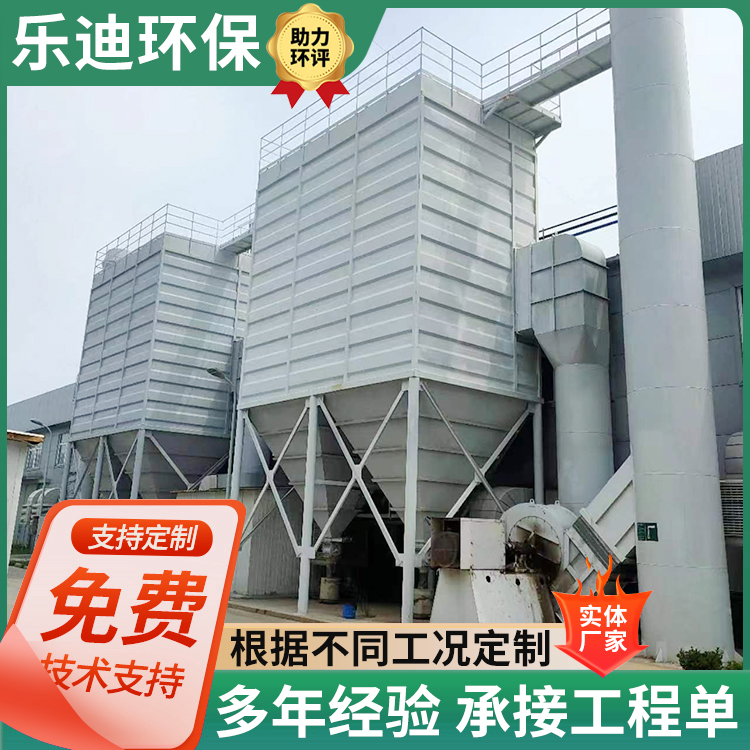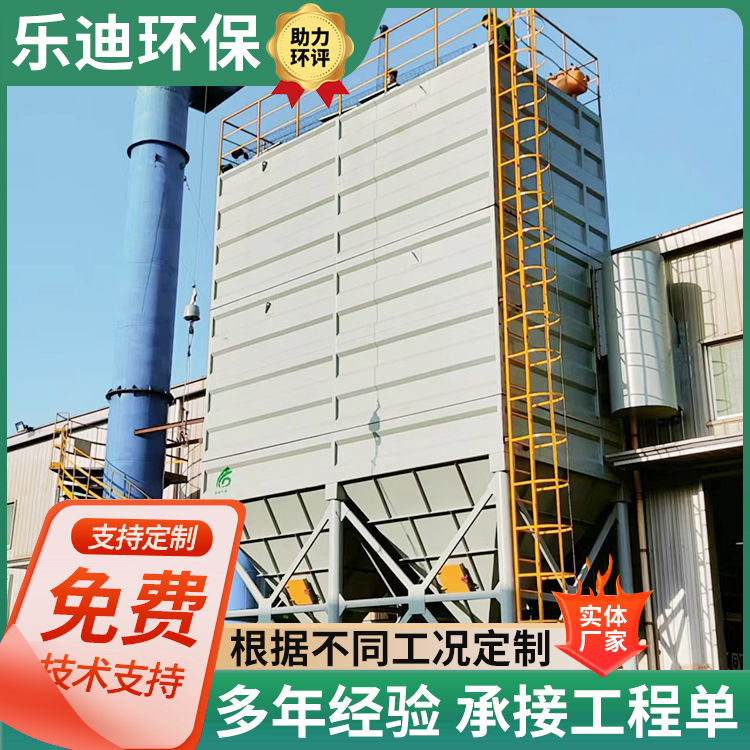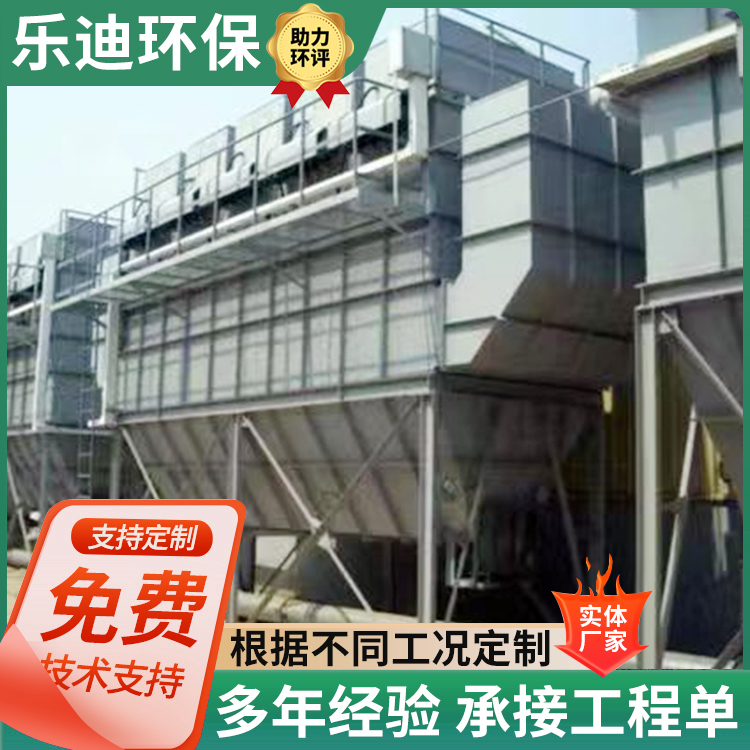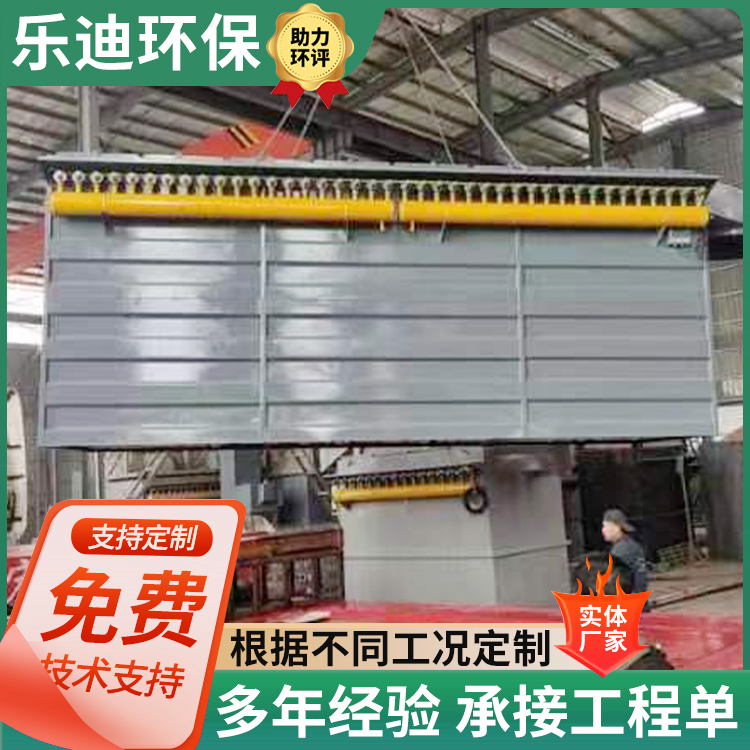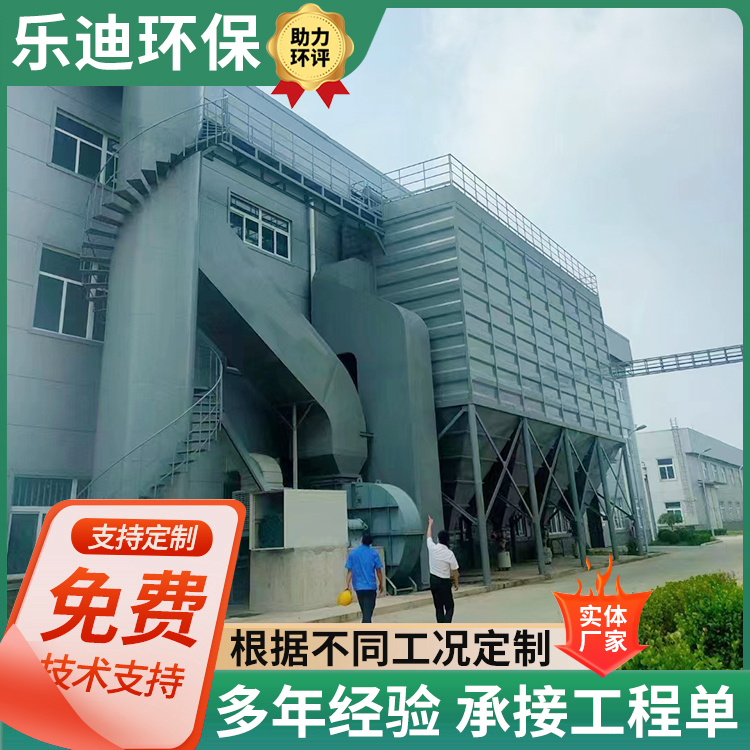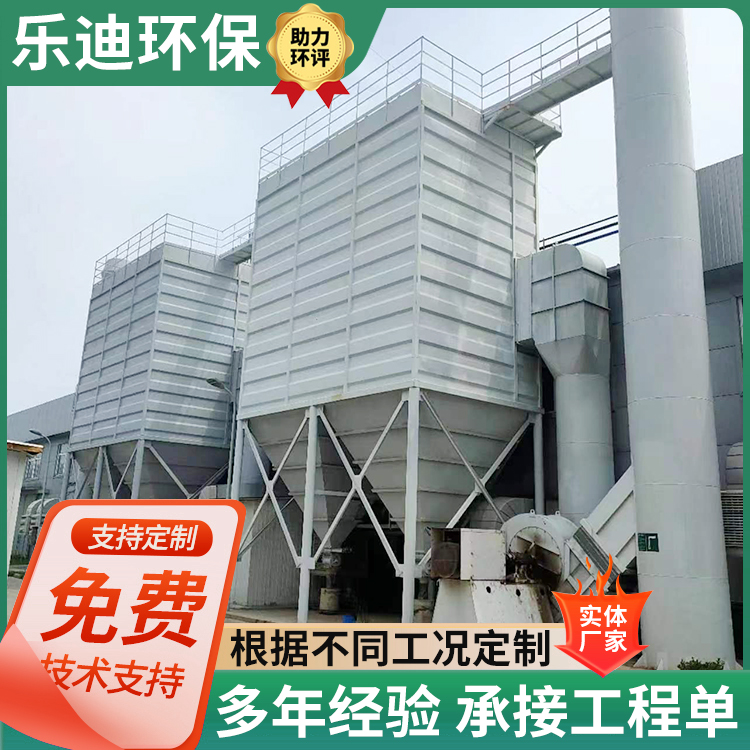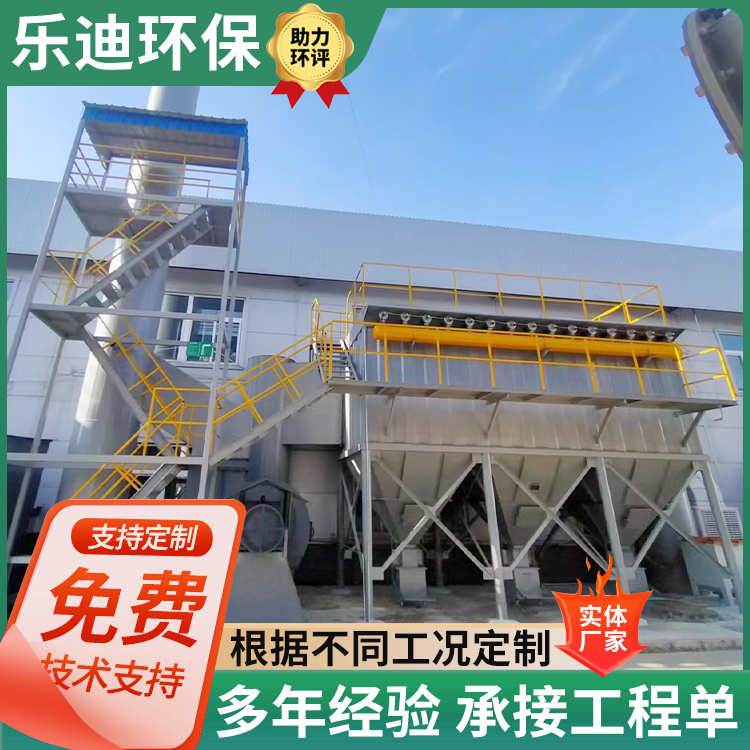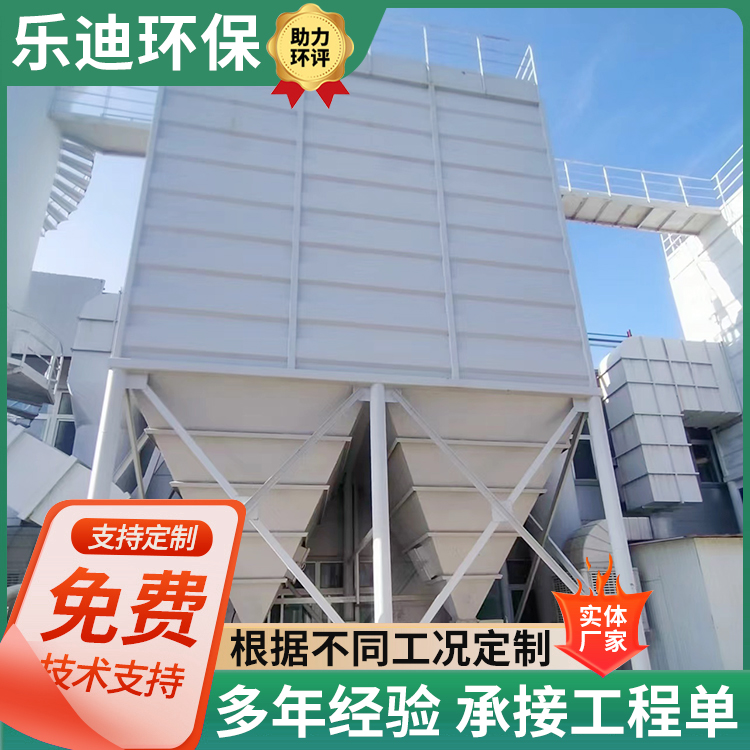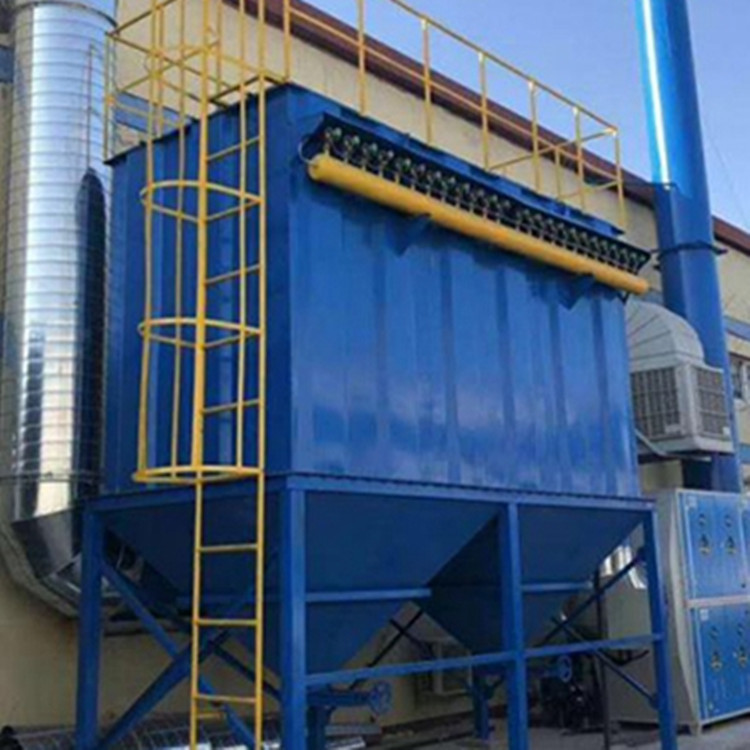

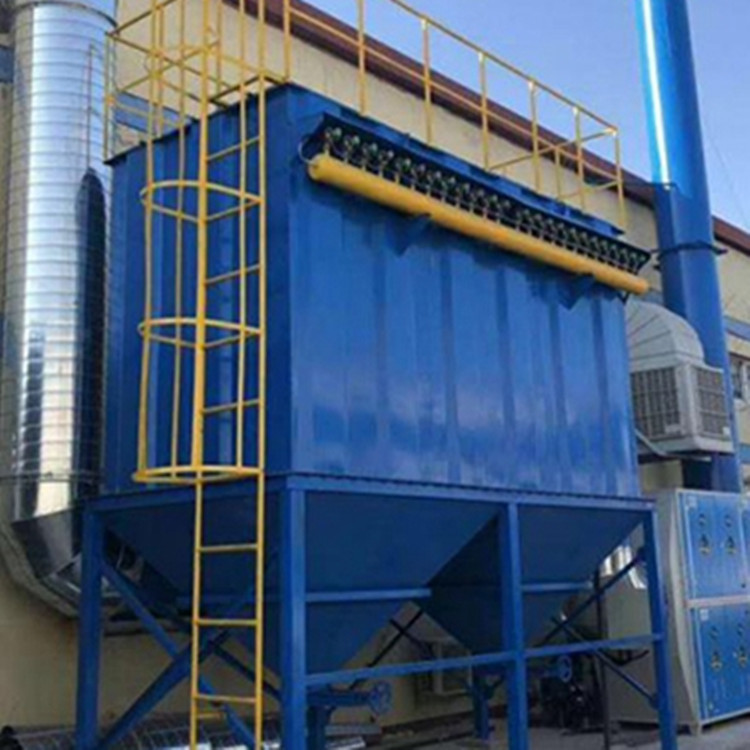
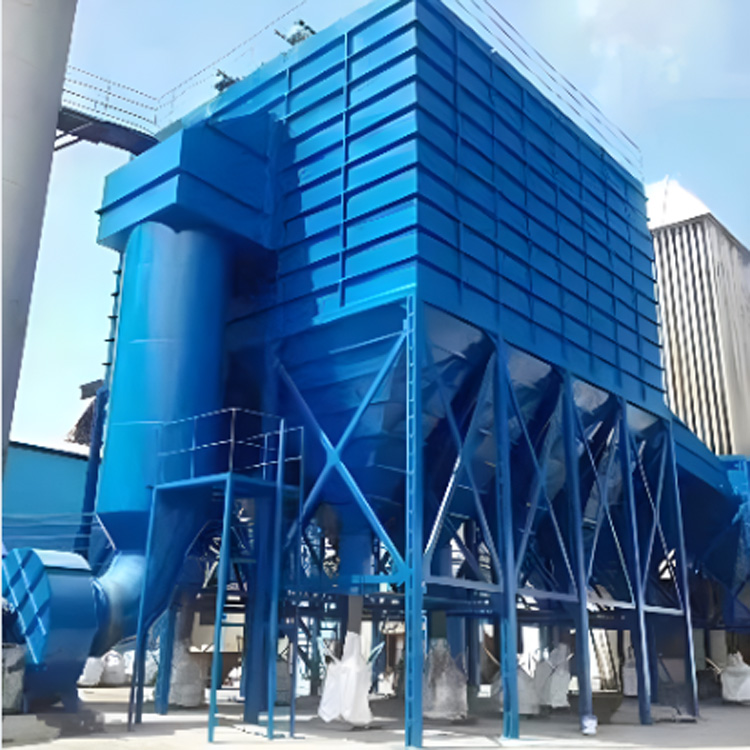
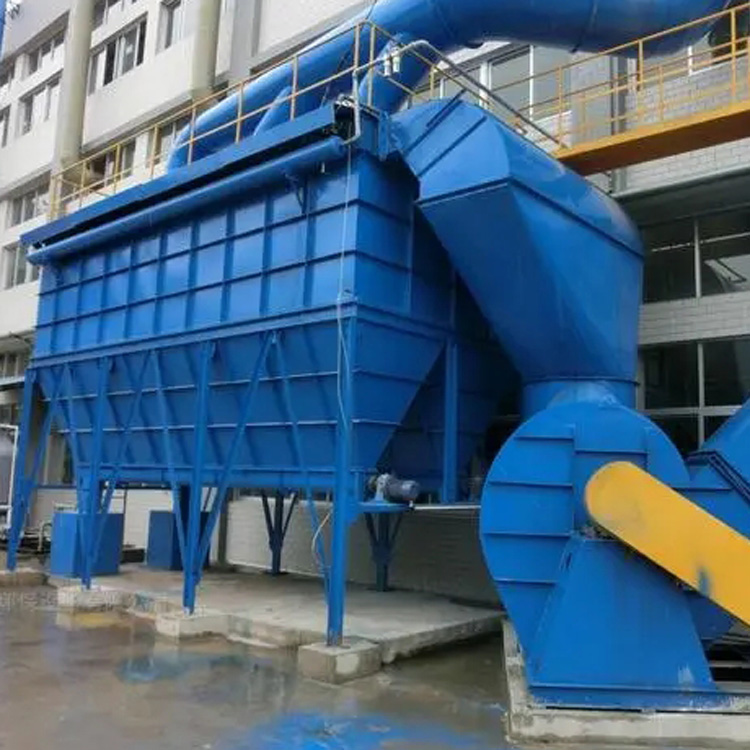


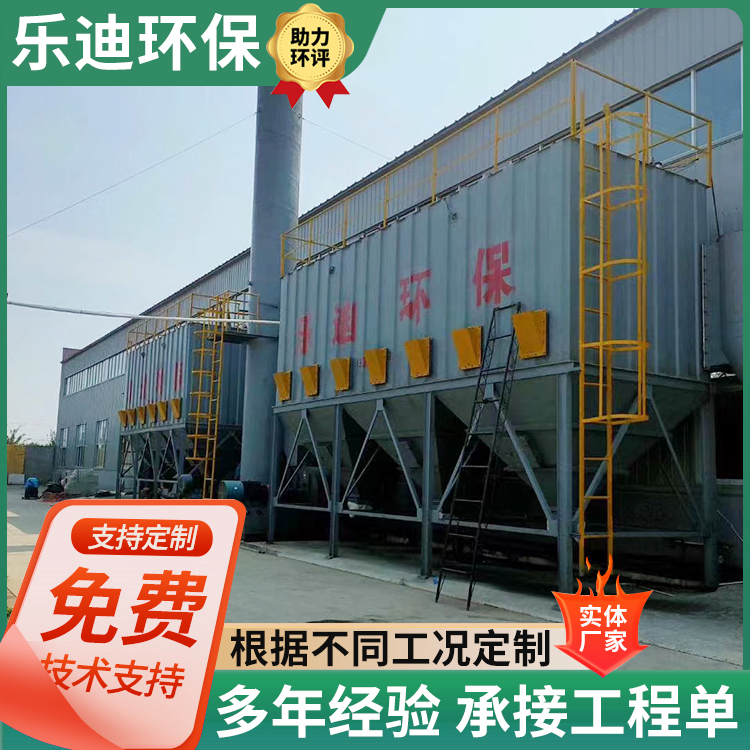
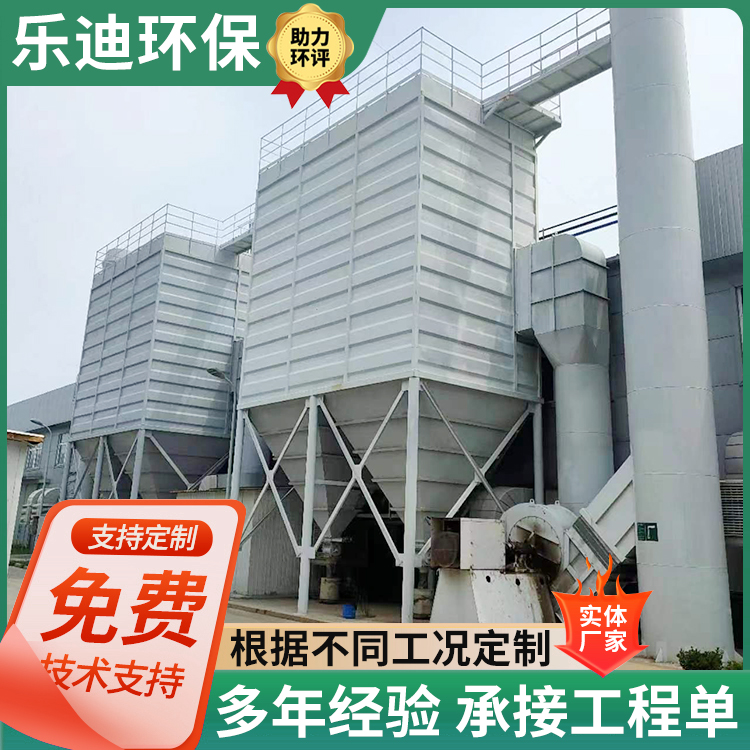
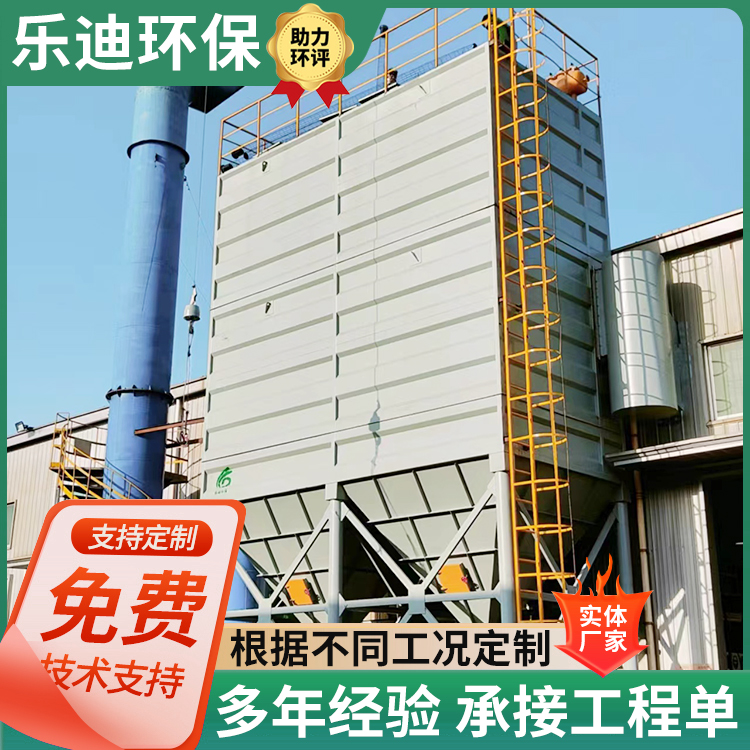
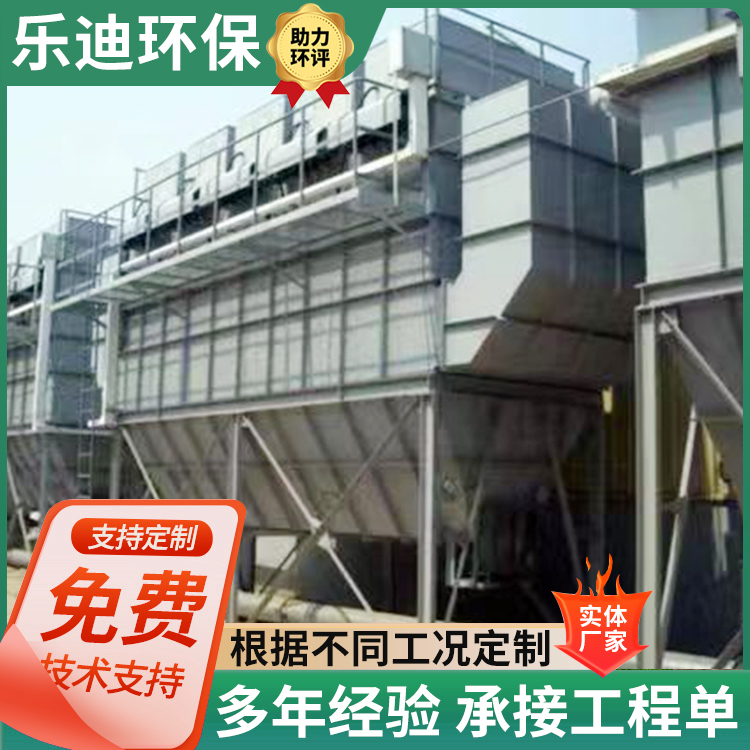
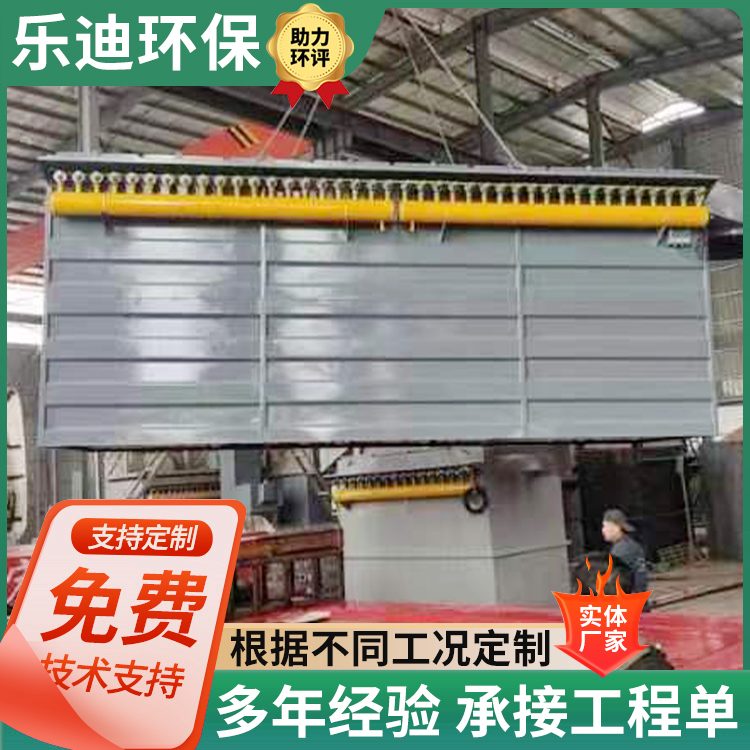






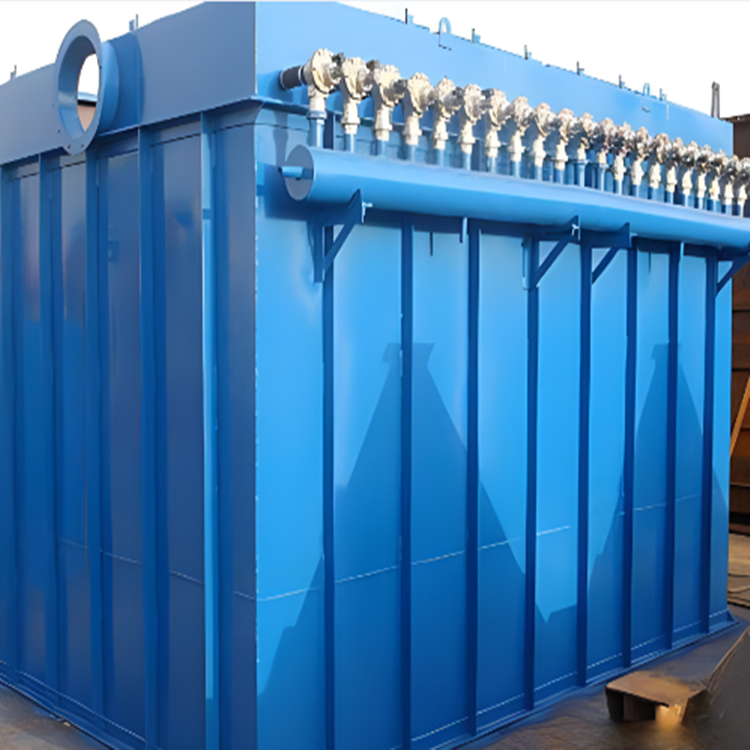


Single-machine bag dust collector, also known as single-machine bag filter, single-machine pulse dust collector, etc., is designed for the roof and bottom of cement factory storage. It can also be used for dust removal in local dust sources in other industries. It boasts advantages such as small size, large air volume handling capacity, compact structure, ease of use, and stability.
The single-machine bag dust collector consists of three main parts: a fan, a filter, and a dust collector. All components are mounted within a vertical frame, with a steel plate shell treated with baked paint for rust prevention, ensuring stable operation and ease of use. The fan of the single-machine dust collector employs a centrifugal fan, featuring high airflow and pressure, and is equipped with noise reduction measures, resulting in low noise levels. The filters use flat fabric bags, with each bag containing a spring steel wire mesh inside, delivering good filtration performance. The cleaning mechanism of the single-machine dust collector is driven by an electric motor, which powers an eccentric wheel and a connecting rod to shake the bags and remove dust stuck on the filter bags' surface. This dust collector is equipped with a maintenance door for easy inspection and bag replacement.
The single-machine bag dust collector is a dust collector that can operate once connected to the air duct and power supply. This dust collector is compact in size, requires no manual operation, and has a wind volume of 1000-6000 m3/h. The filtration air velocity is 1.2-1.8 m/min when using 740 filter cloth, and 2.0-2.8 m/min when using polyester filter material.
Single-machine dust collector set, a dust collector is a compact, efficient air purification device with good dust removal speed. It is suitable for various independent dust-generating points, offering flexibility and convenience for on-site dust collection and processing, ensuring air cleanliness. The basic structure consists of a dust collector housing, centrifugal fan, filter bags (filter sleeves), dust collector, and microcomputer controller. Dust is drawn into the dust collector housing internally via the negative pressure of the fan through suction pipes. Initially, coarse particles are filtered by the pre-filter and directly fall into the dust collector, while fine particles are captured by the filter on the outer surface. Clean gas is then filtered and purified by the filter core before flowing into the clean room, where it is exhausted through the outlet by the fan. The entire dust collection and filtration process is the result of a comprehensive effect of gravity, inertial force, collision, electrostatic attraction, and sieve filtration.
The single-machine bag dust collector features a strong dust removal kinetic energy and good dust removal speed. It is also compact in structure, lightweight, easy to install, and convenient to maintain. The single-machine dust collector is widely used in the purification and treatment systems of dusty gases in industries such as building materials, metallurgy, mining, coal, and fine powder processing of non-metallic minerals, making it an ideal dust removal equipment.
Operation Principle of Single Machine Bag Dust Collector:
Dust-laden gas enters the single-machine bag dust collector, where the dust undergoes two-stage filtration. Initially, the reduction in air velocity and change in direction cause larger dust particles, due to gravity and inertia, to settle in the dust collection box (A and J types). For B-type products, the dust falls into the user's storage bins, hoppers, and other equipment. Lighter and finer dust particles are retained on the bag walls by the filter bags. The purified clean air is then returned to the workshop through the action of centrifugal force, thereby reducing heat loss.
The single machine bag dust collector operates by compressed air through jetting. Cleaning the dust bags individually in sequence ensures a consistent air flow during the cleaning process, allowing the single machine bag dust collector to continuously perform dust collection with excellent efficiency.
When selecting a standalone dust collector, the main key factors are the dust filter bag and the filter air velocity. These should be determined by considering the nature, particle size, temperature, and concentration of the dust or smoke dust in different application scenarios. Generally, the dust concentration at the inlet should be between 15 to 30 g/m³, with the filter air velocity not exceeding 0.2 m/min; if the dust concentration at the inlet is ≤5 g/m³, the filter air velocity should not exceed 1.5 to 2 m/min. In summary, when selecting the filter air velocity, to reduce the equipment resistance of the dust bag, it is generally not advisable to choose a high filter air velocity. For an inlet dust concentration of 5 to 15 g/m³ at 8 m/min, the filter air velocity should not exceed 0.6 to 0.8 to 1. The American Empire HV fiber filter material or various types of polyester filter materials are used in the 8 m/min inlet dust concentration and the RH filter cartridge dust collector. For temperatures at or below 135°C, if used in special application scenarios, it must be specified before ordering, and a different filter material should be selected.
Individual bag dust collectors can be widely used for dust removal in industries such as chemicals, food, electronics, mechanical hardware, foundry, ceramics, loading and unloading, mining, metallurgy, and other sectors. They also offer excellent dust removal for fine metal chips with low specific gravity, foundry sand dust, cement, gypsum powder, carbon powder, phenolic powder, plastic powder, and within their respective ranges.
Installation Precautions for Single Machine Bag Dust Collector
1. The dust hood is a critical component ensuring the optimal condition of the dust removal unit. The user should, based on the shape and size of the processed parts and the nature of the dust, design and manufacture the ideal dust hood according to the principles of "through, near, smooth, seal, and design."
2. Before operation, the single-machine bag dust collector should check the repair door, ash outlet, and air duct connection system for tightness to prevent leaks and reduce the dust collection efficiency.
3. The single machine bag dust collector operates on three-phase AC power at 380 volts. Once the power is connected to the external wires on the dust collector, it can be used. Initially, pay attention to whether the fan is rotating in the correct direction (if it reverses, the air volume will be very low, and the power wiring needs to be swapped).
4. The cover of the electrical control box for a single machine bag dust collector should not be opened randomly while in operation. If adjustment of the cleaning time is needed or the circuit needs to be checked, the machine should be turned off and the power supply disconnected before proceeding with the work.
5. Standalone bag dust collectors should be periodically shaken to clean the dust based on the nature of the dust and the capacity size. Typically, shake three to four times per shift to ensure the dust collector is operating normally.
6. Single-machine dust collector: Clean the dust according to actual needs. When cleaning the dust in the collector, simply open the sealed ash outlet door when the fan and cleaning mechanism are stopped, and pull out the drawer.
7. To ensure the dust removal equipment is in optimal working condition, it should be positioned as close to the source of dust as possible, ideally between 1.5 to 2.0 meters. Keep the connecting pipes as short as possible and minimize bends to avoid increased resistance loss.