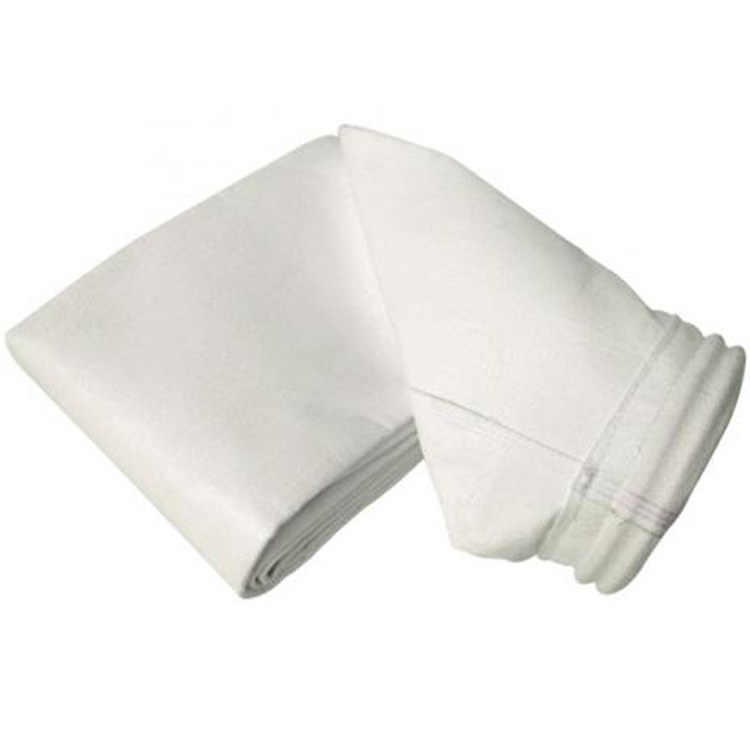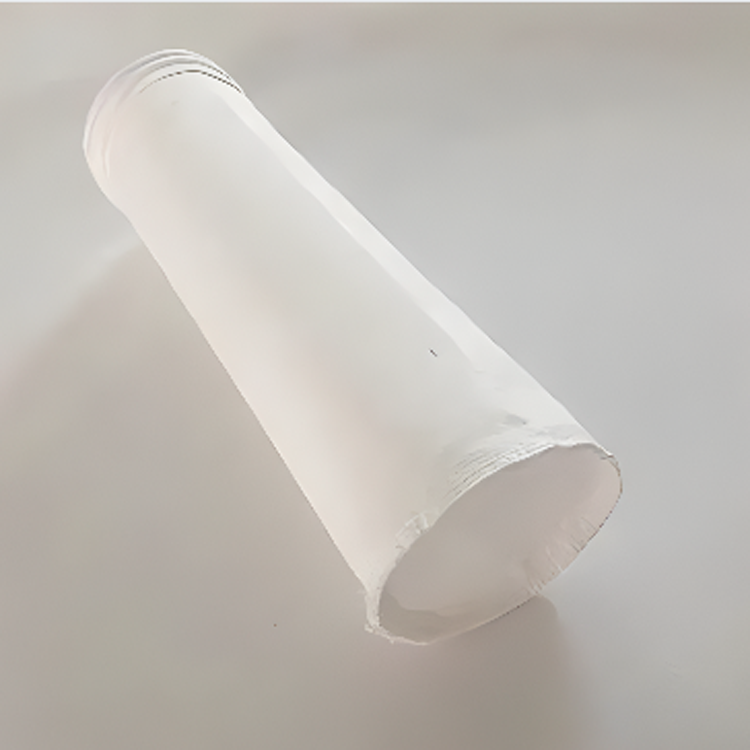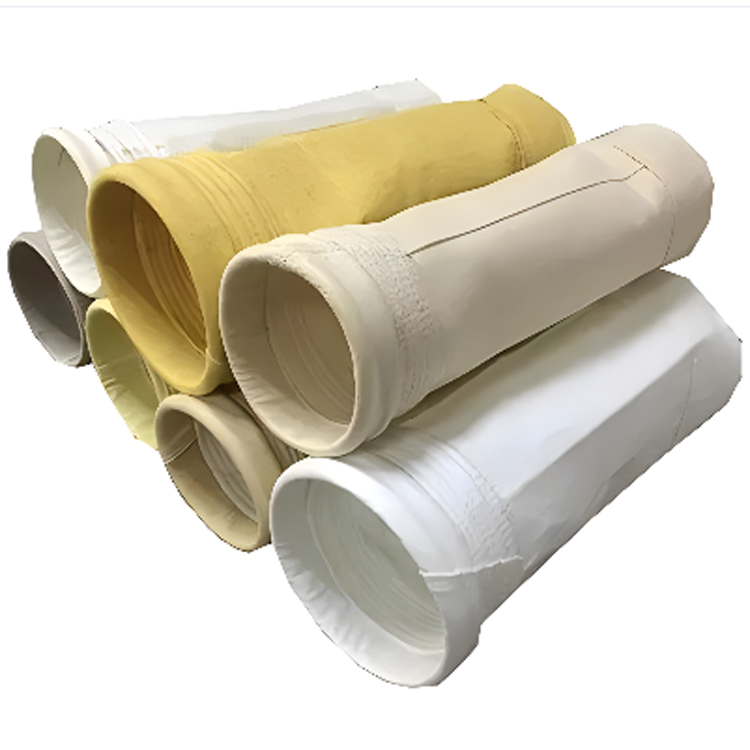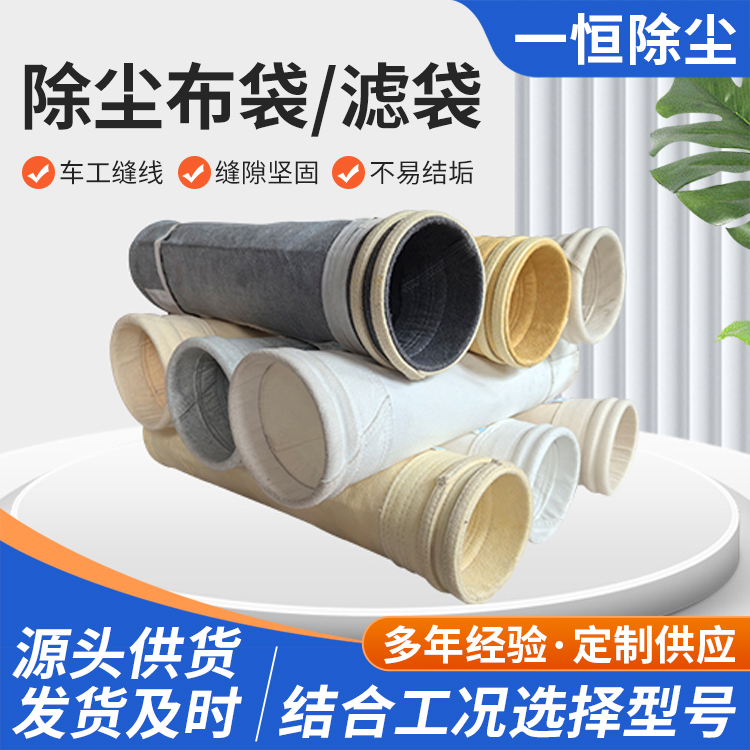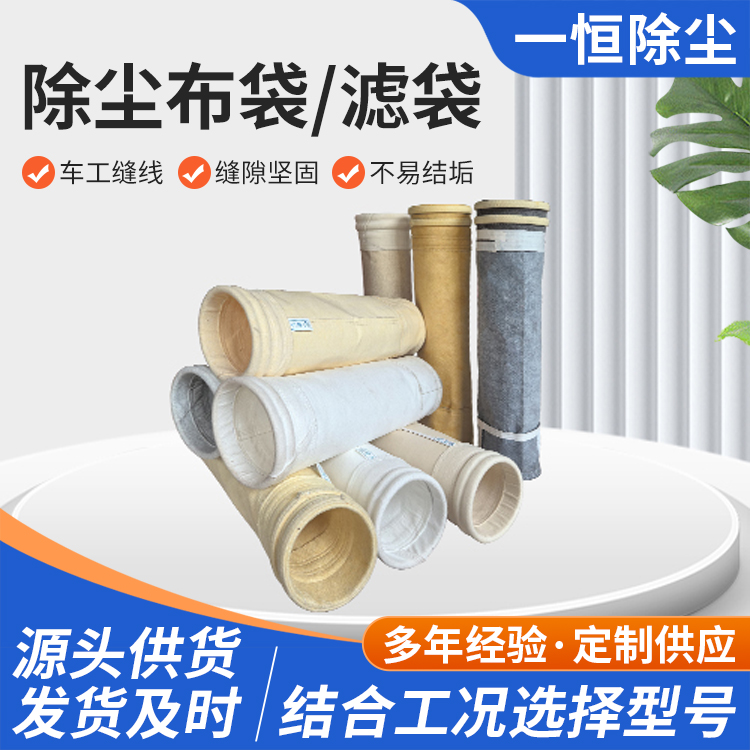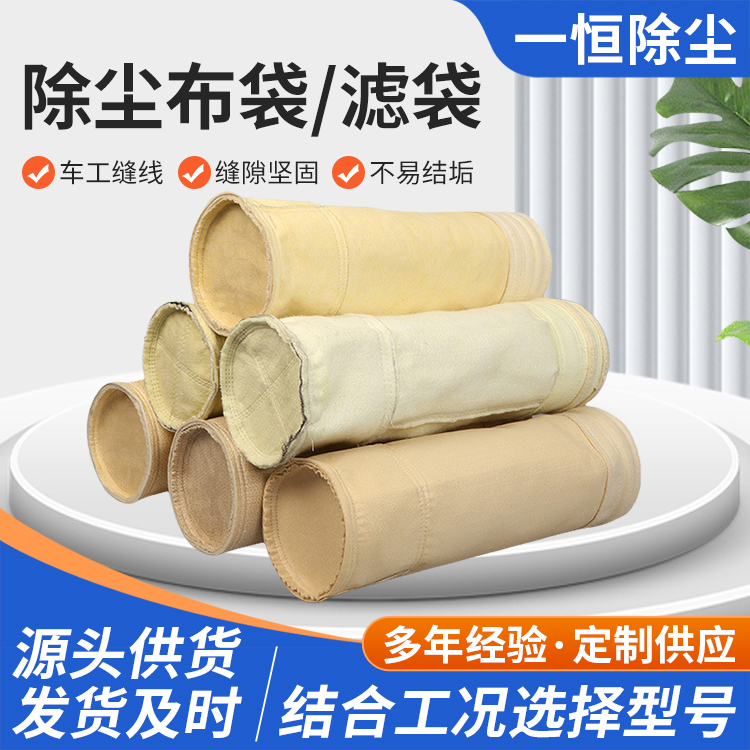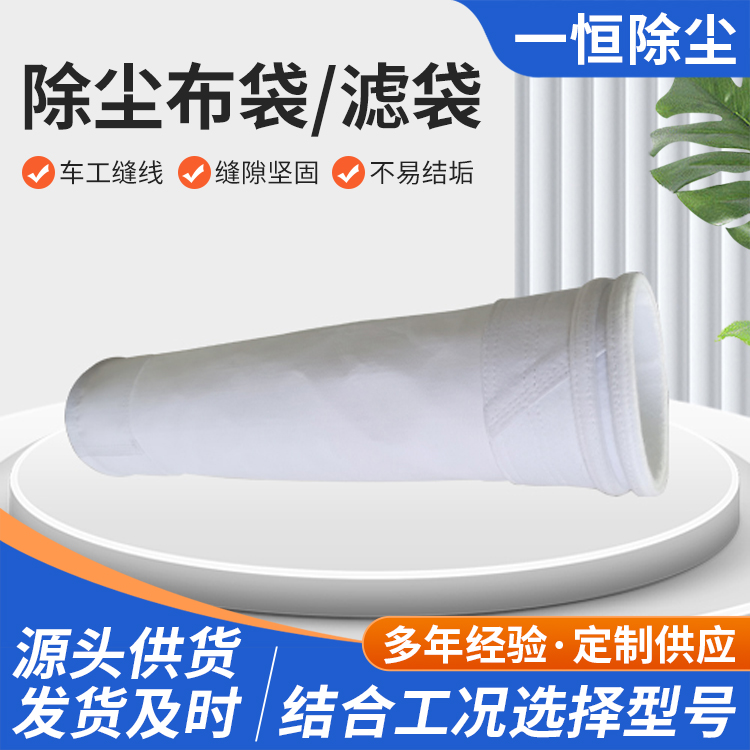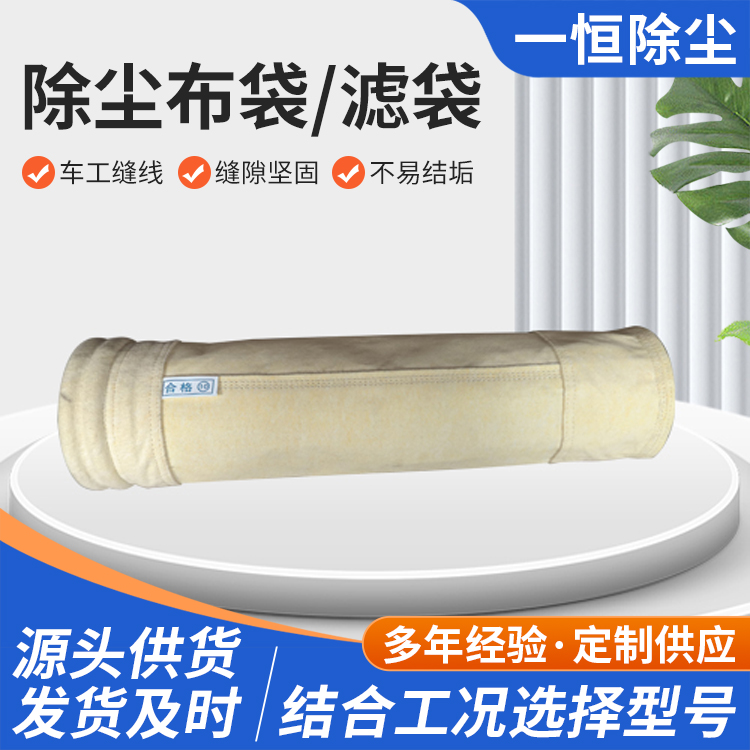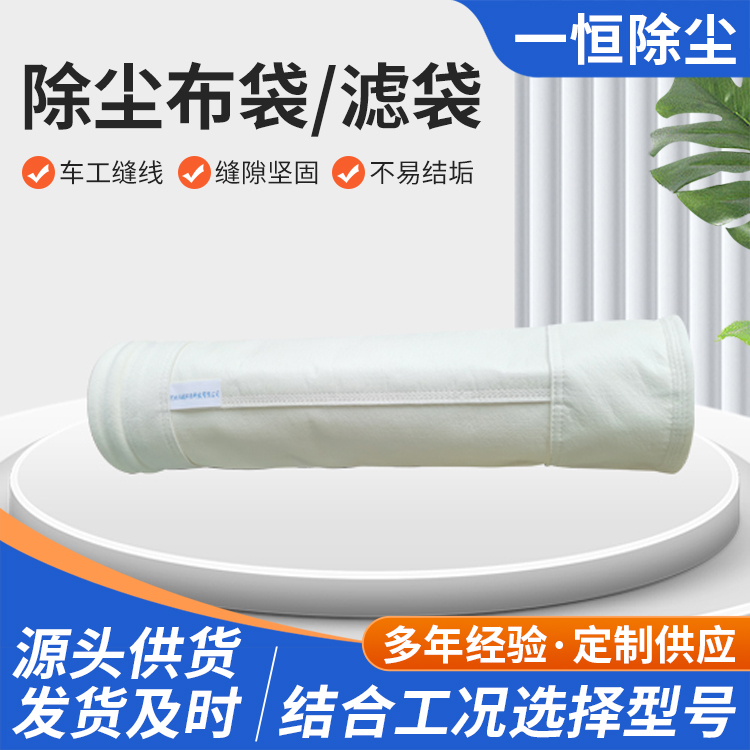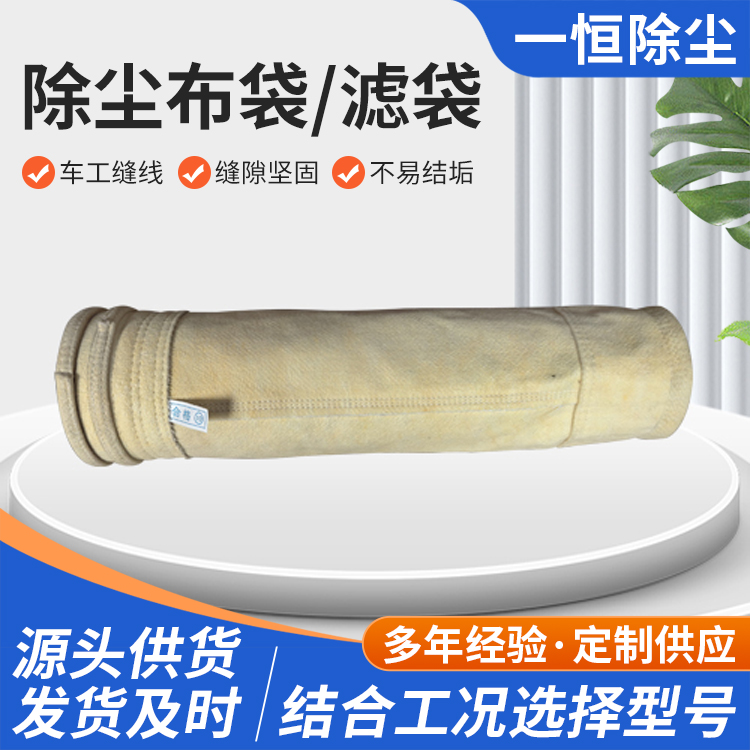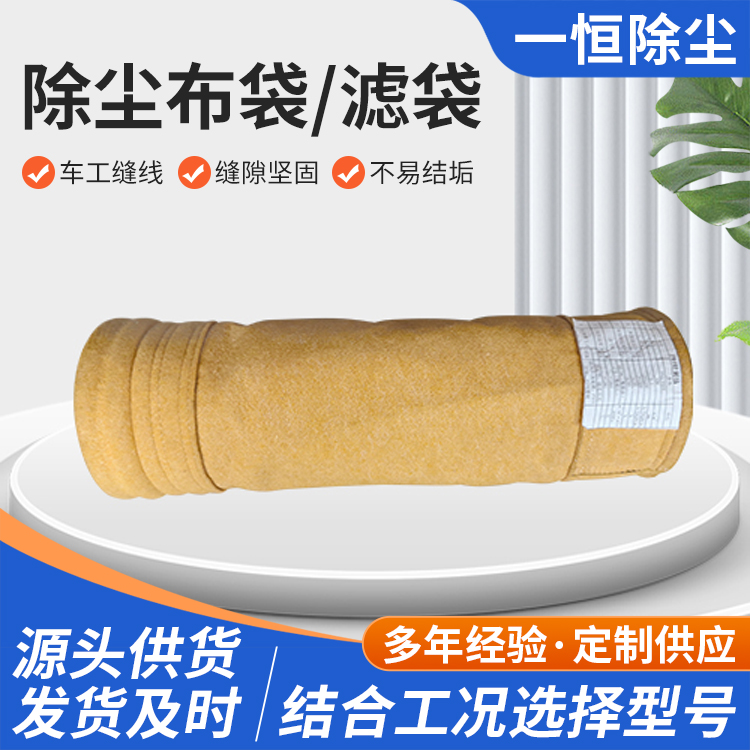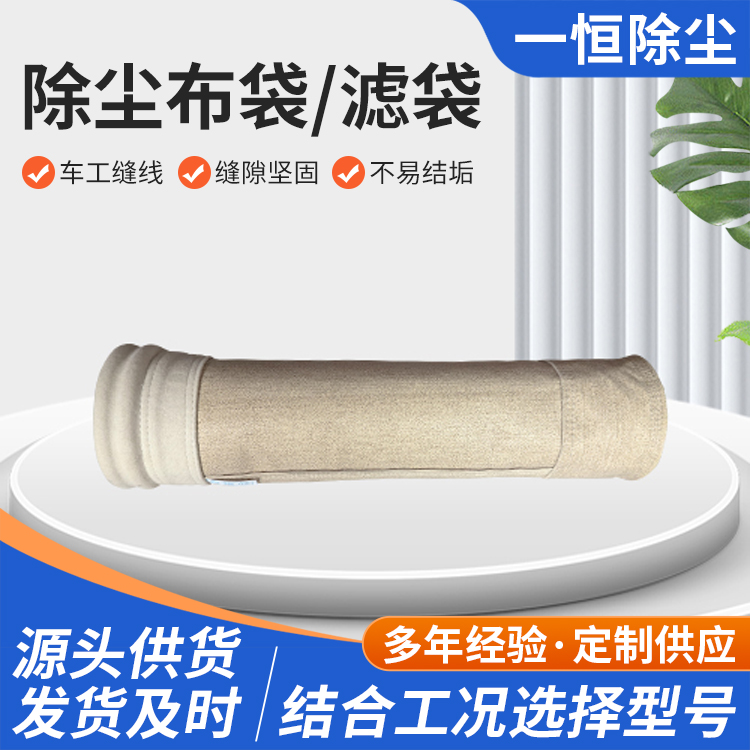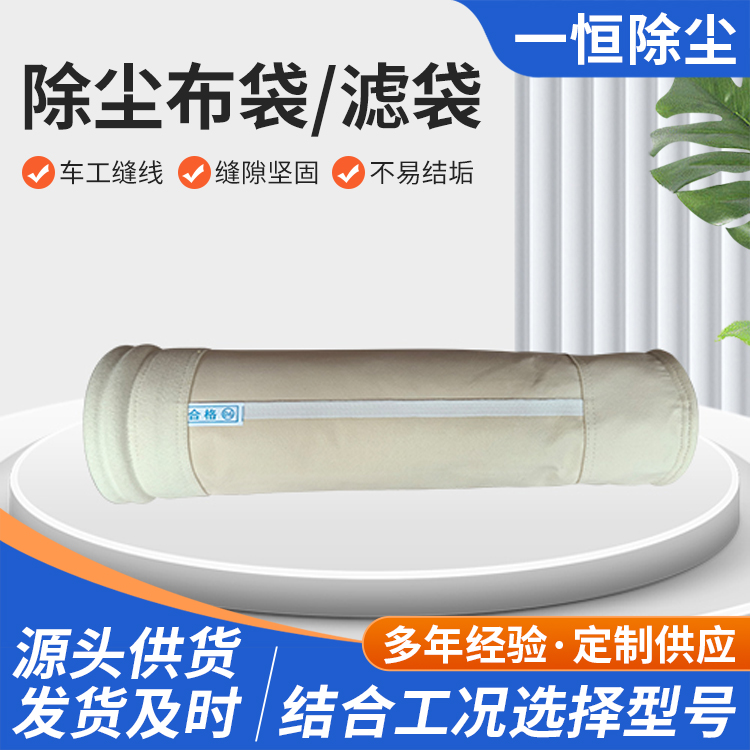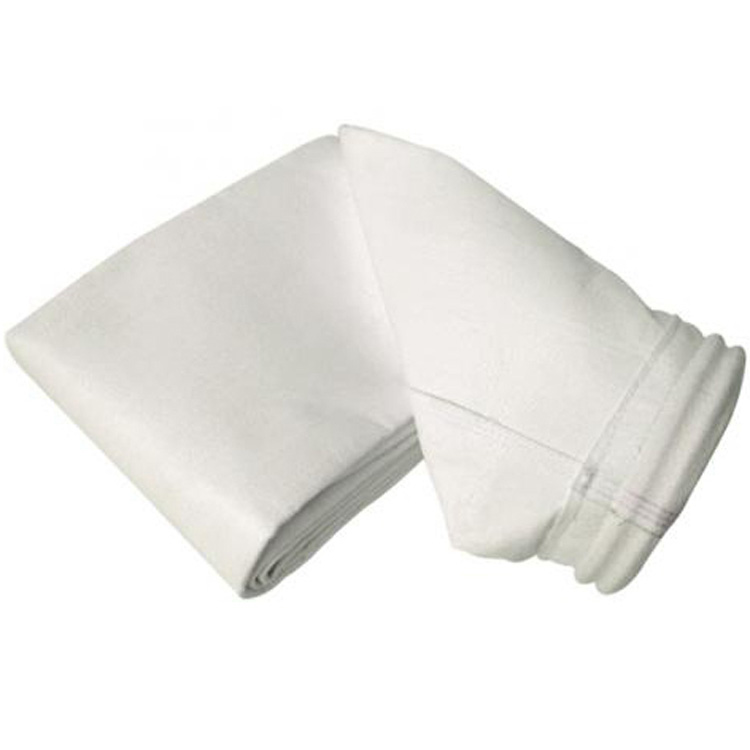


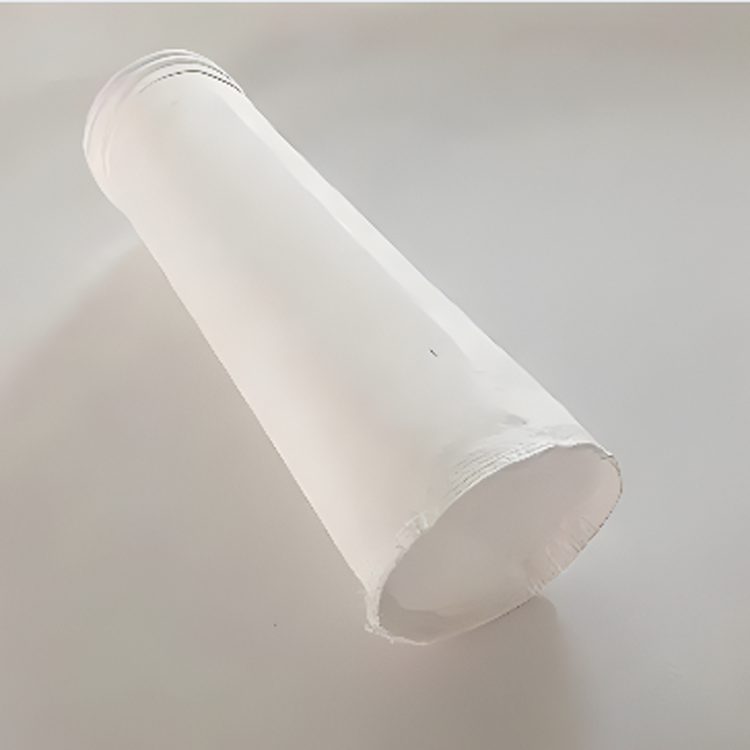
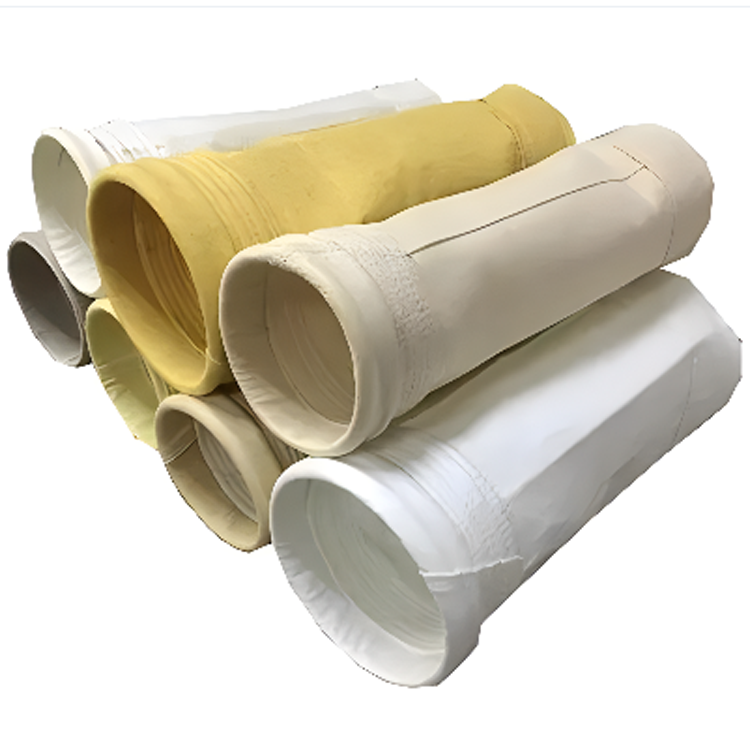


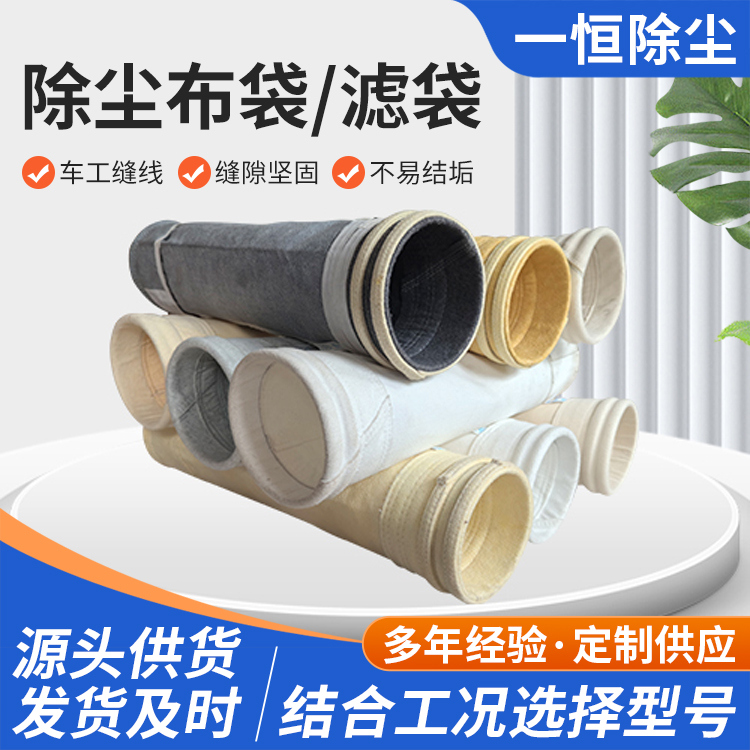
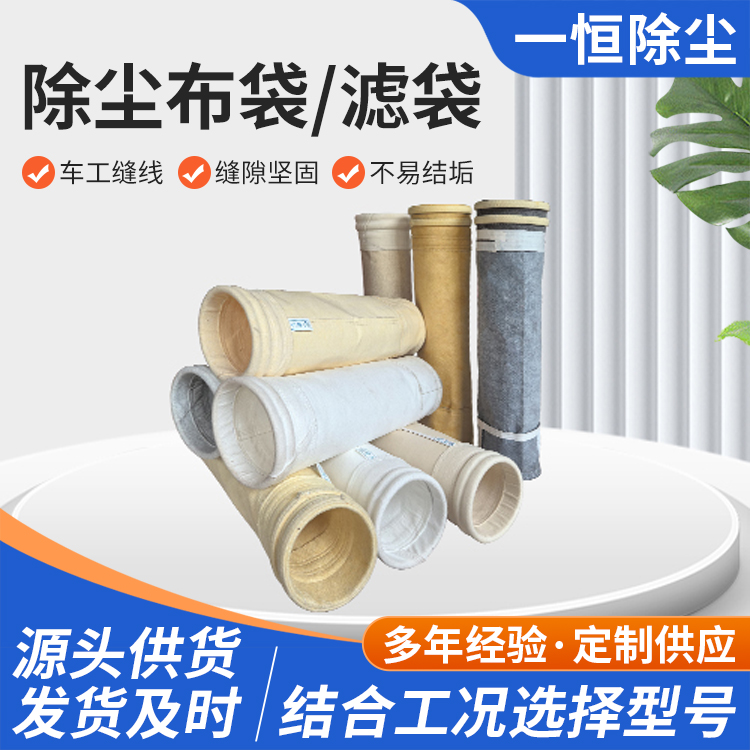
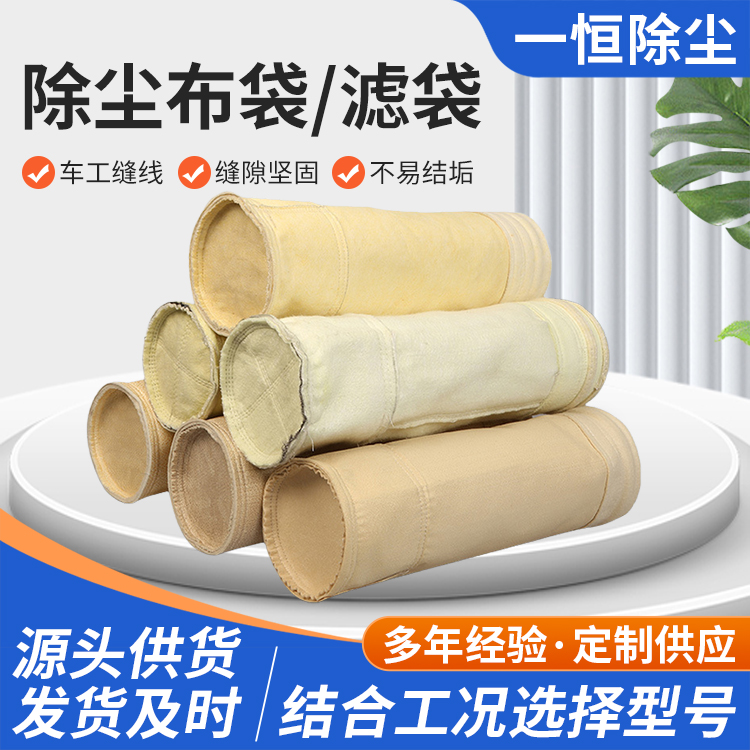
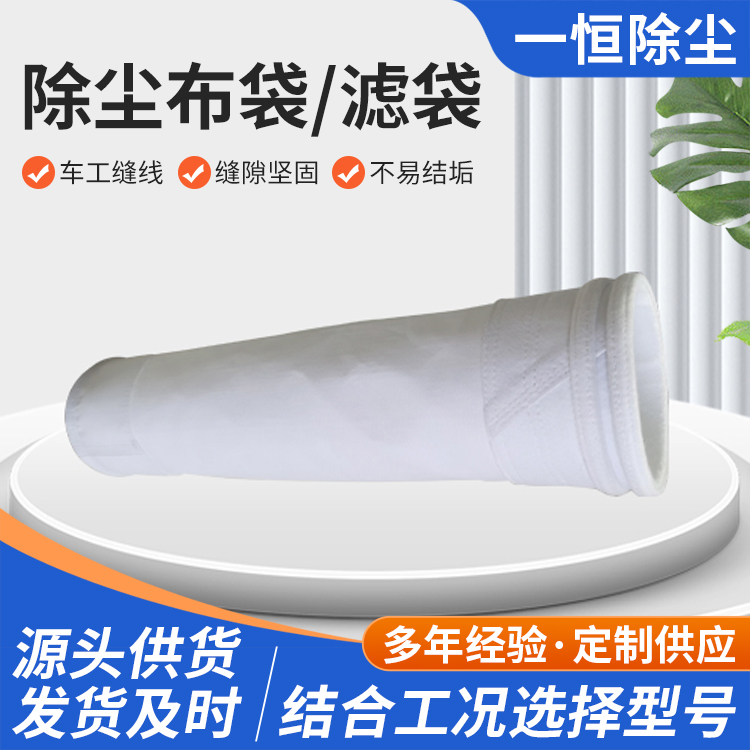
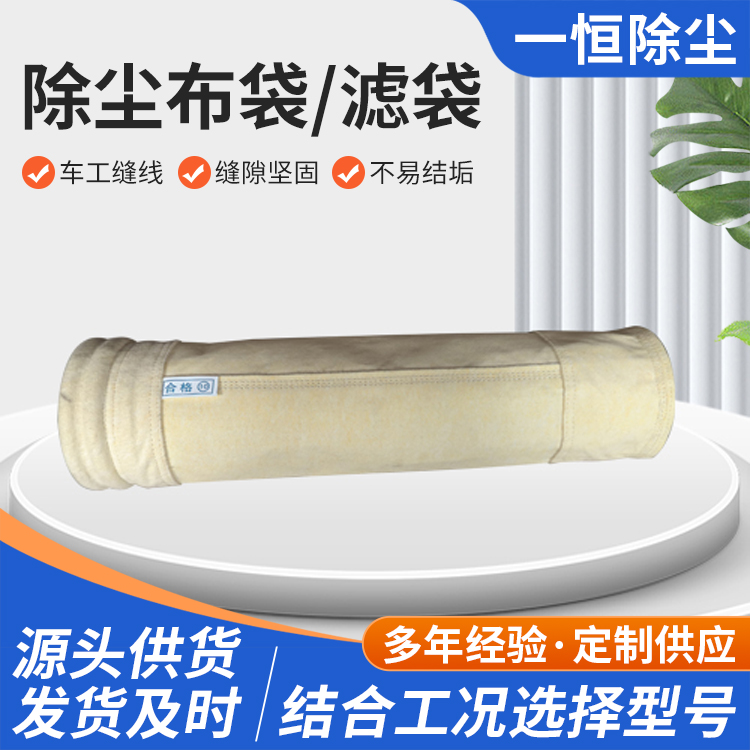








Dust removal polyester bags come in coated and plain versions, featuring the advantages of good porosity, excellent breathability, high dust collection rate, and long service life typical of ordinary filter fabrics. Additionally, they have moderate heat resistance, capable of reaching 150℃ in an instant from a continuous temperature of 130℃, and maintain stable performance with moderate resistance to alkali. They are a preferred choice in felt-like applications.
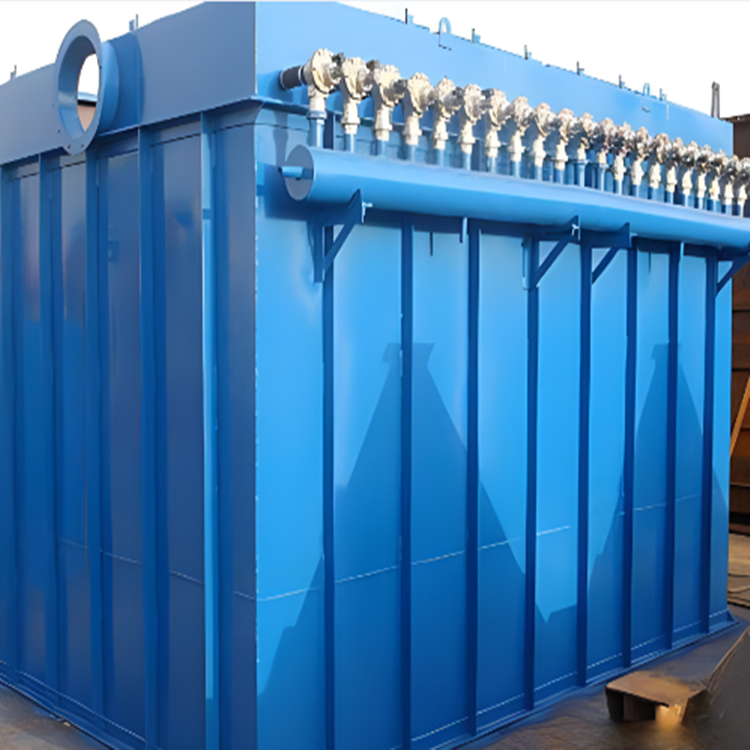
Polyester fabric bags are one of the important accessories of bag dust collectors, and the cost of replacing filter bags is also the main maintenance expense of the bag dust collector. Therefore, how to choose polyester dust collector bags is crucial to the operational status and cost of the dust collector.
Polyester fabric bags are the main filter material in bag dust collectors, produced by a needle-punched nonwoven process, where polyester short fibers are carded and woven onto a fine fiber fabric with interlaced fibers and evenly distributed gaps, then needle-punched into felt. This filter material has high strength, good elasticity recovery, stable fabric dimensions, large porosity, good air permeability, long service life, and excellent dust removal performance. It maintains certain mechanical properties and characteristics at normal temperatures (below 130℃). Due to the low cost of polyester, needle-punched polyester felt dust collector bags are a cost-effective filtration medium at low temperatures.
Polyester fabric bags, based on the dust characteristics of different manufacturers, commonly undergo treatments such as fiber blending, singeing, calendering, and impregnation. The resulting needle-punched nonwoven felt, built on its original performance, adds the feature of easy dust removal (quick dust shedding), forming a series of products.
Polyester dust collector bags are made with high-quality fine denier fiber yarns. Equipment for producing polyester dust collector bags allows for the uniform and quantitative mixing of various fibers. Multiple opening cotton units facilitate the composite layering and gradient transformation between different fibers in the web.
Polyester dust collector bags, in addition to having the advantages of high porosity, good breathability, dust collection, and long service life typical of ordinary felt, also boast moderate temperature resistance, reaching up to 150°C instantly, stable performance, and moderate alkali resistance. Moreover, they have excellent properties, making them a widely used variety among felt filter materials.
Polyester dust filter bags can be repeatedly removed and cleaned, making them cost-effective. Each fiber is made by twisting many fine, uniform diameter filaments together, then woven into a mesh with specific weft and warp densities. During filtration, particles larger than the mesh count diameter are trapped on the surface by the filter fabric, while those smaller than the mesh count diameter pass through the mesh into the downstream. Thus, the wire mesh filter bags achieve surface filtration, and their smooth surface facilitates cleaning.
Polyester dust collector bags treated with water after the formation of filter bags are used in situations with high moisture content. Compared to ordinary filter bags, they are less prone to clogging and sludging, thus extending the cleaning cycle and the lifespan of the filter bags. By increasing the gas flow, energy consumption and maintenance costs can be saved, while also boosting production. Our post-treatment technology not only allows for the water treatment of needle-punched felts (such as polyester, polypropylene, and Mesta) but also processes woven filter materials like polyester 208绒布 and 729筒布.
The production process for dust removal polyester bag filters includes: fiber opening — carding — laying — pre-needling — main needling — felting — singeing — calendering — impregnation — PTEE drying — shaping — rolling — coiling.
The Dust Removal Polyester Bag is a composite material made by bonding e-PTFE (expanded polytetrafluoroethylene) microporous filter film onto various substrates (such as polyester felt, PET, PP nonwoven fabric, etc.). The resulting filter material retains the inherent high chemical stability, low friction coefficient, resistance to high and low temperatures, and anti-aging properties of polytetrafluoroethylene, while also being able to resist fine particles. It also possesses the breathability and other characteristics of general coated filter materials. It is a new type of "breathable coated filter material."
Polyester dust collector bag characteristics: High air permeability, low resistance, good filtration efficiency, large dust-holding capacity, dust removal filter material.
Microfiltration: After being coated with non-woven materials like PET, PP, it can be made into filter sheets and filters used in industries such as chemicals and electronics. It can effectively filter out micro-particles and isolate pathogens while maintaining high filtration efficiency and low flow resistance.
Industrial Filtration: Polyester felt and PET-coated materials can be converted into various filter bags, filter cartridges, and filters, widely used in the treatment and recovery of industrial smoke and dust particles in cement, metallurgy, food, coating, petrochemical plastics, and other industries.
Features of涤纶Dust Removal Bags:
1. Low-profile industrial yarn as the base fabric significantly enhances strength.
2. The涤纶dust collector bags are made of fine denier fibers, with a reduced pore size and a decent porosity, offering good filtration accuracy.
3. Dust collector bags made of high-quality polyester fibers, with enhanced hydrolysis resistance.
4. Surface treated for smoothness, featuring surface filtration with coated filter material.
5. Polyester dust collector bags offer low operating resistance, saving energy.
Polyester fabric bag specifications: