







Detailed Description:
1. Brief Introduction
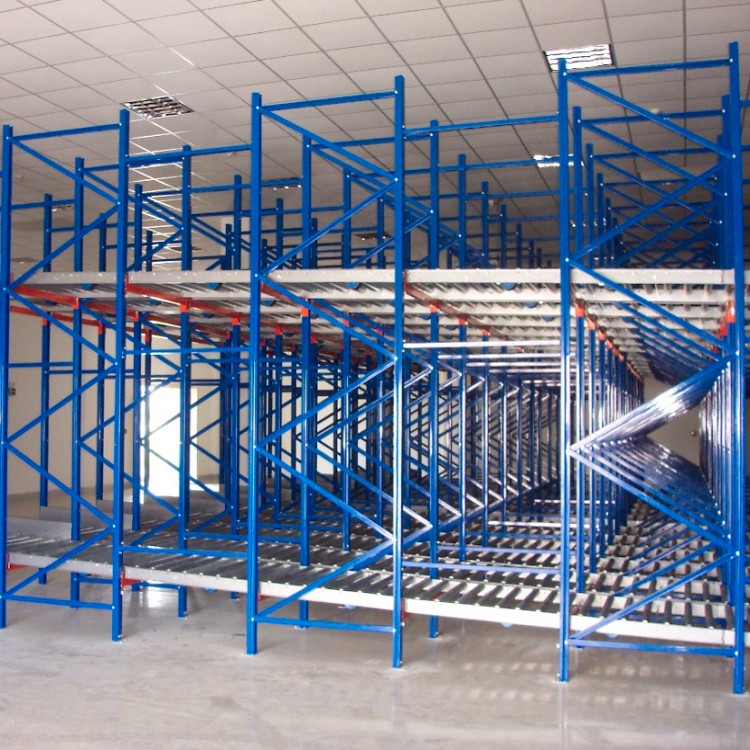
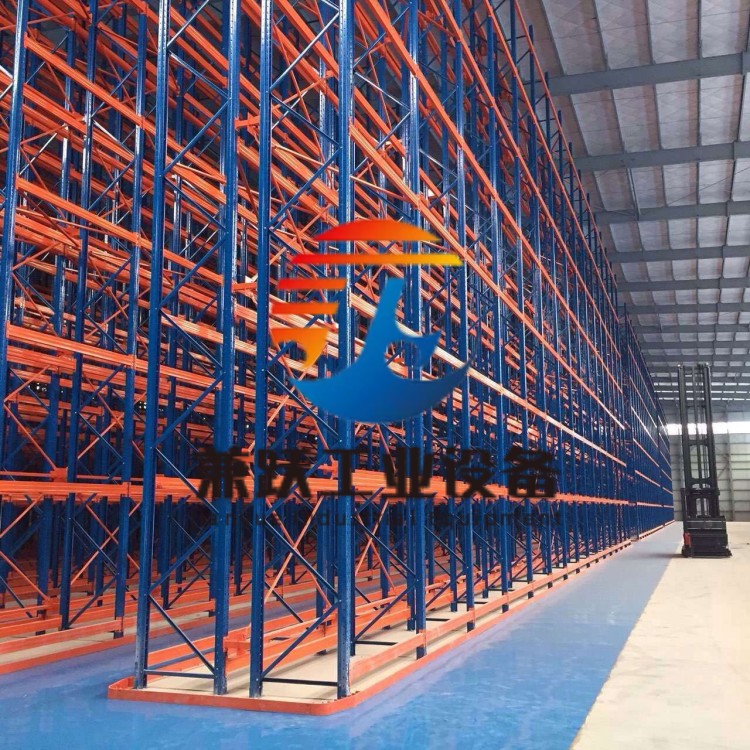
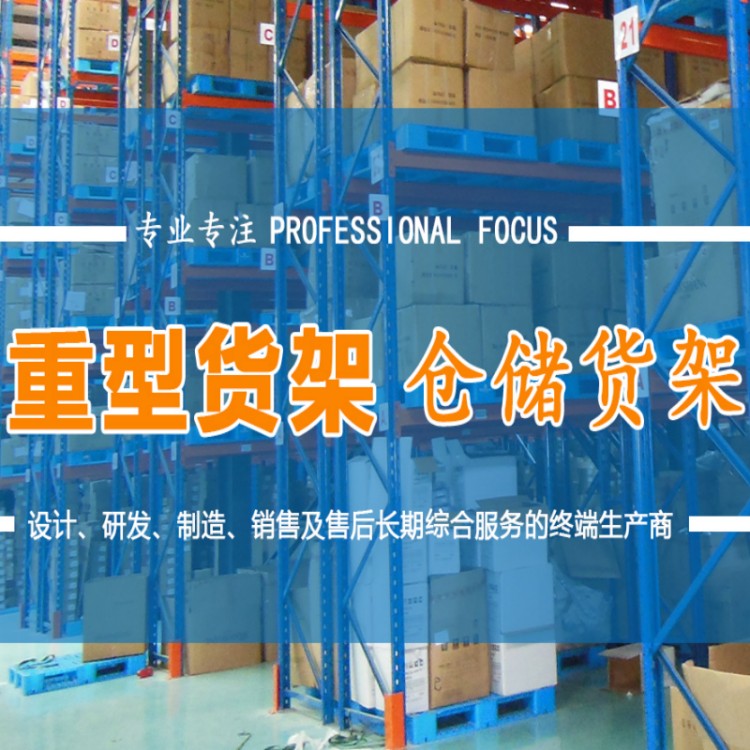
Gravity Flow Racking, also known as Self-Gravity RackingHeavy-duty shelving, evolved from pallet racking, suitable for small variety, large quantity of similar goodsStorage of goods with high space utilization; gravity shelves can be customized in depth and number of levels as required.
2. Operating Principle
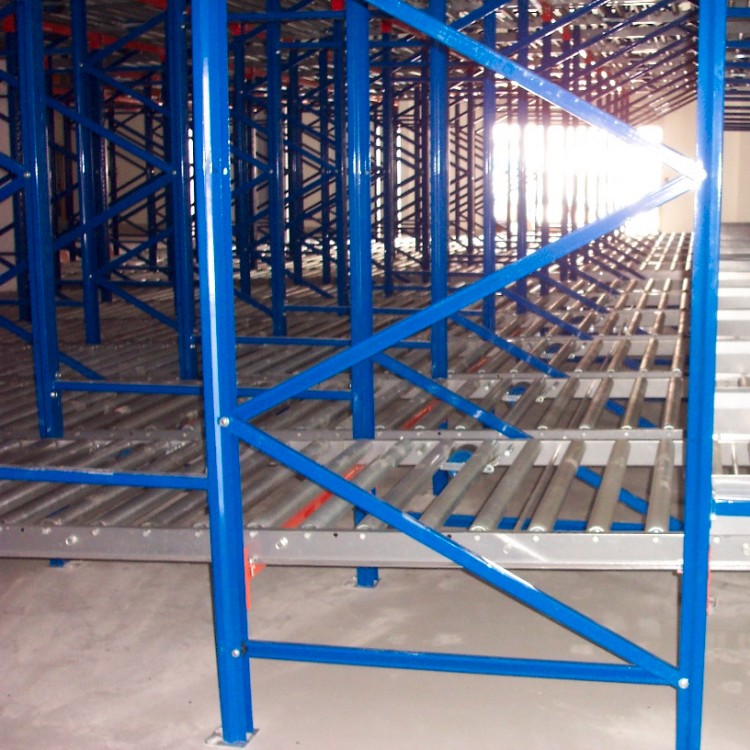
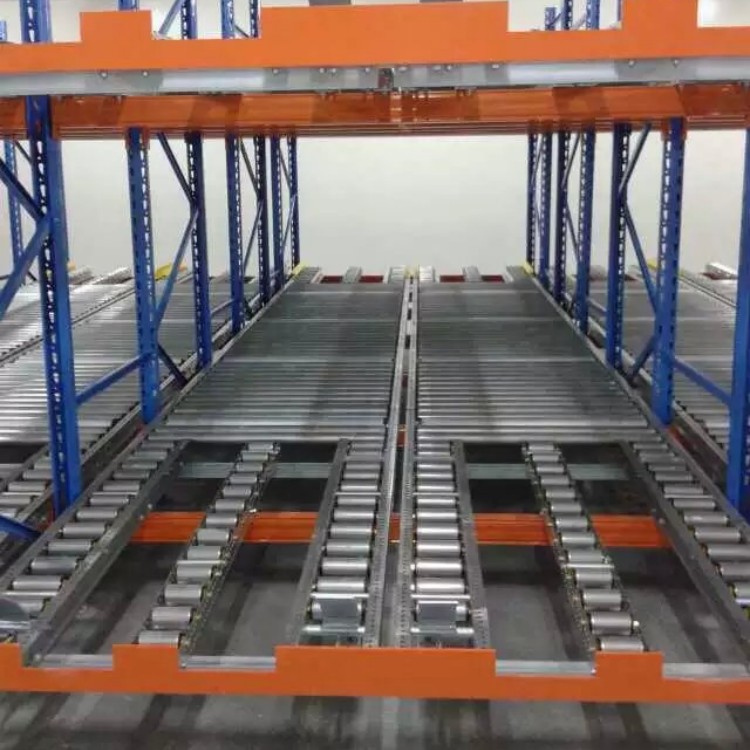
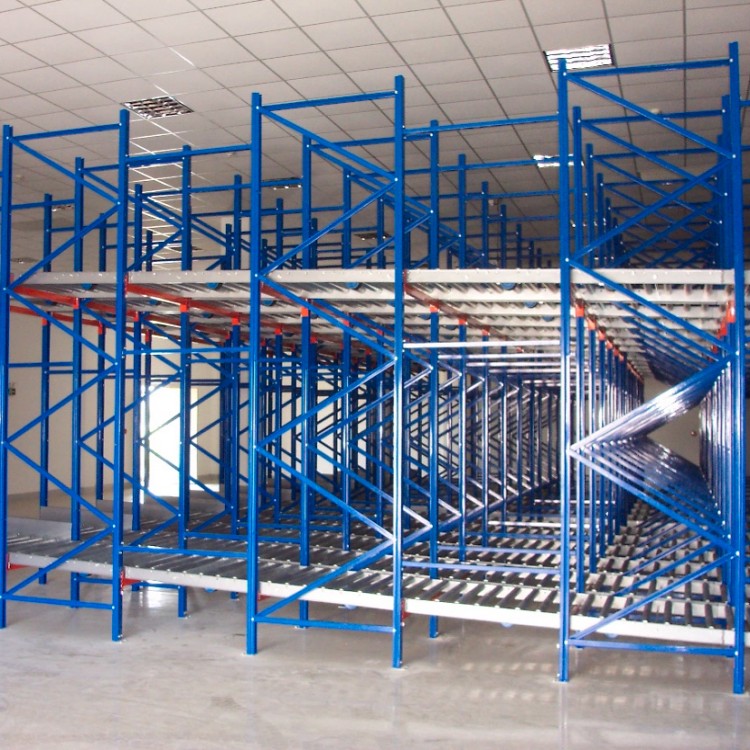
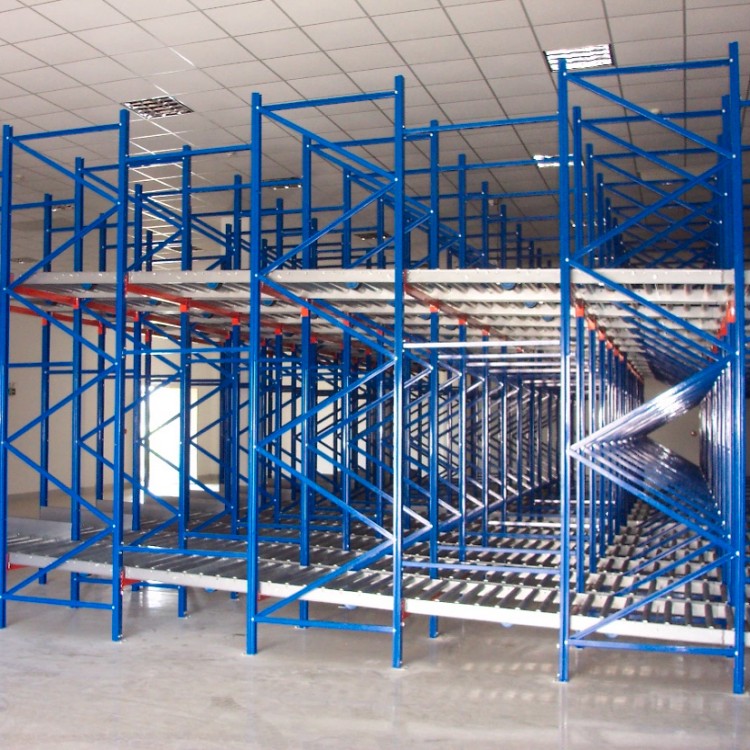
HeavyLifted cargoGravity Flow Racks, also known as roller conveyor racks, are a type of pallet storage rack within the category of warehouse racks. Gravity Flow Racks are one of the derivatives of the beam rack, with a structure similar to that of beam racks but equipped with roller conveyor tracks mounted on the beams, inclined at 3-5°. Pallet goods are transported to the loading end of the rack using forklifts, and then, utilizing their own weight, the pallets automatically glide to the unloading end. Gravity Flow Racks operate on a First-In-First-Out (FIFO) storage method.
3. Rack Features
1. Goods are loaded from the higher end, sliding down to the lower end, and then removed from there. During the sliding process, dampers are set on the track to control the speed of the goods, ensuring it stays within a safe range. At the discharge end of the track, a separator is installed, allowing the handling machinery to smoothly remove the goods from the first position.
2. Goods are handled on a first-in, first-out basis. Shelves are designed for high storage density and feature flexible coordination capabilities.
3. Ideal for storage operations with pallets as the carrier, ensuring neat stacking of goods, providing an excellent solution for storing heavy, large items. Warehouse space utilization exceeds 75%, and only requires one in/out channel.
4. Gravity shelves are highly eco-friendly, utilizing a completely passive design with zero energy consumption, low noise levels, and are safe and reliable, capable of operating under full load.
No operational aisles between shelves groups, increasing space utilization by 60% and enhancing storage density; pallet operations follow the FIFO (First In, First Out) principle; automatic storage rotation; separating storage and picking processes significantly boosts output; gravity-assisted sliding of goods reduces the need for transport routes and forklifts due to the absence of operational aisles.