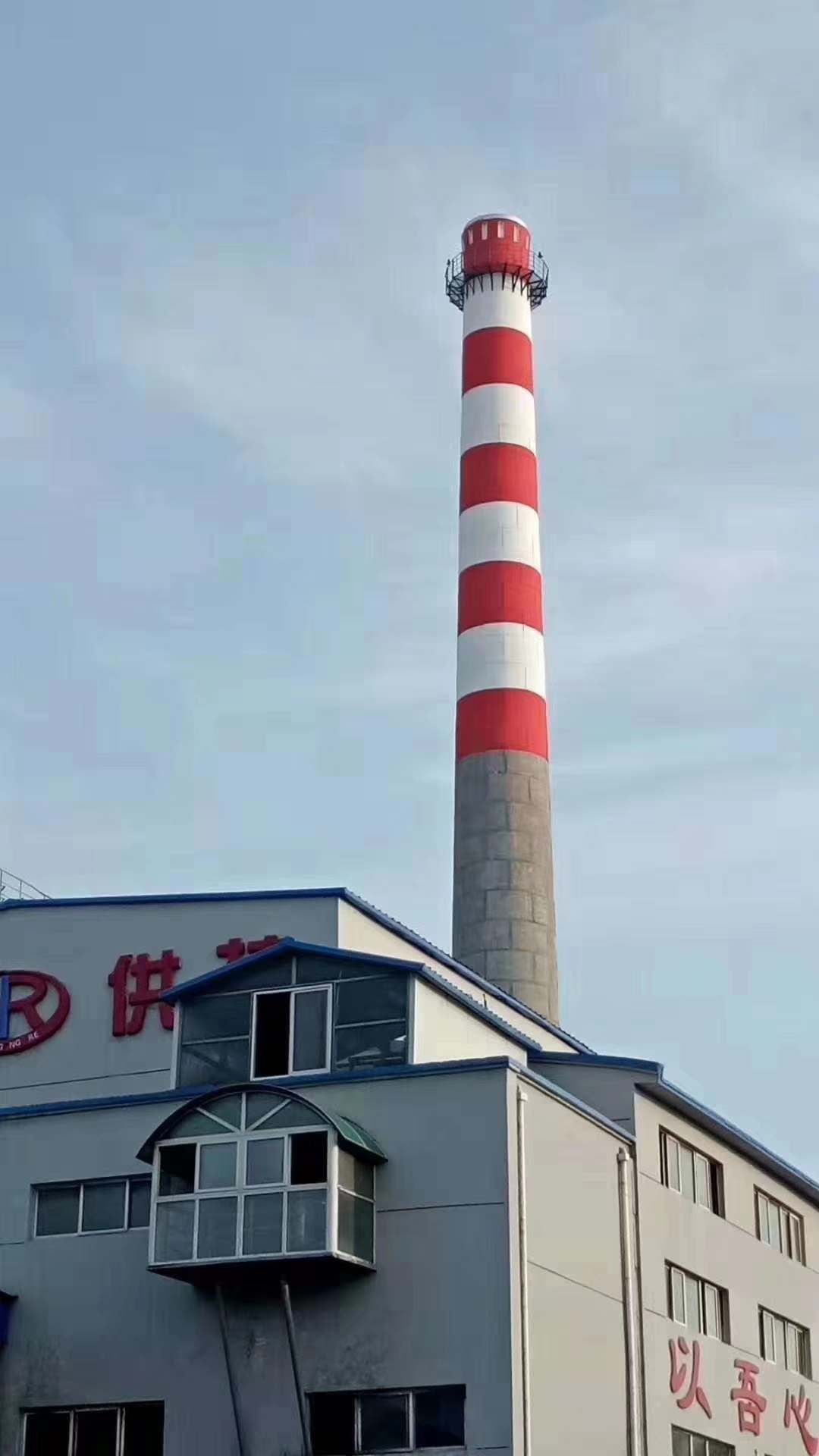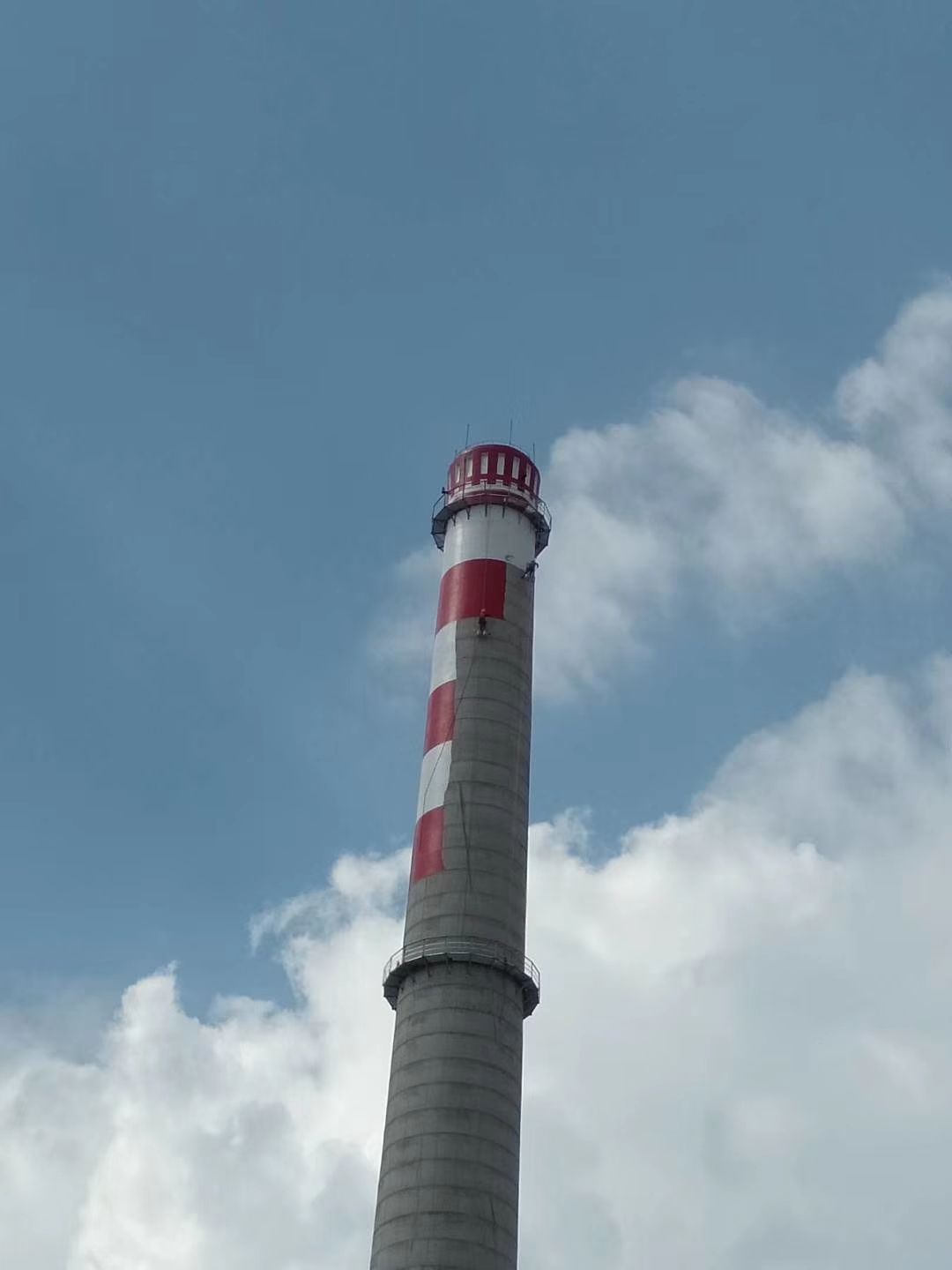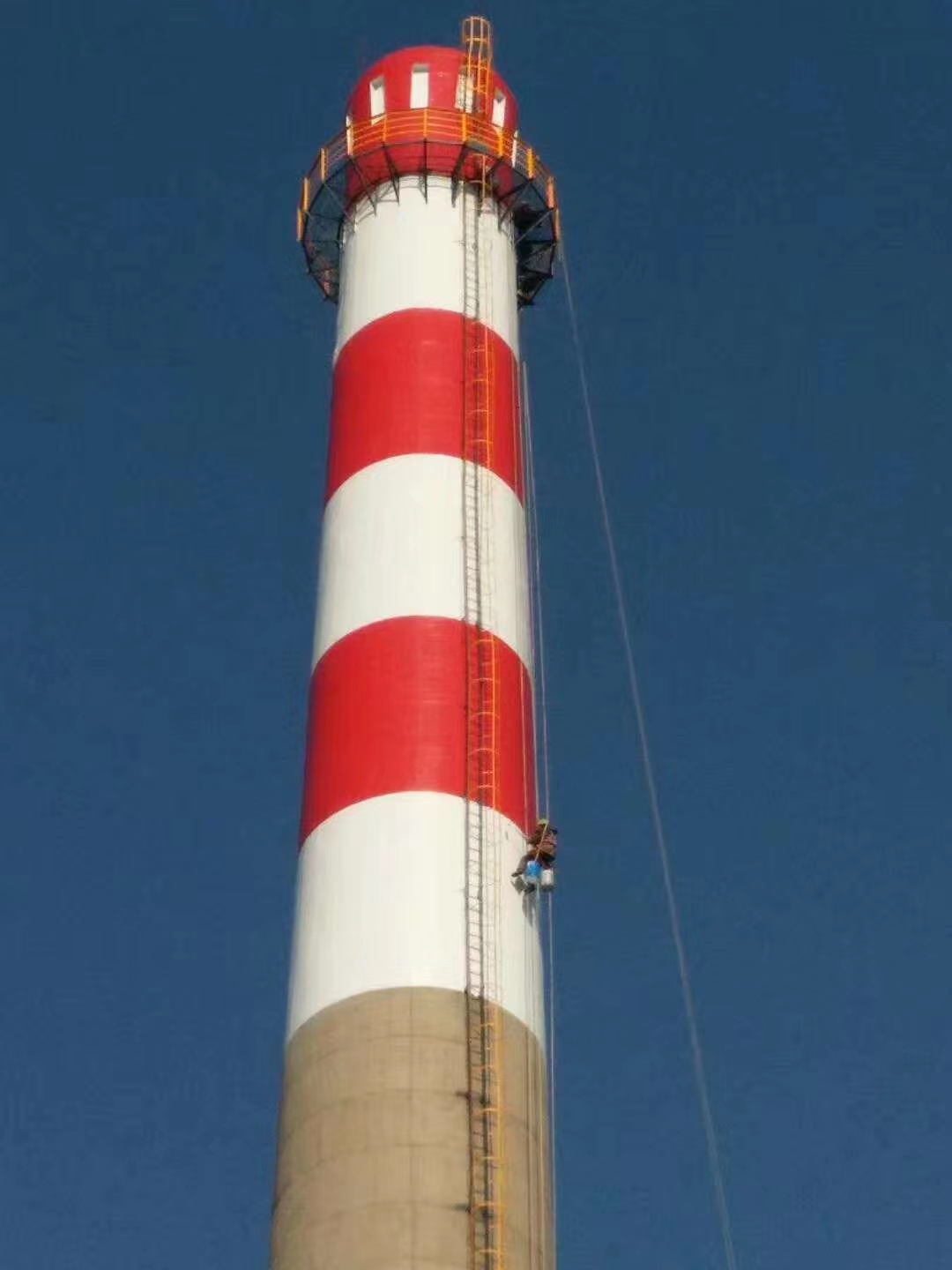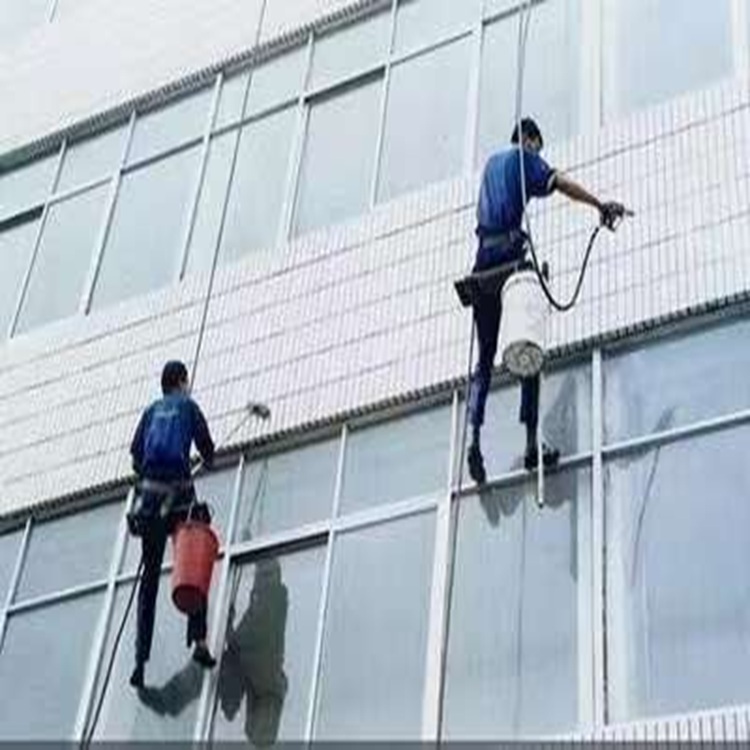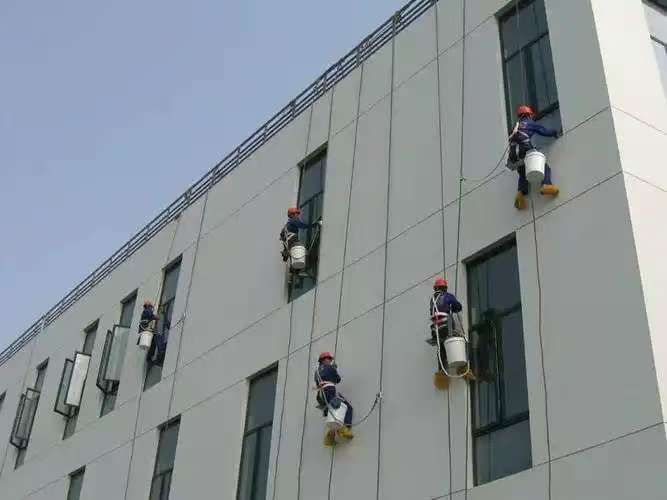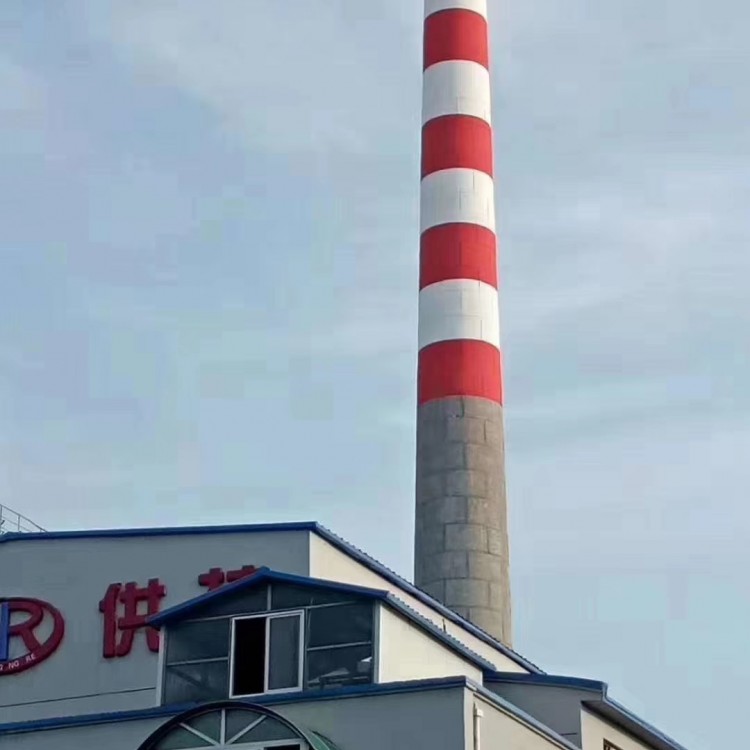


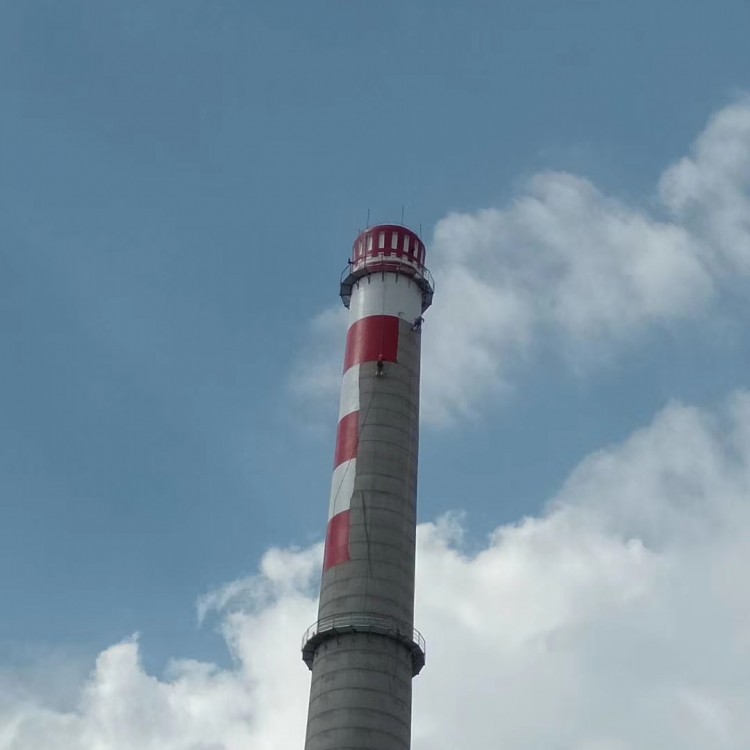
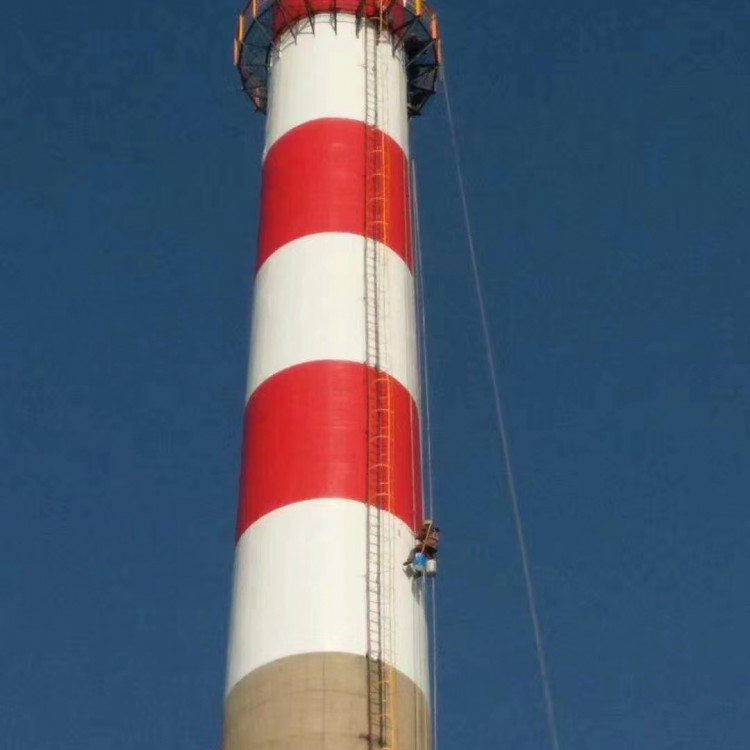







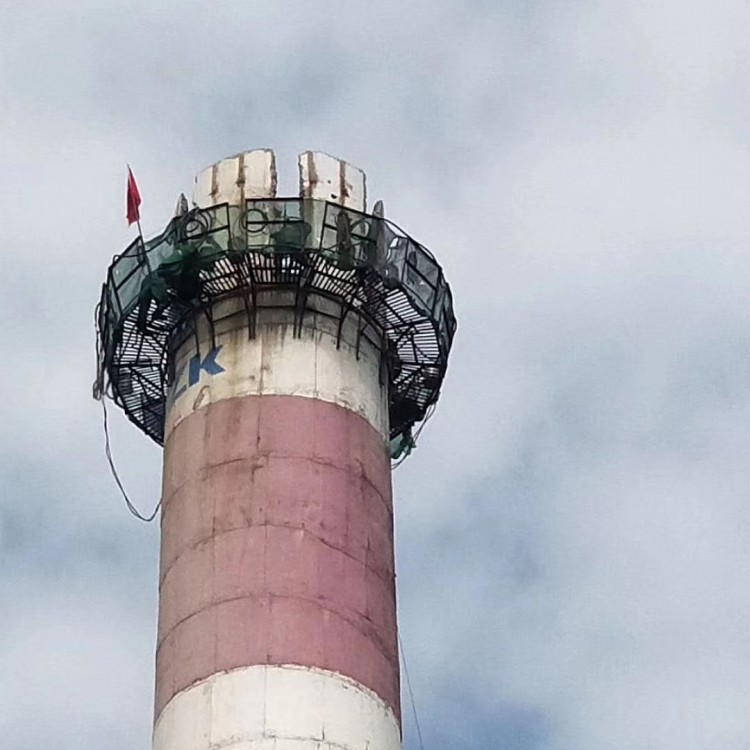
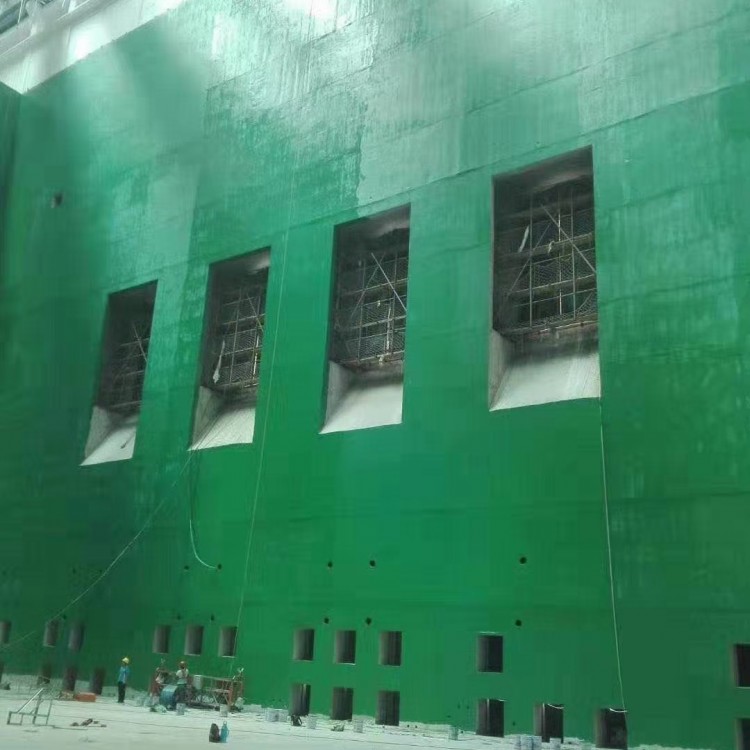
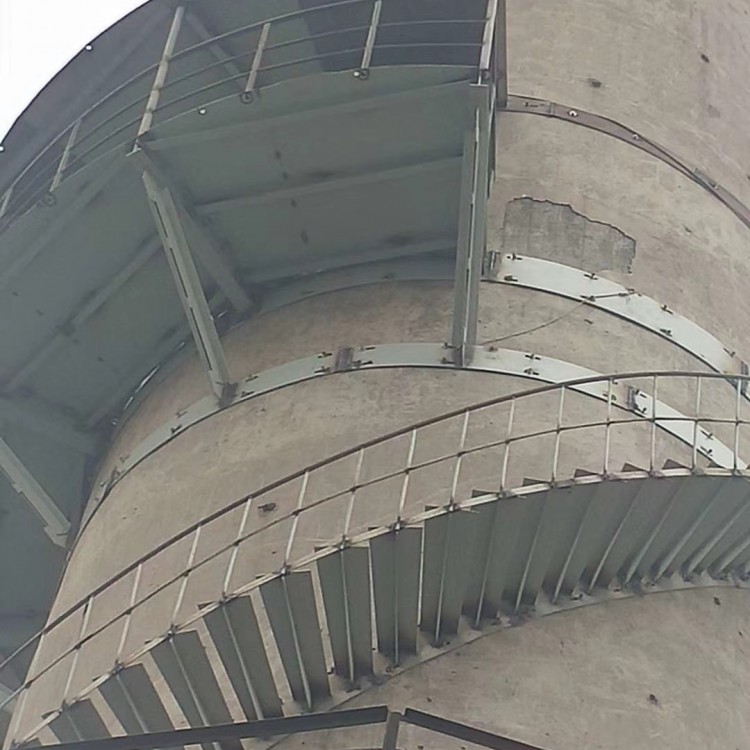
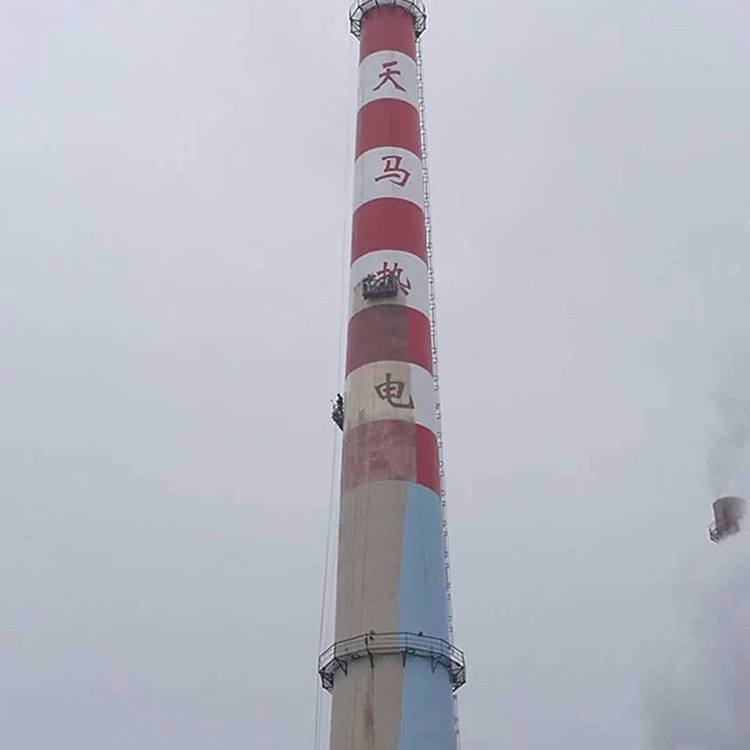
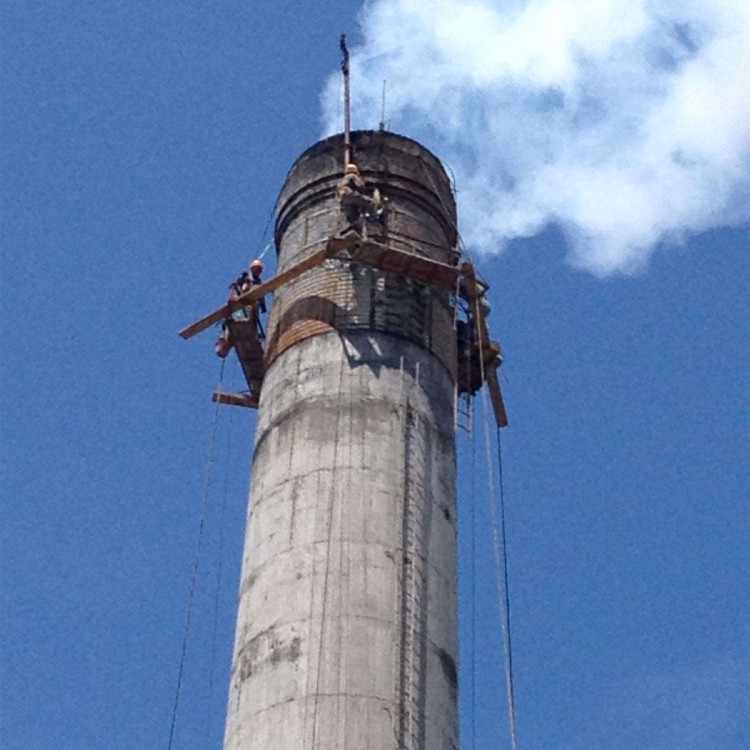
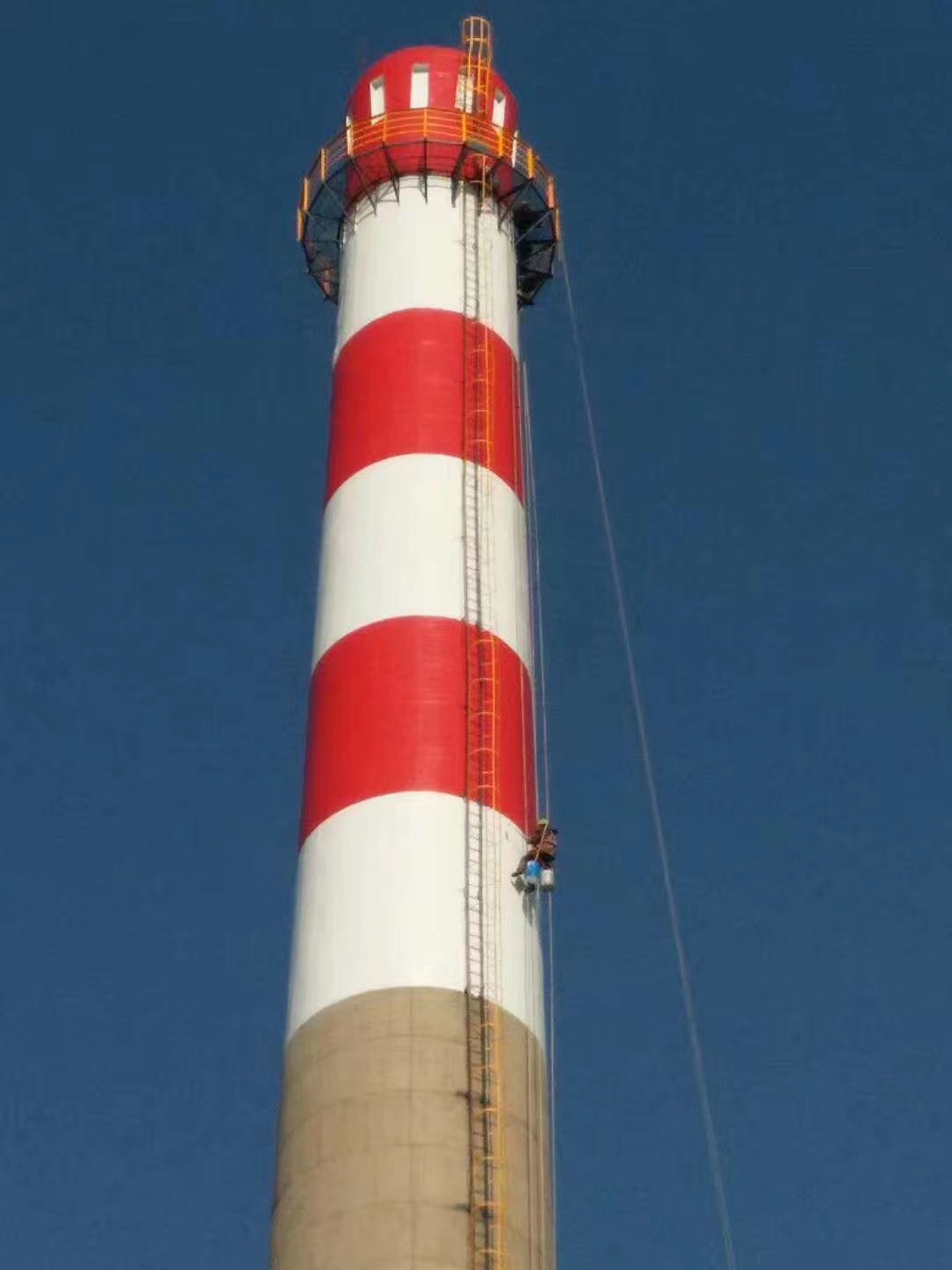
Chimney painting with navigation marksUtilizing advanced technologies such as "scaffold-free construction, continuous production, and suspended work at heights," we provide you with:
(1) High-altitude Construction Projects: New brick chimneys (up to 65m), concrete chimney slipform (up to 240m), chimney design drawings, foundation casting, turnkey services, new wheel kilns, new kilns and water towers, new grain silos, and new cement storage tanks, as well as chimney heightening projects.
(II) High-altitude Demolition Projects: Various chimney removals, water tower removals (manual, directional), steel tower removals, urea granulation tower removals, television tower removals, iron frame removals, high-altitude concrete frame removals, and other high-difficulty high-altitude demolition projects.
(3) High-altitude Engineering: Chimney renovation, chimney cleaning, chimney inspection, chimney flaw detection, chimney crack repair, chimney bracing and reinforcement, chimney removal and heightening, chimney alignment, chimney lining replacement, chimney crown repair, lightning protection system maintenance or replacement, chimney painting, kiln, insufficient chimney draft, etc.
Power plant chimney painting with navigation marks site preparation
Chimney painting project site, temporary construction site, and equipment storage area should be selected in convenient locations for transportation and construction. The size of the site should meet the requirements for construction and material storage. The construction site should be solid, flat, spacious, and not prone to waterlogging to facilitate transportation and lifting. The site must be equipped with power supply to meet the equipment load requirements. According to the on-site conditions and the actual needs of the construction project, the construction site should be reasonably arranged. Set up temporary facilities, plan for material storage areas, machinery and equipment storage areas, and select the main entrance and exit points of the construction site. Place major equipment on-site, perform maintenance and care for the equipment, and install lighting facilities to meet the requirements for night construction. The material storage area must be safe, moisture-proof, and away from fire sources.