








Corrosion-Resistant Steel Structure Paint
1. Basic Processing and Requirements
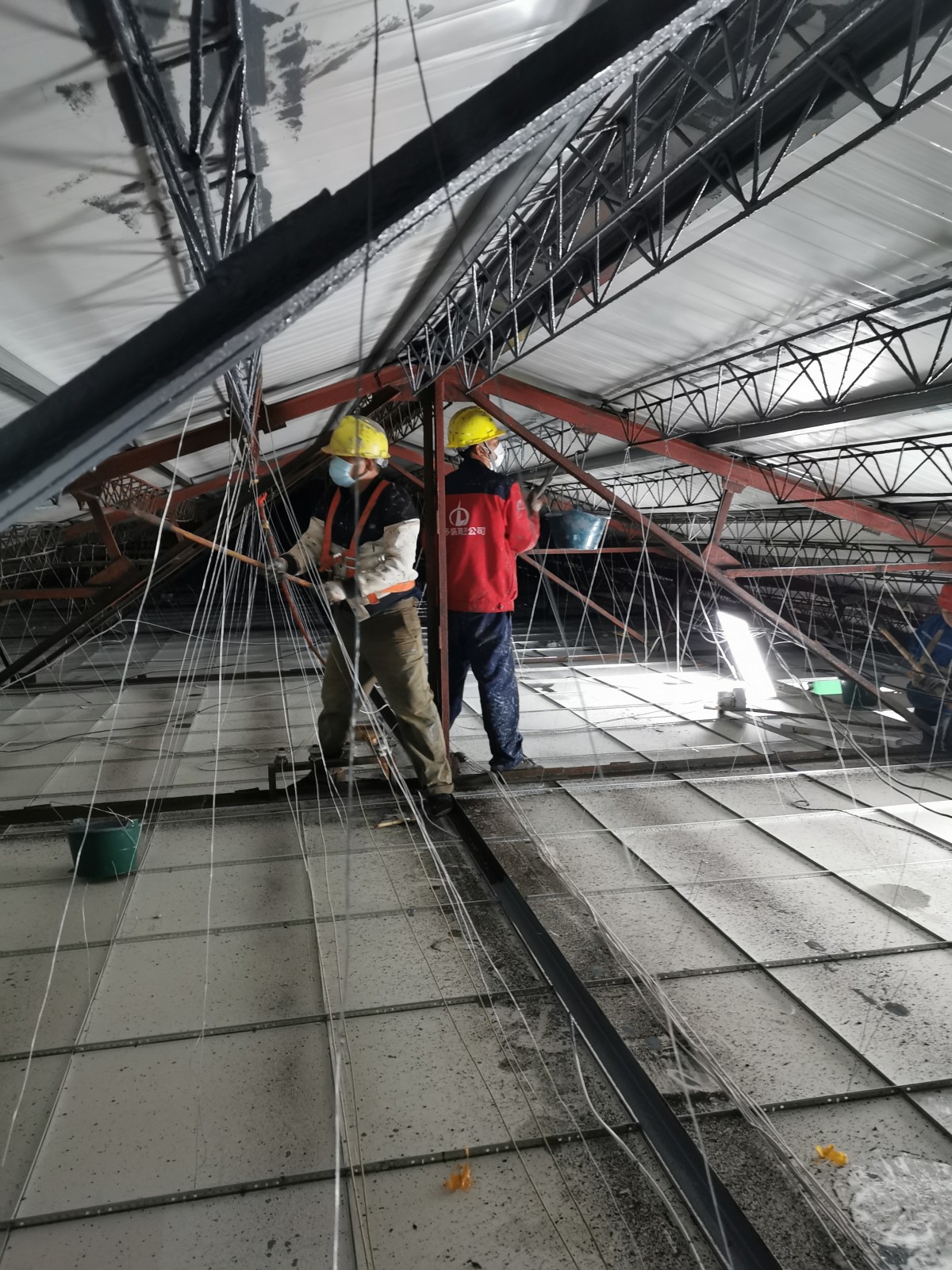
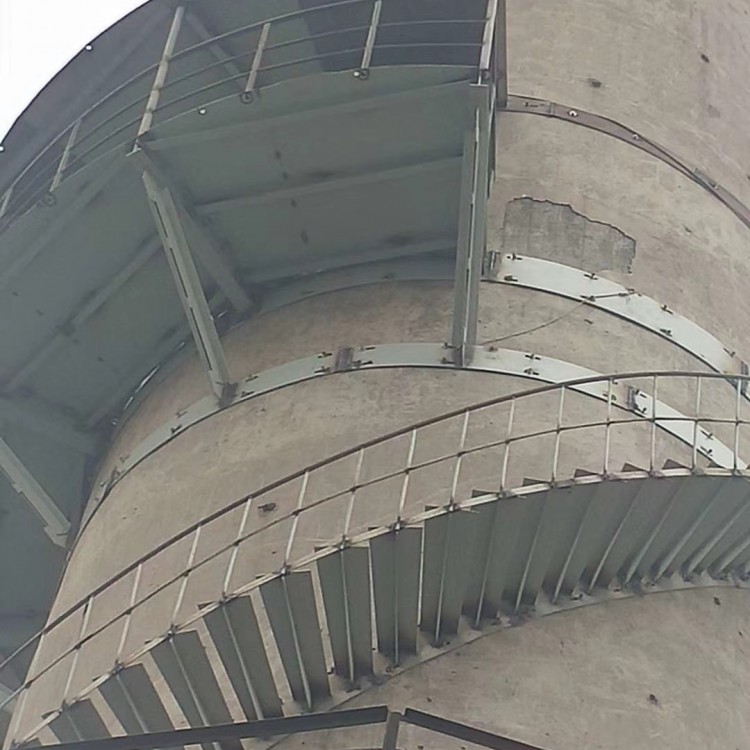
(1) Sand the old alkyd red lead paint with fine sandpaper and remove any remaining weld slag and rust from the worn areas.
After polishing, thoroughly clean up the dust and debris generated by the polishing process.
(3) Prior to painting, the substrate must undergo inspection and approval by the client and supervisory parties to ensure all oils, soot, fats, dirt, rust, and other external contaminants have been removed. Only then can the painting process begin to ensure the quality of the finish and its service life.
(4) Prior to each coating application, inspect the base material or previous coat for oil, dust, grease, dirt, or any other external contaminants.
(5) Pre-coat a primer at difficult-to-paint areas such as corners, welds, seams, and surfaces where rust has been sanded off before applying the base coat to ensure the film thickness meets the required specifications.
2. Anti-corrosion requirements for power tower structures and steel structure construction environments
(1) Temperature: 4oC, 35oC, at least 3oC above the dew point
Relative Humidity: 85%
(2) Construction is prohibited during rainy weather or when the wind speed is above grade 3. It is not allowed to resume work within 8 hours after completion if rain is encountered (keep an eye on weather forecasts and arrange the construction schedule accordingly). Resuming work is only permitted 1 to 2 days after the base material has dried.
3. Power Tower Anticorrosion, Steel Structure Anticorrosion Coating Construction Techniques, Methods, and Technical Requirements
(1) Coating Method:
Common painting methods include brushing, rolling, and spraying. Considering the actual construction conditions, material savings, and performance enhancement, it is recommended to use brushing for the primer to improve adhesion. Topcoat can be applied by brushing or spraying, depending on the working conditions.
(2) Power Tower Corrosion Protection and Steel Structure Anti-Corrosion Coating Process Precautions
1) The quick-drying, multi-functional epoxy paint used in this coating system is a two-component paint with a 1:1 (volume ratio) mixture.
2) Prior to use, mix each component separately with a power mixer until well blended. Then, slowly add the hardener to the main agent while stirring, following the volume ratio, and mix thoroughly after combining.
3) Under 25°C ambient temperature, the two components of the quick-dry multi-functional epoxy paint must be aged for 30 minutes before use. It is recommended to use it up within 4 hours. Therefore, paint mixing must be done as needed. The thinner must be added only after the aging process!
4) To adjust the coating thickness and differences in application methods, an appropriate amount of thinner can be added; the fast-drying multi-functional epoxy paint thinner is R7K15 thinner, with a dilution ratio of ≤5% (by volume); the general alkyd primer paint thinner is R2K4 thinner, with a dilution ratio of 10~20% (by volume).
5) Pay attention to the recoating time interval during painting. The subsequent coat must be applied only after the previous coat is fully dry. Ensure the previous coat is clean and dry before painting.
6) Do not recombine previously remaining mixed products with new mixed products.
7) After each coat of paint has dried, the dry film thickness must be inspected. Randomly select 10 spots per 100m², each spot covering 1m², and randomly check 10 points per square meter. The minimum thickness at each point must not be less than 80% of the design thickness. The average dry film thickness measured should be within ±5% of the designed dry film thickness.
(3) Quality Requirements for Anti-corrosion Coating on Power Tower Structures and Steel Structures
1) The coating is firmly adhered to the substrate and between coatings, it cannot be peeled off or fall off.
2) Each coating film meets the specified dry film thickness requirements.
3) The base must be flat, with no uneven or bumpy surfaces.
4) Free of defects such as leaky bottom, run-off, and needle holes; the coating is smooth, full, and has a uniform and consistent color and luster.
5) Overall effect is harmonious and aesthetically pleasing.
6) After painting, the coating requires 7 days of curing before it fully hardens. Protection of the coating is essential prior to curing.