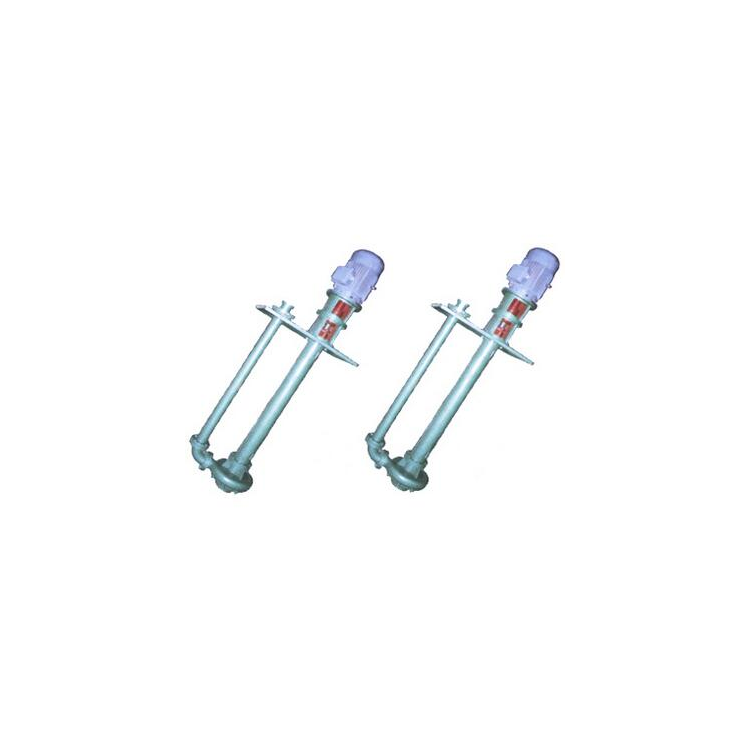












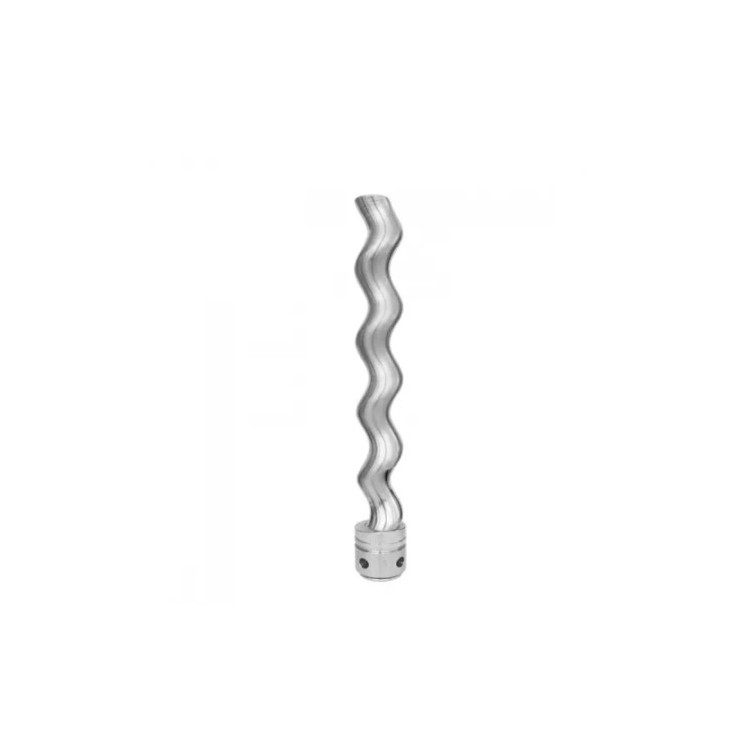
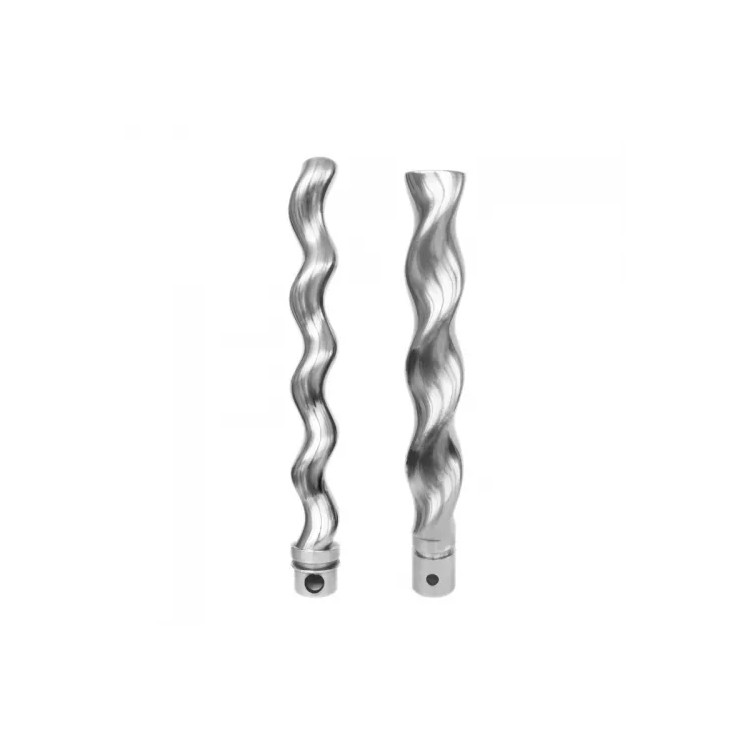
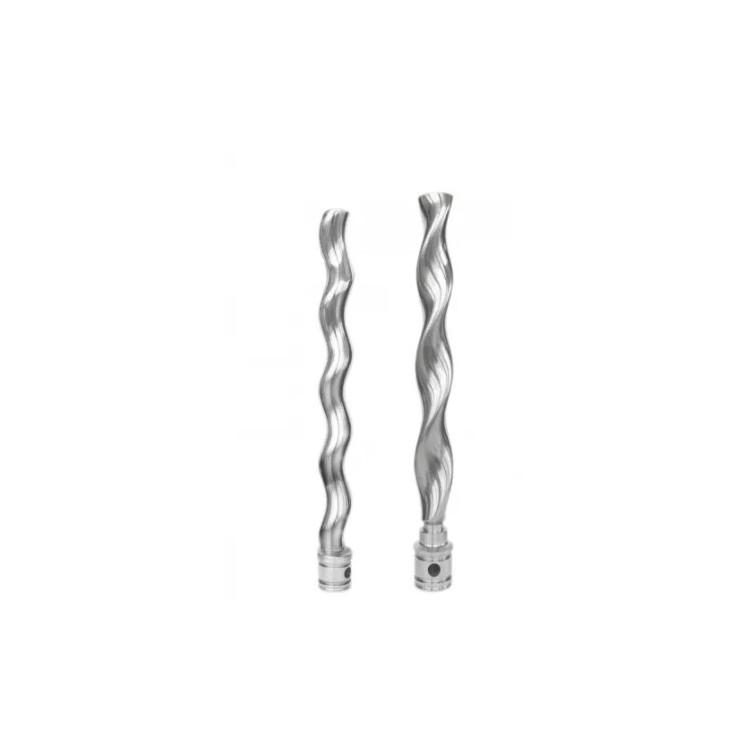

I. Overview of LY Submerged Liquid Pump
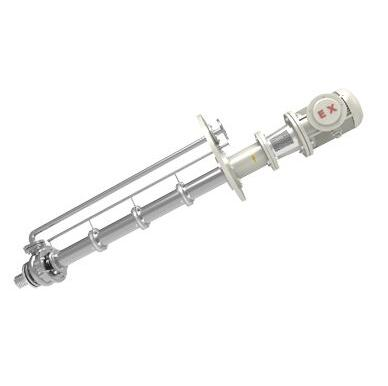
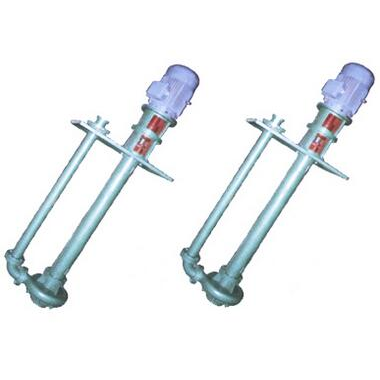
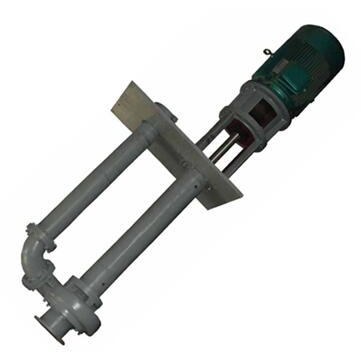
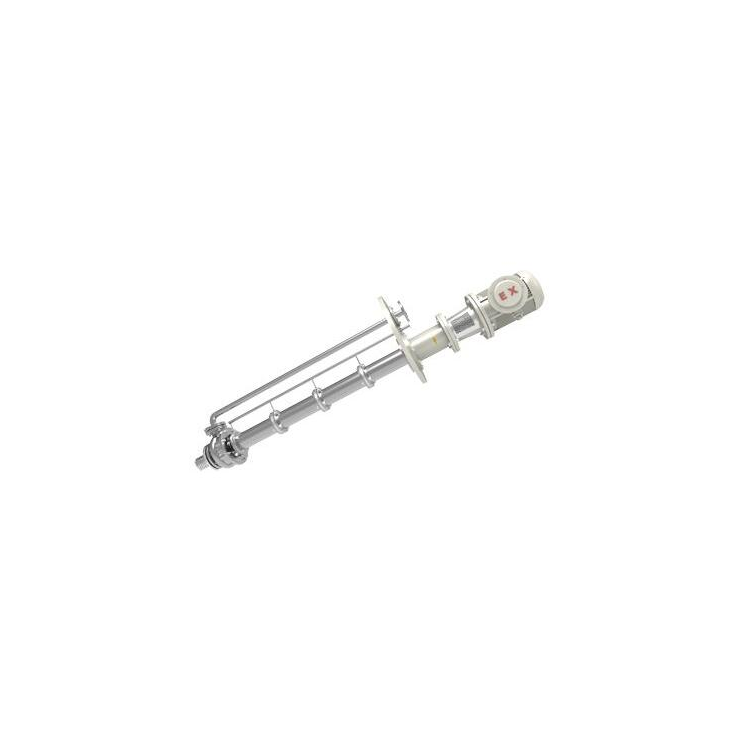
The LY type long shaft submersible pump is a vertical centrifugal pump suitable for various industries such as chemicals, petroleum, power, metallurgy, papermaking, and environmental protection. It is designed for transferring corrosive liquids and liquids containing a certain amount of solid particles. Our factory has chosen this pump, which is designed with an excellent hydraulic model currently available domestically. Its high efficiency, energy saving, and stability are significant advantages of the LY submersible pump.
The LY/LYO/LYG series long shaft submersible pumps are designed with international superior hydraulic models. The pump design and manufacturing are in accordance with the AP1610VS4 type. The pump shaft is supported by sliding bearings within the pump cover and the sliding bearing housing, with the upper bearing using wear-resistant bearings and lubricated with lithium-based grease. This series of pumps is suitable for transporting various corrosive liquids and clean water, as well as various types of wastewater containing particles or fibers. The temperature range for the conveying medium of the LY/LYO type is -20℃ to +120℃, while the LYG type can reach +400℃ for the conveying medium, with a working pressure of up to 1.6MPa.
II. Structural Features of LY Submerged Impeller Pumps
LY Type Long Shaft Submerged Pump with Axial Connection Structure - Safe and Reliable
2. Rotor components are adjustable axially
3. The rotor components feature multi-point support, ensuring safe and reliable pump operation.
4. Spherical bearings are used with external lubrication or self-lubricating
5. The impeller is fully submerged in the medium during pump startup, making it easy to start and there is no issue with exhaust or air extraction.
6. Utilizing double-end volute pump bodies (above 80mm diameter), the rotor components experience minimal radial force, resulting in reduced shaft deflection and less wear on sliding bearings, leading to a longer lifespan.
7. The pump rotates clockwise when viewed from the motor end.