
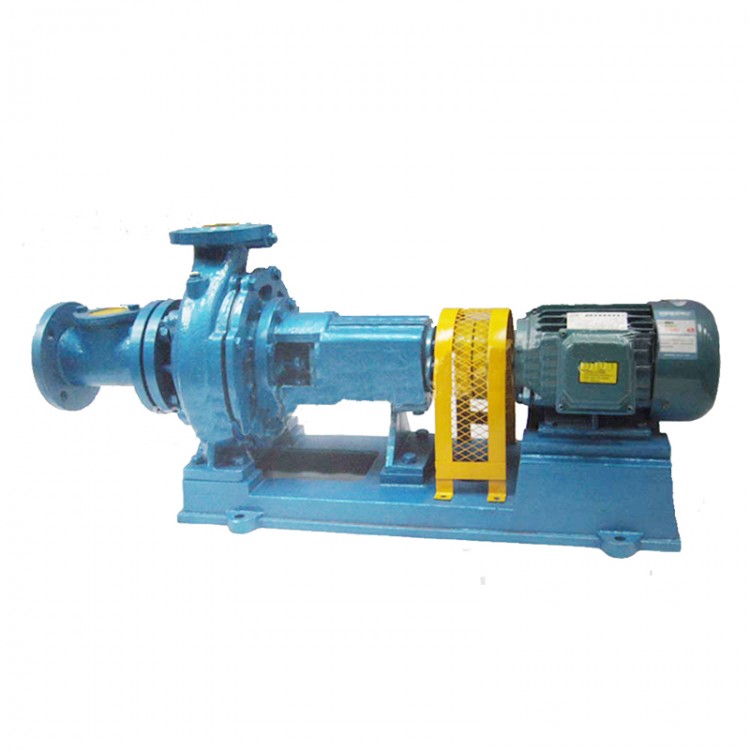







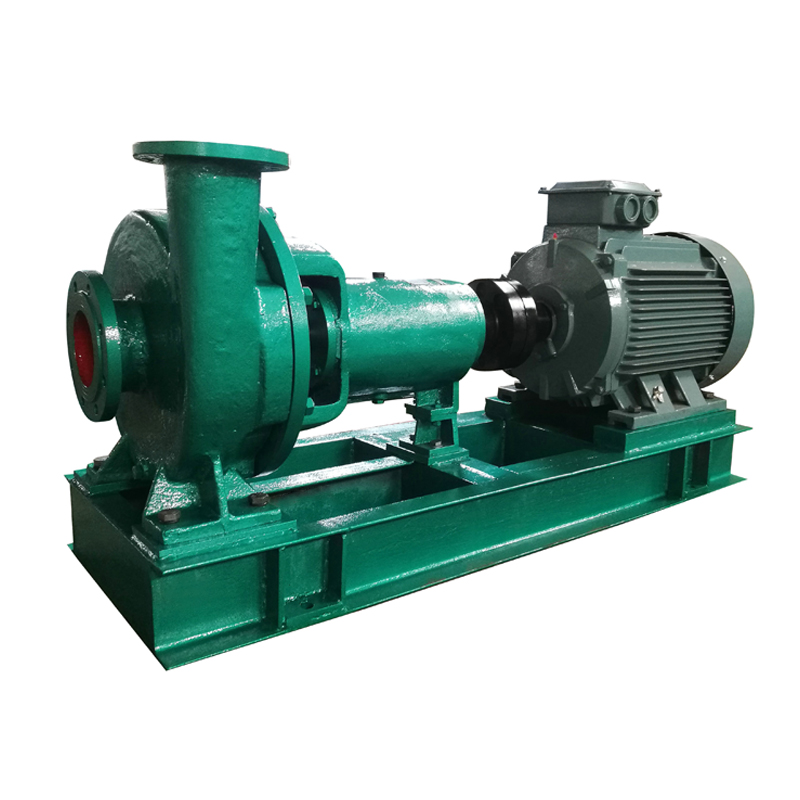
WT Series Slurry Pumps
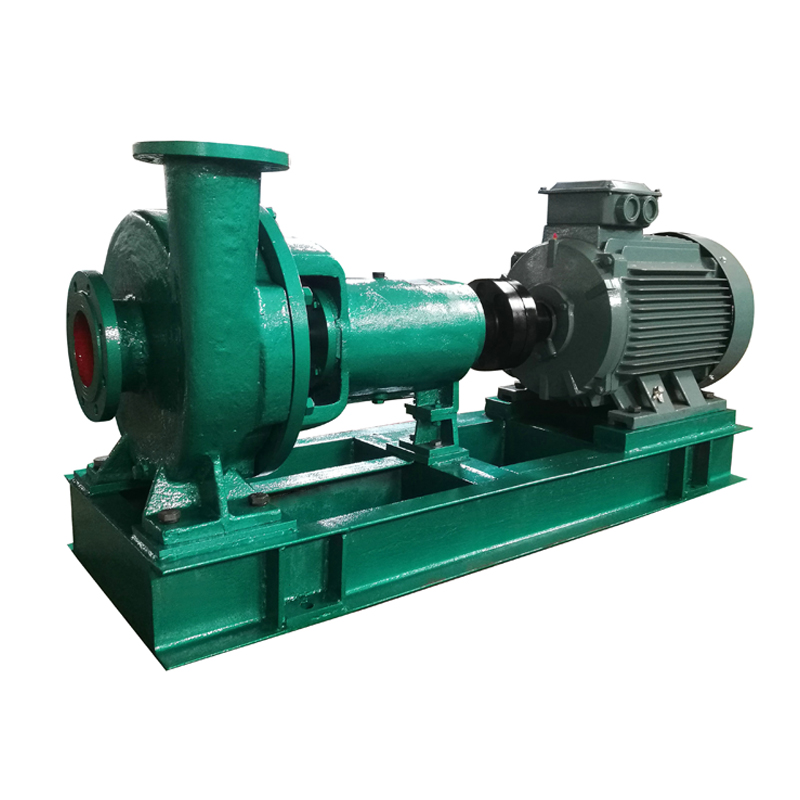
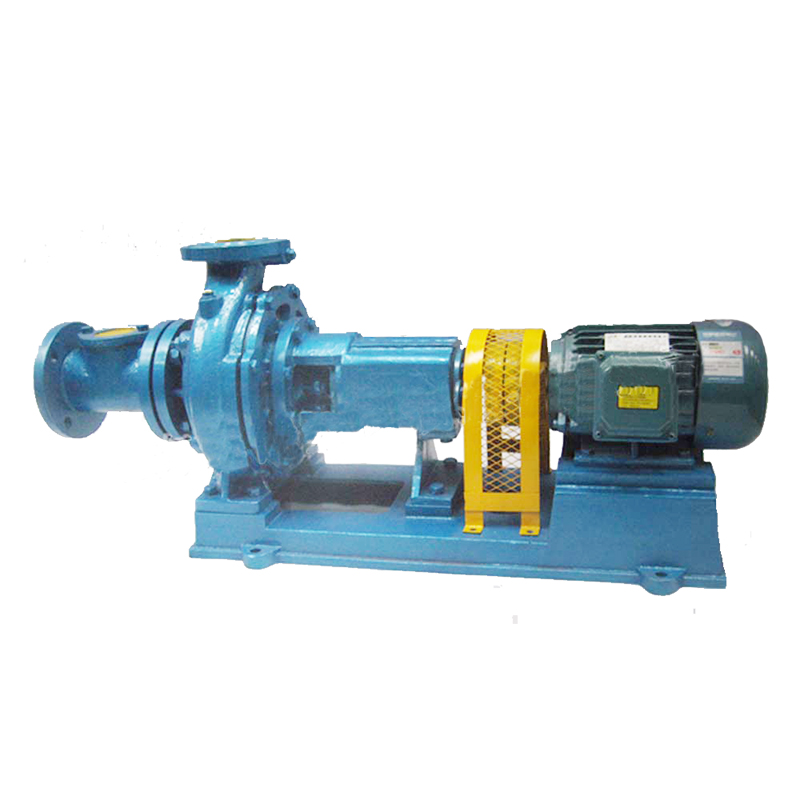
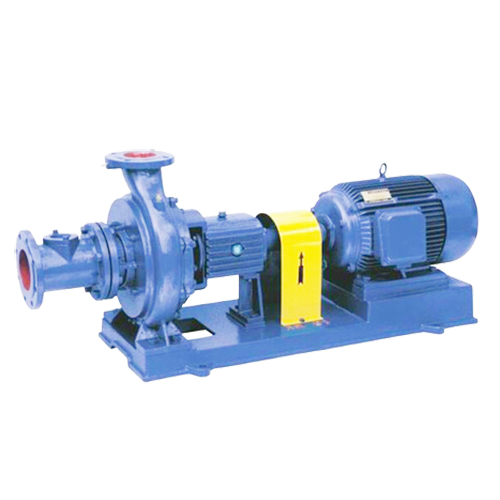
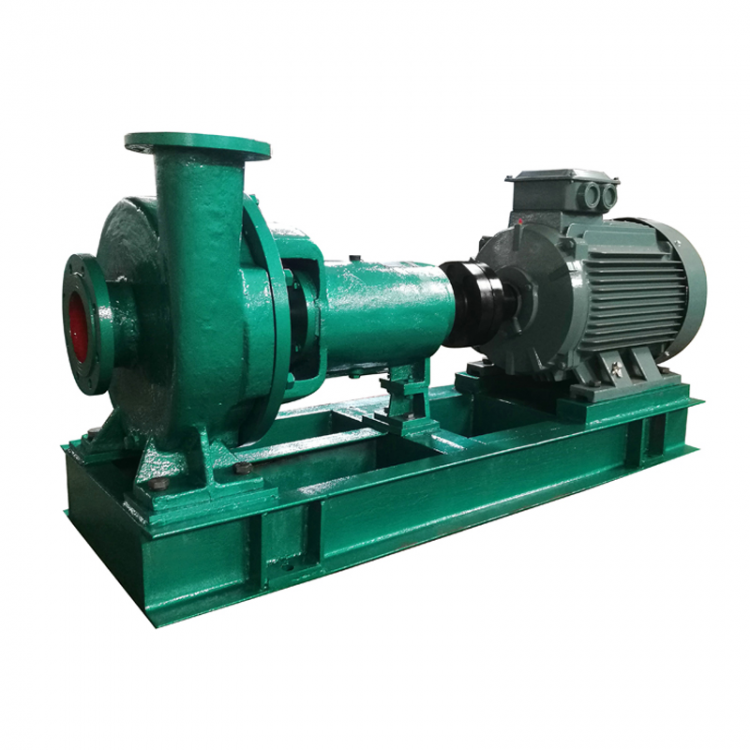
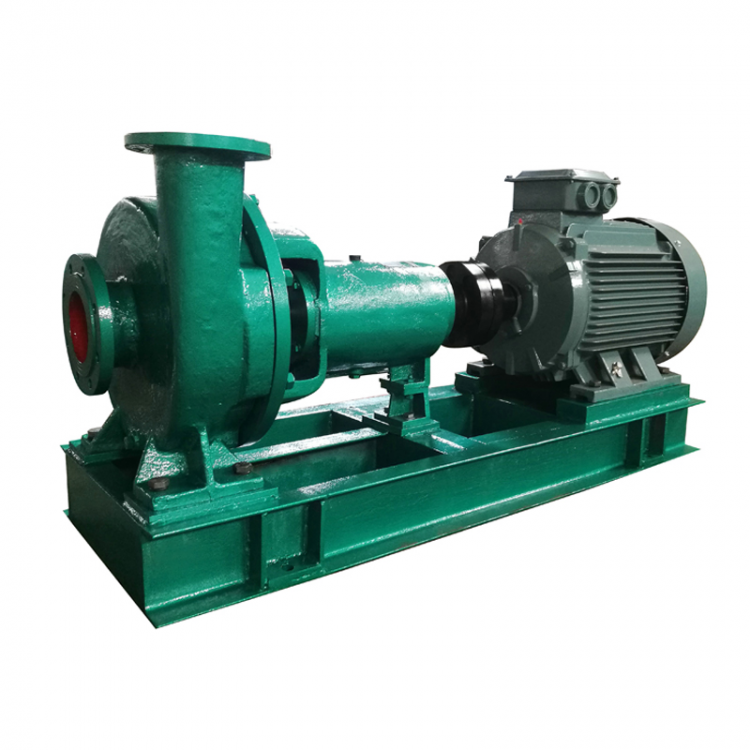
The WT series slurry pump is a single-stage, single-suction, cantilever pump, suitable for conveying corrosive and abrasive media, especially those containing suspended particles, scaling characteristics, and gas-containing media. Widely used in industries such as fertilizer, mining, alumina, desulfurization, etc., its excellent hydraulic performance and superior corrosion and abrasion resistance are highly favored by users. It can be used as limestone slurry transfer pump, gypsum slurry discharge pump, filter feeding pump, recovery pump, absorption tower circulating pump, etc.
Relevant Parameters
| Flow Range | 3-900m3/h |
| Flow Range | 5-165m |
| Export Flange Bore Size | DN32-DN250 |
| Applicable Temperature | ≤100℃ |
| Suitable for pH range | 3-13 |
| Applicable chloride ion concentration | ≤60000ppm |
| Applicable Concentration | ≤60% |
| Brand | Wanying® |
Detailed Description
1. The WT series slurry pumps are single-stage, single-suction centrifugal pumps with a "pull-out" design. They can be easily maintained as there's no need to disassemble the pump's inlet and outlet piping when removing components such as the impeller, mechanical seal, and shaft.
2. Impeller and pump cover are designed and developed by our company.High-Chromium Alloy T7Features excellent wear and corrosion resistance; after long-term use and wear, it can be reprocessed to extend its service life.
T7 is a high-chromium alloy known for its high hardness, excellent toughness, and superior corrosion and wear resistance. It features easy passivation and contains nickel and copper elements, which further enhance the material's resistance to chloride ion corrosion and significantly improve its casting process properties. The carbon content is appropriately increased, while the chromium content is slightly reduced, maintaining a suitable chromium-to-carbon ratio for enhanced wear resistance.
Optional Materials:High-Chromium Alloy T7, CD4MCu, 2605N, 2507, Cr30A, 1.4529, Haste AlloyAvailable for customization as per customer requirements.
3. All transmission components feature heavy-duty construction to minimize pump vibration. The pump shaft is thickened and made of stainless steel, capable of withstanding the weight of the impeller and significant bending and torque loads, effectively extending the service life of the mechanical seal. Bearings are equipped with cylindrical roller bearings and angular contact bearings, capable of withstanding substantial radial forces, and are lubricated by oil immersion.
4. Standardly uses internal or integrated mechanical seals for easy disassembly. The sealing surfaces are made of imported silicon carbide, featuring light weight, low thermal expansion coefficient, high hardness, strong corrosion resistance, high elastic modulus, and long service life, particularly suitable for desulfurization conditions.
5、Comparison of Metal and Non-Metallic Materials
Rubber and high polymer non-metallic materials, with high elasticity and deformation capability, significantly reduce wear by absorbing the impact of abrasive particles, thereby diminishing their cutting power. They also exhibit strong resistance to the corrosiveness of chloride ions. However, as pumps for transporting desulfurization slurry, they have the following drawbacks:
1) Non-metallic materials have poor cut resistance, limited to conveying particles less than 3mm, are not oil-resistant, have poor anti-swelling properties, and are easily hydrolyzed. The operating temperature must be below 75°C.
2) After rubber-lining, there is significant shrinkage, and the rubber-lining parent parts are castings. The precision of the shape and size of the rubber-lining bonding surface is low, which often leads to many issues, such as sudden shutdowns during pump operation, causing the rubber lining to fall off.
3) After the lining is eroded by the slurry, if there's a vacuum or cavitation in the pump body, the rubber lining is prone to fall off. This can lead to nozzle blockages in the absorption tower's spray layer, reducing desulfurization efficiency. In severe cases, it may cause the entire spray layer to be scrapped.
6. Specifications of Selected Models (for reference only; for specific model selection and quotations, please consult customer service.)
Model No. | Flow rate (m³/h) | Headlift (m) | RPM (revolutions per minute) | Rated Power (kw) |
WT40-250 | 10 | 20 | 1450 | 4 |
WT40-315 | 15 | 30 | 1450 | 7.5 |
WT50-250 | 25 | 20 | 1450 | 11 |
WT50-315 | 35 | 30 | 1450 | 15 |
WT50-350 | 40 | 40 | 1450 | 18.5 |
WT50-400 | 50 | 50 | 1450 | 30 |
WT50-450 | 30 | 60 | 1450 | 22 |
WT65-250 | 35 | 20 | 1450 | 7.5 |
WT65-315 | 50 | 30 | 1450 | 15 |
WT65-350 | 60 | 40 | 1450 | 30 |
WT100-250 | 120 | 20 | 1450 | 22 |
WT100-300 | 120 | 25 | 1450 | 22 |
WT100-350 | 100 | 40 | 1450 | 30 |
WT100-400 | 100 | 55 | 1450 | 55 |
WT125-250 | 220 | 20 | 1450 | 37 |
WT125-350 | 230 | 30 | 1450 | 45 |
WT125-400 | 250 | 55 | 1450 | 90 |
WT150-250 | 300 | 20 | 1450 | 45 |
WT150-350 | 350 | 30 | 1450 | 90 |
WT150-400 | 400 | 55 | 1450 | 132 |
WT200-350 | 500 | 30 | 1450 | 90 |
WT200-400 | 500 | 40 | 1450 | 185 |
WT200-500 | 500 | 60 | 1450 | 185 |
WT250-350 | 800 | 30 | 1450 | 132 |
WT250-500 | 800 | 30 | 967 | 132 |