







Aluminum Alloy Anodizing Blackening Solution Introduction
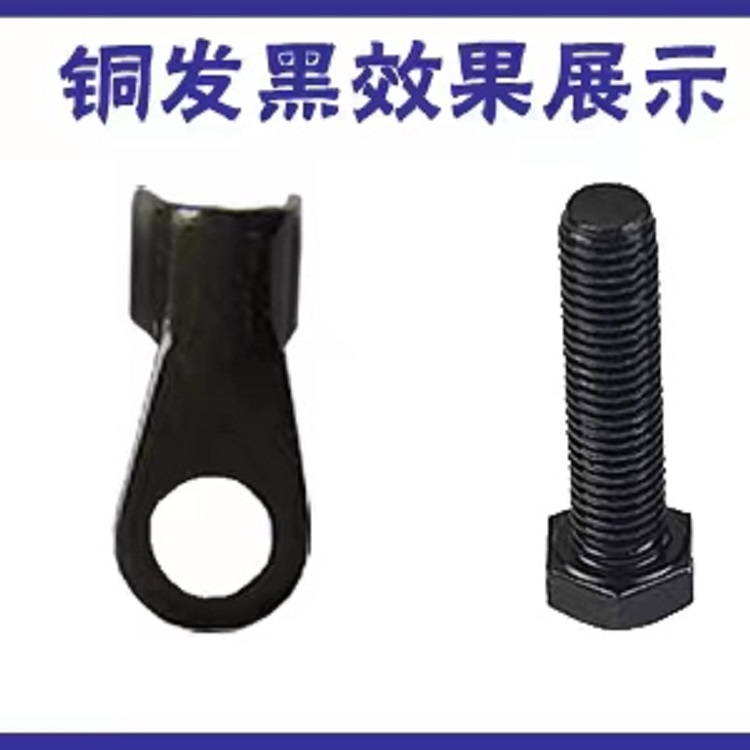
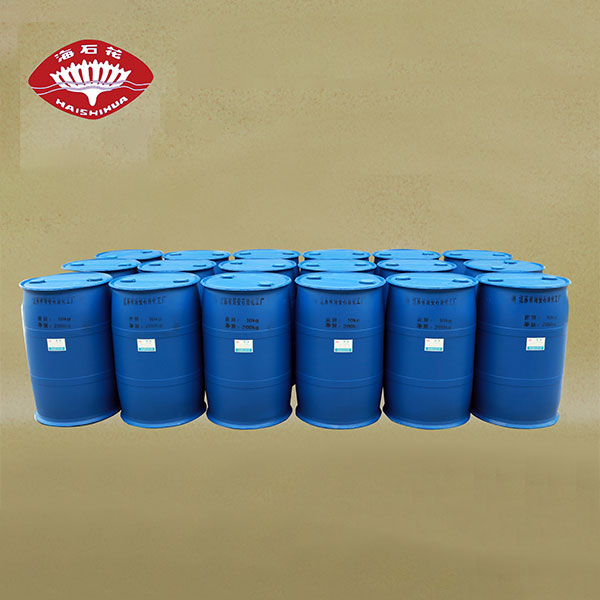
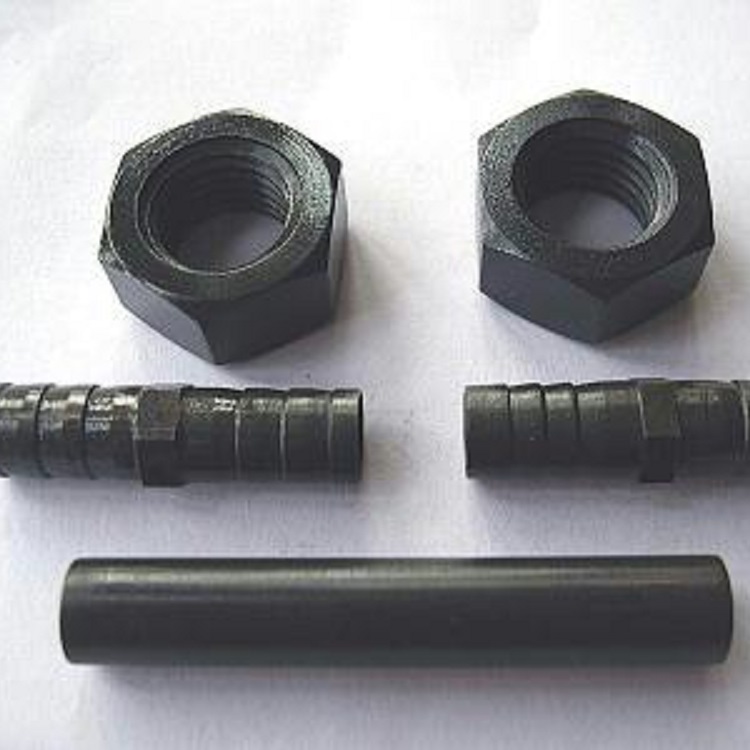
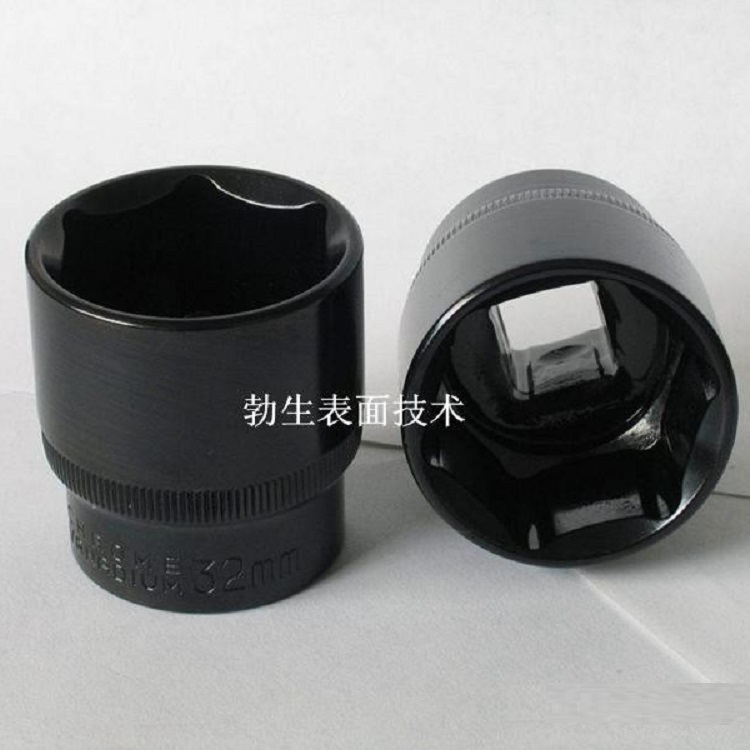
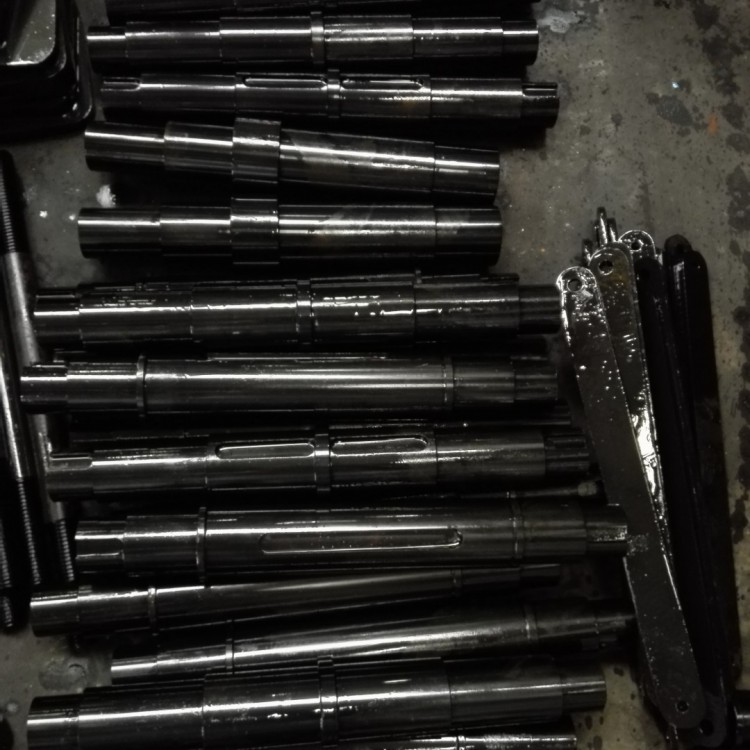
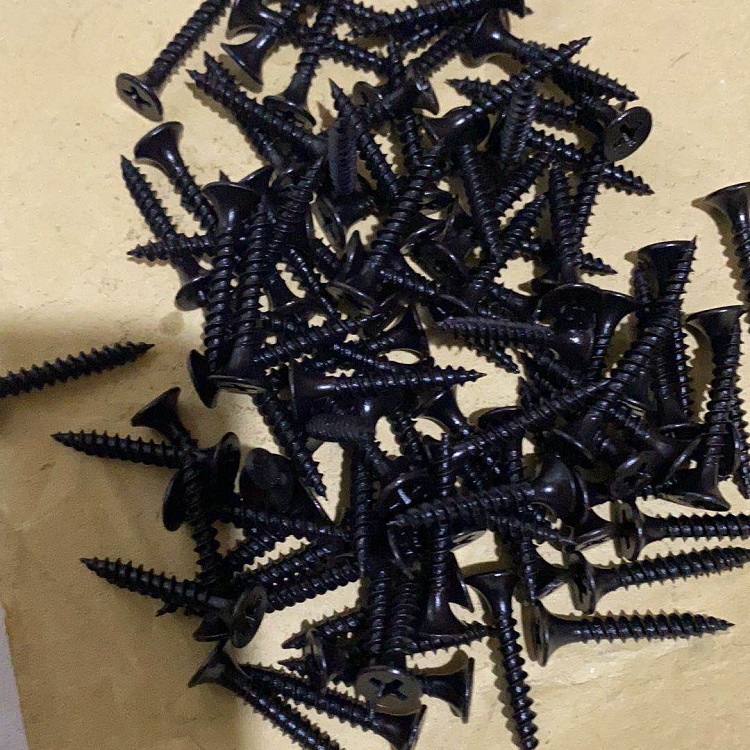
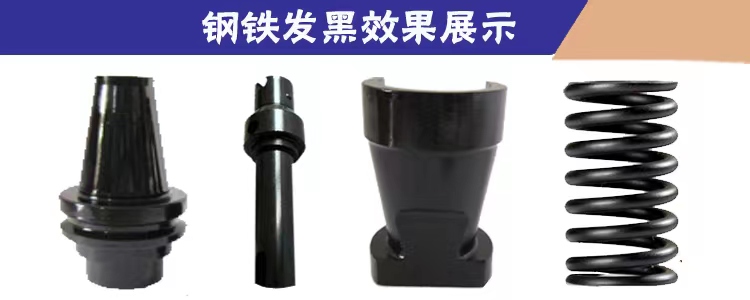
KT-The L-shaped aluminum alloy at room temperature quick blackening liquid is a brand-new at-room-temperature blackening process developed by engineers at Zigong Bosheng Surface Technology Co., Ltd. It can provide decorative beautification and corrosion resistance enhancement for the original workpiece.
Product Features
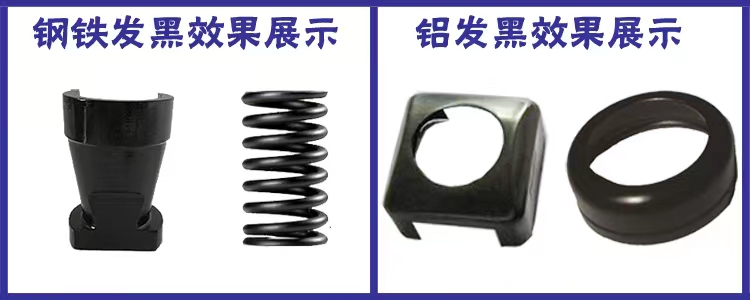
This product boasts an outstanding feature of rapid film formation, with a uniformly dense, fine film layer, pure color, strong adhesion, and without any floating black spots. Compared to the traditional aluminum blackening process, ...The blackening process at room temperature offers advantages such as energy and time savings (the blackening process takes about 2-5 minutes), ease of operation (no complex equipment or skills required), and good environmental benefits. This product contains no highly corrosive substances, has a slightly acidic nature, and does not corrode or irritate the skin. The cost of blackening is significantly lower than anodizing and electro-phoresis processes.
Application Scope
All aluminum profile workpieces can be blackened using this process to achieve decorative beautification and enhanced corrosion resistance.
Work fluid preparation | Mix the raw material in a 1:Use 2 to dilute | Actual measurement |
Process flow and usage instructions
MingProcess Flow
De-grease → Water wash → (Acid wash) → Water wash → Descale → Second cleaning → Blackening → Cleaning → Drying → Apply sealant
2. Instructions for Use
(1) Regular alkaline degreasing can be used for oil removal. The degreasing must be thorough; otherwise, it can cause uneven blackening.
(2) Acid washing: Use approximately 20% hydrochloric acid for cleaning for about 0.5-2 minutes (nitric acid should not be used as the acid washing agent). For most aluminum materials, the acid washing process is not necessary; the process of removing the oxide skin below is sufficient. Only a small portion of aluminum materials require acid washing due to particularly difficult-to-remove oxide skin.
(3) Descaling: Use alkaline solution for descaling. The scale must be completely removed; otherwise, oxidation spots may appear in the black layer. For some workpieces, after the alkaline degreasing process, the surface scale has been thoroughly removed, and the descaling step can be skipped at this point.
(4) Blackening: Immerse the cleaned parts into the blackening solution, shake the parts intermittently (to ensure that overlapping parts also come into contact with the solution), soak for 2 to 5 minutes, then remove and leave in the air for one to two minutes (at this point, the remaining blackening solution on the surface will continue to react, making the parts darker), finally rinse with clean water for about one minute.
Ensure that each process is thoroughly rinsed with tap water or cleaned to remove any residues from the previous process, to prevent contamination of the subsequent treatment solution.
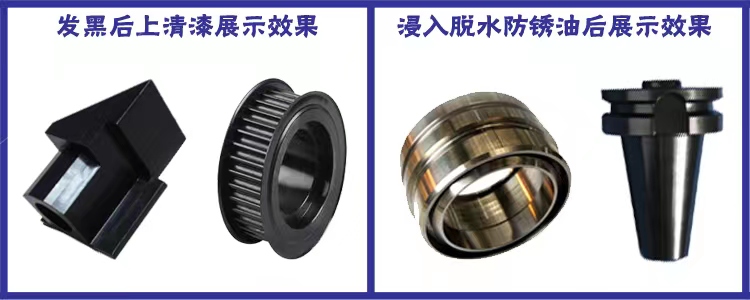
(5) Drying: The drying of blackened workpieces can be done by natural air drying, hot air blowing, or drying, etc.



.jpg)