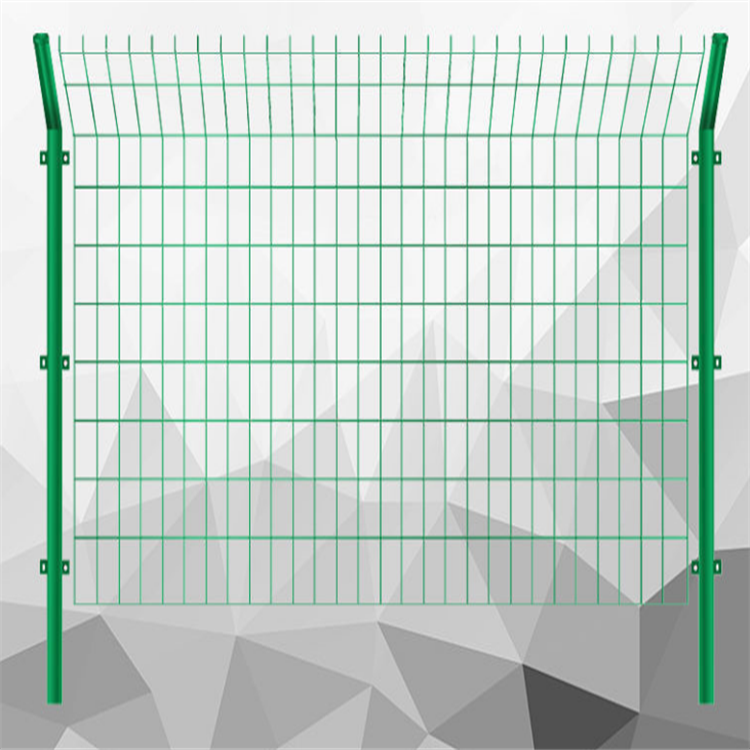













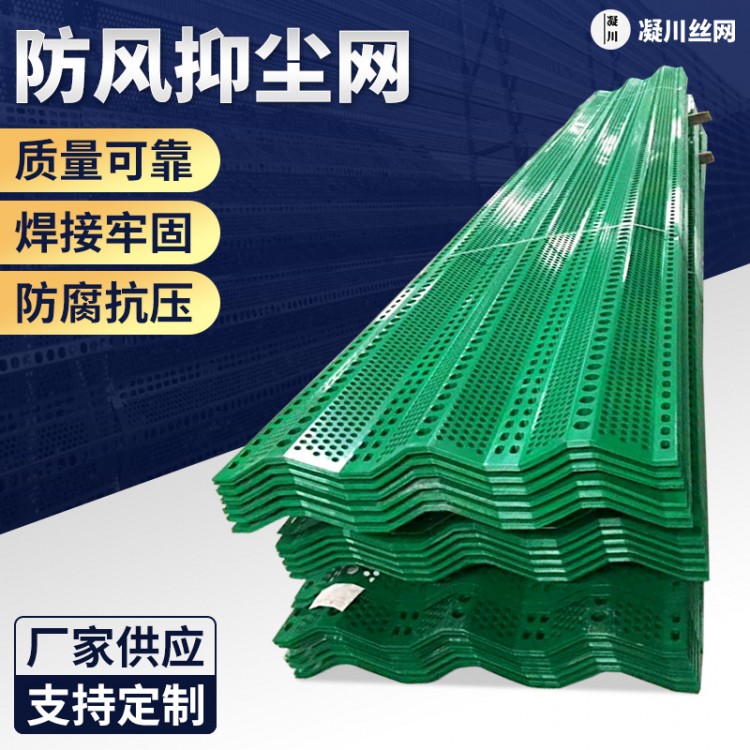
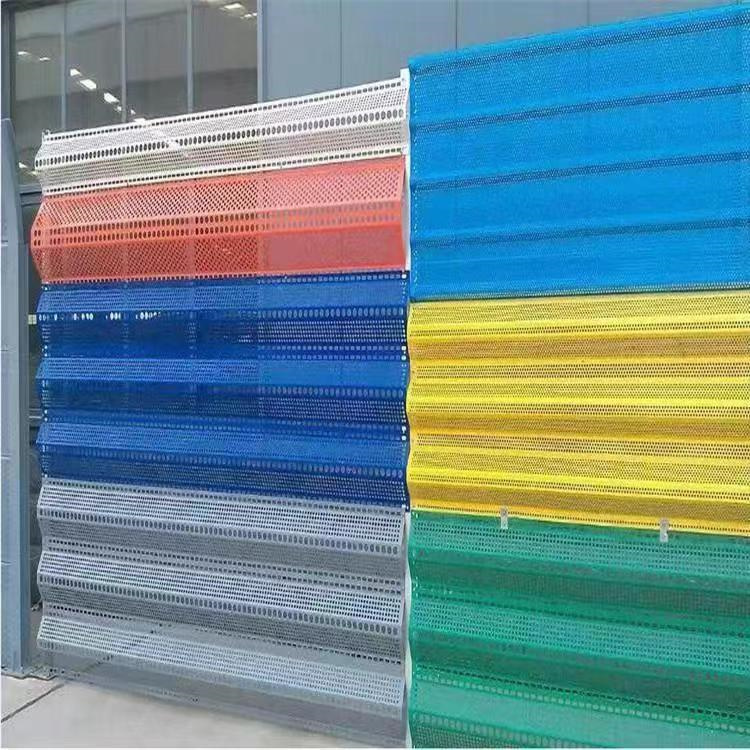
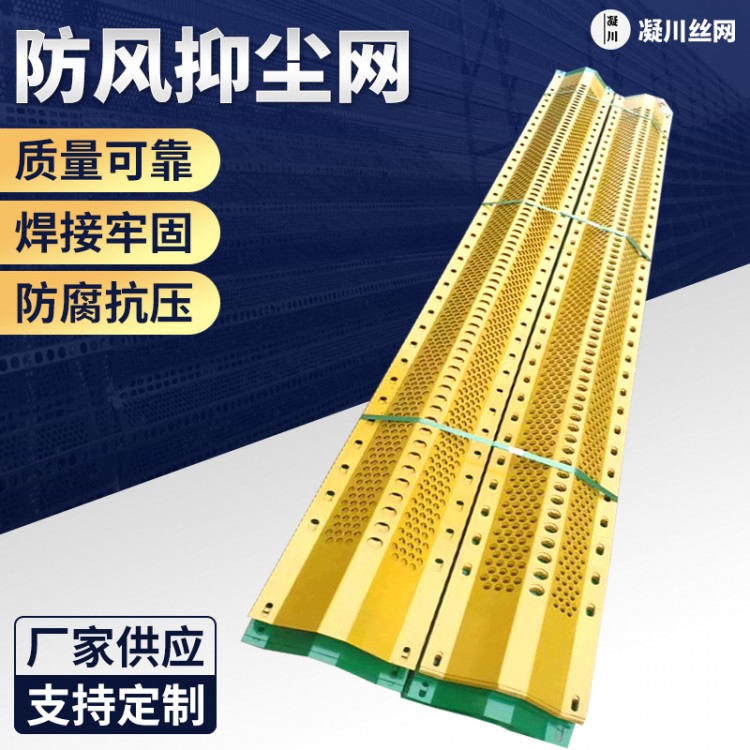

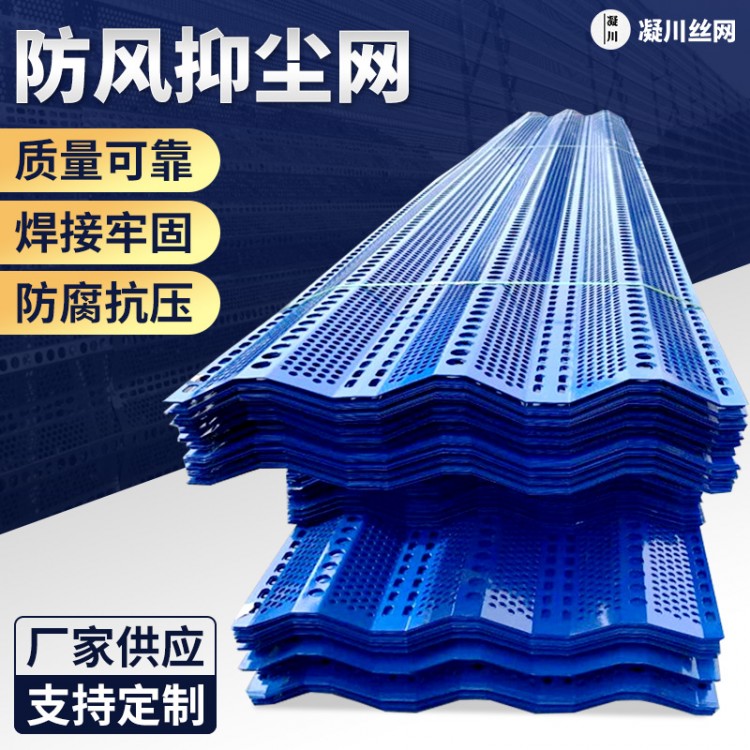
Prairie Fencing Mesh A, Zhuji Prairie Fencing Mesh A, Prairie Fencing Mesh Images
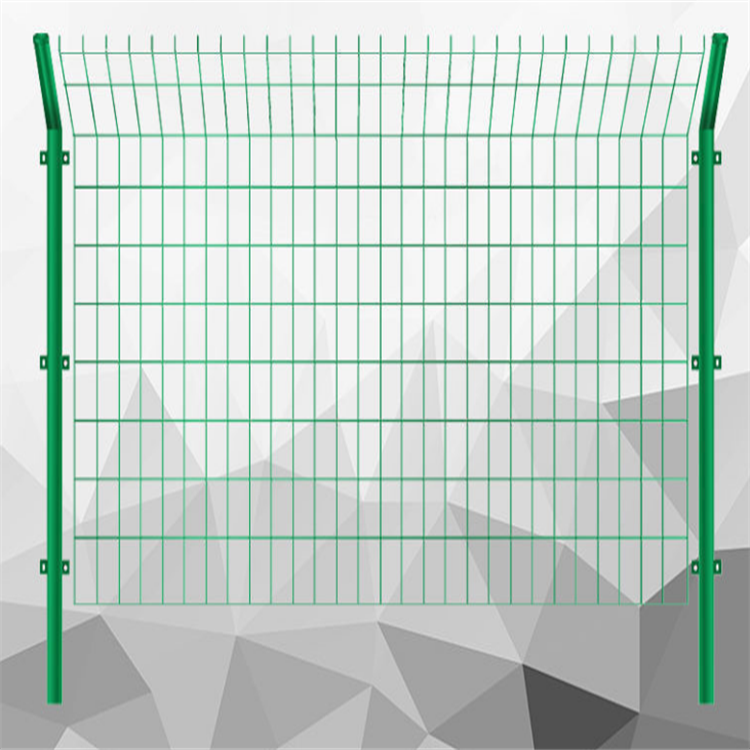
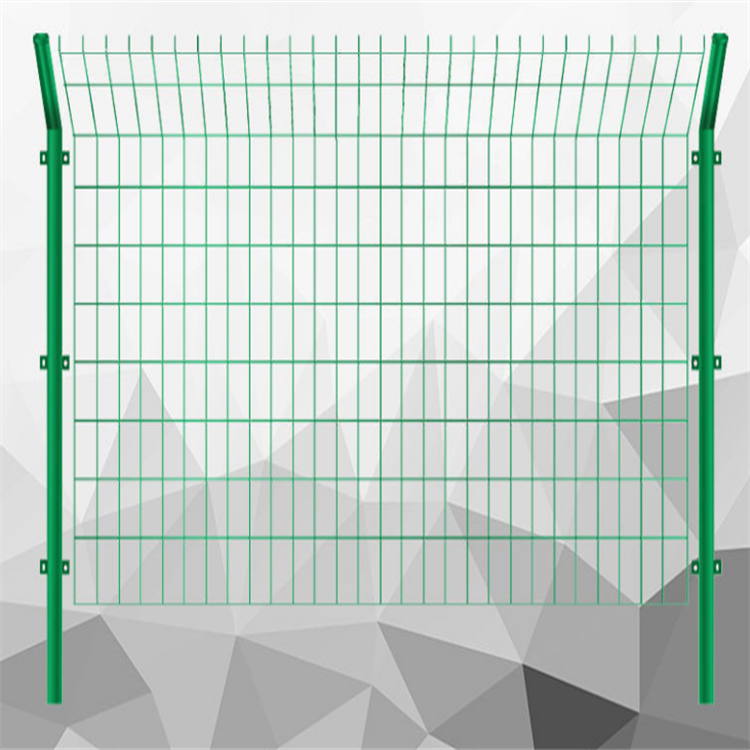
Guardrail equipment methods generally fall into two types: base-mounted and pre-buried. Base-mounted equipment is generally suitable for ground surfaces that have already been hardened. Pre-buried equipment is typically used for unhardened surfaces. The guardrails we choose often have more unhardened options. Today, we introduce the pre-buried equipment. The customer needs to acknowledge the guardrail standards with the manufacturer to confirm the column positions, usually every 3 meters (from center to center). Next is digging the foundation, where we typically excavate a square pit measuring 30-40 centimeters. The standard can be adjusted to expand or shrink as needed.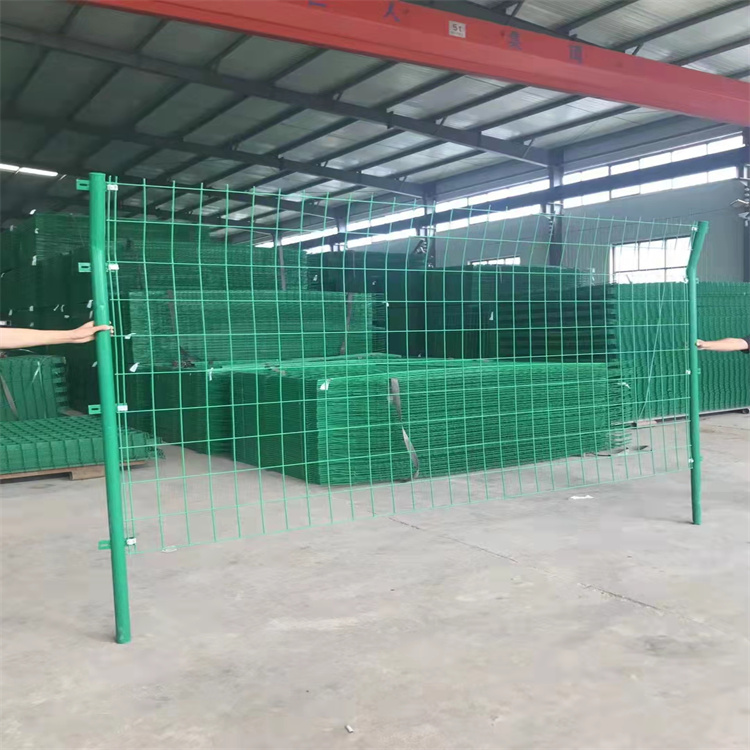 Prepare sand and gravel materials (based on general concrete pouring ratio) for calculation of usage. Prepare equipment by setting the columns in the foundation pit for concrete pouring. Add diagonal supports to secure the columns, usually 5-6 supports per setup, which can be removed once the concrete is set. After the columns are set, install the netting - set up the column - install the netting, and repeat the cycle.
Both aspects of material characteristics are worth our attention. During the equipment process, it is crucial to strictly control the column depth; both too deep and too shallow are not up to standard. After the column is pulled out, it must be corrected in the correct direction and then reinserted. To ensure the depth, the force of the hammering must be precisely controlled.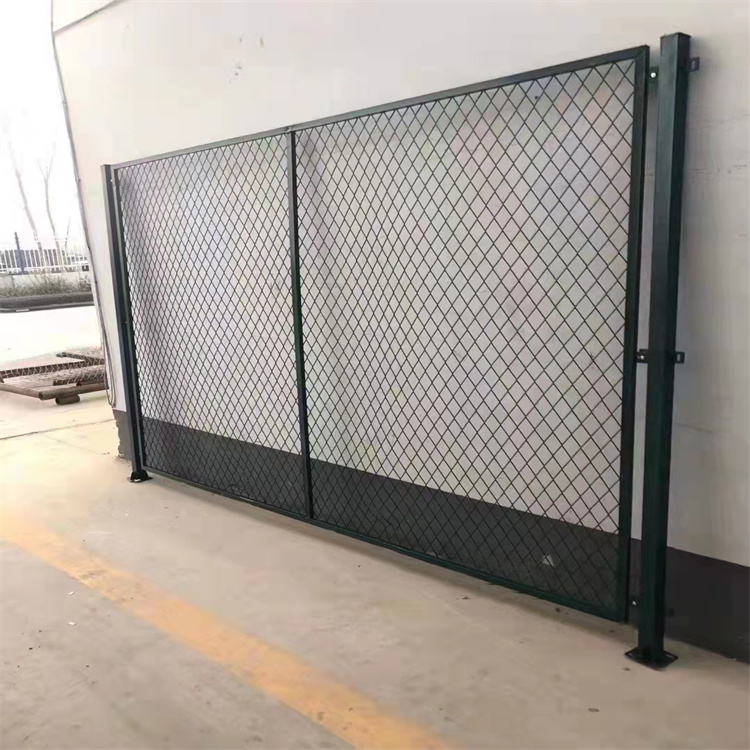 The selection and procurement of highway guardrail networks require us to gain a comprehensive understanding of the product from multiple perspectives to ensure that we have more suitable options in terms of basic price, functionality, and protection operation costs, and to promote the safe and rapid application of highway construction.
WeChat Official Account

Scan to follow Official Account