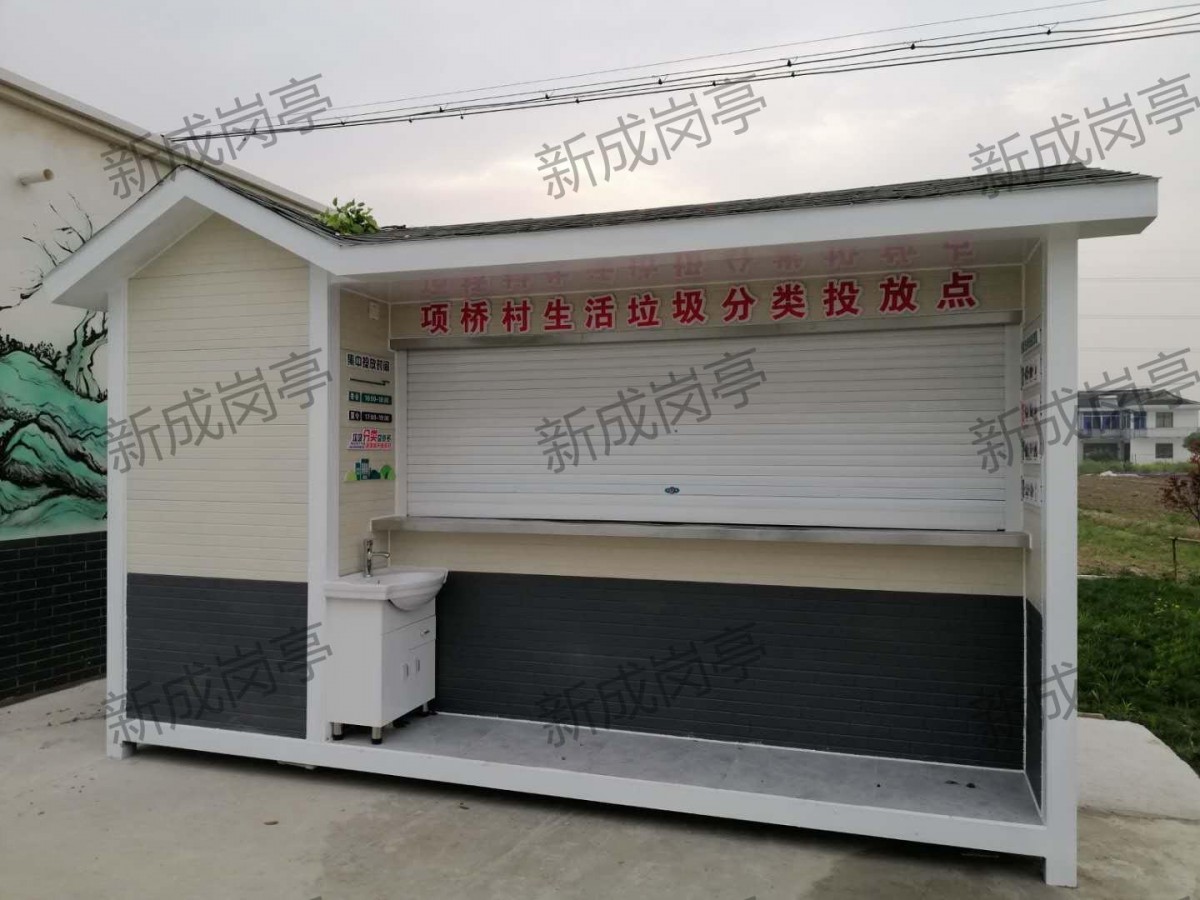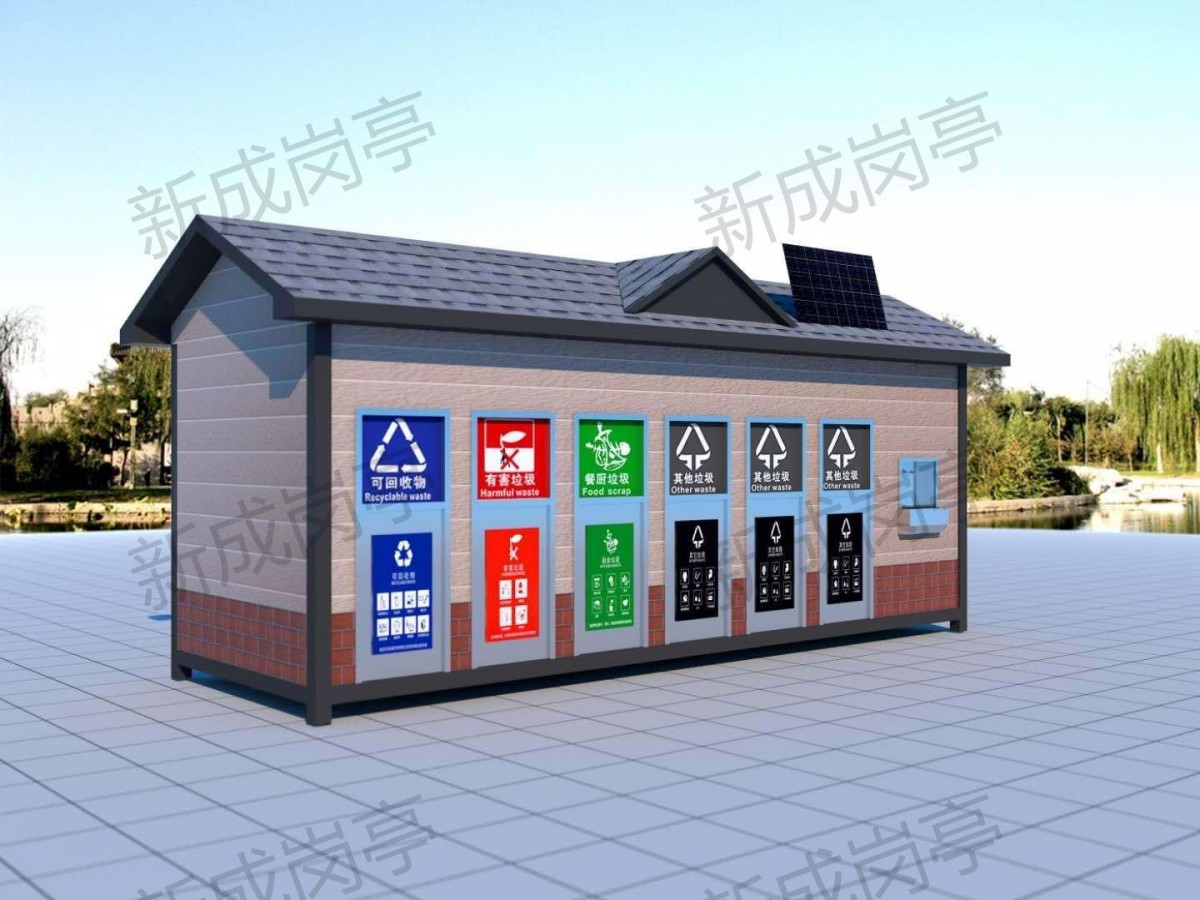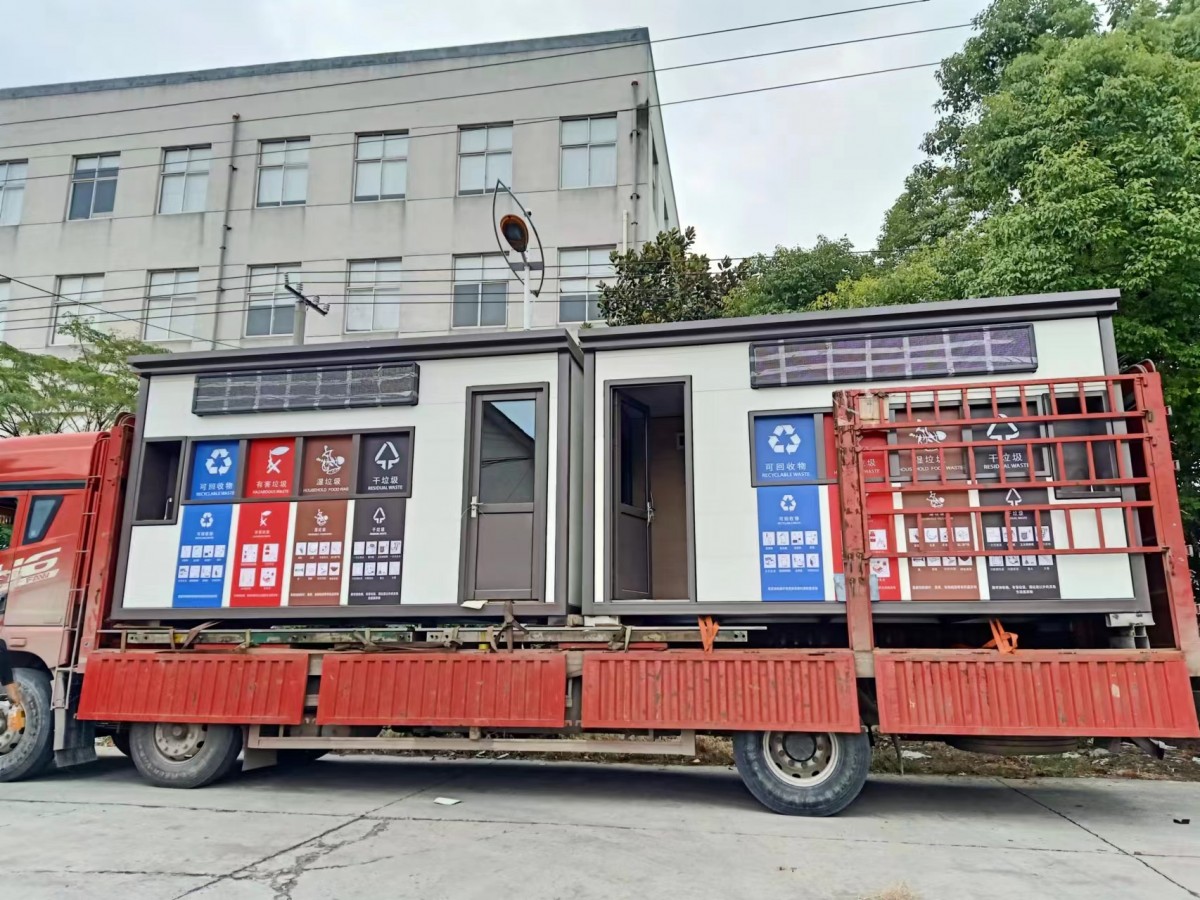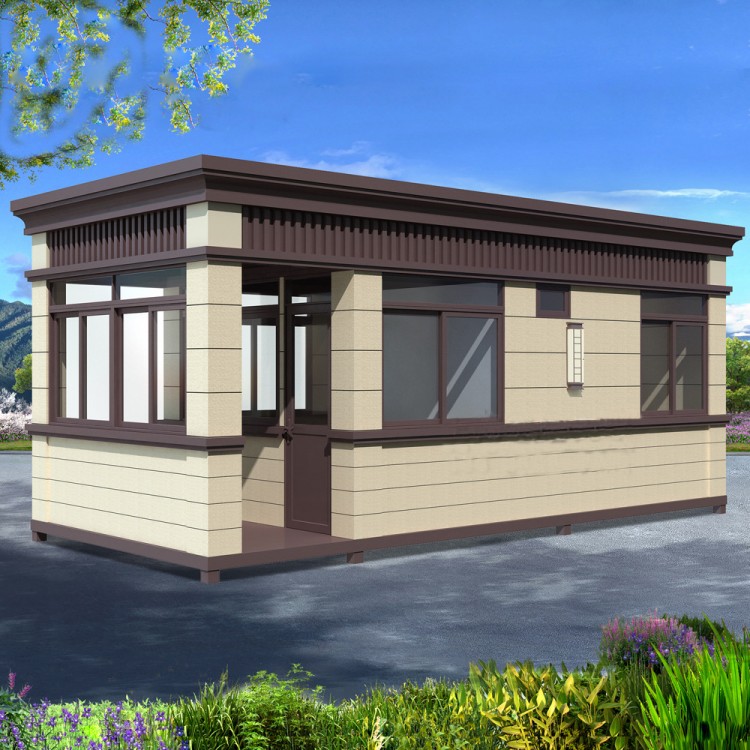

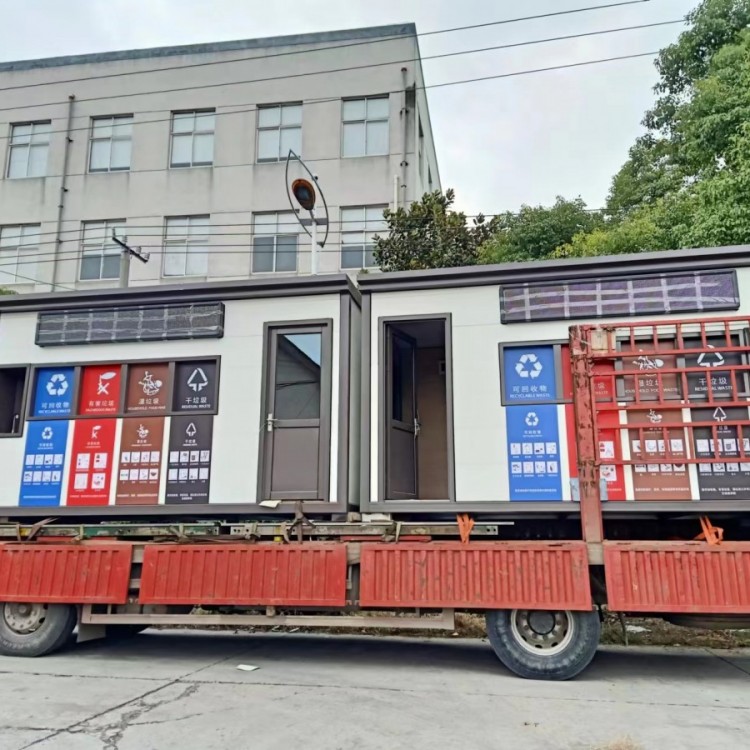

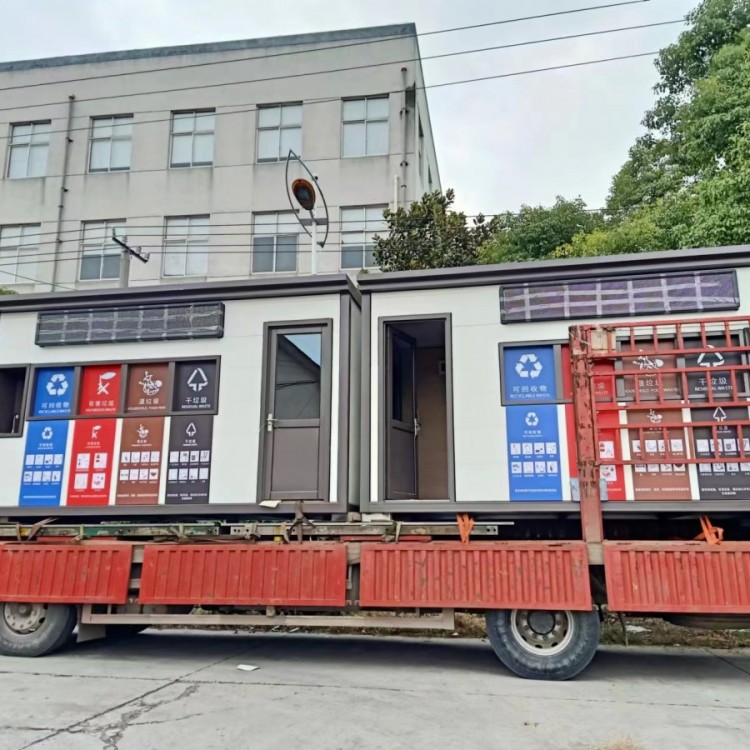
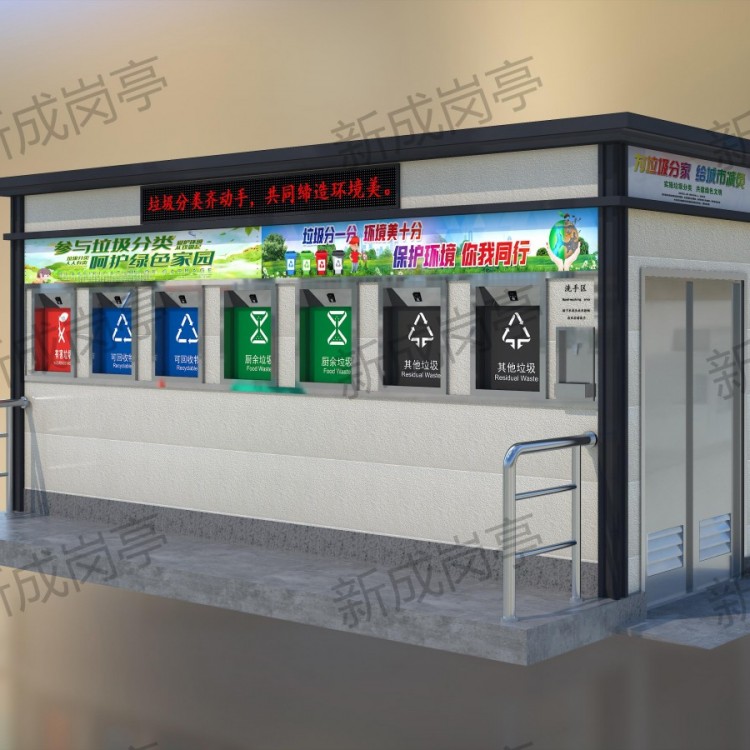
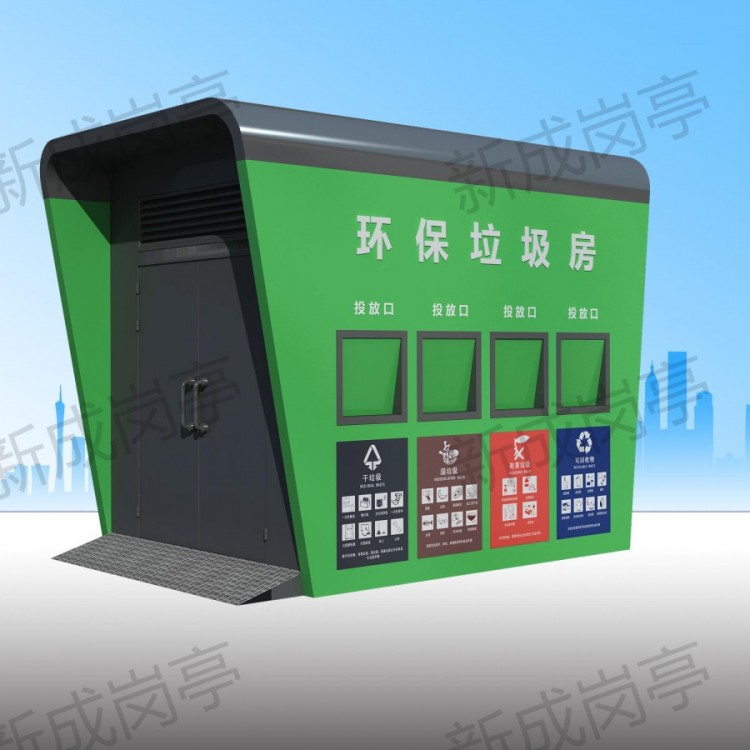


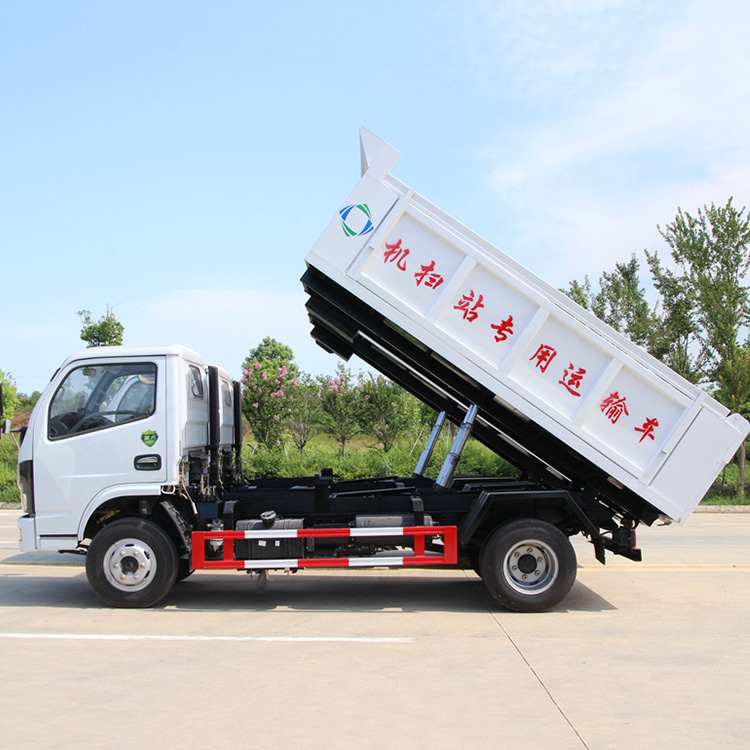
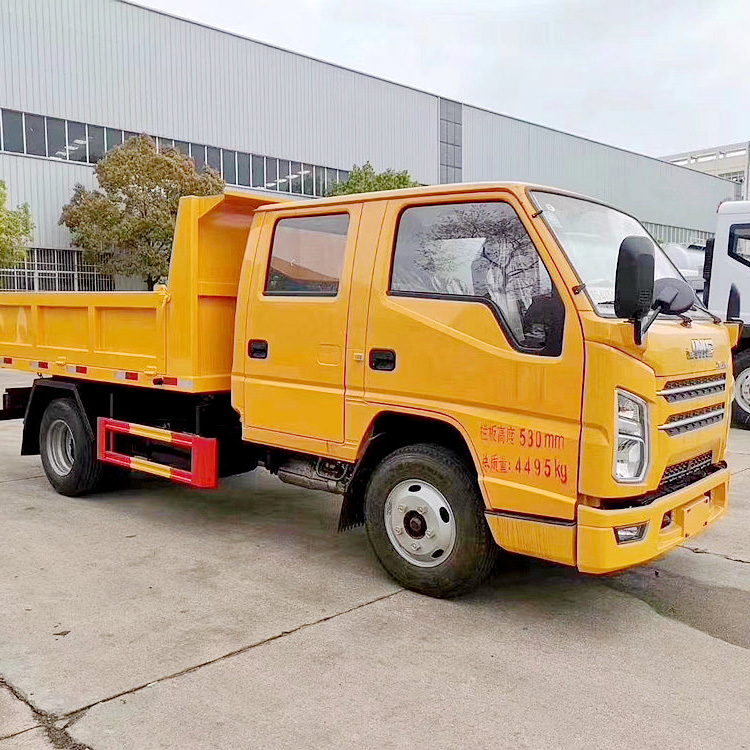
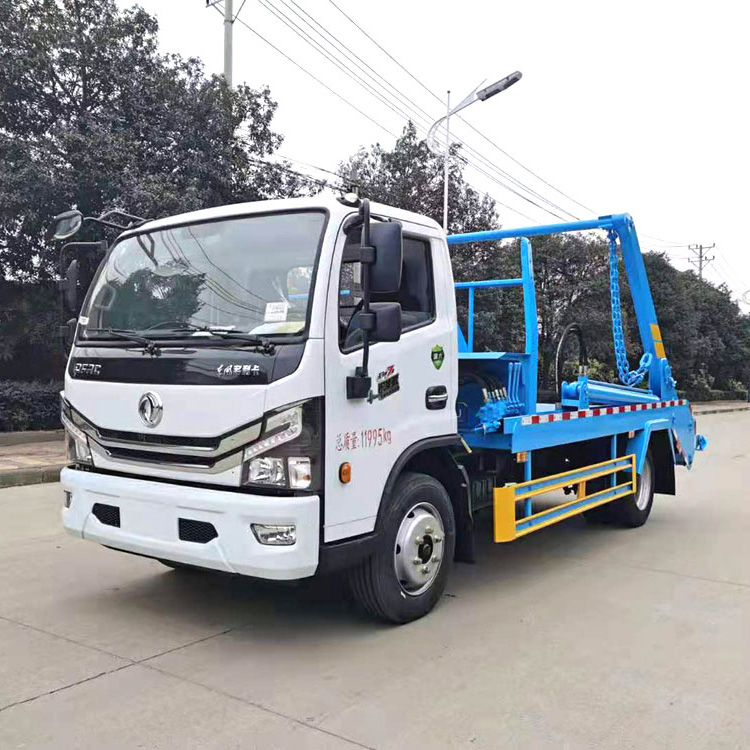
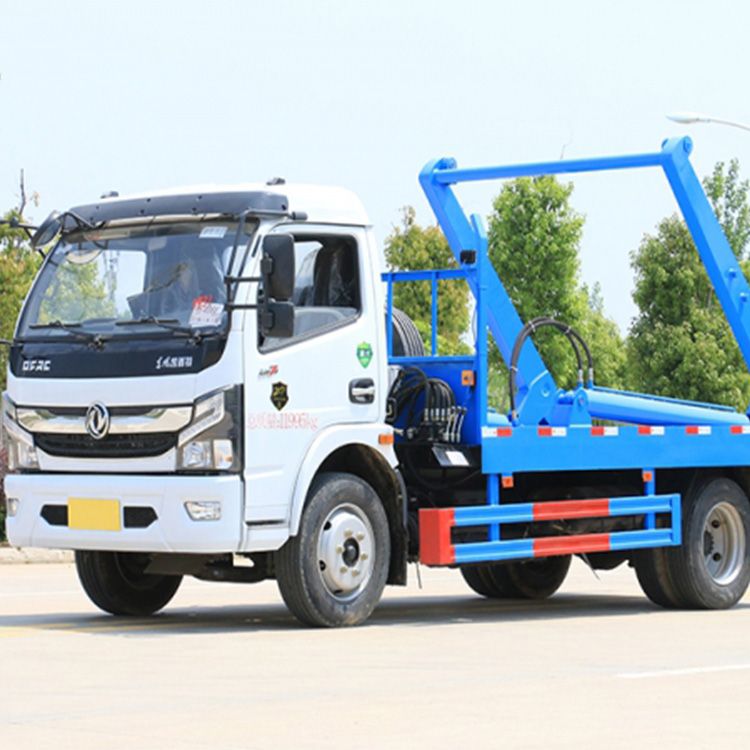
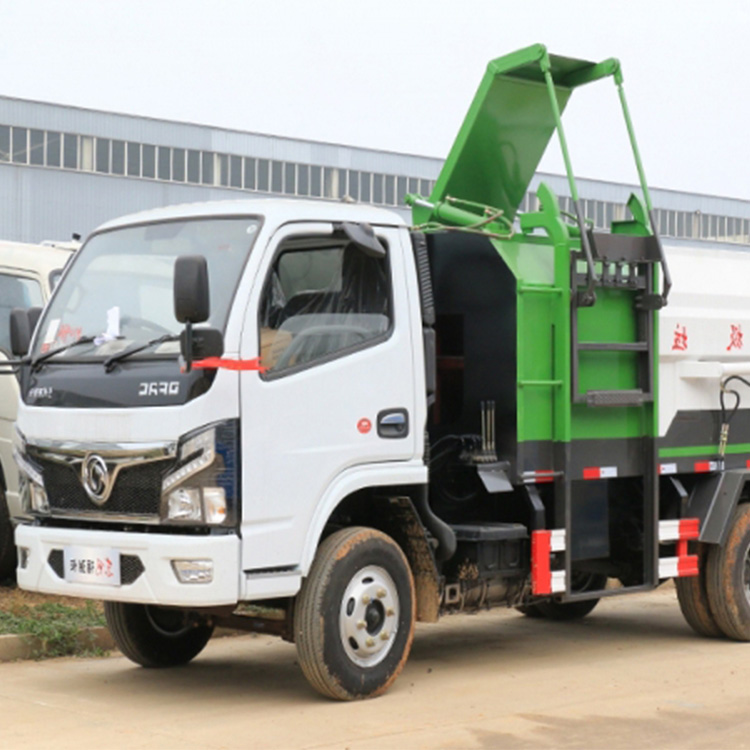





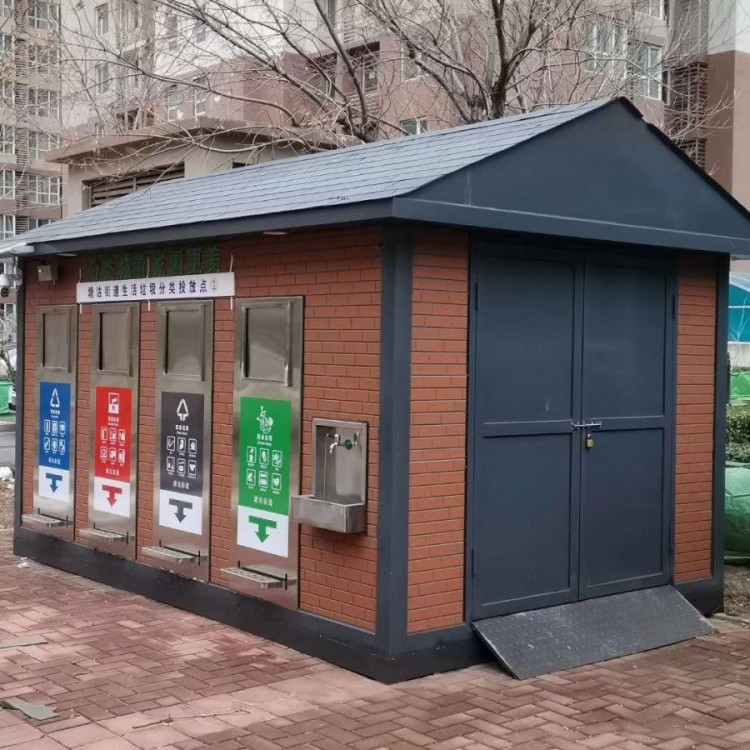



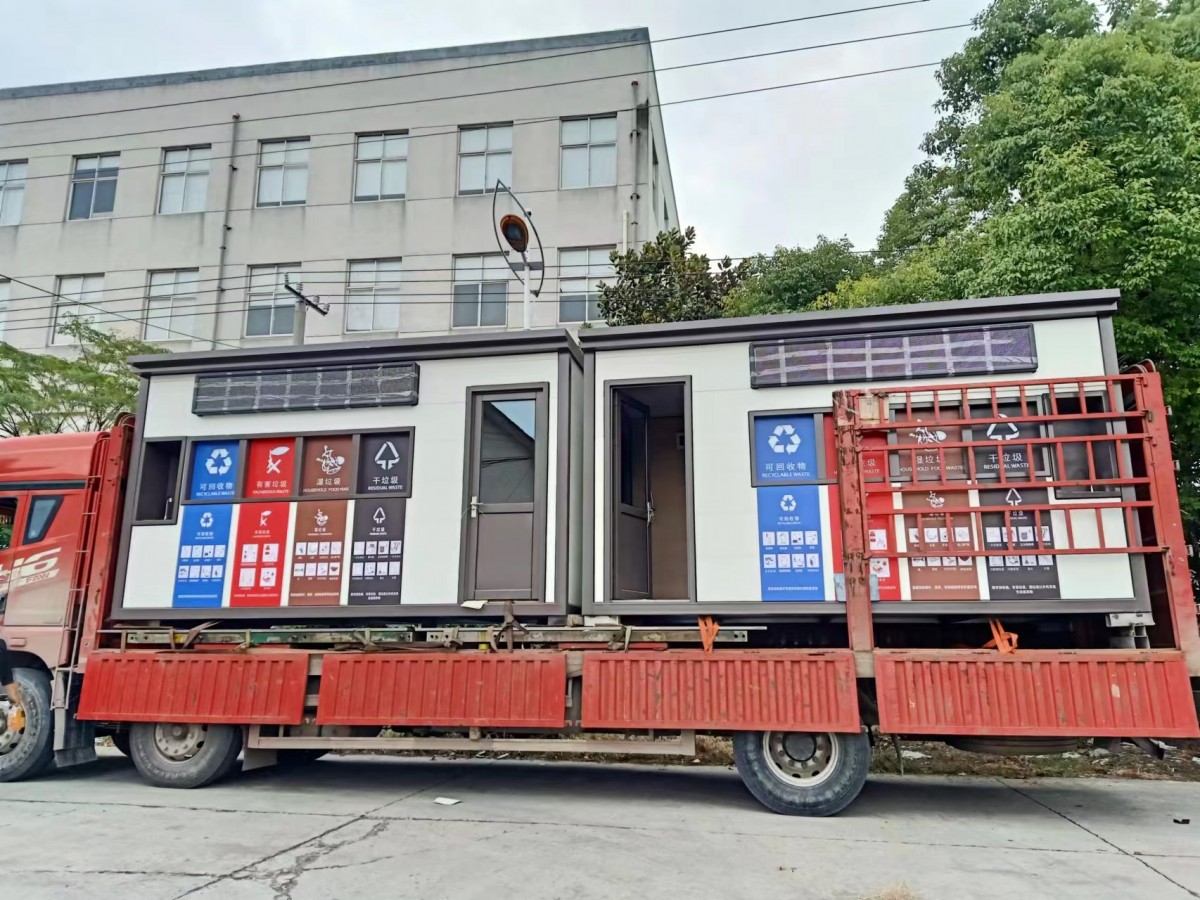
The new waste shed must have specific basic classification functions. Therefore, the environmentally friendly waste classification collection sheds made of stainless steel and other materials are a wise choice for the community, as they are more cost-effective than those made of concrete and are easy to maintain and clean, with no unpleasant odors. New Cheng has customized waste collection sheds for many residential communities in Shanghai, selecting suitable locations for the shed design, ensuring convenient transportation, and guaranteeing daily waste collection. Moreover, the waste collection sheds are equipped with "shower heads" to provide water for cleaning after waste removal, promptly eliminating mosquitoes, and ensuring hygiene and cleanliness, strictly preventing the fermentation and odor of leftover waste in the sheds, which could affect residents' lives. All waste sheds are equipped with classification signs, which, along with the promotion of waste classification knowledge, enhance residents' environmental awareness and improve their knowledge of waste classification. In the management process of waste collection sheds, attention should be paid to: 1. Strictly prohibit dumping construction waste inside the waste collection sheds.
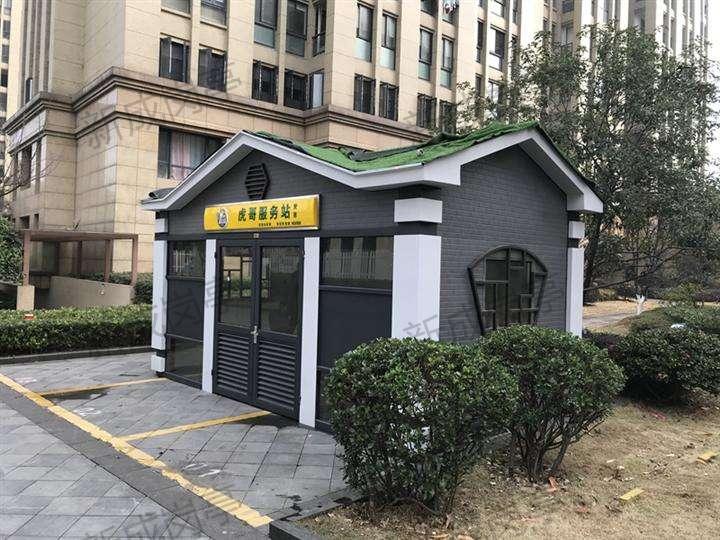
The contractor is responsible for the cleanup. For communities where it's not convenient to set up waste collection rooms, multiple designated recycling bins should be placed for collection, and then the waste will be cleared by environmental staff to the waste collection room. Keep the cleanliness of the waste collection room and its surroundings. Disinfection should be conducted regularly within the waste collection room. With the introduction of classified waste collection rooms, the environment in the community has improved significantly, and residents are increasingly taking the initiative to cherish our shared community. We sincerely provide you with convenient services. "The Shanghai Life Waste Sorting Criteria apply to most living and working areas, but in terms of their own, they have a set of waste sorting criteria. So, what are the differences between the general waste collection rooms and the classified waste collection rooms, and what are the regulations? Waste is mainly divided into five categories: infectious waste, sharp waste, chemical waste, radioactive waste. Infectious waste: such as gauze, cotton swabs, etc., which can cause the spread of infectious bacteria.
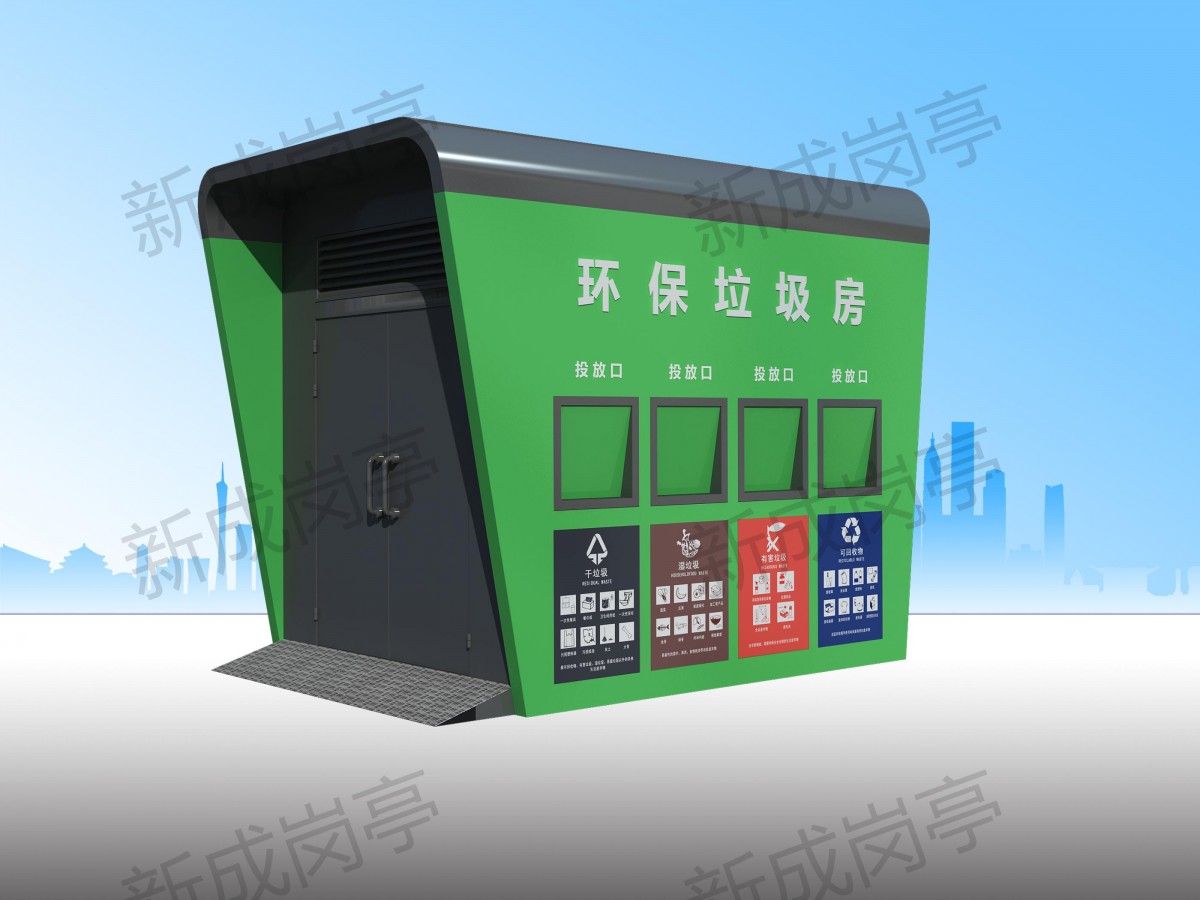
Generally, disposable items and equipment. They require sealed collection and incineration disposal. Hazardous waste: items like sharp tools and glassware. They must be placed in plastic bins and sealed for disposal. Chemical waste: unused chemicals, such as thermometers, which contain toxic substances, require special bins for collection, followed by transportation for harmless treatment. Biohazardous waste: expired items, etc. Due to management concerns, waste must be sorted by type before registration and then handed over to relevant agencies for harmless treatment. The classification and handling of waste should not be overlooked, as improper handling can directly affect people's health and may even lead to outbreaks. Our newly established kiosks can strictly adhere to customer requirements, with a sense of responsibility, and professionally customize waste collection rooms in accordance with the relevant national laws and regulations.