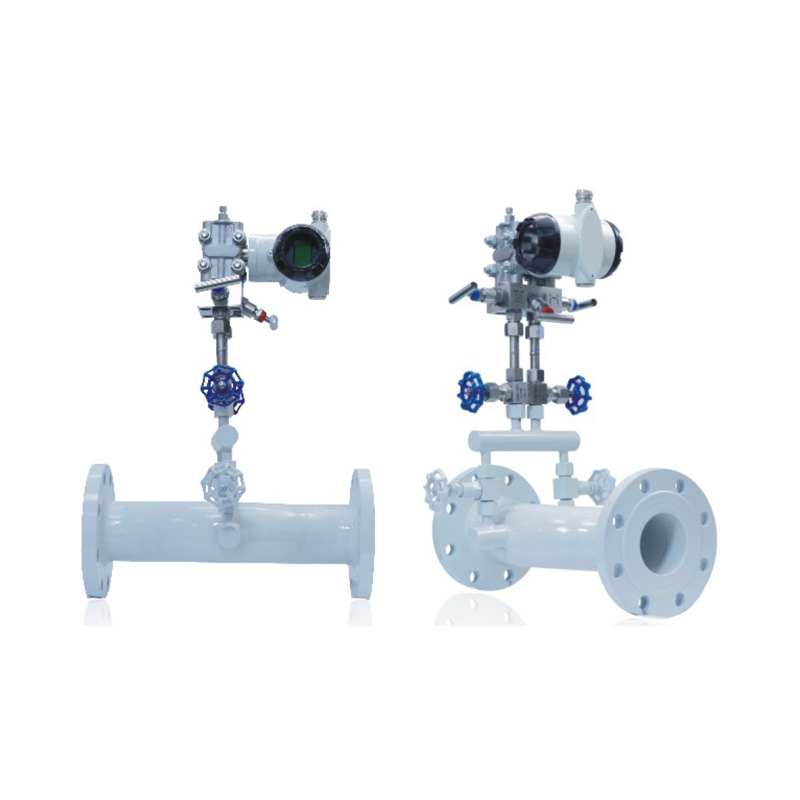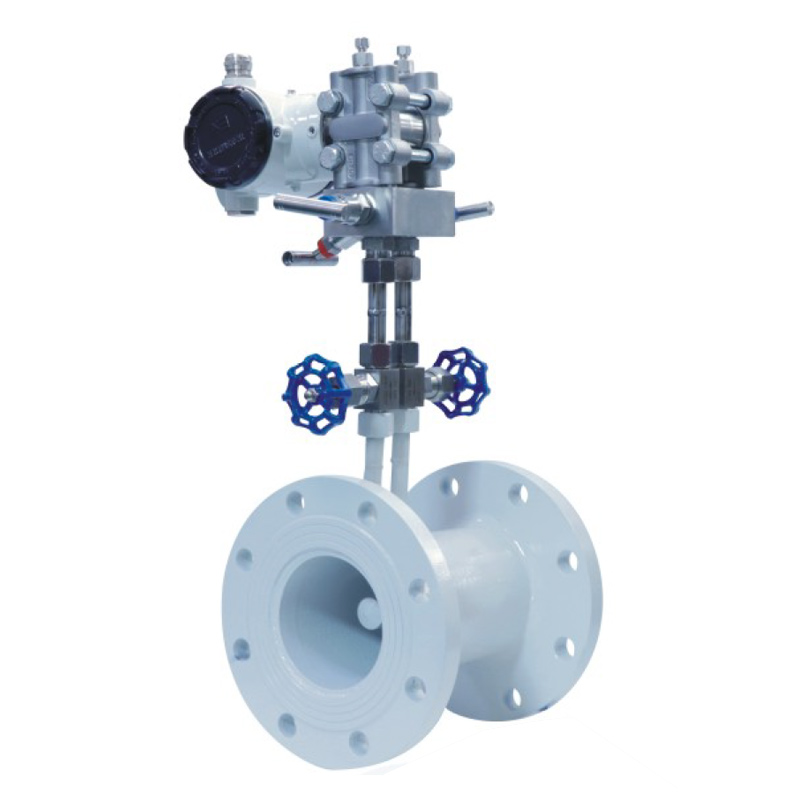


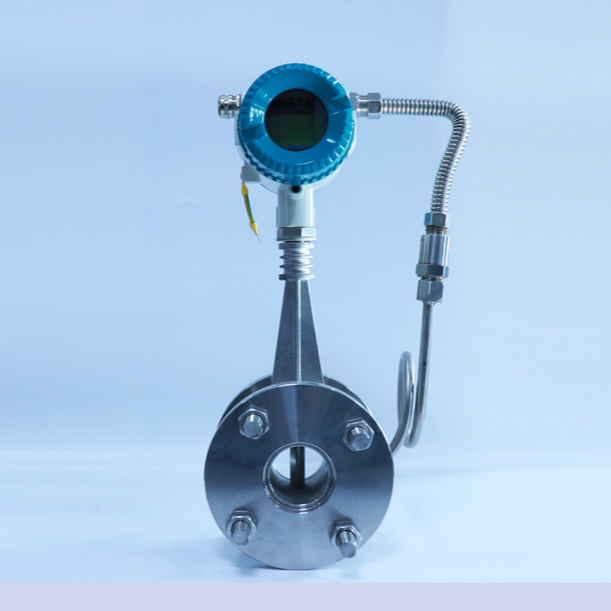
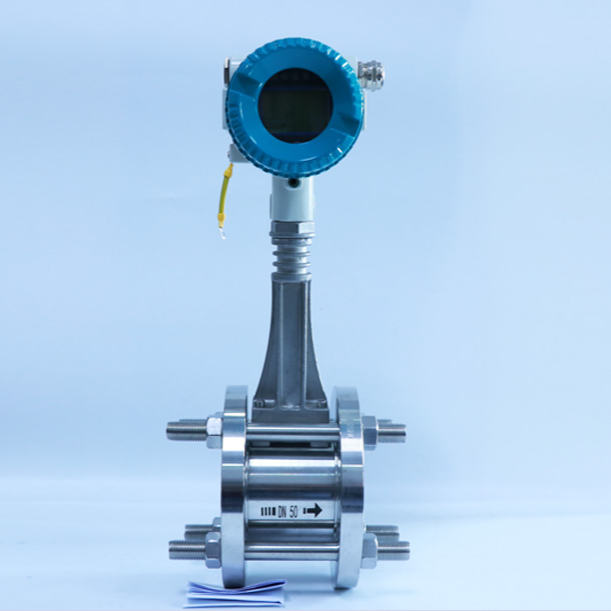
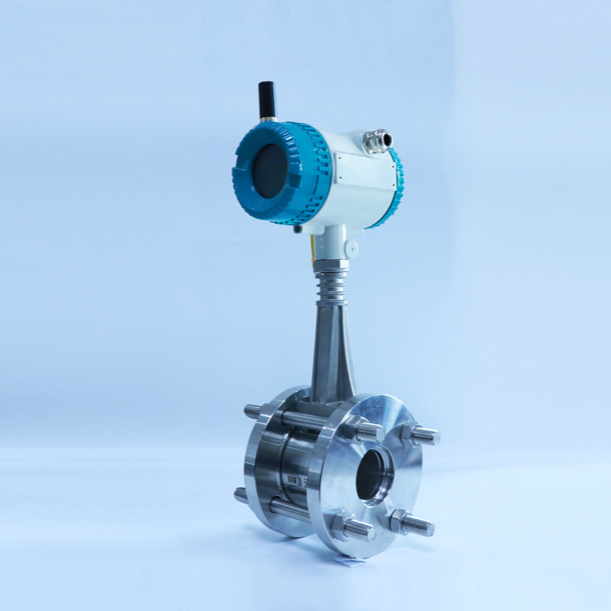
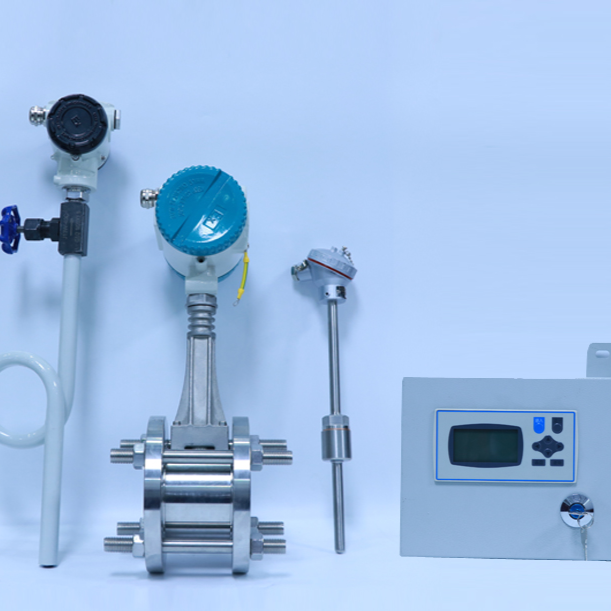





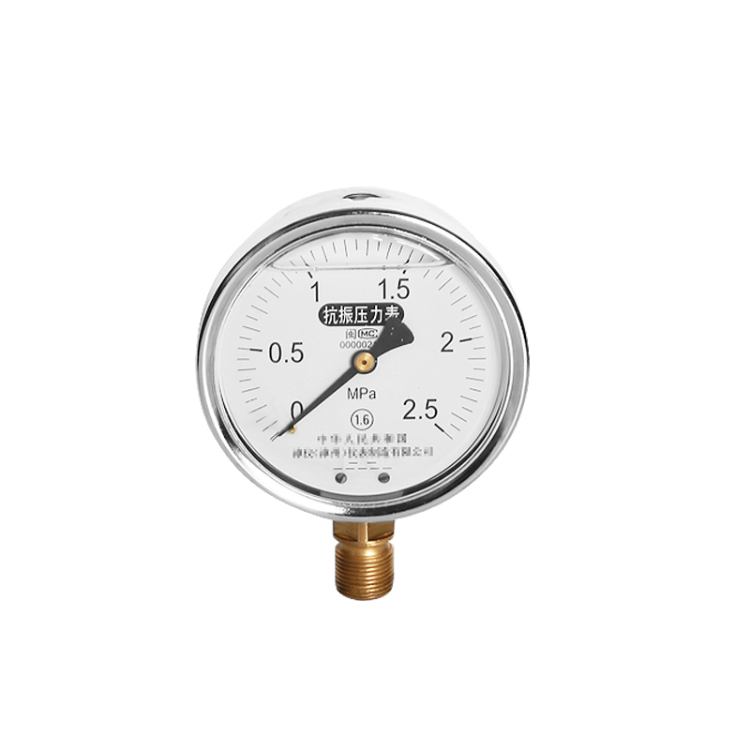
Ⅰ. Product Features
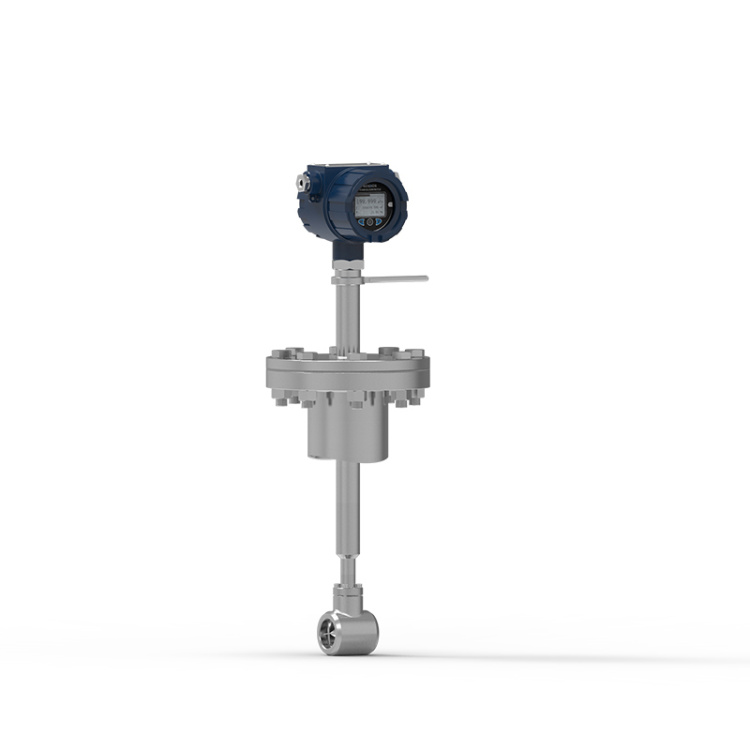
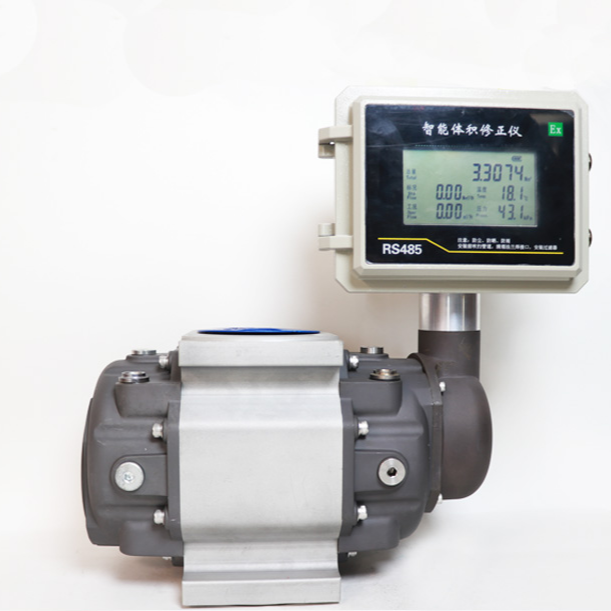
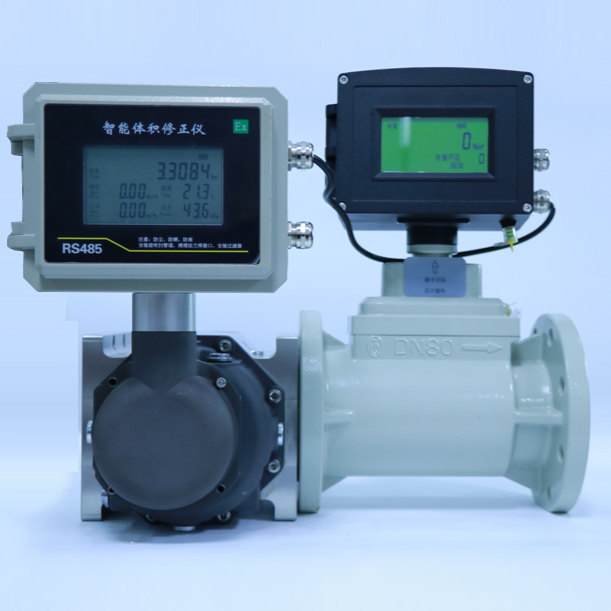
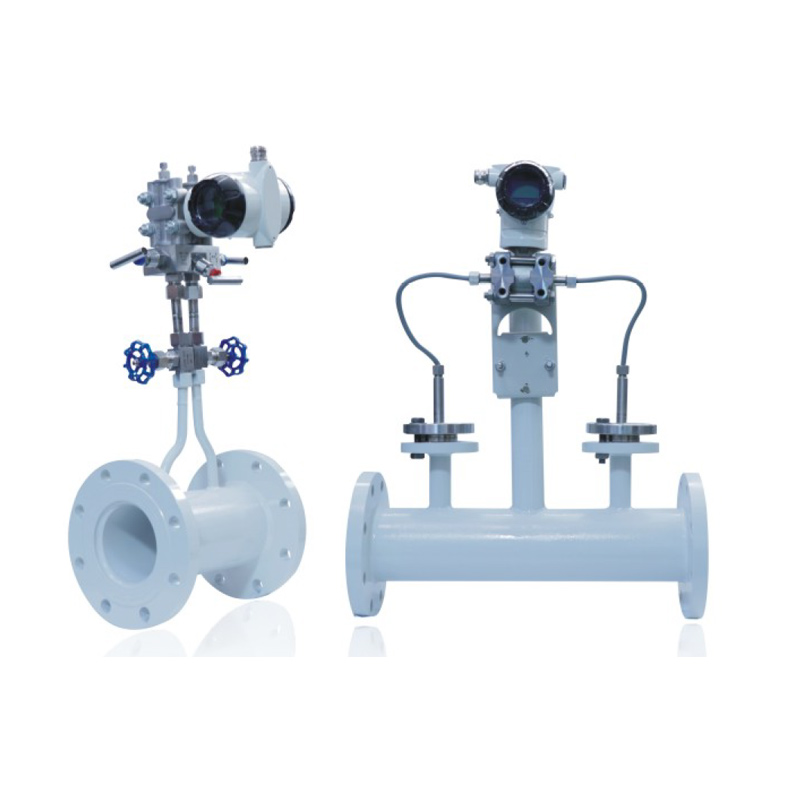
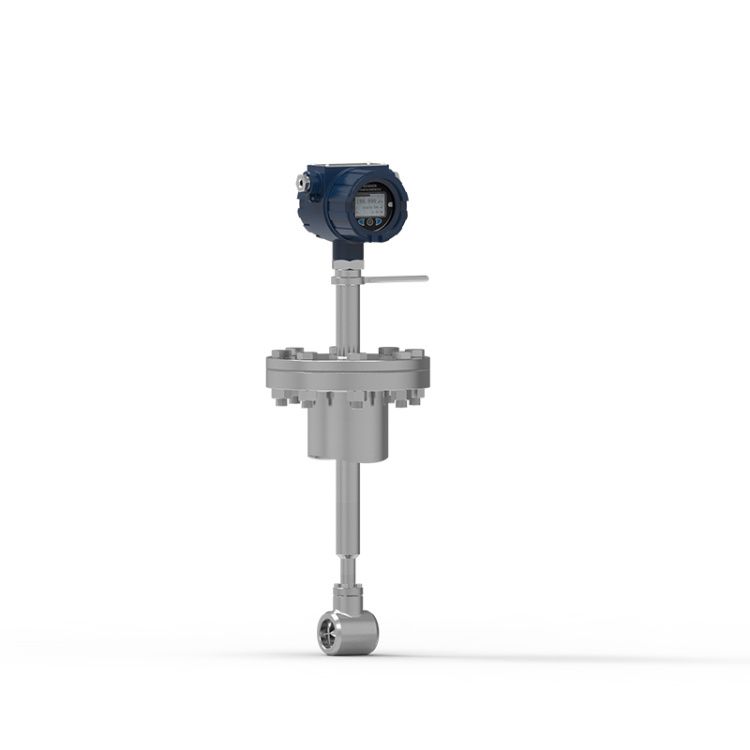
LWGC Insert Type Turbine Flow Meters Features
(1) Strong resistance to impurities, the tangential impeller can release suspended pollutants in the fluid at any time during rotation, preventing them from adhering to the blades of the tangential impeller.
(2) Strong resistance to electromagnetic interference and vibration.
(3) The structure and principle of the sensors and display instruments are very simple and intuitive, making it particularly easy for users to master their operation and maintenance techniques.
(4) After replacing the impeller and bearing, the instrument coefficient remains unchanged.
(5) Wide traffic range with low downstream flow rate.
(6) The complete flowmeter set has a small measurement error for total fluid volume.
(7) Minimal pressure loss, saving on power consumption.
(8) The sensor can be installed outdoors, and the entire sensor can be submerged in water for long-term use.
(9) Sensors with a shut-off valve, which do not require the flow to be interrupted during installation or removal.
(10) Horizontal, vertical, and inclined pipes are all applicable.
(11) Low cost for purchasing, installation, and maintenance of complete flow meters.
Ⅱ. Instrument Selection
III. Technical Specifications
(1) Insertion Depth h
The measured inner diameter of the pipe is 1000mm when inserted.
LWGC h= 0.5DN-20mm
LWGC h = 0.5DN
Accuracy: ±5%, ±2.5%
Nominal Pressure PN: 1.0 MPa
Tested Liquid Temperature: -20℃ to 120℃
Ambient Temperature: -20℃ to 70℃
(2) Distance from sensor to display gauge: If the signal cable length is increased, it can exceed 1000m. The required additional cable length should be specified in the purchase contract or agreement.
(3) Requirement for straight pipe length: The straight pipe length upstream of the sensor should be not less than 20DN, and the straight pipe length downstream should not be less than 7DN, to ensure measurement accuracy. If the straight pipe length does not meet these requirements, a field calibration can be performed under the condition of on-site calibration, and the instrument coefficient KDN from the field calibration should be used.
(4) Measurement Range
IV. Technical Requirements and Structure
WeChat Official Account

Scan to follow Official Account