














Analysis of the Main Causes for the Decline in Bending Tube Quality and Precautionary Measures:
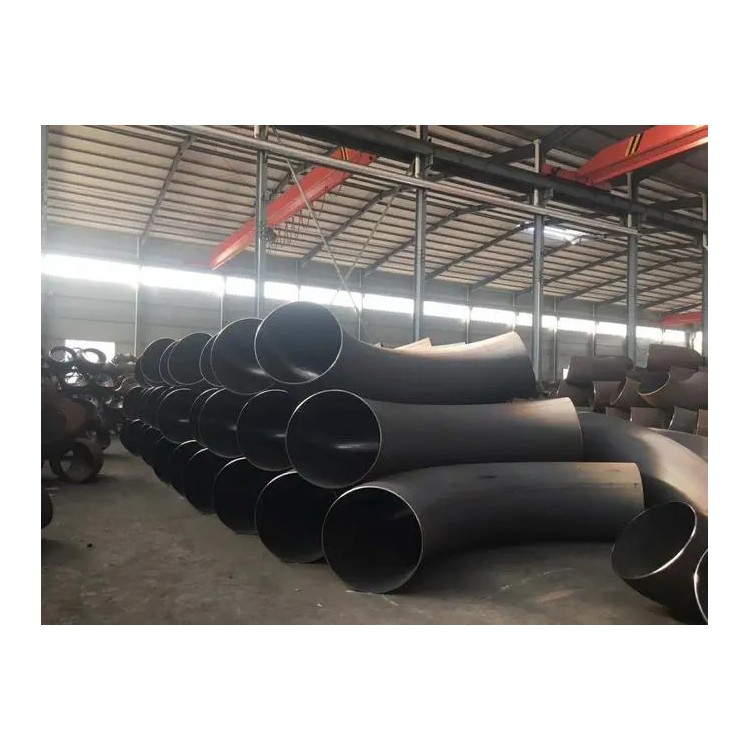
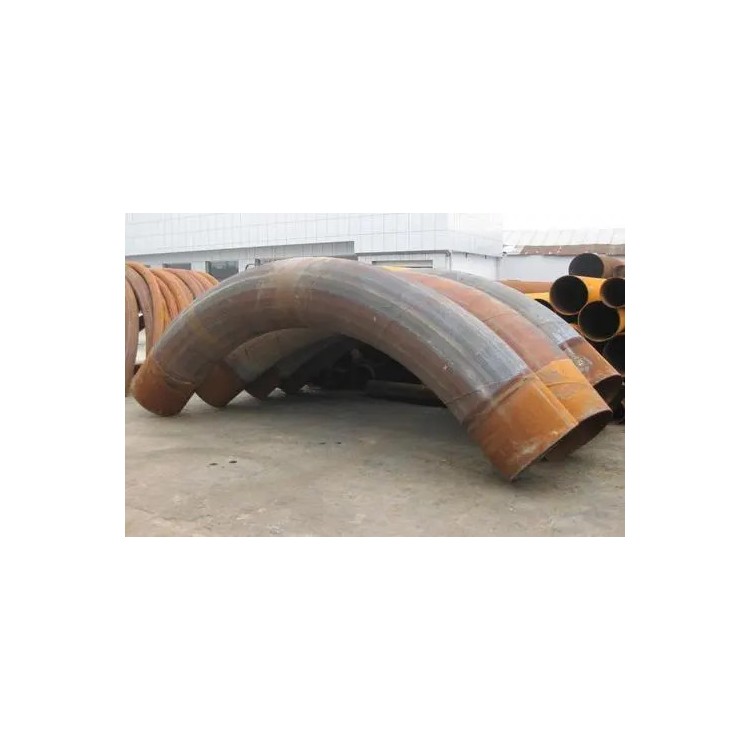
1. When purely bending, under the action of the external moment M, the outer side arm wall of the tube's neutral layer is subjected to tensile stress &1, causing thinning, while the inner side experiences compressive stress, leading to thickening. The resultant forces N1 and N2 cause a change in the tube's cross-section. Based on this factor, the primary reason for the decline in bend tube quality is due to RX and SX. Therefore, in GBJ235-82, specific provisions are made for the RX values under various pressure levels and the thinning on the outer side, with the aim of controlling the values of RX and SX to ensure quality.
2. As previously mentioned, when bending pipes, the outer surface of the material is subjected to tension, while the inner surface is compressed. The position of the neutral axis varies depending on the bending method. In the top bending (compression bending) process, the neutral axis is approximately 1/3 of the way from the outer wall. In the swivel bending (reverse bending) process, the neutral axis is 2/3 of the way from the outer wall. Therefore, for thin-walled pipe bending, using the swivel bending method is beneficial.
3The accuracy of the mandrel is also a factor affecting the quality of the bent pipe. During mandrel manufacturing, in addition to controlling the specifications and dimensions within a certain tolerance range, we also require users to select the appropriate mandrel based on the pipe diameter for bending.
A bending device characterized by including a bending mandrel and a shaped tube; the shaped tube is inserted from the end of the steel pipe to be bent, with its end being conical to support the bending section of the steel pipe; the bending mandrel is equipped with a scale disk for adjusting the bending angle of the steel pipe.
Bending machines can be roughly categorized into CNC bending machines, hydraulic bending machines, and so on. The applications of bending machines include: hydraulic bending machines are mainly used in electrical construction, highway and railway construction, boiler, bridge, ship, furniture, decoration, and other pipeline installation and repair work. They offer numerous advantages such as multiple functions, reasonable structure, simple operation, easy mobility, and quick installation. In addition to bending, this machine can also be used as a hydraulic jack for the cylinder, making it more cost-effective and user-friendly compared to CNC bending machines. It holds a leading position in the domestic bending machine market. CNC bending machines can perform helical bending on pipes at room temperature, either a single bend radius (single mode) or two bend radii (double mode), and are widely used in the bending of various pipe fittings and wires in industries such as automotive and air conditioning. Bending machines are primarily used for plastic deformation of pipes.