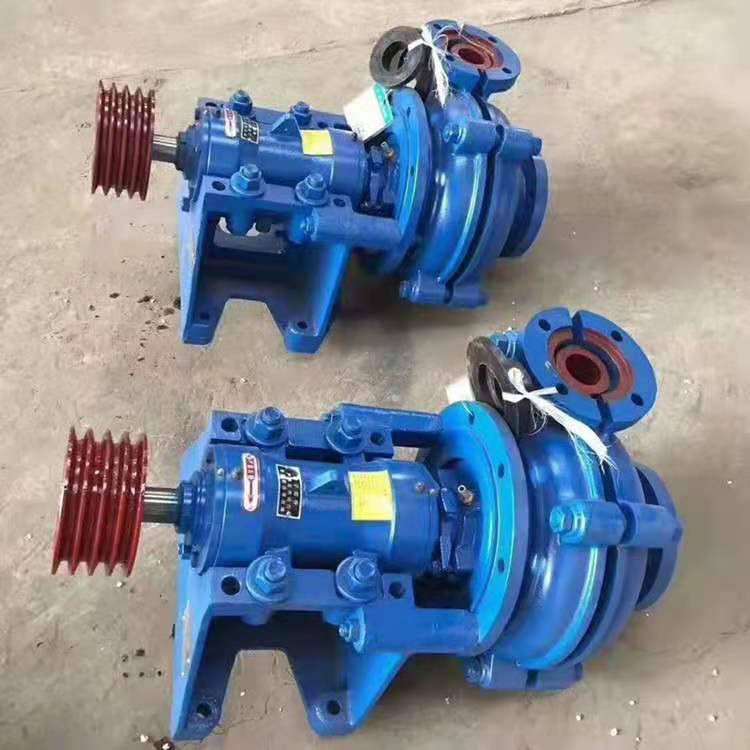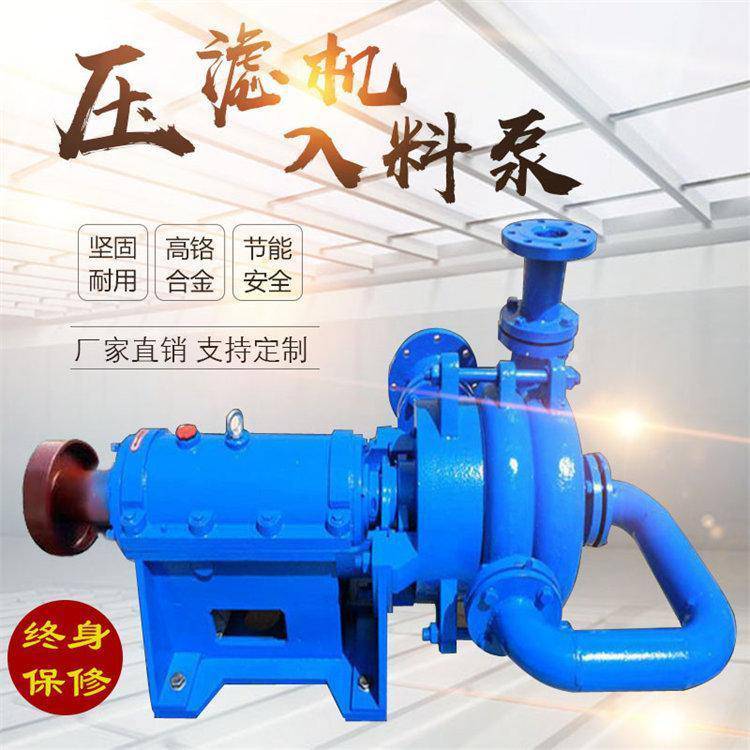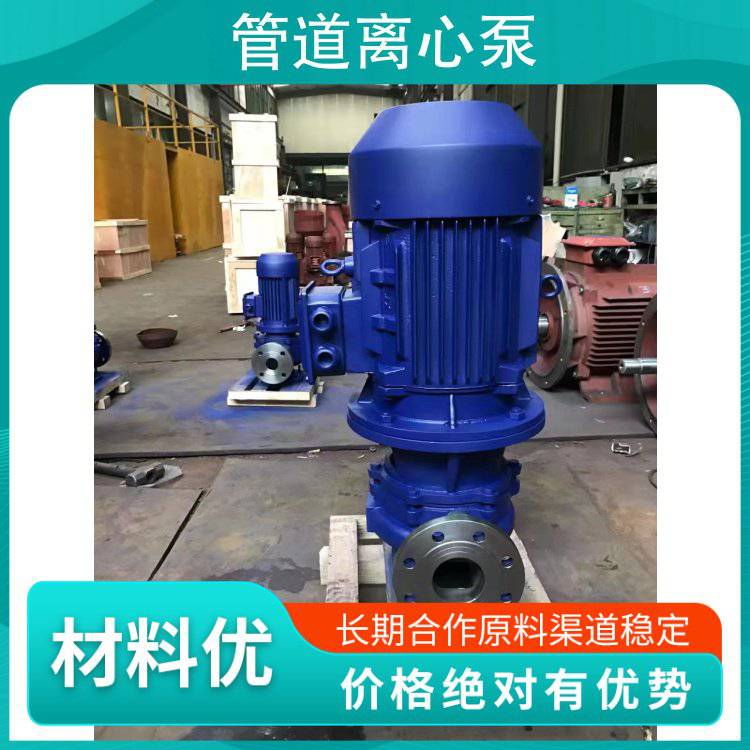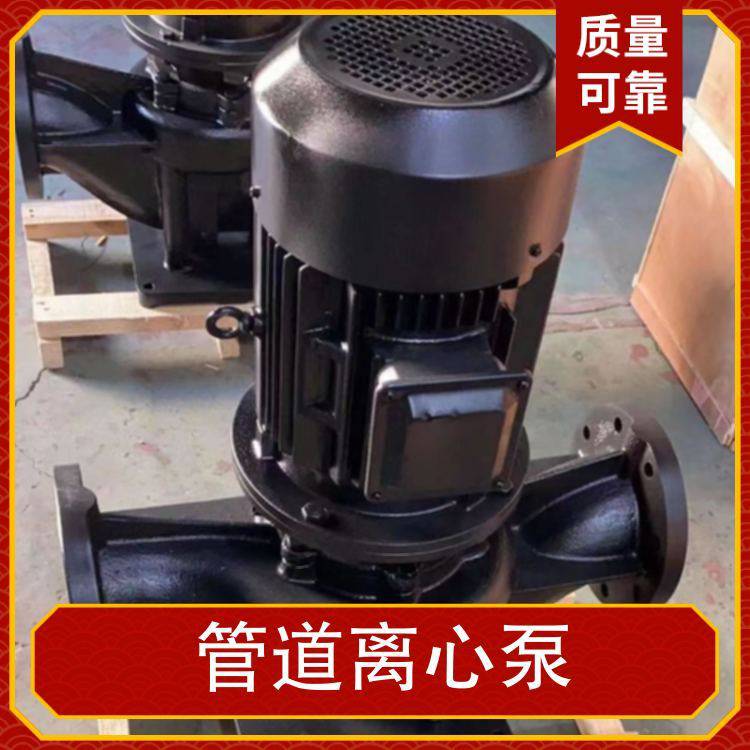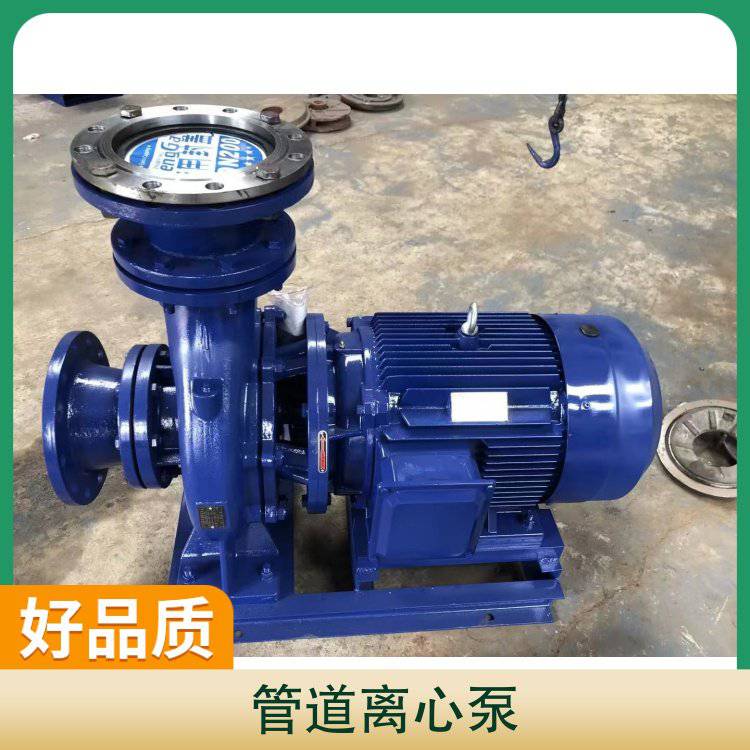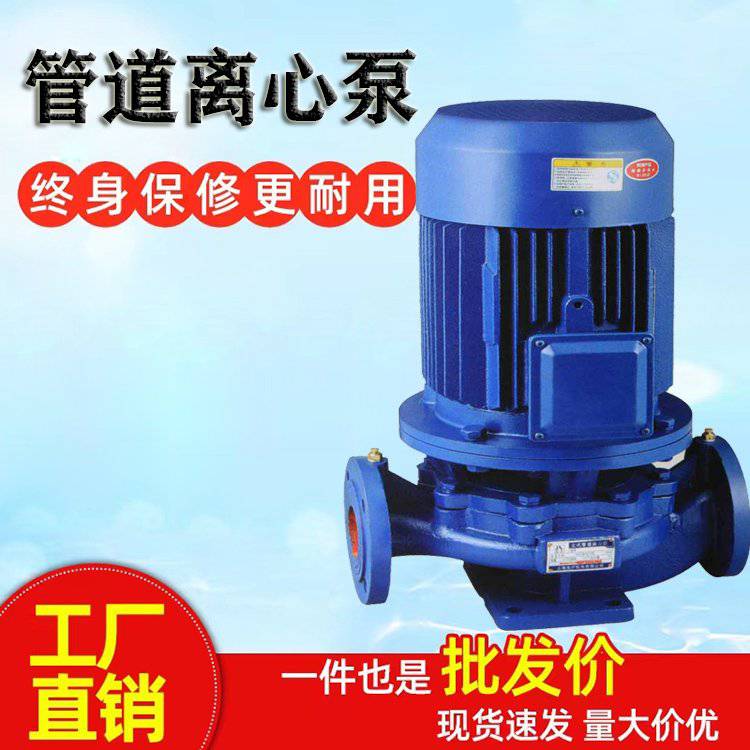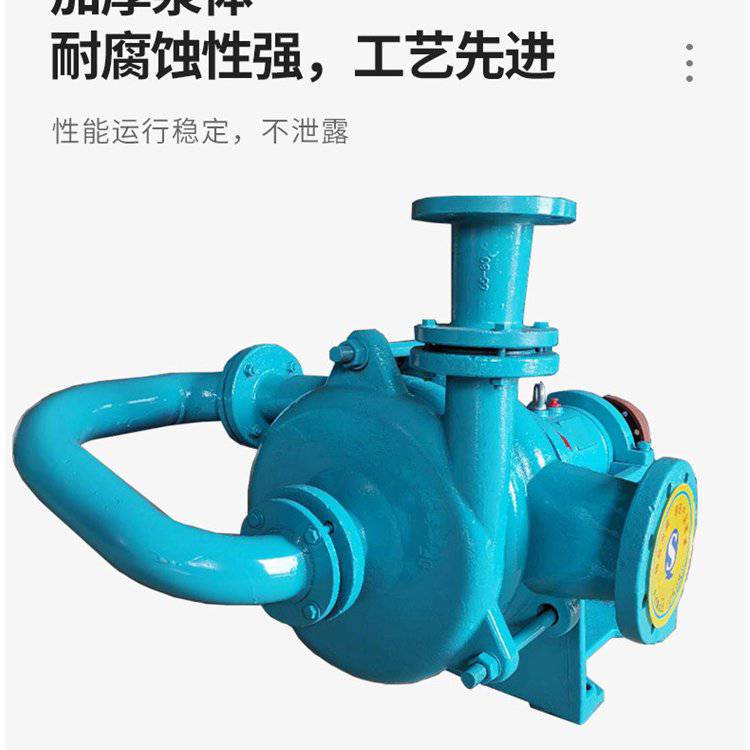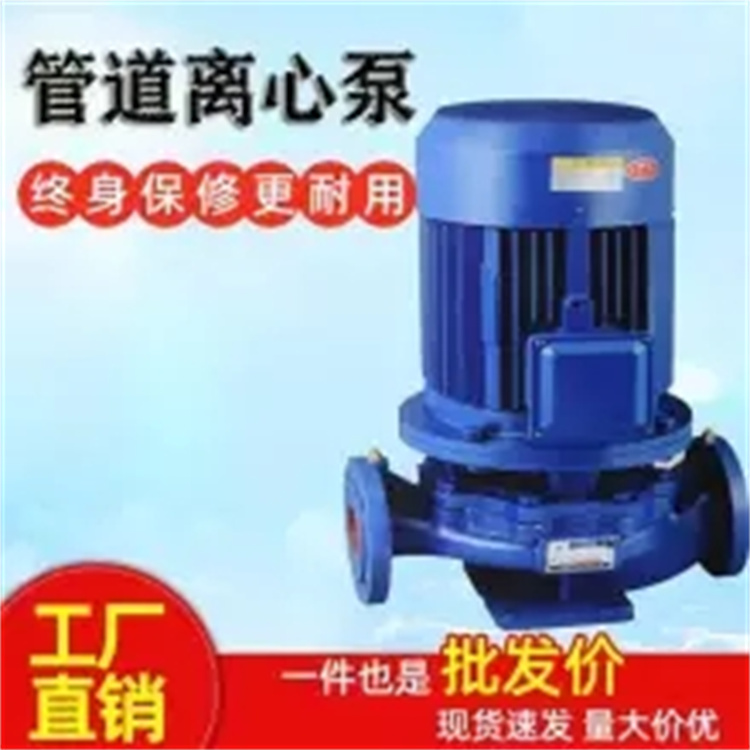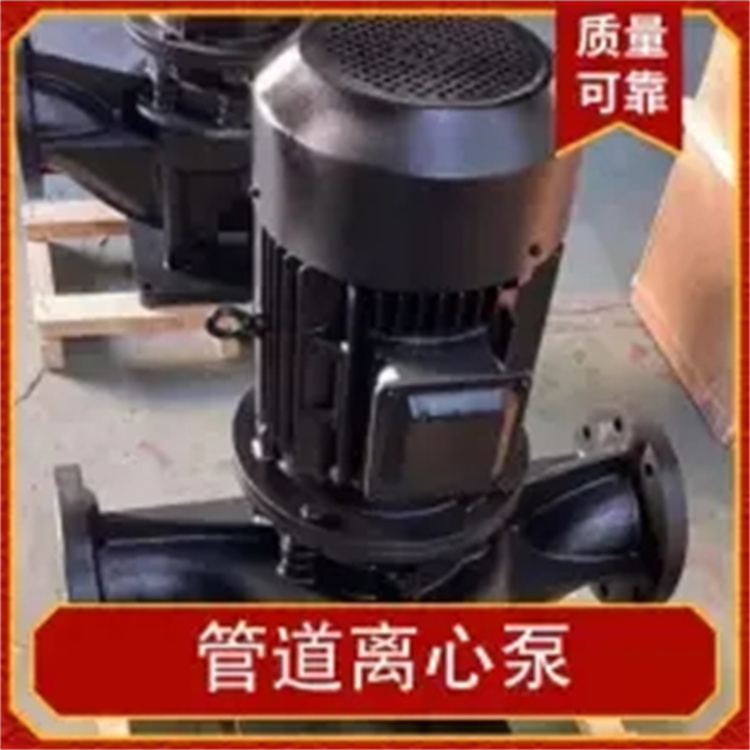

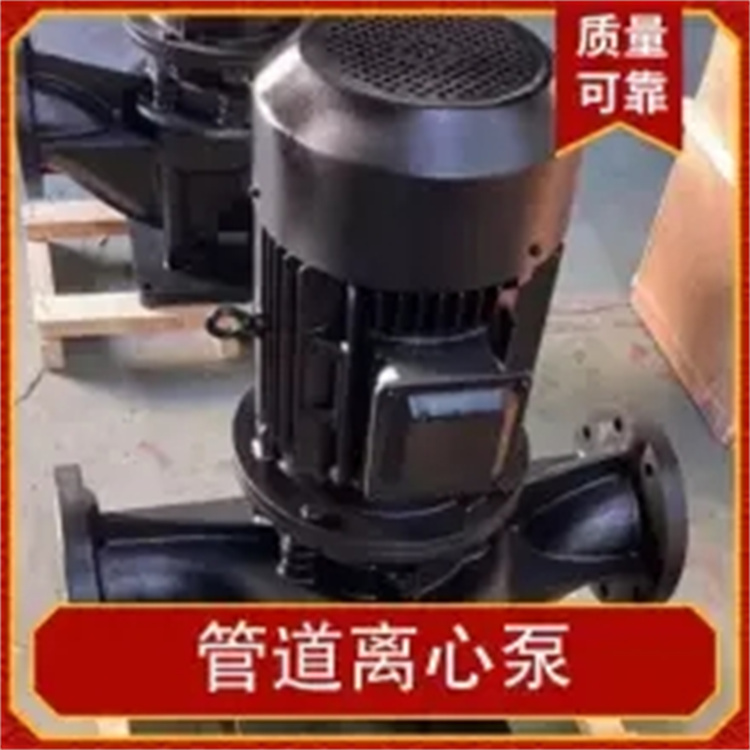
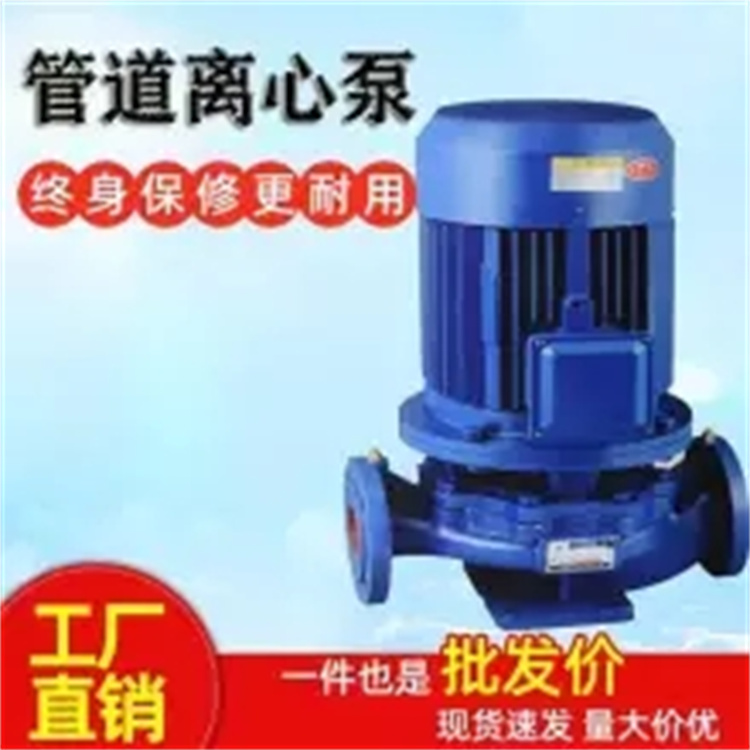













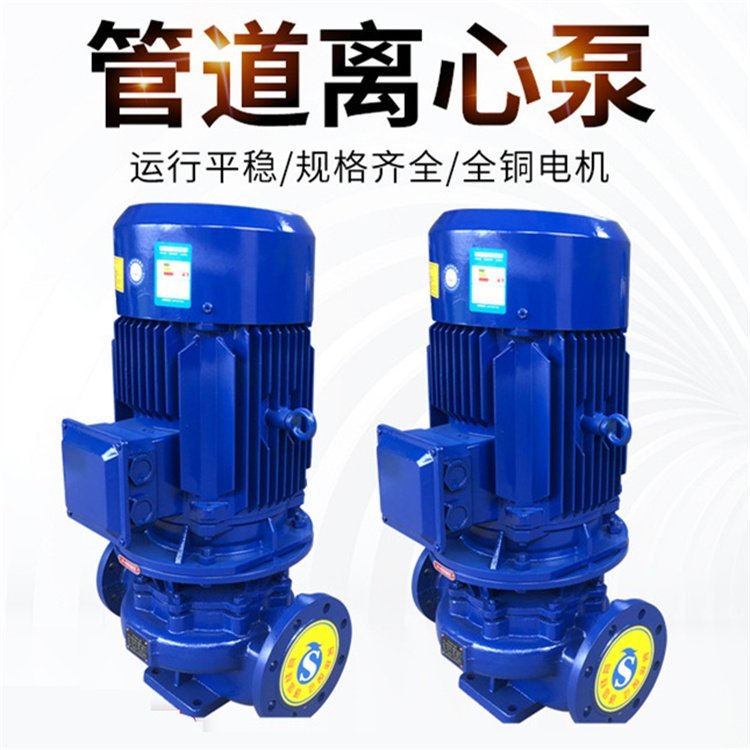
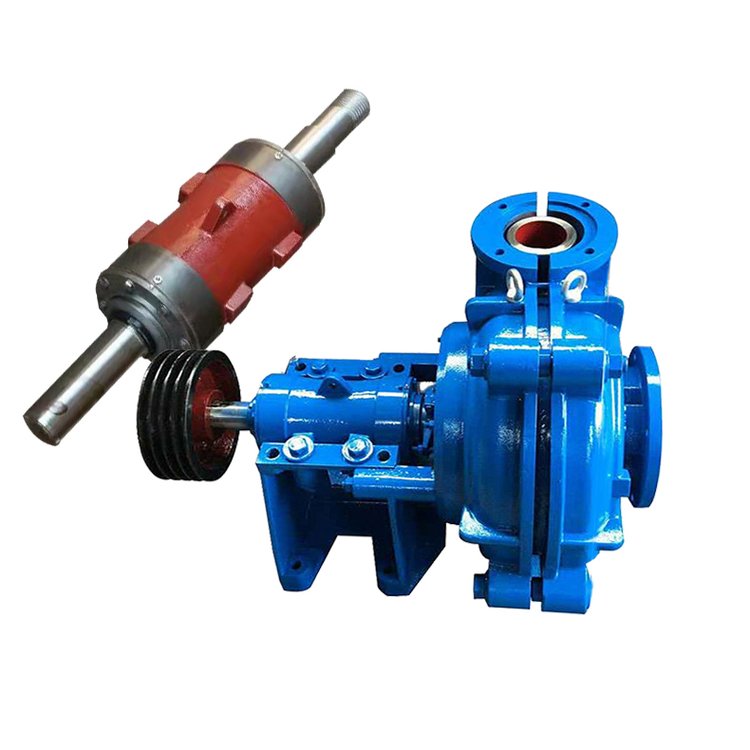
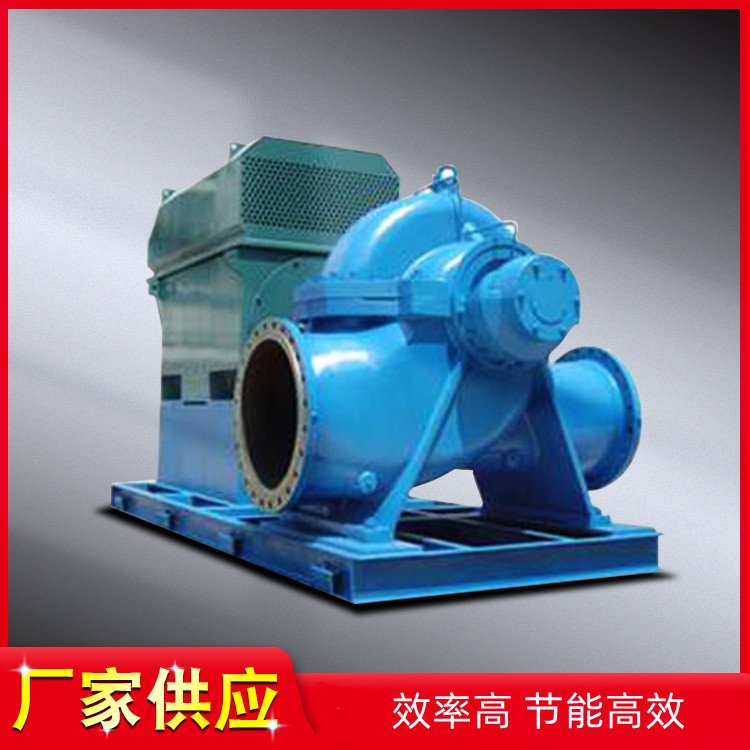
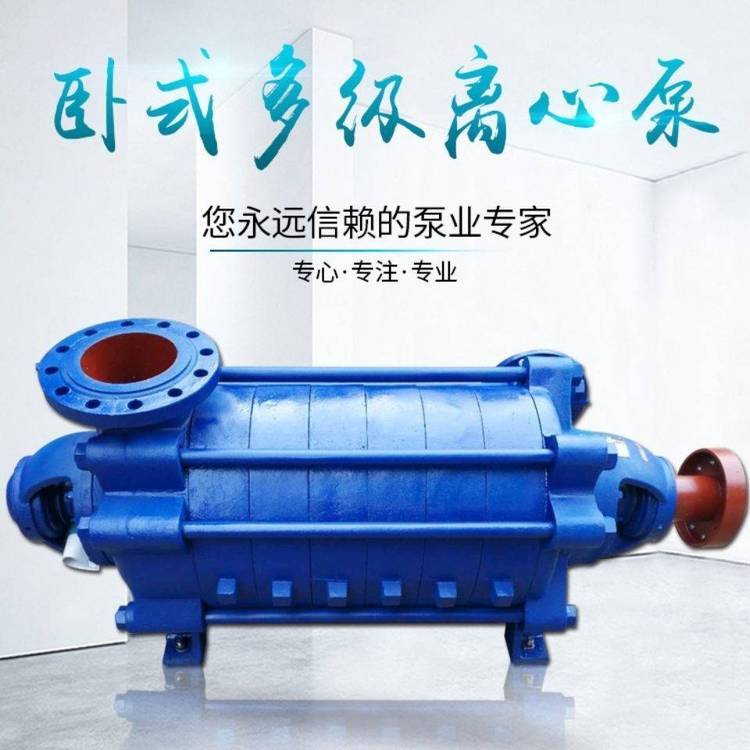
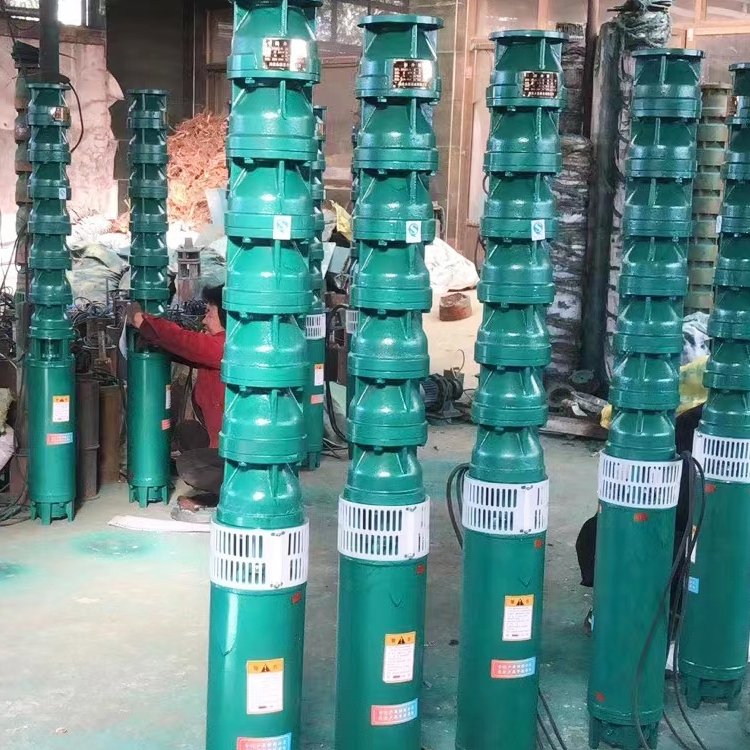
Basic Structure: The fundamental construction of the centrifugal pump consists of six main components: impeller, pump housing, pump shaft, bearings, sealing ring, and stuffing box.
Blade wheel
The impeller is a critical component of the centrifugal pump, featuring high speed and strong power. The blades on the impeller play a key role. The impeller must undergo a static balance test before assembly. The inner and outer surfaces of the impeller must be smooth to minimize frictional losses in water flow.
Pump shaft
The pump shaft's function is to connect the motor via a coupling, transmitting the motor's torque to the impeller, thus making it the main component for transferring mechanical energy.
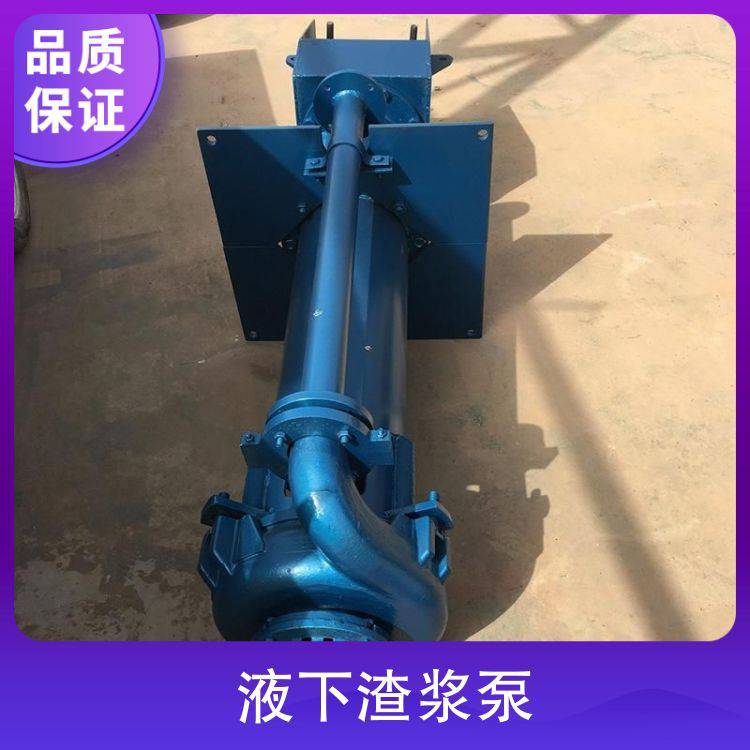


Pipe Centrifugal Pump Bearing
It's a component that fits over the pump shaft to support it, available in two types: rolling and sliding bearings. Rolling bearings use cow oil as the lubricant, and the oil should be added appropriately, usually 2/3 to 3/4 of the volume: too much will cause overheating, and too little will produce noise and heat! Sliding bearings use transparent oil as the lubricant, adding oil up to the oil level line. Too much oil will leak along the pump shaft and be wasted, while too little will overheat the bearing, potentially causing damage and accidents! During the operation of the water pump, the bearing temperature is typically around 85 degrees, usually running at about 60 degrees. If it's higher, investigate the cause (presence of impurities, whether the oil has turned black, if water has entered) and address it promptly!
Sealing Ring
Also known as a leakage reducer. An excessive gap between the impeller inlet and the pump housing can cause water in the high-pressure zone of the pump to flow through this gap to the low-pressure zone, affecting the pump's flow rate and efficiency! A too small gap can cause friction and wear between the impeller and the pump housing. To increase backflow resistance, reduce internal leakage, and extend the service life of the impeller and pump housing, a sealing ring is installed at the junction of the pump housing inner edge and the impeller outer edge, with the sealed gap maintained between 0.25 to 1.10 mm.
Filling sleeve
Primarily composed of packing, water seal rings, packing sleeve, packing cover, and water seal pipe. The function of the packing box is mainly to seal the gap between the pump housing and the pump shaft, preventing water inside the pump from leaking out and outside air from entering the pump. Always maintain a vacuum inside the water pump! When friction between the pump shaft and packing generates heat, the water seal pipe channels water into the water seal ring to cool the packing! Ensuring the normal operation of the water pump. Therefore, during the routine inspection of the pump, special attention should be paid to the packing box! A replacement of the packing is required approximately every 600 hours of operation.
Application
Vertical hot water pumps are suitable for metallurgy, chemical industry, textile, wood processing, papermaking, as well as for hot water boosting and circulation in boilers for restaurants, bathhouses, hotels, etc. They are used for urban housing heating circulation and operate at temperatures below 120℃.
2. Vertical high-temperature centrifugal pumps are used for: energy, metallurgy, chemical industry, textile, papermaking, as well as for high-temperature hot water boosting and circulation in boilers for restaurants, bathhouses, hotels, etc. These pumps are suitable for temperatures below 240°C.
3. Vertical PipeChemical PumpSuitable for conveying liquids without solid particles, corrosive in nature, and with a viscosity similar to water, this product is applicable to industries such as petroleum, chemicals, metallurgy, electricity, papermaking, food, and synthetic fibers. Operating temperature range: -20℃ to 120℃.
Installation Notes
(1) The base surface of the installation must be flat, clean, and capable of supporting the corresponding load; (2) Anchor bolts should be used at points where fixation is required.
(3) For vertically installed pumps, the foot bolts must be of sufficient strength.
(4) If vertically installed, the motor must be above the pump.
(5) When installing on the wall, ensure proper alignment and centering.
Product Features
Hydraulic Model: Performance.
2. Easy installation and maintenance: Pipeline installation, with the ability to install inlets and outlets like valves at any position and in any direction on the pipeline, offers tremendous ease for installation and maintenance.
3. Aesthetically Pleasing: Constructed with a stainless steel exterior for a sleek and attractive appearance.
4. Lower operating and maintenance costs: Utilizing mechanical seals, with no leakage, long service life, low failure rate, and reduced operating and maintenance costs.
5. Noise Reduction: Hydraulics component design with excellent flow performance, significantly reducing flow noise.
6. Vertical structure, occupying minimal floor space.