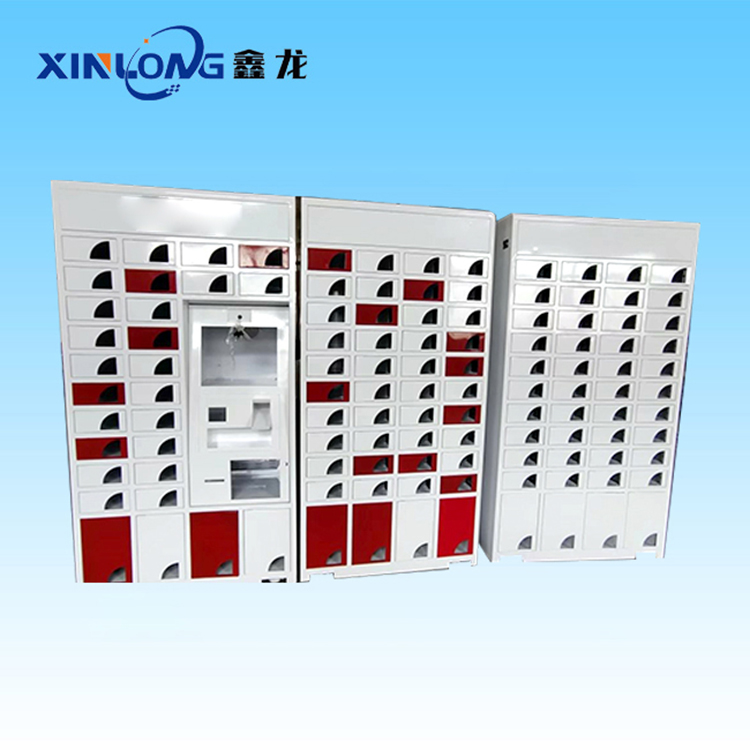


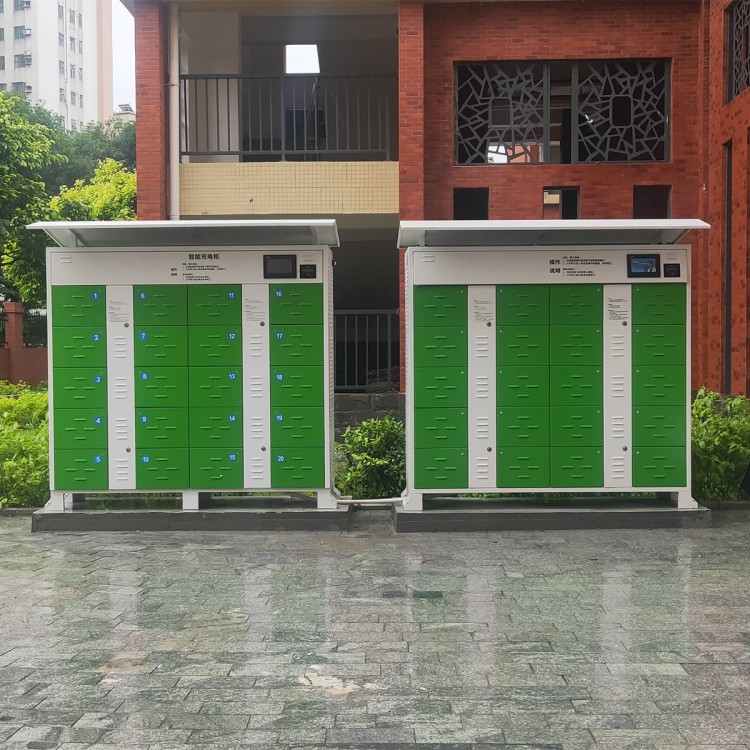


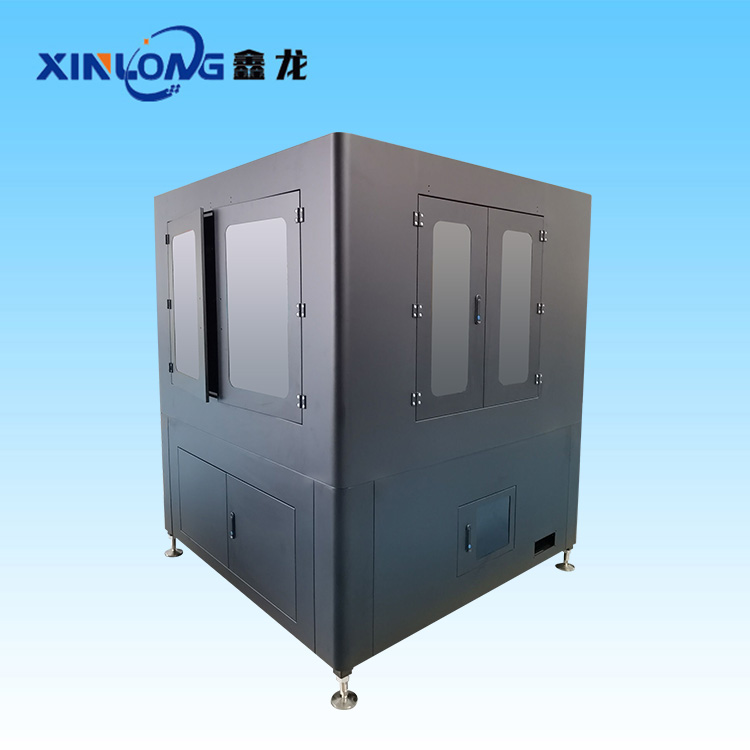
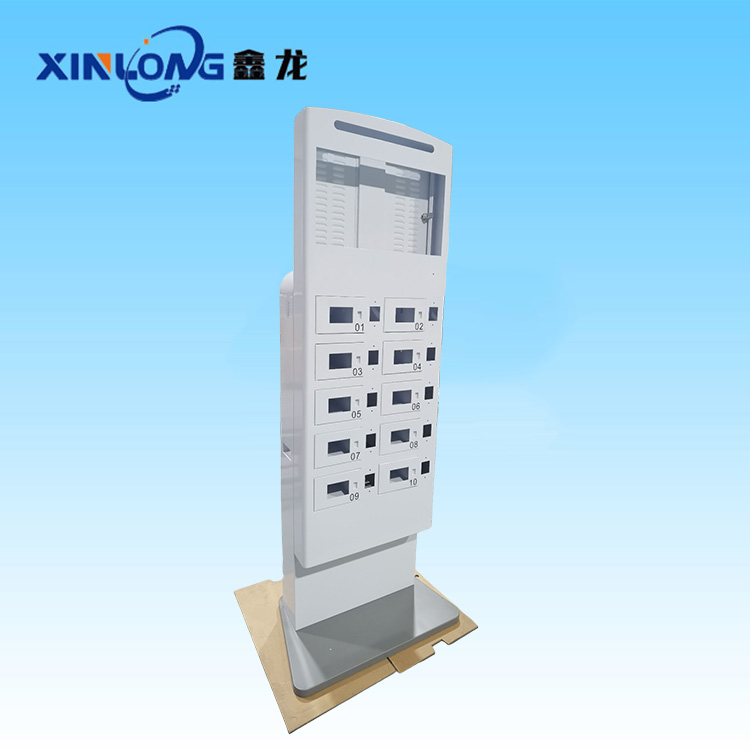
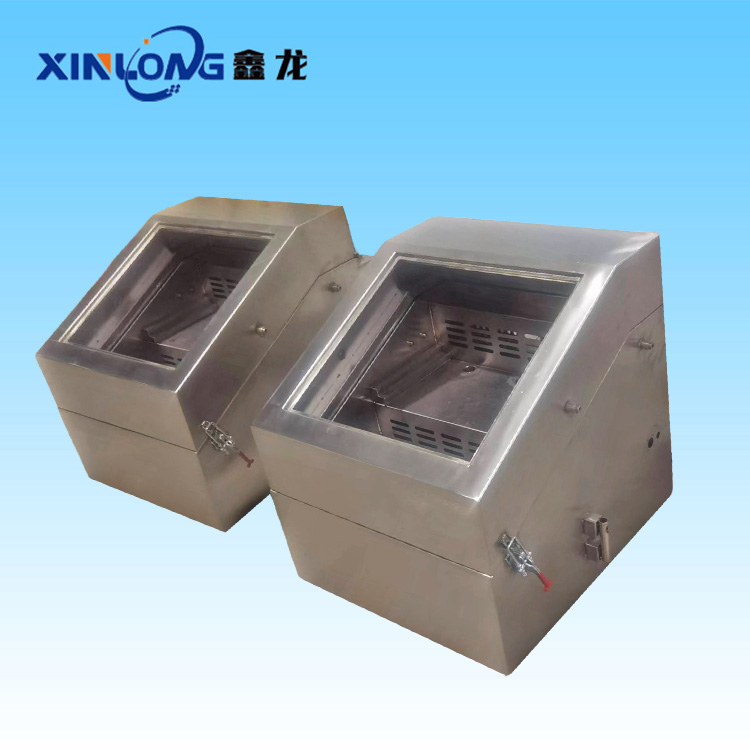

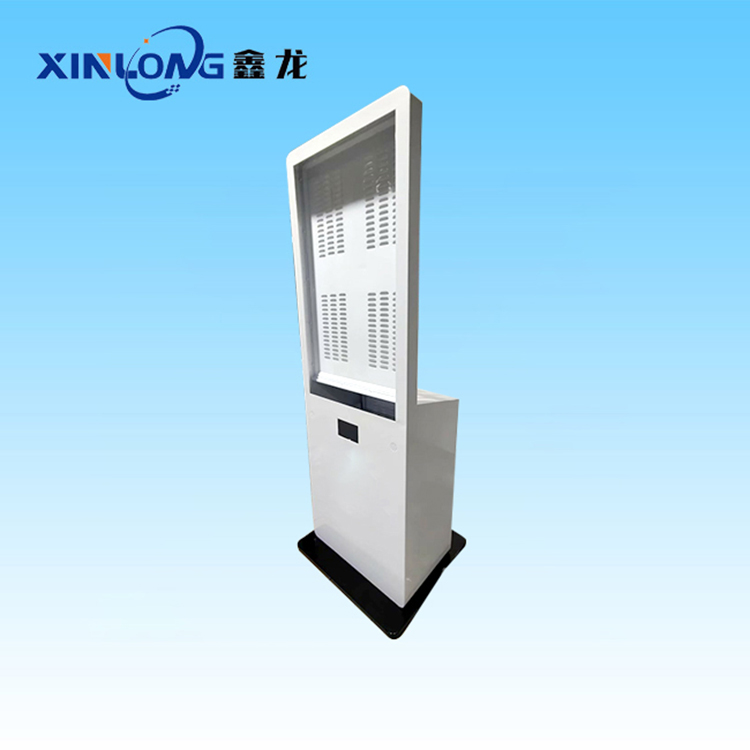







Quick 1-minute battery swap for shared riders, residential battery storage cabinet for electric scooters
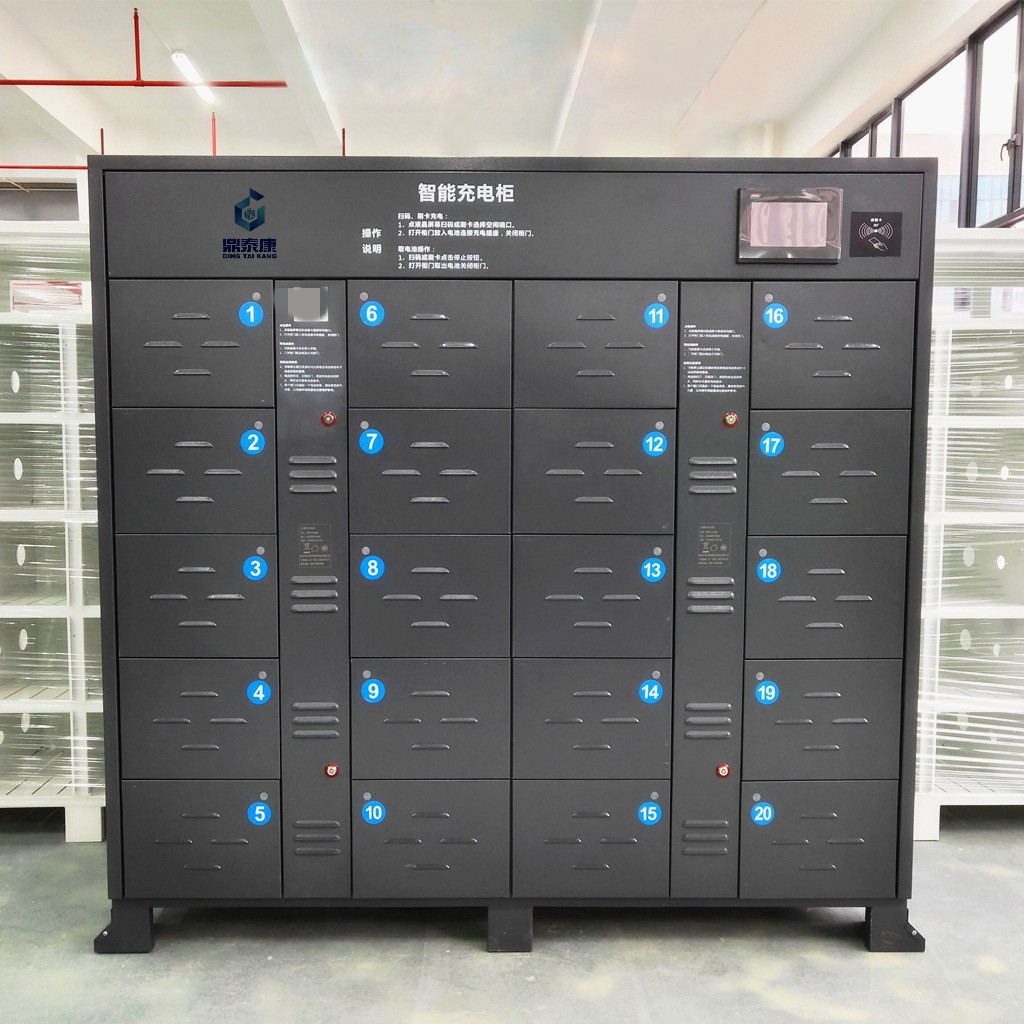
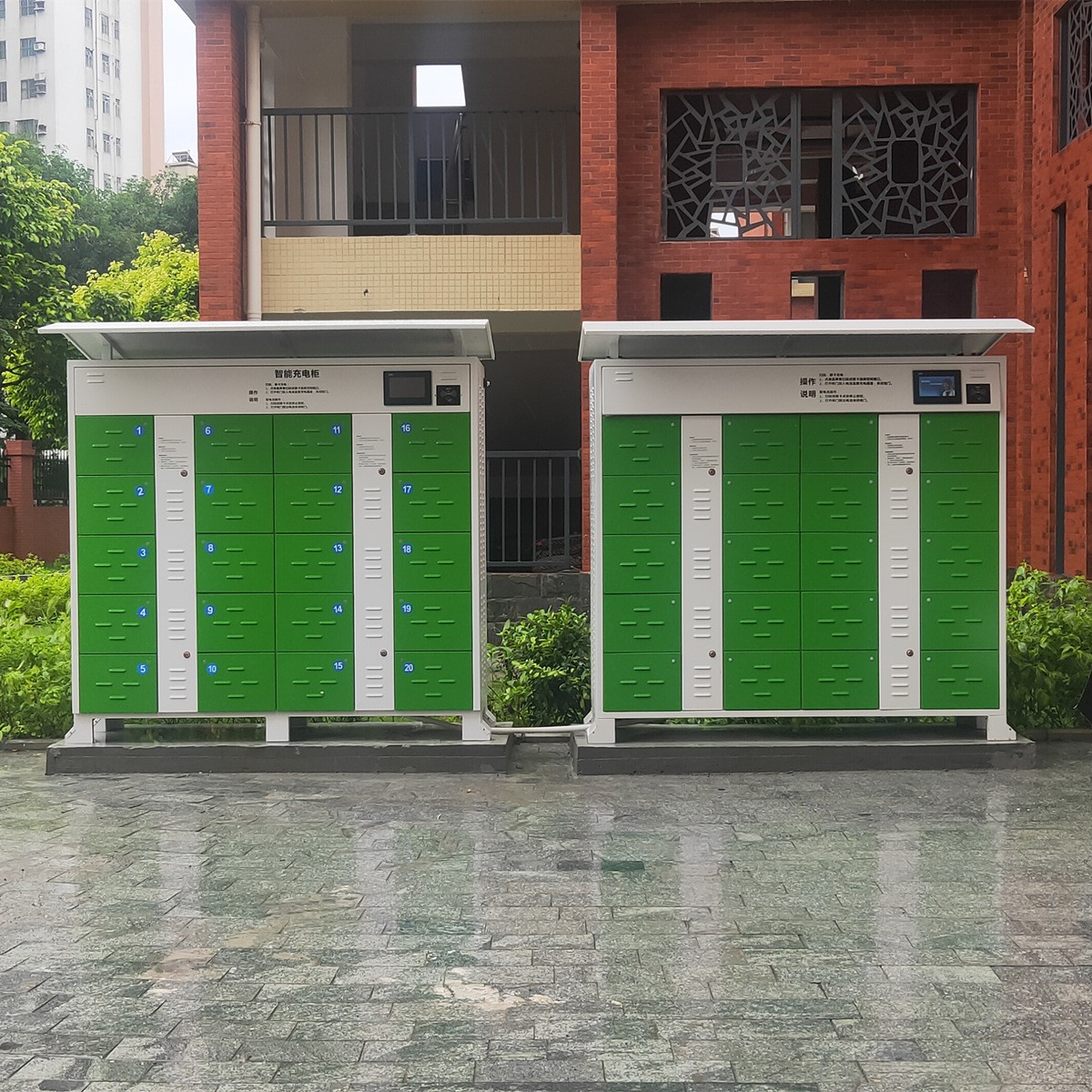
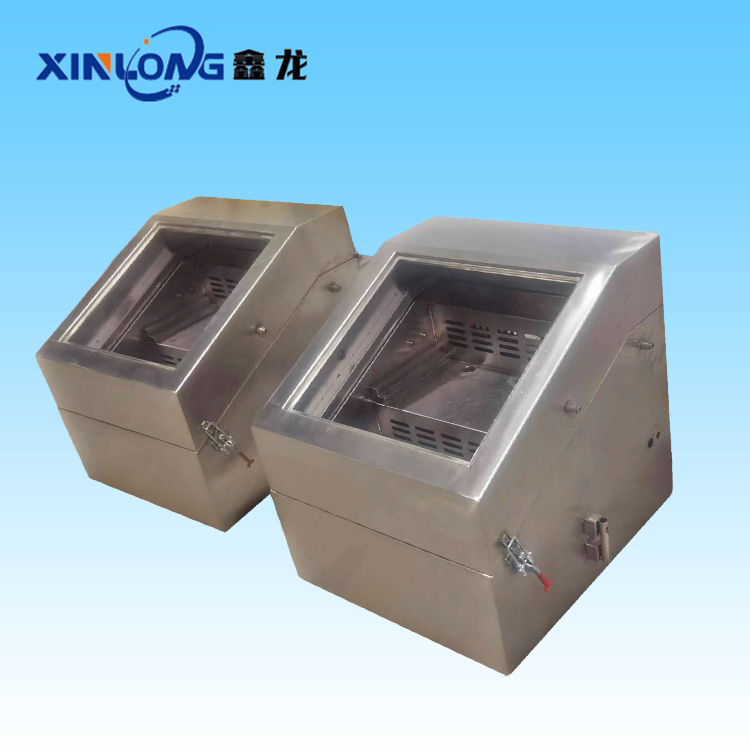
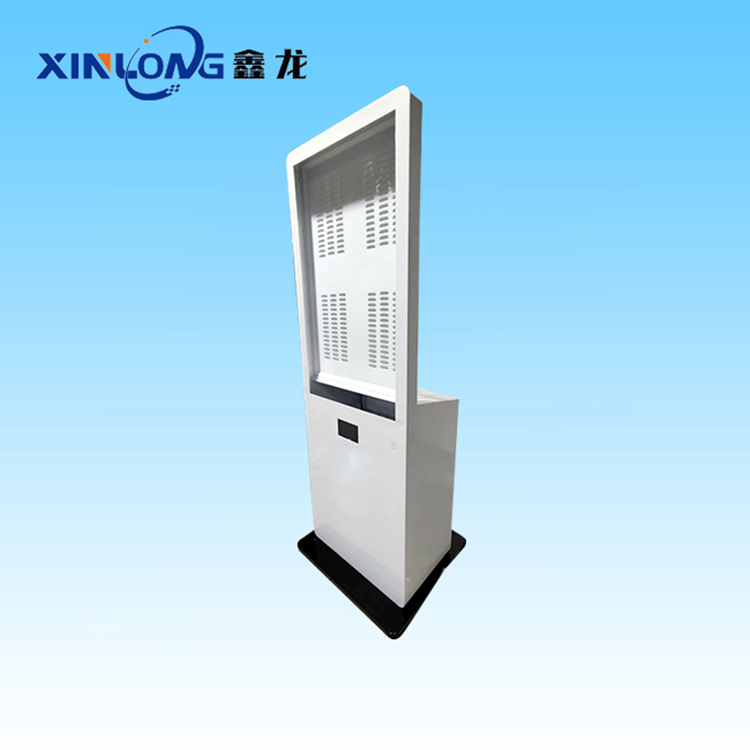
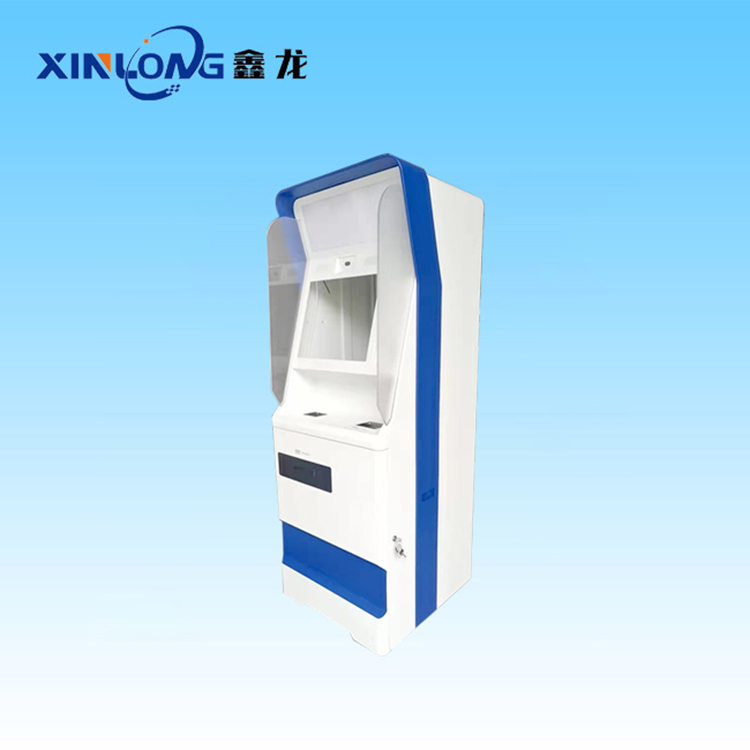
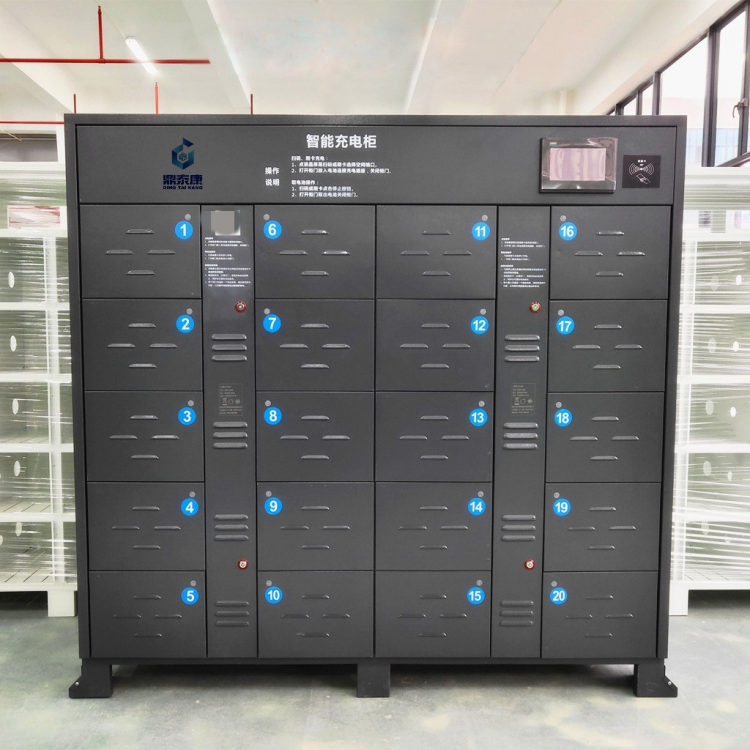
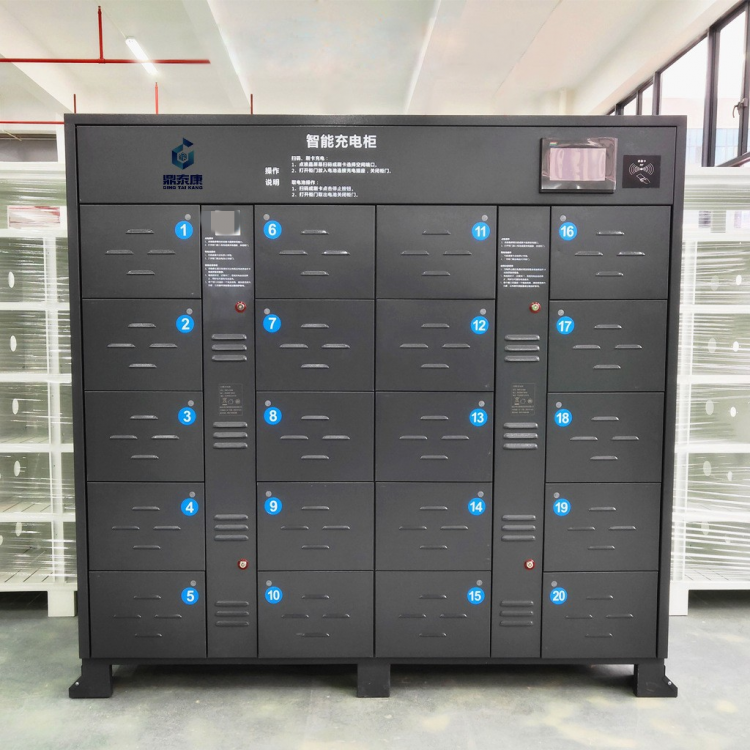
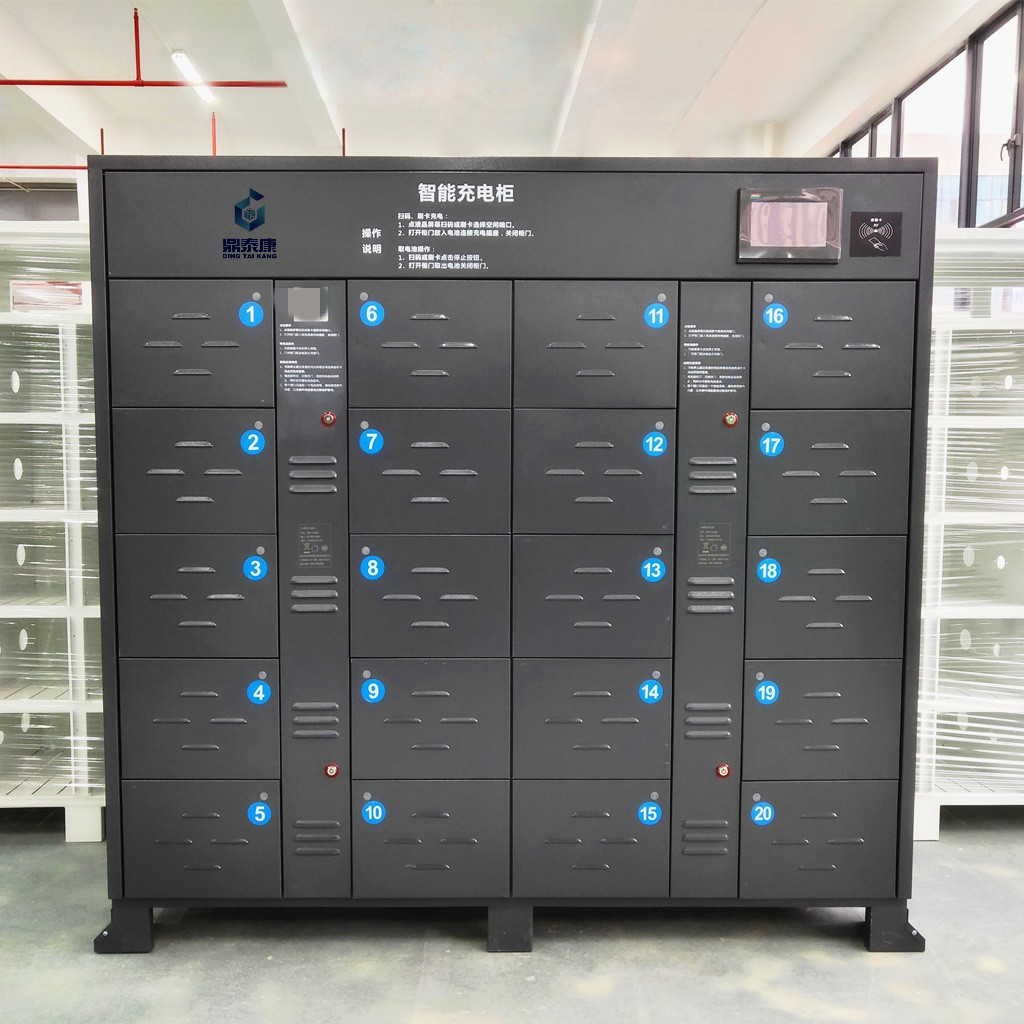
The shared battery swap cabinets are primarily used for storing battery equipment, with each cabinet housing a single battery. Typically, the cabinets feature a display or QR code for subsequent operations. Battery rental is completed by controlling the opening and closing of the cabinet doors. Each cabinet is equipped with a charging station that can charge empty batteries to full capacity. This process from charging to swapping significantly reduces waiting time, allowing riders to set off with a fully charged battery immediately.
What pain points in the industry can shared battery exchange cabinets address?
Battery life is short
Long-term use of batteries leads to battery aging, affecting normal battery life and causing inconvenience in daily travel, while also increasing the cost of battery replacement.
Major safety hazards
Numerous safety incidents caused by improper charging, including battery malfunctions, overcharging, incompatible chargers, and charging in indoor hallways, account for a significant proportion.
3 Difficulty in charging electric bicycles
As a power-saving SX, the number of electric bicycles is continuously growing, with the need to fully charge the battery...8-12 hours, the waiting time is lengthy, and traditional charging methods no longer meet market demands.
4 types of battery models
Currently, the market share of lead-acid batteries exceeds99% of lithium batteries are uniform in shape and compatible with interfaces, while less than 1% may have irregular shapes, incompatible interfaces, and issues with intelligent remote management.
5 Easy for centralized management
Fixed concentrated distribution points, property staff management+Integrated intelligent early warning platform management, operators can accurately locate faulty equipment through GPS positioning on the backend, facilitating timely maintenance and operation management.