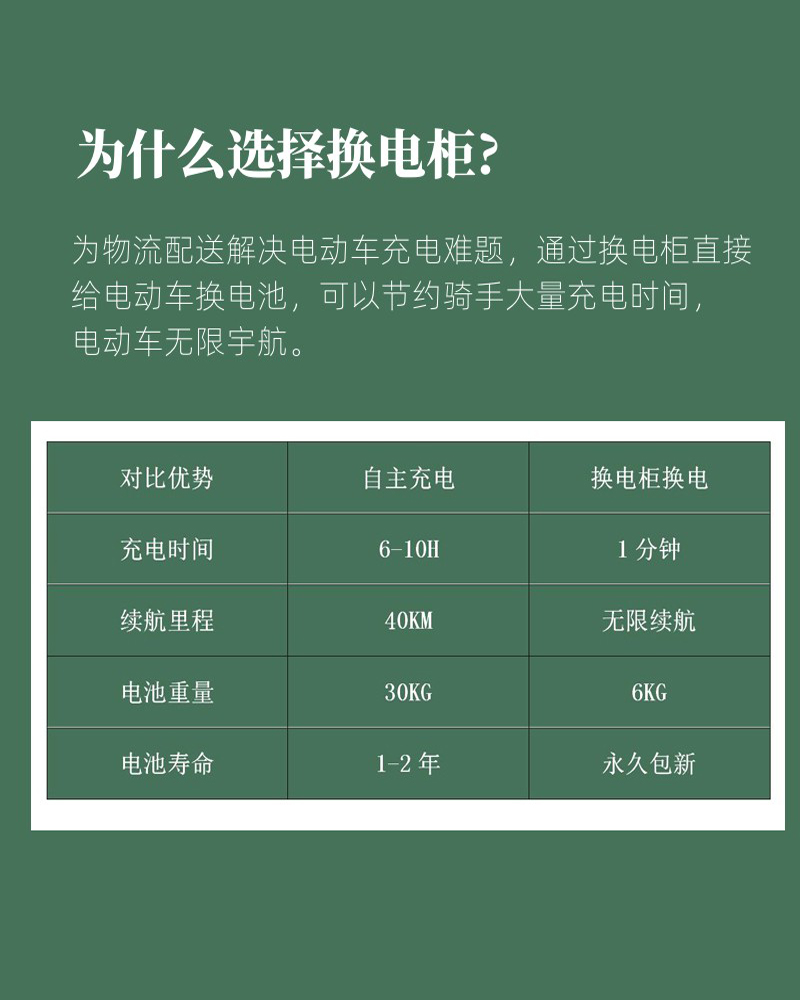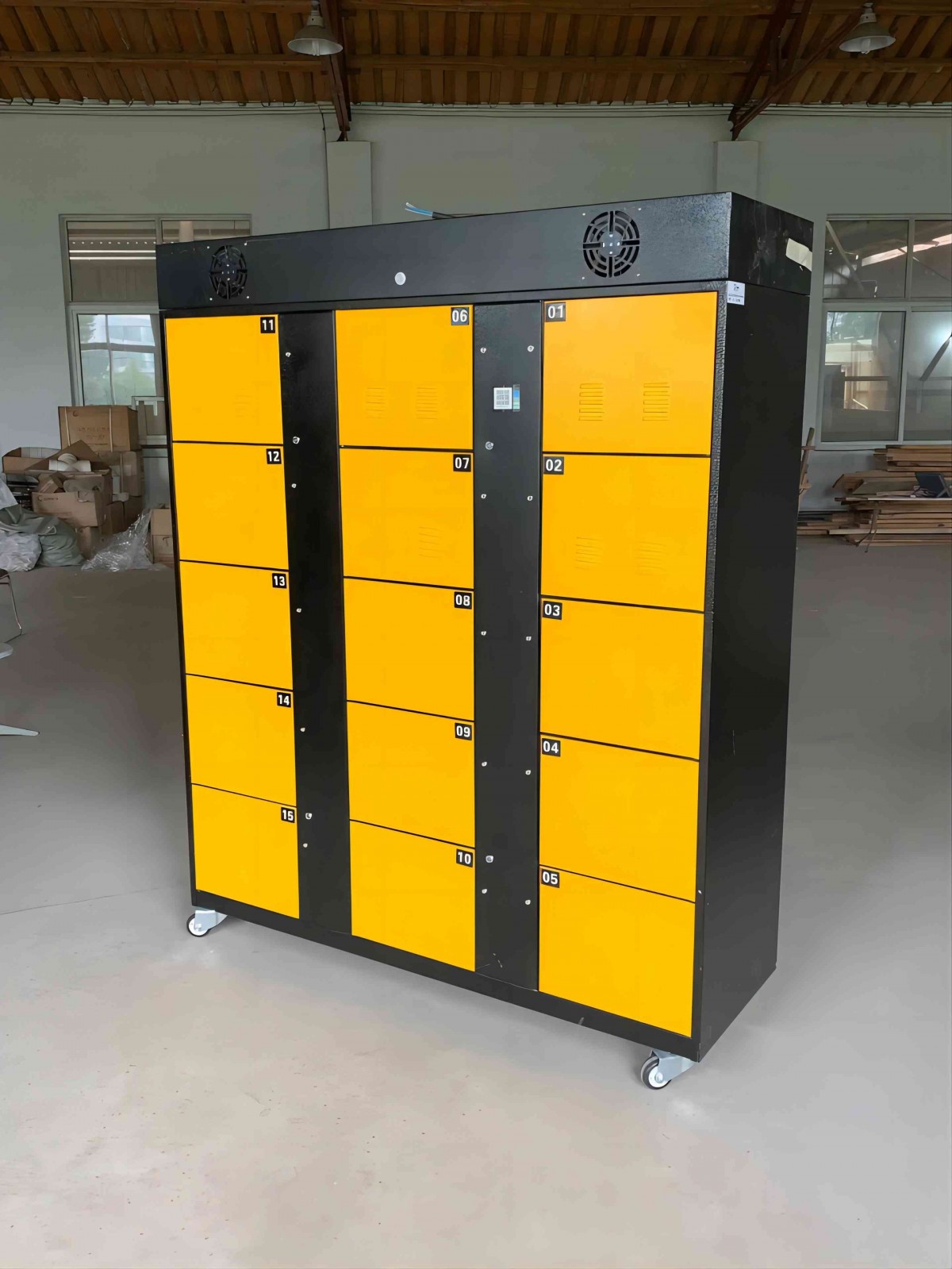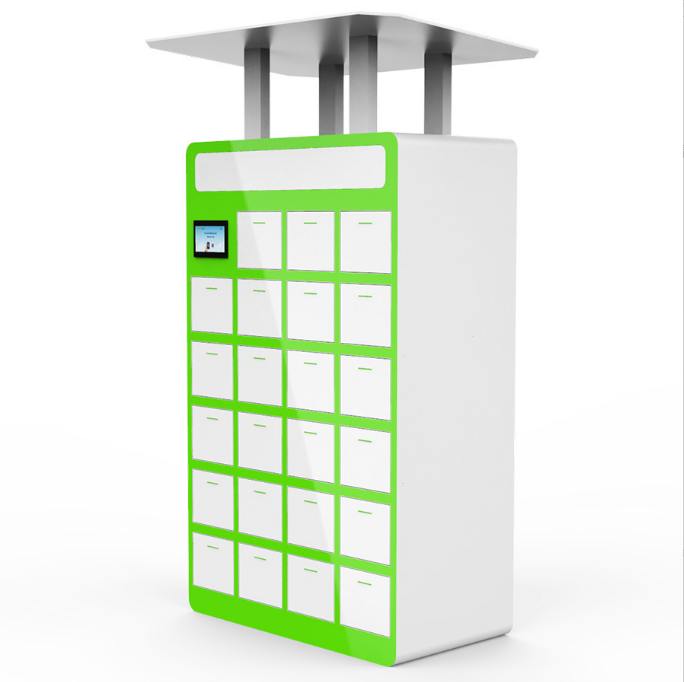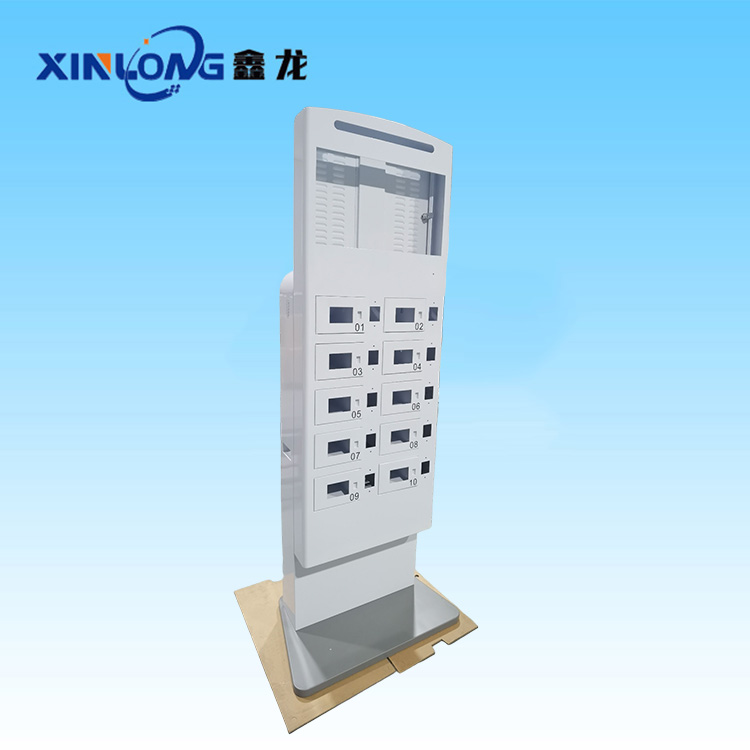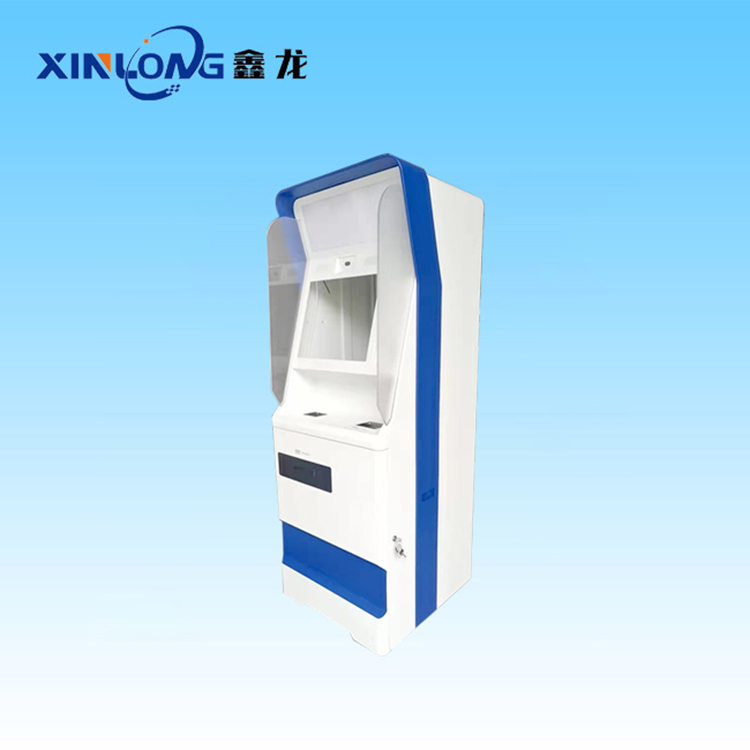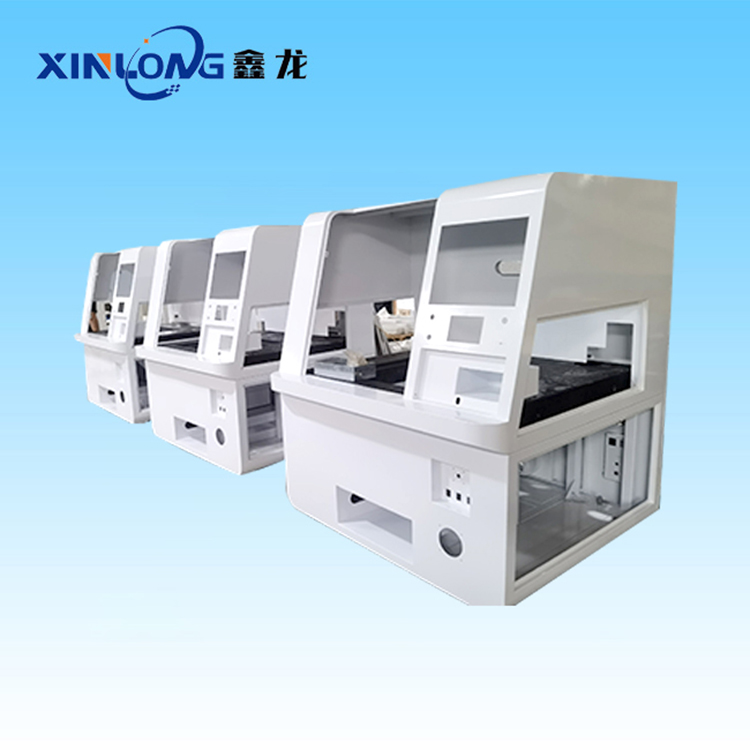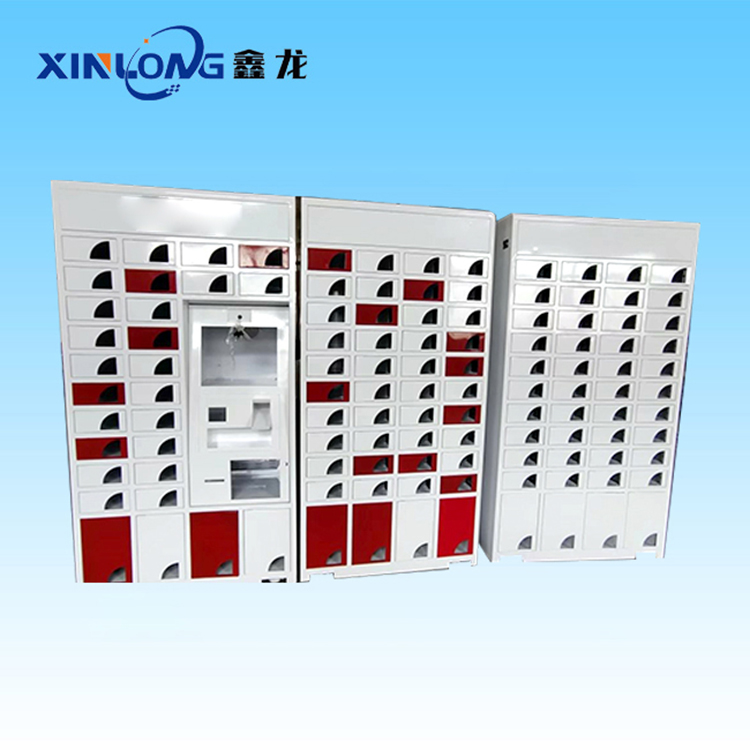

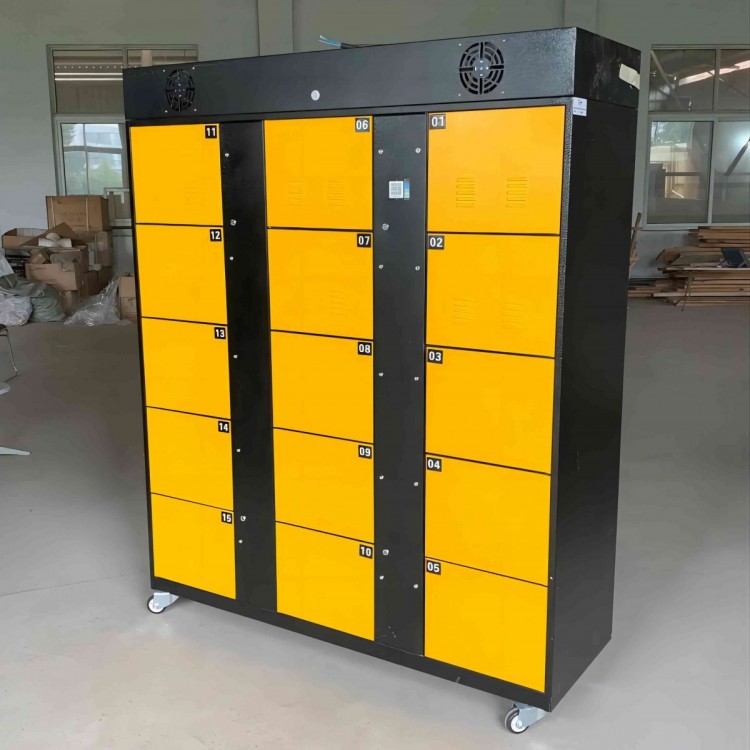

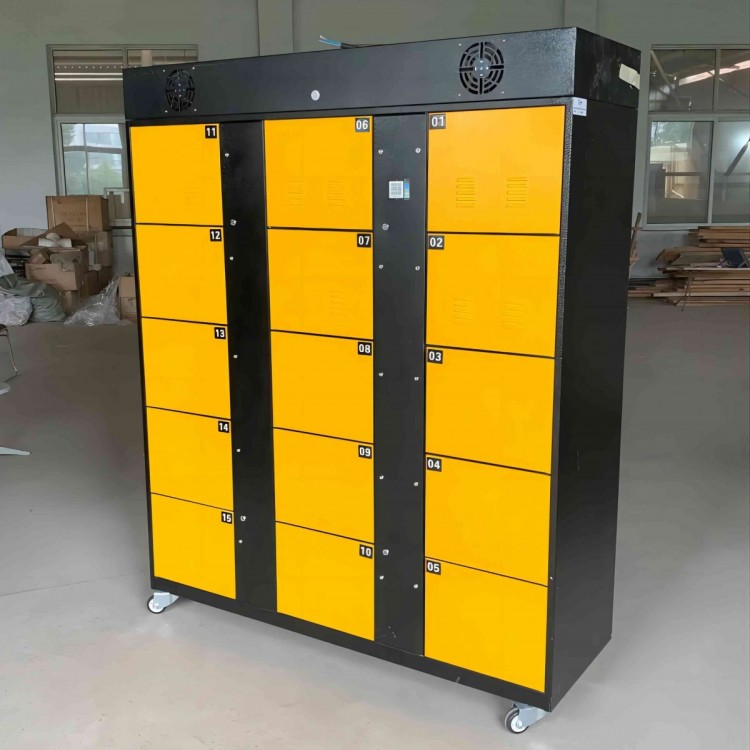

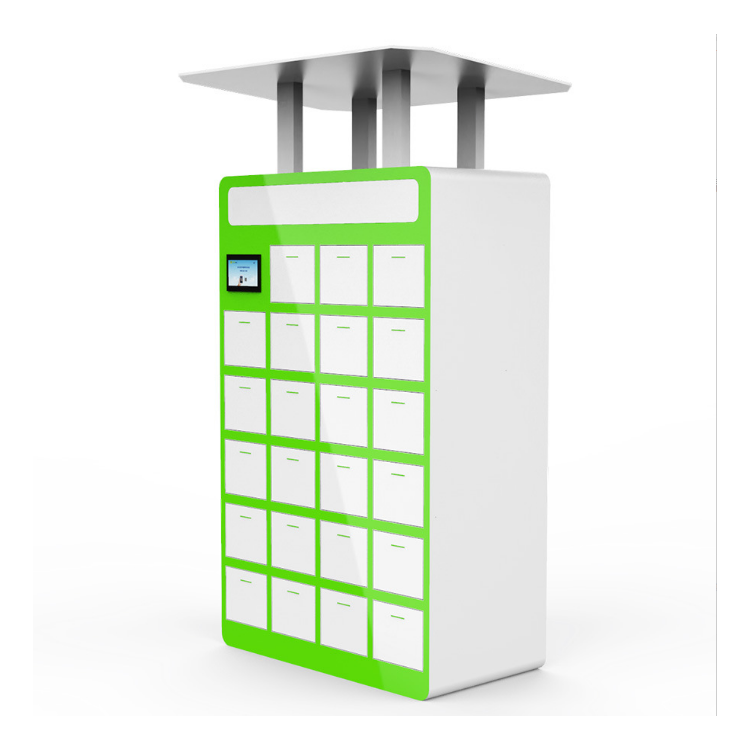


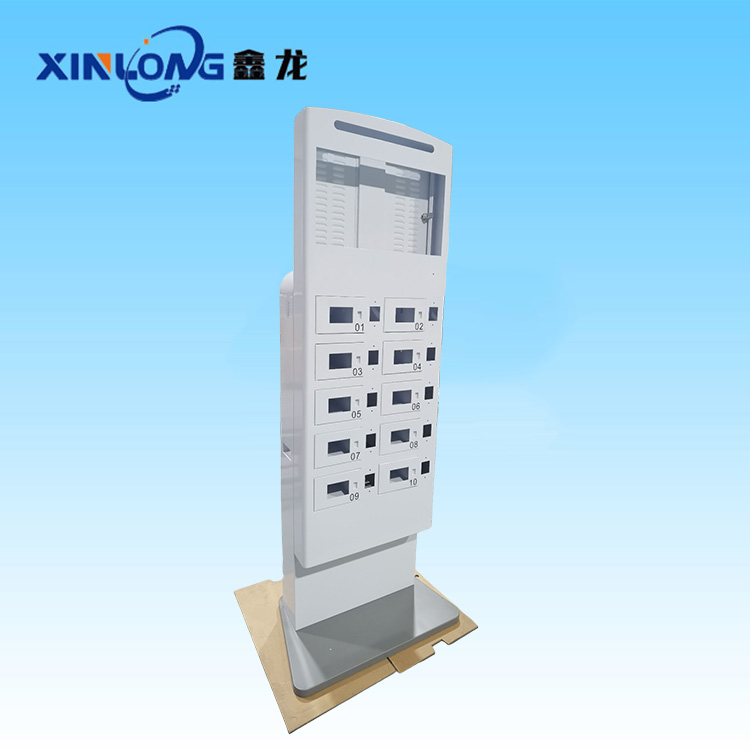

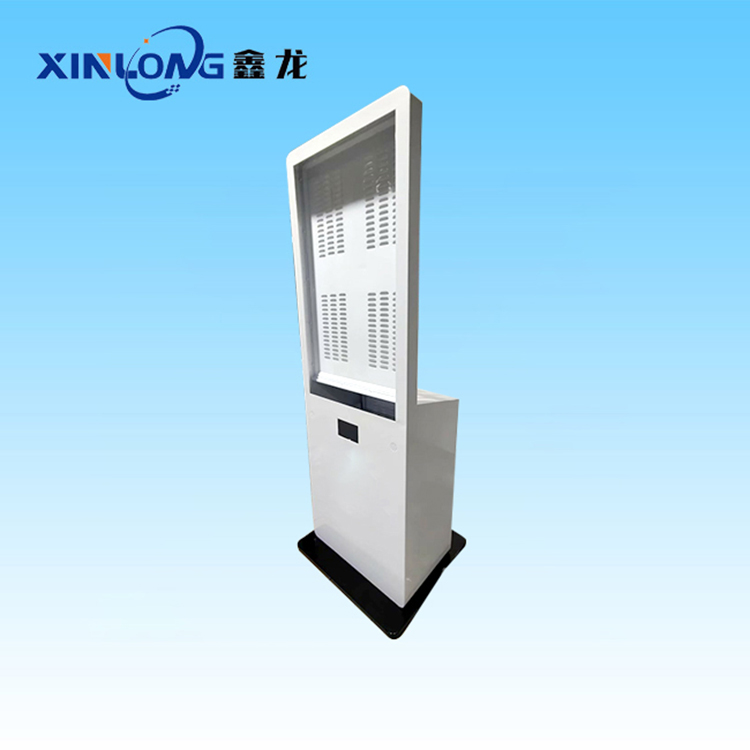







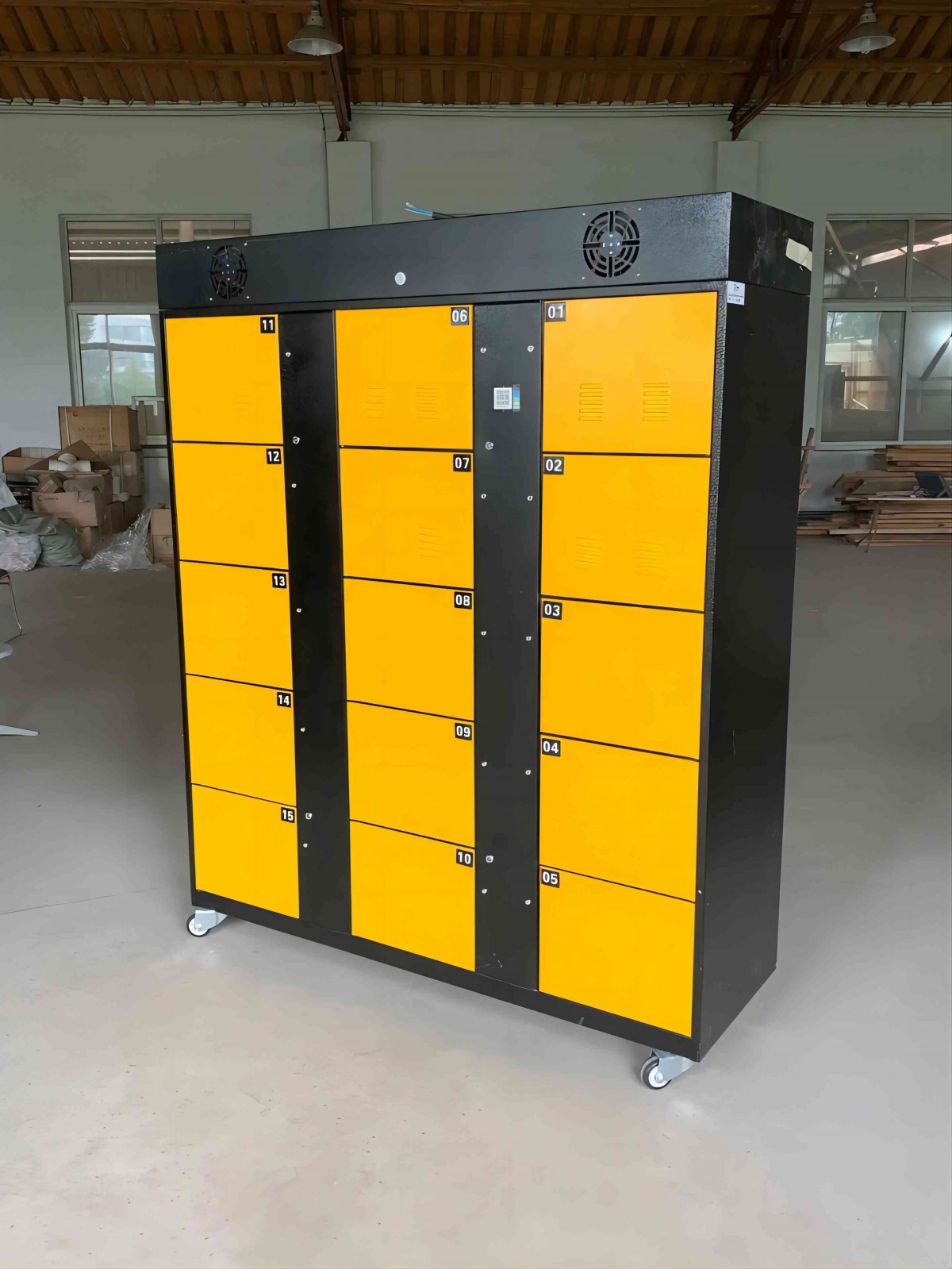
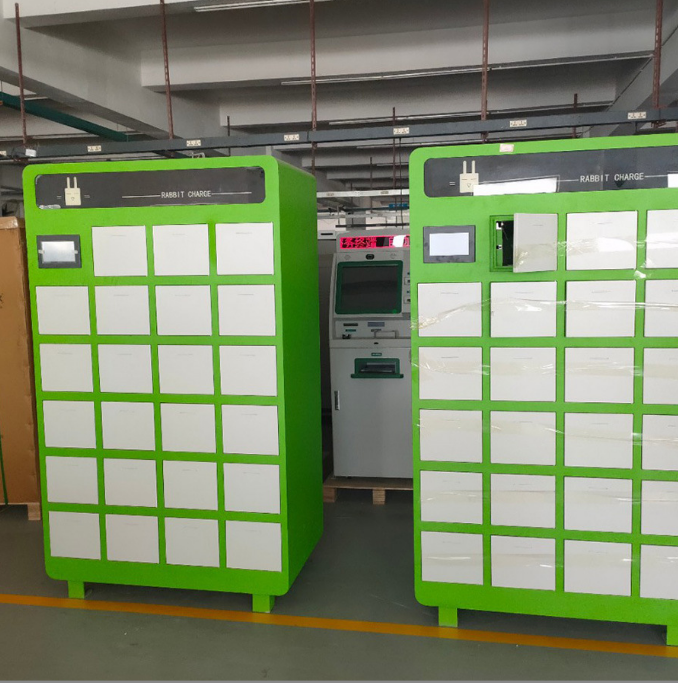
The shared battery exchange cabinets are primarily used for storing battery equipment, with each compartment holding a single battery. Typically, the cabinet features a display or QR code to guide subsequent operations. Battery rental is facilitated by controlling the opening and closing of the cabinet door, and each cabinet is equipped with a charging device that can charge empty batteries to full capacity. This process, from charging to exchanging, significantly reduces waiting times, allowing riders to hit the road immediately with a fully charged battery.
Is the market return for the smart battery swap cabinet significant?
How is the price of the intelligent battery exchange cabinet differentiated?
What are the materials used in smart electric vehicle charging cabinets?
Advantages of Smart Battery Swap Cabinets
What are the profit models for intelligent charging lockers?
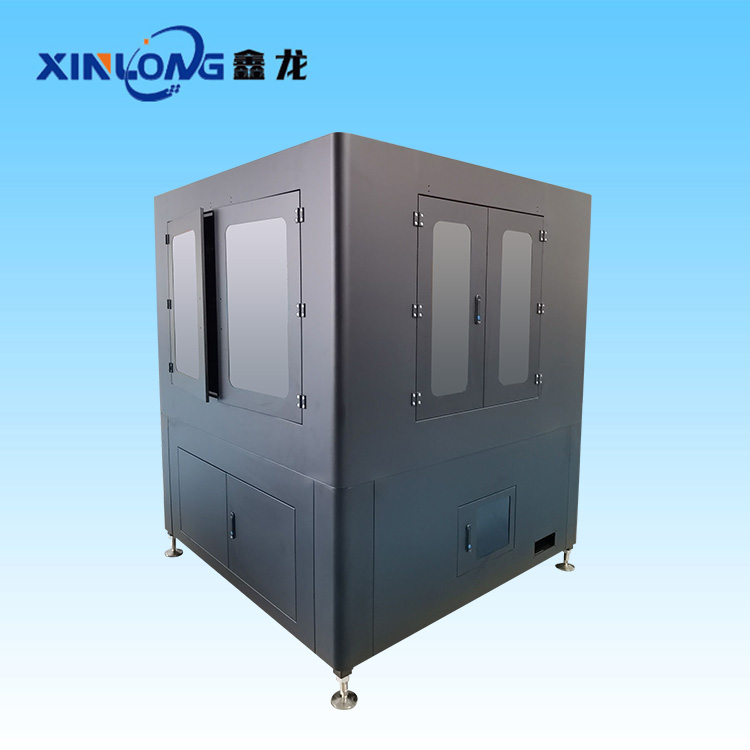
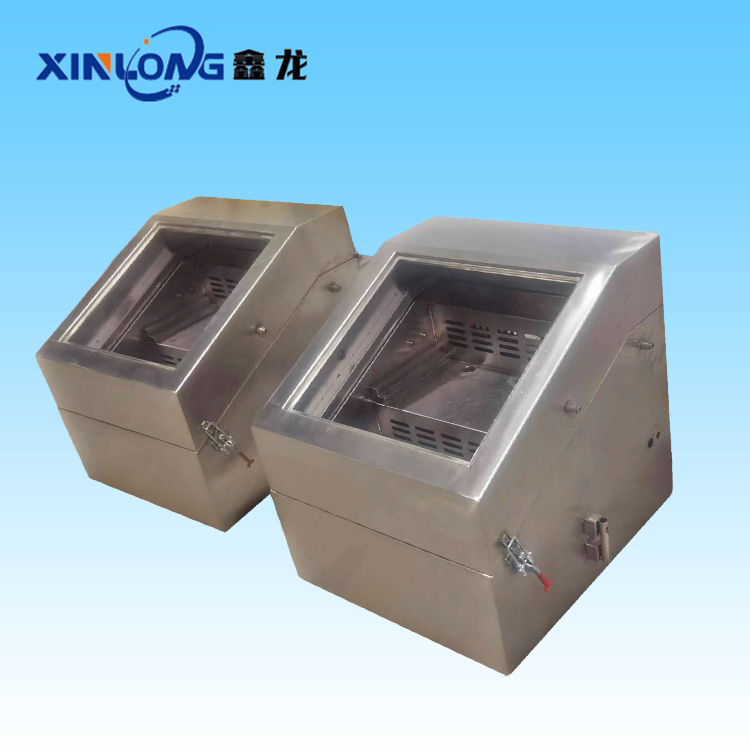
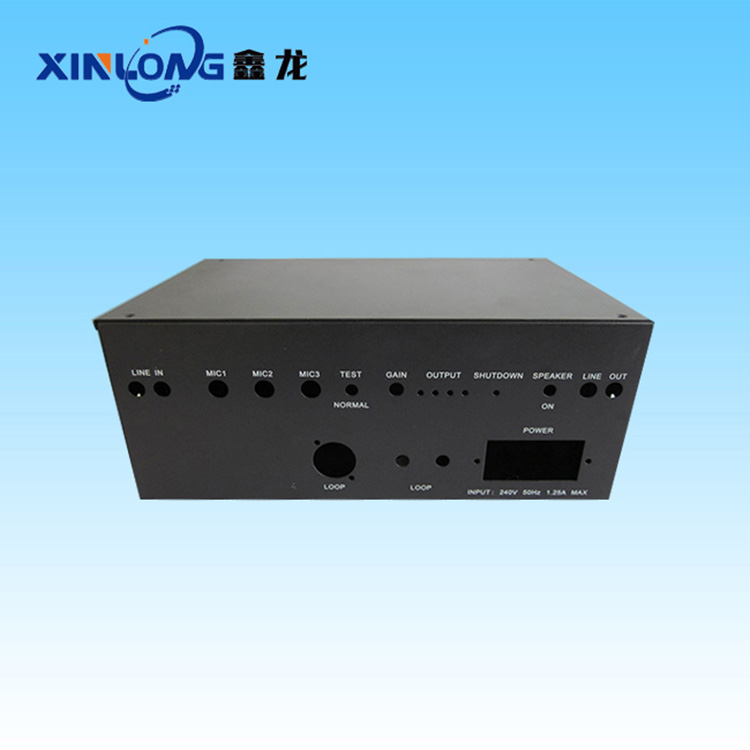
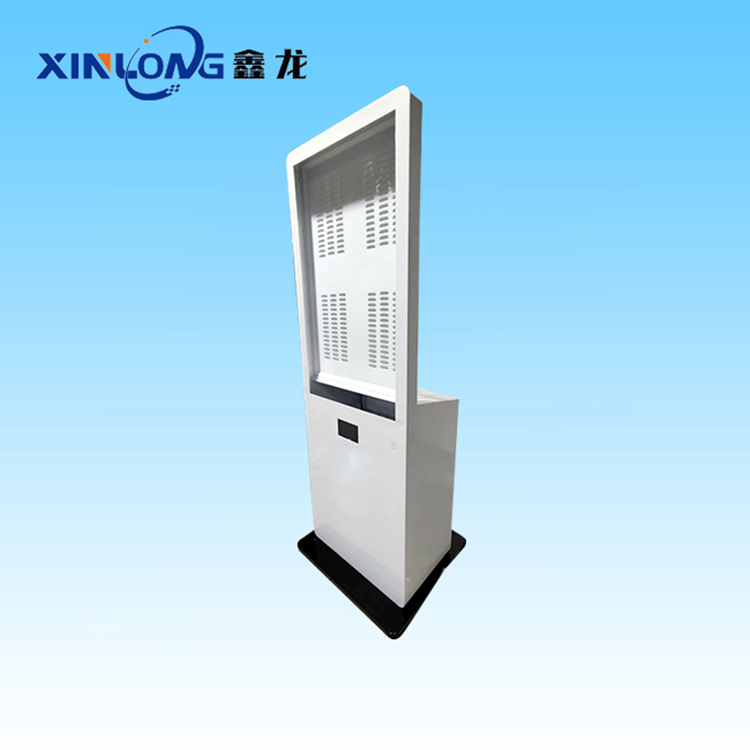
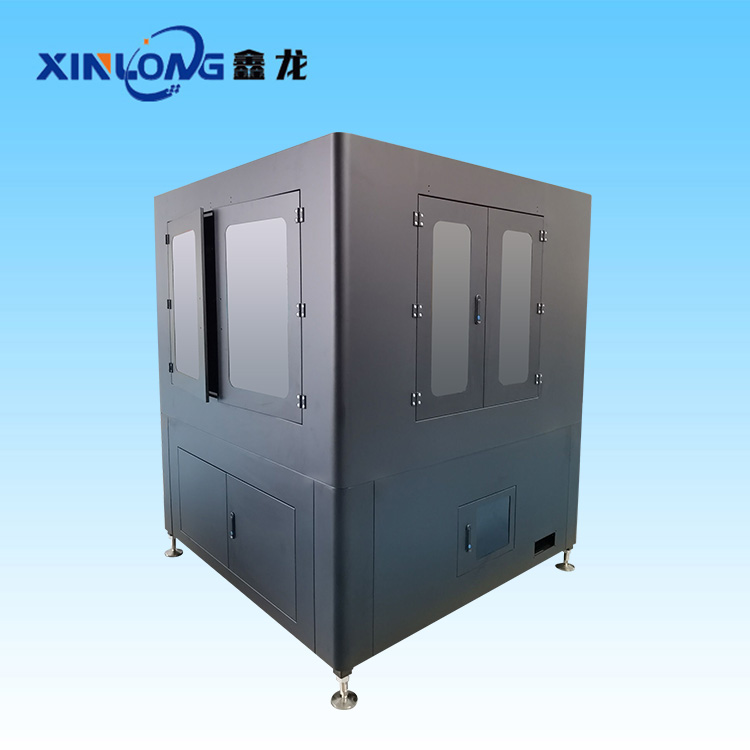
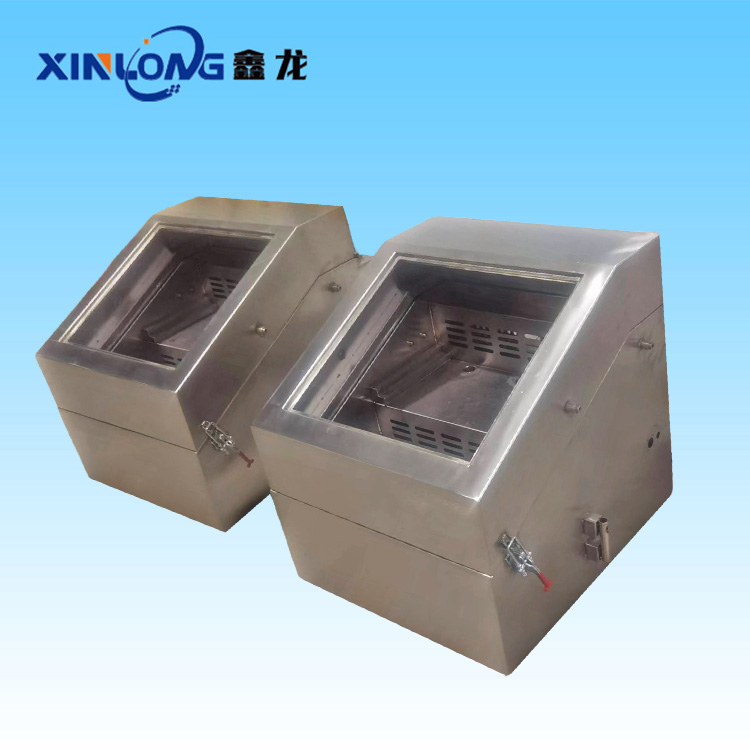
Smart Battery Swap Cabinets go by many names: Shared Battery Swap Cabinets, Shared Battery Stations, Battery Swap Stations, and mainly serve for battery replacement. Previously, when electric vehicle users faced low battery, the common solution was to find a power outlet to charge the vehicle. This method, however, was not only time-consuming but also hindered the efficiency of delivery workers. With the introduction of battery swap cabinets, users simply scan their phone to swap out a fully charged battery for a depleted one. This not only saves time and boosts productivity but also offers a convenient and quick solution. Battery exchange kiosks are a trend in the electric vehicle industry, and many partners have already joined this field. The main body of the exchange kiosks consists of sheet metal frames assembled with electrical software systems.