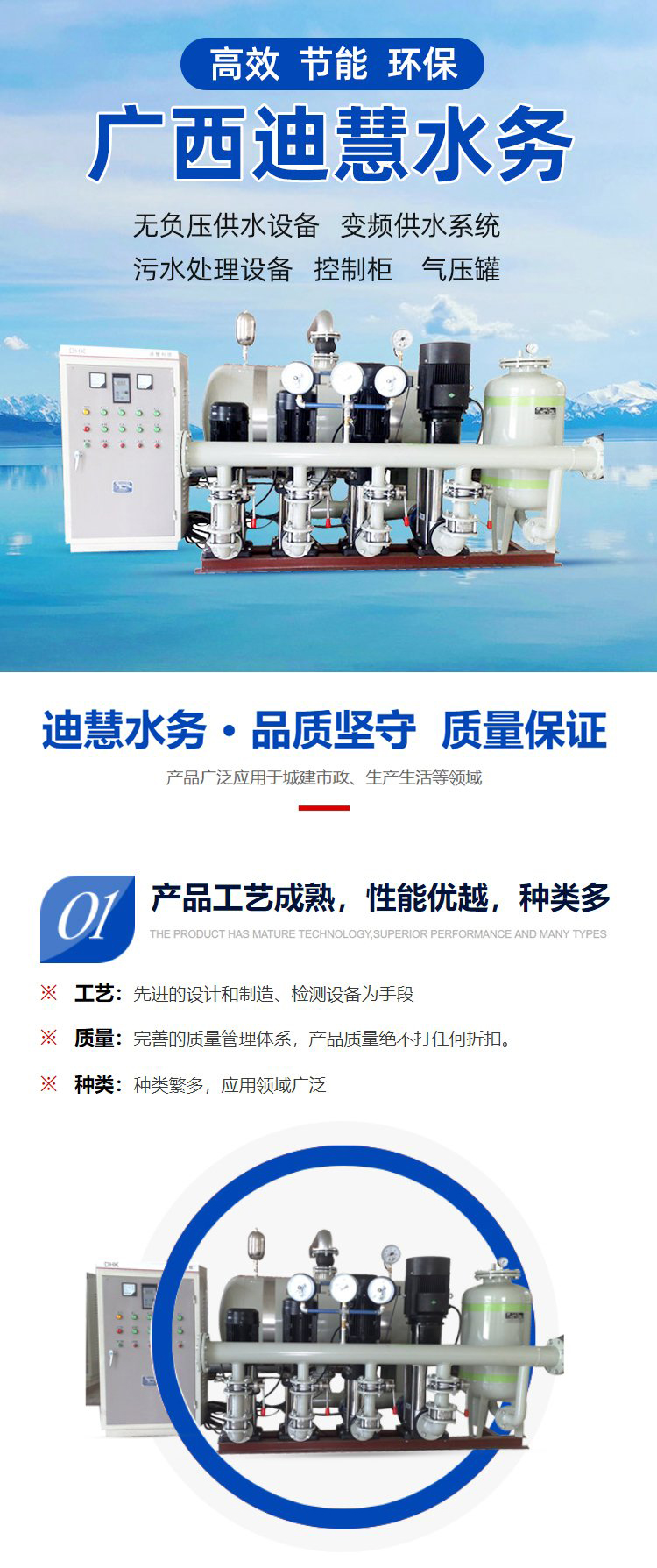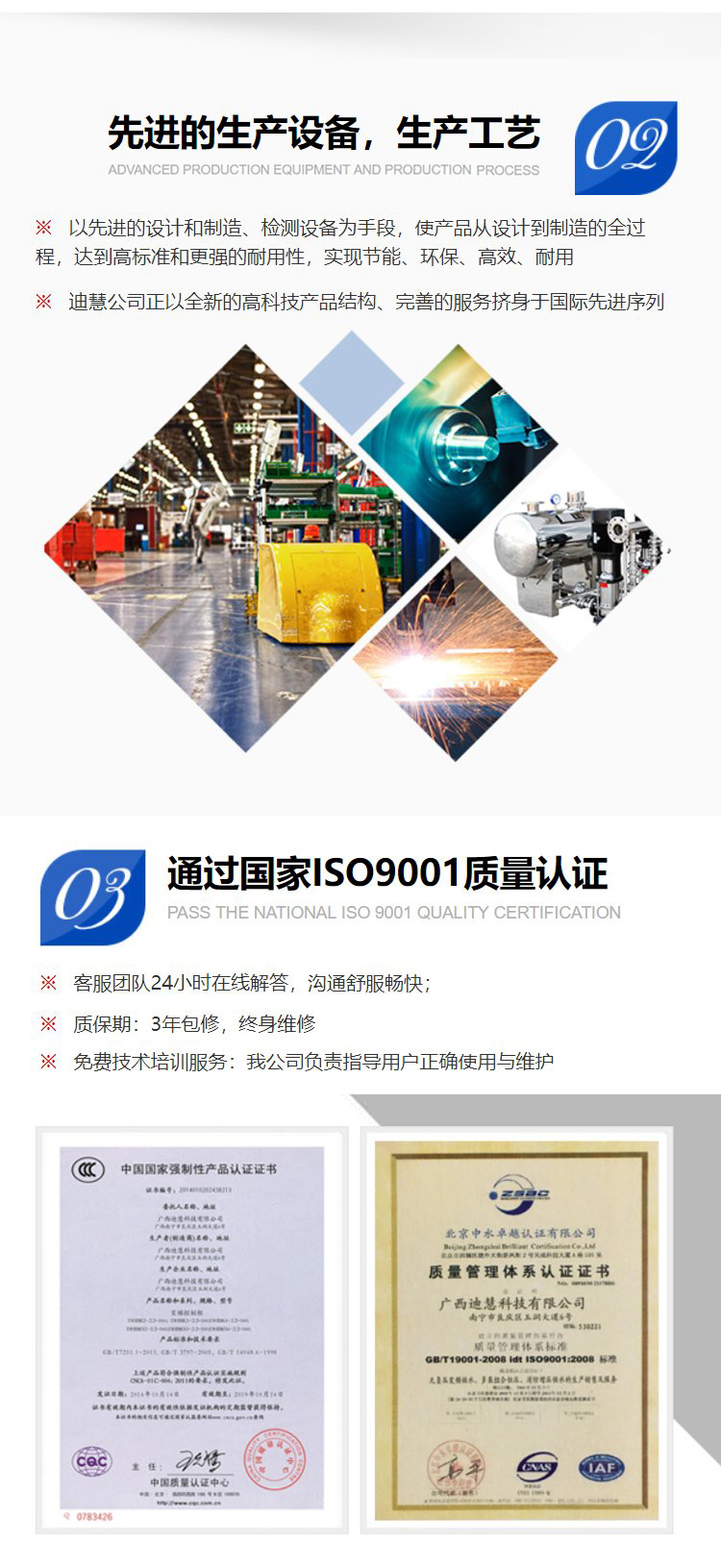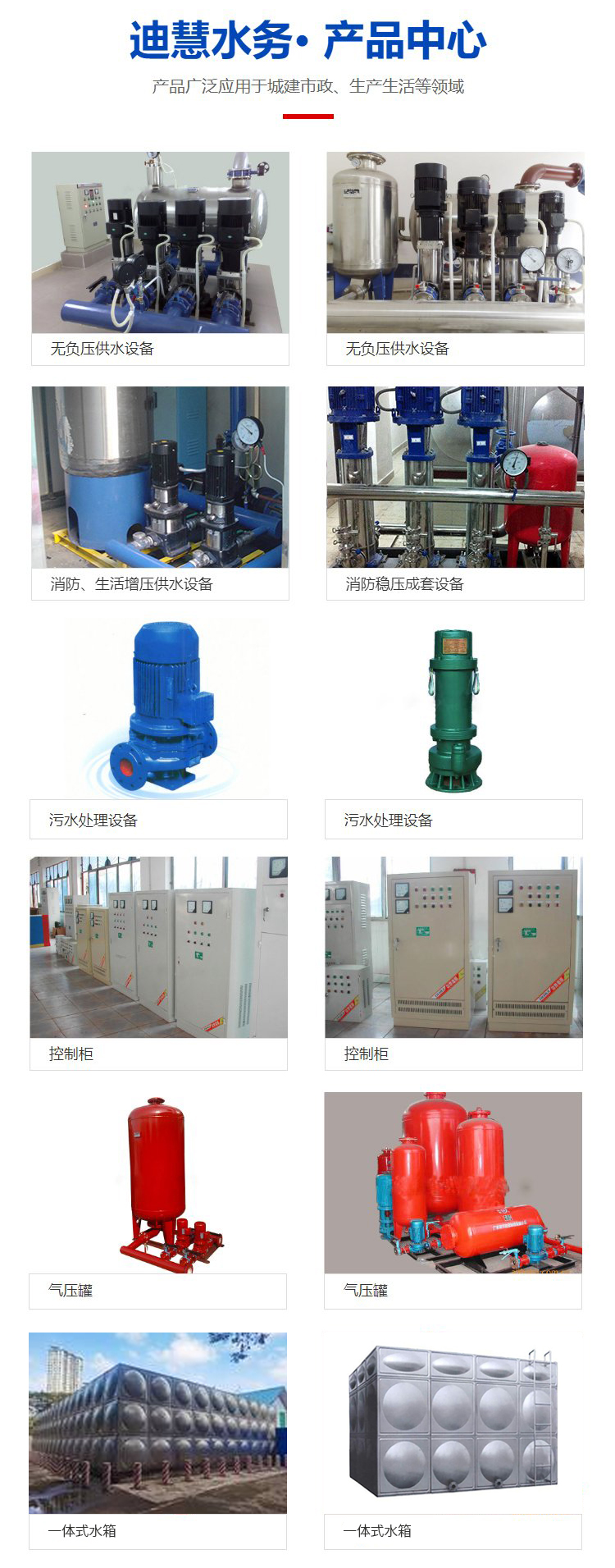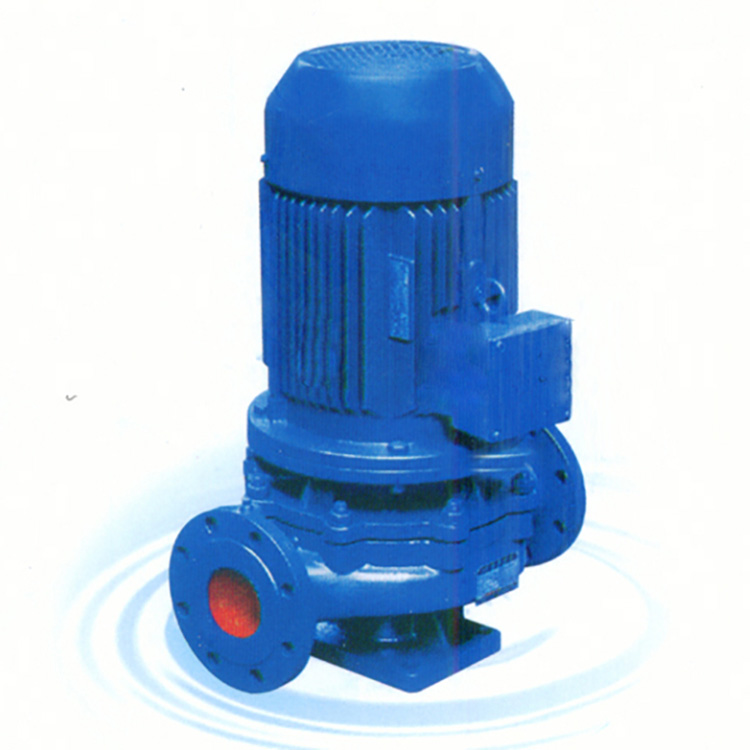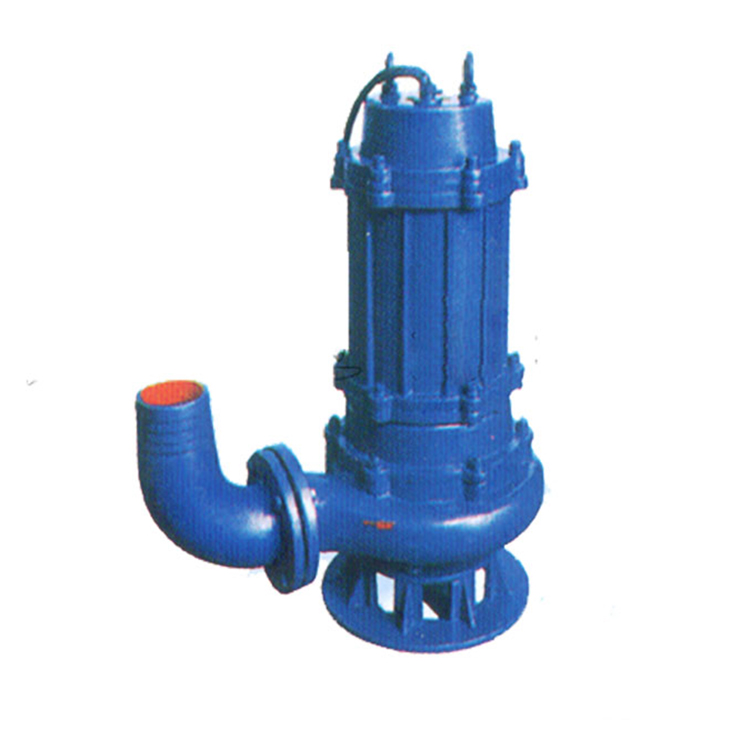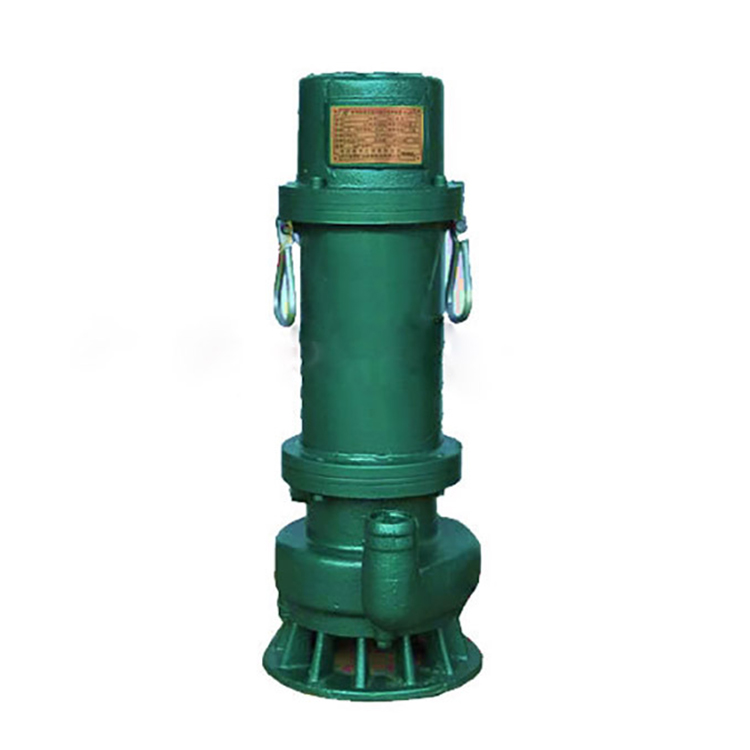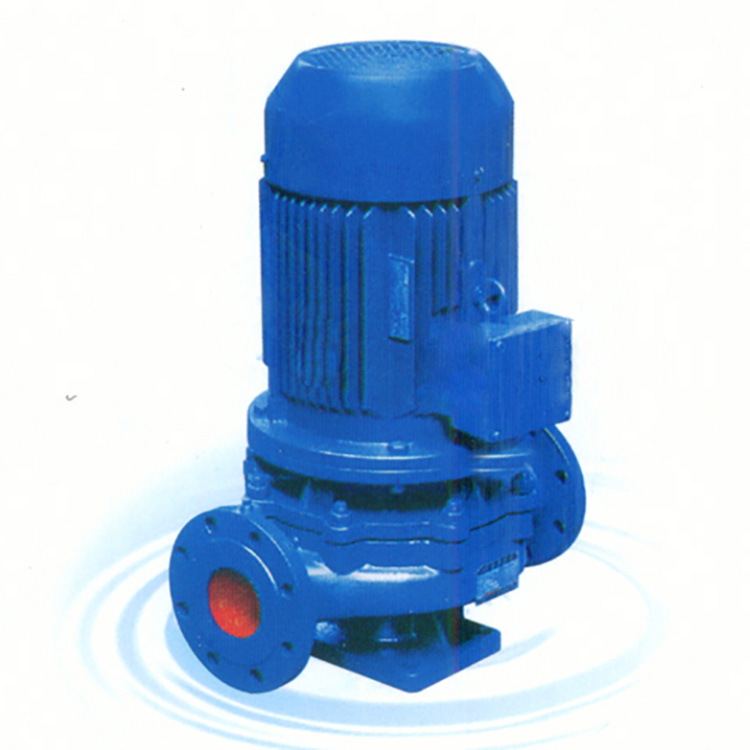
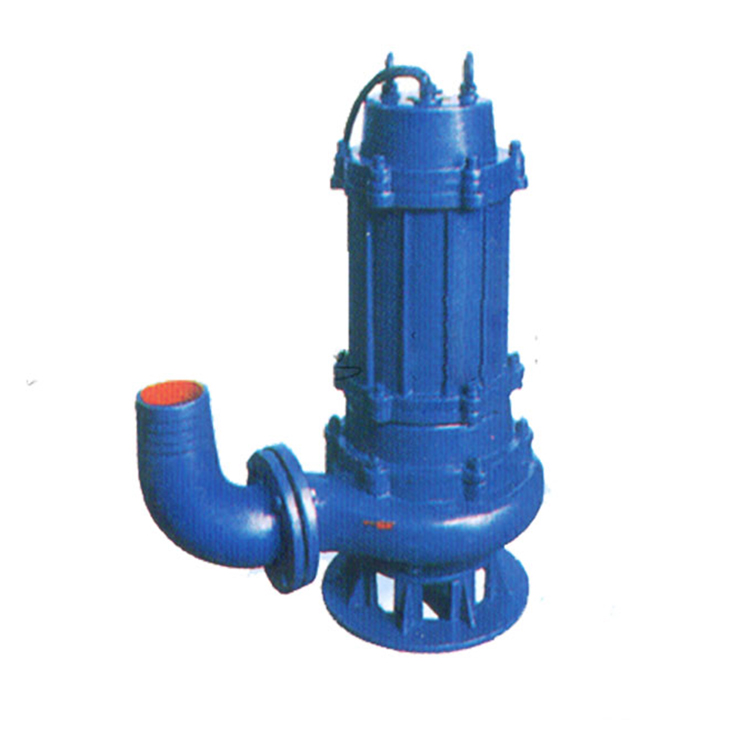







A sewage pump is a pump that is integrated with a motor and operates submerged in the liquid. Compared to general horizontal pumps or vertical sewage pumps, the sewage pump has several notable advantages:
1. Compact structure with minimal land footprint. Waste pumps can be directly installed in the sewage pool due to their submersion in liquid, eliminating the need for a dedicated pump house for the pump and motor installation, thereby saving a significant amount of land and infrastructure costs.
2. Easy installation and maintenance. Small sewage pumps can be installed freely, while large sewage pumps usually come with automatic coupling devices for easy automatic installation, making both installation and maintenance quite convenient.
3. Long continuous operation time. The waste pump, with the pump and motor being coaxial and the shaft being short, has a light weight of rotating parts, resulting in a relatively smaller load (radial) on the bearings, thus extending its lifespan significantly compared to general pumps.
4. There is no cavitation damage or problems with water filling. Especially the latter greatly facilitates the operators.
5. Low vibration and noise, low motor temperature rise, and environmentally friendly.
Due to the aforementioned advantages, sewage pumps have gained increasing attention and their applications have expanded widely, from merely transporting clean water to now handling various types of domestic wastewater, industrial effluents, construction site drainage, liquid feed, and more. They play a crucial role in various industries such as municipal engineering, industry, construction, hotels, and water conservancy projects.