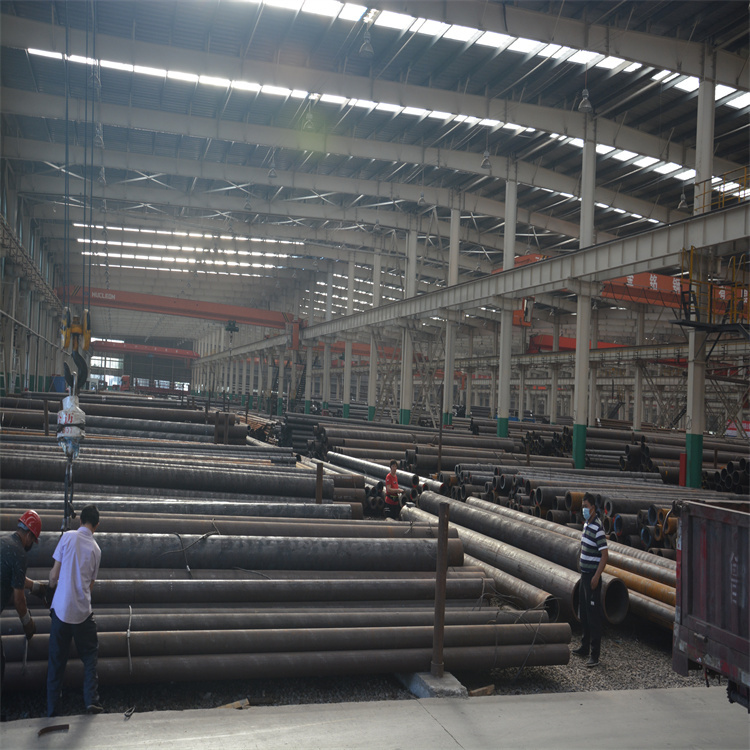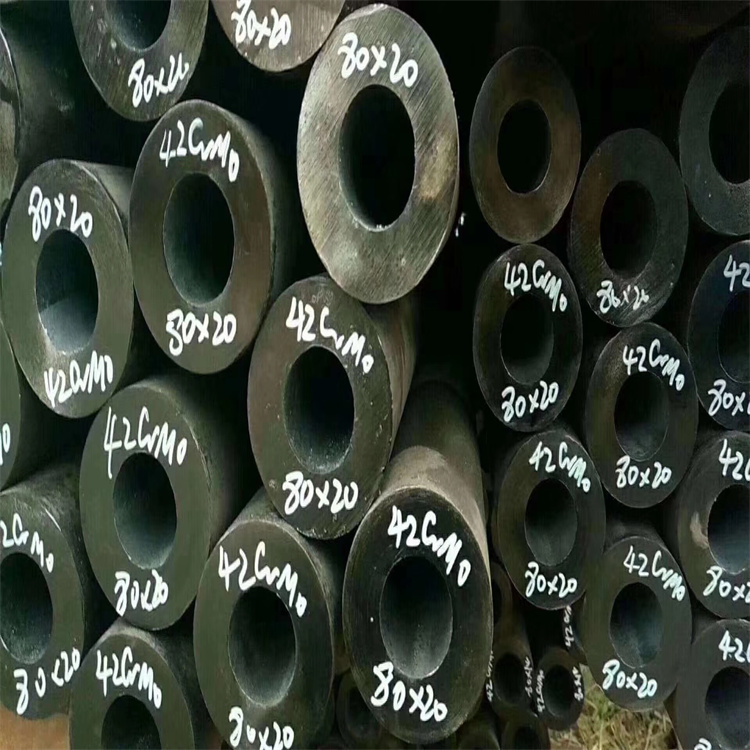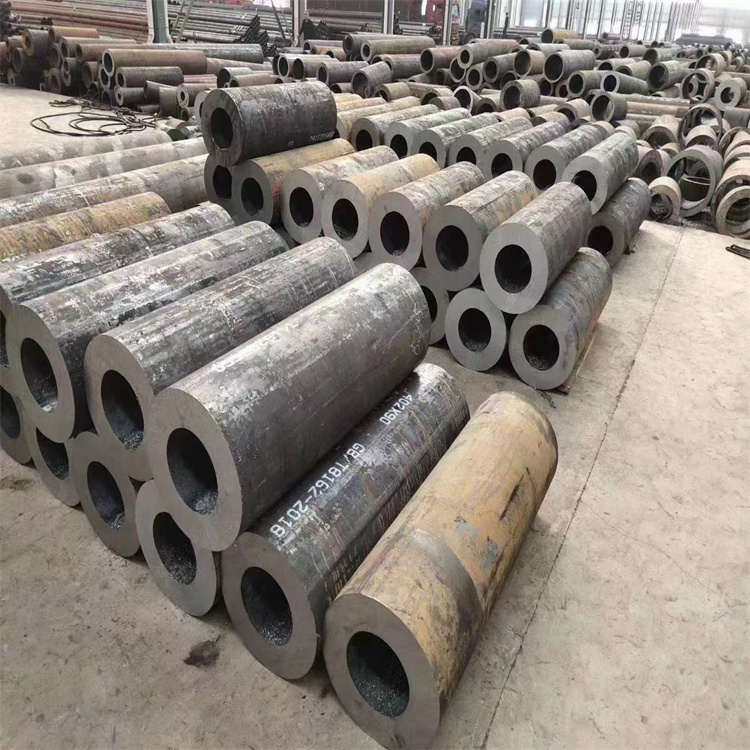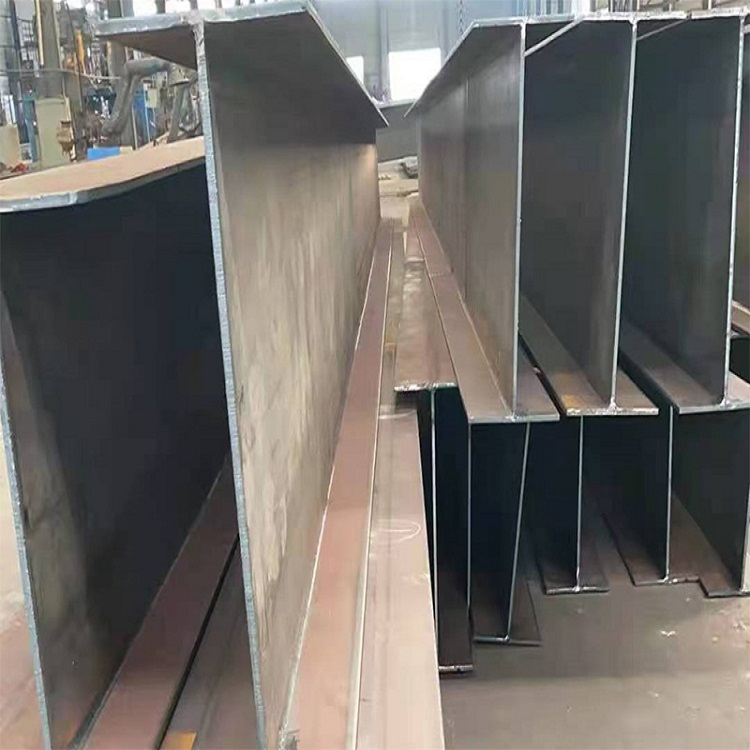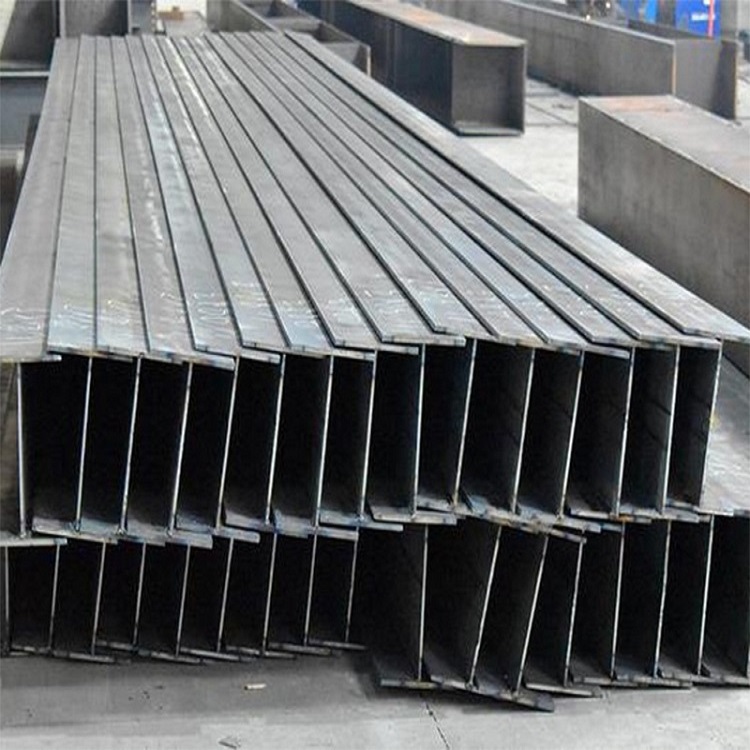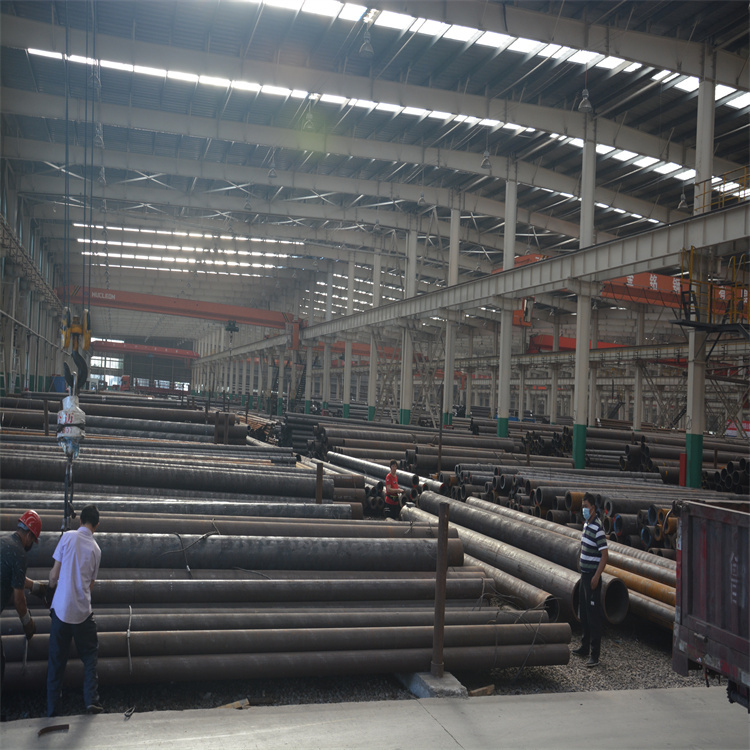

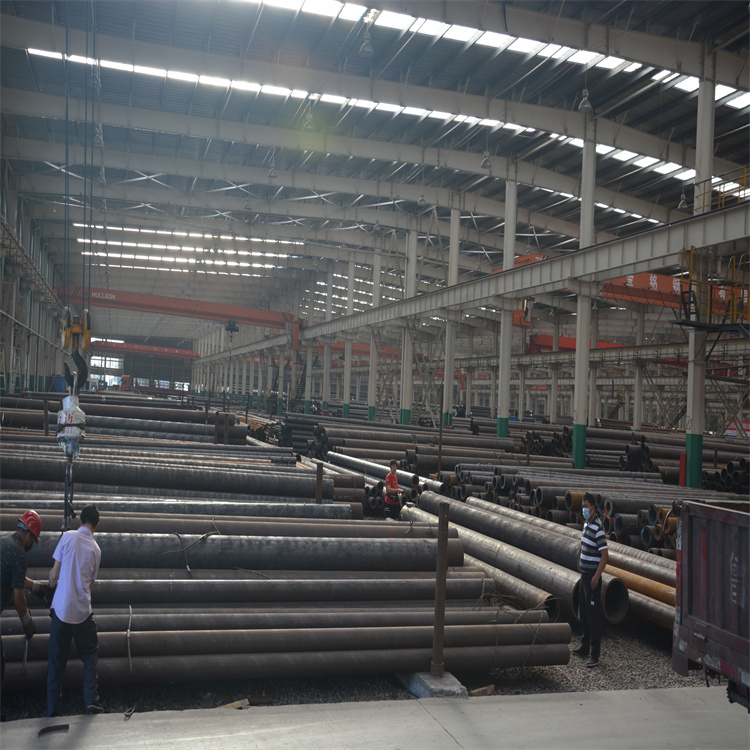

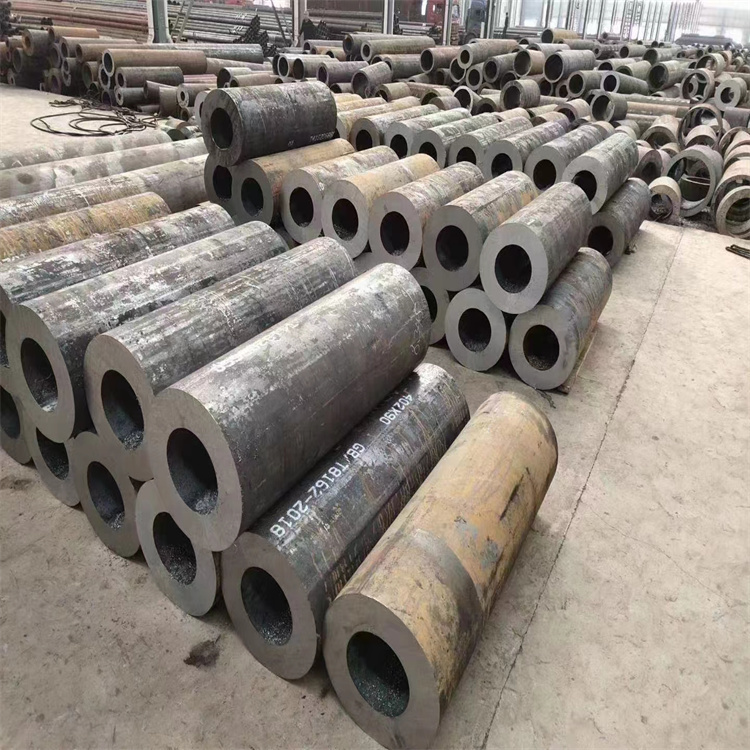














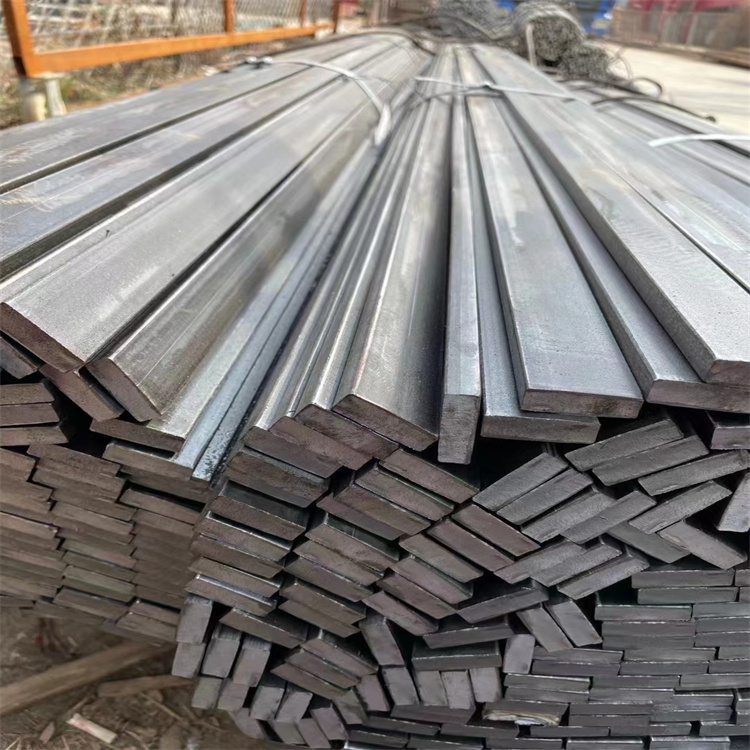
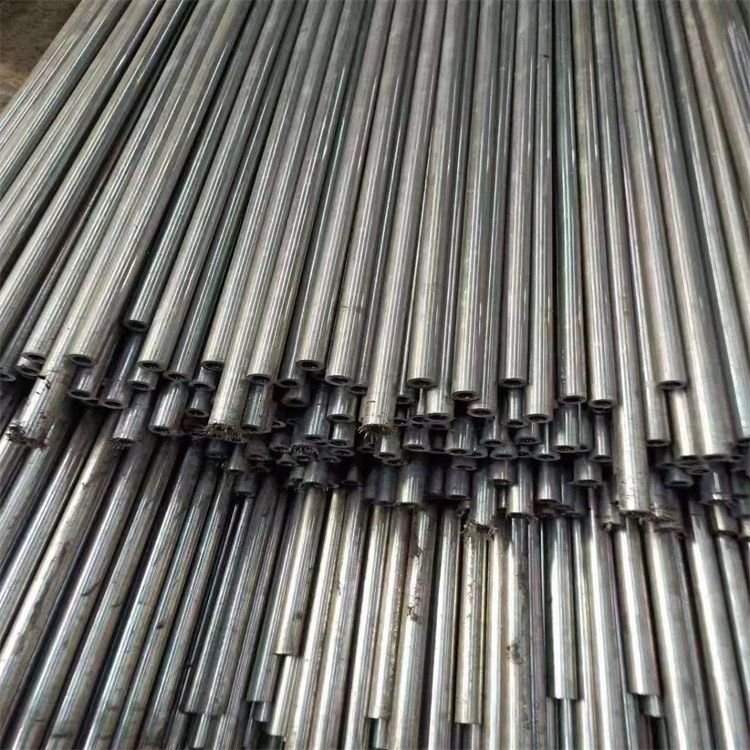
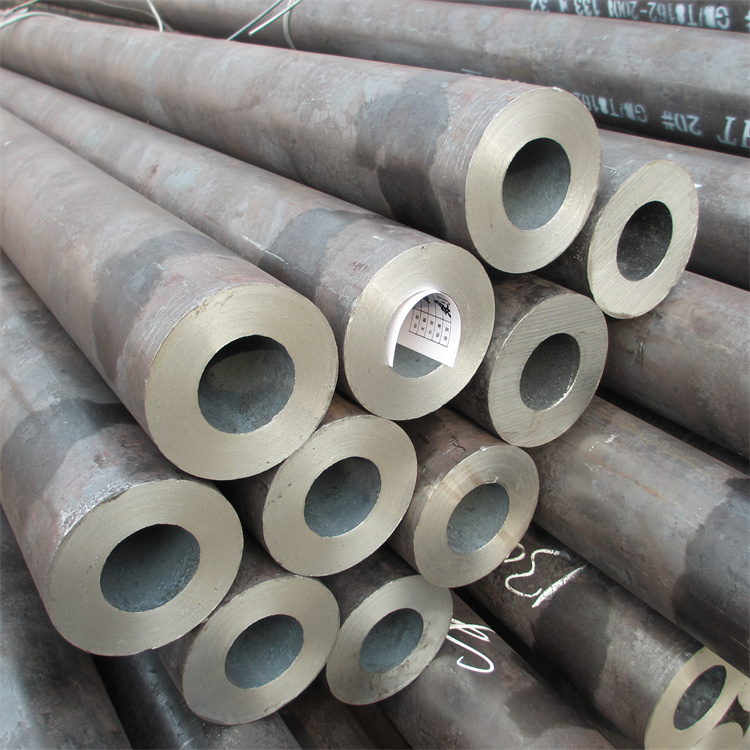
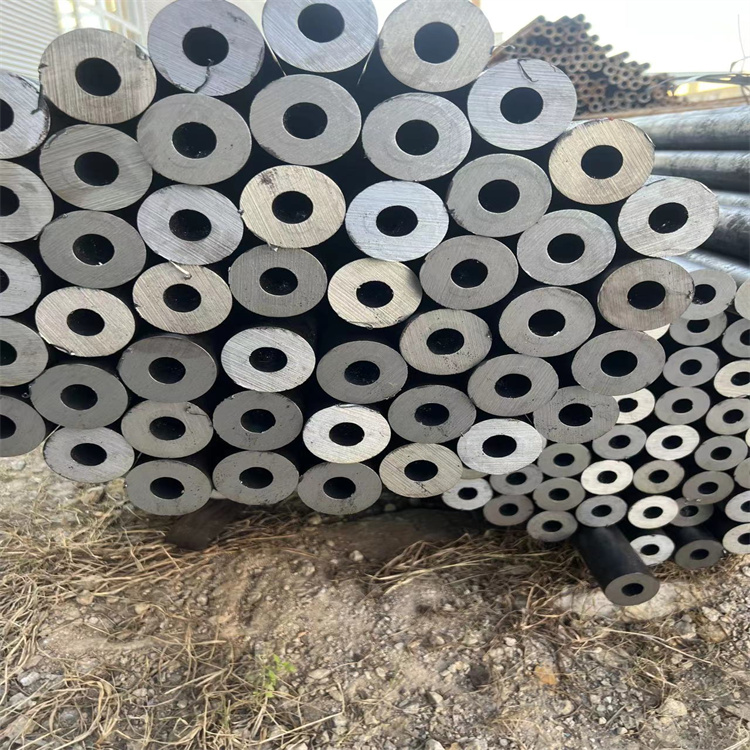
 During the welding process of large-diameter thick-walled pipes, the workpiece and filler material melt to form a molten zone, which, upon cooling and solidifying, creates a bond between the materials. In this process, pressure is typically applied to the large-diameter thick-walled pipe. There are numerous energy sources for welding, including gas flames, arcs, lasers, electron beams, friction, and ultrasonic waves. Before the end of the 19th century, the only welding process that blacksmiths had used for hundreds of years was metal forging and welding. Modern welding techniques emerged at the end of the 19th century, starting with arc welding and oxygen-acetylene welding, followed by resistance welding later on. In the early 20th century, as World War I and World War II broke out, there was a high demand for inexpensive and reliable connection methods for large-diameter thick-walled pipes, which accelerated the development of welding technology. Today, with the widespread use of welding robots in industrial applications, researchers continue to delve into the essence of welding, developing new welding methods to further improve焊接 quality.
WeChat Official Account

Scan to follow Official Account