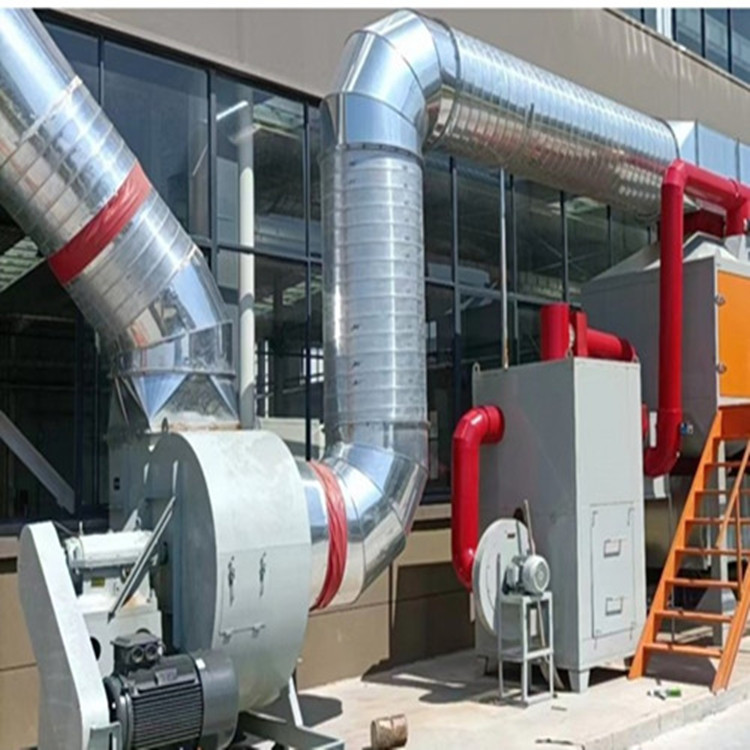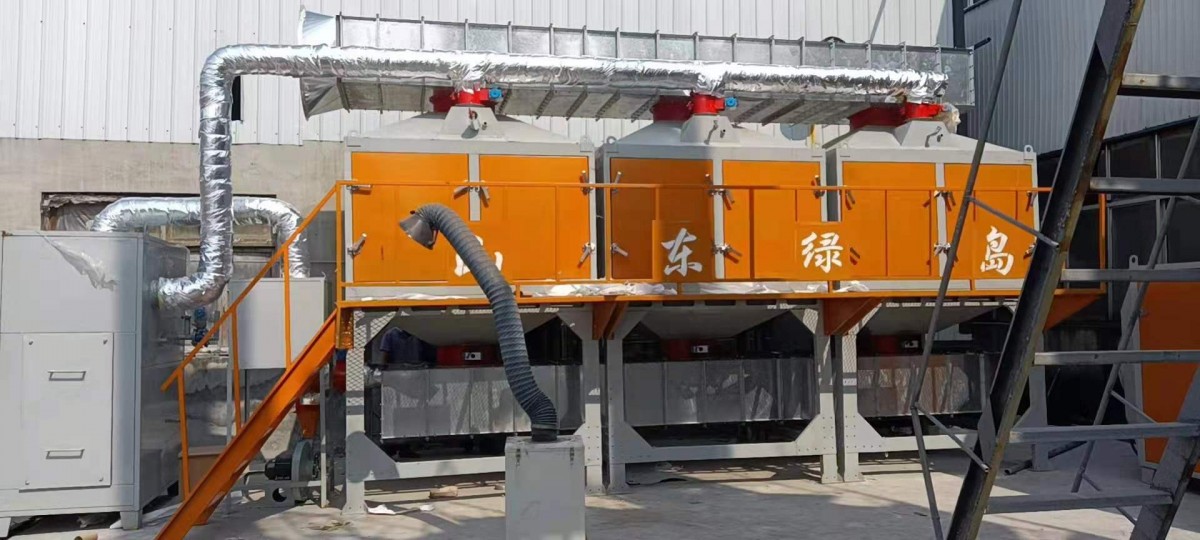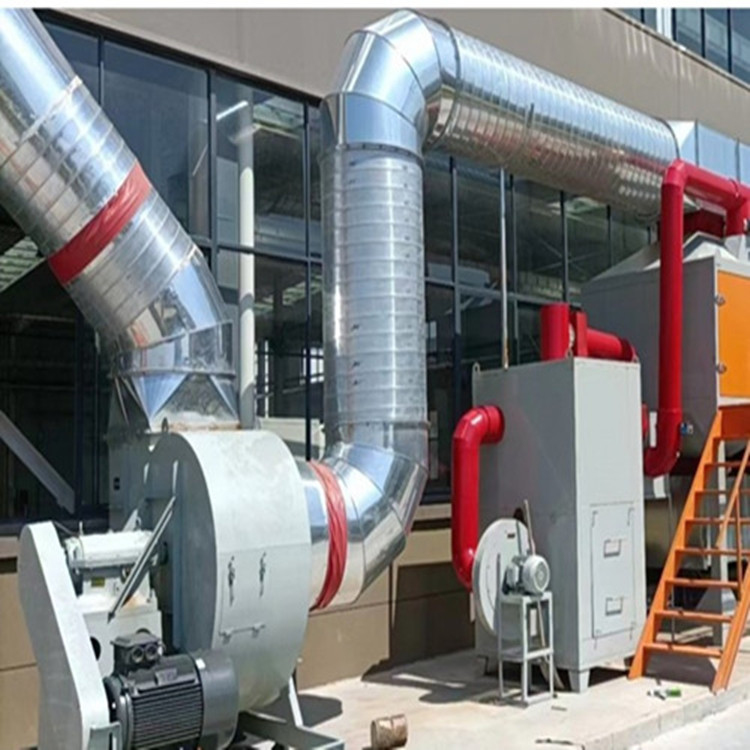

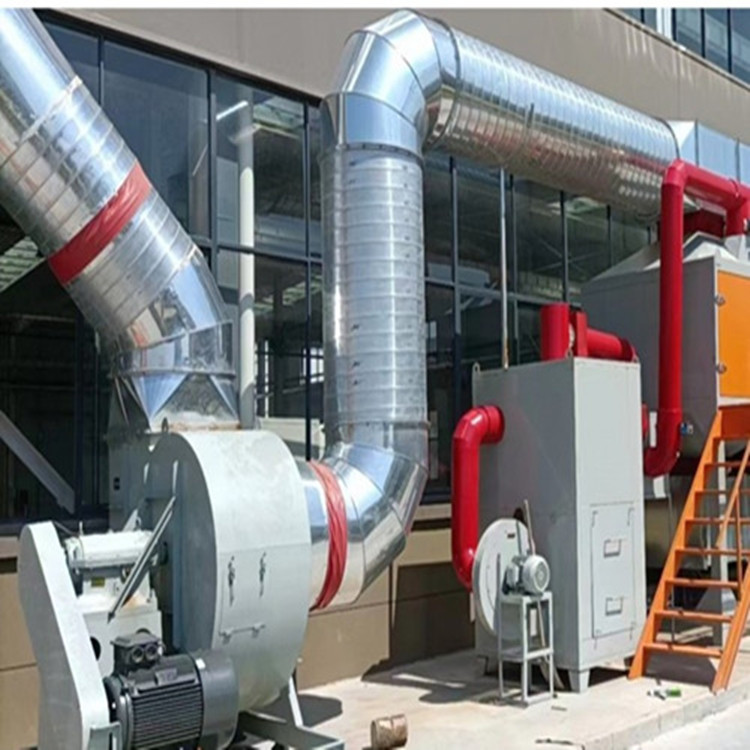
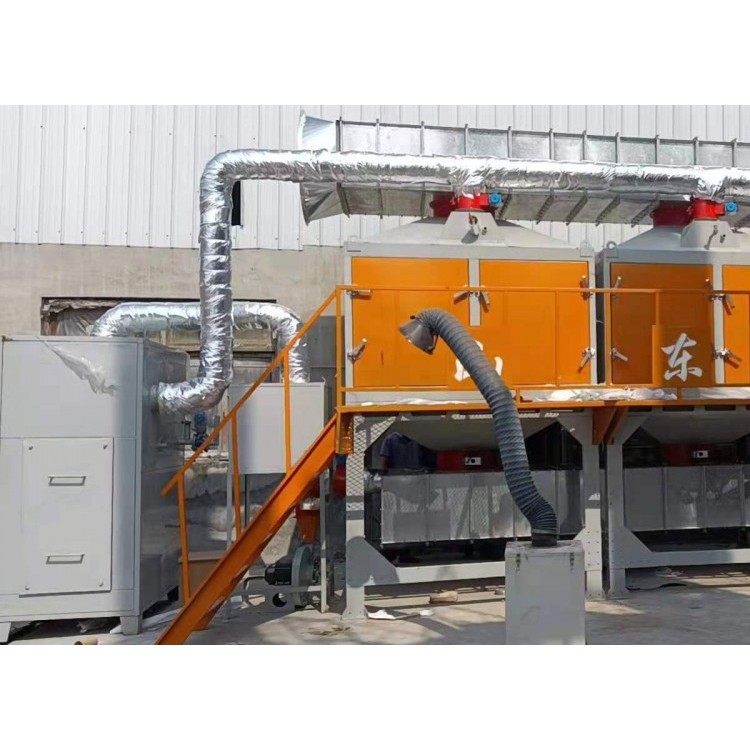
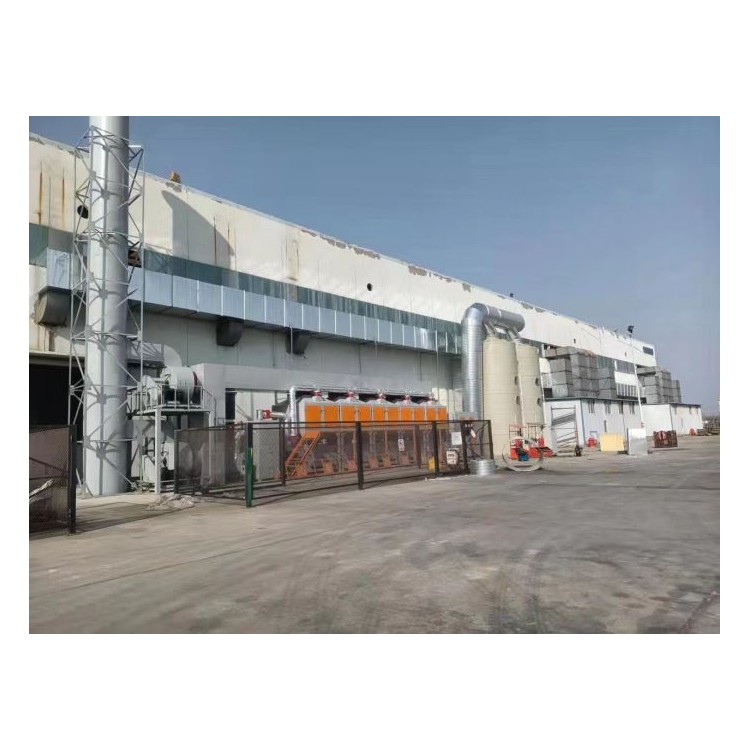














Combustible materials are presentcatalystCombustion under action [2] Compared with direct combustion, catalytic combustion has a lower temperature and more complete combustion. The catalyst used for catalytic combustion contains precious metals andmetal oxideThe constituent substances. For example, catalytic gas stoves loaded with Pd or rare earth compounds for household use can reduce the CO content in exhaust gas and improve thermal efficiency. The alumina catalyst loaded with 0.2% Pt can burn and deodorize most organic compounds to a chemical shift of σ=1 or below at 500 ℃. Catalytic combustion is flameless combustion, making it suitable for situations with high safety requirements, such as H2And O2Fuel cells using gasoline or alcohol as raw materials, and furnaces using Pt impregnated asbestos as catalyst. To eliminate the smoke of NOx in chemical plants, fuel can be added to the smoke through loaded platinum andPalladium catalystCatalytic combustion converts NOx into N2Qi. The combustion method involves using appropriate catalysts to decompose and oxidize combustible substances in harmful gases at lower temperatures.