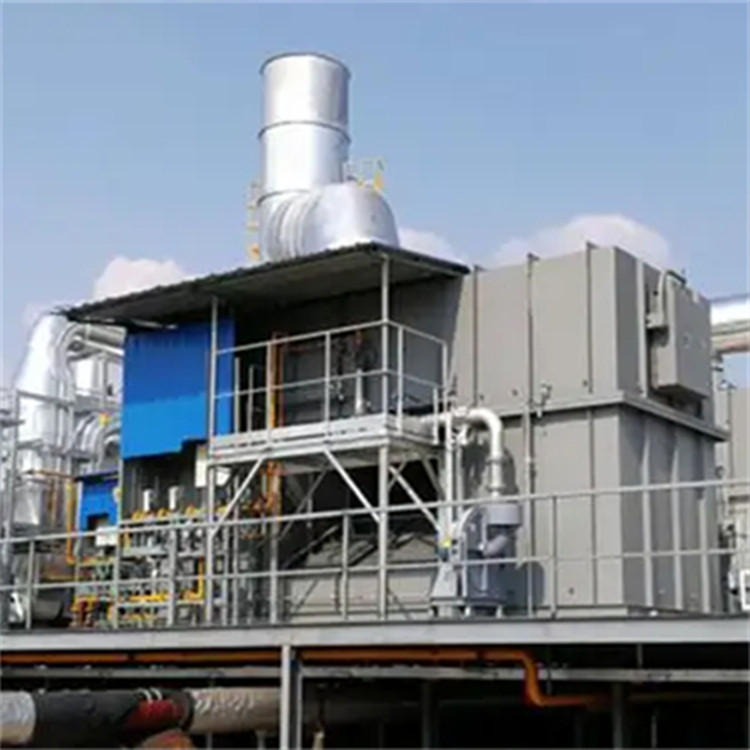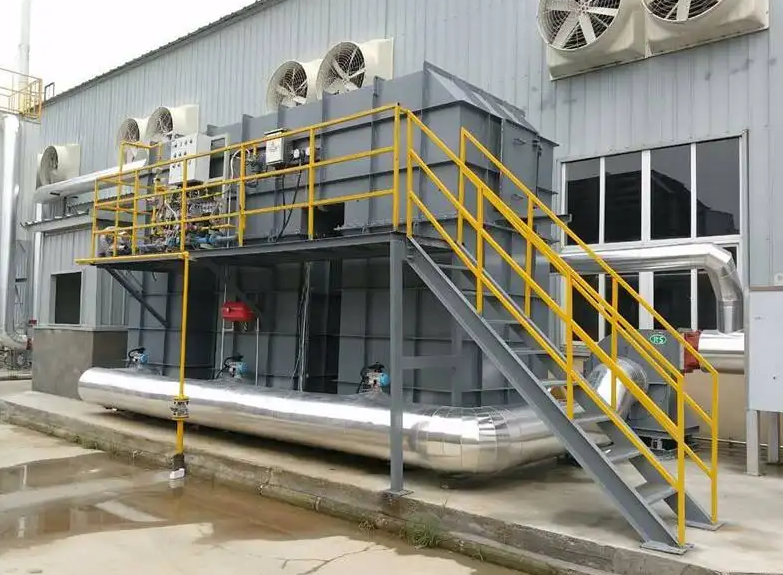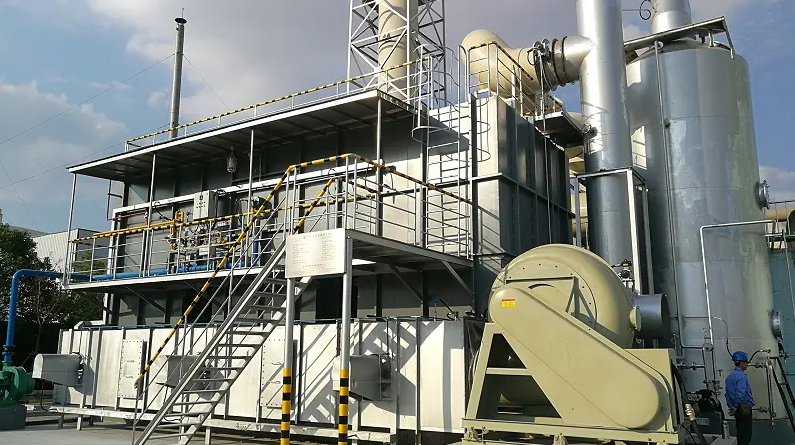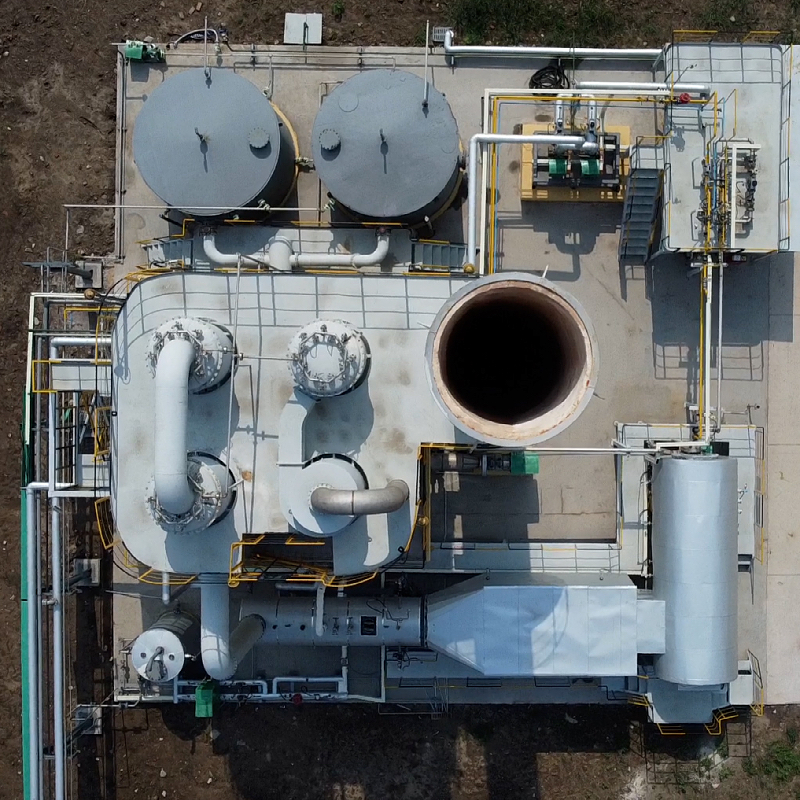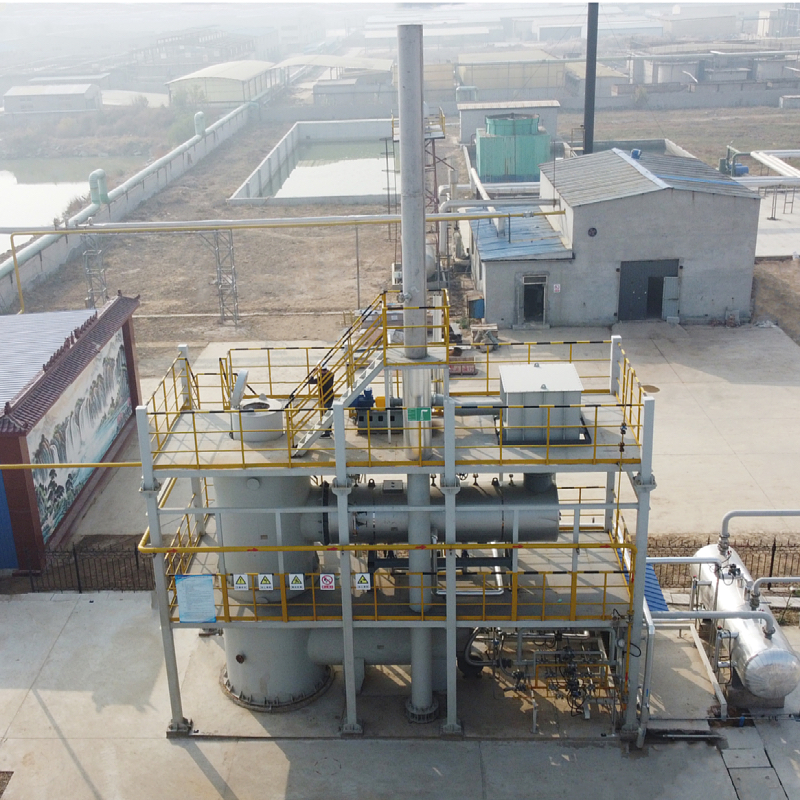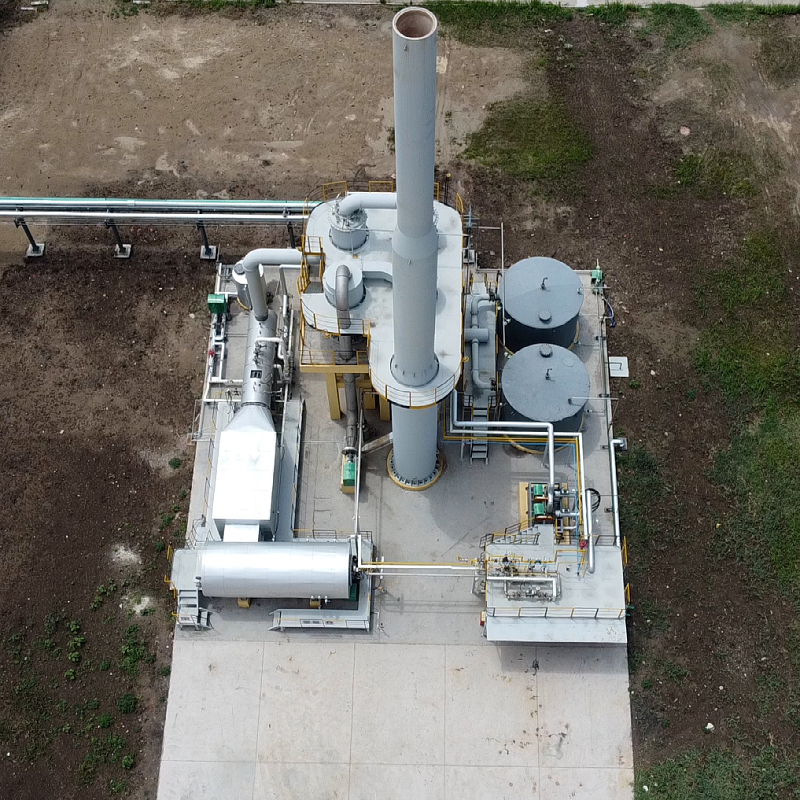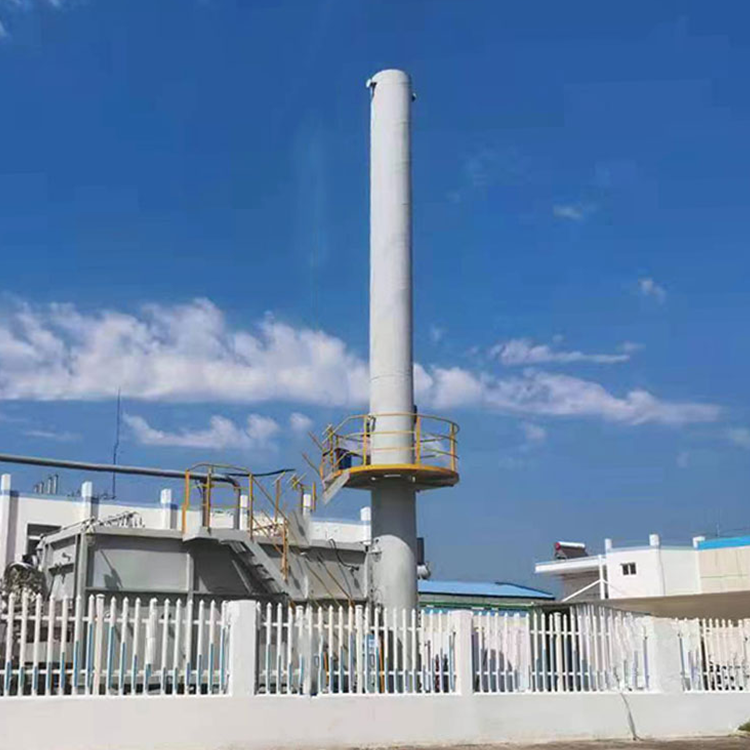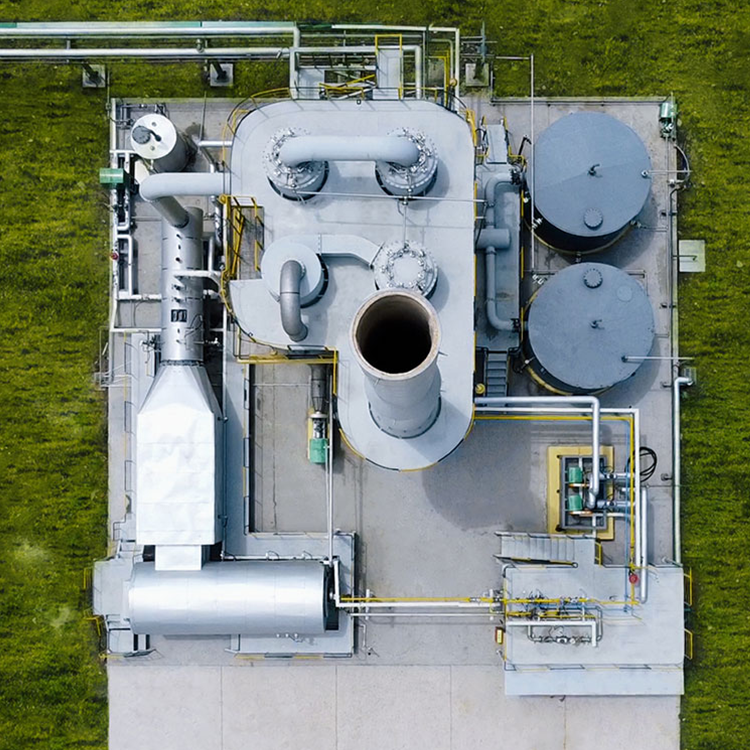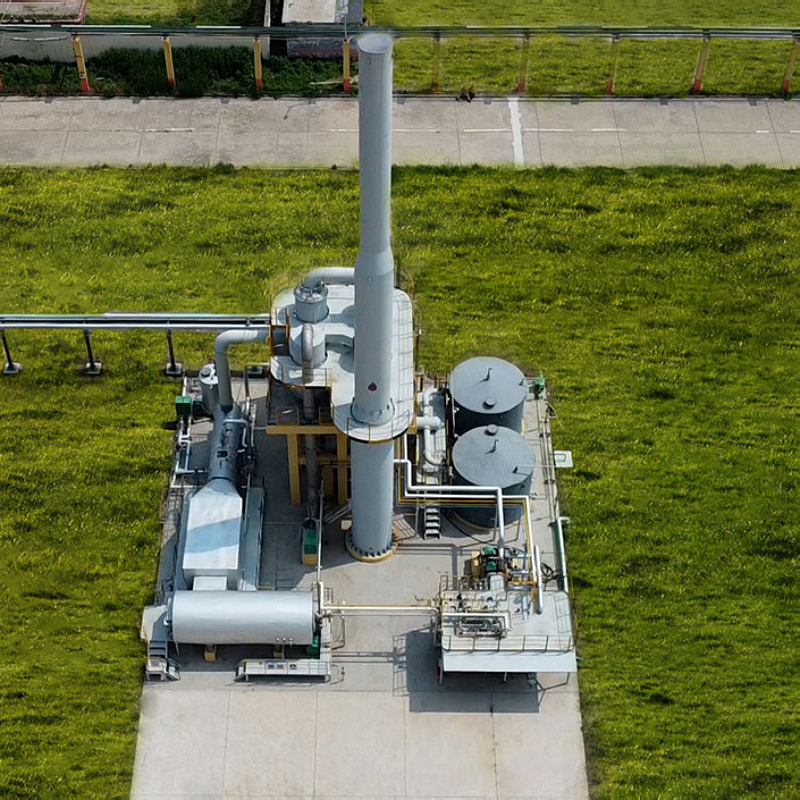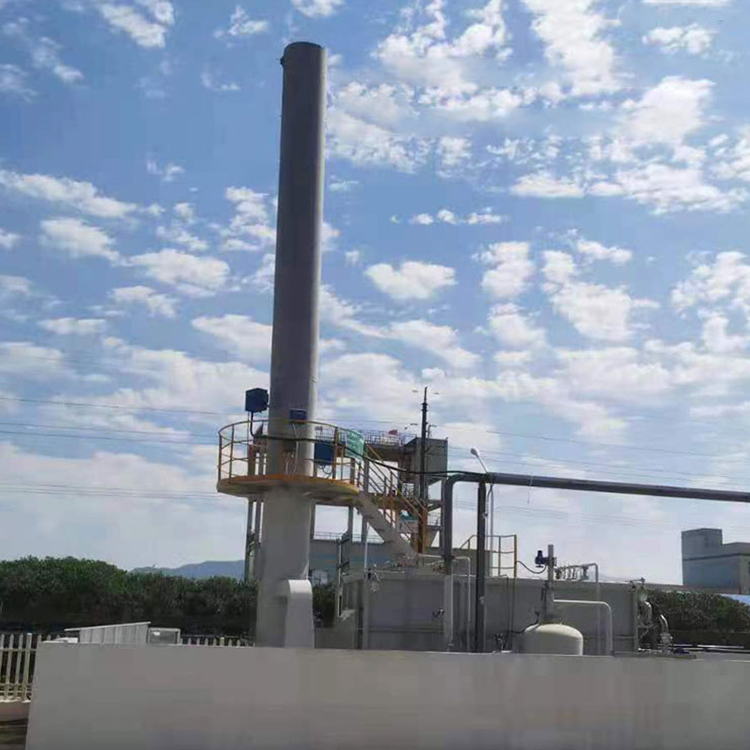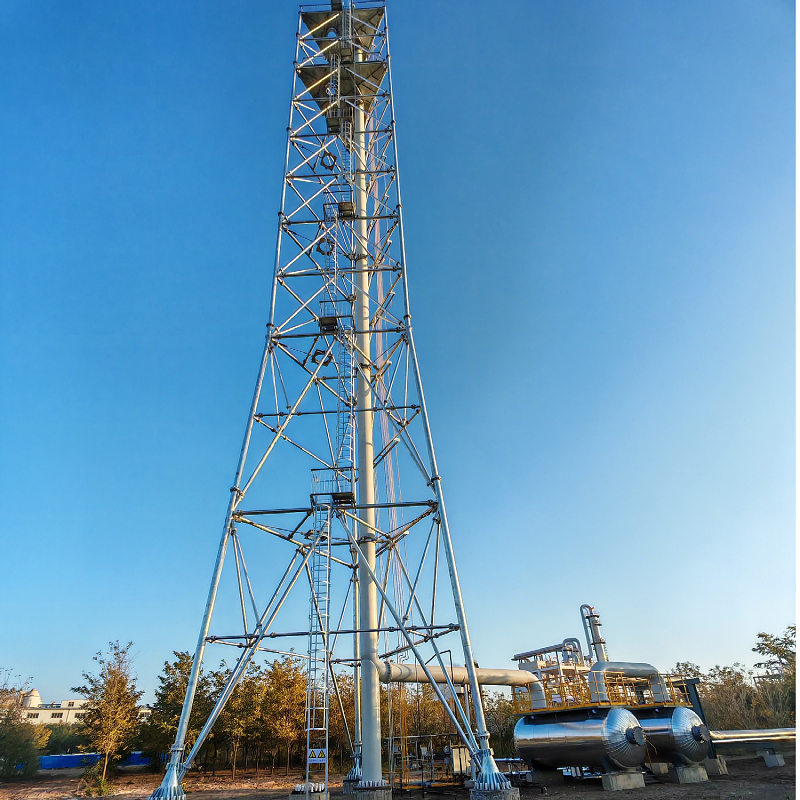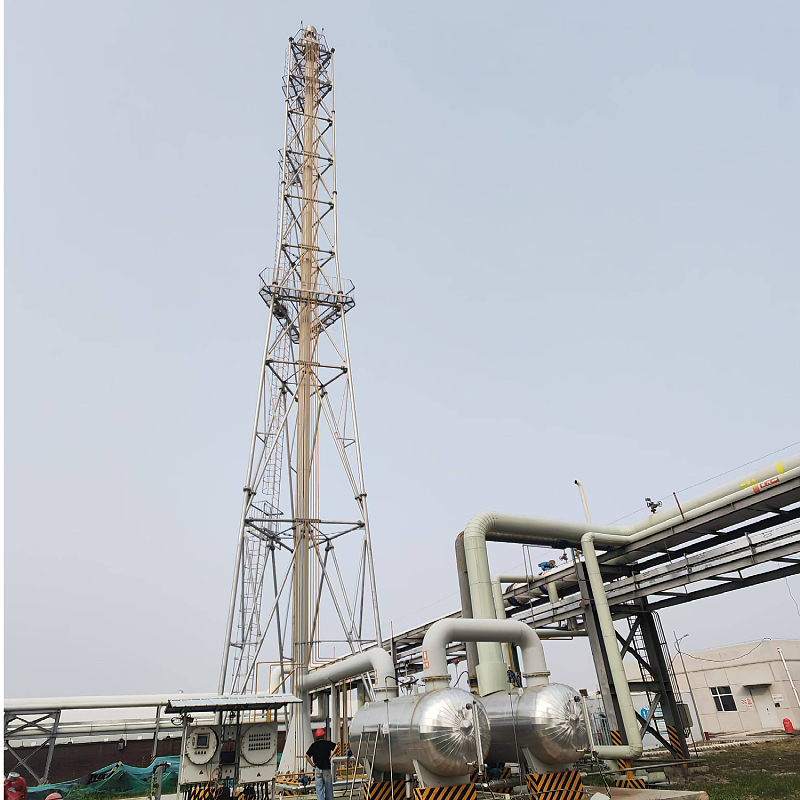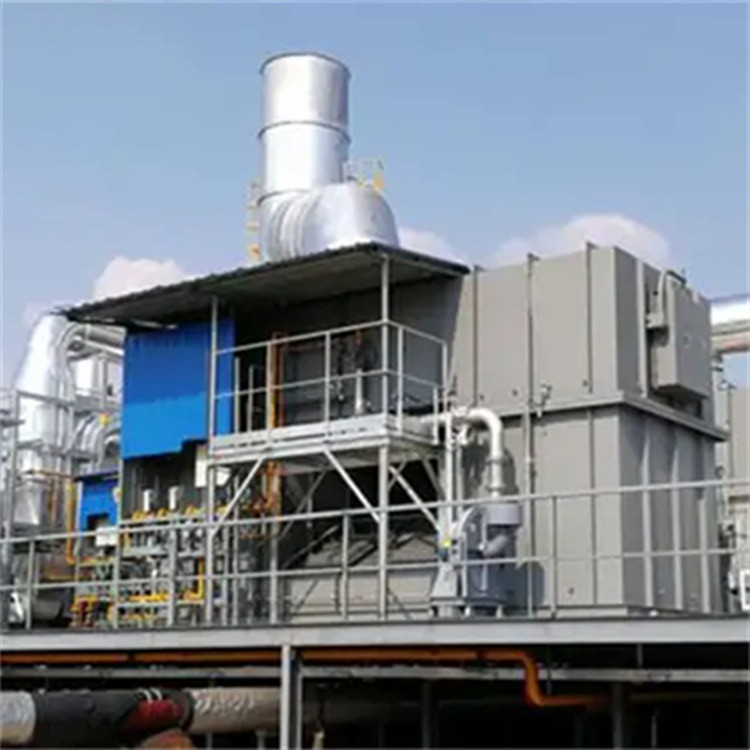








Regenerative heatincineratorAlso known as:heat storageformulaOxidation furnaceThe English name is "Regenerative Thermal Oxidizer", abbreviated as "RTO".
If organic matter contains other elements such as halogens, the oxidation products also includeHydrogen halideWait. The exhaust gas is first heated by a thermal storage body to a temperature close to the thermal oxidation temperature, and then enters the combustion chamber for thermal oxidation. The temperature of the oxidized gas increases, and the organic matter is basically converted intocarbon dioxideAnd water. After purification, the gas can be discharged after passing through another heat storage body and the temperature drops to meet the emission standards. Different heat storage bodies are converted over time through switching valves or rotating devices, respectively absorbing and releasing heat.

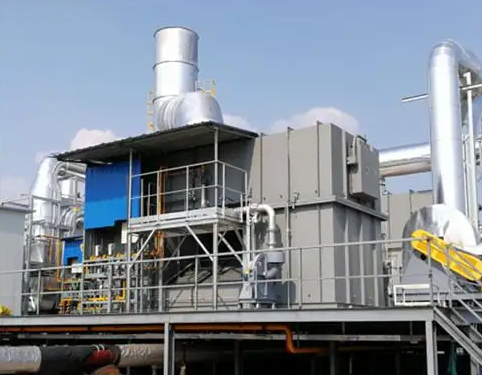
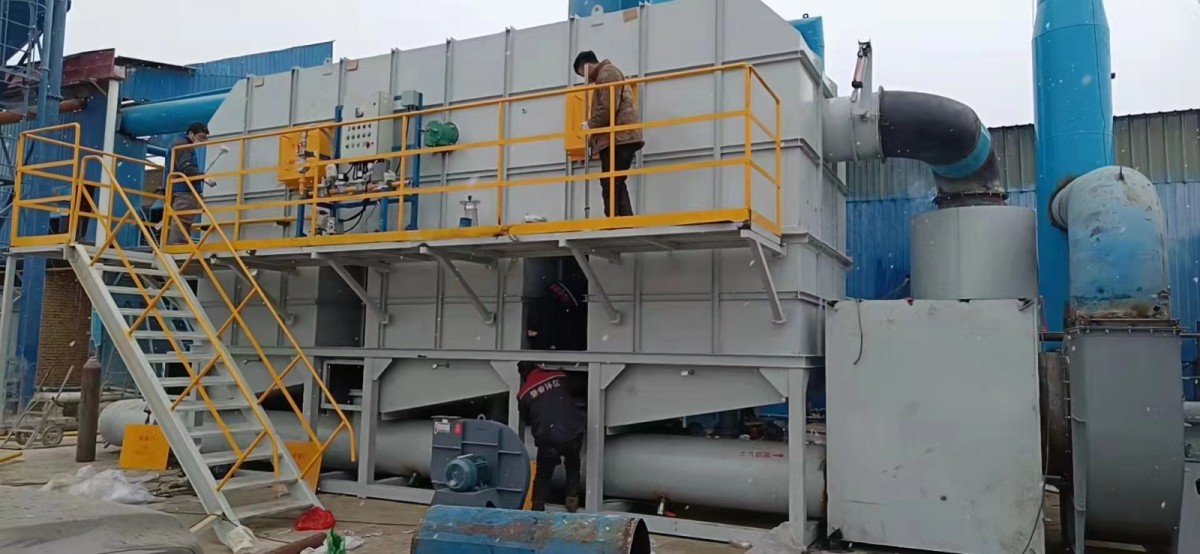
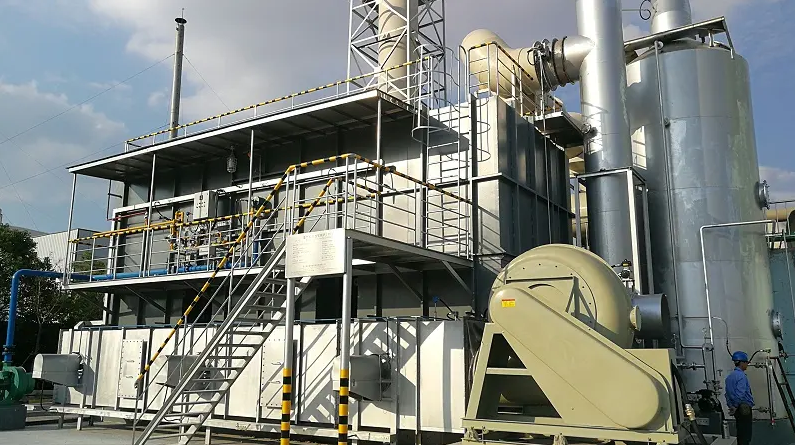

The principle is to heat the organic waste gas to above 760 degrees Celsius, causing the VOCs in the waste gas to oxidize and decompose into carbon dioxide and water. The high-temperature gas generated by oxidation flows through a specially designed ceramic heat storage body, causing the ceramic body to heat up and "store heat", which is used to preheat the organic waste gas that enters later. Thus saving fuel consumption for exhaust gas heating. Ceramic thermal storage bodies should be divided into two or more zones or chambers, with each chamber undergoing a sequence of thermal storage, heat release, and cleaning, repeating the process and working continuously. After the "heat release" of the heat storage chamber, some treated and qualified clean exhaust should be immediately introduced to clean the chamber (to ensure a VOC removal rate of over 95%). Only after the cleaning is completed can the "heat storage" program be entered.