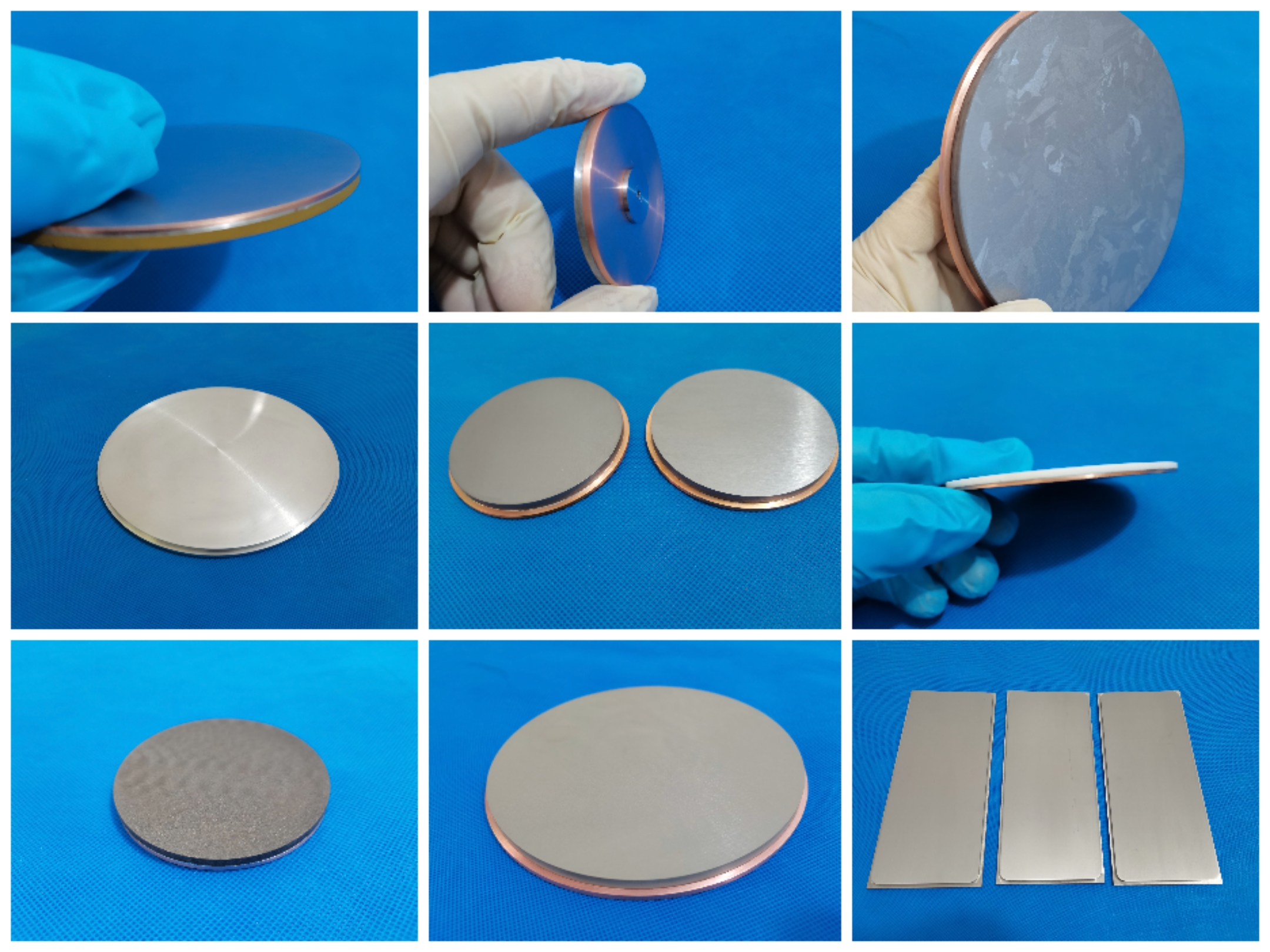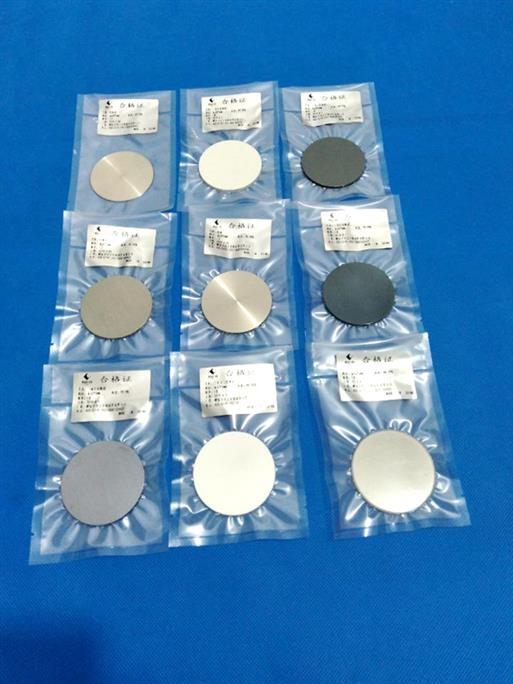


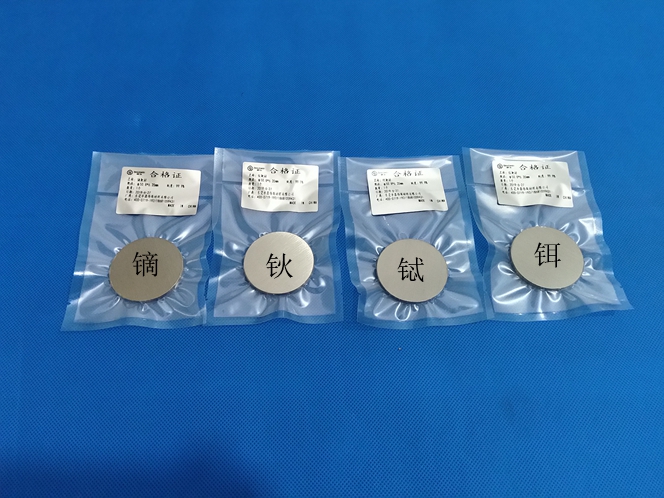












Provide rare earth target materials: lanthanum, cerium, praseodymium, neodymium, promethium, samarium, europium, gadolinium, terbium, dysprosium, holmium, erbium, thulium, ytterbium, lutetium, scandium, yttrium. Customized processing with a minimum order quantity of one piece.
Rare Earth is a general term for the seventeen metal elements in the periodic table, including lanthanide elements, scandium, and yttrium. There are 250 types of rare earth minerals in nature. The Finnish chemist John Gadolin was the first to discover rare earths. In 1794, a rare earth "element" (yttrium earth, also known as Y2O3) was isolated from a heavy ore resembling asphalt. Due to the limited discovery of rare earth minerals in the 18th century, only a small amount of insoluble oxide could be obtained by chemical methods. Historically, this oxide was habitually referred to as "soil", hence the name rare earth.
Adding rare earth metals, fluorides, and silicides to steel can refine, desulfurize, neutralize low melting point harmful impurities, and improve the processing performance of steel; Rare earth ferrosilicon alloy and rare earth silicon magnesium alloy are used as spheroidizing agents to produce rare earth nodular cast iron. Due to their special suitability for producing complex nodular iron parts with requirements, these nodular cast irons are widely used in mechanical manufacturing industries such as automobiles, tractors, and diesel engines; Adding rare earth metals to non-ferrous alloys such as magnesium, aluminum, copper, zinc, and nickel can improve the physical and chemical properties of the alloys, as well as enhance their mechanical properties at room temperature and high temperature.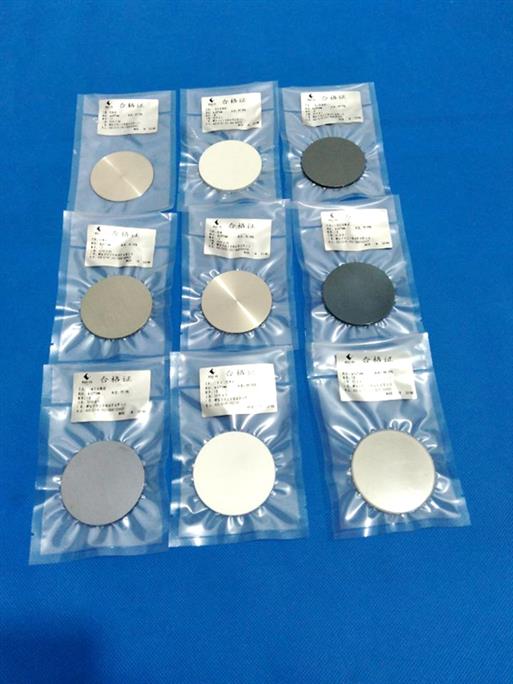
WeChat Official Account

Scan to follow Official Account