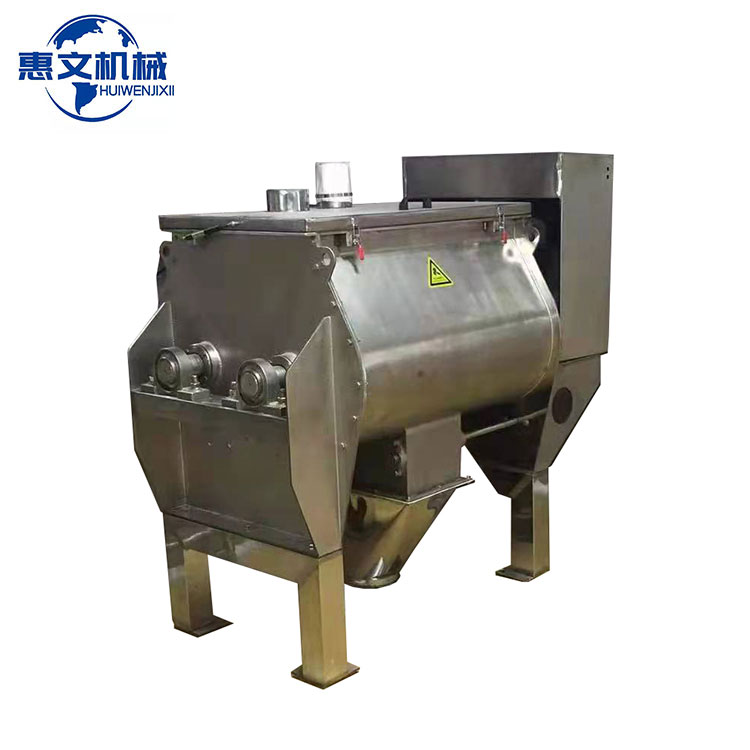

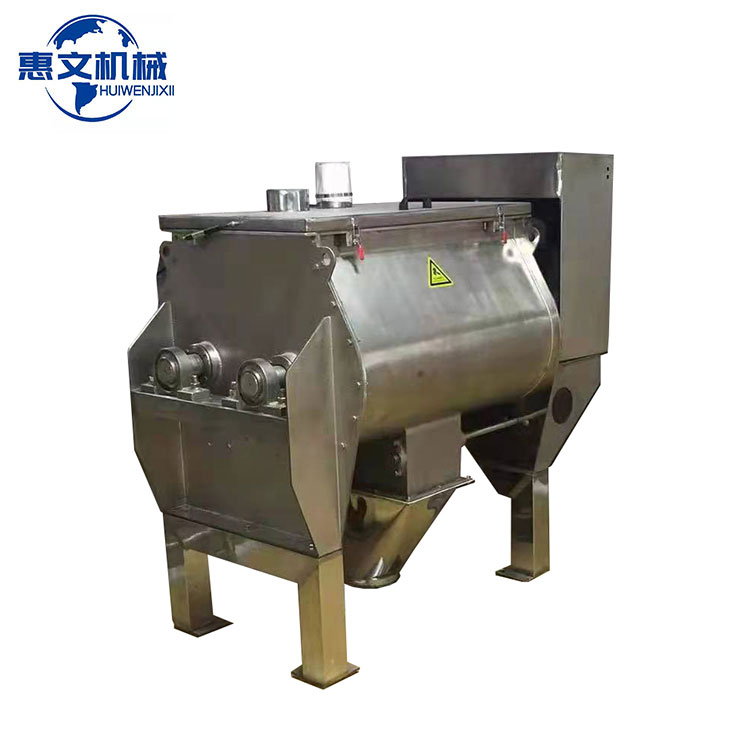
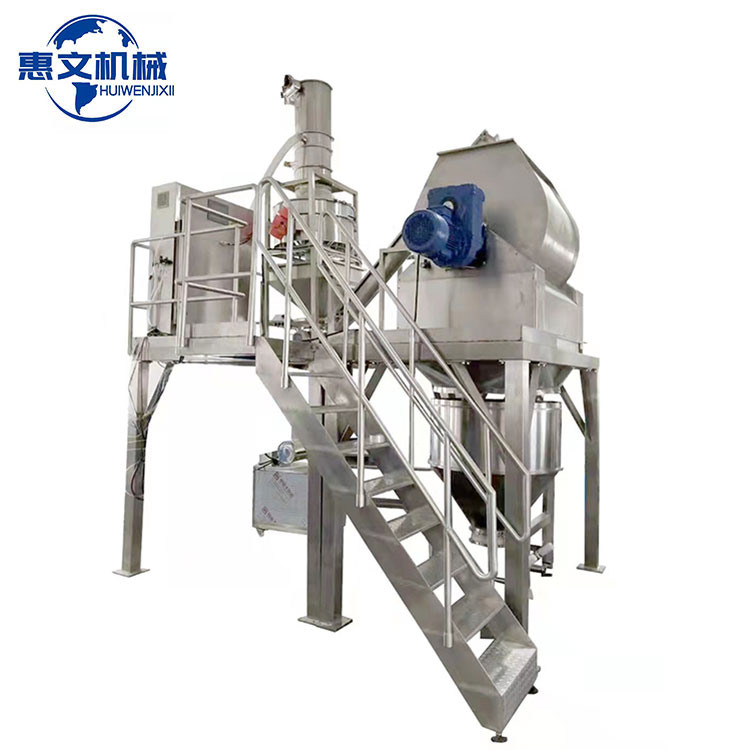
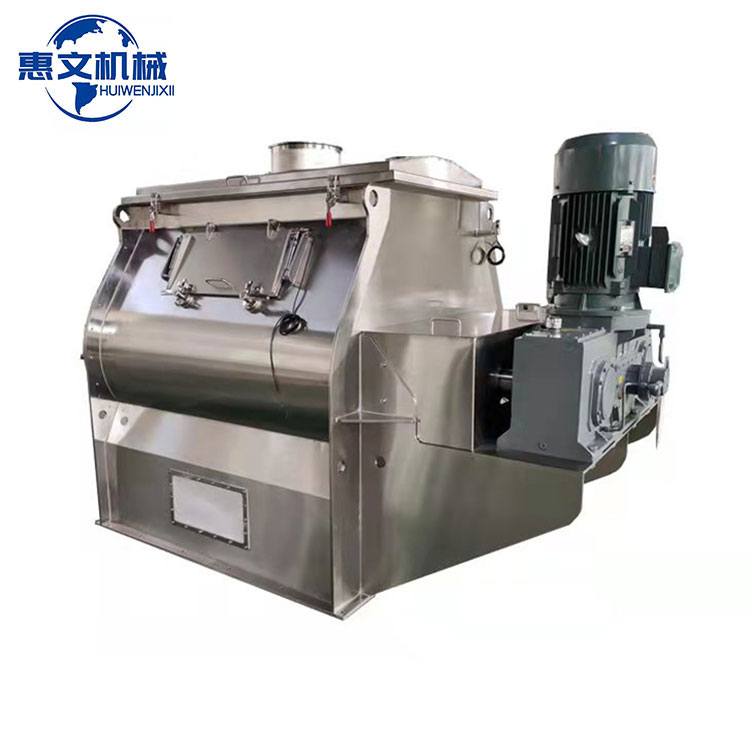


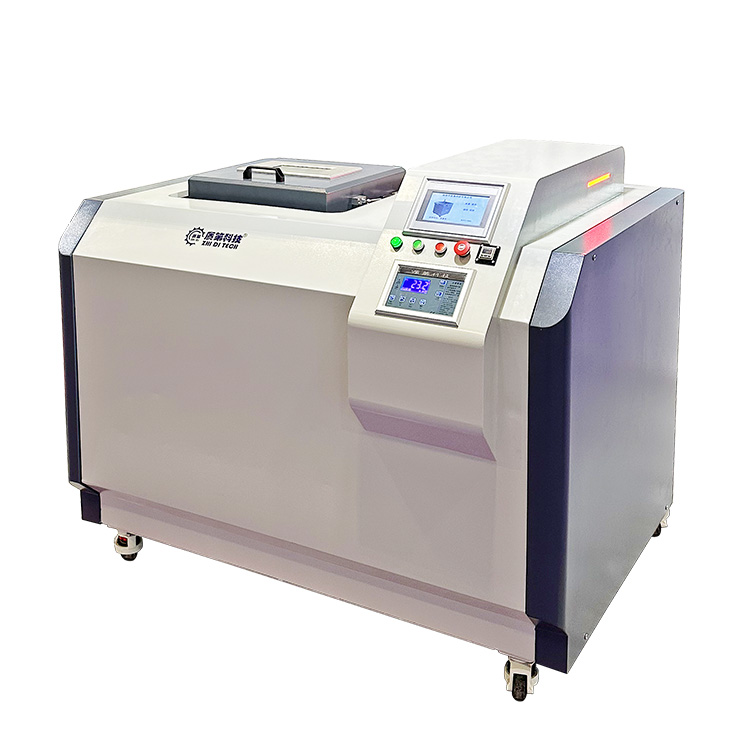





1、 Working principle of gravity free mixer
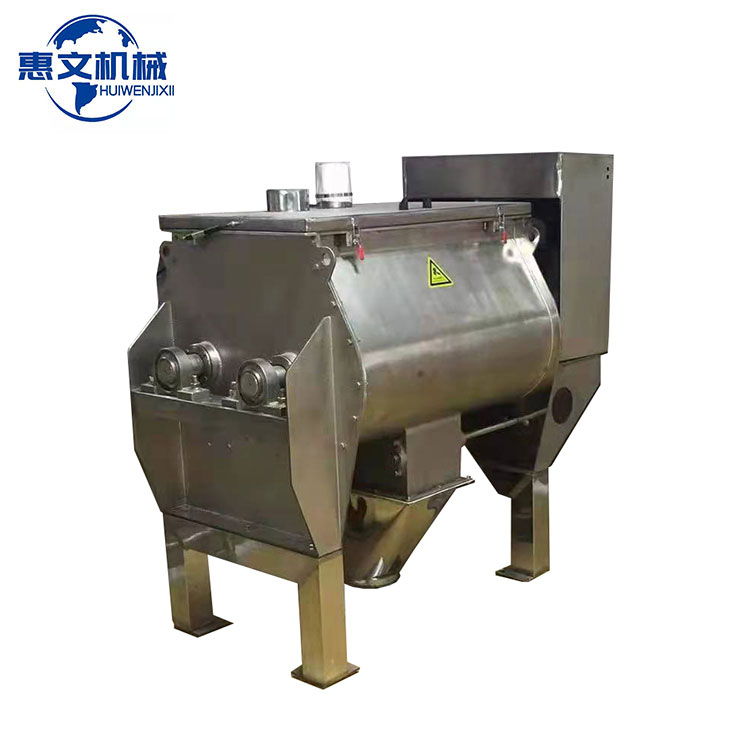
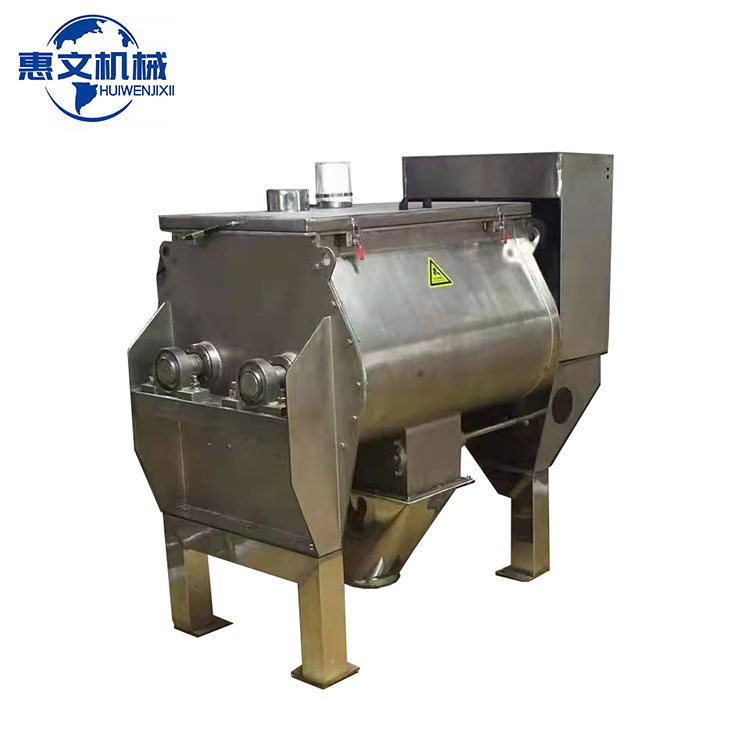
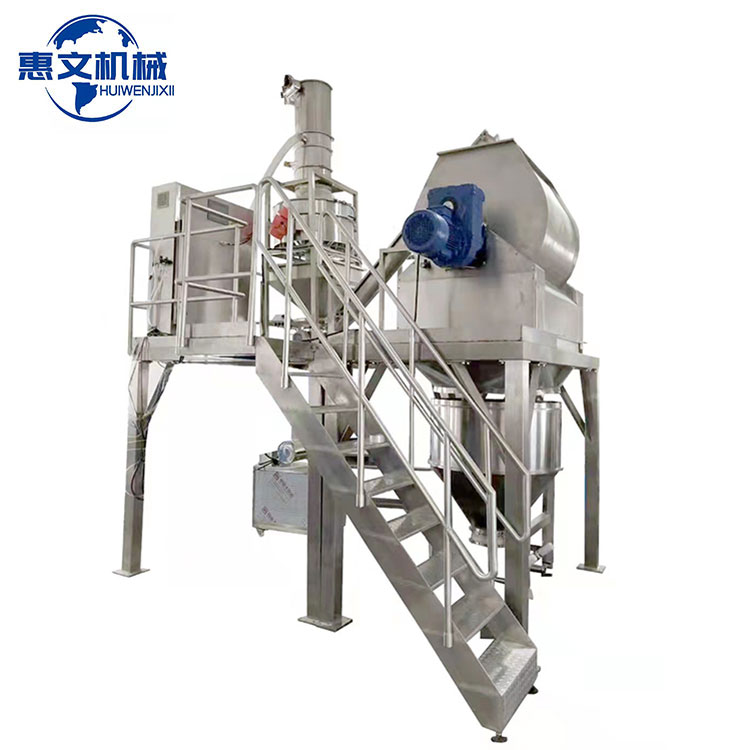
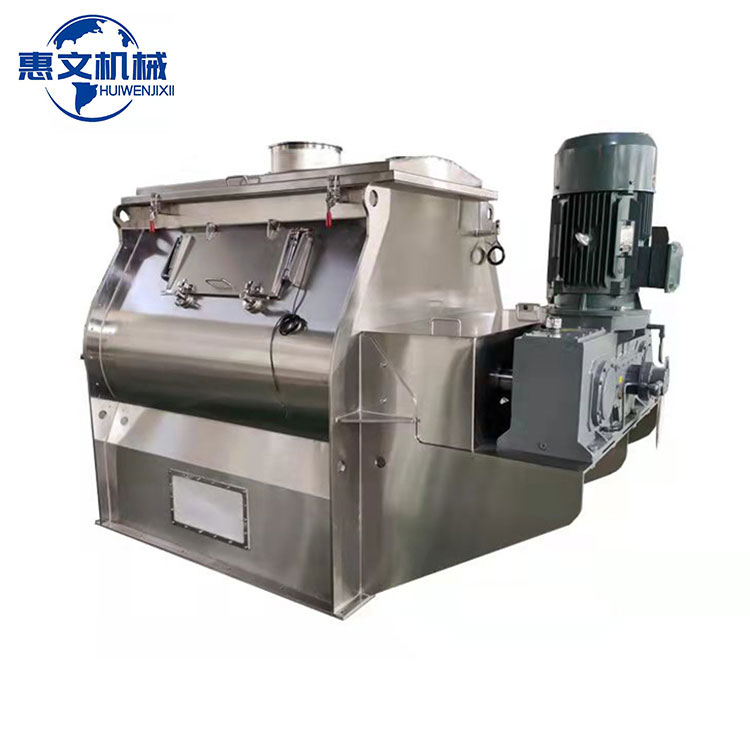
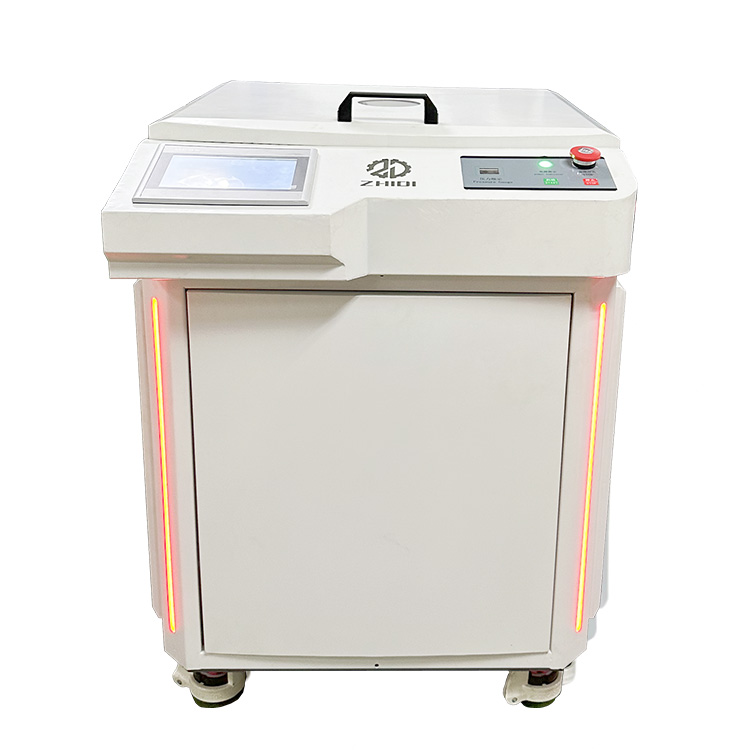
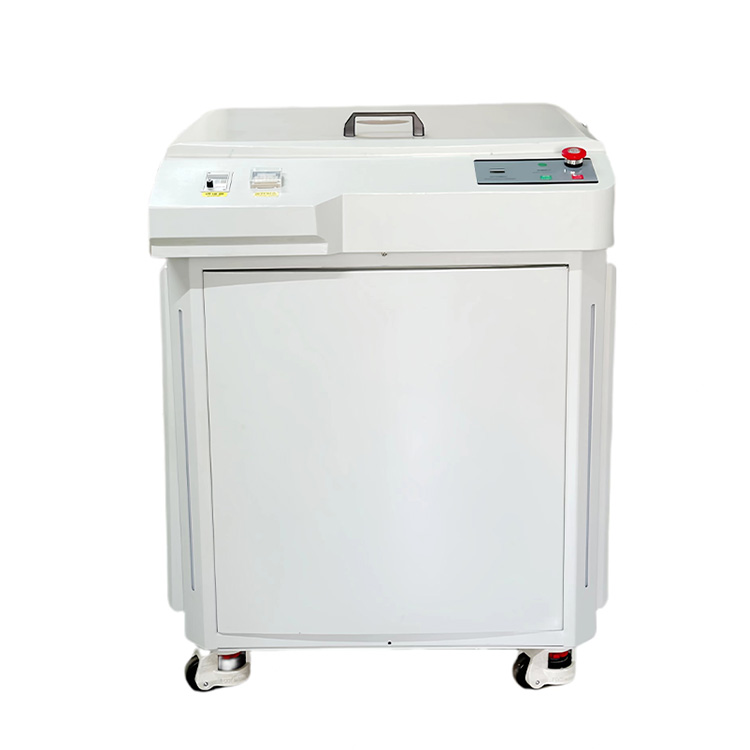
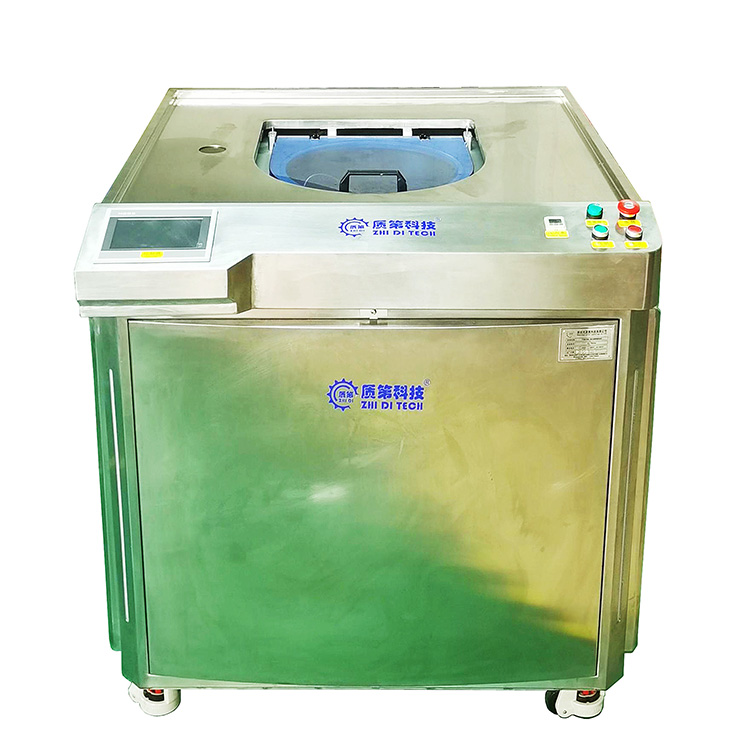
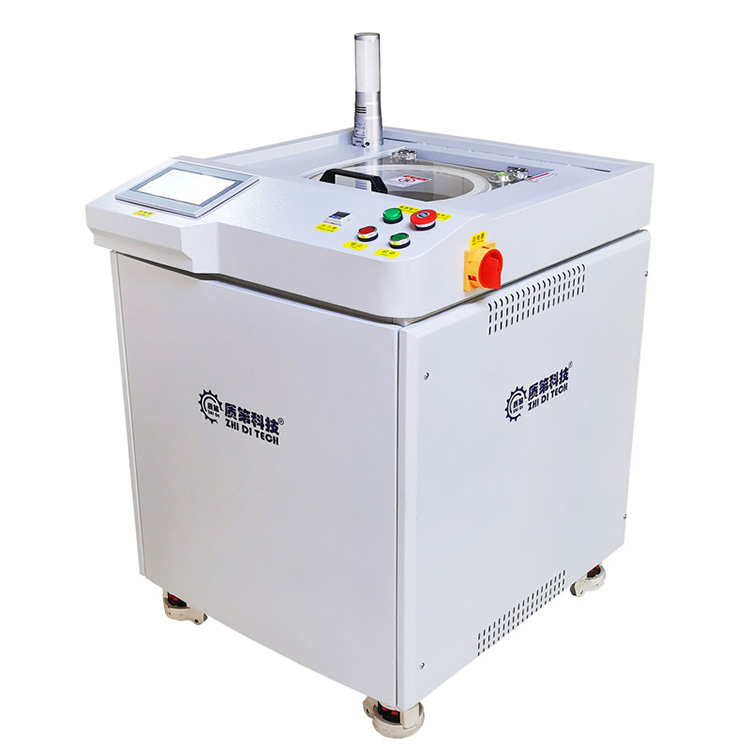
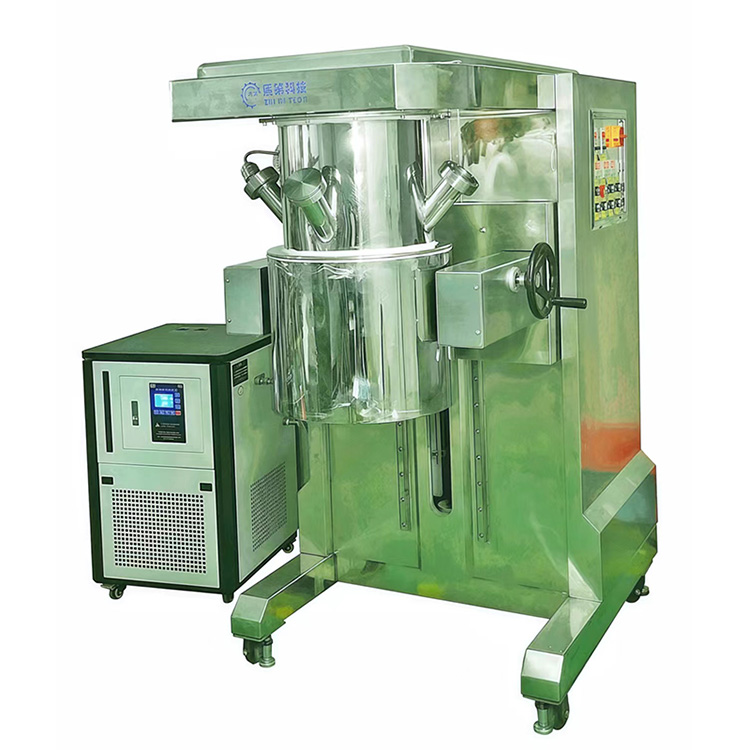
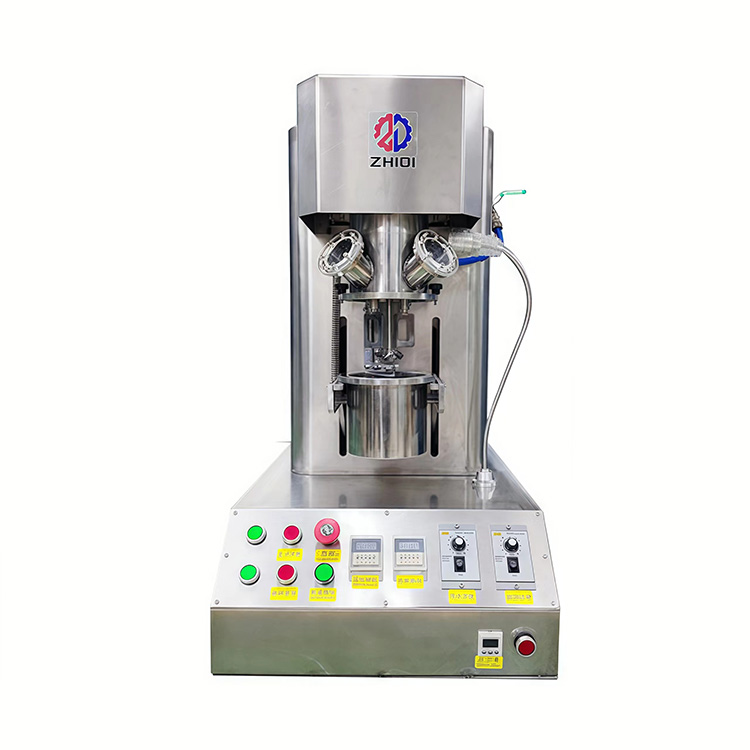
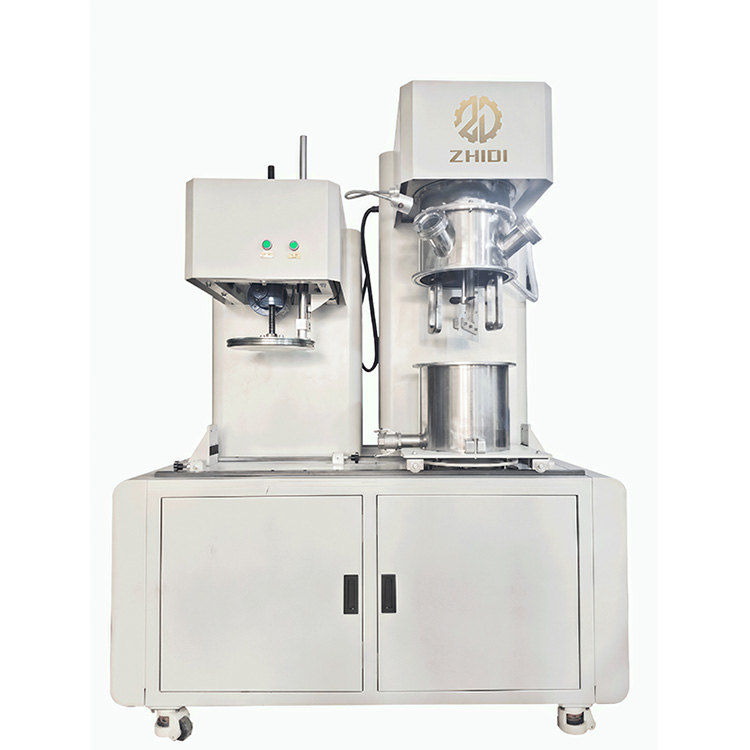
The gravity free mixer is loaded with two parallel propeller shafts that rotate outward in opposite directions simultaneously. Each shaft is equipped with a cross blade, and under the synchronous action of the driving device, the trajectories of the two cross blade shafts intersect and mesh in a staggered manner. The driving device drives the propeller shaft to rotate rapidly, and the rotating blades generate centrifugal force, effectively throwing the material into the upper part of the cylinder. After reaching the high point of the parabola (also known as the instantaneous gravity free state), the material falls down. The material is then driven by the blades and circulates in the cylinder, and is mixed, sheared, and separated by the meshing space of the two axes, resulting in uniform mixing of the material.
2、 Introduction to Gravity Free Mixer
Material selection plan
The mixer can be customized with carbon steel, manganese steel, 304 stainless steel, 316L stainless steel, and other materials, and different materials can also be used in combination; When selecting equipment materials, distinguish between parts that come into contact with the material and parts that do not come into contact with the material; Functional coatings or protective layers such as anti-corrosion, anti bonding, isolation, and wear resistance can be added specifically to the interior of the mixer; Surface treatment of stainless steel includes sandblasting, wire drawing, polishing, mirror finish and other treatment methods, which can be applied to different parts of use;
2. Driver configuration
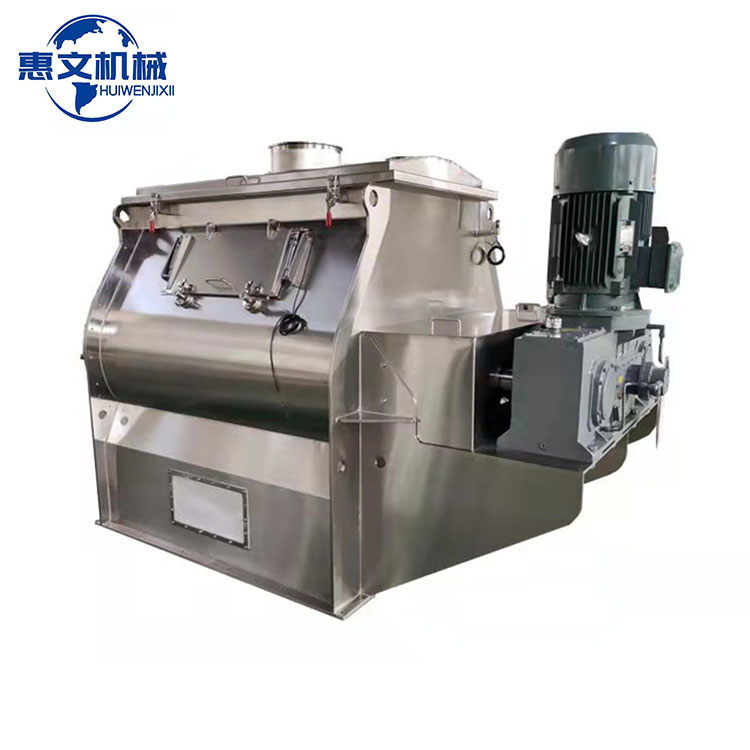
The mixer is equipped with driving devices with different abilities, powers, and output speeds based on the properties of the materials, starting methods, and mixing methods. Due to the meshing relationship of the internal blades, the dual axis drive power of the dual axis gravity free mixer needs to have synchronization ability. Shengli Company has launched four drive combinations that can be used for different capability requirements: dual gearbox synchronous combination, single gearbox dual output, dual planetary gear synchronous, and bridge sprocket chain.
The Sk series dual gearbox synchronous combination is configured as a gravity free mixer.
3. Mixing device
The gravity free mixer can adaptively adjust the dual axis blades according to different material properties. For example, adding wear-resistant mixing blades, spray mixing blades, serrated mixing blades and other non gravity mixers can add a crushing shaft inside the cylinder to disperse the mixed material flow.
4. Material discharge device
The conventional configuration of a gravity free mixer includes a double door flip plate large opening discharge valve and a curved flip plate valve, which fully conforms to the curved surface of the cylinder, ensuring that there are no dead corners in the mixing process and making the mixed materials uniform.
5. Dynamic shaft seal
There are three commonly used sealing modes for mixers: packing seal, combined gas seal, and mechanical seal; Used to solve spindle seals in the form of particles, powders, micron sized powders, liquids, and slurries.
2、 Selection of Gravity Free Mixer
1. Determine the volume of materials to be mixed in each batch, ranging from 0.1 to 20 cubic meters, and select equipment of the corresponding specifications.
2. Select equipment manufacturing materials, which are divided into parts that come into contact with the material, parts that do not come into contact with the material, and other components of the equipment that maintain their original materials.
The material is determined based on factors such as material properties, working conditions, and hygiene levels. Commonly, carbon steel and 304/316L stainless steel materials are selected and surface treatment requirements are determined according to the requirements.
3. Determine the driving capability of the configuration based on the specific gravity, fluidity, and other properties of the material, as well as the start-up standards.
Startup standards are divided into overloaded startup and unloaded startup.
4. According to the actual process situation, add auxiliary functional components such as liquid spraying, heating/cooling, etc.
5. Design the opening requirements for equipment, such as feeding ports, cleaning ports, exhaust holes, etc.
6. Choose the discharge mode and driving method, including manual, pneumatic, and electric.
Friendly reminder: The selection of equipment is a crucial step, and detailed information about materials and process arrangements should be provided so that our personnel can provide technical services to you