















.jpg)
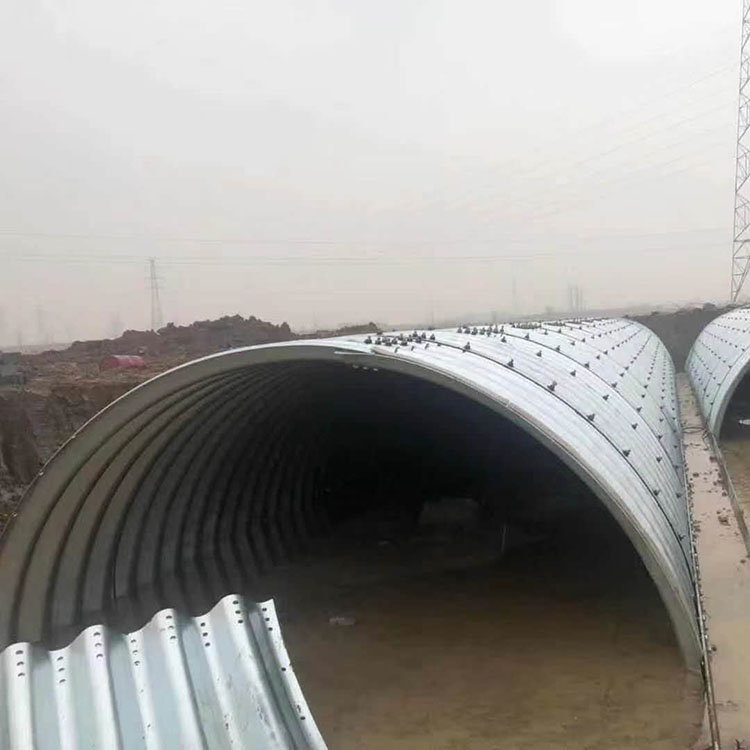
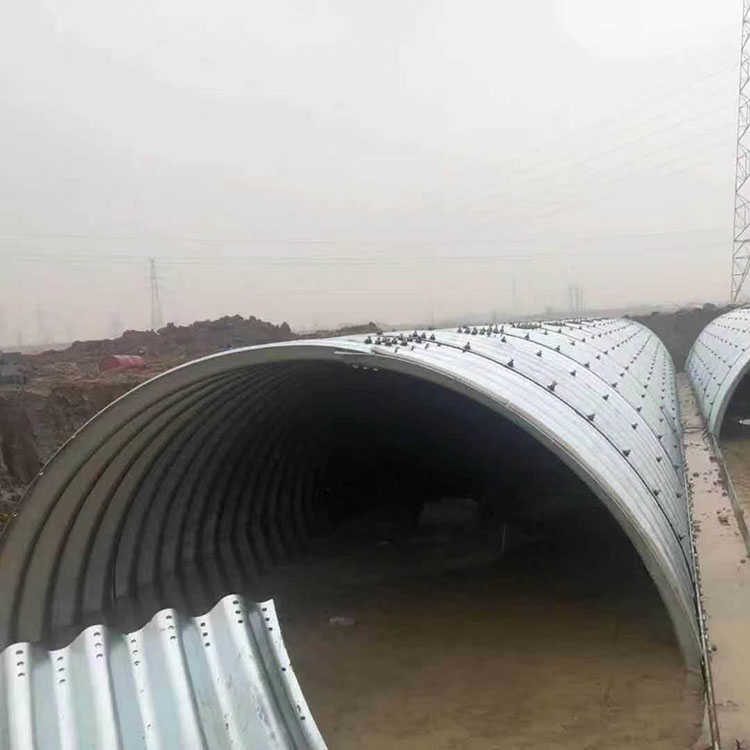
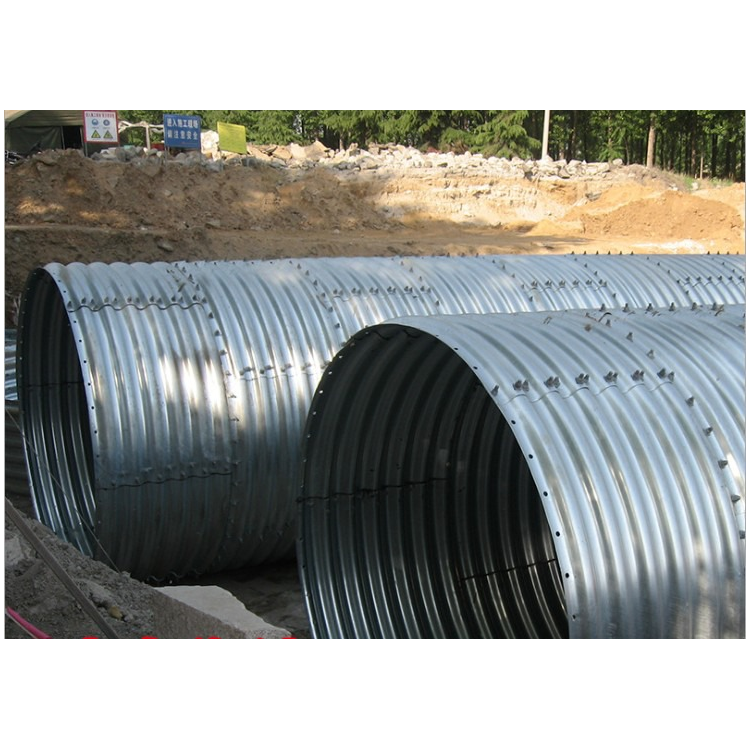
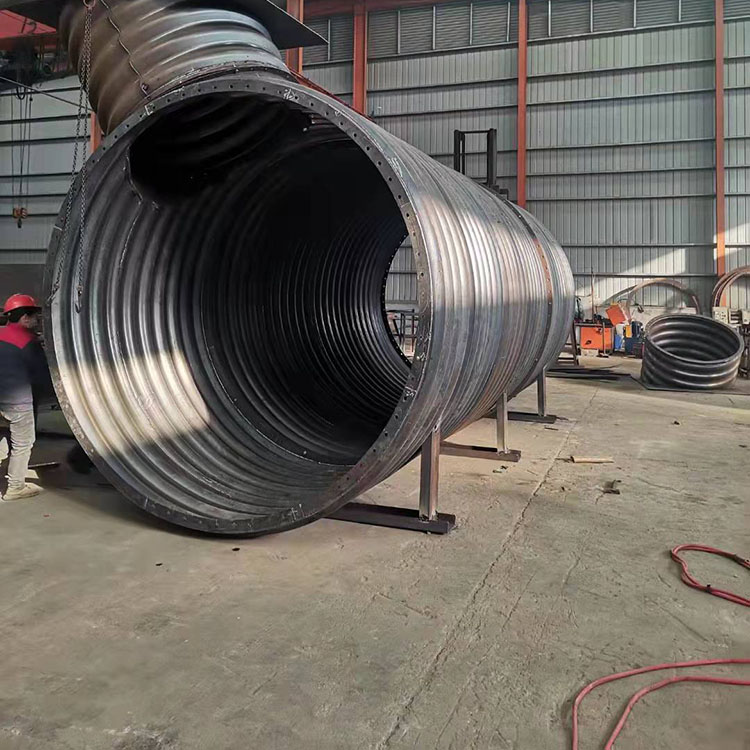
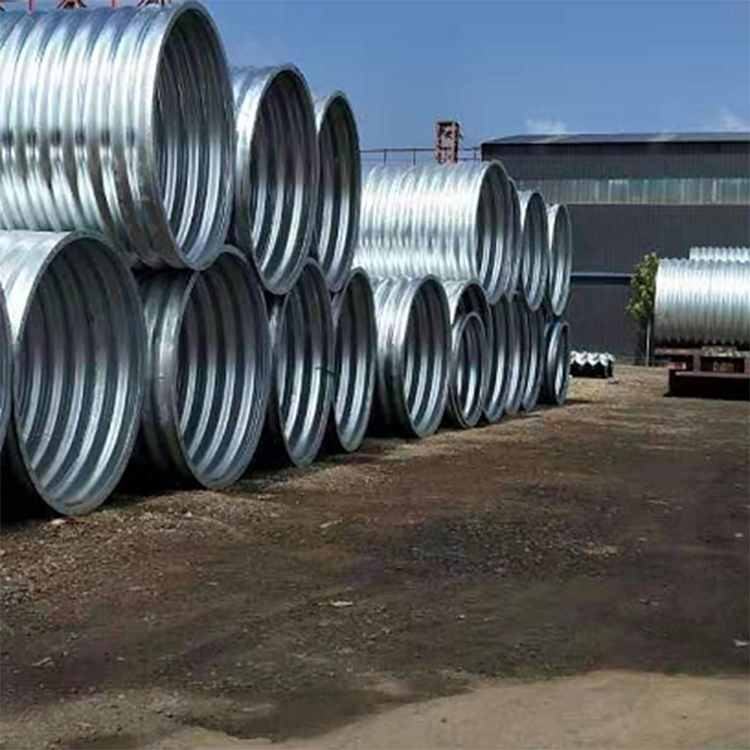
RundeThe manufacturing process of various corrugated culvert pipes is generally divided into three stages: blank manufacturing, part manufacturing, and assembly. The main methods of billet manufacturing include corrugated culvert pipe casting Manufacturing, forging, and welding, etc. Assemble the processed parts according to the assembly process, and after debugging and experimentation, they will become corrugated culvert products that meet the specifications.
The strength of corrugated steel plate culvert pipe is higher than that of traditional cement pipe, and its corrosion resistance is better. Steel corrugated culvert pipe has the advantages of corrosion resistance, light weight, easy installation, and long service life. Its compressive strength is the same as that of ordinary plastic pipe2to3Twice. The hollow structure is lined with a high-strength steel skeleton, effectively reducing the weight of the pipe itself and greatly improving the ring stiffness of the pipe. Most of the external pressure on the pipe wall is borne by the steel frame in the pipe wall, while the area where the steel frame is not placed on the pipe wall bears very little pressure. Significantly improve the ring stiffness and strength of pipes without increasing costs. It can solve a series of problems such as heavy load, and the advantages of large-diameter pipes are more obvious. Currently, the corrugated pipes produced have diameters ranging from wall thickness2Millimeters to10millimeter,It is lighter and stronger than cement pipes and other plastic pipes.
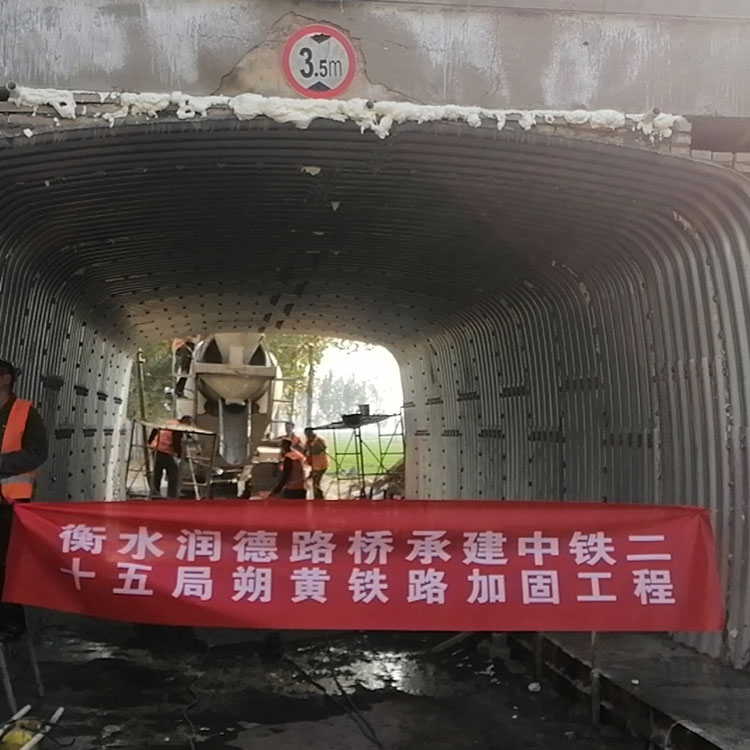
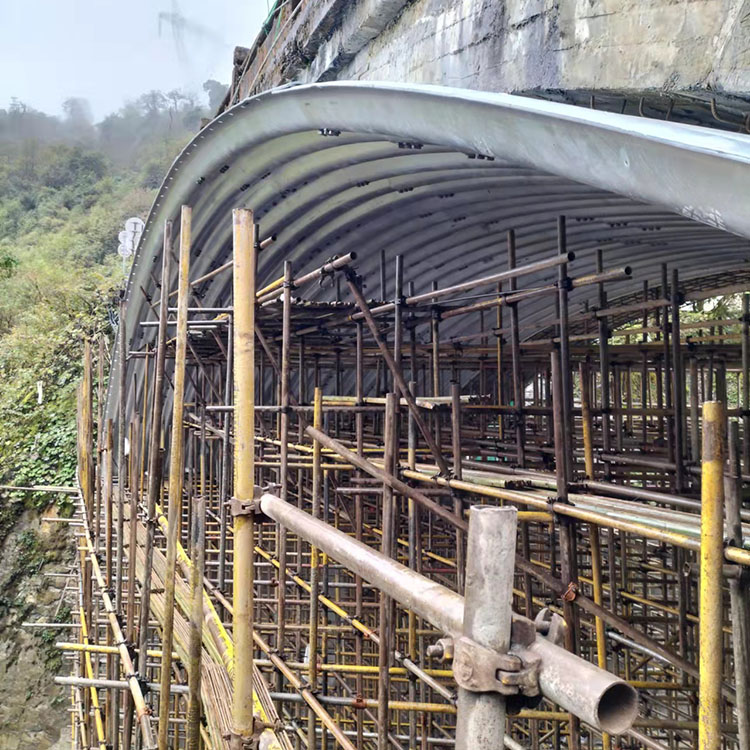
Anchor rods are installed at the lower edge of the reinforcement structure on the corrugated steel plate and the corrugated steel plate of the old bridge structure, and micro expansion concrete is filled between the lower edge of the original structure and the corrugated steel plate; The widened part is reinforced with reinforced concrete stiffeners, which are set on corrugated steel plates“U”A steel mold with a rectangular cross-section is used to connect the steel mold to the corrugated steel plate using shear studs, tension anchor bolts, and other connecting structures. Micro expansive concrete is filled between the steel mold and the corrugated steel plate, followed by backfilling with lightweight foam soil. The integrated structure of reinforcement and widening can reinforce existing bridges without interrupting existing traffic, greatly improving the bearing capacity of existing bridges, widening existing bridges, and avoiding traffic, environmental, construction period, and financial problems caused by the demolition and reconstruction of old bridges. This plan can enable the original bridge to regain its function and functionality, with significant advantages such as low social impact, low-carbon environmental protection, fast and simple construction, and low cost. This scheme has been successfully applied to the reinforcement and widening project of Loudi Shimen Bridge, achieving good economic and social benefits, and is worthy of promotion and application in similar projects.
Examples of reinforcement for small and medium span bridges and culverts:
(1)Arch passage reinforcement, above which urban roads pass
(2)Reinforced solid belly stone arch bridge, located on the provincial road
(3)Widening of solid belly stone arch culvert
(4)Reinforcement of stone arch culvert
(5)Strengthening and widening of stone arch culvert
(6)Reinforcement of stone arch bridge, using corrugated board bottom plate instead of reinforced concrete base
(7)Strengthening the stone arch bridge means road reconstruction and widening, and the load standard can meet the requirements of first-class highways
(8)Strengthening and widening of simply supported beam bridge, using box structure, invertedTThe abutment back is backfilled with foam light soil, and the widened section is backfilled withCBSThe reinforced rib structure greatly improves the structural stiffness, which originates from the micro technology of municipal engineering.