











Construction workers typically rely on physical labor and technical skills for their livelihoods; for them, words are less effective than hands-on action. Safety construction regulations have always been communicated through texts and images, and safety mobilization meetings consist of lectures and slogans, which are not the workers' preferred methods of memorization and mastery. Therefore, they fail to serve as a warning.
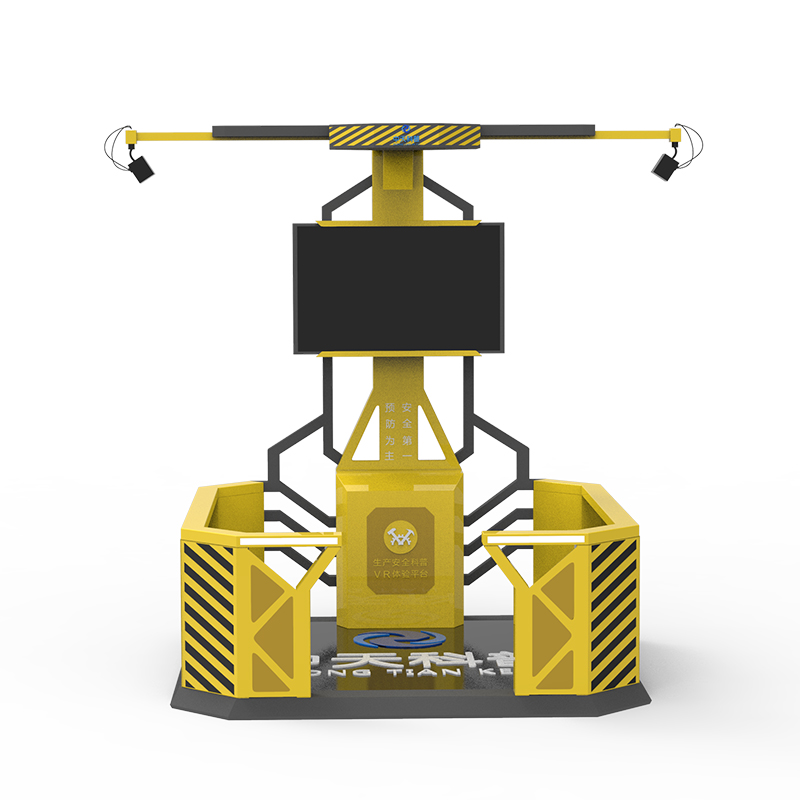
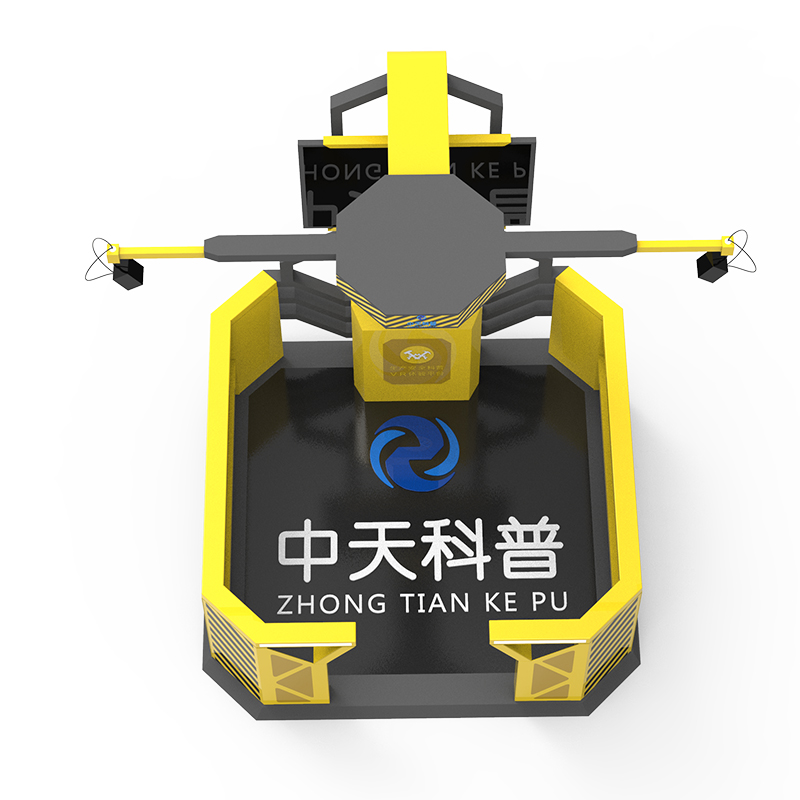
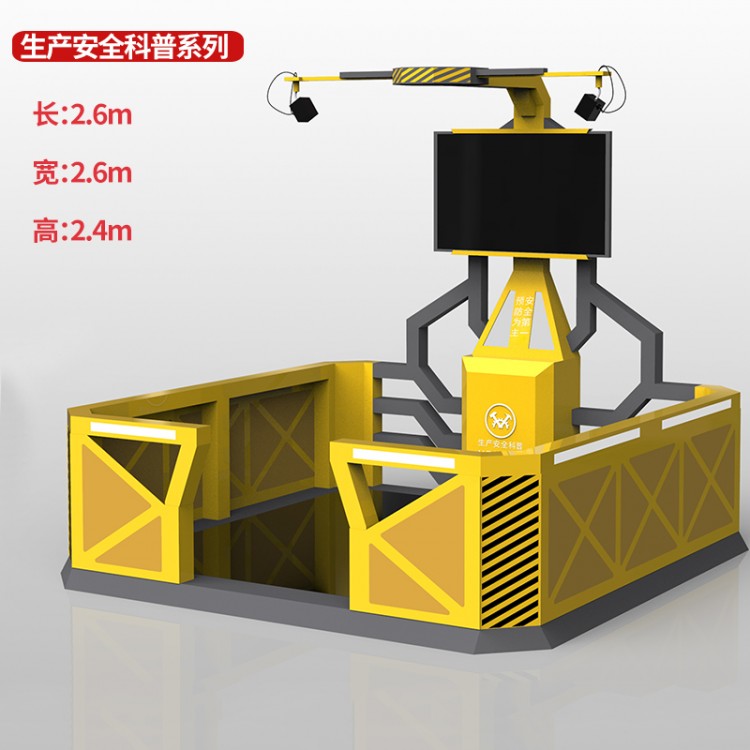
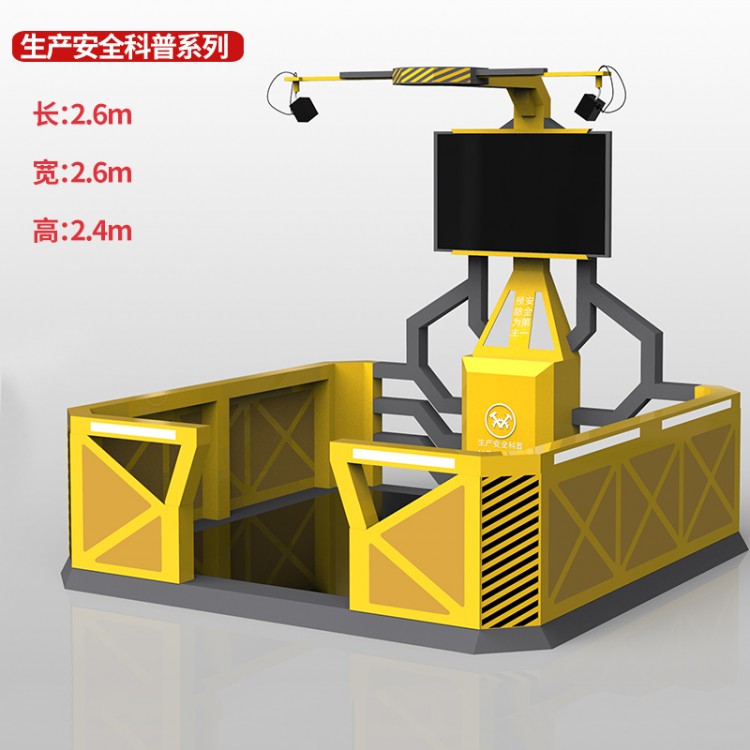
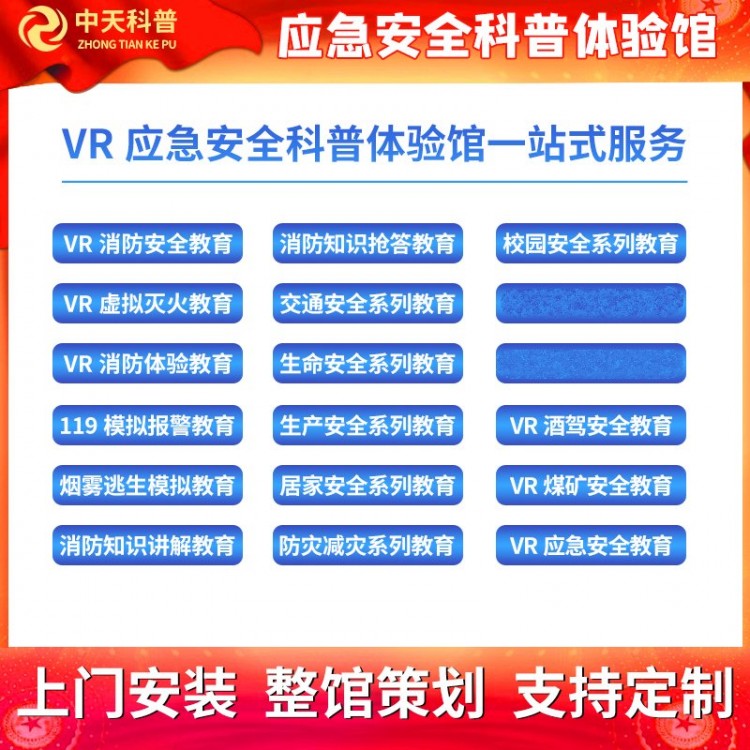
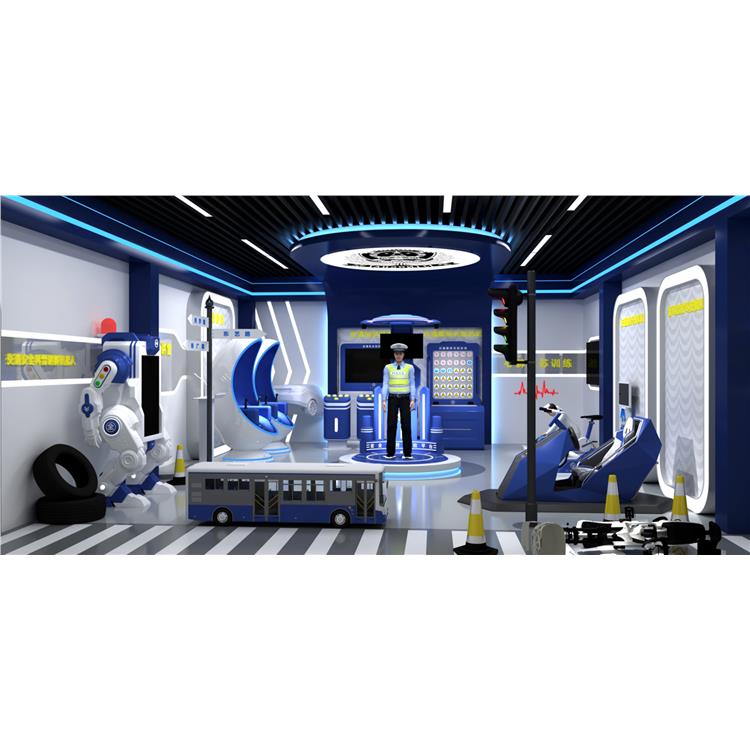
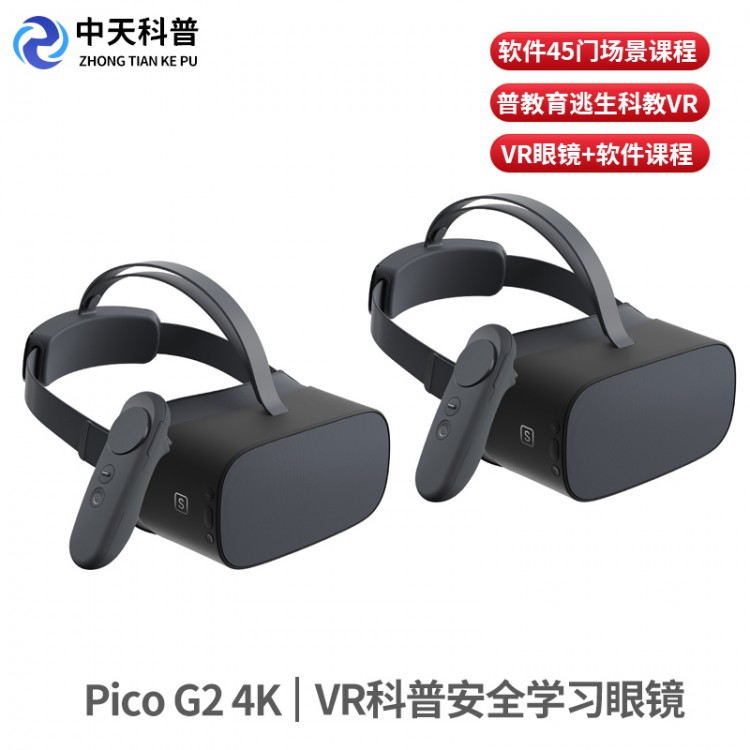
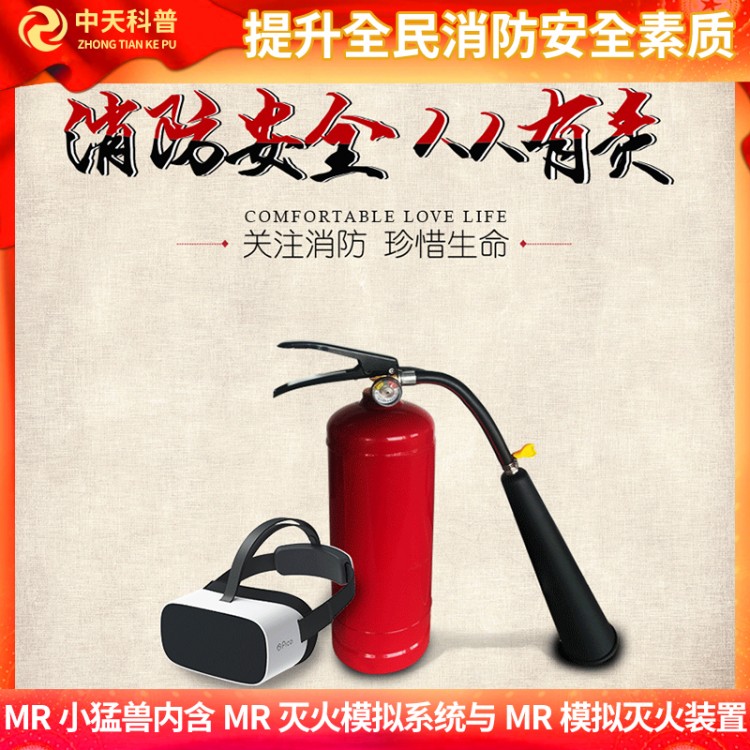
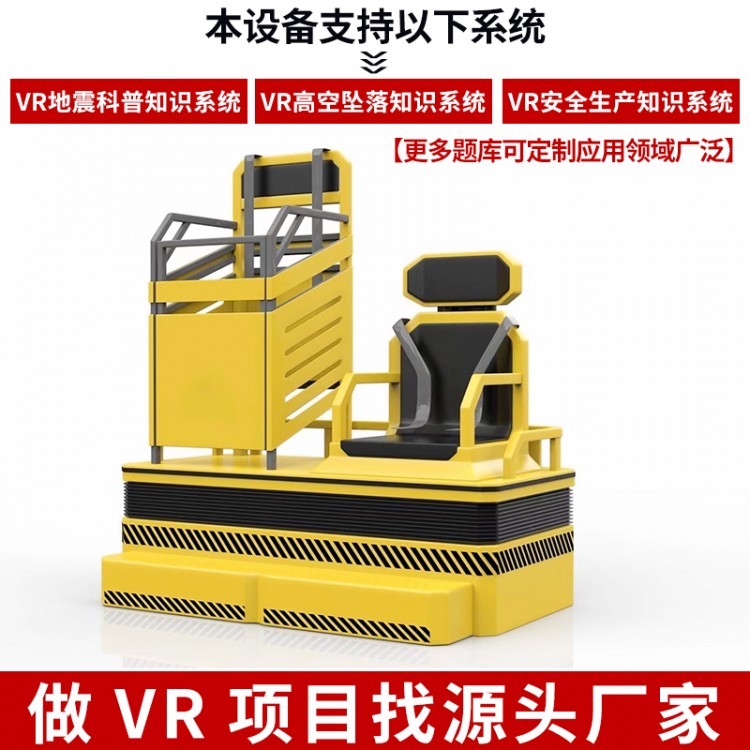
VR (Virtual Reality) utilizes computer technology to simulate a realistic three-dimensional virtual world, allowing users to experience an immersive effect through visual and auditory senses. Users can directly experience typical safety accidents through VR glasses, "live through" safety incidents in a virtual reality environment, assess potential safety risks, and seek appropriate preventive measures, thereby serving as a cautionary education and enhancing safety awareness.