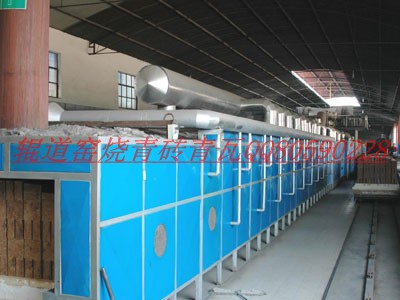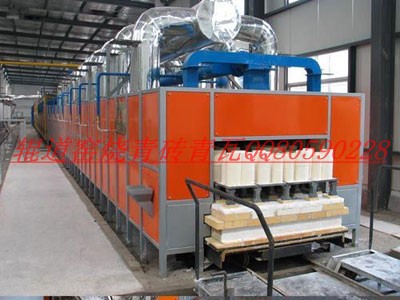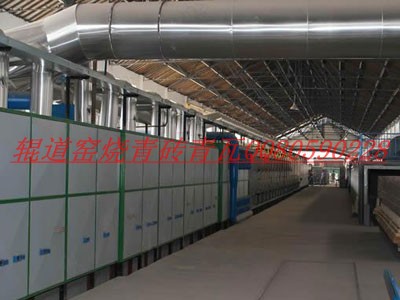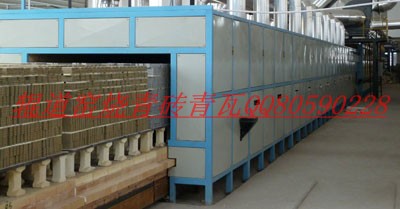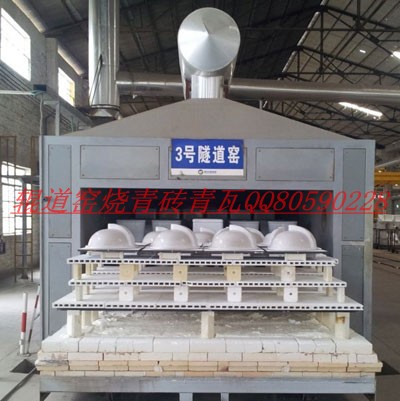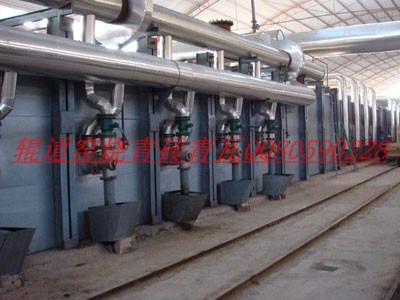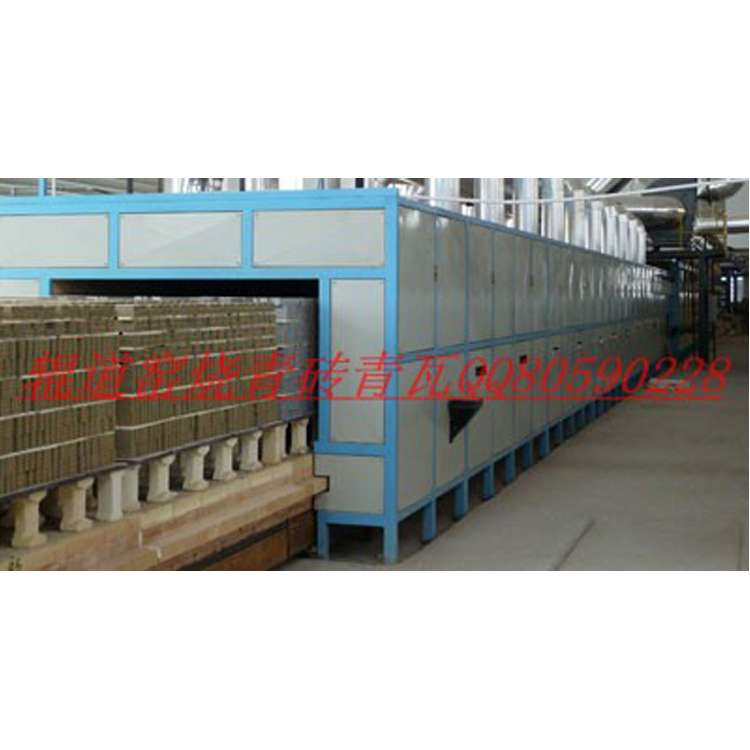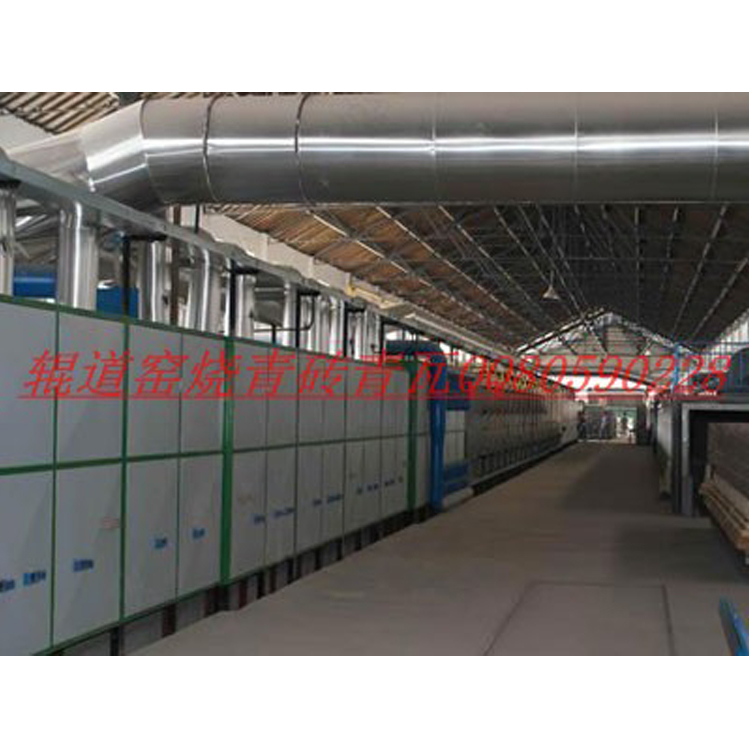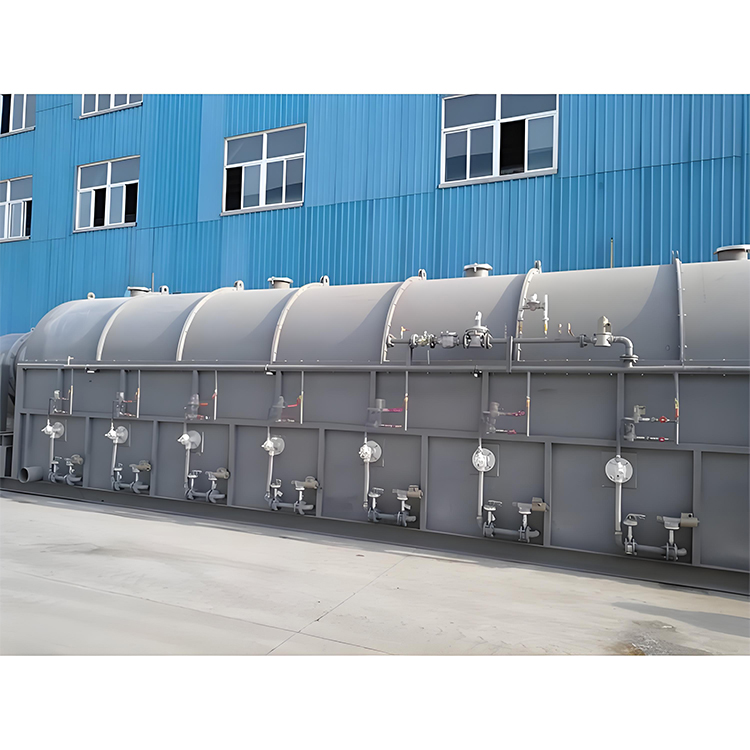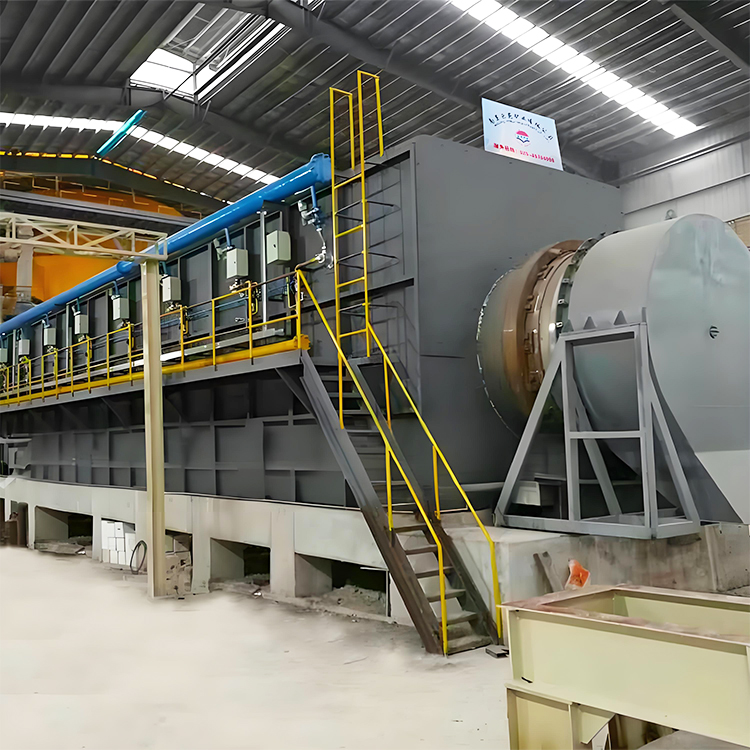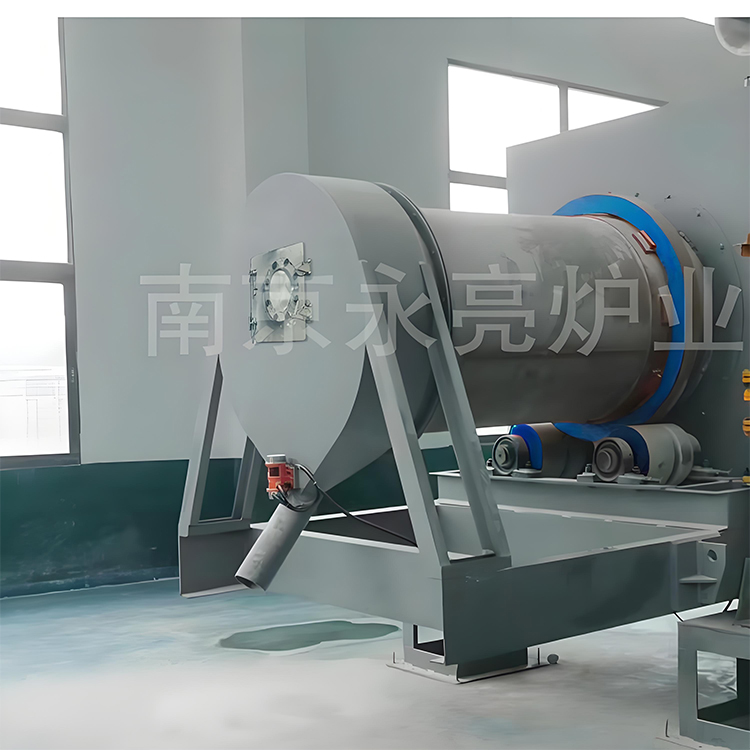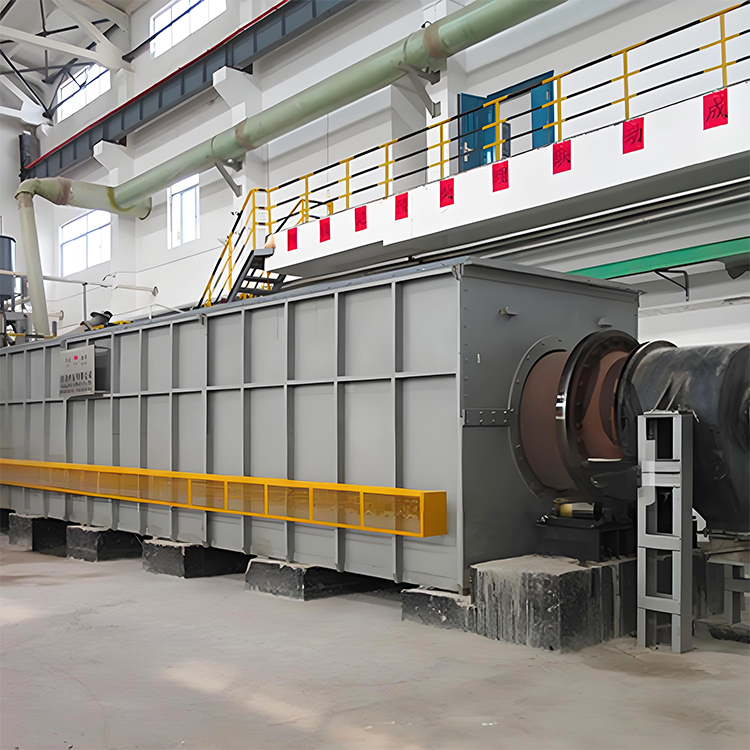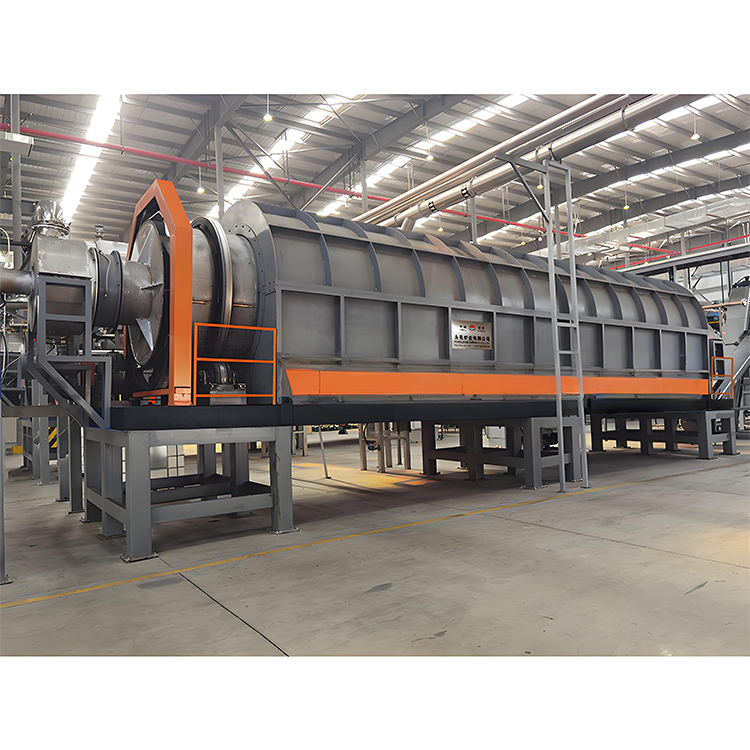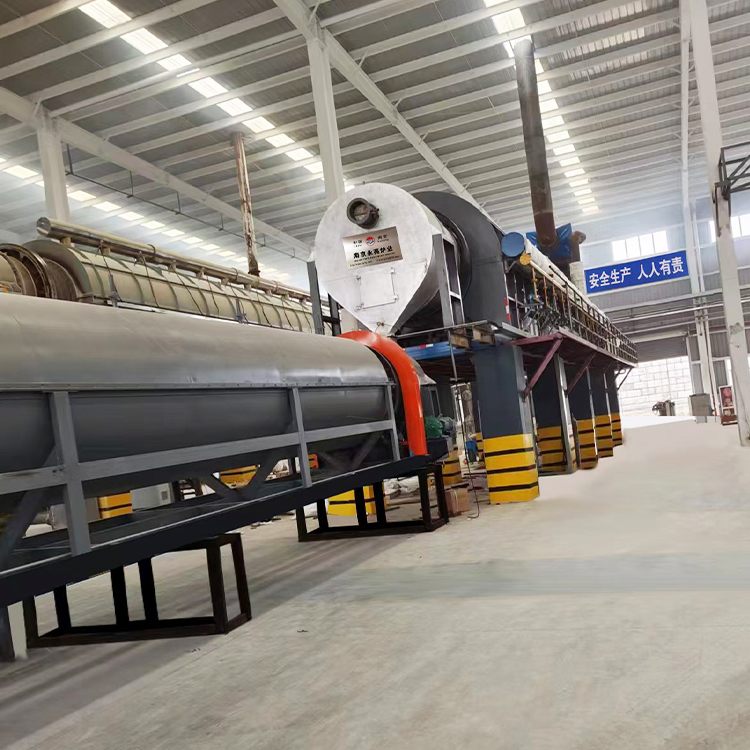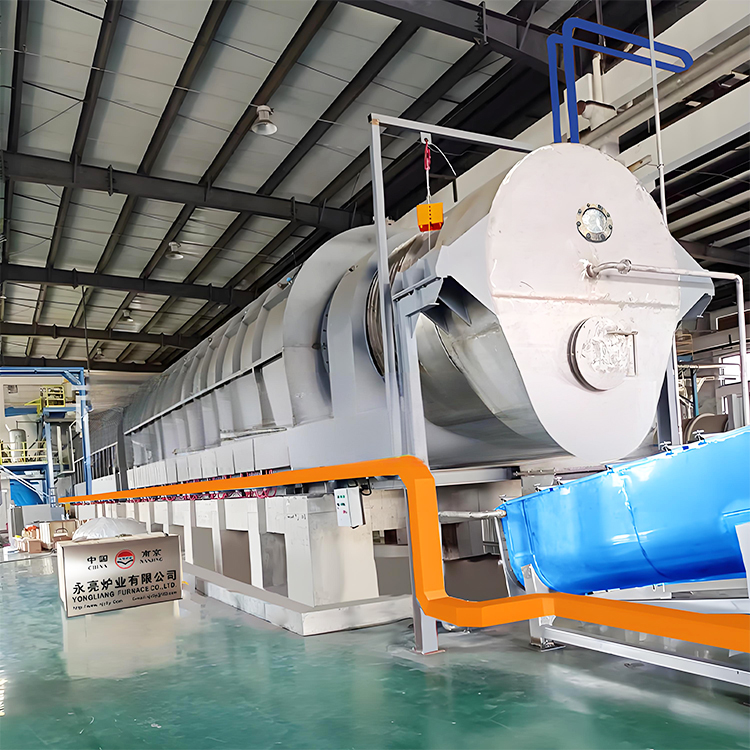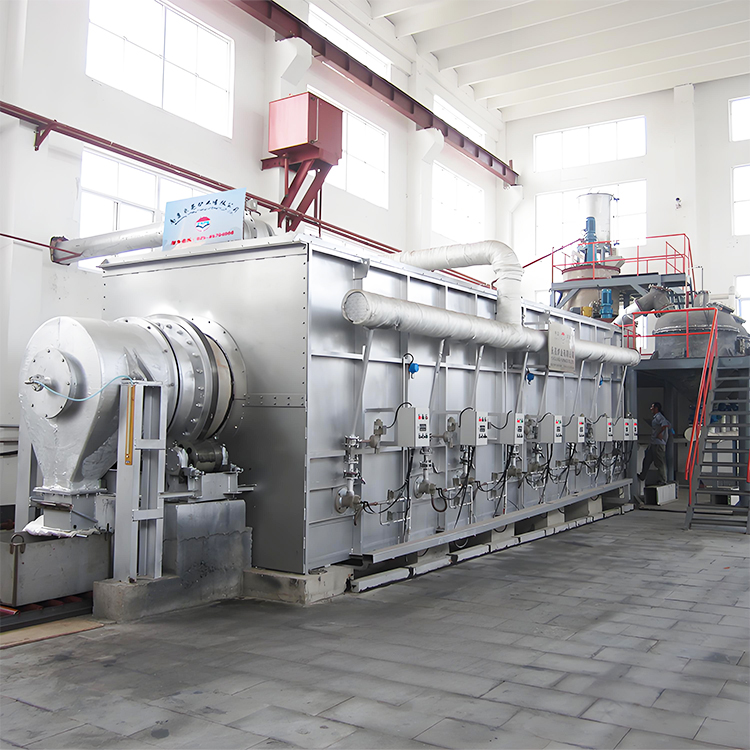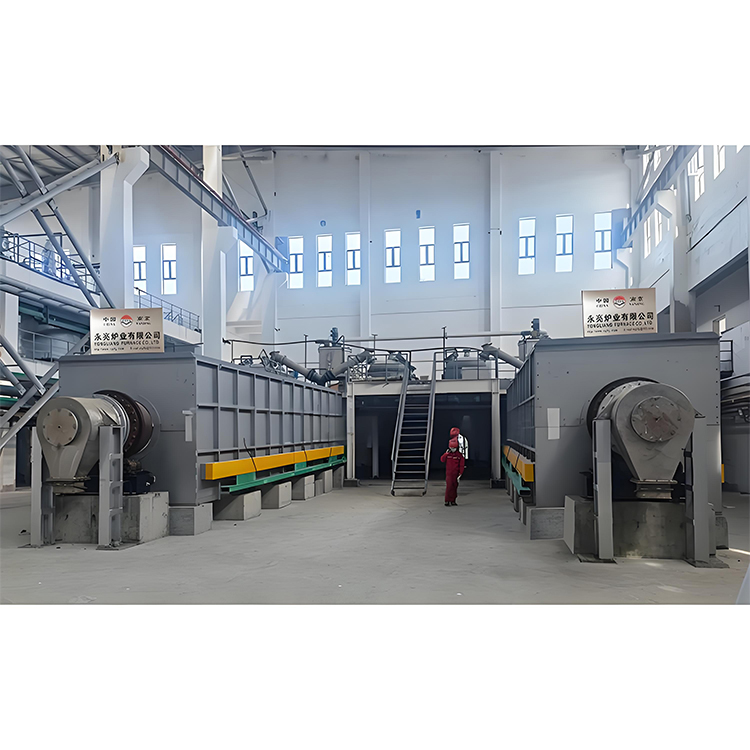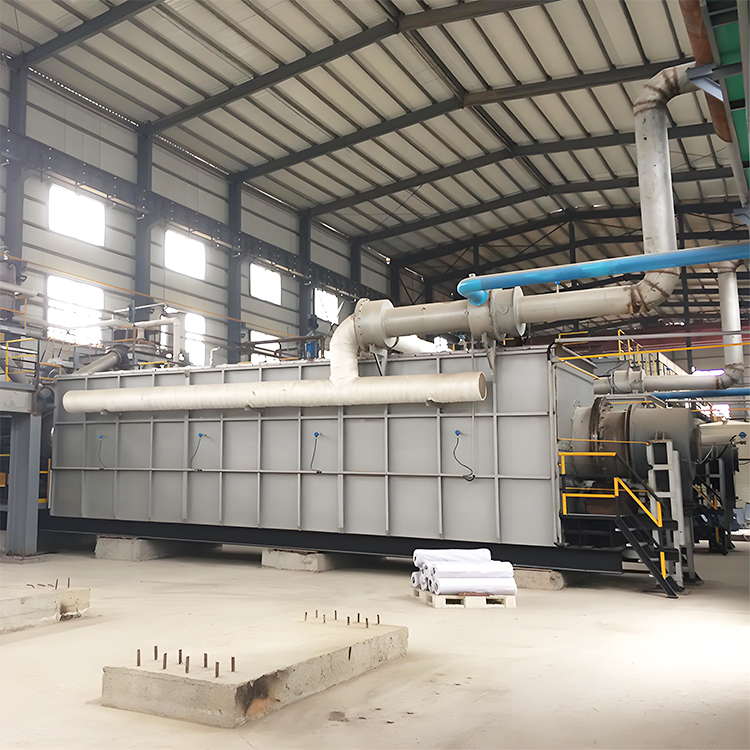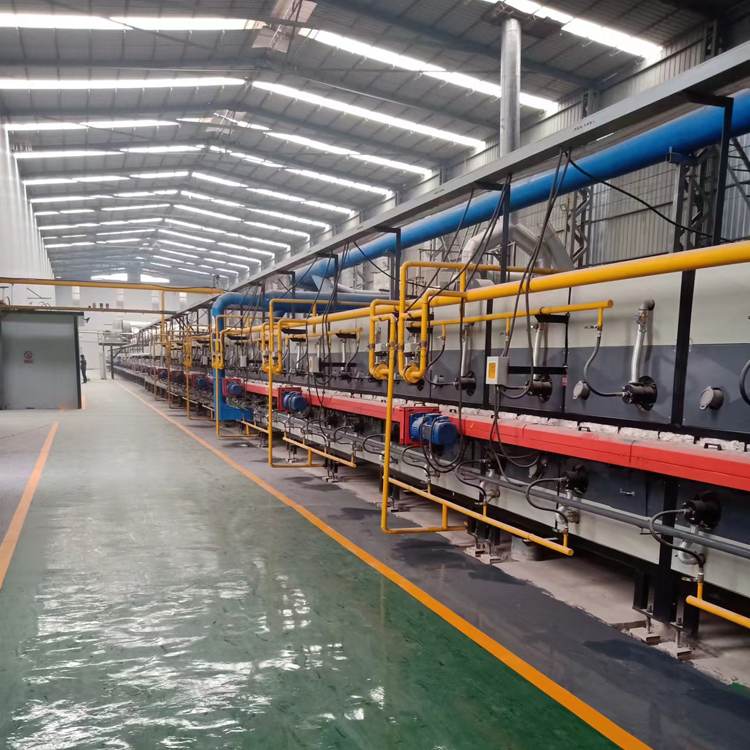

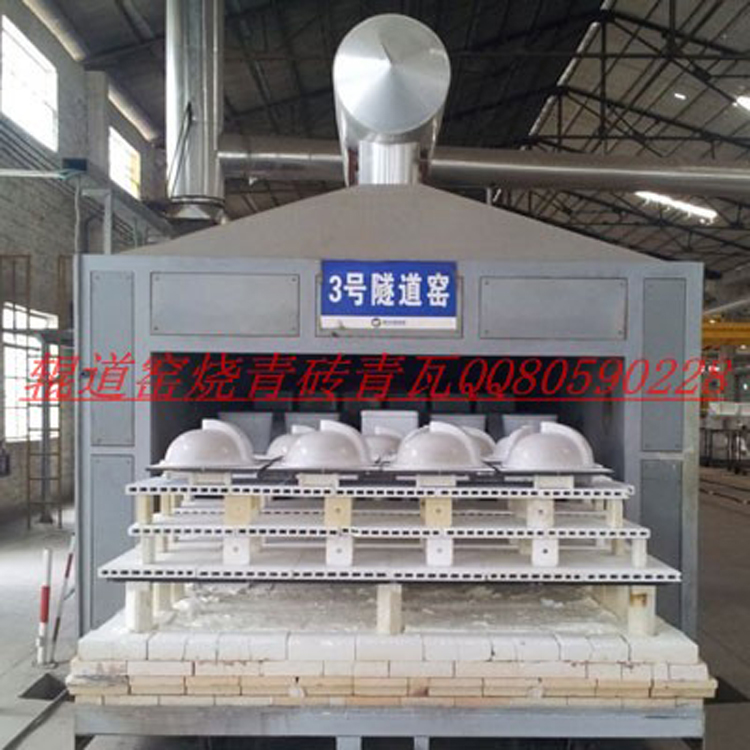

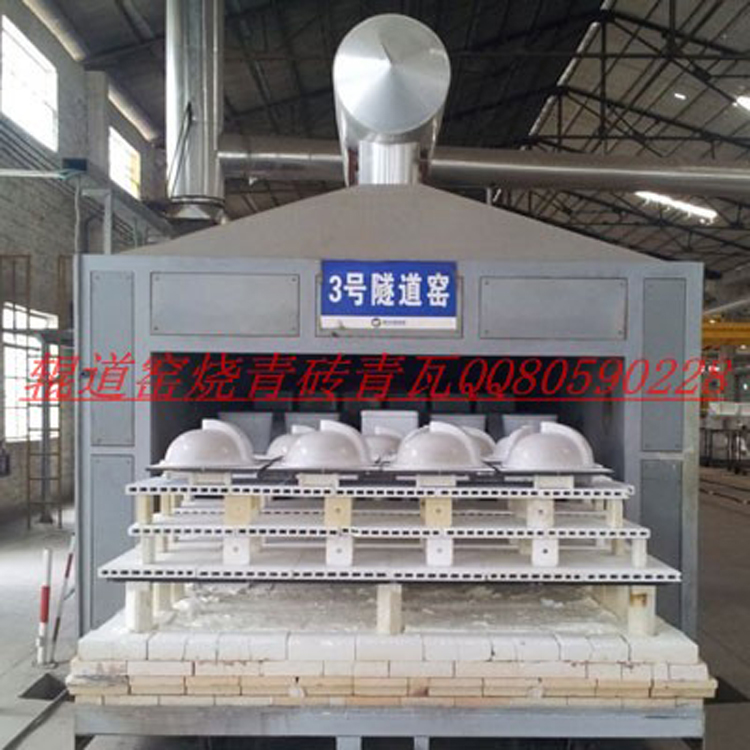

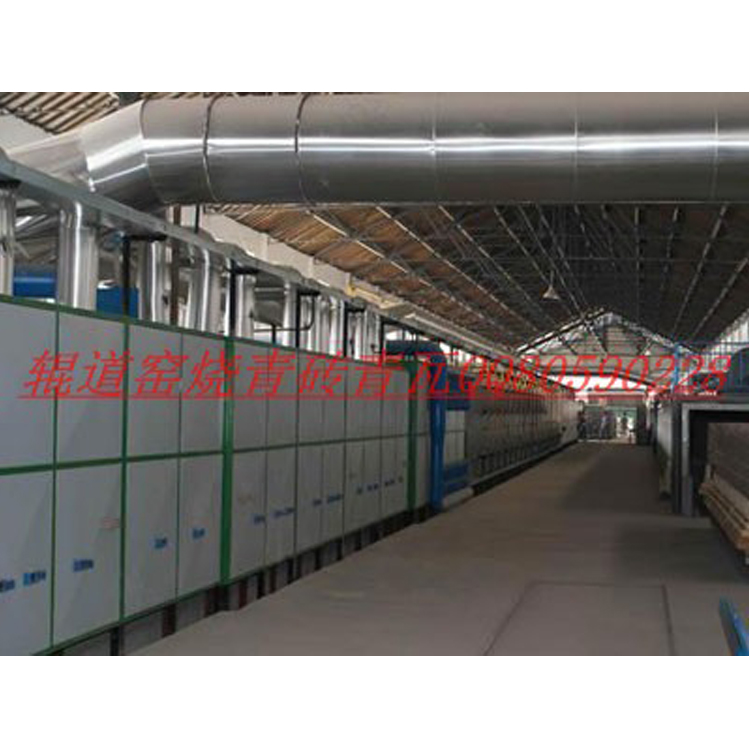


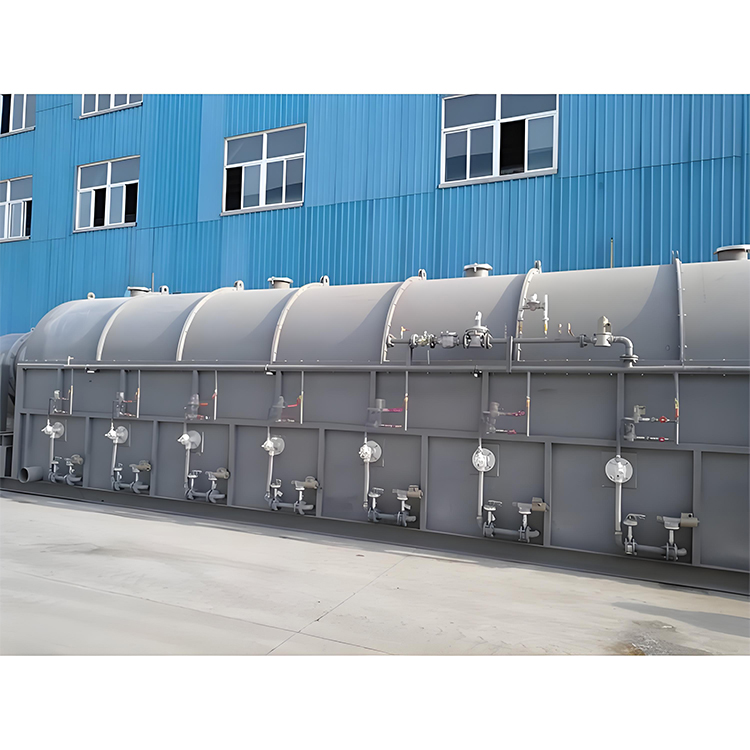
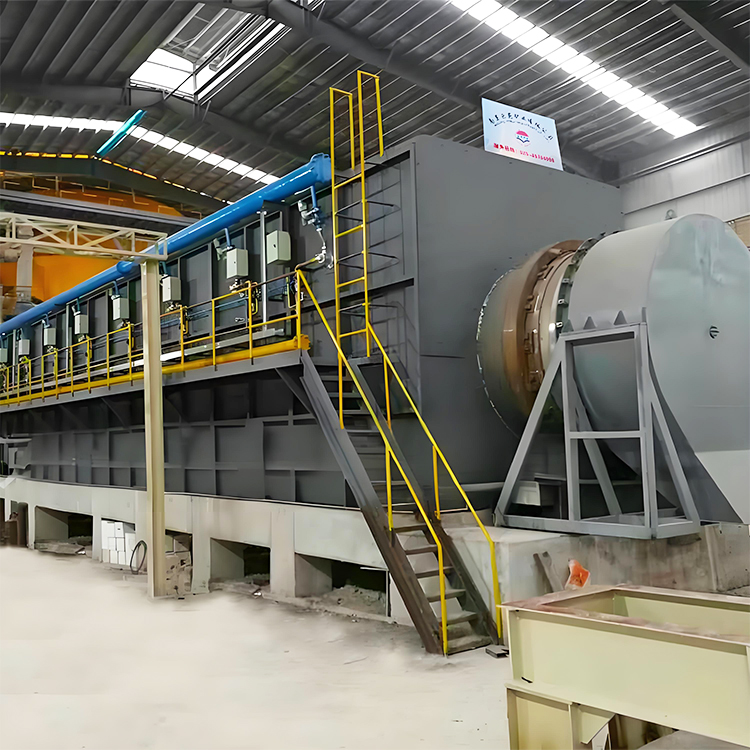
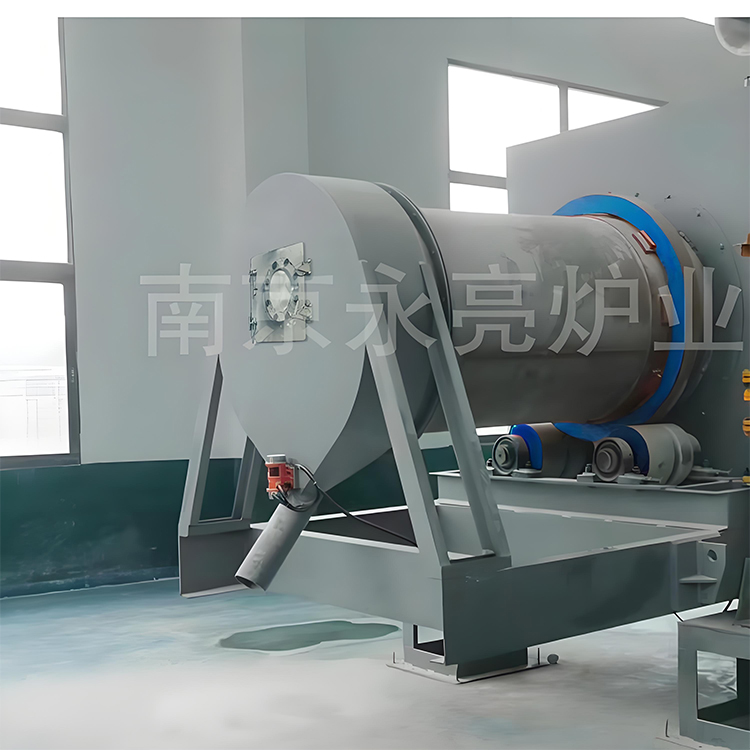
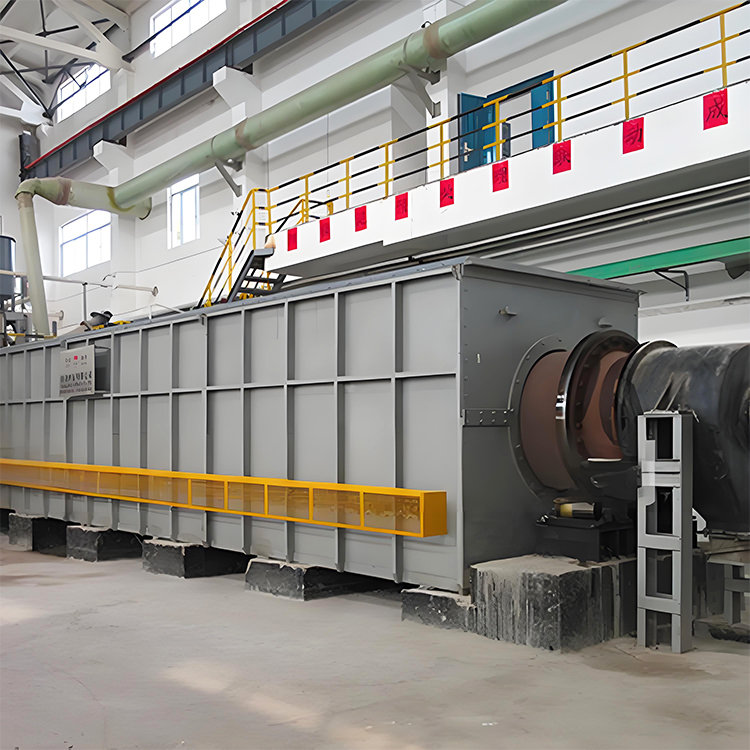
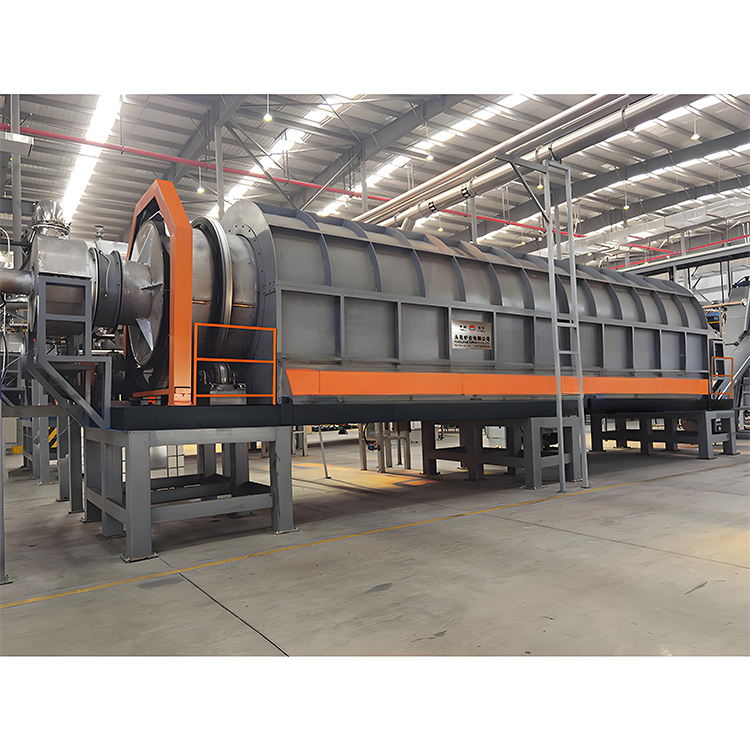





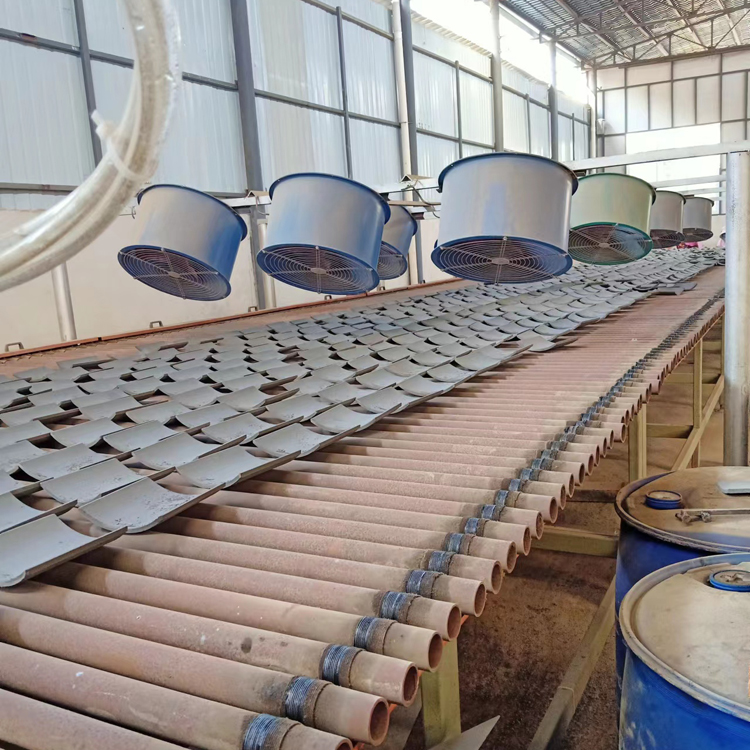
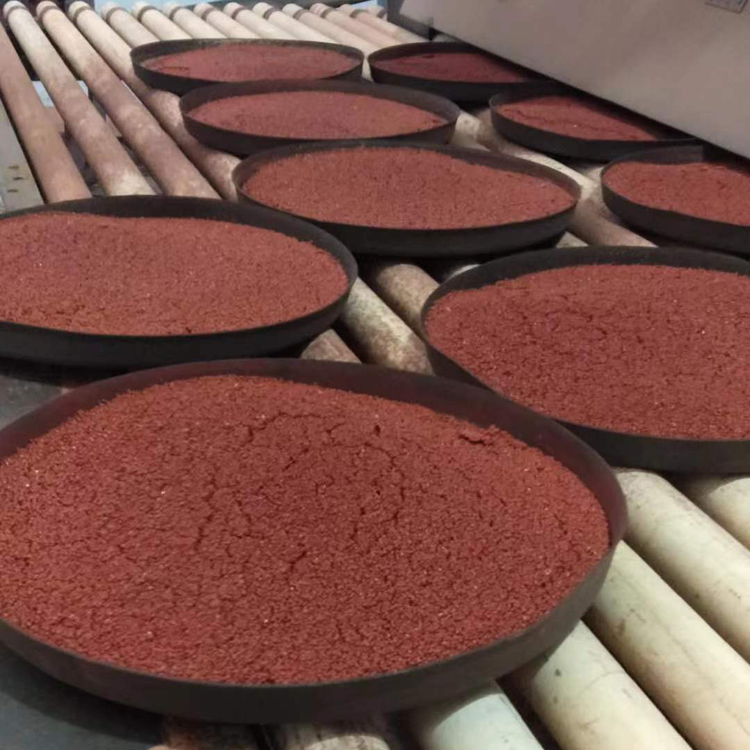
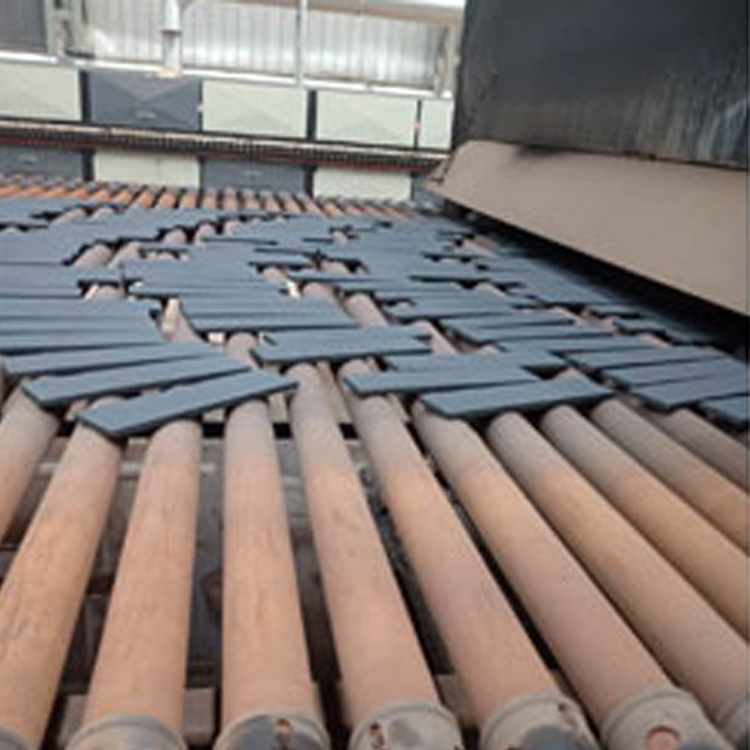
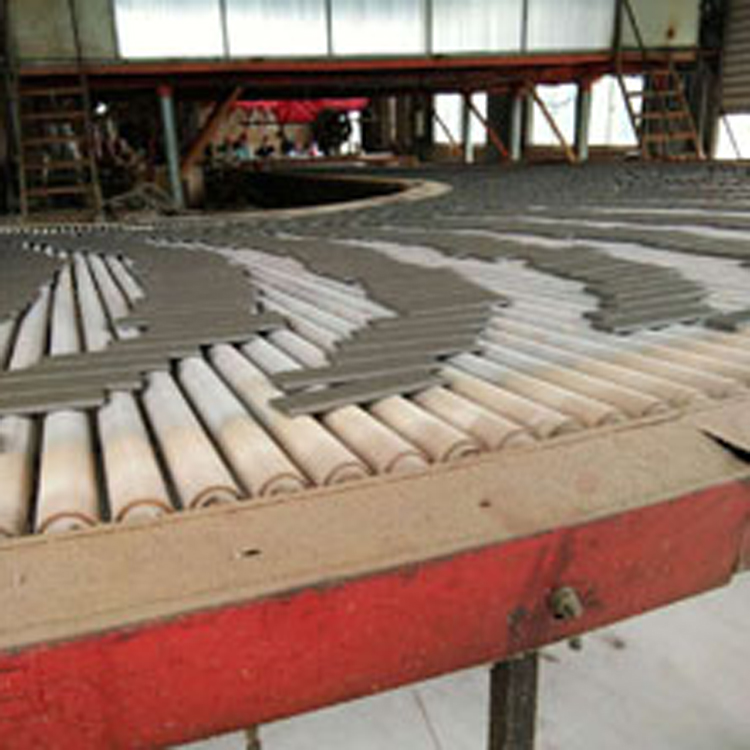
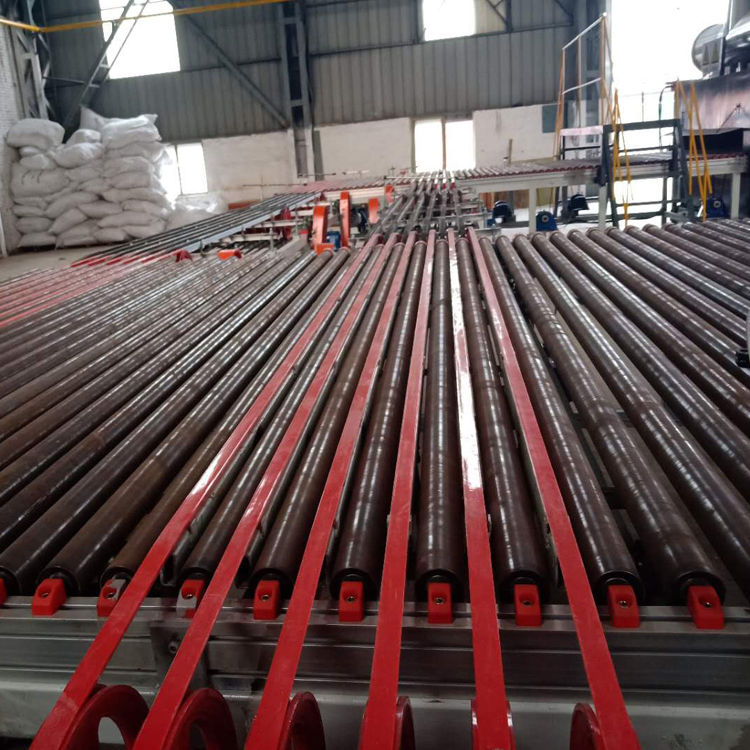
Tunnel kilns are used for the continuous firing of catalysts, ceramics, and other products in a hydrogen-protected atmosphere.
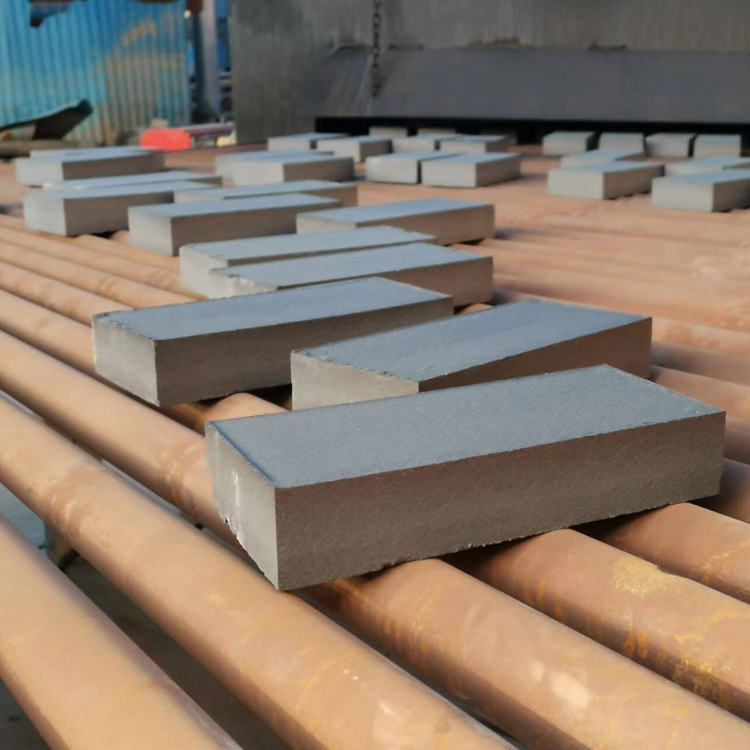
The furnace body includes parts such as the furnace shell and lining, with the shell being welded from steel plates and sections, featuring a fully sealed structure. The lining is constructed from lightweight clay bricks, insulating bricks, and refractory fibers, all being lightweight refractory materials. This equipment is suitable for the continuous firing of catalysts, ceramics, and other products in a hydrogen-protected atmosphere. The tunnel kiln should be used indoors with good ventilation, with air humidity ≤ 85%, and there should be no conductive dust or corrosive gases around the equipment.