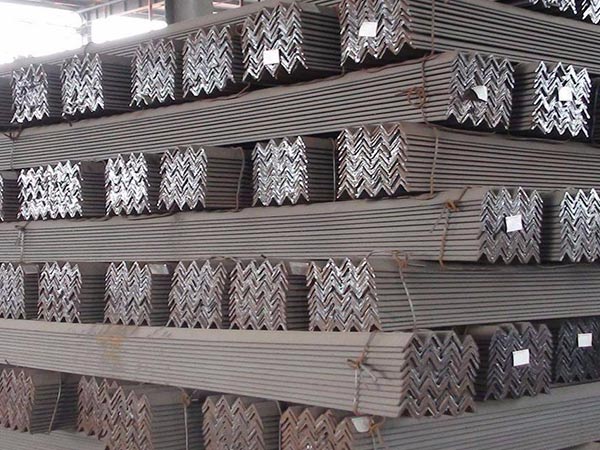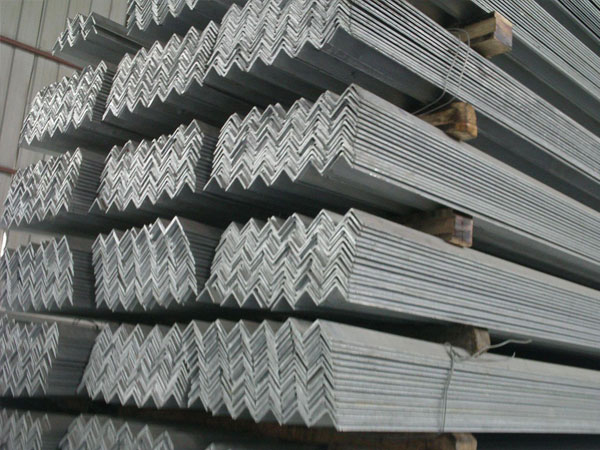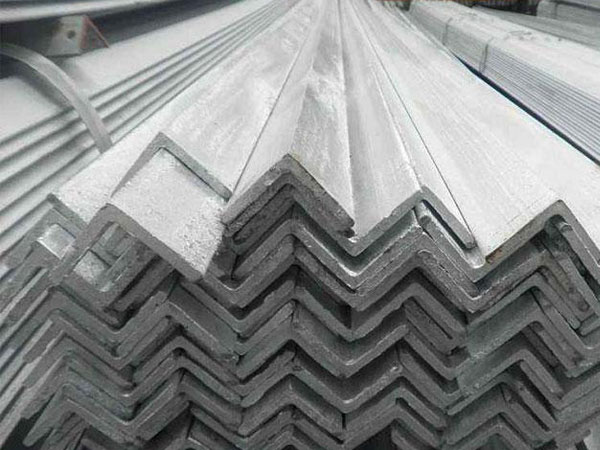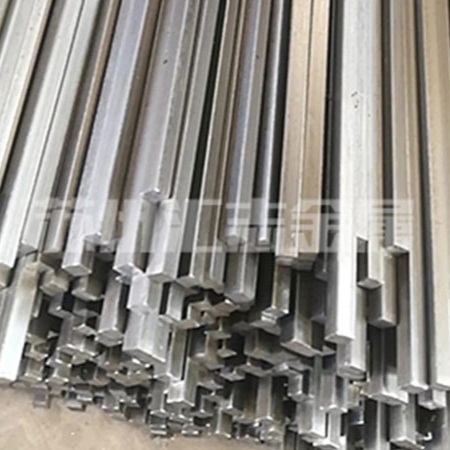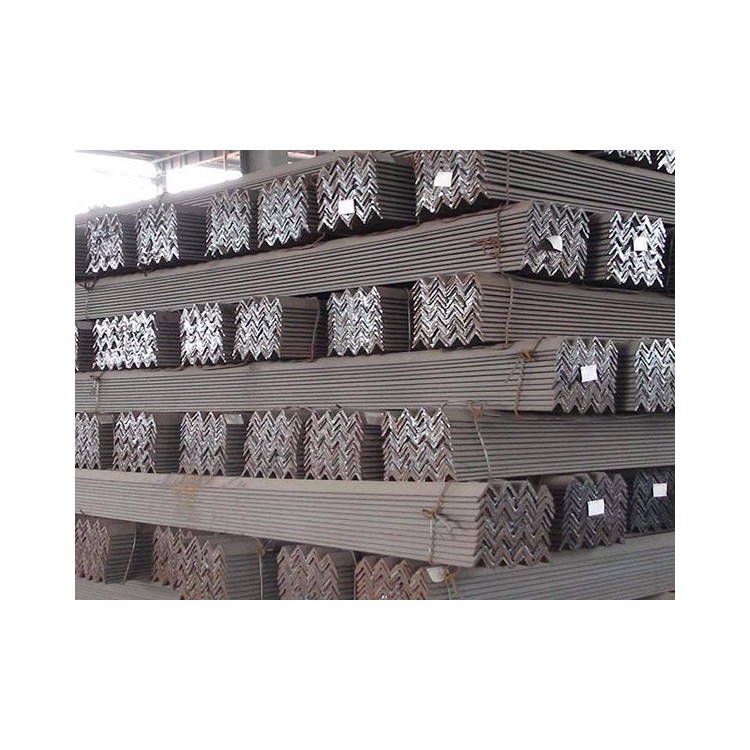

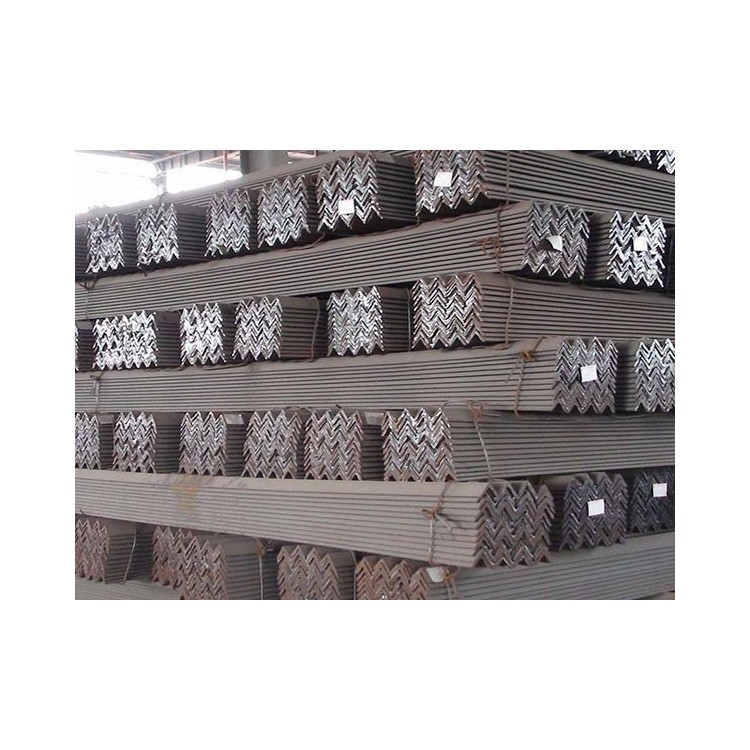
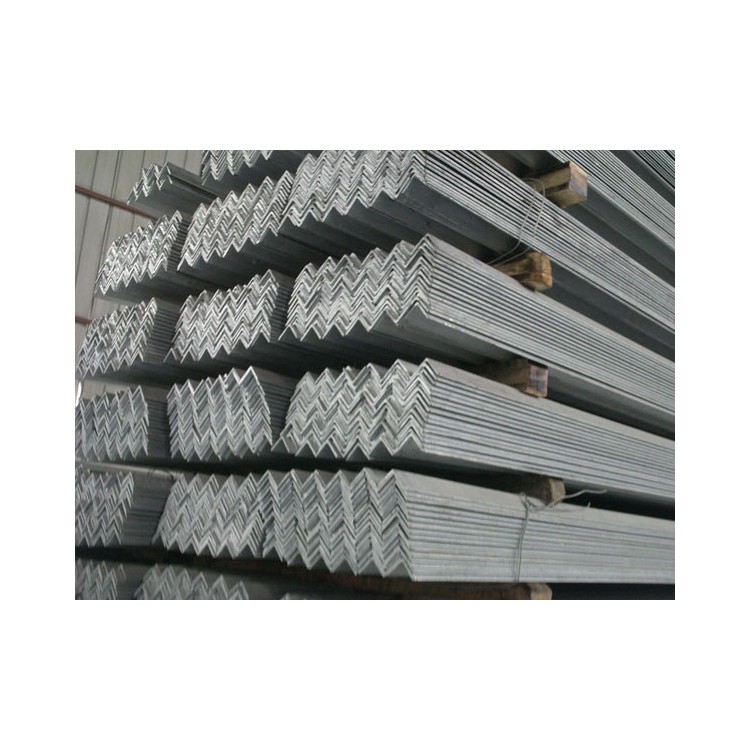


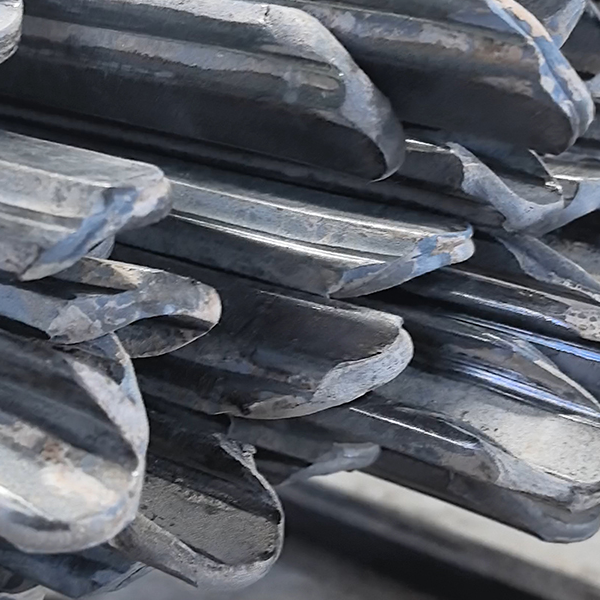
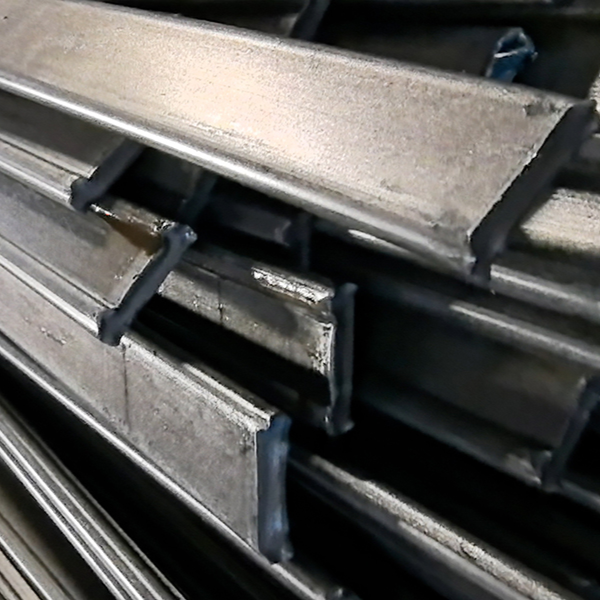
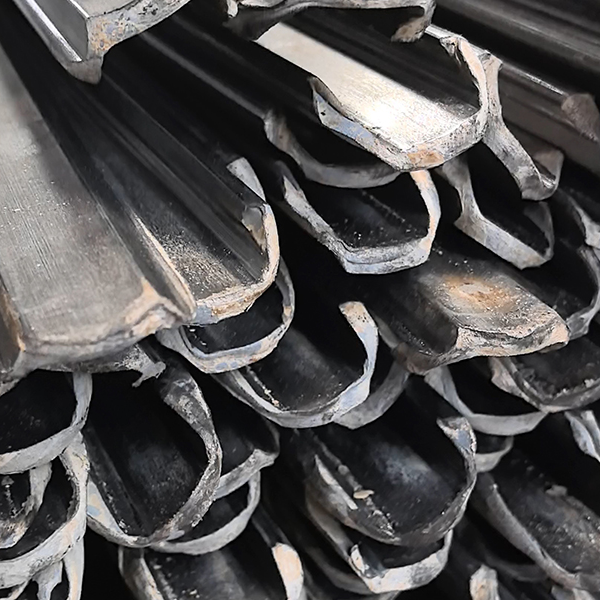





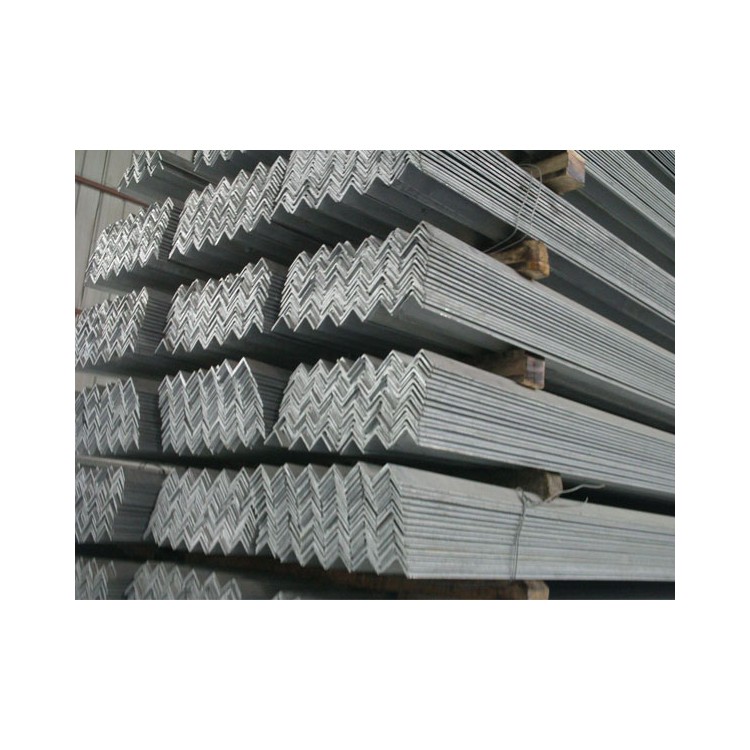
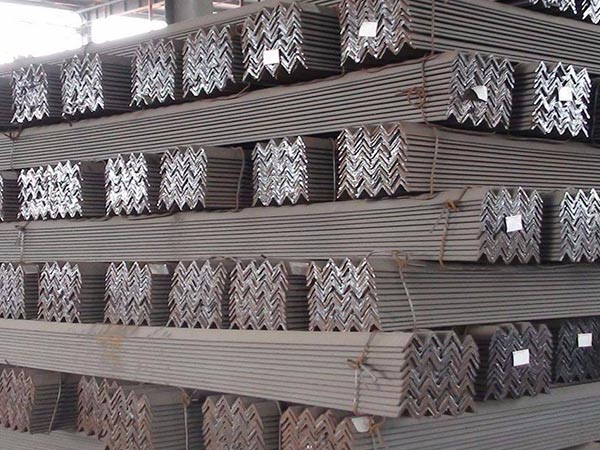
Angle iron, also known as angle steel, is a long strip of steel with two sides forming a right angle to each other. It comes in two types: equal-leg angle iron and unequal-leg angle iron. Equal-leg angle iron has both legs of equal width. Its specifications are indicated by the millimeter measurements of leg width × leg width × thickness. For example, “∟30×30×3” denotes equal-leg angle iron with leg widths of 30mm and a thickness of 3mm. It can also be identified by model numbers, which represent the centimeter width of the leg, such as ∟3#. Model numbers do not indicate the thickness variations within the same model, so it is essential to fill in both the leg width and thickness dimensions on contracts and other documents to avoid using the model number alone. The specifications for hot-rolled equal-leg angle iron range from 2# to 20#. Angle iron can be assembled into various structural components to bear different loads, and it can also serve as a connecting element between components. It is widely used in various architectural and engineering structures, such as beams, bridges, transmission towers, lifting and transportation machinery, ships, industrial furnaces, reaction towers, container frames, and warehouses.