









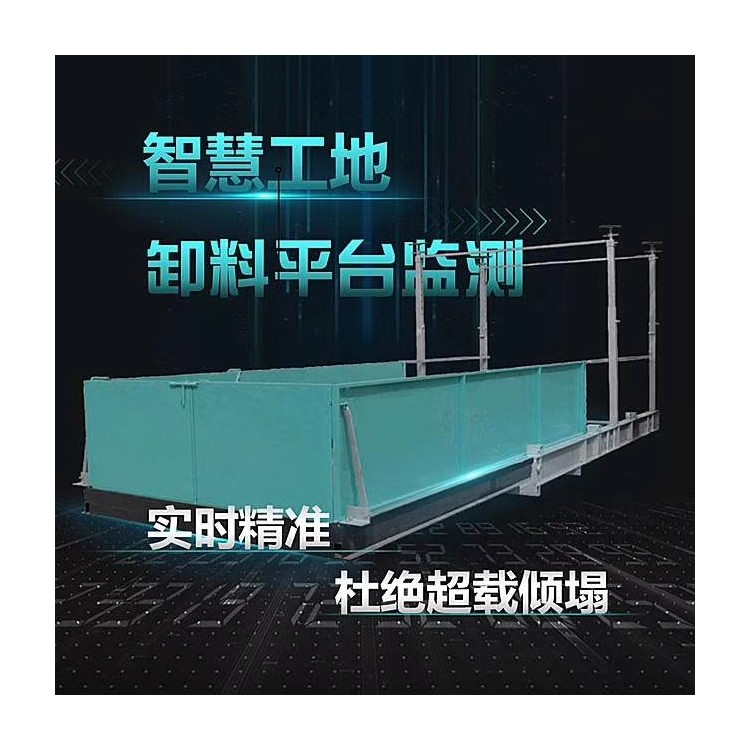


The safe operation of construction lifting equipment is closely related to project management and involves the safety of workers' lives and property. Strengthening the information management of lifting equipment is essential to effectively prevent accidents. Therefore, studying the remote monitoring and management system for construction hoists is of great significance in improving the informatization level of construction sites and providing effective management tools for construction enterprises to manage hoists, thus avoiding safety accidents. Moreover, the development of the system is more conducive to the perfection of the overall intelligent construction site solution and the deepening of industry applications.
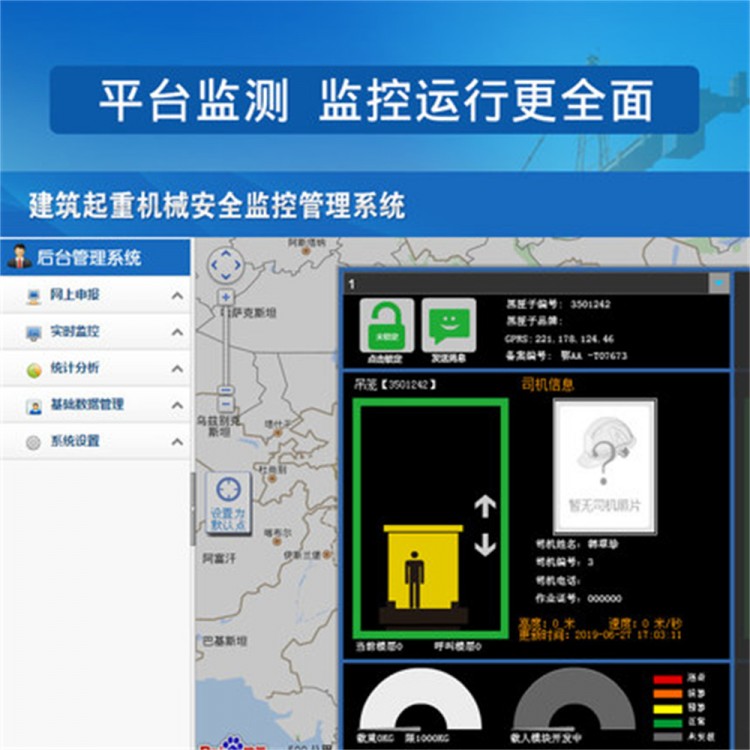
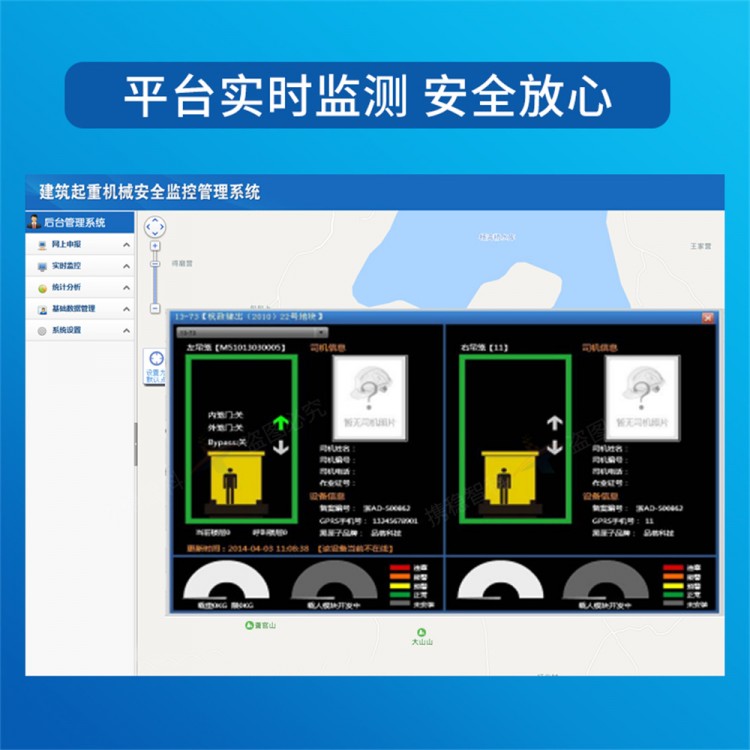
To achieve the aforementioned functionalities, the construction elevator safety monitoring and management system can be generally divided into five layers: data collection, network transmission, central management, business processing, and alarm interconnection layers.
Hoists used on construction sites include construction hoists, material hoists, wire rope cargo lifts, etc. These hoists pose the following safety hazards during operation:
Overloading hazard
Exceeding speed is dangerous.
Excessive personnel hazard.
Exceeding operating limit switches (upper and lower limit switches, limit switches) is dangerous.
The hoist cage door not closing properly poses a dangerous operation.
Lift guide rail bracket installation being uneven poses a hazard.
Various safety hazards pose significant dangers to the safe operation of elevators.
Our company independently researches, develops, and produces a high-level intelligent monitoring and control system for construction elevators/hoists/material lifters (hereinafter collectively referred to as "elevators"), which features floor calling, safety monitoring, and automatic leveling functions. It effectively prevents hazards such as overloading, exceeding the number of people, over-speed (anti-fall), height limitation, door lock detection, and tilting during the operation of the elevator, thereby ensuring the safety of construction.MachineryOperation over the long term.
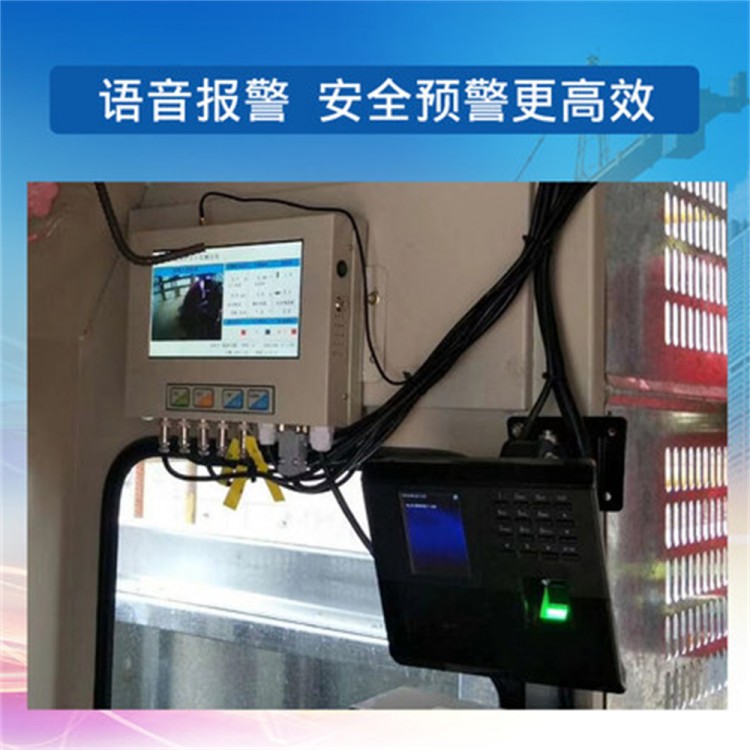
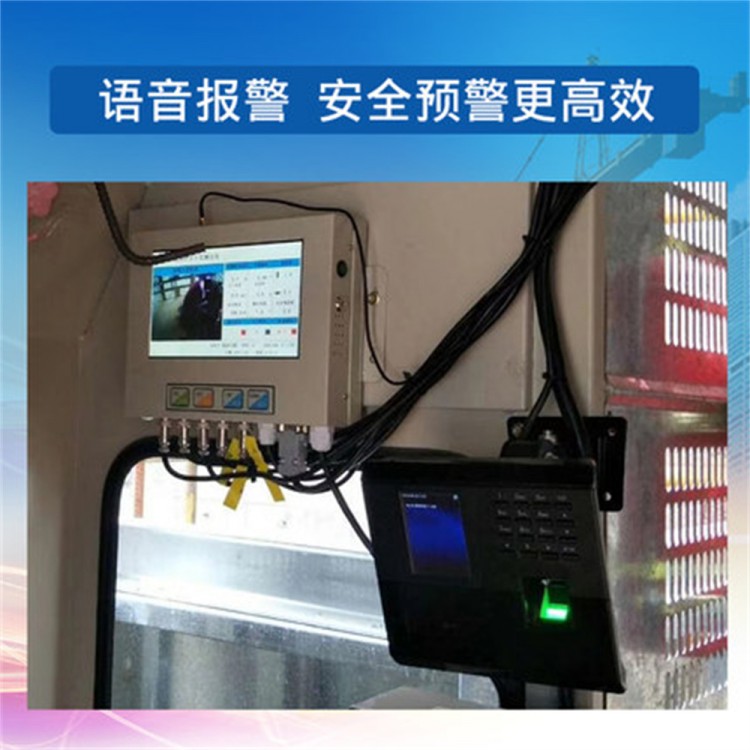
The system consists of an intelligent controller,The AS-302 call button and the AS-304 remote management platform, among other components, make up the three parts.
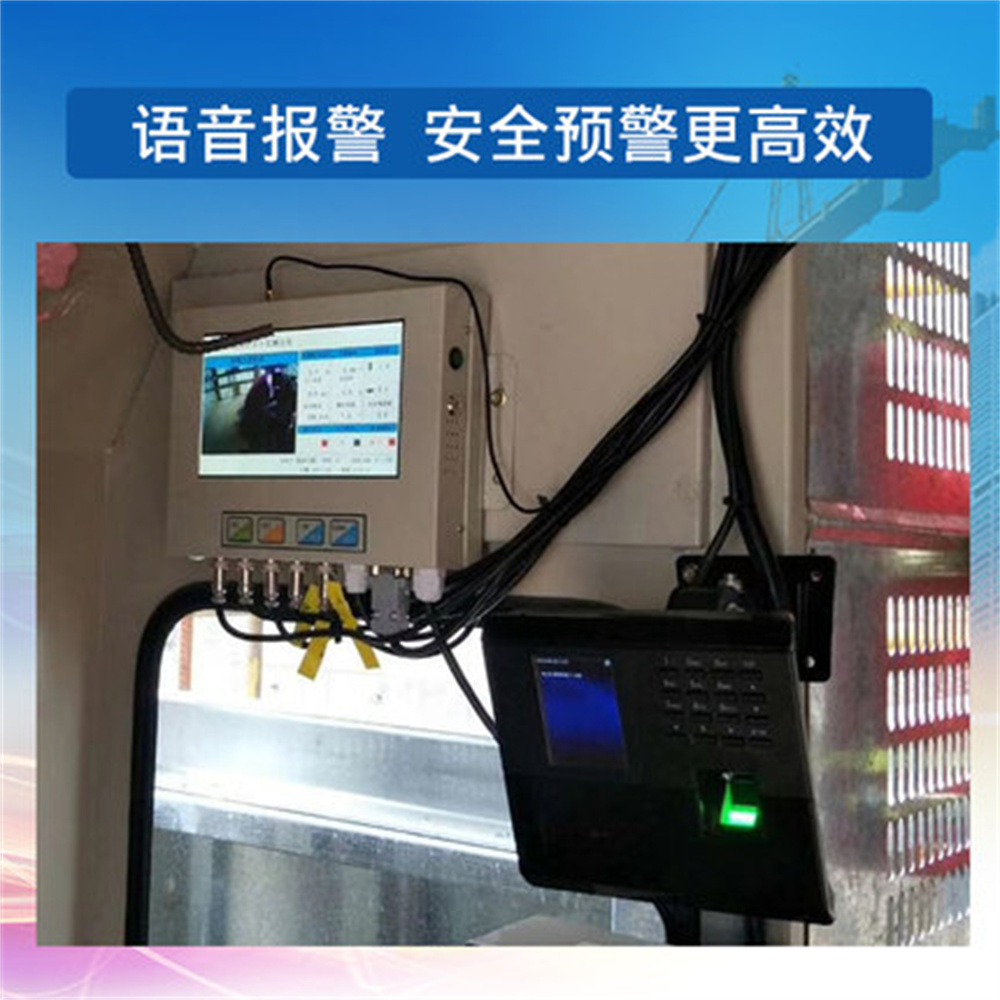
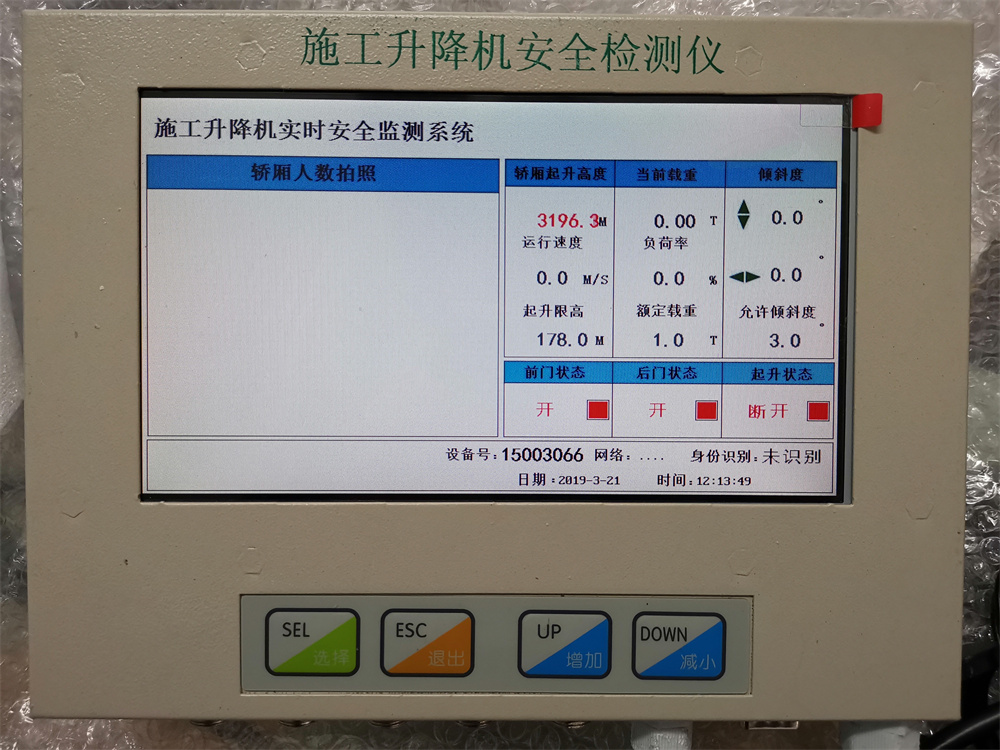
The intelligent controller is installed in the hoist cage of the elevator, facilitating passenger operation. This controller can monitor the elevator's load capacity, passenger count, speed, position, and tilt angle in real-time, and automatically achieve the precise leveling function of the elevator, saving labor while providing a more accurate positioning effect.
Callers are installed on various floors, enabling timely transmission of operation requests to the controller when passengers need to go up or down, and accurately reflecting the elevator's operational status.
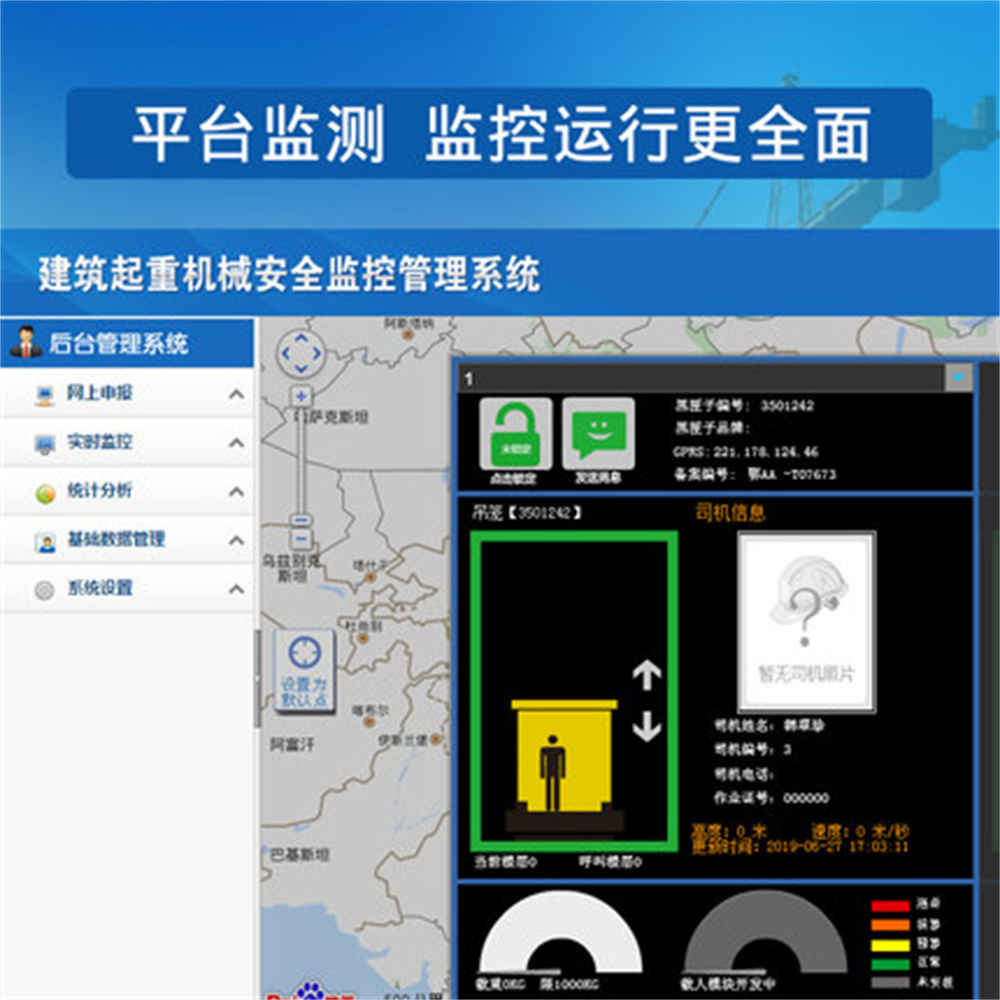
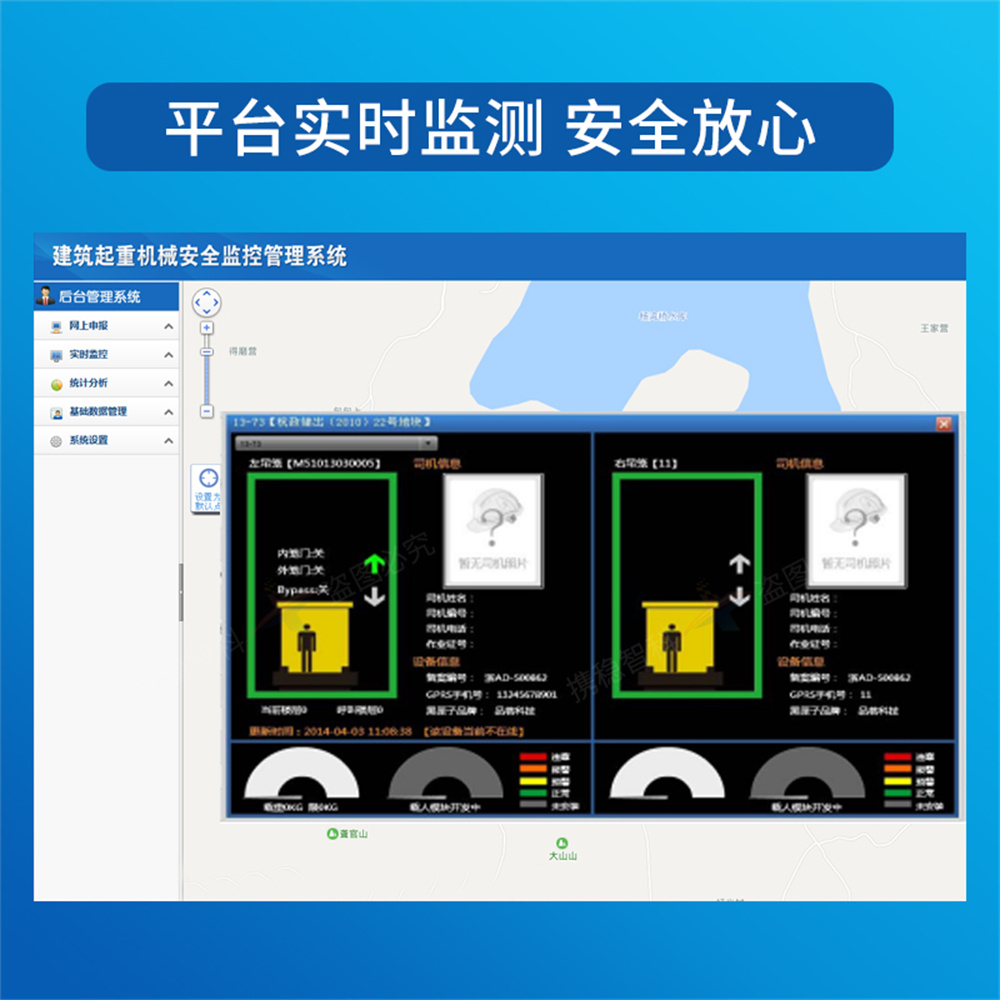
The remote management platform is used for remote monitoring, management, and control of the movement status of multiple elevators within a region, enhancing management efficiency.
Product Features
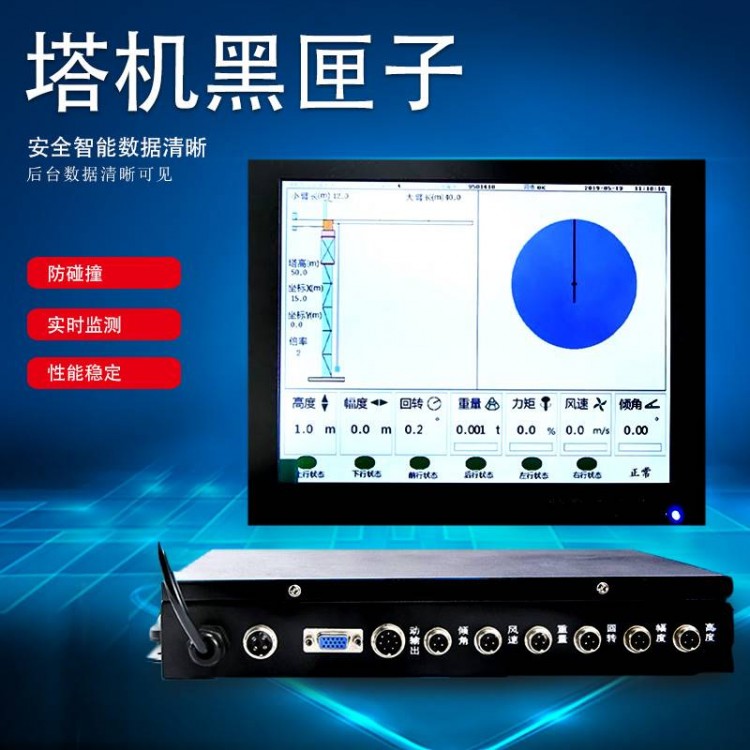
1) Integrates multiple functions such as safety monitoring and early warning, black box, photo-taking, identity recognition, and crowd counting into one unit.
(2) Nine safety monitoring functions: Capable of real-time monitoring of construction elevator load, passenger count, speed (anti-fall), height limit, door lock status, guide rail frame tilt, track obstructions, cabin video surveillance, and operator identity management. These functions provide effective protection against various system hazards, and the data can be transmitted to a remote management platform for remote control and management of construction machinery.
(3) The automatic voice announcement system will automatically issue voice announcements in case of system dangers, when the elevator starts running, and when it reaches the target floor, to remind the driver and passengers.
(4) Power failure protection: In the event of an unexpected power outage, the system can safely lock the equipment using backup power, enhancing equipment security.