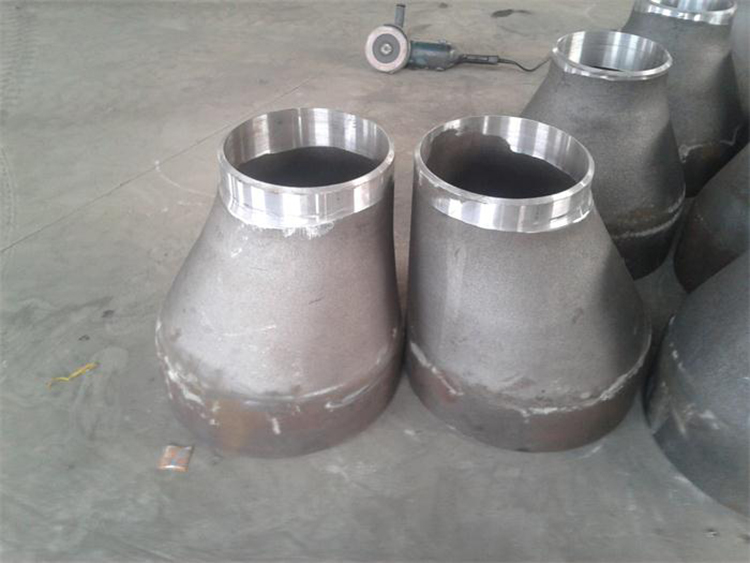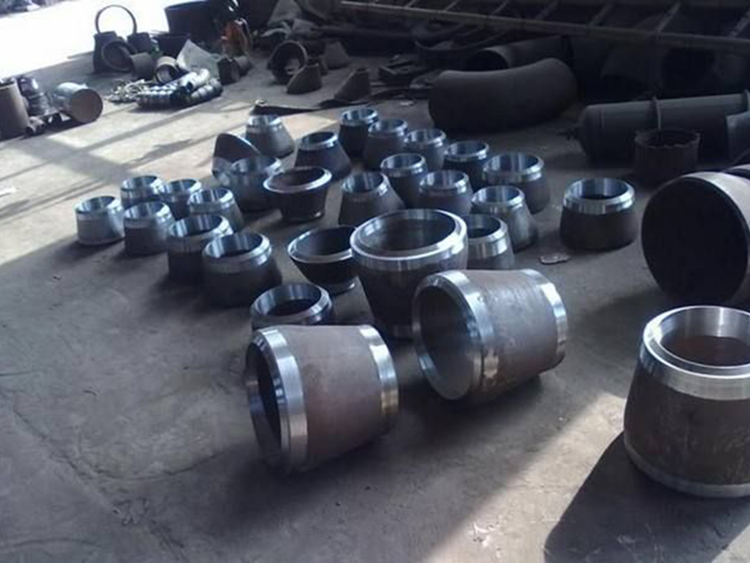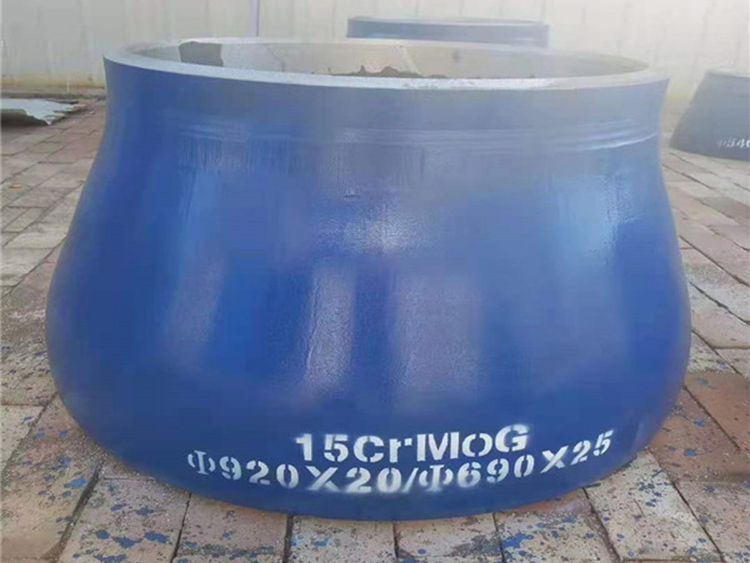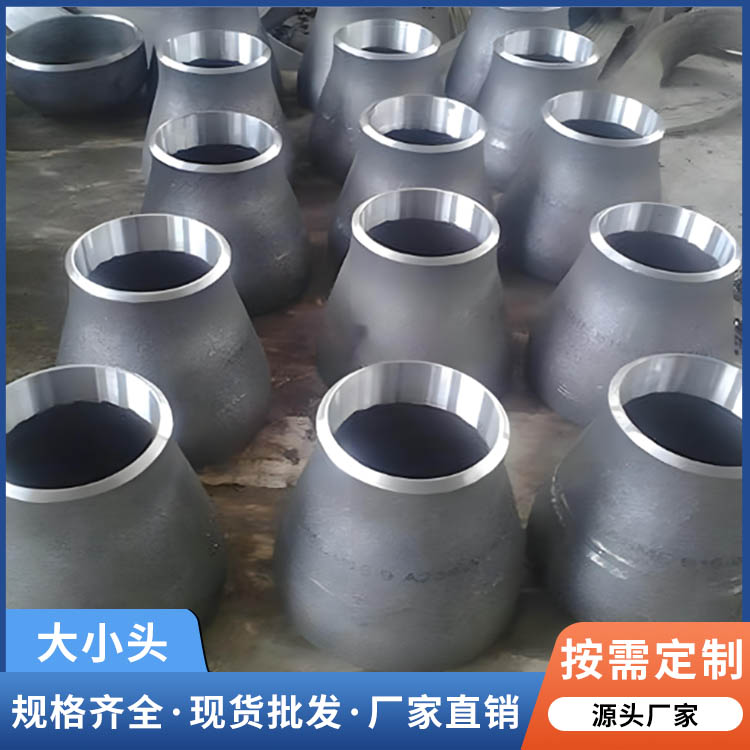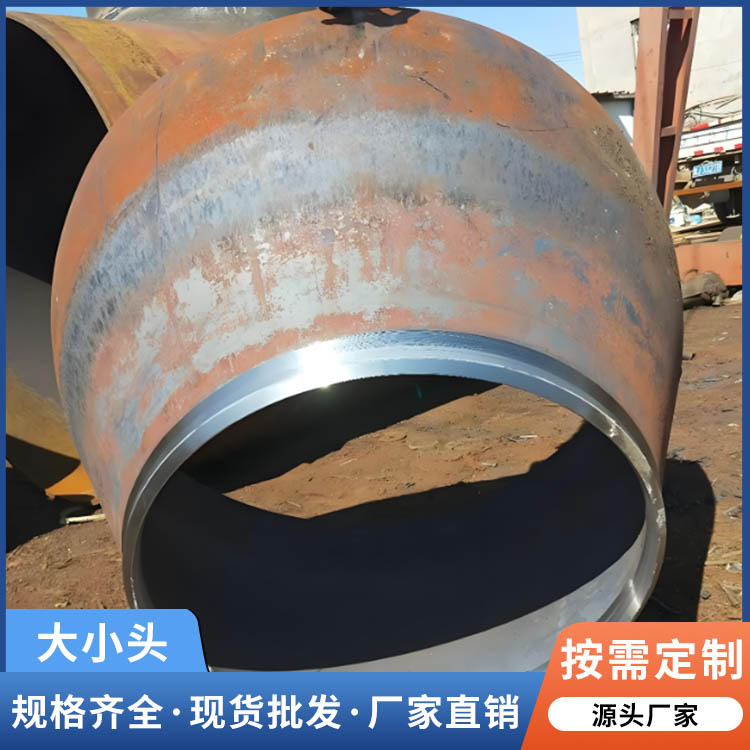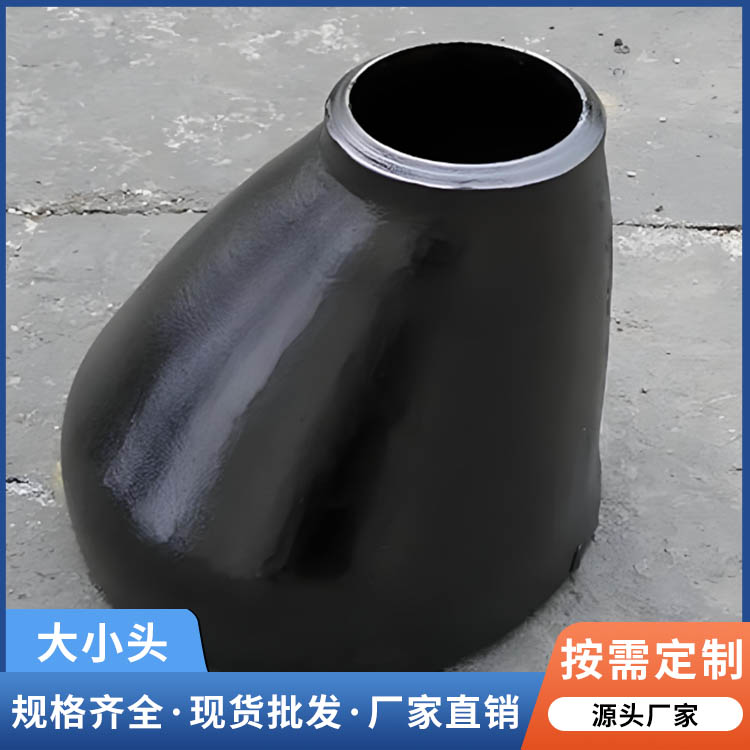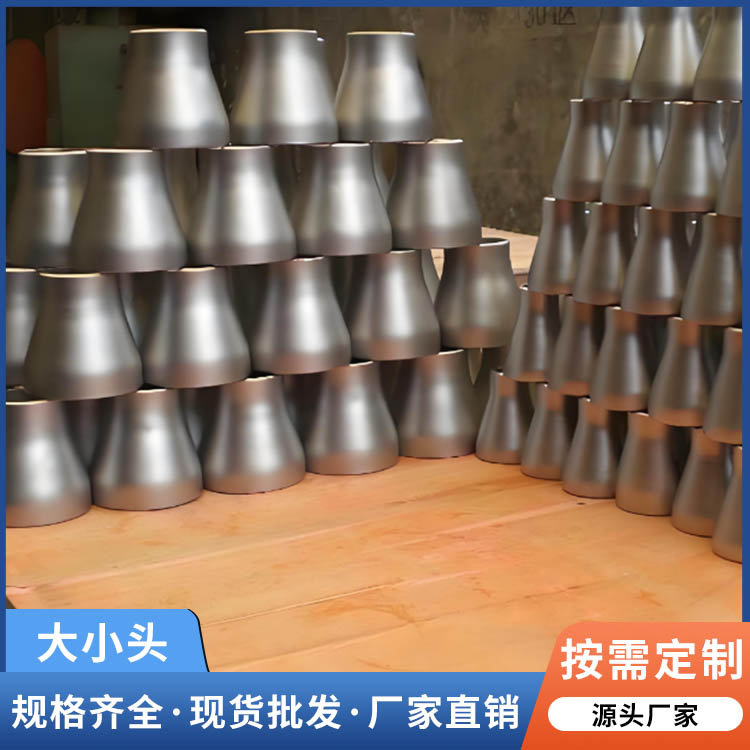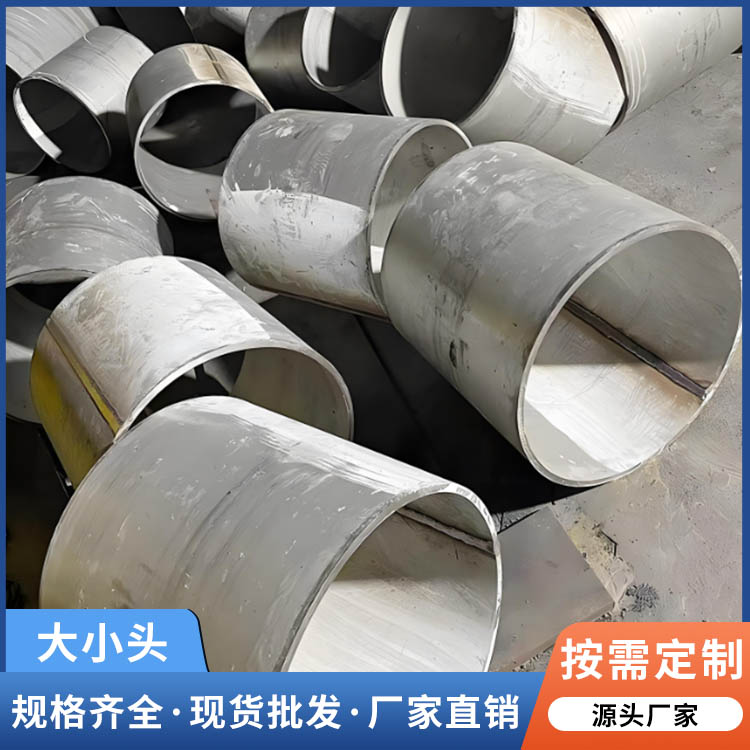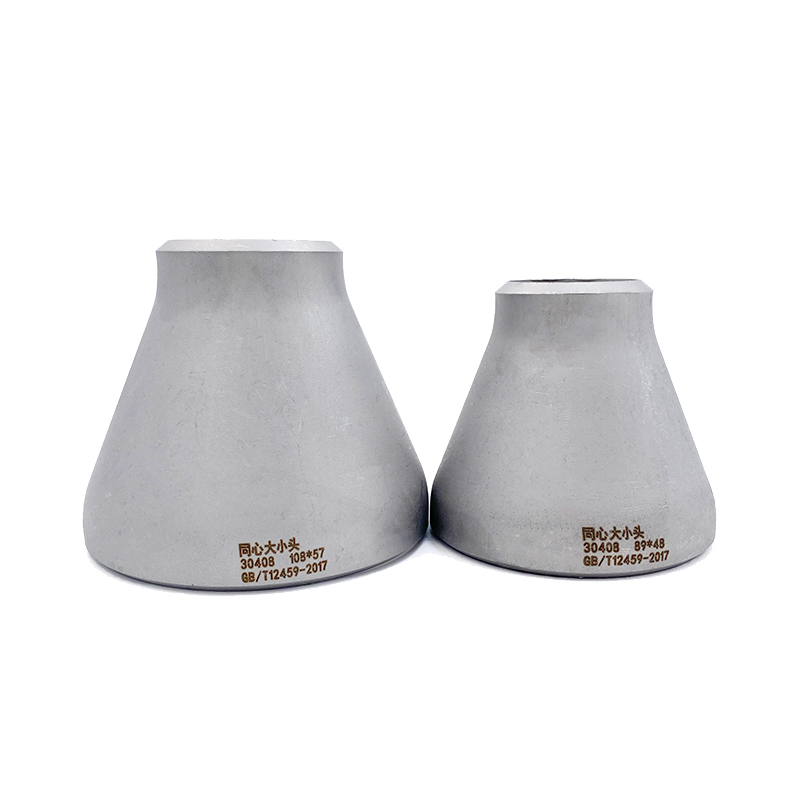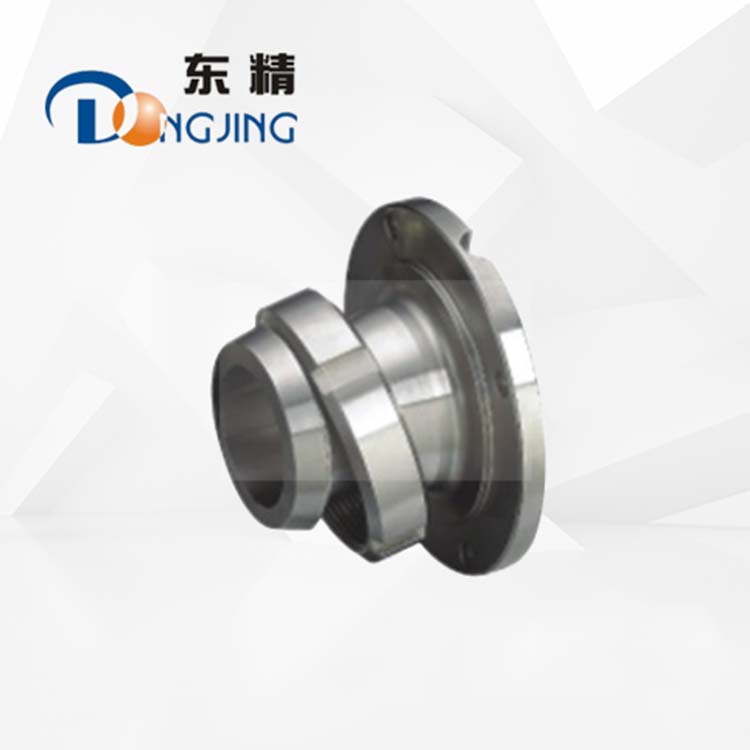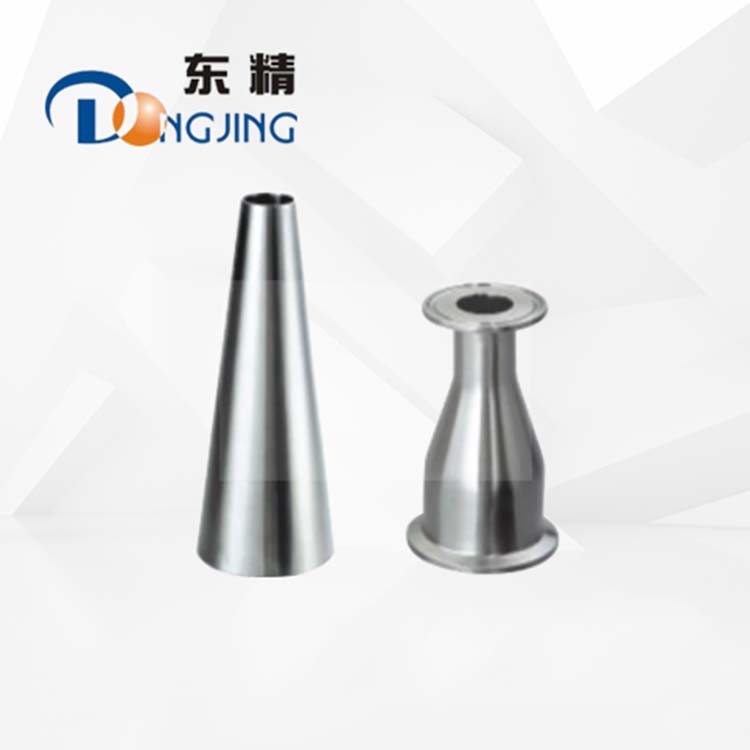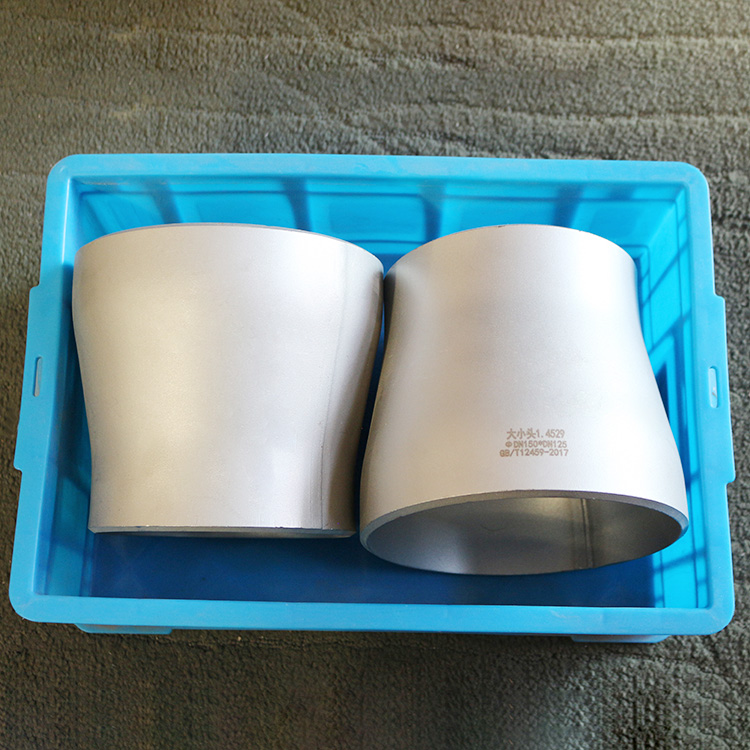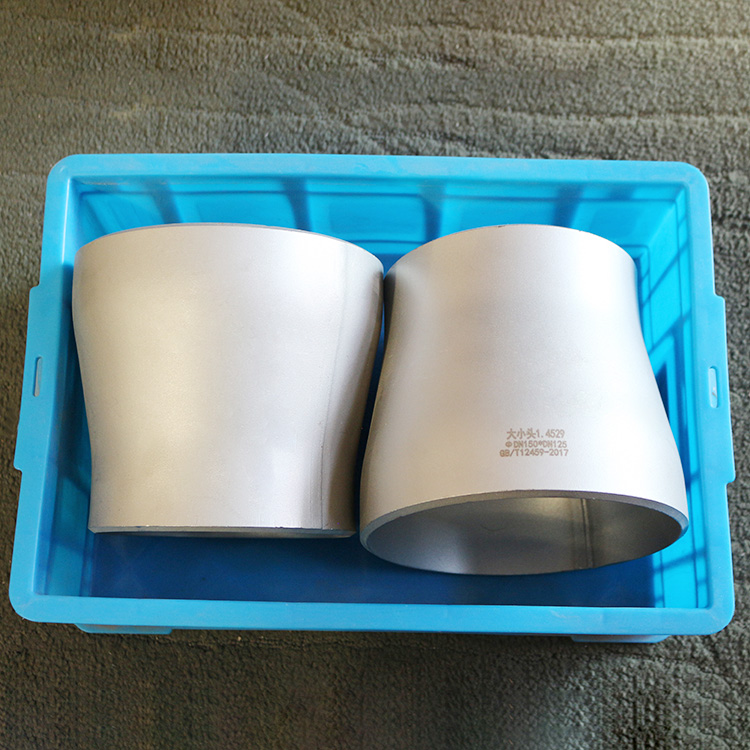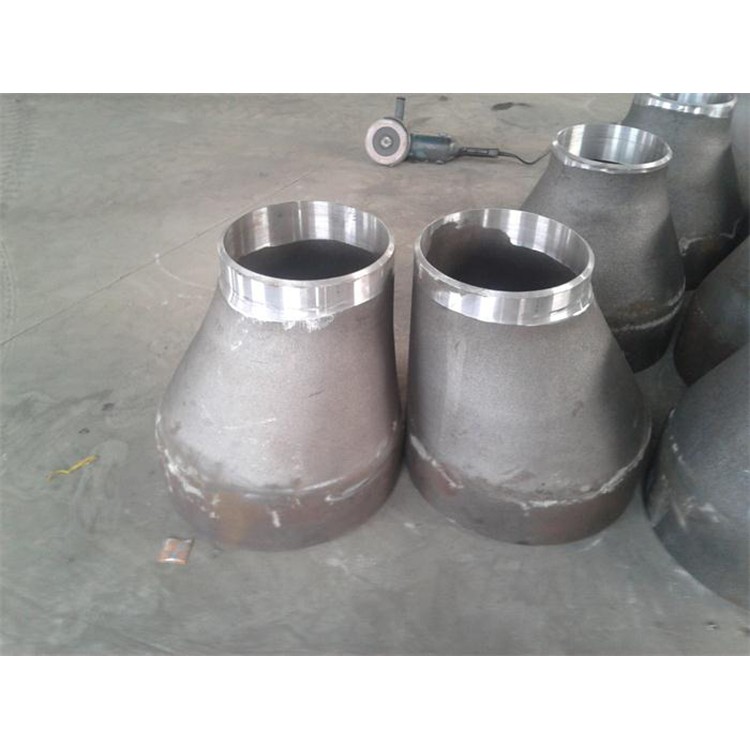

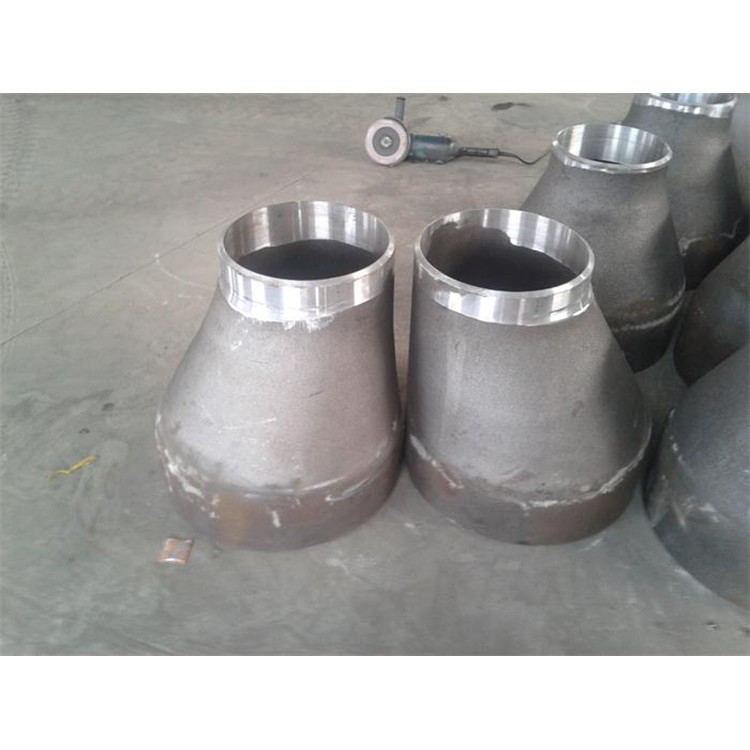
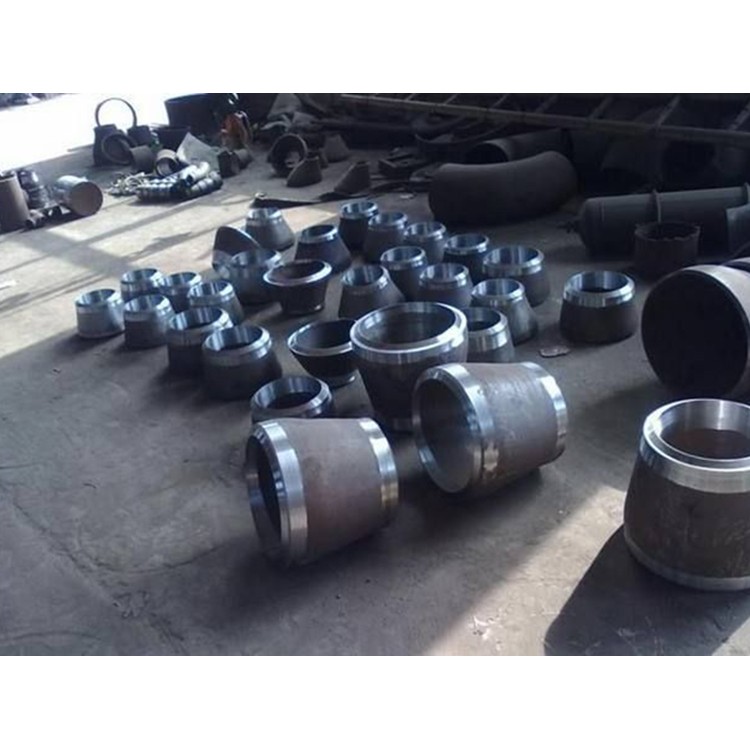
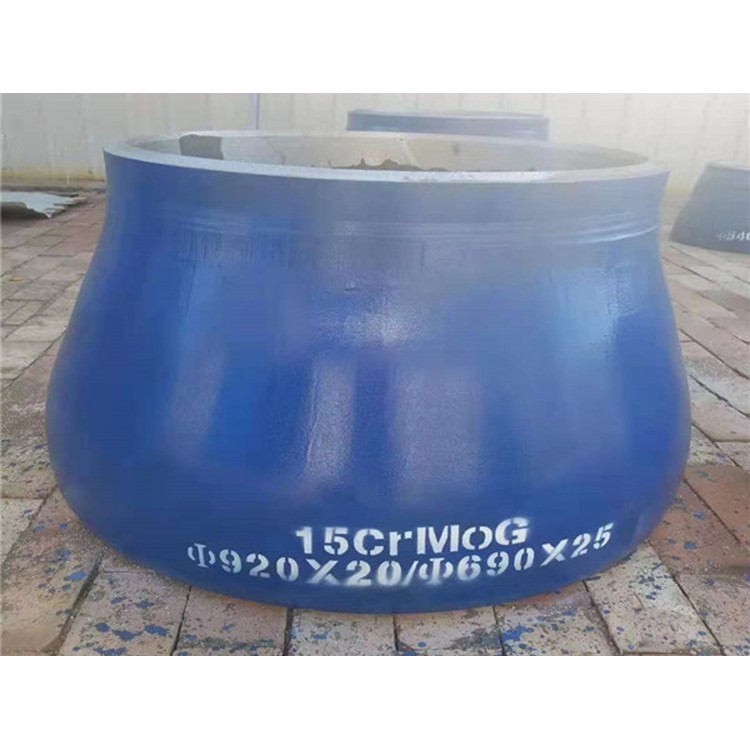


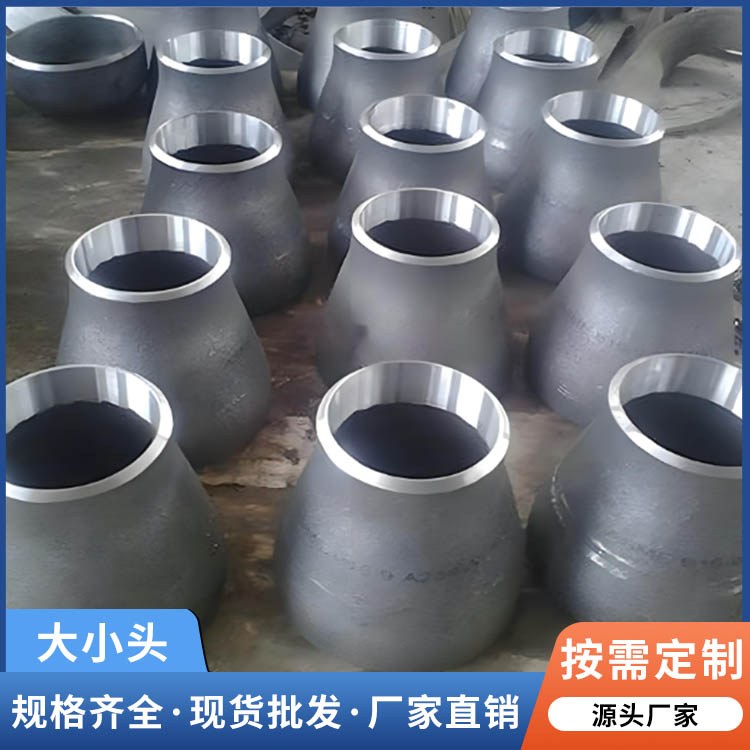
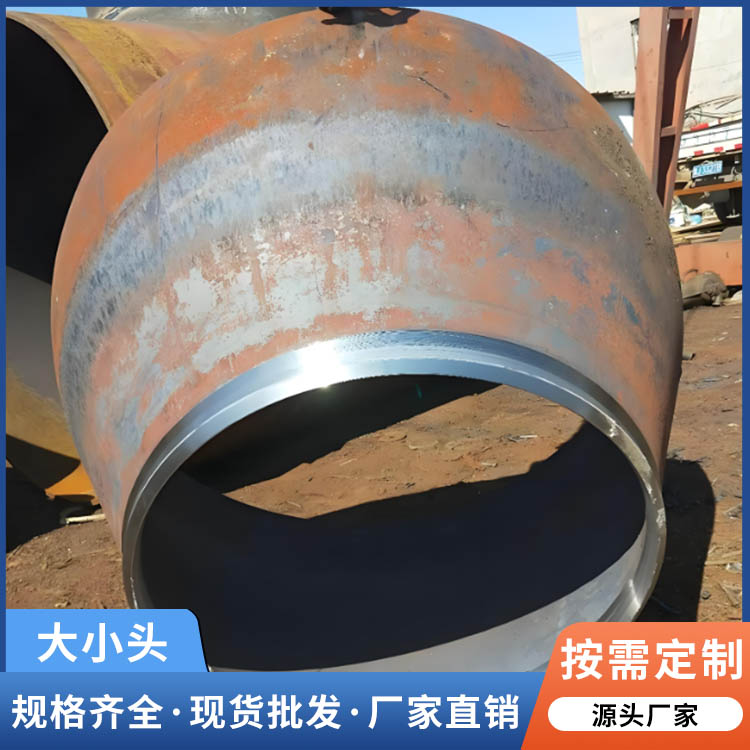
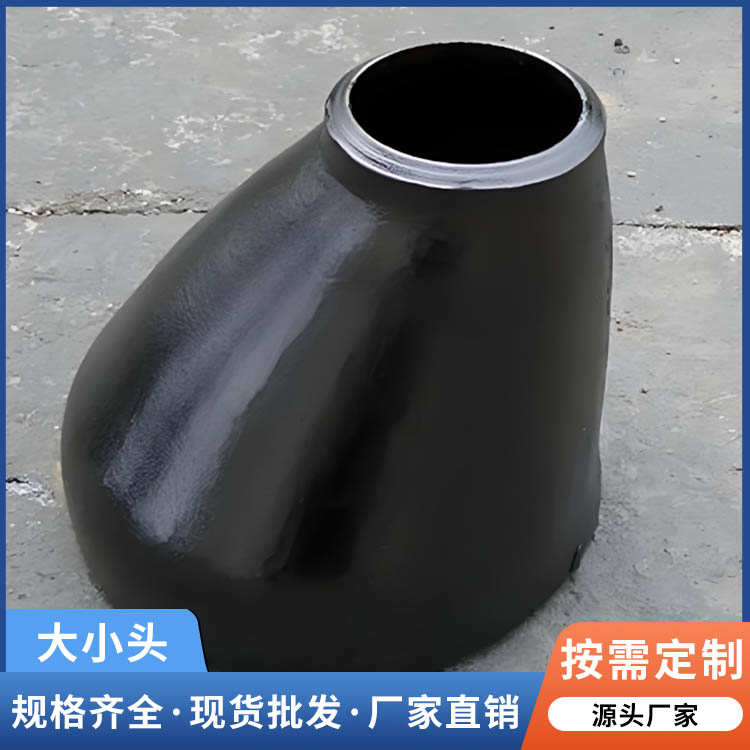
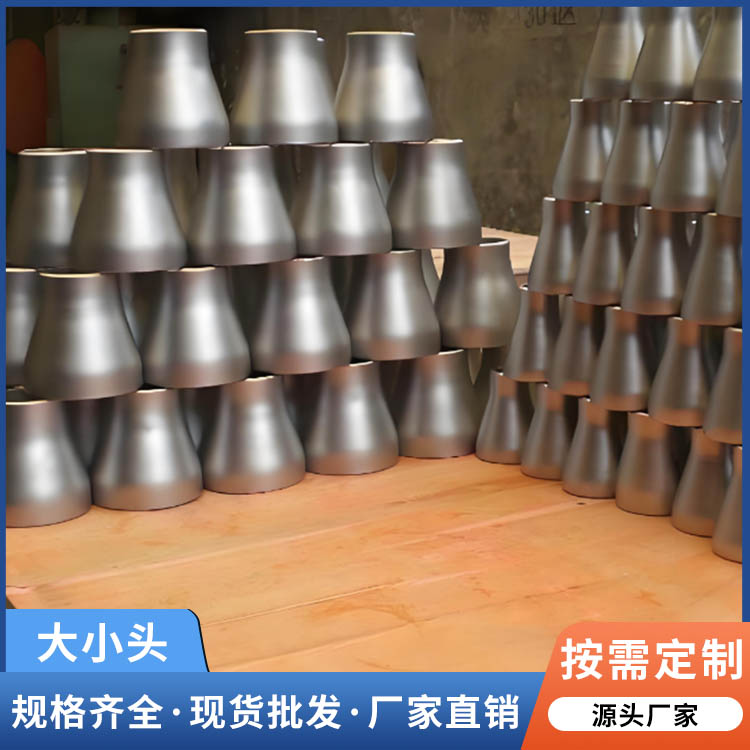







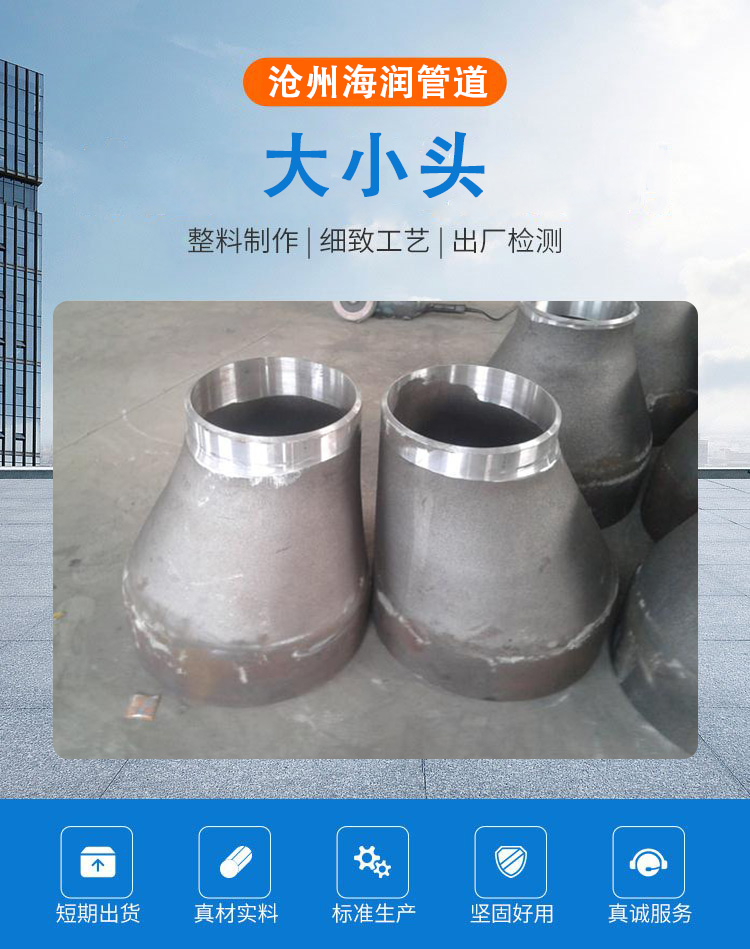
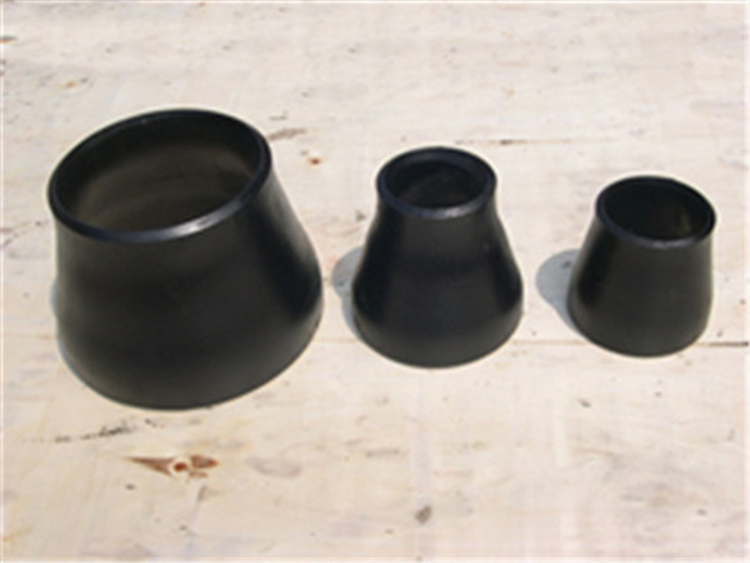


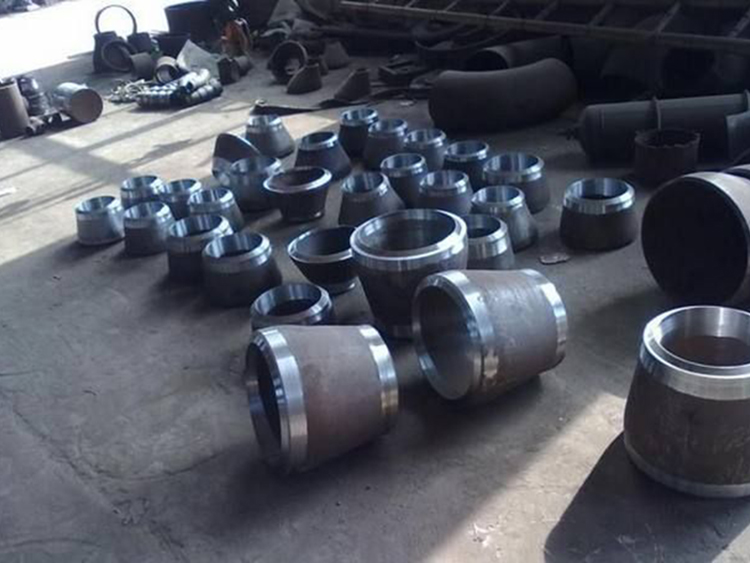

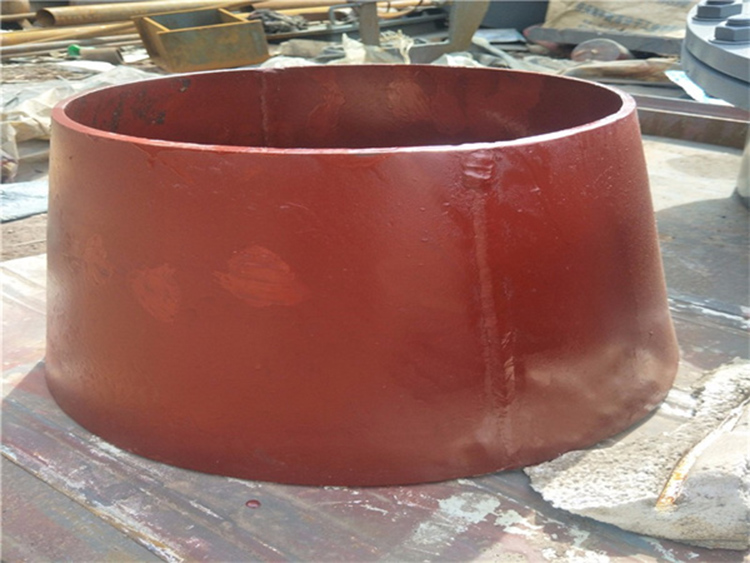

Reduced Bends, also known as elbows, are one type of chemical pipeline fitting used for connecting two pipes of different diameters. They are further categorized into concentric and eccentric reduced bends. The materials for reduced bends include stainless steel reduced bends, alloy steel, carbon steel reduced bends, and 20# steel Q235-Q345, etc.
Reduced Bends (elbows) are pipe fittings used for fittings with different diameters. Common forming processes include decompression, expansion, or combined decompression and expansion. For certain sizes of reducers, forging can also be utilized.
The reduction forming process for eccentric reducers involves placing a billet with a diameter identical to the reducer's large end into the forming die. By squeezing along the axial direction of the billet, the metal moves and shrinks within the die cavity.
1. The distribution characteristics of eccentric pipes:
The phenomenon where the larger end opens relatively and the smaller end contracts relatively, caused by the bending moment generated by the area pressure difference between the large and small ends of a concentric reducer under internal pressure.
Under internal pressure, the hoop stress on the inner surface of the larger end and the outer surface of the middle section of the eccentric reducing pipe is significant.
2. Application of Unequal Diameter Pipe
When the flow rate of the fluid in the pipeline changes, such as an increase or decrease, and the flow rate requirement does not change significantly, a reducer should be used.
(2) At the pump's inlet, a reducer is required to prevent cavitation.
(3) To accommodate the connections with instruments such as flowmeters and control valves, eccentric reducers are also required to match the instrument's fittings.